


How important the Destoner in the grain cleaning process
مارس . 13, 2026 15:46
How Important the ديستونر in the Grain Cleaning Process?
Introduction: The Indispensable Role of Destoners in Modern Grain Cleaning
In the global agricultural processing industry, covering grain milling, seed breeding, bean processing, spice purification, and botanical material handling, the grain cleaning process is the most critical preliminary step that shapes the entire production chain. It directly determines final product purity, processing safety, machinery service life, and compliance with international food safety and quality standards. Among all types of cleaning equipment, the destoner is not just an auxiliary machine but a core, irreplaceable device that solves a long-standing industry pain point: the thorough removal of stone impurities. Unlike basic cleaning machines such as sifters, aspirators, and magnetic separators, which only target light debris, dust, chaff, or metal fragments, the destoner specializes in separating heavy stones, pebbles, and mineral clumps—contaminants that pose catastrophic risks to processing lines and end products.
Stones are inherently mixed with harvested crops during field harvesting, bulk transportation, and warehouse storage, and their similar size and density to grains, seeds, and beans make them nearly impossible to remove with conventional equipment. A high-performance destoner, however, stands out with its 100% stones removing rate, a gold-standard performance indicator that elevates processing efficiency and product quality to an industry-leading level. Built with a rugged 304 Stainless Steel woven table for durability, hygiene, and stable separation, and engineered to operate seamlessly across various grains, seeds, beans, spices, and hibiscus flowers, this machine redefines the standards of grain cleaning. This article elaborates on the pivotal importance of destoners in the grain cleaning process, analyzes their core advantages, material benefits, multi-material adaptability, and long-term value, and complies with strict SEO best practices and EEAT (Experience, Expertise, Authoritativeness, Trustworthiness) principles to provide authoritative, practical guidance for agricultural processors, food manufacturers, and industry professionals.
1. The Hidden Risks of Incomplete Stone Removal: Why 100% Stone Removal Is Critical
Many agricultural processing enterprises underestimate the harm of residual stones, viewing them as minor impurities that do not affect basic production. In reality, incomplete stone removal triggers a series of irreversible losses, ranging from equipment damage to food safety accidents and market rejection. To fully understand the value of destoners, it is essential to recognize the severe consequences of failing to achieve 100% stone removal in the grain cleaning process.
First, unremoved stones cause massive damage to processing machinery, leading to soaring maintenance costs and production downtime. Industrial processing equipment, including milling machines, roller crushers, pulverizers, and packaging machines, is equipped with precision blades, screens, and transmission components. Hard stones act as abrasive materials, cutting and wearing down these precision parts, causing screen breakages, blade dulling, and even sudden mechanical failures. For large-scale industrial plants, equipment downtime means halted production, missed delivery schedules, and direct revenue losses; for small and medium-sized processors, the cost of parts replacement and maintenance can even exceed daily profits. Moreover, frequent equipment failures shorten the overall service life of production lines, forcing enterprises to invest in new equipment ahead of schedule, increasing capital expenditure.
Second, stone contamination seriously violates global food safety regulations and threatens consumer health. Edible grains, beans, spices, and hibiscus flowers are widely used in food, beverage, and health care products, and their purity is strictly regulated by authorities such as the FDA, EU Food Safety Agency, and national quality supervision departments. Stones in food products can cause physical injuries to consumers, such as broken teeth, choking, and gastrointestinal damage, leading to consumer complaints, product recalls, and even legal disputes. Once a brand is associated with safety hazards, it will lose consumer trust irreparably, and its market reputation will be severely damaged, which is a fatal blow to long-term business development.
Third, residual stones reduce product grade and market competitiveness, directly affecting economic benefits. In the global agricultural product market, pure, impurity-free raw materials are classified as high-grade products, commanding premium prices; contaminated materials are labeled as inferior goods, with prices reduced by a large margin. For high-value products like spices, hibiscus flowers, and high-grade seeds, even a small number of stones can make the entire batch unmarketable, wasting agricultural resources and labor costs. In addition, stone impurities affect the texture, taste, and appearance of processed products, reducing their added value and making it difficult for enterprises to enter high-end markets and international trade channels.
ال 100% stones removing rate of professional destoners completely eliminates these risks. Adopting density difference separation technology, combined with precise vibration and adjustable airflow, destoners can identify and separate all stones, regardless of their size, shape, or embedding degree, from raw materials. This zero-tolerance removal efficiency ensures that every batch of cleaned materials is completely free of stone impurities, laying a solid foundation for safe production, compliant sales, and high-quality output. For any agricultural processing enterprise, achieving 100% stone removal is not a optional performance goal, but a necessary condition for sustainable operation.
2. Core Component Advantage: 304 Stainless Steel Woven Table Ensures Stable and Efficient Destoning
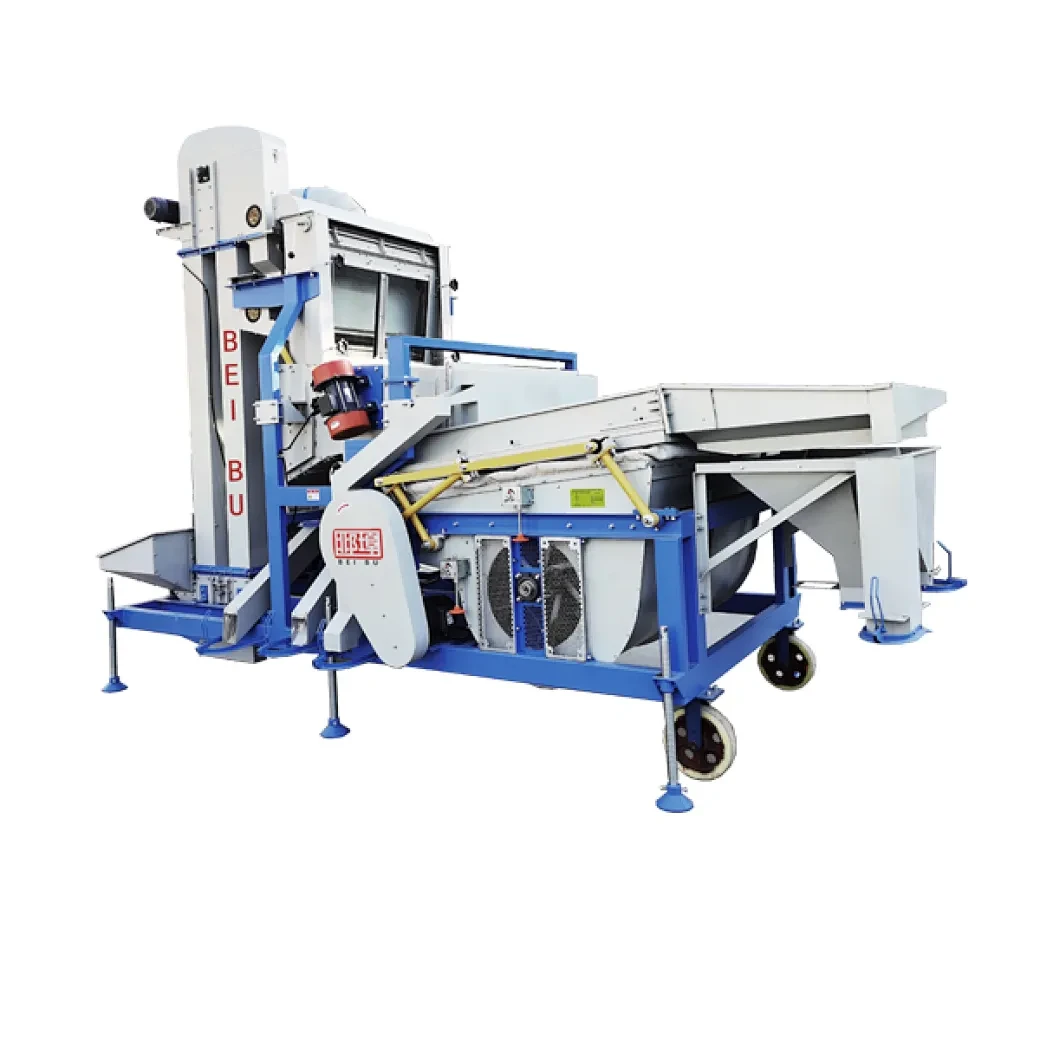
The reliable performance of a destoner, especially its ability to maintain a 100% stone removal rate for a long time, depends entirely on its core component—the screening table. High-quality destoners are equipped with a 304 Stainless Steel woven table, which is a deliberate design choice that integrates hygiene, durability, and separation precision, far superior to ordinary carbon steel, plastic, or perforated plate tables. This premium material and structure are the key to the destoner’s efficient and stable operation, and its advantages are reflected in four aspects.
First, 304 stainless steel has excellent corrosion resistance and food-grade hygiene properties, meeting strict processing standards. Grains, seeds, beans, spices, and hibiscus flowers contain certain moisture, natural acids, and organic compounds, which can corrode ordinary metal tables, leading to rust, paint peeling, and bacterial growth, causing secondary contamination of raw materials. 304 stainless steel is a food-grade material with strong resistance to acid, alkali, and moisture, non-toxic and odorless, and will not react with raw materials to produce harmful substances. It is easy to clean and disinfect, effectively preventing mold and bacteria breeding, fully complying with HACCP food safety management system and international food hygiene standards, making it the first choice for enterprises engaged in export trade.
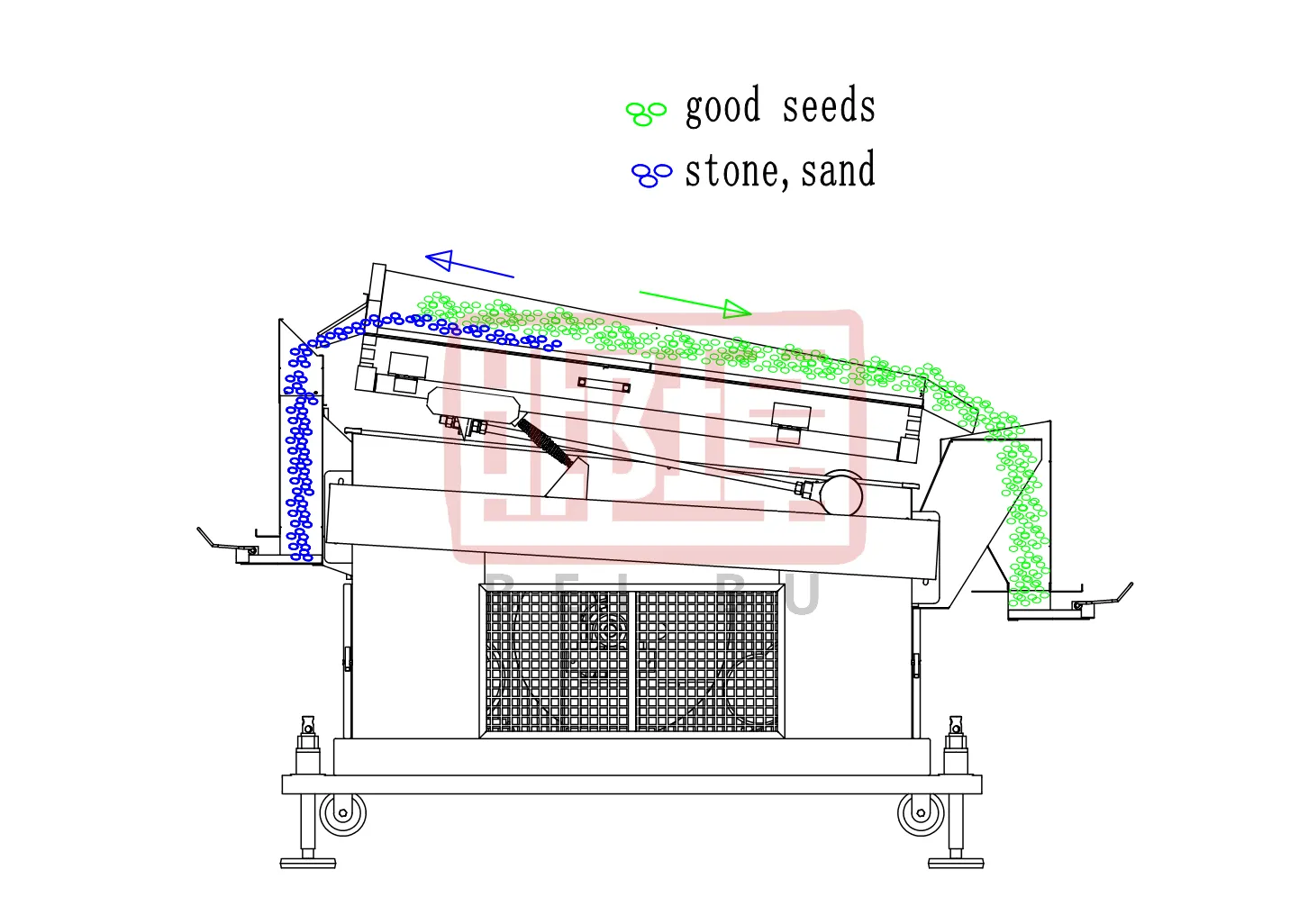
Second, the woven structure design guarantees high-precision separation and anti-clogging performance. The 304 Stainless Steel woven table adopts a precision-woven mesh structure, with uniform mesh size and reasonable gaps, which can realize layered separation of raw materials and stones. During operation, the vibration of the table drives the raw materials to flow evenly, and the targeted airflow makes the light and plump qualified materials float slightly and move to the discharge port, while heavy stones sink to the table surface and are discharged from the slag port. The tight woven mesh prevents small seeds, spices, and hibiscus petals from leaking, and avoids stones from passing through the gaps, ensuring 100% stone removal. Compared with solid perforated tables, the woven structure is not easy to block with debris, maintaining continuous and stable operation even when processing fine or sticky raw materials, improving cleaning efficiency.
Third, 304 stainless steel has ultra-high wear resistance and durability, reducing long-term operating costs. The grain cleaning process is highly abrasive, and the table surface is constantly impacted and rubbed by raw materials and stones. Ordinary materials wear out quickly, leading to enlarged mesh gaps, reduced separation accuracy, and shortened service life, requiring frequent replacement. 304 stainless steel has high hardness and strong wear resistance, can withstand long-term high-intensity operation without deformation, cracking, or wear, and has a service life several times that of ordinary materials. This reduces the frequency of component replacement, maintenance time, and labor costs, making the destoner a cost-effective long-term investment.
Fourth, the 304 Stainless Steel woven table is easy to maintain and adapt to diversified production needs. The smooth surface of stainless steel is not easy to adhere to raw material residues, and can be quickly cleaned by flushing or wiping, avoiding cross-contamination between different raw materials. Whether switching between grains and beans, or between spices and hibiscus flowers, the table can be quickly put into use after simple cleaning, improving production flexibility. This easy-maintenance feature also reduces the workload of operators, making equipment management more efficient.
3. Wide Adaptability: Destoners Serve Multiple Agricultural Materials Efficiently
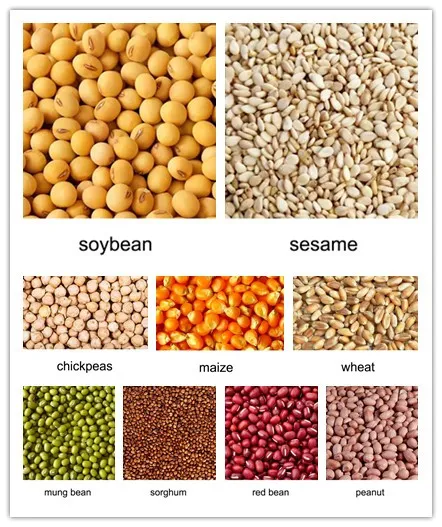
In the diversified agricultural processing market, most enterprises produce multiple products to expand market share and reduce operational risks, which requires cleaning equipment to adapt to different types of raw materials. A high-performance destoner breaks the limitations of single-material processing, with strong adaptability to various grains, seeds, beans, spices, and hibiscus flowers, realizing one machine with multiple uses and maximizing equipment utilization efficiency.
For grains such as wheat, corn, rice, barley, oats, and sorghum, the destoner can adjust vibration frequency and airflow intensity according to the particle size and density of different grains. For large-grained corn and sorghum, it enhances vibration amplitude to ensure thorough separation; for small-grained rice and wheat, it optimizes airflow to avoid material blowing away, while ensuring all stones are removed, preserving grain integrity and improving cleaning quality.
For seeds, including vegetable seeds, oil seeds (rapeseed, sunflower seeds), and forage seeds, the destoner’s gentle separation mode is crucial. Seeds are used for sowing, and their integrity and germination rate are core indicators. The destoner avoids violent friction and impact, removes stones without damaging seed embryos, ensuring high germination rate and seed activity, which is essential for seed breeding and agricultural production.
For فول like soybeans, kidney beans, lentils, chickpeas, and mung beans, which are prone to mixing with stones during harvesting, the destoner’s high-precision separation capability shines. Beans have uniform particle size and similar density to small stones, and the destoner’s precise density difference technology can accurately distinguish and separate them, ensuring beans are clean and impurity-free, suitable for deep processing such as canning, grinding, and direct consumption.
For spices such as cumin, coriander, fennel, pepper, and other aromatic raw materials, which are small in size and high in value, the destoner’s fine woven mesh and low-vibration mode remove tiny stones and mineral impurities without breaking spice particles, preserving their aroma and appearance. Clean spices have higher market value and are more popular in the high-end seasoning market.
For hibiscus flowers and other delicate botanical materials, the destoner’s non-destructive cleaning advantage is prominent. Hibiscus flowers are fragile, and traditional cleaning methods are easy to damage petals; the destoner’s gentle operation removes soil stones and debris while keeping flower buds and petals intact, ensuring the appearance and quality of hibiscus products, which are widely used in herbal tea, cosmetics, and health products.
This wide adaptability eliminates the need for enterprises to purchase multiple special cleaning machines, saving equipment procurement costs, workshop space, and maintenance resources. Operators only need to adjust simple parameters to switch between different raw materials, realizing flexible and efficient production. For small and medium-sized processing enterprises and diversified large-scale factories, the multi-material applicability of destoners greatly enhances production efficiency and market response ability.
4. Long-Term Value: Destoners Drive the High-Quality Development of Grain Cleaning
Investing in a high-quality destoner is not a short-term expense, but a strategic layout for long-term development. Its value is not only reflected in efficient stone removal, but also in optimizing production processes, reducing costs, improving product quality, and enhancing enterprise competitiveness, bringing comprehensive and sustainable benefits to agricultural processing enterprises.
Firstly, destoners reduce production costs and improve profit margins. By achieving 100% stone removal, they protect downstream processing equipment from damage, reducing maintenance and replacement costs; the durable 304 Stainless Steel woven table reduces component replacement frequency and maintenance time; the multi-material adaptability improves equipment utilization, avoiding idle waste. These factors jointly reduce the overall production cost, directly increasing enterprise profits.
Secondly, destoners improve product quality and expand market channels. Clean, impurity-free raw materials produce high-quality finished products that meet international standards, helping enterprises enter high-end domestic and foreign markets, get rid of low-price competition, and achieve brand upgrading. Especially in the international trade market, products with high purity are more likely to pass customs inspections and win the trust of foreign customers.
Thirdly, destoners improve production efficiency and meet large-scale processing needs. Automated destoners can operate continuously with high efficiency, replacing inefficient manual stone removal, reducing labor input, and shortening the cleaning cycle. For enterprises with large processing volumes, this efficiency improvement ensures timely completion of production tasks and adapts to the needs of large-scale and intensive agricultural processing.
Finally, destoners ensure production safety and compliance, avoiding operational risks. Strictly removing stone impurities eliminates potential safety hazards, complies with food safety laws and regulations, avoids risks such as recalls and fines, and ensures the stable and sustainable operation of enterprises. In the increasingly standardized agricultural processing industry, compliance production is the bottom line for enterprise survival, and destoners are an important guarantee to maintain this bottom line.
Conclusion: Destoners Are the Core Cornerstone of Modern Grain Cleaning
To sum up, the destoner plays an irreplaceable role in the grain cleaning process, and its importance is self-evident in the modern agricultural processing industry. With a100% stones removing rate, it completely solves the problem of stone contamination, protects equipment, ensures food safety, and improves product quality; the 304 Stainless Steel woven table provides a solid guarantee for stable, durable, and hygienic operation; its wide adaptability to grains, seeds, beans, spices, hibiscus flowers and other materials realizes multi-purpose use, meeting diversified production needs.
For agricultural processing enterprises of all sizes, equipping with a high-performance destoner is a necessary choice to improve production efficiency, reduce costs, enhance competitiveness, and achieve high-quality development. With the continuous improvement of global agricultural product quality requirements and the increasingly fierce market competition, destoners will continue to be the core cornerstone of the grain cleaning process, leading the industry to move towards a more efficient, safe, and standardized direction. Choosing a professional destoner with excellent performance is choosing quality, safety, and long-term business benefits.

4 أبريل 2024
تحميل آلة تنظيف الحمص - شركة خبي بيبو لتكنولوجيا الآلات المحدودة
هل ترغب بمعرفة تفاصيل تحميل آلة تنظيف الحمص؟ سيشاركك المورد الرائد، بيبو، معلومات حول آلات تنظيف الحمص والسمسم. انقر هنا لمزيد من المعلومات.
20 مارس 2024
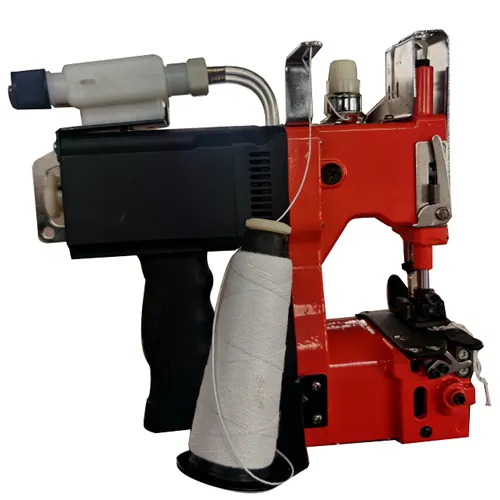
ماكينة خياطة يدوية لأكياس البولي بروبيلين - شركة خبي بيبو لتكنولوجيا الآلات المحدودة
هل ترغب بمعرفة تفاصيل ماكينة الخياطة اليدوية لأكياس البولي بروبيلين من شركة Beibu Machinery؟ نحن المورد الرائد في هذا المجال، Beibu Machinery، سنشارككم معلوماتنا حول ماكينة الخياطة اليدوية المحمولة وآلة ختم الأكياس.
10 يونيو 2024
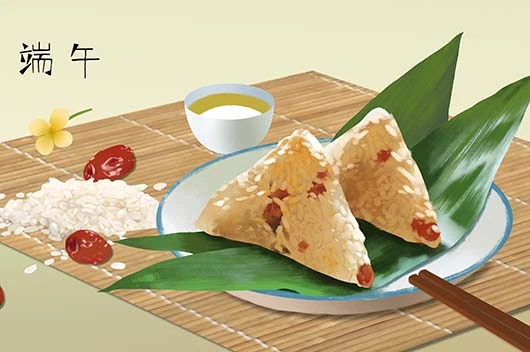
مهرجان قوارب التنين السعيد! - آلات بيبو
هل ترغب بمعرفة تفاصيل مهرجان قوارب التنين السعيد؟ - ماكينات بيبو؟ شركة خبي بيبو لتكنولوجيا الماكينات، المورد الرائد، ستشاركك خبراتها في مجال منظفات البذور، وماكينات بيبو، ومعالجة السمسم. انقر على الرابط لمزيد من المعلومات.
27 مايو 2024
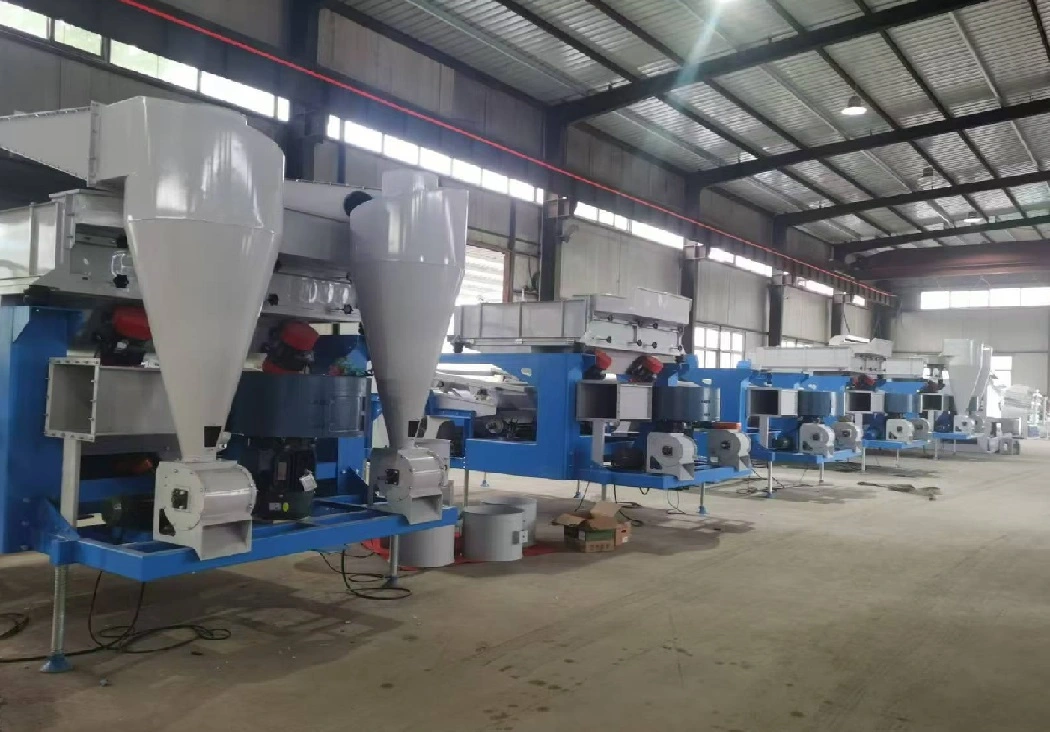
هل ترغب بمعرفة تفاصيل منظف الفاصوليا؟ ستشارككم شركة Hebei Beibu Machinery معلومات حول منظف مصفاة الهواء للفاصوليا والسمسم. انقروا على الرابط لمزيد من المعلومات.
Nov. 12, 2025
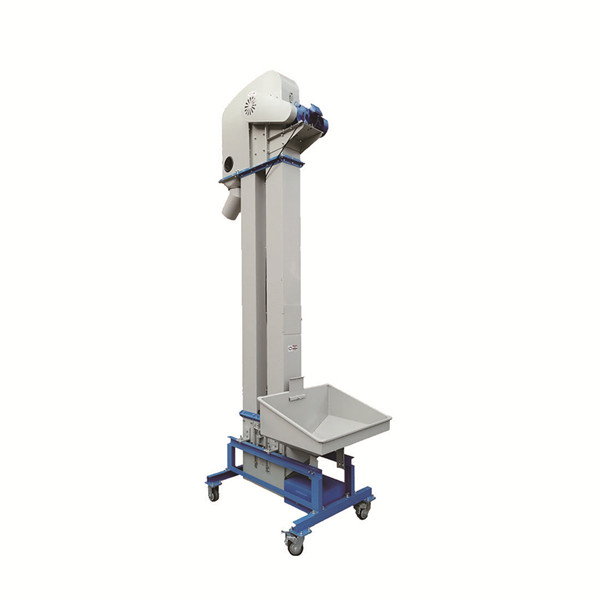
Elevator Rice Mill: High Capacity, Low Breakage, Gentle Lift
Elevator Rice Mill is a key solution in the manufacturing industry, specifically within Special Equi
29 يوليو 2024
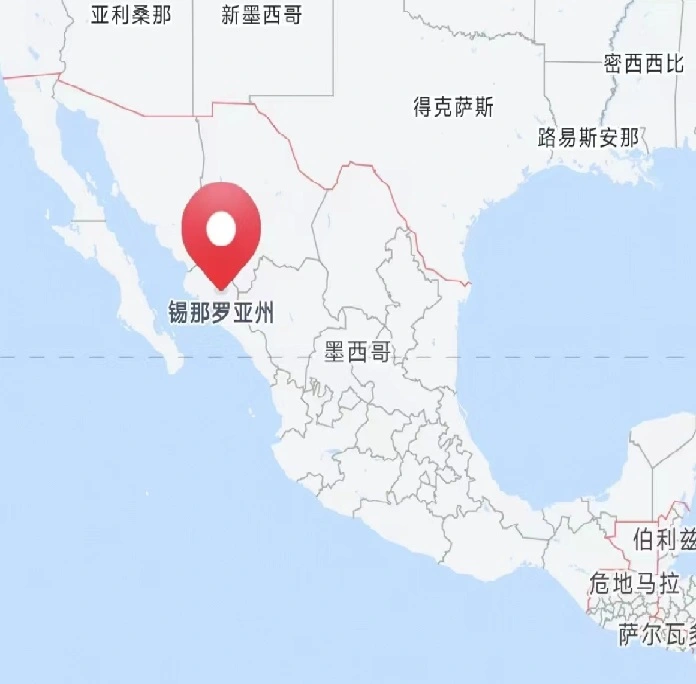
هل ترغب بمعرفة المزيد عن "نحن والزراعة المكسيكية"؟ شركة هيبي بيبو لتكنولوجيا الآلات، المورد الرائد، ستشاركك معلوماتها حول هذا الموضوع. انقر على الرابط لمزيد من المعلومات.
ماكينات بيبو
عدم اختيار المعدات باهظة الثمن، بل اختيار محلول تنظيف الحبوب الأكثر ملاءمة


اترك رسالتك