



Oct . 11, 2025 16:53
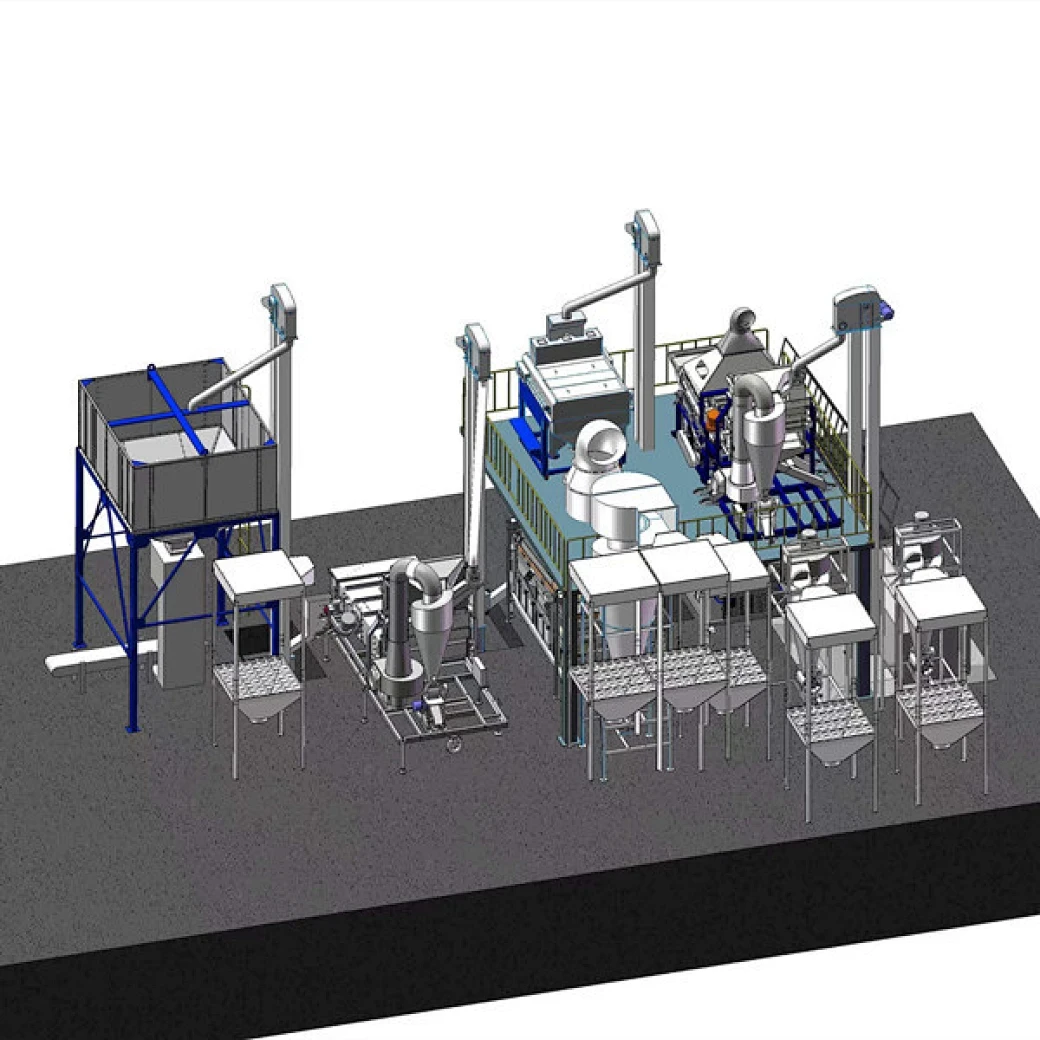
If you’re weighing up a နှမ်းထုပ်စက် for a new plant or an upgrade, here’s the insider tip: start with the upstream cleaning line. In practice, hull-removal performance lives or dies by pre-cleaning. That’s why the Sesame Cleaning Processing Plant out of Shijiazhuang (Hebei, China) keeps popping up in my notes—because it consistently preps seeds to 99.5% purity, which is exactly what downstream hullers need to shine.
What’s moving the market
Two big trends: buyers want export-grade lots with fewer stones and glass, and processors want traceable, dust-controlled lines. Actually, many customers say they didn’t expect the cleaning plant to impact oil yield—but cleaner, density-sorted seeds reduce breakage and downstream loss. It seems that simple air + gravity physics still wins, especially before a နှမ်းထုပ်စက်.
Process flow that sets up the huller for success
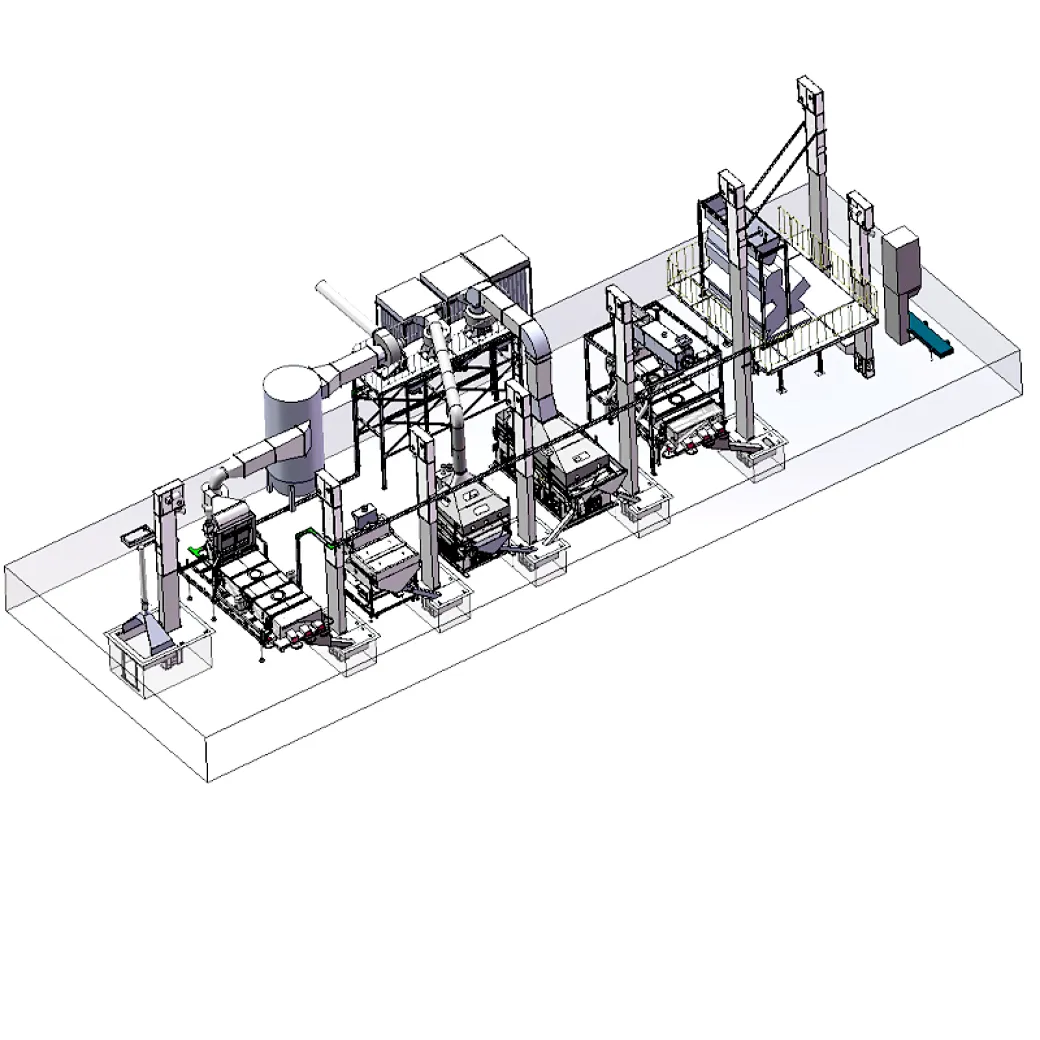
Materials: natural sesame (white/black), beans/pulses, even coffee beans if needed—mixed impurities allowed. Methods combine air, vibration, stone removal, gravity, grading, and sealed conveying. Real-world use may vary by harvest year and moisture.
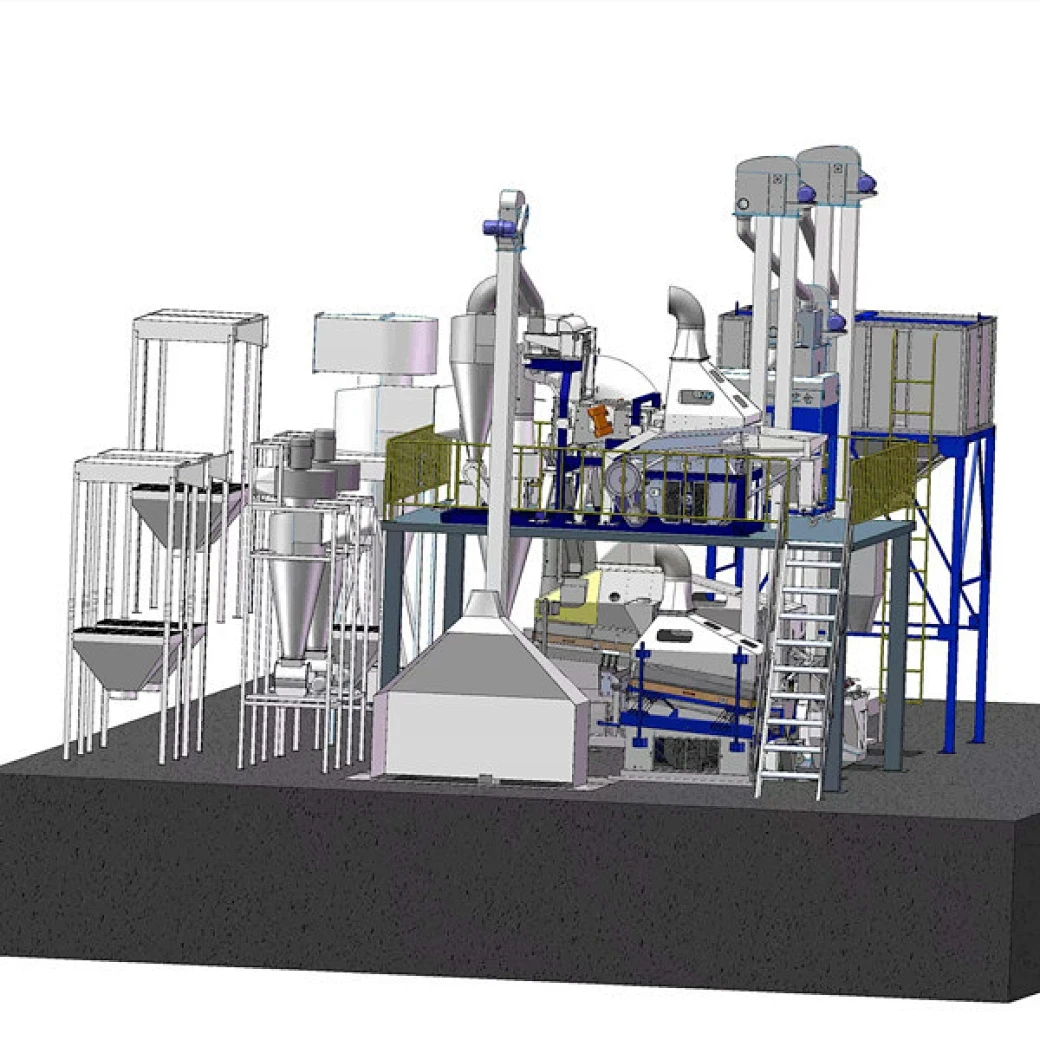
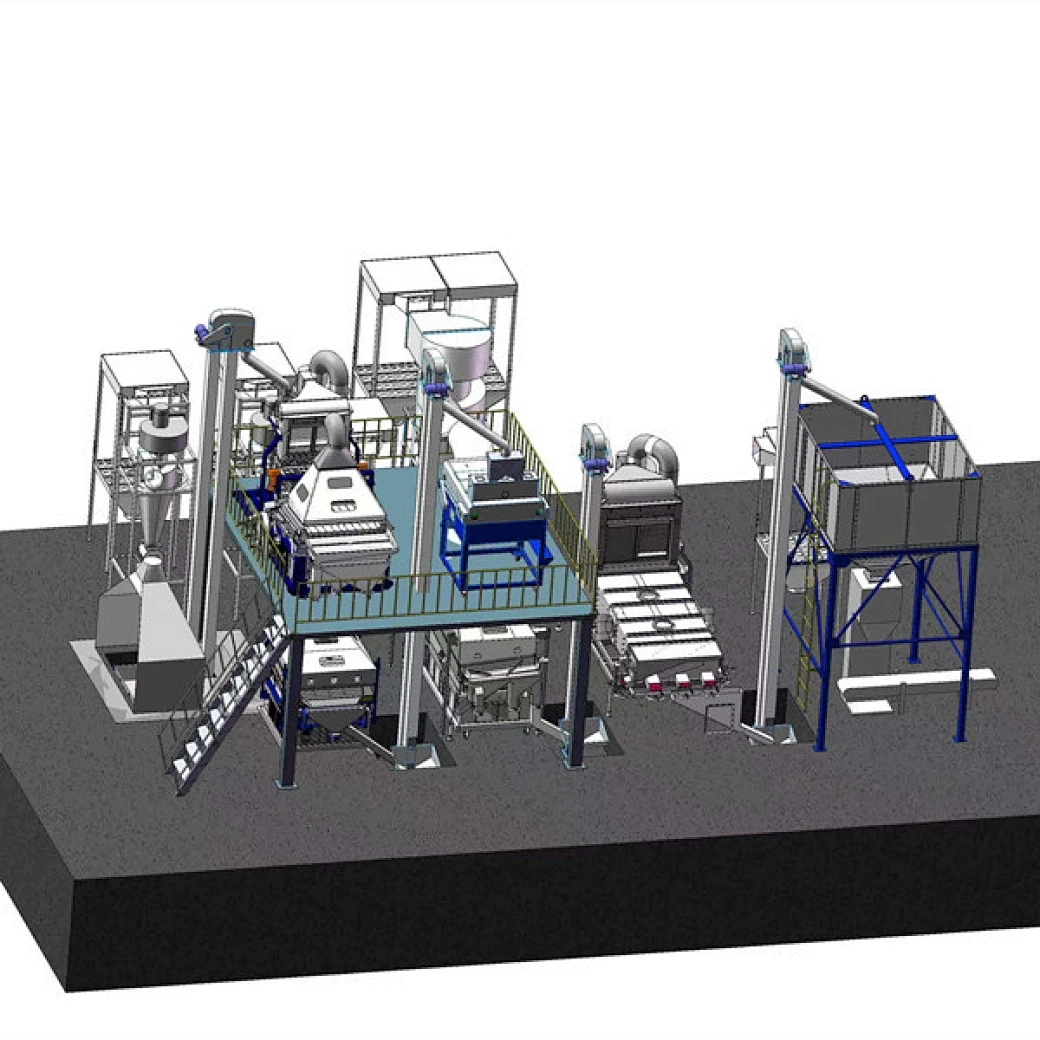
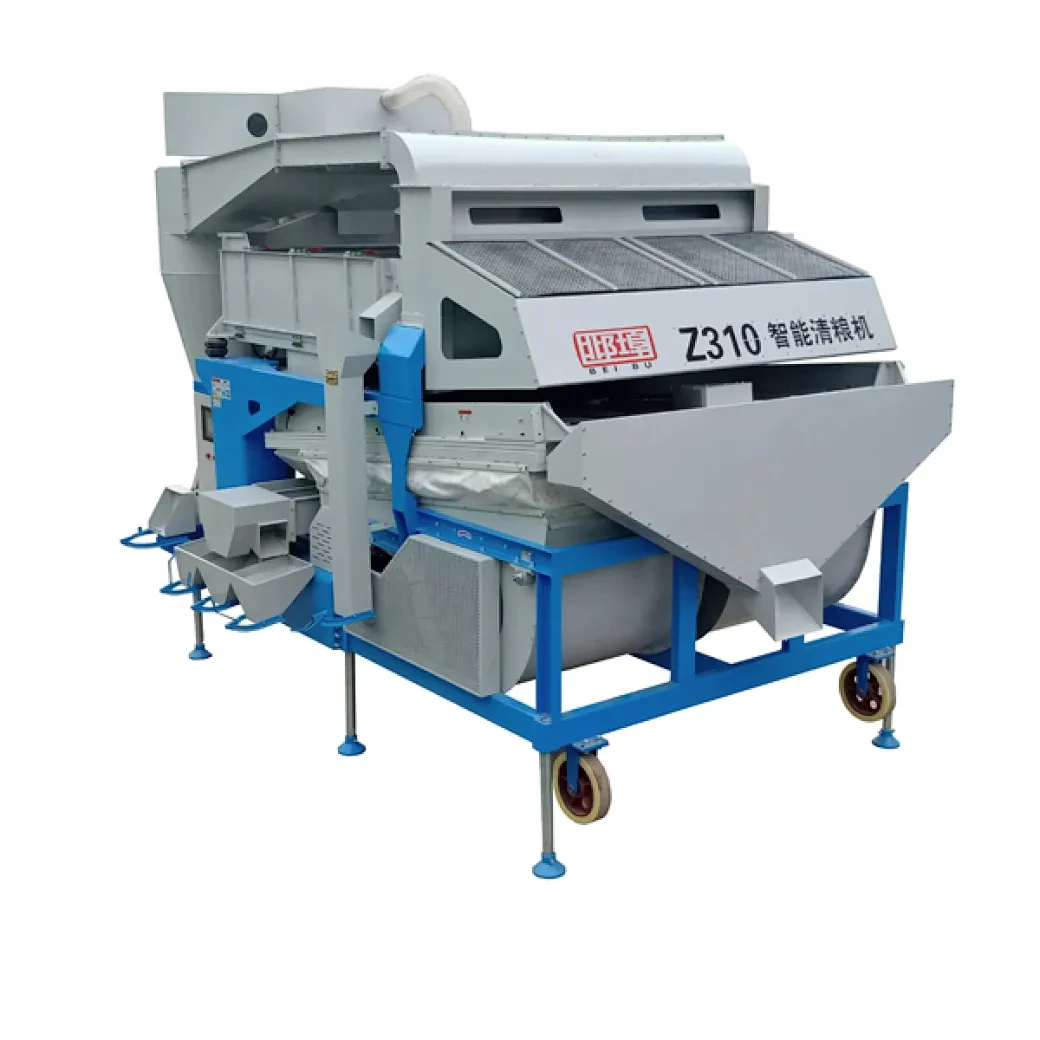
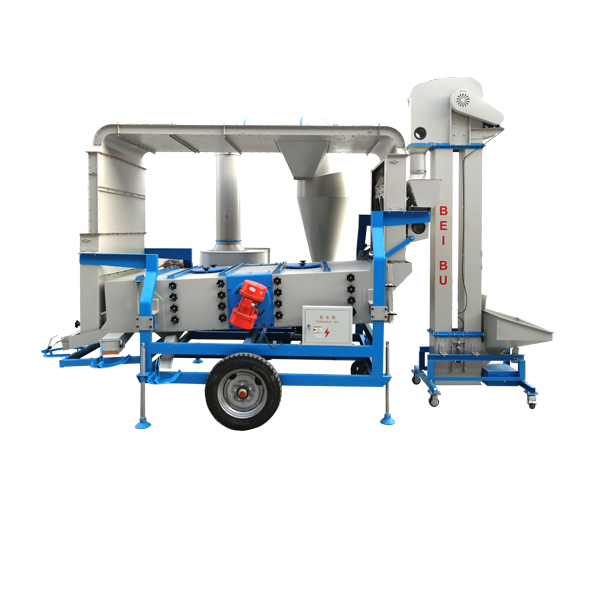
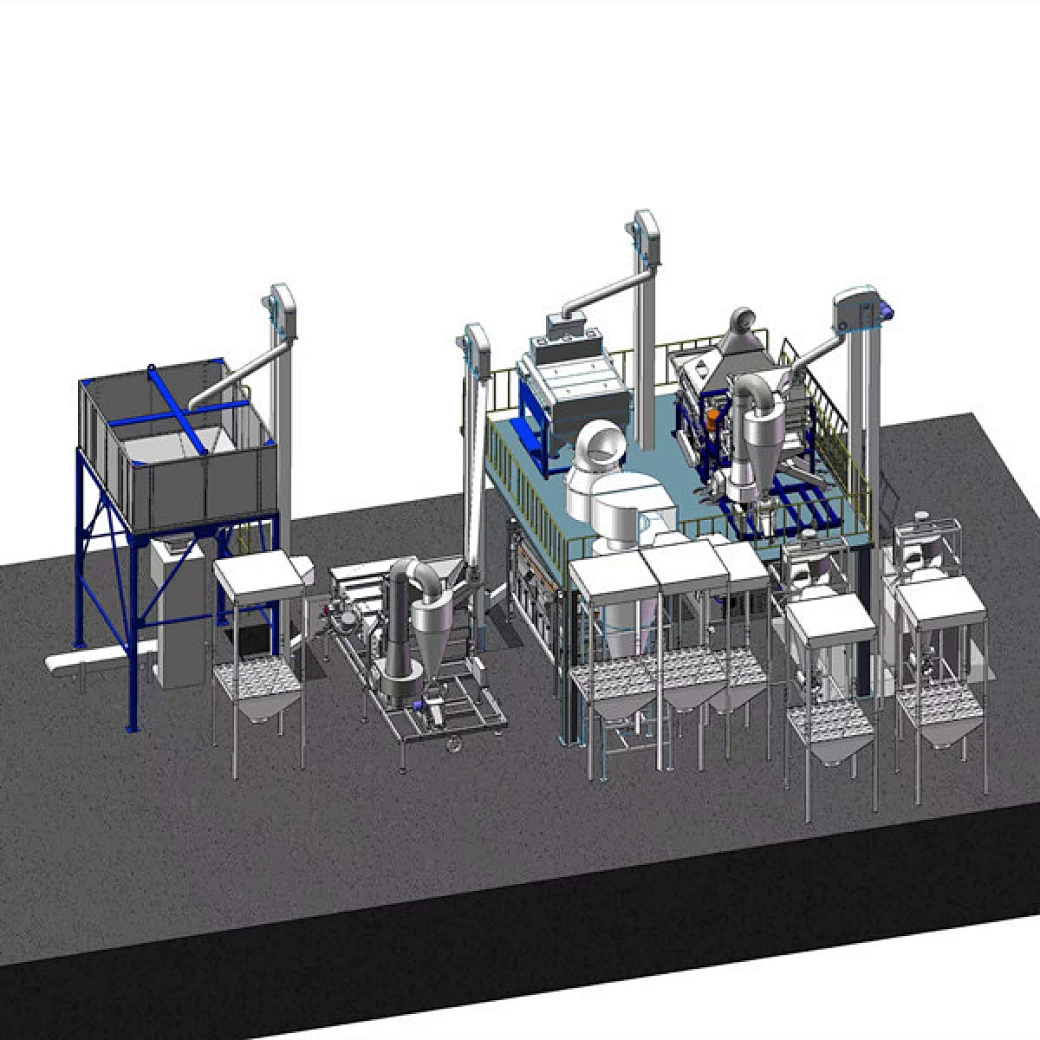
- Air screen cleaner with gravity table (5XFZ-25SC): removes light chaff and heavy admixture.
- De-stoner (5QSC-10): stratifies and ejects stones, quartz, glass.
- Gravity separator (5XZ-8): targets density differences—under/immature seeds out.
- Vibration grader (5XFJ-10C): size calibration for uniform dehulling later.
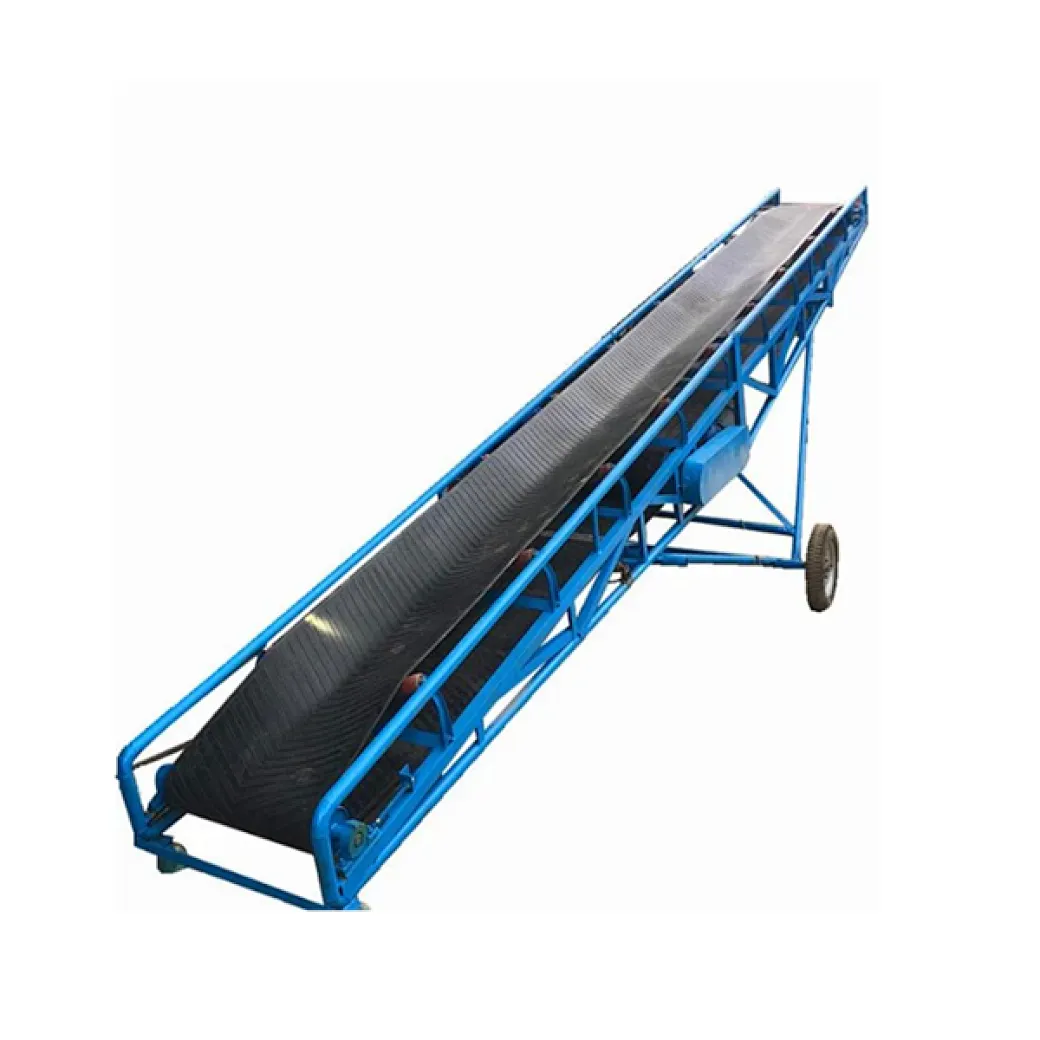
- DTY-10M elevators + dust collecting: gentle, closed transfer; lower cross-contam.
- Packing: consistent bagging after QC—often where hulling modules are fed next.
Key specifications (field-proven)
| Model line | Sesame Cleaning Processing Plant (modular) |
| Rated capacity | 4–5 t/h (customizable) |
| Purity after cleaning | ≥99.5% (lab sieve test, ISO 658 sampling) |
| Power use | ≈35–55 kW installed; ≈18–28 kWh/t |
| Noise level | ≤78 dB(A) at 1 m (typ.) |
| Service life | 7–10 years; belts 6–12 mo; sieves 12–24 mo (≈2-shift) |
| Materials | Mild steel frame; food-contact stainless available |
| Compliance | CE (2006/42/EC), ISO 9001; supports HACCP/ISO 22000 layouts |
| Origin | Shijiazhuang City, Hebei Province, China |
Note: Optional pre-conditioner and hulling module can be integrated when you want a full နှမ်းထုပ်စက် line from feed to pack.
Who’s best to buy from? A quick comparison
| Vendor | Origin | Core strength | Typical capacity | Certs | Support |
|---|---|---|---|---|---|
| Beibu Cleaner | Hebei, China | Air + gravity tuning; dust control | 4–5 t/h (custom) | CE, ISO 9001 | ≈24–48 h response |
| Vendor A (EU) | Europe | Premium automation | 3–6 t/h | CE, ISO 22000 | Same-day (often) |
| Vendor B (APAC) | India | Budget lines | 2–4 t/h | CE (select) | 48–72 h |
Applications, customization, and real feedback
Use it upstream of your နှမ်းထုပ်စက်, oil pressing, tahini lines, or export grading. Customization usually starts with sieve sizes, gravity settings for black vs. white sesame, stainless-contact upgrades, and PLC data logging. One East African exporter told me their broken seed ratio dropped below 0.3% after commissioning—surprisingly, just by dialing the gravity airflow properly.
Quality, testing, and standards
Typical FAT/SAT checks include sieve analysis (ISO 658), oilseed sampling (ISO 542), and CE Machinery Directive safety. For food plants, align the layout with ISO 22000/HACCP. Dust collection meets local limits; differential pressure and filter integrity should be logged. To be honest, I always ask for a 200–500 kg trial run and a lab purity report—numbers beat promises.
Bottom line: clean seed in equals smoother hulling out. Pairing this line with a modern နှမ်းထုပ်စက် is a practical way to hit export-grade specs without babysitting the process all day.
- ISO 658: Oilseeds — Determination of impurities content — Sampling and test methods. https://www.iso.org/standard/58449.html
- ISO 542: Oilseeds — Sampling. https://www.iso.org/standard/60126.html
- ISO 22000: Food safety management systems. https://www.iso.org/iso-22000-food-safety-management.html
- EU Machinery Directive 2006/42/EC. https://eur-lex.europa.eu/eli/dir/2006/42/oj

Aug. 18, 2025
Aug. 28, 2025
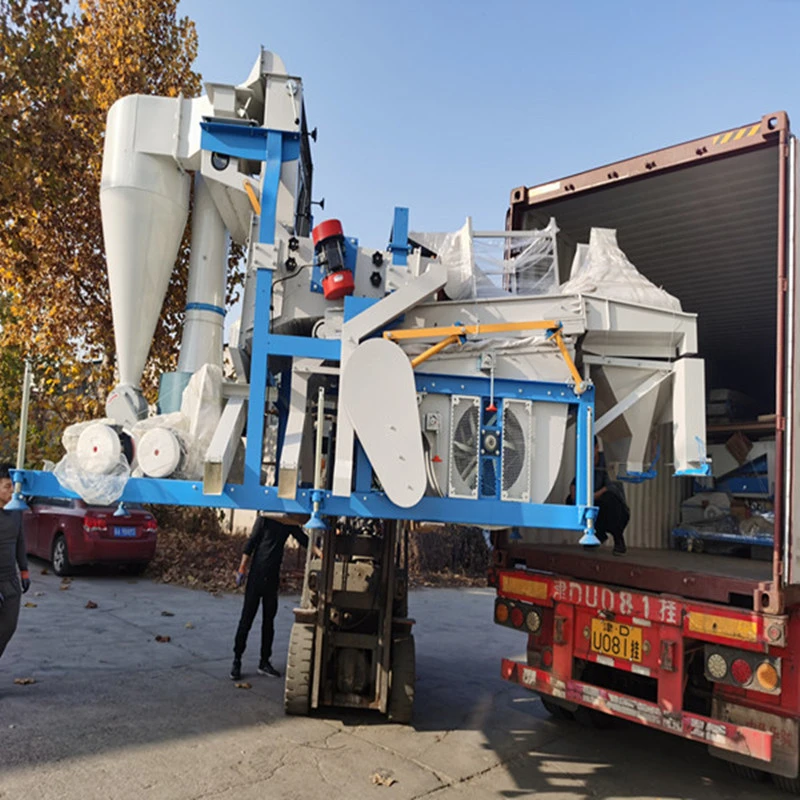
Beibu Machinery Sales Peak Season is Unstoppable, Global Trust Witnesses Leading Strength
Jan. 03, 2026
Sesame Cleaning Season is Coming — Equipment Insights & Tips
ဧပြီ ၀၄၊ ၂၀၂၄
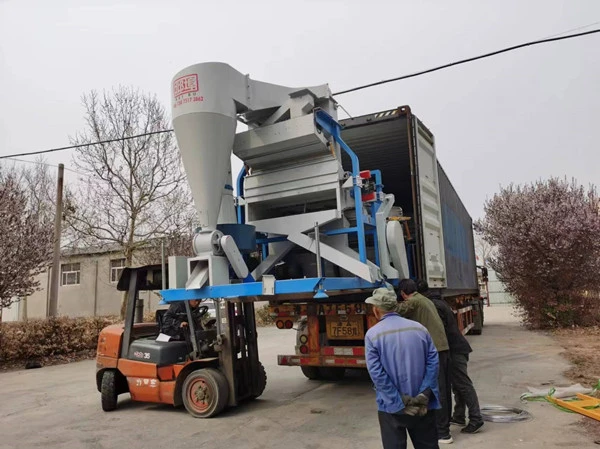
ကုလားပဲသန့်ရှင်းရေးစက် Loading-Hebei Beibu Machinery Technology Co.,LTD
Dec. 13, 2025
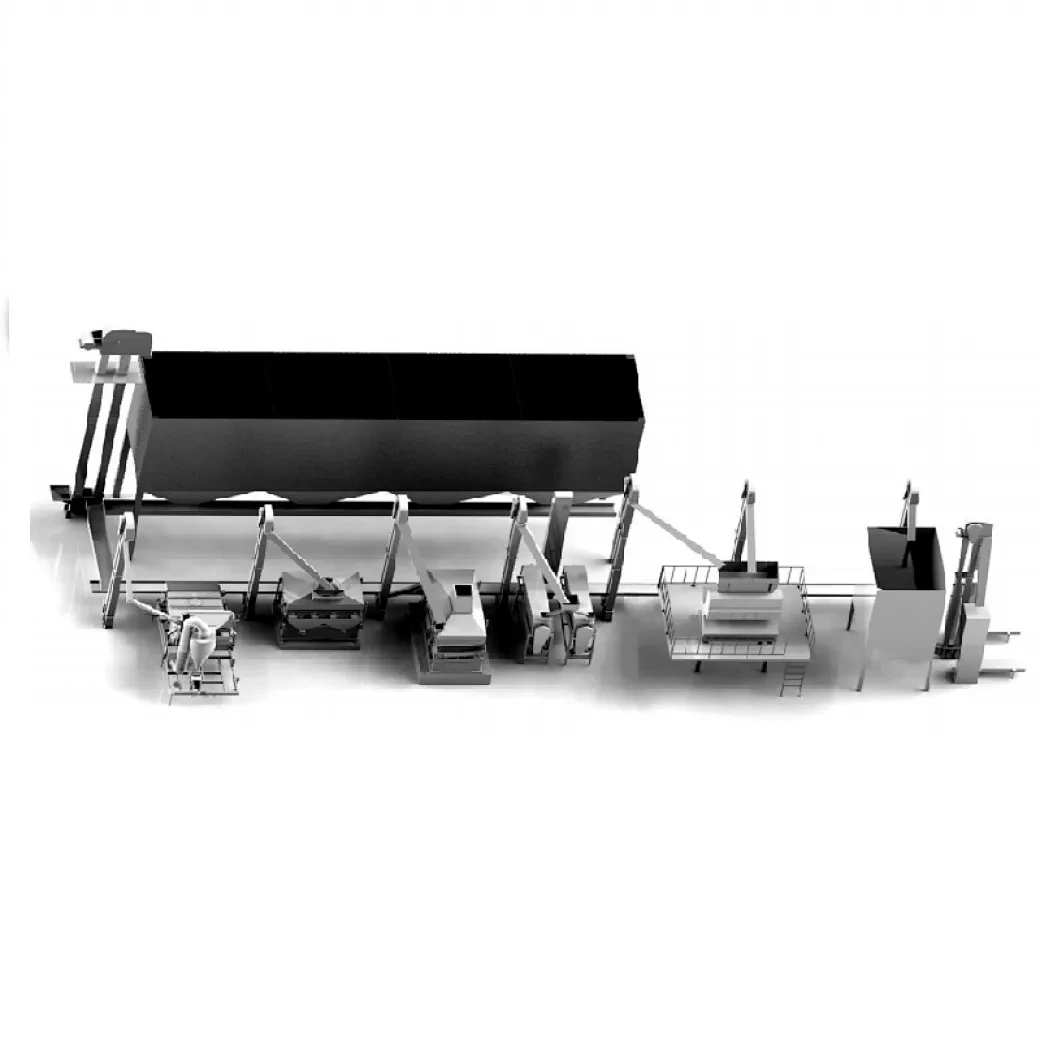
Comprehensive Guide to Agriculture Grading Machines for Modern Farming
သြဂုတ် ၁၅၊ ၂၀၂၄
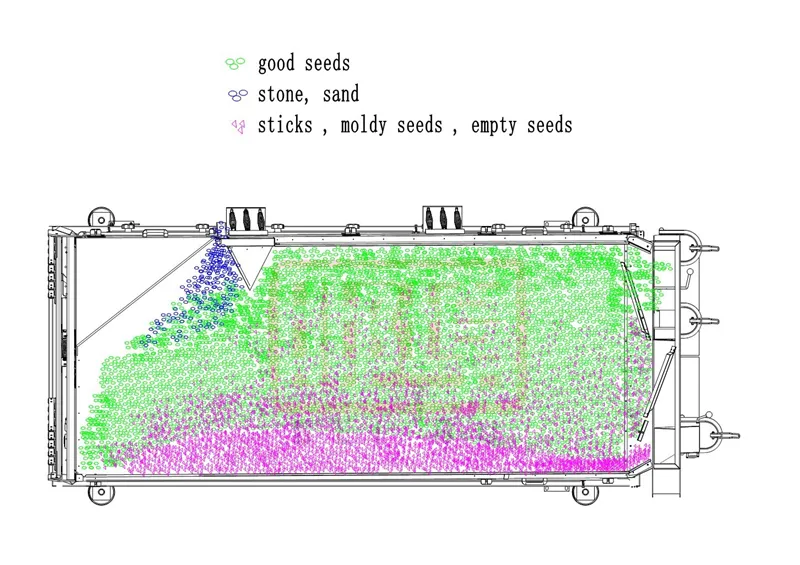
Gravity Separator အလုပ်လုပ်ပုံ-Hebei Beibu Machinery Technology Co.,LTD.
Beibu စက်ယန္တရား


