



Oct . 11, 2025 16:53
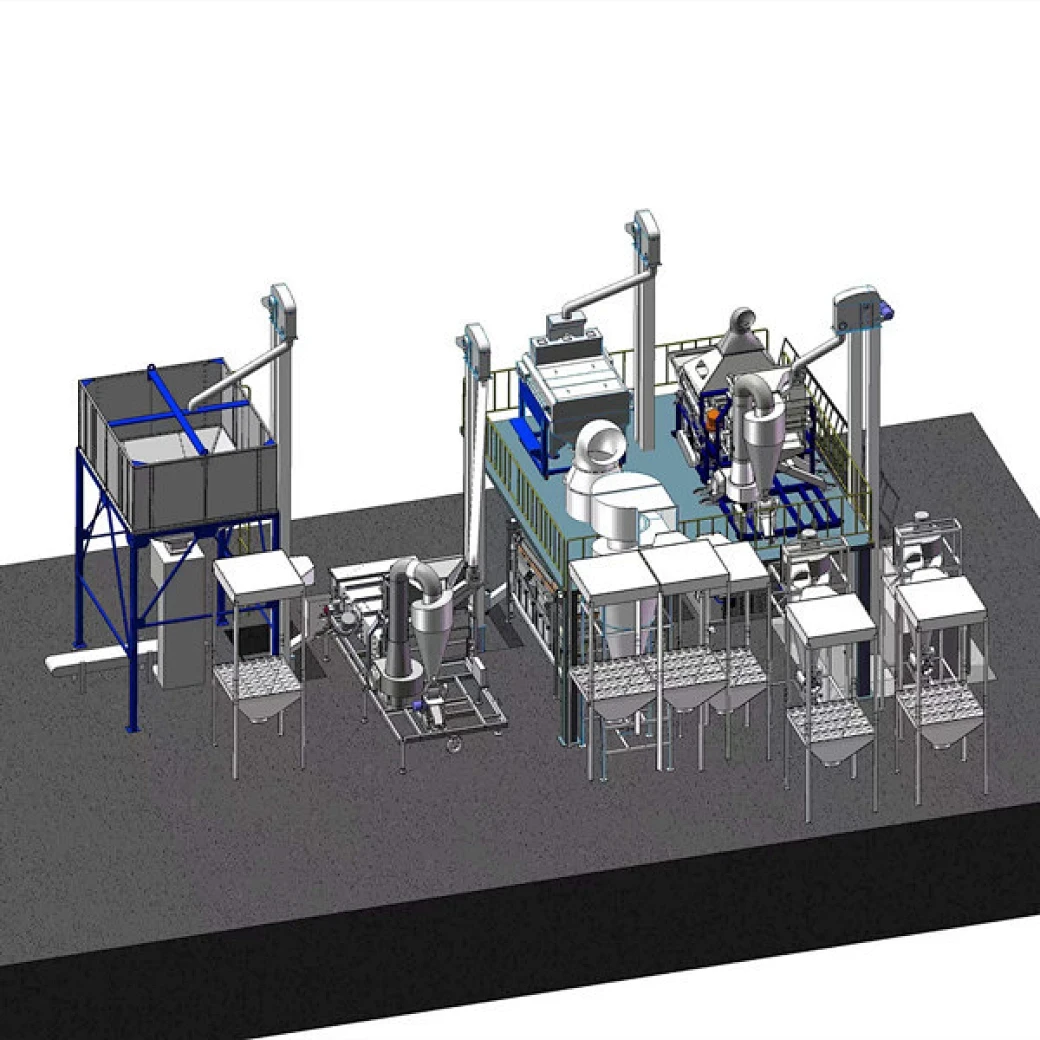
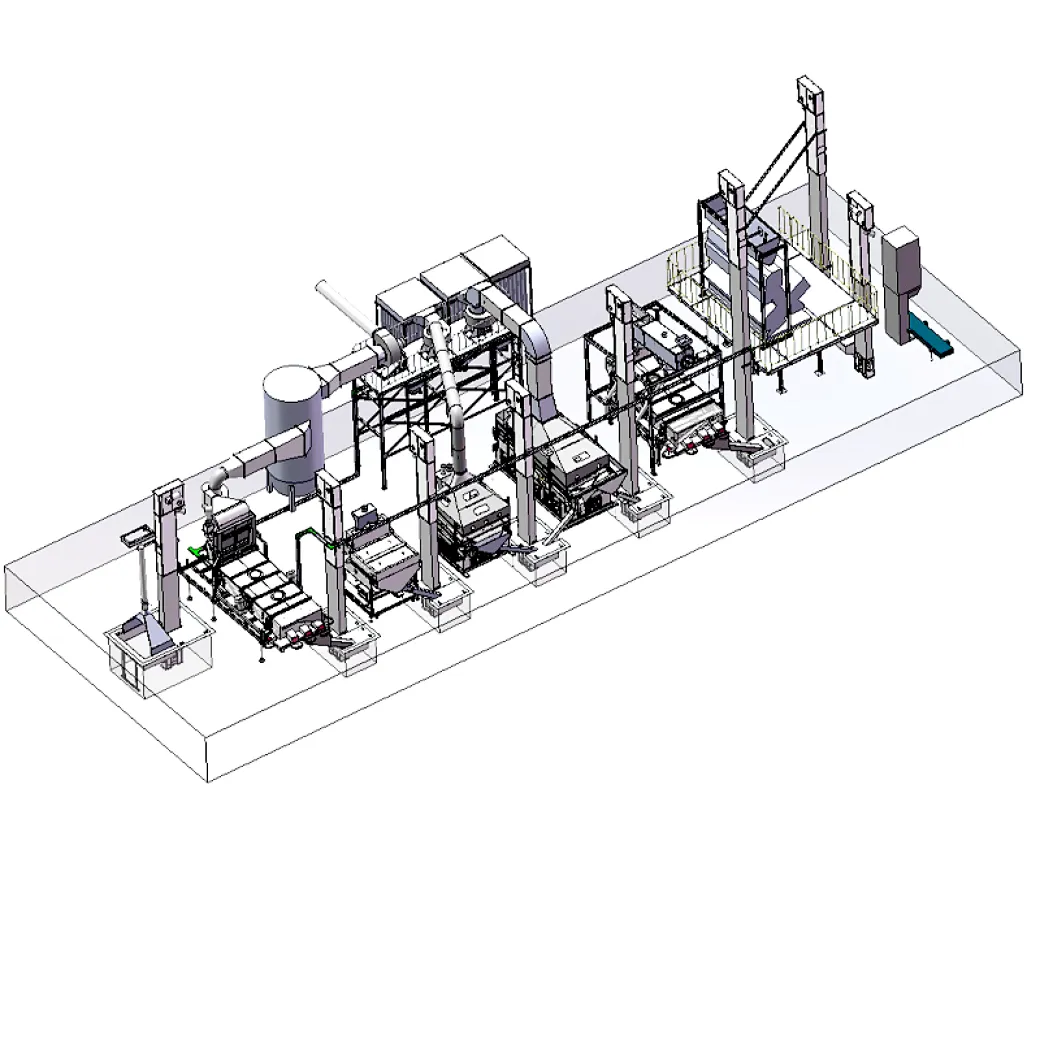
If you’re weighing up a sesame hulling machine for a new plant or an upgrade, here’s the insider tip: start with the upstream cleaning line. In practice, hull-removal performance lives or dies by pre-cleaning. That’s why the Sesame Cleaning Processing Plant out of Shijiazhuang (Hebei, China) keeps popping up in my notes—because it consistently preps seeds to 99.5% purity, which is exactly what downstream hullers need to shine.
What’s moving the market
Two big trends: buyers want export-grade lots with fewer stones and glass, and processors want traceable, dust-controlled lines. Actually, many customers say they didn’t expect the cleaning plant to impact oil yield—but cleaner, density-sorted seeds reduce breakage and downstream loss. It seems that simple air + gravity physics still wins, especially before a sesame hulling machine.
Process flow that sets up the huller for success
Materials: natural sesame (white/black), beans/pulses, even coffee beans if needed—mixed impurities allowed. Methods combine air, vibration, stone removal, gravity, grading, and sealed conveying. Real-world use may vary by harvest year and moisture.
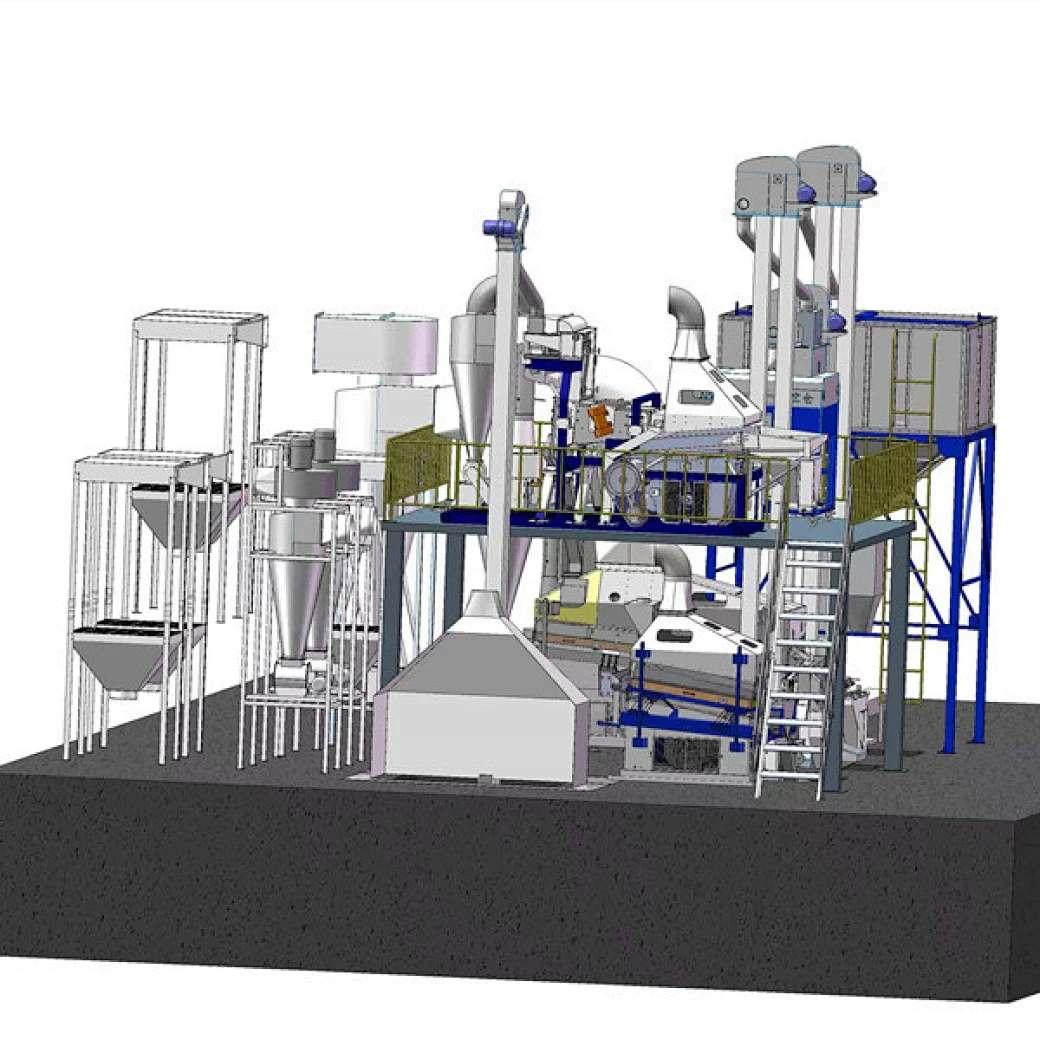
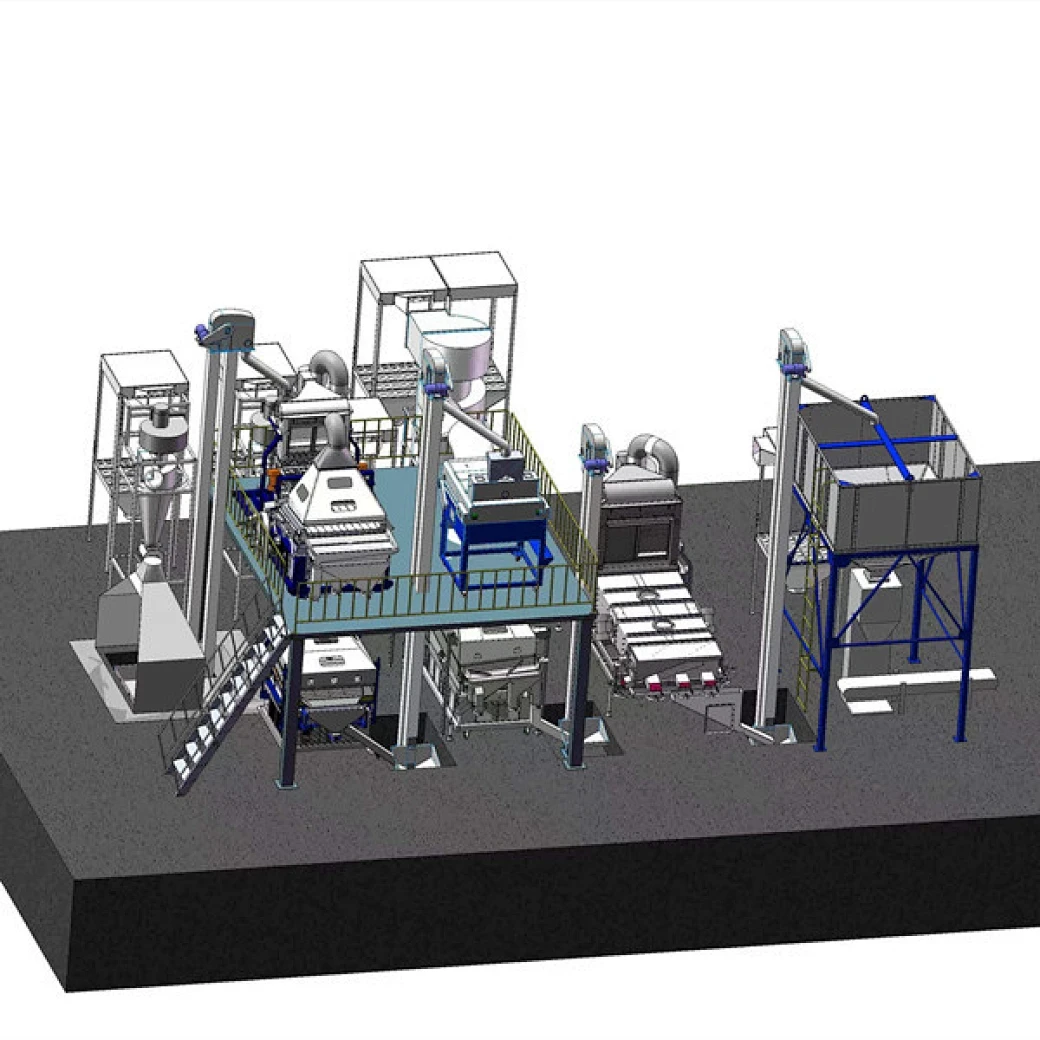
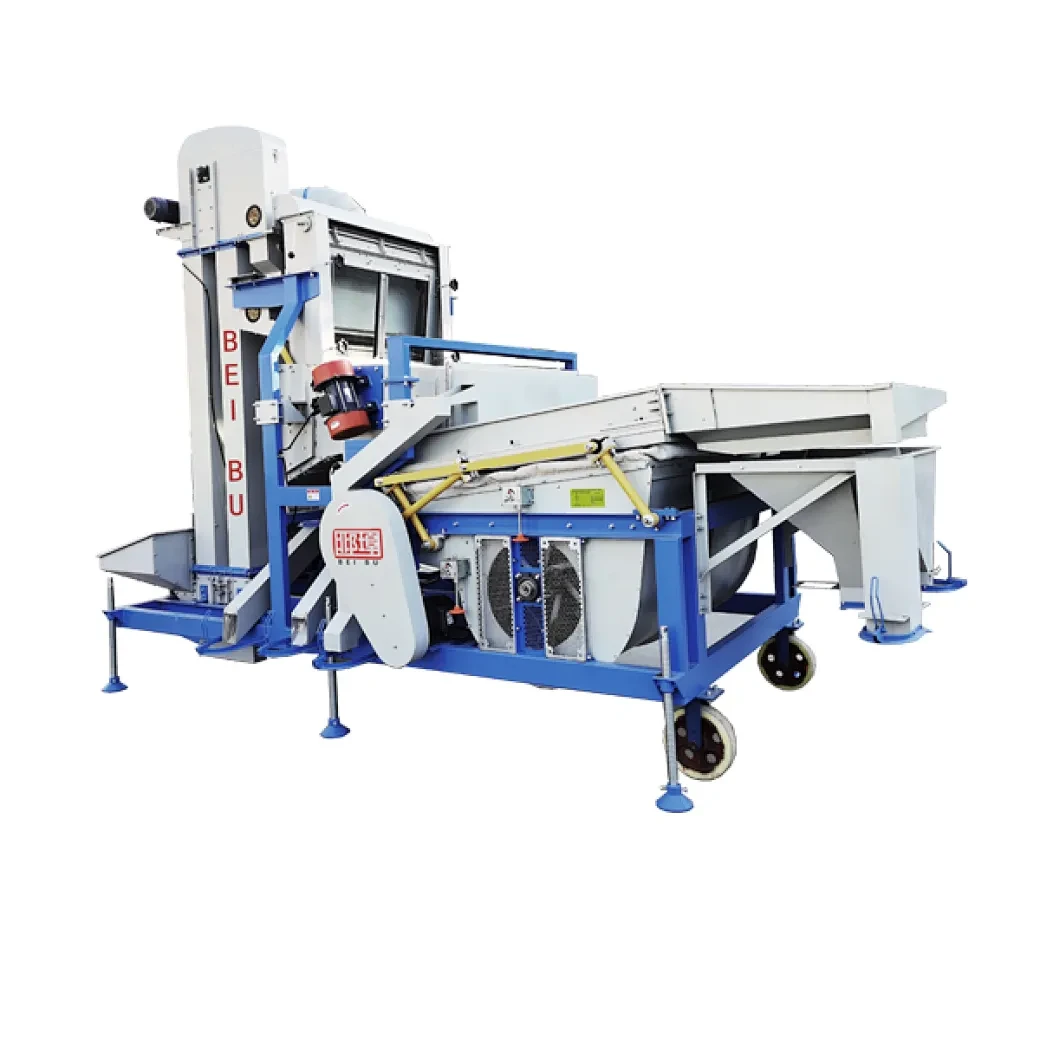
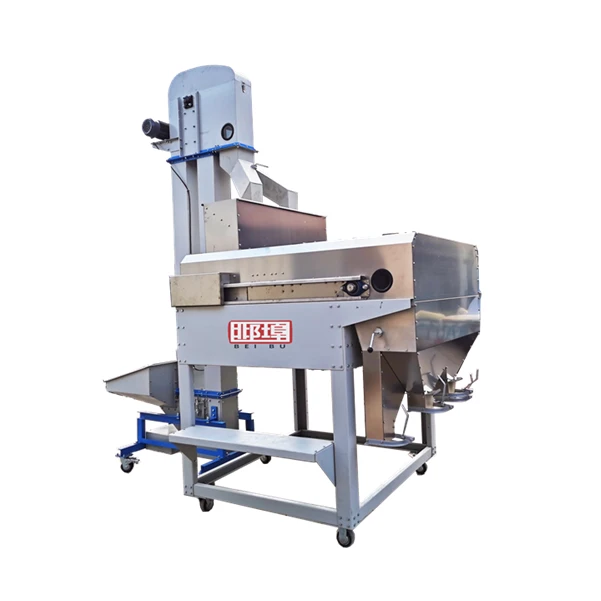
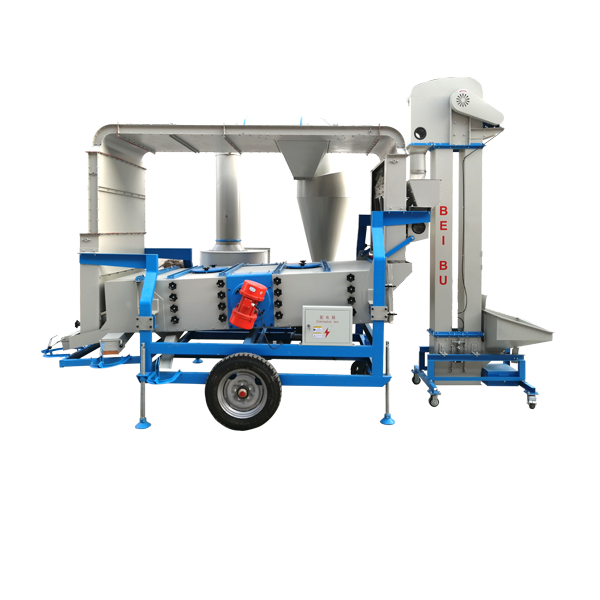
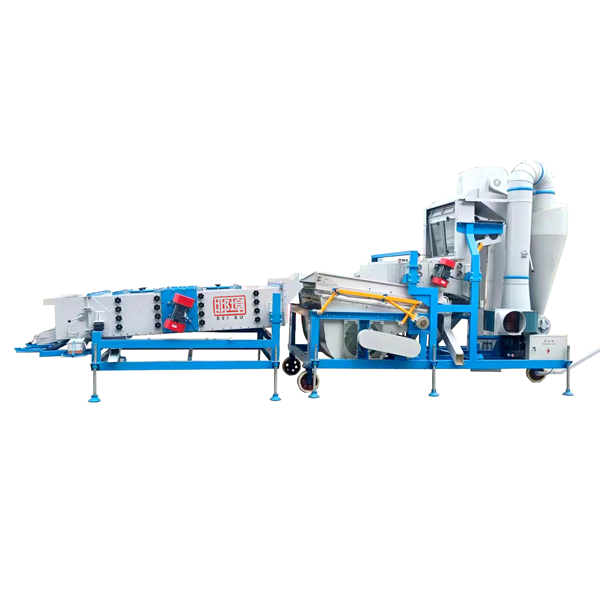
- Air screen cleaner with gravity table (5XFZ-25SC): removes light chaff and heavy admixture.
- De-stoner (5QSC-10): stratifies and ejects stones, quartz, glass.
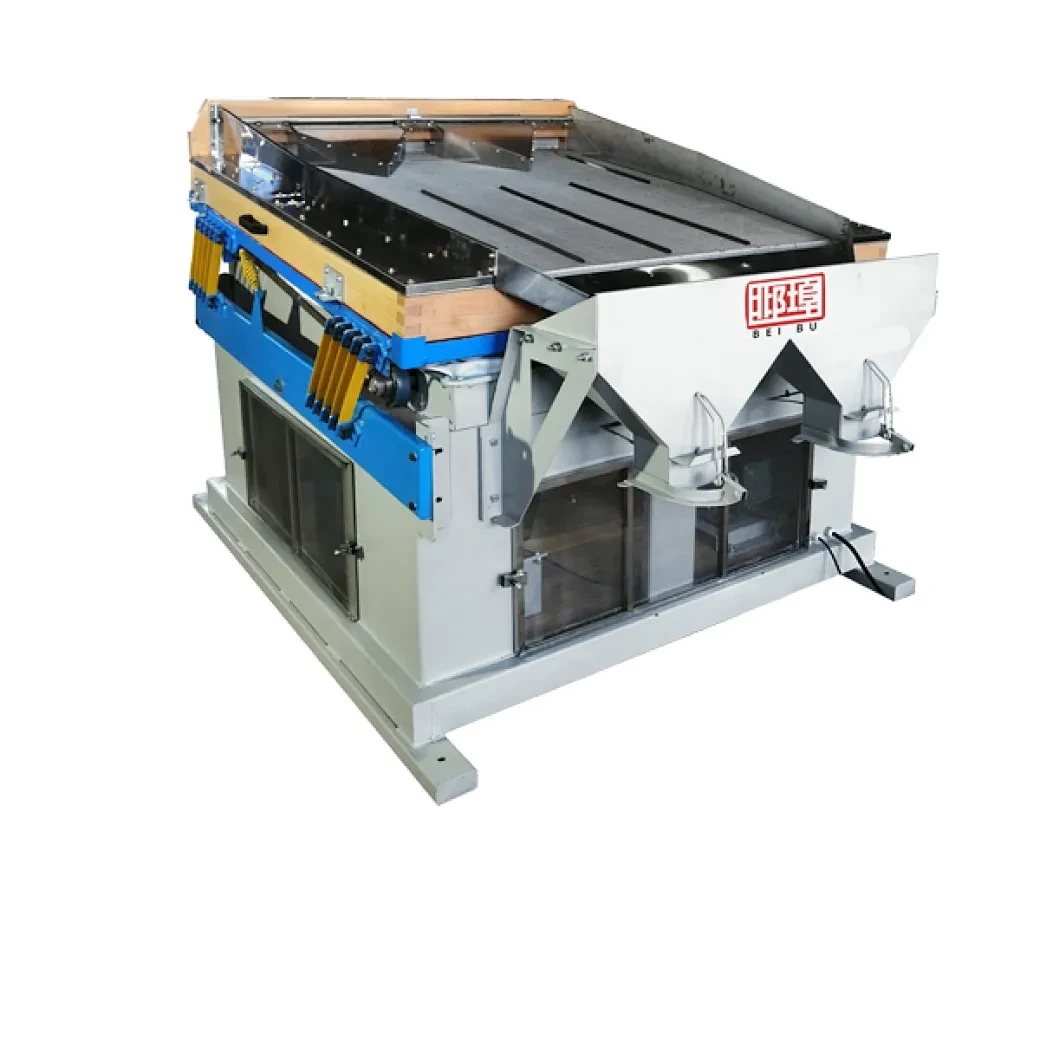
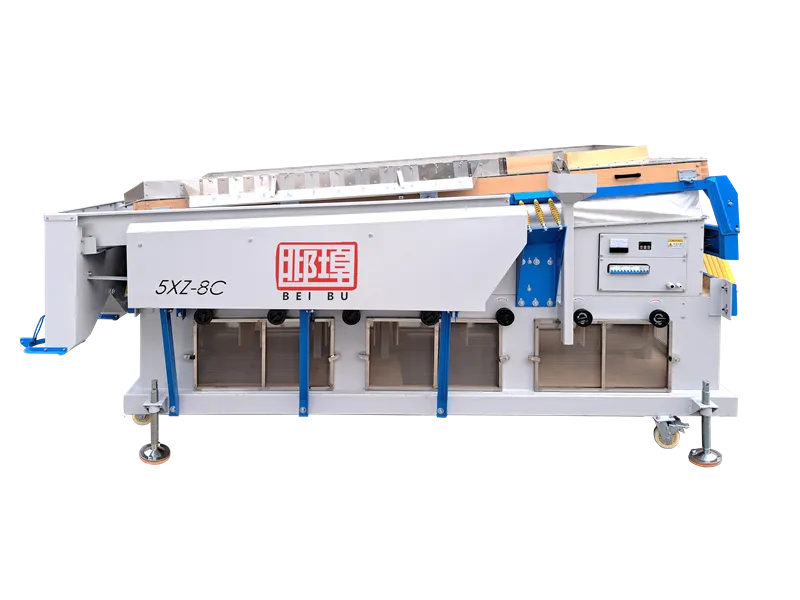
- Gravity separator (5XZ-8): targets density differences—under/immature seeds out.
- Vibration grader (5XFJ-10C): size calibration for uniform dehulling later.
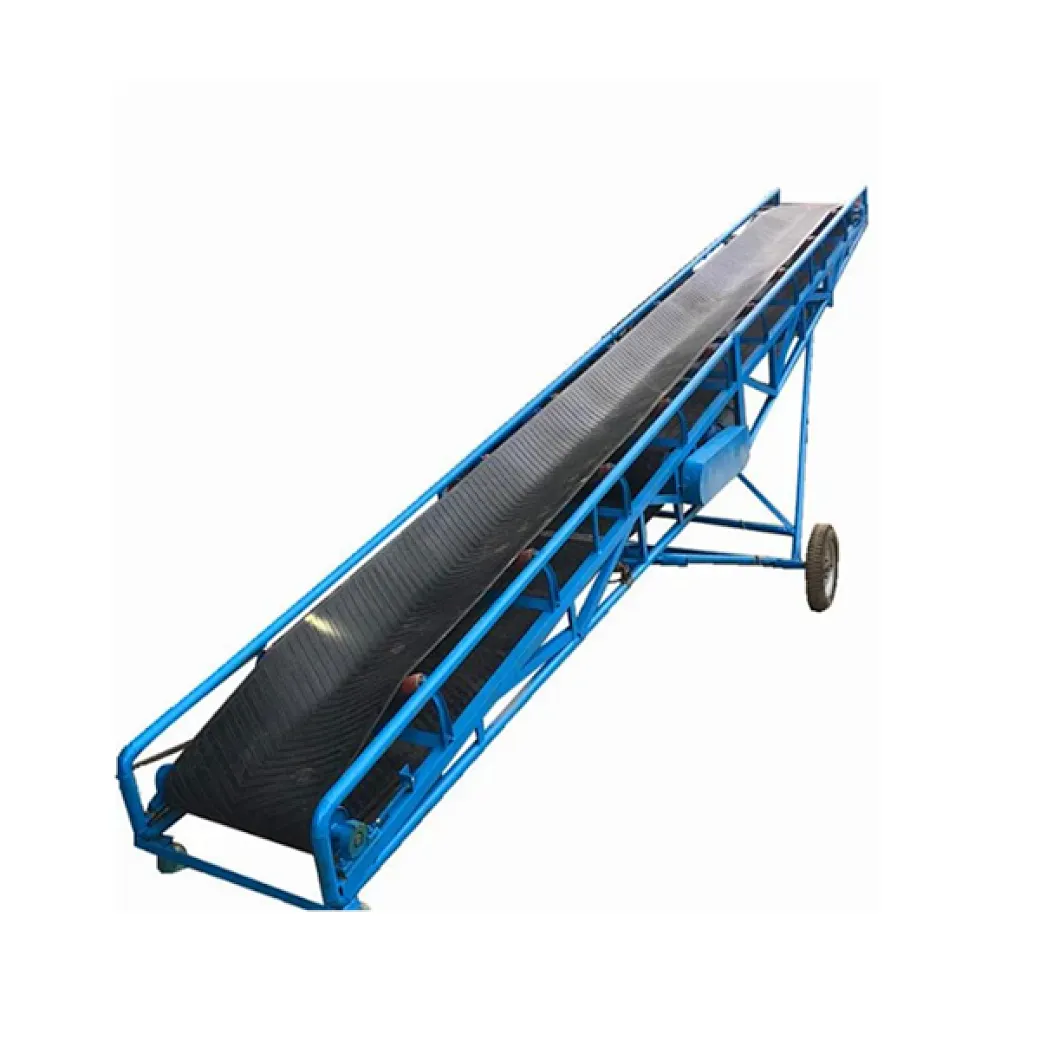
- DTY-10M elevators + dust collecting: gentle, closed transfer; lower cross-contam.
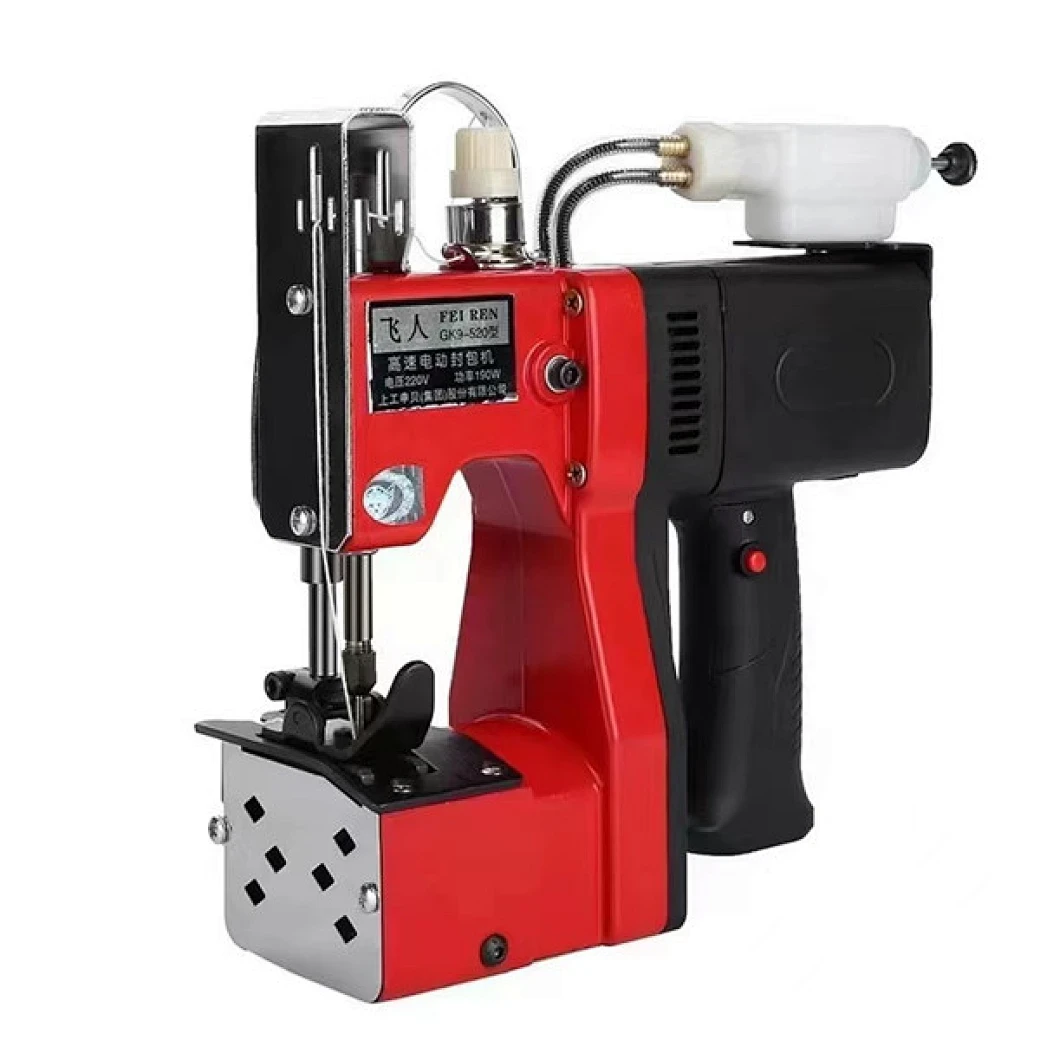
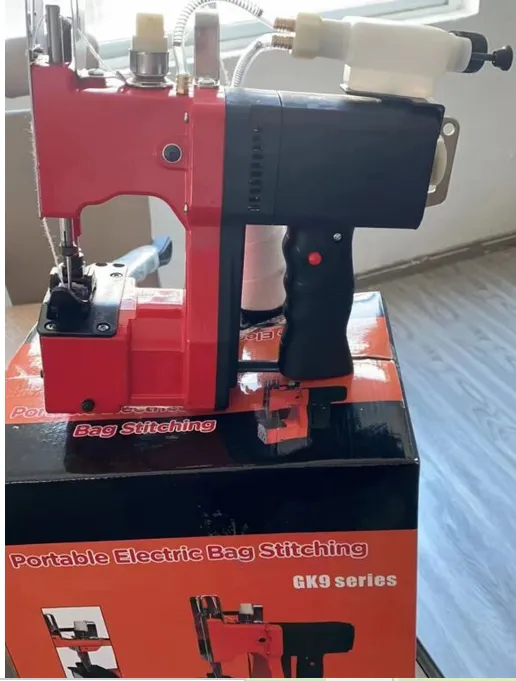
- Packing: consistent bagging after QC—often where hulling modules are fed next.
Key specifications (field-proven)
| Model line | Sesame Cleaning Processing Plant (modular) |
| Rated capacity | 4–5 t/h (customizable) |
| Purity after cleaning | ≥99.5% (lab sieve test, ISO 658 sampling) |
| Power use | ≈35–55 kW installed; ≈18–28 kWh/t |
| Noise level | ≤78 dB(A) at 1 m (typ.) |
| Service life | 7–10 years; belts 6–12 mo; sieves 12–24 mo (≈2-shift) |
| Materials | Mild steel frame; food-contact stainless available |
| Compliance | CE (2006/42/EC), ISO 9001; supports HACCP/ISO 22000 layouts |
| Origin | Shijiazhuang City, Hebei Province, China |
Note: Optional pre-conditioner and hulling module can be integrated when you want a full sesame hulling machine line from feed to pack.
Who’s best to buy from? A quick comparison
| Vendor | Origin | Core strength | Typical capacity | Certs | Support |
|---|---|---|---|---|---|
| Beibu Cleaner | Hebei, China | Air + gravity tuning; dust control | 4–5 t/h (custom) | CE, ISO 9001 | ≈24–48 h response |
| Vendor A (EU) | Europe | Premium automation | 3–6 t/h | CE, ISO 22000 | Same-day (often) |
| Vendor B (APAC) | India | Budget lines | 2–4 t/h | CE (select) | 48–72 h |
Applications, customization, and real feedback
Use it upstream of your sesame hulling machine, oil pressing, tahini lines, or export grading. Customization usually starts with sieve sizes, gravity settings for black vs. white sesame, stainless-contact upgrades, and PLC data logging. One East African exporter told me their broken seed ratio dropped below 0.3% after commissioning—surprisingly, just by dialing the gravity airflow properly.
Quality, testing, and standards
Typical FAT/SAT checks include sieve analysis (ISO 658), oilseed sampling (ISO 542), and CE Machinery Directive safety. For food plants, align the layout with ISO 22000/HACCP. Dust collection meets local limits; differential pressure and filter integrity should be logged. To be honest, I always ask for a 200–500 kg trial run and a lab purity report—numbers beat promises.
Bottom line: clean seed in equals smoother hulling out. Pairing this line with a modern sesame hulling machine is a practical way to hit export-grade specs without babysitting the process all day.
- ISO 658: Oilseeds — Determination of impurities content — Sampling and test methods. https://www.iso.org/standard/58449.html
- ISO 542: Oilseeds — Sampling. https://www.iso.org/standard/60126.html
- ISO 22000: Food safety management systems. https://www.iso.org/iso-22000-food-safety-management.html
- EU Machinery Directive 2006/42/EC. https://eur-lex.europa.eu/eli/dir/2006/42/oj
Apr. 15, 2024
Hand Sewing Machine Delivery to Togo-Hebei Beibu Machinery Technology Co.,LTD
Jul. 25, 2024
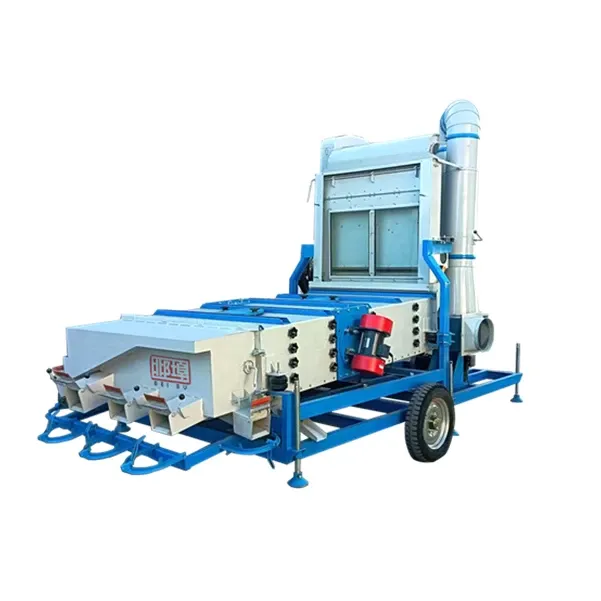
Soybean Cleaning Machine Fine Cleaning Gravity Separator-Hebei Beibu Machinery Technology Co.,LTD
Oct. 11, 2025
Need an Air Screen Cleaner for Fast, Precise Seed Cleaning?
Sep. 01, 2024
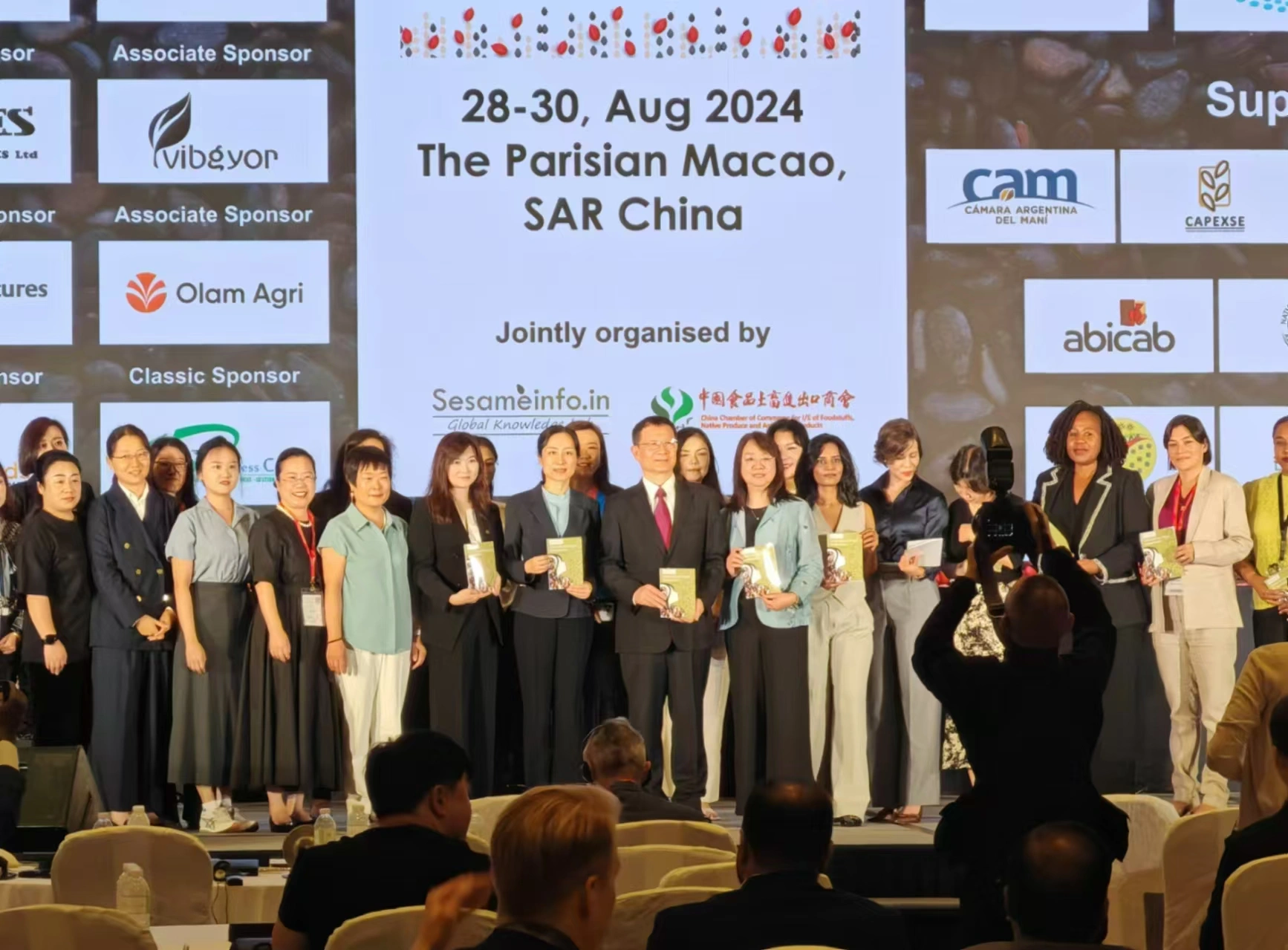
Beibu Machinery participated in the 2024 China International Sesame Conference
Dec. 27, 2024
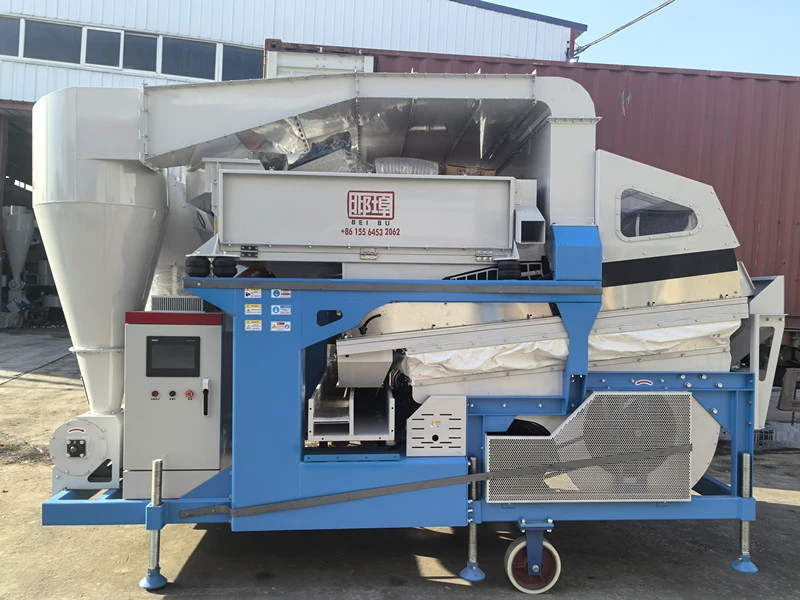
Big Capacity Cleaning Machine-Hebei Beibu Machineery Technology Co.,LTD
Mar. 17, 2026
Beibu Machinery


