



Mar . 27, 2026 15:08
In the modern edible oil industry, efficiency is not merely a goal—it is the foundation of profitability and quality. When it comes to processing oilseed sunflowers (commonly known as oil sunflower seeds ), the journey from raw agricultural commodity to golden, clear cooking oil is fraught with technical challenges. Among these, the process of dehulling stands out as the most critical step for ensuring high oil yield and equipment longevity. This article delves deep into the mechanics, benefits, and operational intricacies of the sunflower hulling machine, exploring how advanced technology in sunflower seed hulling and sunflower seed dehuller systems revolutionizes the pre-processing stage of oil pressing.
The Case for Dehulling: Why Shells Must Go
Before we explore the machinery, it is vital to understand the underlying physics of oil extraction. Oil sunflower seeds consist of two primary components: the hard, fibrous outer hull (shell) and the inner kernel (meat). The hull typically constitutes 20% to 30% of the seed’s total weight. If these hulls are allowed to enter the oil press, several detrimental effects occur:
- Reduced Oil Output: Hulls absorb oil. When pressed together with the kernel, the fibrous material acts like a sponge, retaining valuable oil that would otherwise be squeezed out. This results in a lower oil yield per ton of raw material.
- Increased Wear and Tear: Hulls are abrasive. Feeding them directly into a screw press causes rapid erosion of the pressing bars and cages, leading to frequent maintenance downtime and increased operational costs.
- Poor Meal Quality: The residual meal (cake) left after pressing is often used as animal feed. High fiber content from hulls reduces the nutritional value and market price of this byproduct.
To maximize oil extraction efficiency and preserve the integrity of the pressing equipment, it is imperative to remove the hulls before the oil extraction process begins. This is where the specialized sunflower hulling machine comes into play, transforming raw, uncleaned seeds into pure, ready-to-press kernels.
Itu Complete Processing Line: From Intake to Kernels
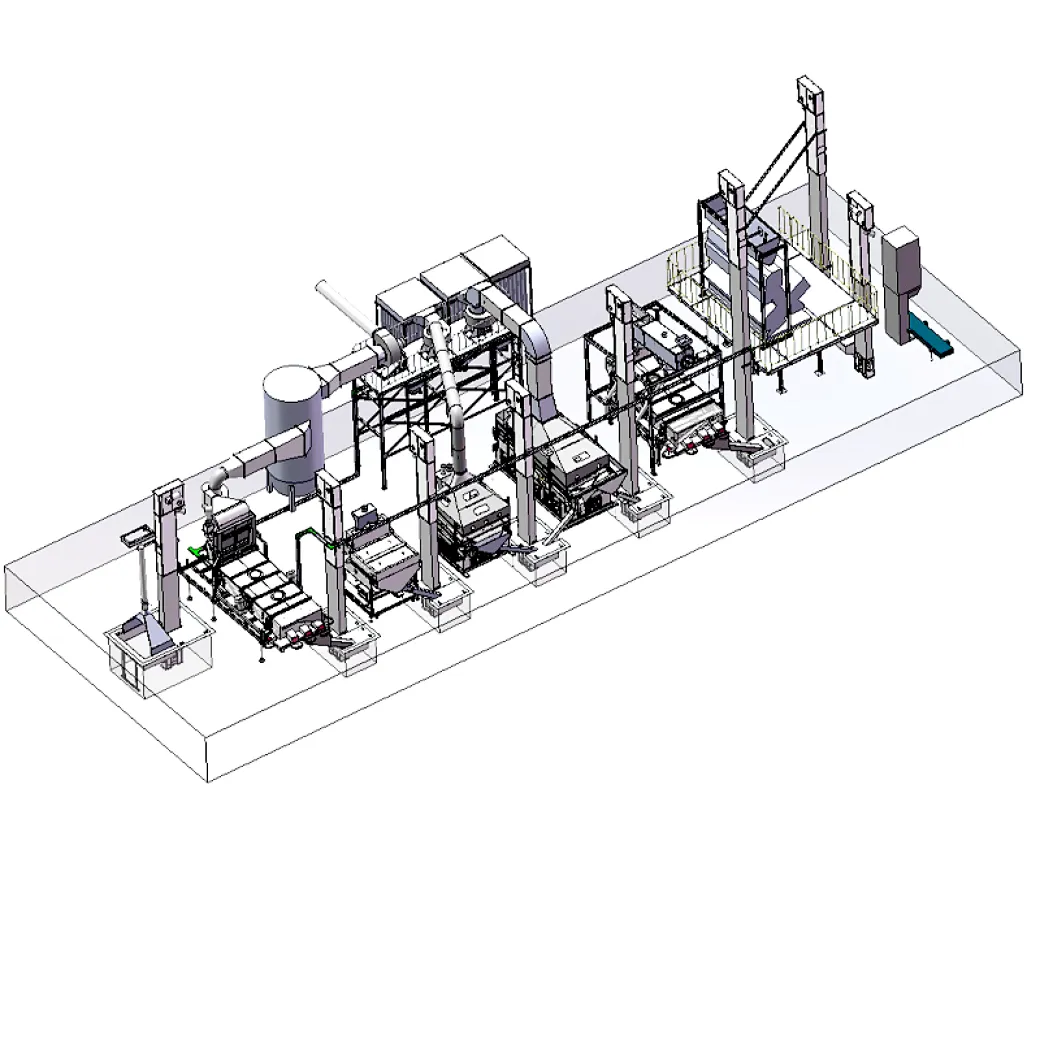
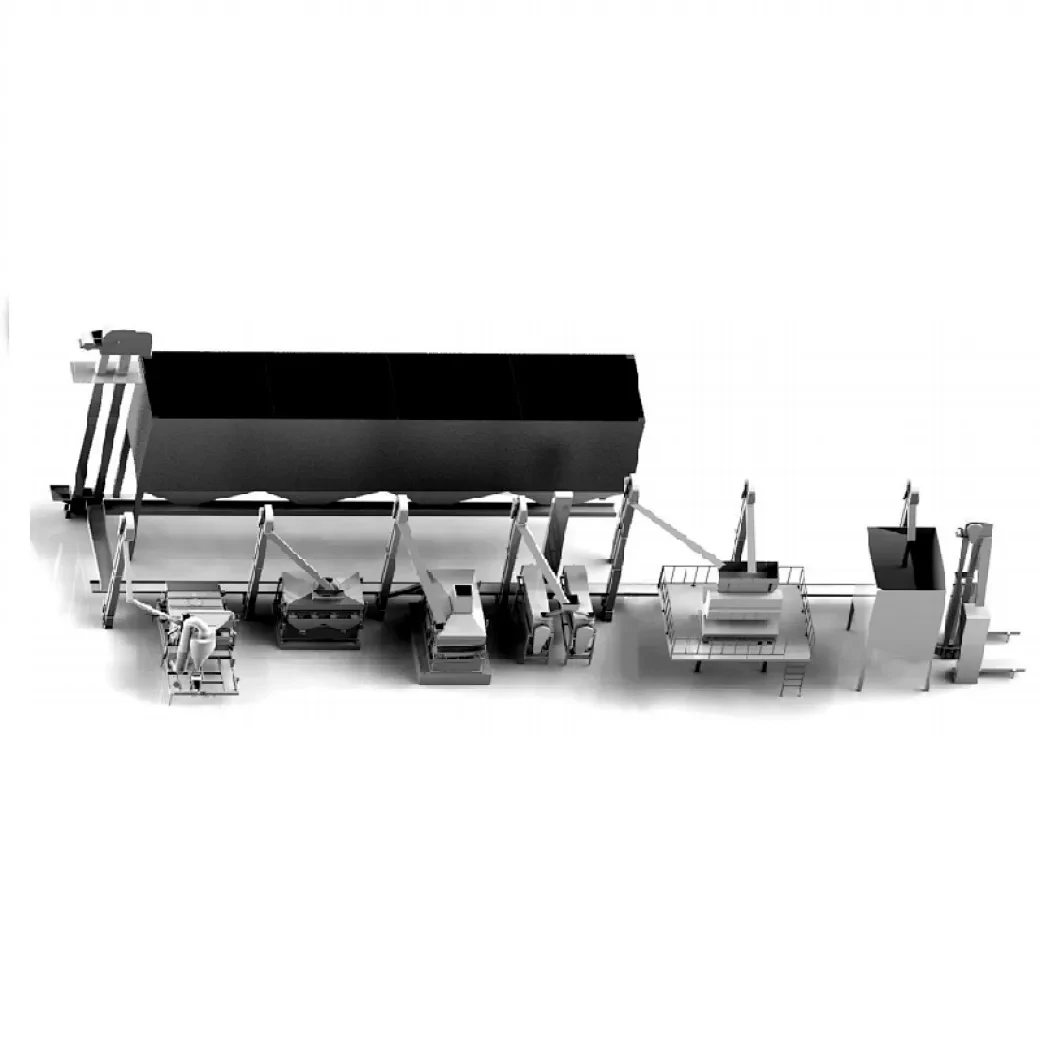
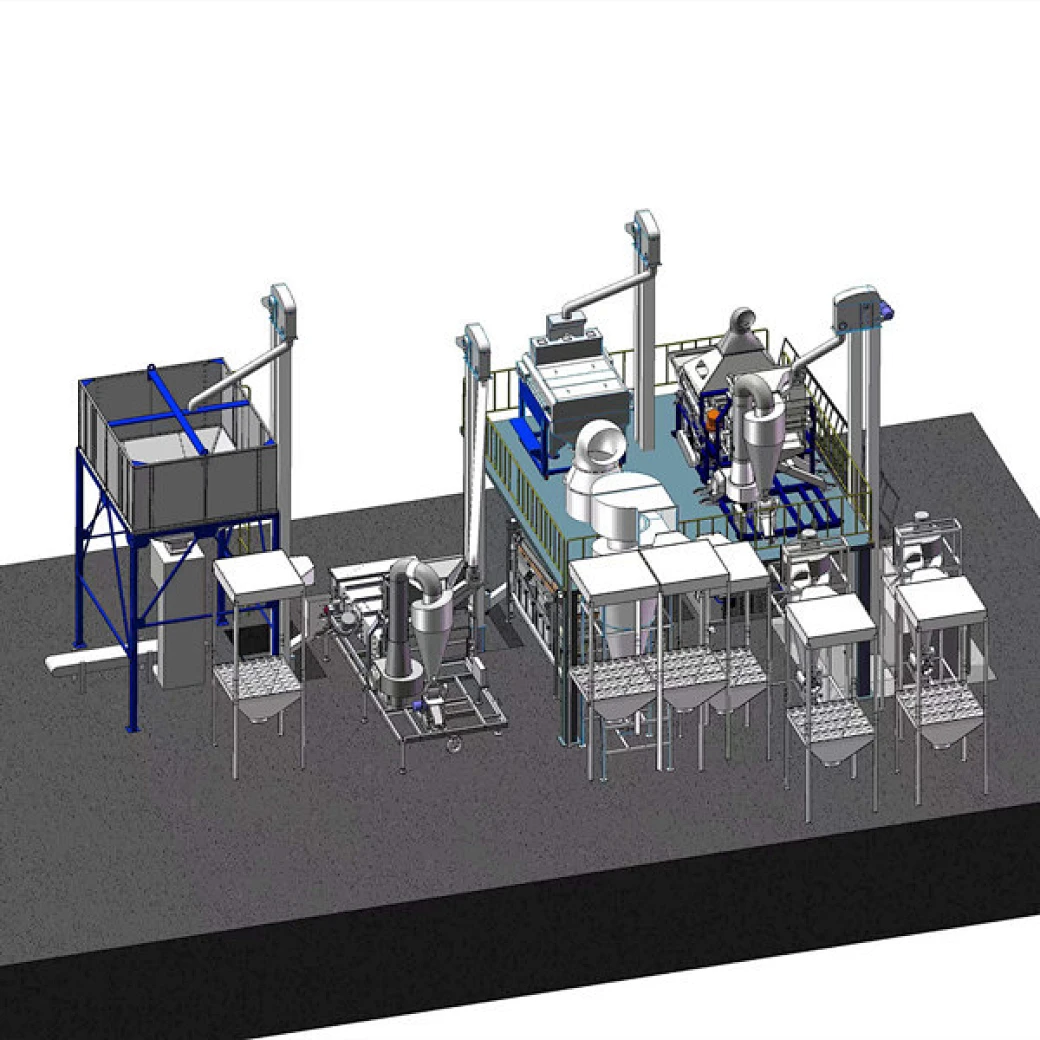
A modern sunflower pre-processing line is a symphony of coordinated mechanical systems. It is not enough to simply crack the seeds; the operation must be precise, clean, and continuous. The following outlines the standard workflow for a high-efficiency sunflower seed dehuller system.
- Initial Purification: The Sunflower Cleaner and De-stoner
The process begins with raw material intake. Truckloads of sunflower seeds often arrive mixed with a variety of foreign materials—dust, chaff, stones, metal fragments, and other field debris. If these contaminants enter the delicate hulling machinery, they can cause catastrophic damage or significantly impair the quality of separation.
The first stage utilizes a sunflower cleaner. This machine employs a combination of aspiration (airflow) and vibrating screens to remove light dust, large debris, and small foreign objects. The cleaner ensures that only seeds within a specific size range proceed to the next phase.
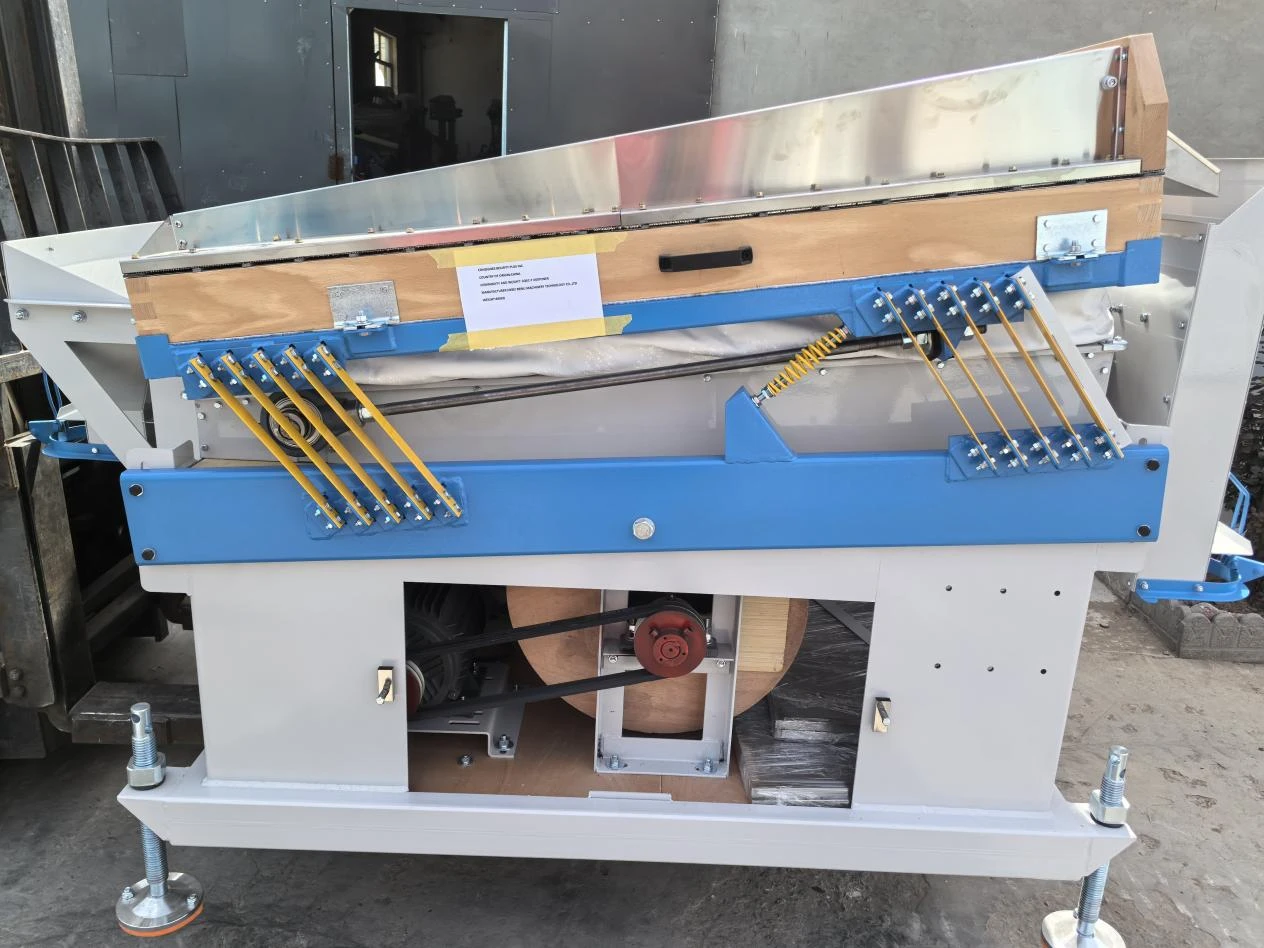
Following the cleaner, the seeds pass through a de-stoner. This specialized equipment is crucial for safety and longevity. A de-stoner utilizes a fluidized bed principle: air is blown through a vibrating deck, causing the heavier stones to settle at the bottom while the lighter sunflower seeds float to the top. By removing stones and heavy impurities, the de-stoner protects the crushing mechanisms of the hullers from damage and prevents spark hazards that could ignite dust.
- The Core Process: Centrifugal Dehulling
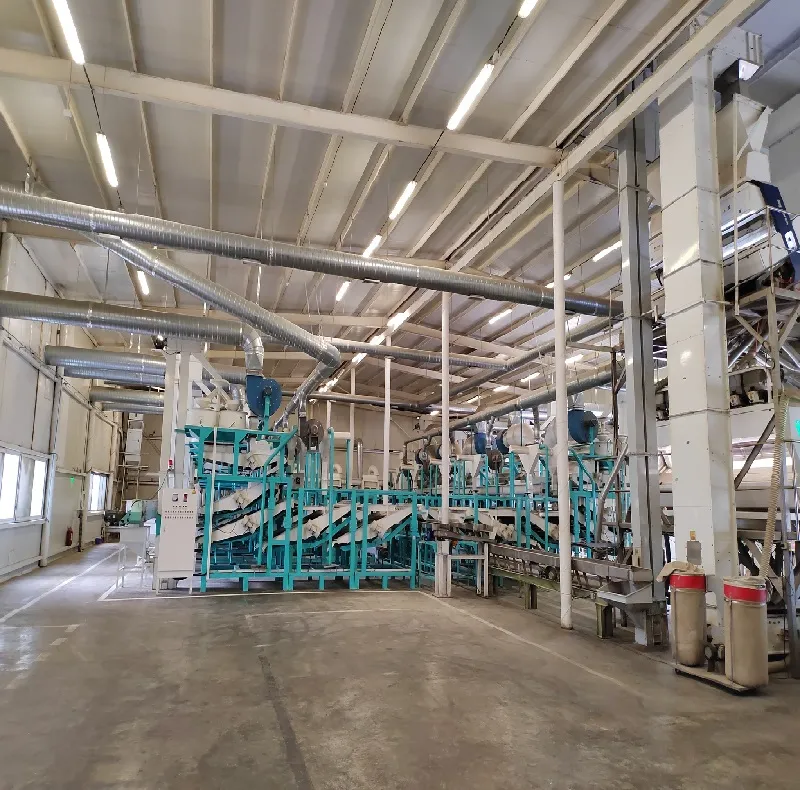
Once the seeds are clean and free of stones, they are elevated via a bucket elevator to the heart of the system: the hulling units. In high-capacity industrial settings, a single machine is often insufficient. Typically, the system employs four independent hulling machines operating in parallel. This configuration ensures redundancy; if one machine requires maintenance, the line can continue operating at 75% capacity, ensuring uninterrupted production.
The hullers operate on a centrifugal principle. Seeds are fed into the center of a spinning disc or rotor, equipped with specialized paddles. As the rotor spins at high speeds—controlled precisely by Variable Frequency Drives (VFDs)—the seeds are thrown outward against a hard impact ring or are subjected to high-velocity collisions between seeds.
The goal of sunflower seed hulling is not to pulverize the seed but to achieve a "clean break." The ideal outcome is to separate the hull from the kernel without shattering the kernel into small pieces. The centrifugal force must be calibrated perfectly. If the speed is too low, the seeds will not break; if it is too high, the kernels will be smashed into fines (small particles), which are difficult to separate and can be lost during aspiration.
- Pneumatic Separation: The Power of Air
Immediately following the cracking process, the mixture is a complex blend of whole seeds, cracked hulls (large and small), whole kernels (meats), broken kernel pieces, and dust. The first separation step is pneumatic.
A high-volume air system (aspiration duct) draws air through the falling stream of material. Because sunflower hulls are significantly lighter than kernels, the air current lifts them away. This "wind winnowing" process removes the majority of the free hulls immediately after the cracker. This step is critical for reducing the load on the downstream screening equipment.
- Mechanical Separation: Shell-Kernel Screening
After the initial air removal, the material—now consisting of kernels, unsplit seeds, and some remaining hull fragments—is directed to the shell-kernel separation screens.
This is a multi-stage screening process. The separators utilize a series of vibrating screens with different mesh sizes. The screens are configured to sort materials by size:
- Overs: Large particles that are typically unsplit seeds or large hull pieces.
- Mids: The desired product—sunflower kernels.
- Unders: Small fines, dust, and very small kernel pieces.
However, a perfect separation is rarely achieved in a single pass. This is why high-end systems incorporate multiple layers of screening.
Advanced Features: Recirculation and Variable Frequency Control
What distinguishes a professional-grade sunflower seed dehuller from a basic cracking mill is the inclusion of intelligent feedback systems. Two features are paramount in modern designs: the recirculation (or return) function and Variable Frequency Drives (VFDs) .
The Recirculation Function
In any hulling process, there will always be a percentage of seeds that pass through the machine without being cracked. This can happen due to variations in seed size, moisture content, or the orientation of the seed as it enters the impact zone. In a basic system, these uncracked seeds would simply fall through the screens and be treated as waste, or they would contaminate the final kernel stream, requiring manual sorting.
The recirculation system solves this problem. In the separation stage, after the mixture passes through the screens, the "overs" or "tailings"—which consist primarily of whole seeds that escaped cracking—are collected. A specialized conveying system (often a bucket elevator or air conveyor) returns these materials to the feed inlet of the hulling machines for a second (or third) attempt.
This closed-loop system ensures near-complete utilization of the raw material. It maximizes the yield of kernels per ton of raw seeds and ensures that the final product stream sent to the oil press is nearly 100% pure kernel, free of uncracked seeds that would dilute the oil output.
Variable Frequency Drive (VFD) Control
Not all sunflower seeds are created equal. The physical properties of the seed—hardness, moisture content, size—vary by crop variety, growing season, and storage conditions. A fixed-speed rotor cannot adapt to these variations.
By equipping the hulling machines with Variable Frequency Drives, operators gain precise control over the rotational speed of the centrifugal rotors. This granular control allows for:
- Optimization: Operators can adjust the tip speed of the impact mechanism in real-time to achieve the highest "whole kernel" yield while minimizing kernel breakage.
- Versatility: The same line can process different varieties of sunflower seeds (confectionery vs. oilseed) without mechanical modifications, simply by adjusting the frequency (speed).
- Energy Efficiency: VFDs ensure that the motor only uses the energy required for the specific load and speed, reducing electricity consumption compared to constant-speed motors.
SEO and EEAT: Why This Technology Matters
From a digital perspective, discussing sunflower hulling machine technology requires adherence to EEAT principles—Experience, Expertise, Authoritativeness, and Trustworthiness. For buyers and processors in the edible oil industry, a machine is not a commodity; it is an investment. The information provided must be reliable.
Experience is demonstrated by understanding the real-world problems of oil mills—fouling, downtime, and yield loss. This article draws on the operational realities of modern facilities where a 1% increase in oil yield translates to thousands of dollars in annual profit.
Expertise is showcased through the detailed explanation of how specific components like sunflower cleaner and de-stoner units function in concert with the hullers. It is not just about breaking shells; it is about the science of airflow dynamics, vibrational screening patterns, and material handling.
Authoritativeness comes from referencing industry standards—the use of four hullers for redundancy, the implementation of VFDs for precision, and the necessity of recirculation for efficiency. These are not optional features in high-output facilities; they are the benchmarks of professional-grade equipment.
Trustworthiness is established by being transparent about the process. We acknowledge that not all seeds crack the first time (hence recirculation) and that speed must be adjustable (hence VFDs). Honesty about the mechanics builds confidence in the technology.
Conclusion
The journey from a harvested sunflower field to a bottle of premium oil is defined by the quality of the preparation. The sunflower hulling machine is far more than a simple cracker; it is the guardian of oil yield and equipment integrity. By integrating a robust system that includes a sunflower cleaner, a de-stoner, centrifugal hullers with VFD control, pneumatic aspiration, and a recirculating shell-kernel separator, processors can achieve unparalleled efficiency.
Investing in a high-quality sunflower seed hulling and sunflower seed dehuller system ensures that the oil press receives only the purest kernels, free from abrasive hulls and inert contaminants. The result is maximized oil output, reduced operational costs, and a superior final product. For any serious oilseed processor, mastering this pre-processing phase is not merely an option—it is the key to sustainable profitability.

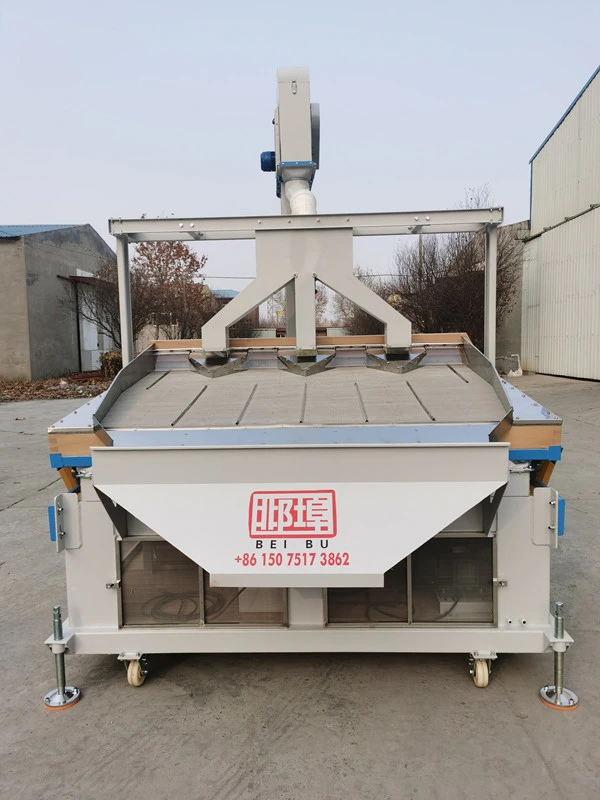
13 Juni 2024
Mesin Pembersih Kedelai - Hebei Beibu Machinery Technology Co.,LTD
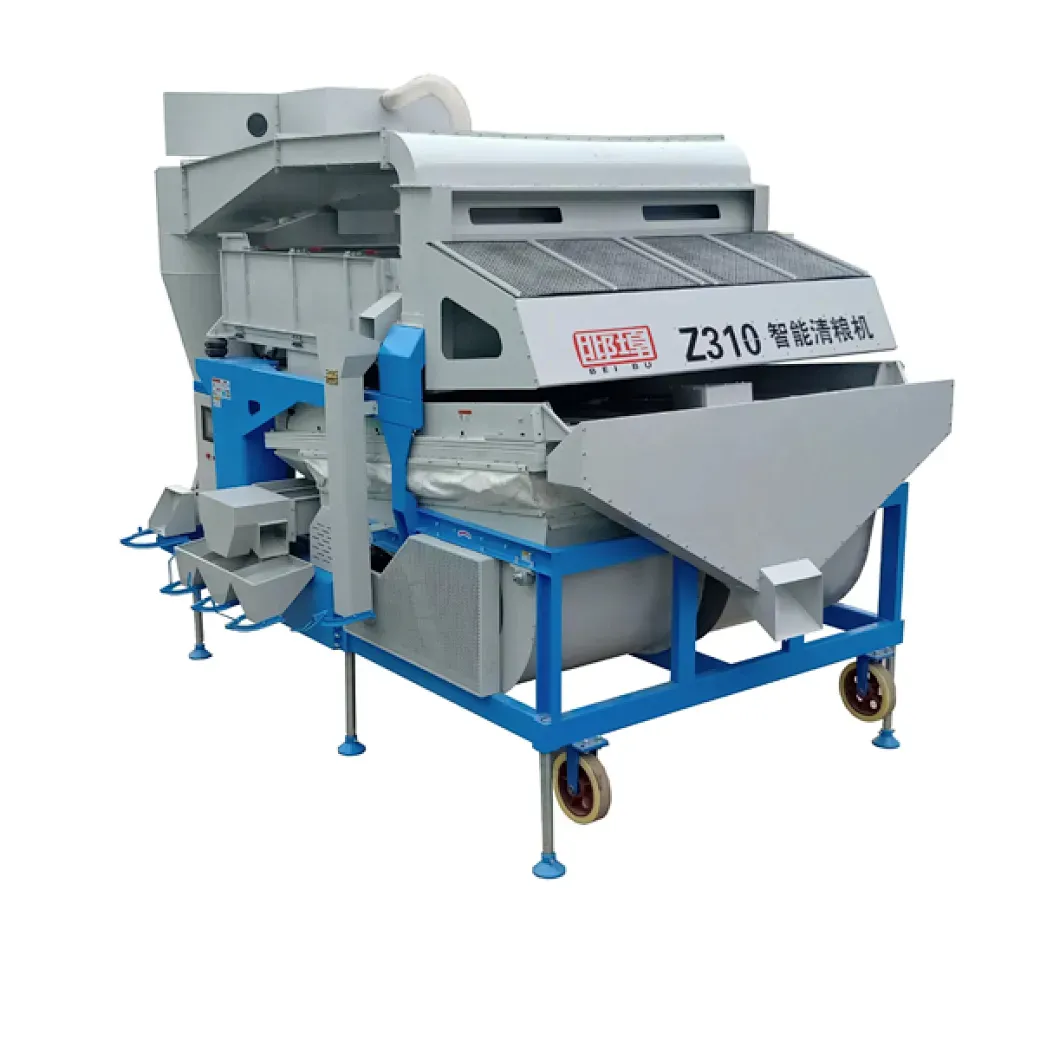
Nov. 12, 2025
Mini Wheat Cleaning Machine | Compact, Efficient, Low-Noise
07 Februari 2025
Mesin pembersih benih Beibu membantu Anda dalam bercocok tanam musim semi!
Mar. 17, 2026
Jun. 30, 2025
Unlocking Grain Purity: The Essential Destoner Machine
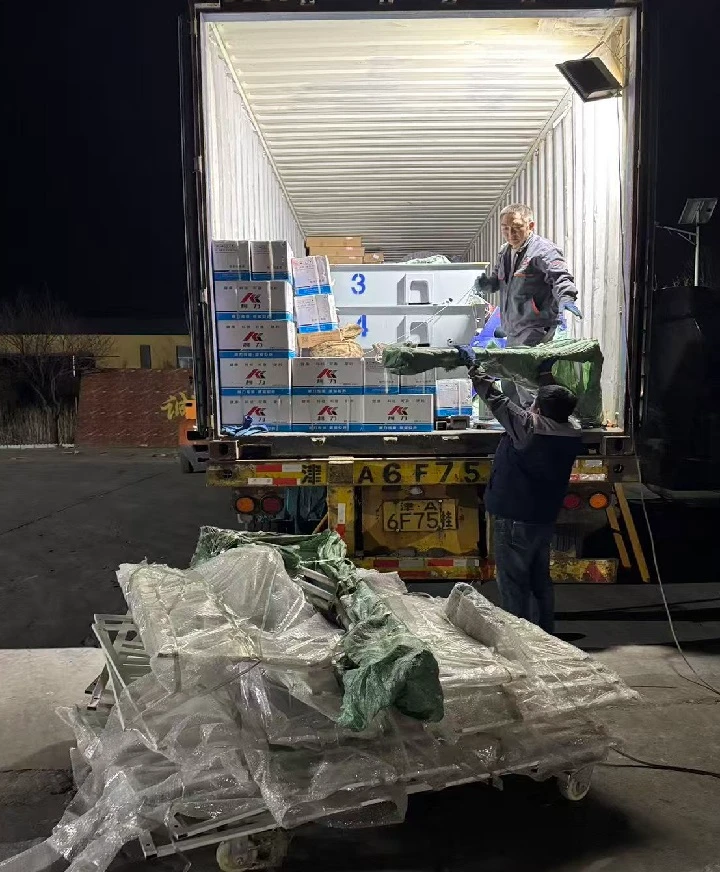
14 Maret 2024
Pemuatan Baru untuk Mesin Pembersih Wijen-Hebei Beibu Machinery Technology Co.,LTD
Mesin Beibu


