



Sep . 16, 2025 11:13
Industry Trends in Seed Cleaning Technology
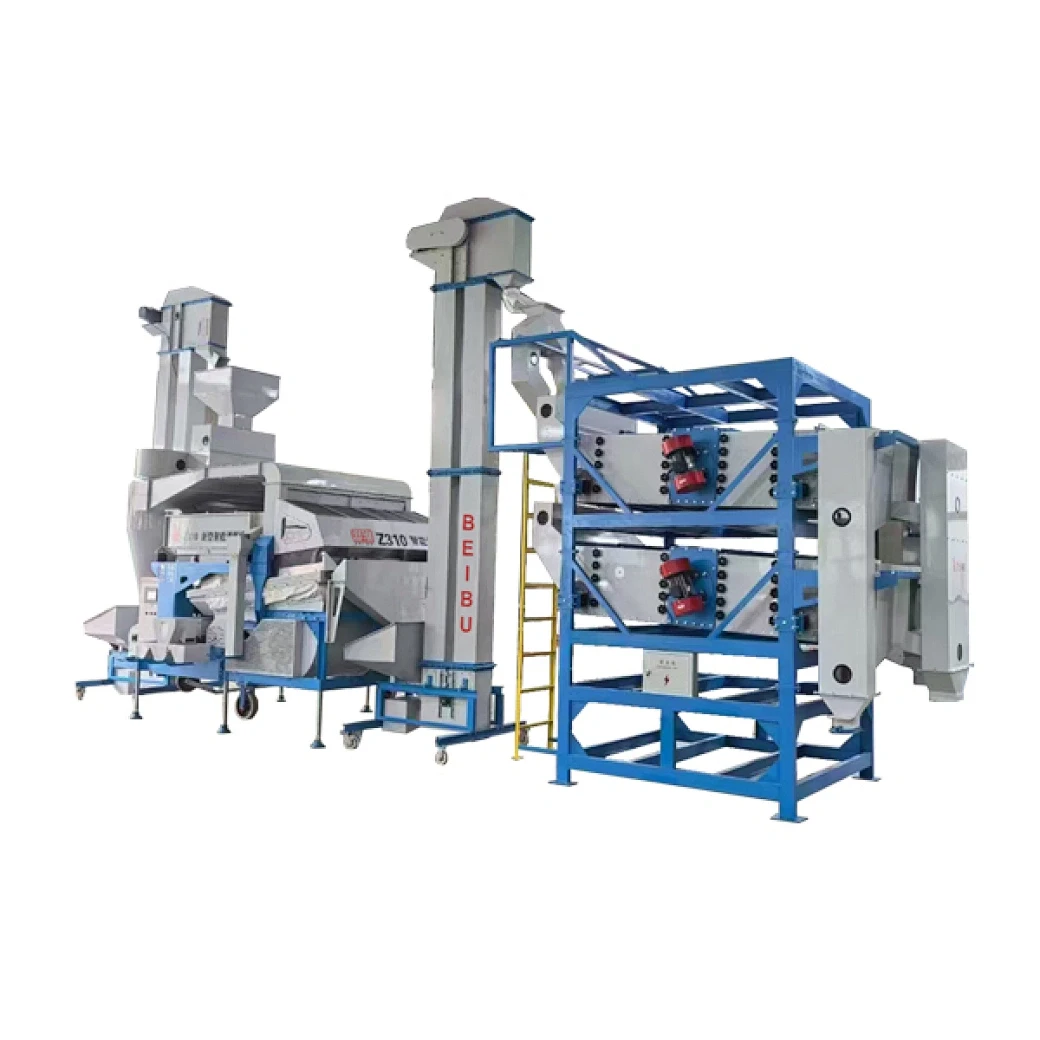
The agricultural sector is undergoing a profound transformation driven by the imperative for enhanced food security, increased crop yields, and sustainable farming practices. Central to this evolution is the advancement in post-harvest processing, particularly in seed conditioning. The global market for mesin pembersih benih solutions is experiencing robust growth, fueled by several key trends. Precision agriculture demands higher purity and germination rates for seeds, which directly impacts crop establishment and overall productivity. This has led to a surge in demand for sophisticated seed cleaning equipment capable of handling diverse seed types with unparalleled efficiency and minimal loss.
Technological innovation is a primary driver. Manufacturers are integrating advanced optical sorting systems, AI-driven anomaly detection, and highly sensitive separation mechanisms into their designs. These innovations allow for the removal of even the most minute impurities, including foreign seeds, inert material, and diseased kernels, which were previously challenging to isolate. Furthermore, there's a growing emphasis on automation and digitalization, enabling remote monitoring, data analytics for process optimization, and predictive maintenance schedules. This shift not only reduces labor costs but also ensures consistent quality output, vital for large-scale agricultural operations and seed producers.
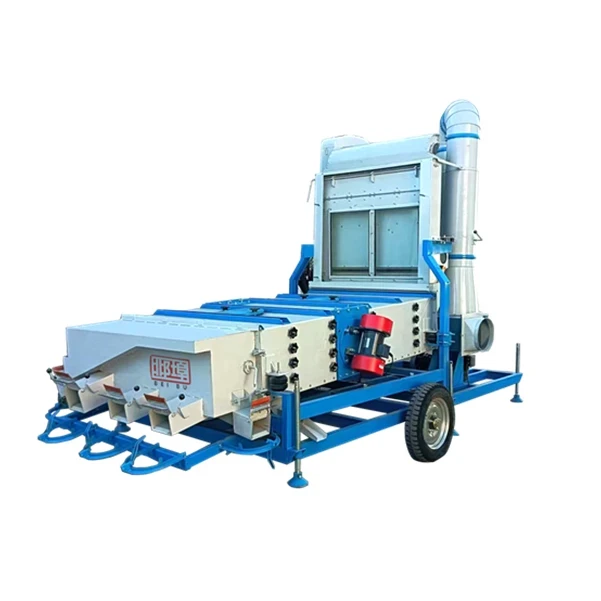
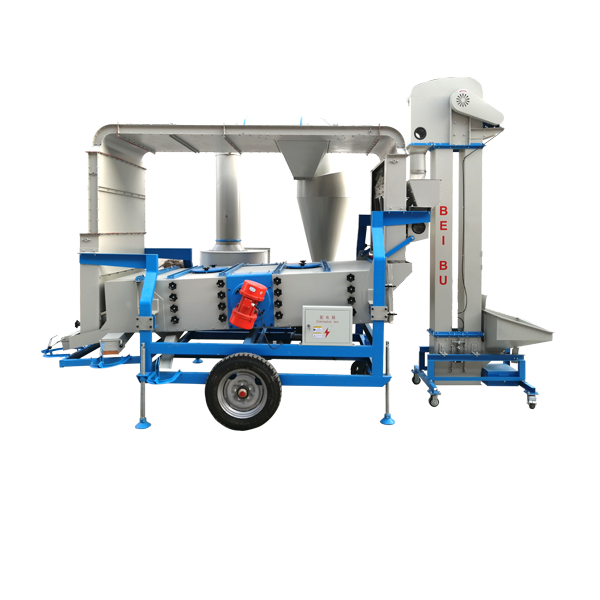
Another significant trend is the increasing adoption of mobile seed cleaning solutions. This addresses the need for on-site processing in remote agricultural areas, reducing transportation costs and preserving seed quality by minimizing handling. These mobile seed cleaning units often feature compact designs, robust construction for varied terrains, and flexible configurations to adapt to different seed varieties and cleaning requirements. Environmental sustainability also plays a crucial role, with a focus on energy-efficient designs, reduced water consumption, and improved dust collection systems to minimize environmental impact and meet stringent regulatory standards. The demand for specialized solutions, such as mesin pembersih biji jintan, is also on the rise, reflecting the global diversity in crop production and the need for tailored processing.
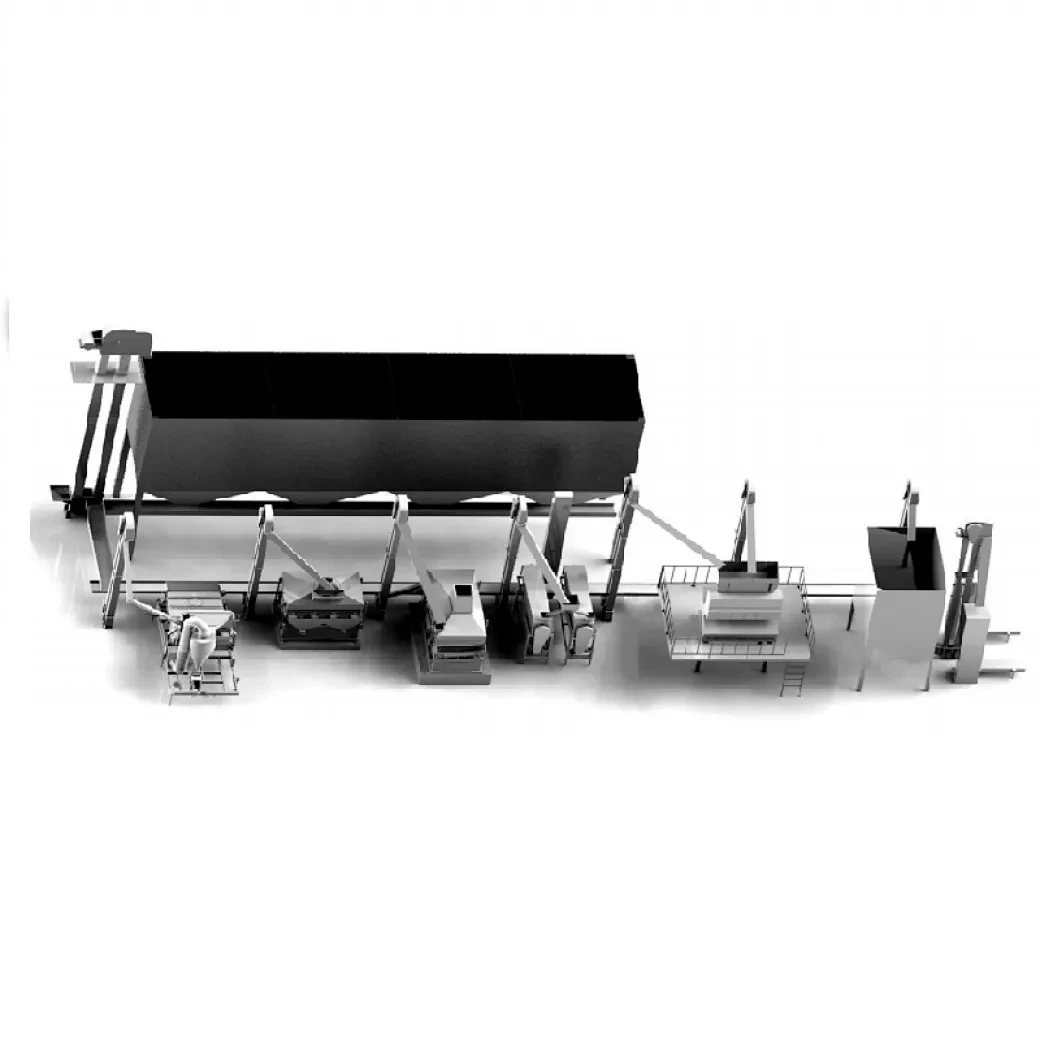
Process Flow: Manufacturing and Operation of a Seed Cleaning Machine
Manufacturing Process of a Seed Cleaning Machine
The fabrication of a high-performance mesin pembersih benih involves a multi-stage engineering process, adhering to stringent quality control and material specifications to ensure durability, precision, and a long service life.
- Material Selection: Components are primarily constructed from high-grade carbon steel for structural integrity, and food-grade stainless steel (e.g., SUS304, SUS316) for all seed-contact surfaces to prevent contamination and ensure corrosion resistance. Specialized alloys are used for wear-prone parts like sieves and discharge gates.
- Precision Cutting & Forming: Raw materials undergo advanced cutting techniques, including laser cutting and plasma cutting, to achieve precise dimensions. Bending and forming operations are performed using CNC hydraulic press brakes to create the complex geometries of the machine's frame, hoppers, and internal chambers.
- Machining & Fabrication: Critical components, such as shafts, bearing housings, and specialized sieve frames, are precisely machined using multi-axis CNC machining centers. Welding is conducted by certified welders, employing MIG/MAG or TIG techniques, followed by rigorous inspection (e.g., dye penetrant testing, ultrasonic testing) to ensure weld integrity and absence of defects.
- Surface Treatment: External surfaces are typically sandblasted and then coated with industrial-grade, anti-corrosive epoxy paints to enhance durability and resistance to harsh operating environments. Internal surfaces are polished to prevent seed residue buildup and facilitate easy cleaning.
- Assembly: Mechanical, pneumatic, and electrical subsystems are meticulously assembled. This includes installing motors, gearboxes, blowers, vibration systems, and control panels. Special attention is given to the alignment of moving parts to minimize friction and wear.
- Quality Control & Testing: Each unit undergoes comprehensive functional testing, including no-load and full-load operation. Performance parameters such as vibration levels, noise, motor efficiency, and power consumption are measured. Quality management adheres to ISO 9001:2015 standards, and specific components may conform to ANSI standards where applicable for mechanical integrity. Service life for well-maintained units typically exceeds 15-20 years.
Operational Process Flow of a Seed Cleaning Plant
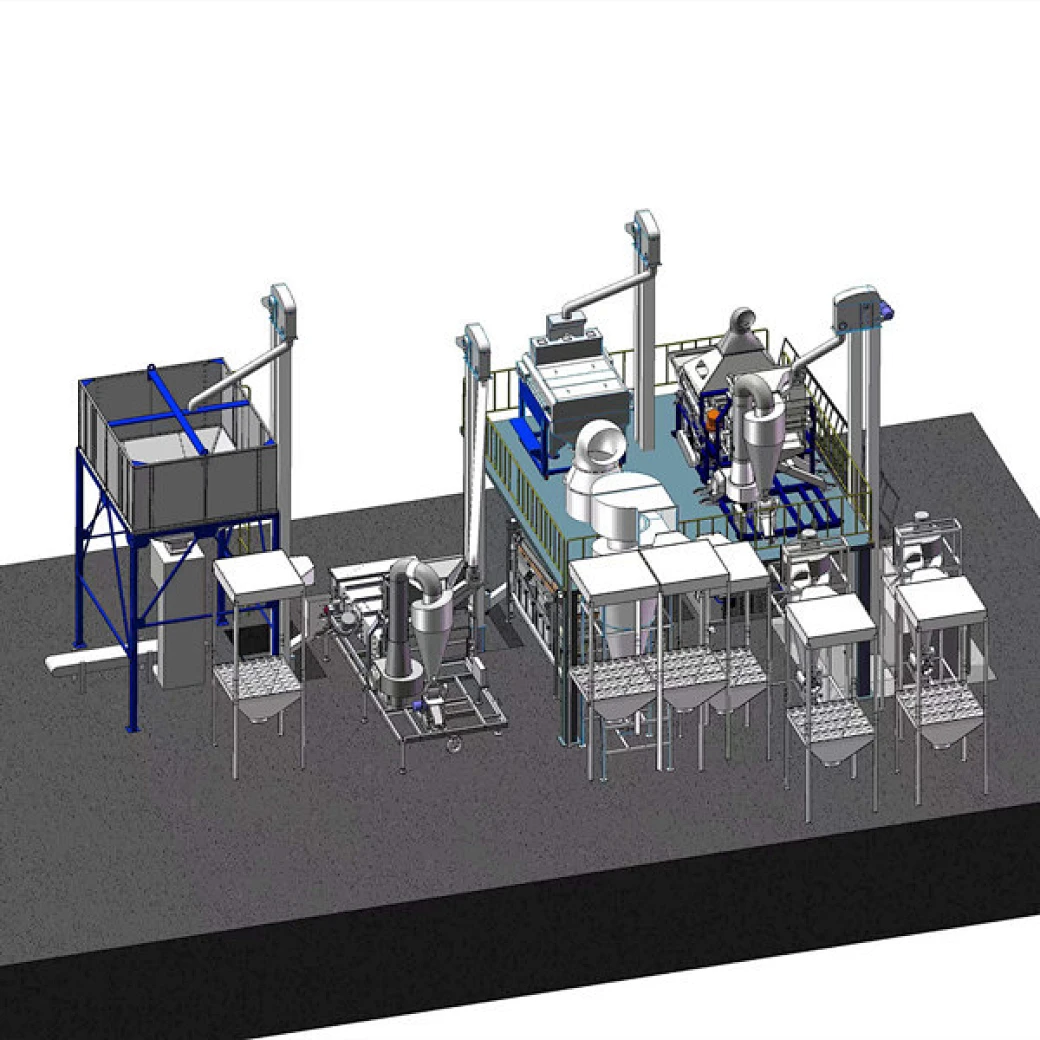
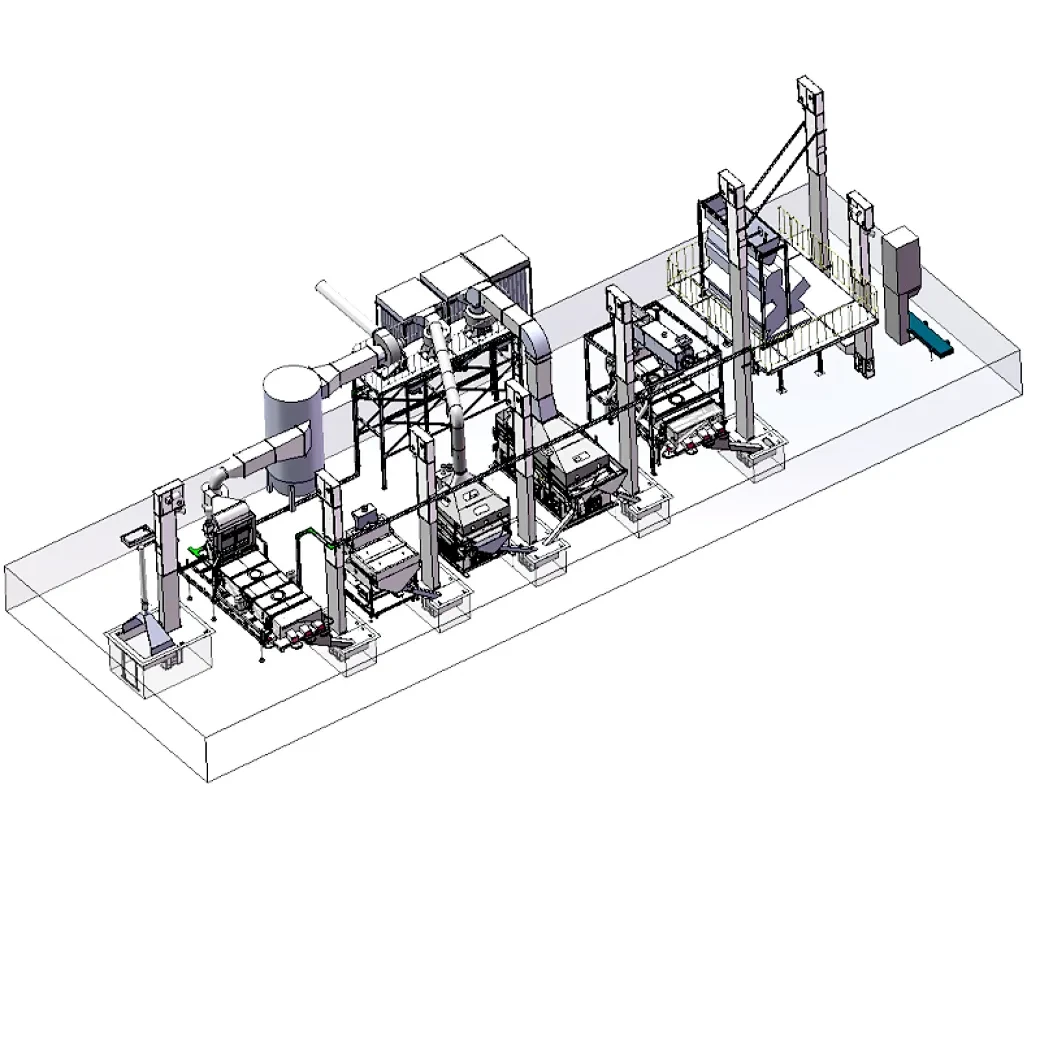
A typical seed cleaning processing plant employs a systematic sequence to achieve optimal seed purity. This process is critical for industries such as seed production, grain processing, food manufacturing, and even specialized agricultural research.
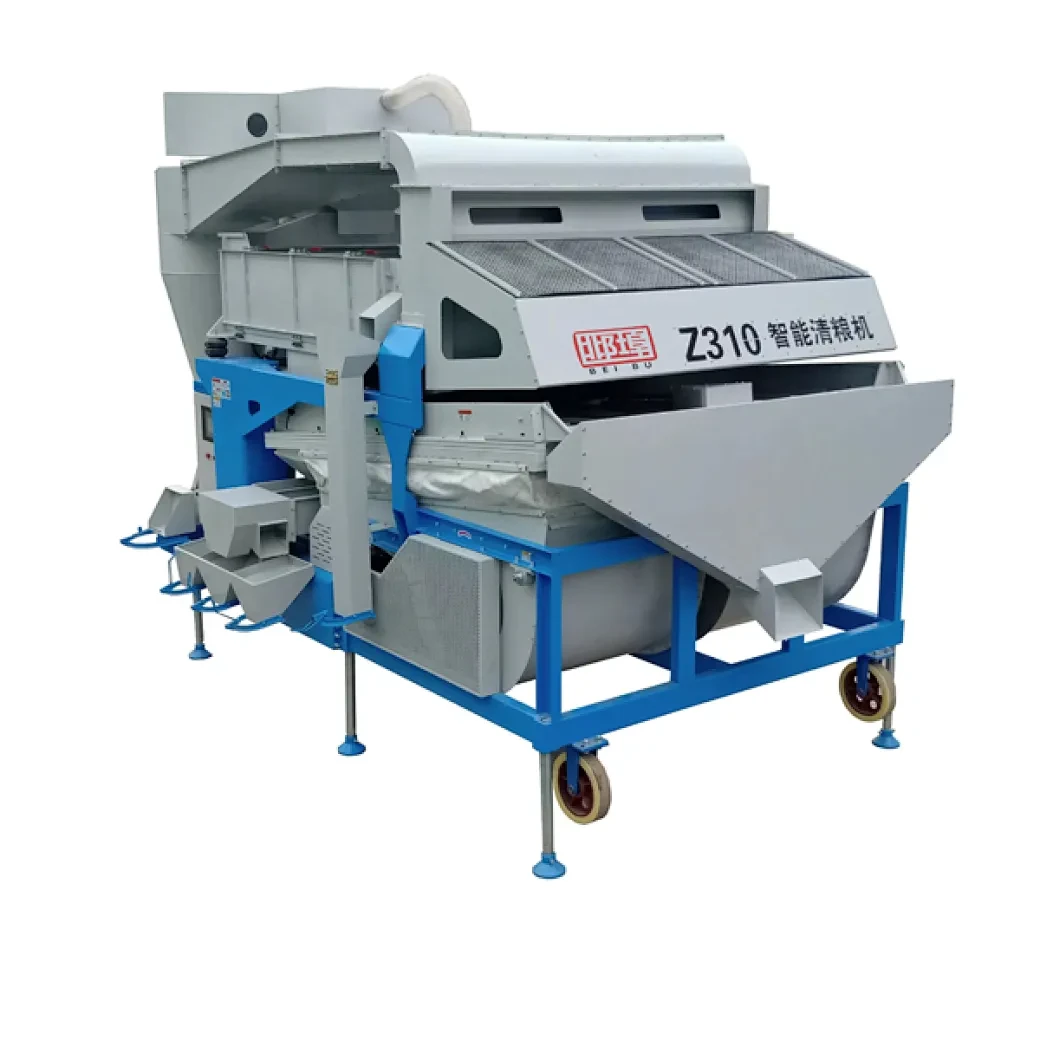
- Pre-cleaning: Raw seeds, often mixed with large foreign materials like stalks, stones, and coarse debris, are first fed into a pre-cleaner (e.g., vibrating screen separator). This stage removes larger impurities, preventing damage to subsequent fine cleaning equipment and improving overall efficiency.
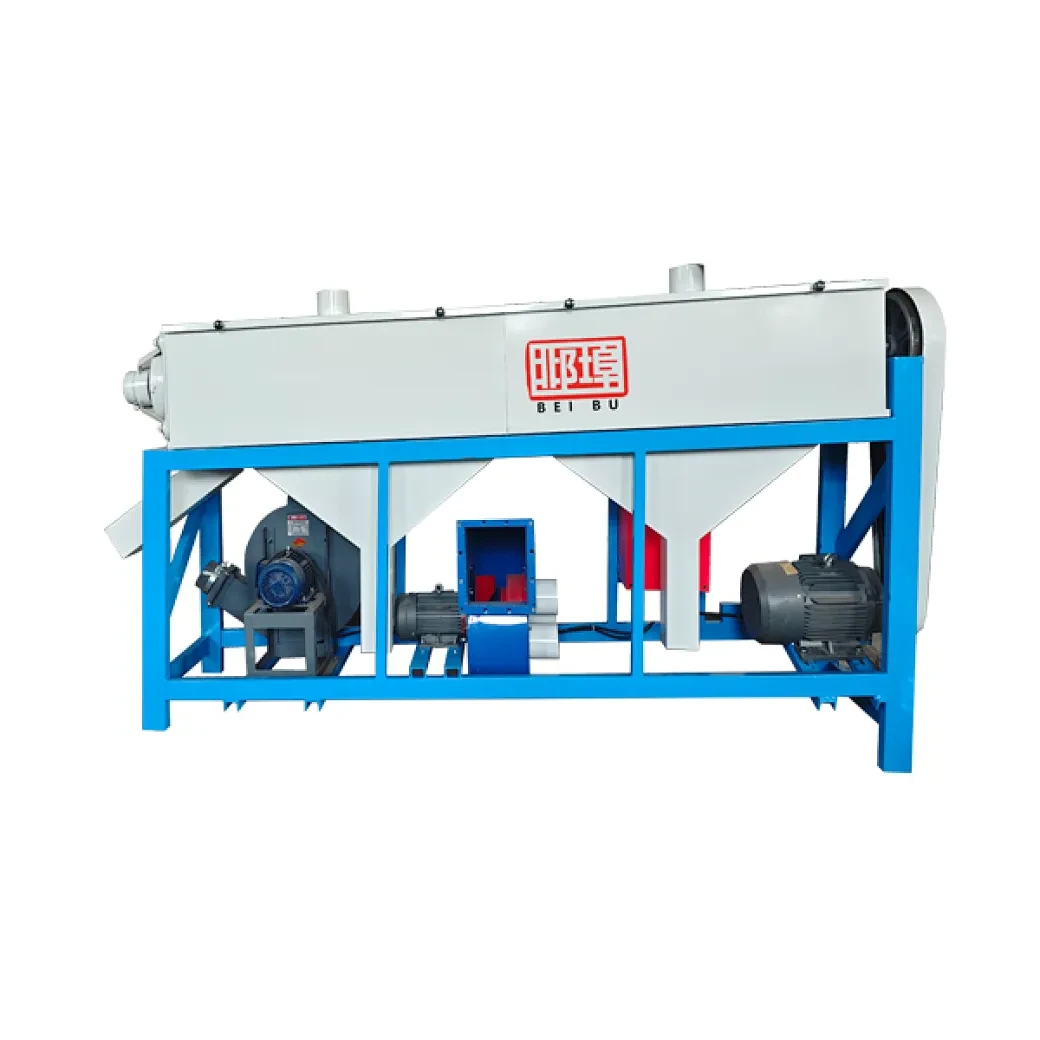
- Aspiration: Following pre-cleaning, the seeds pass through an aspirator. Here, powerful air currents separate lighter impurities such as dust, chaff, and small empty shells based on their aerodynamic properties. This step is crucial for reducing the dust load and enhancing the efficiency of further cleaning.
- Sieving/Screening: The core of most seed cleaning equipment is the multi-deck sieving system. Seeds are stratified by size and shape using vibrating screens with different mesh openings. This stage effectively removes undersized and oversized foreign materials, along with broken seeds. Precision seed cleaning sieves are essential here.
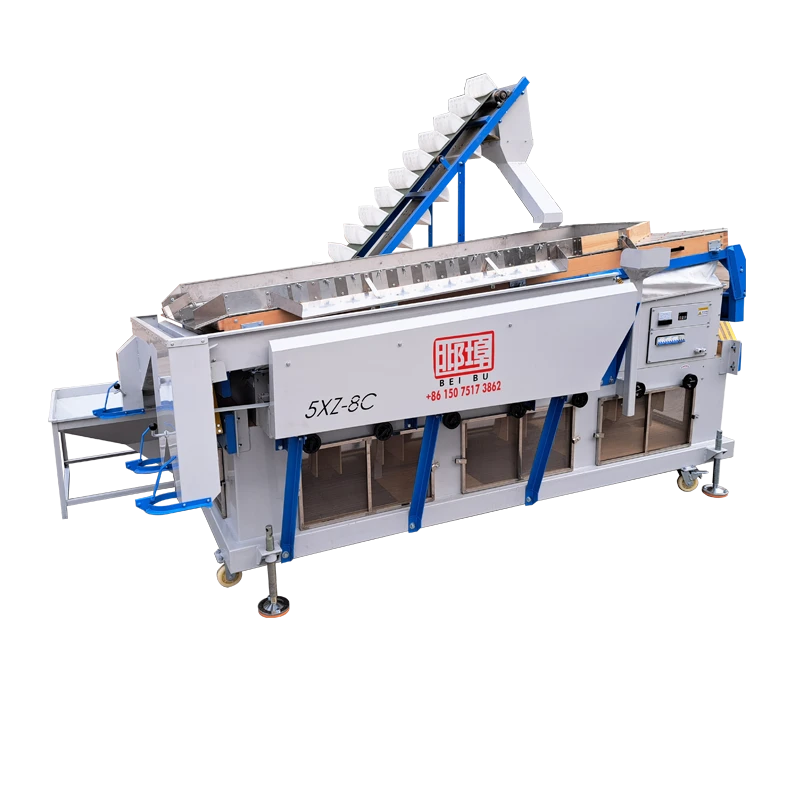
- Gravity Separation: For separating seeds based on density differences (e.g., removing shriveled, diseased, or insect-damaged seeds from healthy ones, or separating different seed types), a gravity separator is employed. This machine uses a combination of air flow and vibration to stratify and separate materials.
- Indented Cylinder/Length Separator: For separating seeds based on length, an indented cylinder or length grader is used. This is particularly effective for removing broken seeds or foreign seeds that are longer or shorter than the target seed.
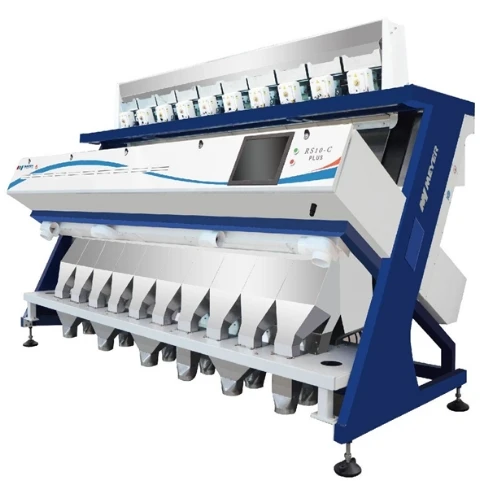
- Optical Sorting (Optional/Advanced): High-end seed cleaning plants often include optical sorters. These machines use cameras and sophisticated software to detect and remove discolored, damaged, or foreign material based on color, shape, and spectral characteristics, achieving extremely high purity levels.
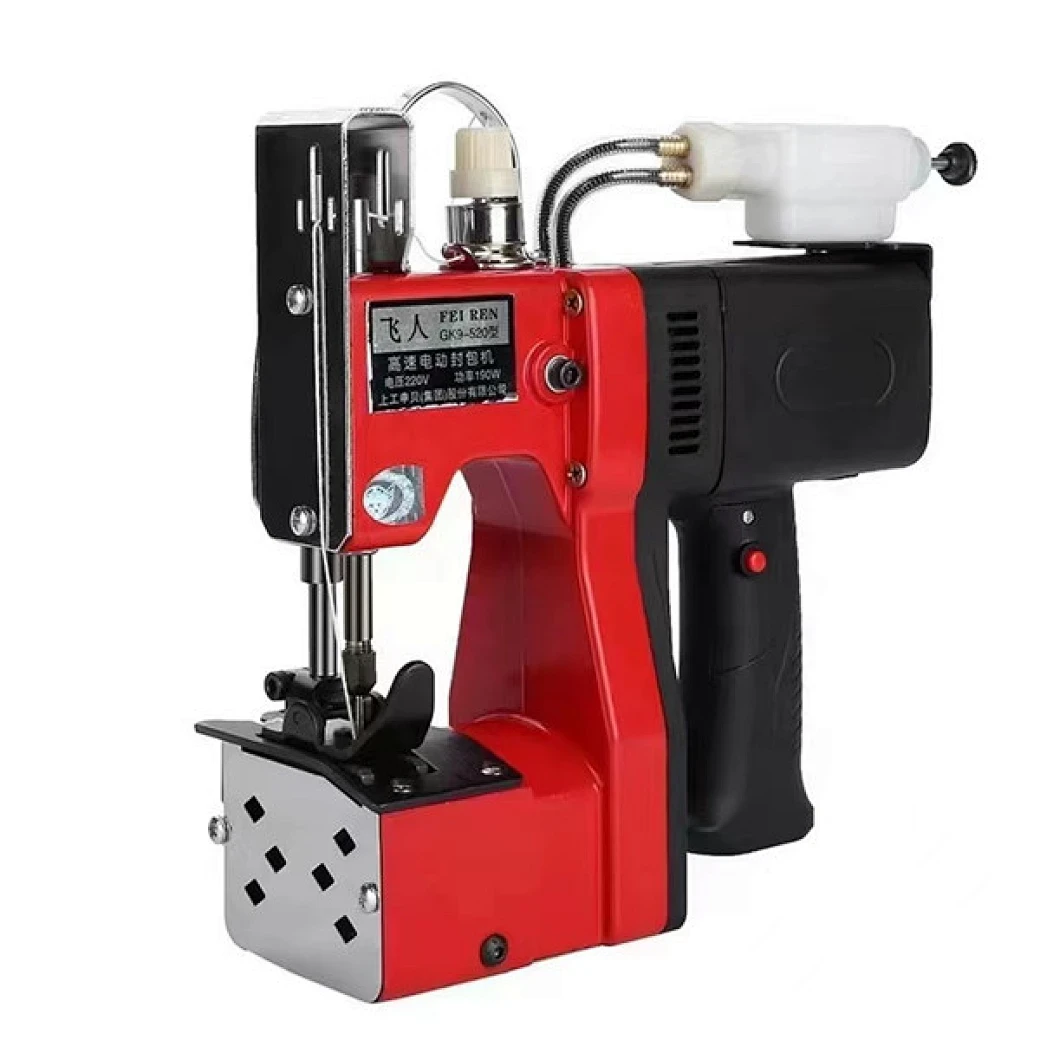
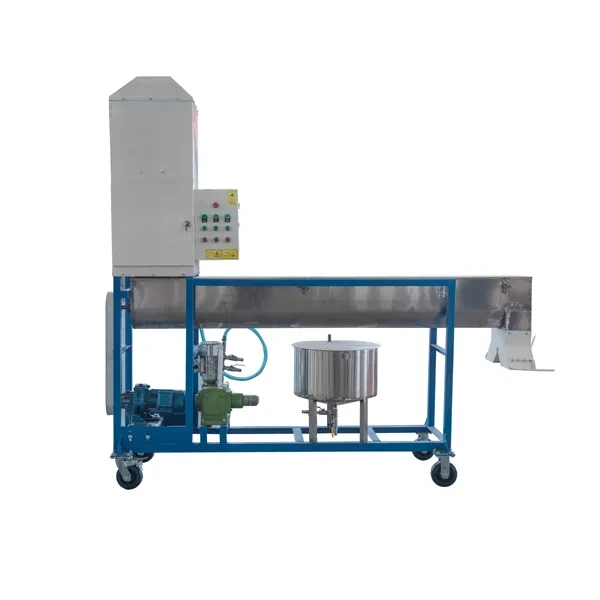
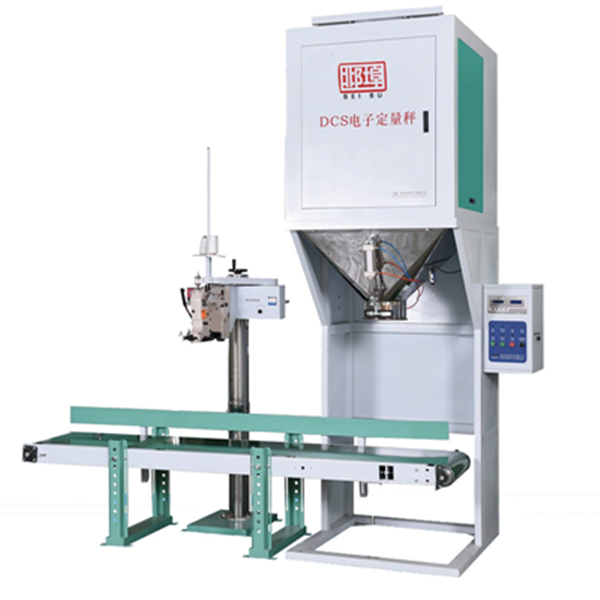
- Seed Treatment & Weighing/Bagging: After cleaning, seeds may undergo treatment with fungicides, insecticides, or other protective coatings. Finally, the cleaned and treated seeds are accurately weighed and packaged into bags or bulk container111s, ready for distribution.
In typical application scenarios within seed processing plants, these integrated solutions demonstrate significant advantages. For example, modern systems achieve up to 99.9% purity for commercial seeds, drastically reducing germination issues. Energy saving features, such as optimized motor controls and efficient air recirculation systems, can reduce power consumption by 15-20% compared to older models. The extensive use of corrosion-resistant materials ensures longevity and maintains hygienic standards, crucial for compliance with food safety regulations.
Technical Parameters and Specifications
Understanding the technical specifications of a mesin pembersih benih is paramount for B2B decision-makers to select the appropriate equipment for their specific operational needs. These parameters dictate performance, efficiency, and suitability for various seed types.
Typical Seed Cleaning Machine Specifications (Example: High-Capacity Grain & Seed Cleaner)
| Parameter | Spesifikasi | Unit/Details |
|---|---|---|
| Capacity (Wheat/Rice) | 5-20 | Tons per hour (TPH) |
| Total Power Requirement | 7.5 - 22 | kW |
| Cleaning Efficiency | ≥ 99.5% | For common grains (removing impurities) |
| Broken Rate | ≤ 0.1% | Minimizing damage to cleaned seeds |
| Number of Sieves | 3-6 decks | Customizable for seed type |
| Air Aspiration System | Integrated Cyclone & Dust Collector | Effective light impurity removal |
| Dimensions (L x W x H) | 3500 x 1800 x 3000 | Millimeters (variable by model) |
| Berat | 1500 - 3000 | Kilograms (variable by model) |
| Construction Material | Carbon Steel / Stainless Steel (contact parts) | Ensures durability & hygiene |
These parameters represent a typical high-efficiency seed cleaning machine designed for versatile applications. The "Cleaning Efficiency" and "Broken Rate" are critical metrics, directly influencing the final product quality and the economic viability of seed processing. Advanced models integrate intelligent control systems, allowing operators to adjust air volume, sieve inclination, and vibration frequency with precision, optimizing performance for different seed sizes and densities.
Application Scenarios and Technical Advantages
The versatility of modern seed cleaning equipment extends across numerous critical agricultural and industrial sectors, each benefiting from its ability to enhance product quality and operational efficiency.
Key Application Scenarios:
- Seed Production Companies: Essential for producing certified seeds with high germination rates and purity, meeting stringent national and international standards. This includes processing maize, wheat, soybean, rice, and specialized vegetable seeds.
- Grain Storage Facilities: Used to clean incoming grains before storage, preventing spoilage and pest infestations caused by impurities, thereby extending shelf life and preserving quality.
- Food Processing Industry: Vital for cleaning raw materials like pulses, spices (e.g., a dedicated mesin pembersih biji jintan), and coffee beans, ensuring food safety and compliance with purity regulations before further processing.
- Brewing and Malting Industries: Critical for preparing barley and other grains, removing undesirable components that could affect the quality of beer or malt.
- Research & Development Institutes: Used for precise separation of seed batches for genetic research, breeding programs, and quality assessment.
- On-Farm Processing: With the rise of mobile seed cleaning units, farmers can process their own seeds directly, significantly reducing costs and improving access to quality seeds.
Technical Advantages:
- High Purity & Minimal Loss: Advanced multi-stage cleaning (pre-cleaning, aspiration, sieving, gravity, optical sorting) ensures removal of foreign matter, diseased seeds, and inert material with over 99.5% efficiency, while minimizing damage to viable seeds (broken rate < 0.1%).
- Energy Efficiency: Modern designs incorporate high-efficiency motors, optimized air circulation systems, and precise vibration control. This results in significant energy savings, often reducing electricity consumption by 15-25% compared to conventional machines, directly impacting operational costs.
- Robust Construction & Corrosion Resistance: Components manufactured from durable carbon steel, reinforced with anti-corrosive coatings, and contact parts made from food-grade stainless steel (SUS304/316) guarantee exceptional longevity and resistance to wear, tear, and corrosion, even in demanding environments. This also ensures hygienic processing.
- Versatility & Adaptability: Modular designs allow for easy interchangeability of sieves, adjustable airflows, and variable vibration frequencies, enabling a single machine to process a wide array of seed types and sizes with optimal settings.
- Automation & User-Friendly Controls: Integrated PLC-based control systems, touch-screen interfaces, and real-time monitoring capabilities enhance operational ease, reduce manual intervention, and enable quick adjustments, ensuring consistent performance.
- Reduced Maintenance & Downtime: Self-cleaning mechanisms for sieves, easily accessible components, and robust bearing systems contribute to lower maintenance requirements and extended operational periods, maximizing throughput.
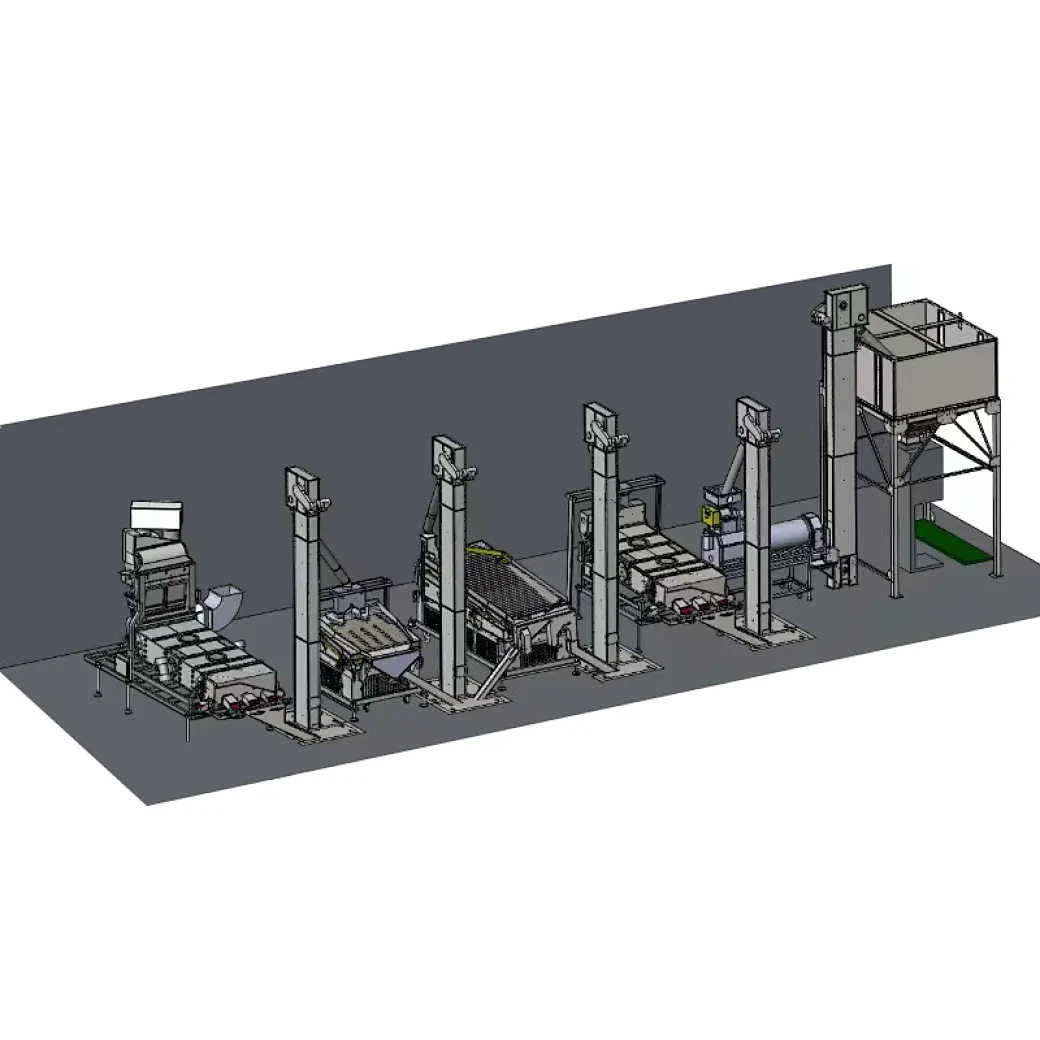
Vendor Comparison and Customized Solutions
Selecting the right seed cleaning machine vendor is a critical decision that impacts long-term operational efficiency and profitability. While numerous manufacturers offer solutions, key differentiators lie in technological advancement, customization capabilities, and after-sales support.
Comparative Analysis of Seed Cleaning Machine Vendors
| Feature/Vendor | Vendor A (e.g., Beibu Cleaner) | Vendor B (Competitor X) | Vendor C (Competitor Y) |
|---|---|---|---|
| Core Expertise | Integrated Seed & Grain Processing Plants | Specialized Optical Sorters | Basic Farm-scale Cleaners |
| Customization Level | High (Modular design, specific crop needs) | Medium (Software tuning for sorting) | Low (Standard models only) |
| Technological Advancement | Industry-leading, AI/IoT integration | Advanced sensor tech | Conventional mechanical systems |
| After-Sales Support | Global network, 24/7, remote diagnostics | Regional service centers, business hours | Limited, local distributors |
| Certifications & Standards | ISO 9001, CE, HACCP compliance | CE, ISO 9001 | Basic safety standards |
Customized Solutions
Recognizing that "one size fits all" rarely applies in the complex world of agricultural processing, leading manufacturers offer extensive customization for their seed cleaning equipment. This involves tailoring the entire processing line or specific machine components to meet unique operational demands.
- Capacity Scaling: Designing systems for specific throughput requirements, ranging from small-scale batch processing (1-2 TPH) to large industrial operations (50+ TPH).
- Seed-Specific Configurations: Developing bespoke sieve sets, airflow patterns, and gravity separator settings optimized for challenging seeds (e.g., highly irregular shapes, varying densities, specific cumin seed cleaning machine requirements).
- Material Selection: Utilizing specific grades of stainless steel or specialized coatings for abrasive or corrosive seed types, ensuring hygiene and extended equipment life.
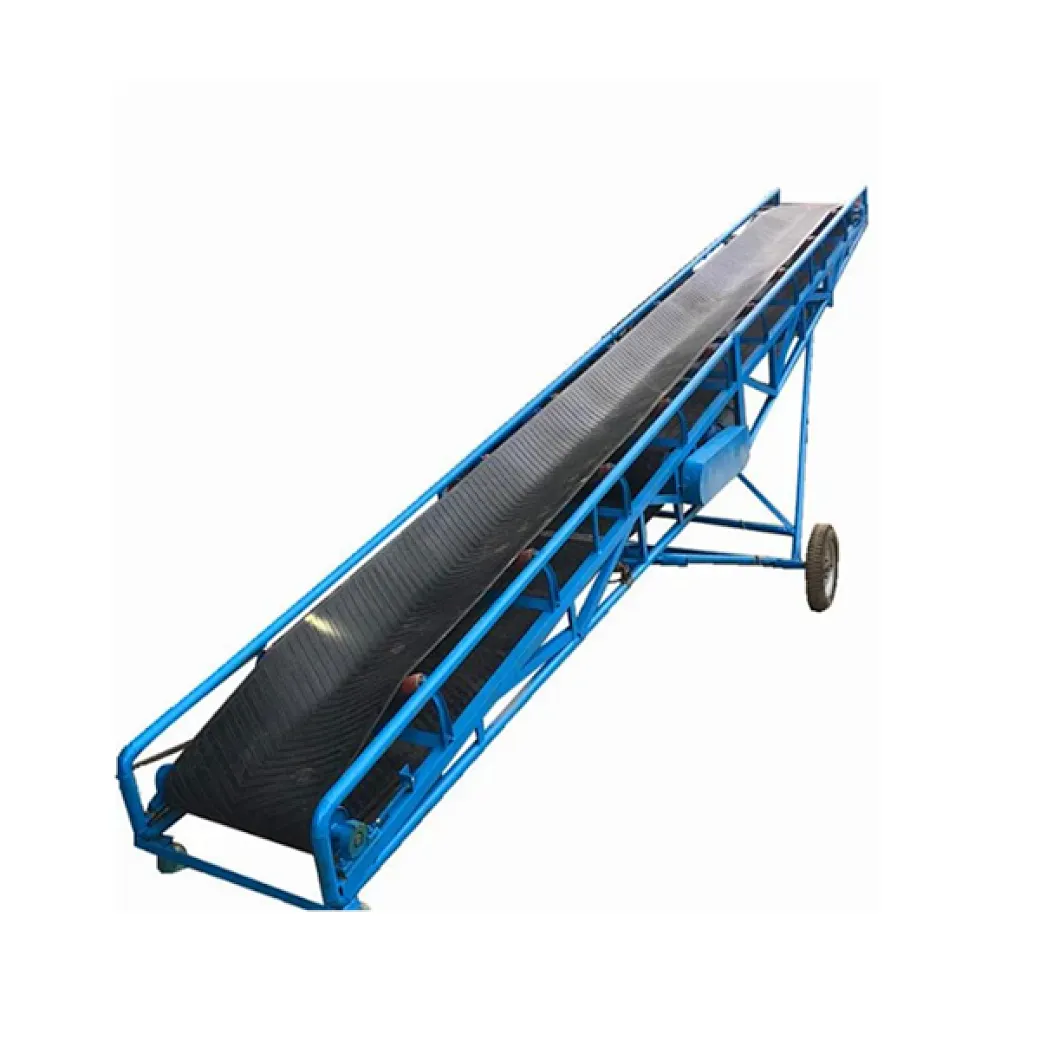
- Integration with Existing Lines: Seamlessly integrating new seed cleaning machine units into existing processing plants, including custom conveyors, elevators, and control system compatibility.
- Automation & Control: Implementing advanced PLC and SCADA systems for fully automated operations, remote monitoring, and data logging, tailored to client's preferred control architecture.
- Mobile Solutions: Offering specialized mobile seed cleaning units mounted on trailers, complete with generators and compact designs for field-level operations in diverse agricultural landscapes.
Companies like Beibu Cleaner excel in providing comprehensive solutions from initial consultation and plant design to fabrication, installation, and commissioning. Their expertise, backed by years of service and adherence to international standards like ISO 9001, ensures a tailored seed cleaning machine solution that maximizes client ROI.
Real-World Application Case Studies
The practical impact of advanced seed cleaning machine technology is best illustrated through successful deployments in diverse operational environments. These case studies highlight not only the capabilities of the equipment but also the tangible benefits realized by clients.
Case Study 1: Large-Scale Wheat Seed Processing Plant (North America)
- Client: A leading agricultural cooperative managing over 50,000 acres of wheat production.
- Challenge: Inefficient conventional cleaning methods resulted in high impurity levels (3-5%) and significant seed loss, impacting germination rates and increasing re-planting costs. The existing system also had high energy consumption.
- Solution: Implemented a customized Beibu Cleaner Seed Cleaning Processing Plant with a capacity of 20 TPH. The system included pre-cleaners, a multi-deck sieve machine, a gravity separator, and an integrated dust collection system.
- Results: Achieved a consistent seed purity of 99.8%, with a broken rate of less than 0.05%. Energy consumption was reduced by 20% due to optimized motor control and air recirculation. The cooperative reported a 15% increase in initial crop yield due to improved seed quality and a 10% reduction in operational labor. The estimated payback period was 2.5 years.
Case Study 2: Mobile Seed Cleaning for Rural African Communities
- Client: A non-governmental organization (NGO) focused on sustainable agriculture in remote regions.
- Challenge: Farmers in rural areas lacked access to proper seed cleaning infrastructure, leading to poor crop quality and reliance on expensive, often unsuited, commercial seeds.
- Solution: Deployed several compact mobile seed cleaning units, powered by diesel generators, allowing on-site processing of locally harvested maize and millet. Each unit was equipped with adjustable sieves for varied seed sizes and an efficient aspiration system.
- Results: Farmers could clean their own seeds to significantly higher standards, improving germination and reducing disease transmission. This led to an average increase in local crop yields by 10-12% and empowered communities with self-sufficient seed production capabilities. The mobile units proved robust in challenging terrains, demonstrating the durability of the seed cleaning equipment.
Case Study 3: Spice Seed Processing for Export (India)
- Client: A major spice exporter requiring stringent purity for mesin pembersih biji jintan and coriander destined for international markets.
- Challenge: Existing cleaning methods struggled to remove small stones, stalks, and other inert materials from irregular spice seeds, failing to meet strict import regulations (e.g., FDA standards for foreign matter).
- Solution: Installed a specialized processing line including a precision air-screen cleaner, gravity separator, and a small optical sorter specifically calibrated for cumin and coriander. Contact parts were entirely stainless steel to meet food-grade hygiene standards.
- Results: Achieved foreign material content below 0.1%, exceeding international export standards. The client was able to secure new high-value contracts in Europe and North America, with a 25% increase in export volume. The precise separation capability of the seed cleaning machine minimized product loss, further enhancing profitability.
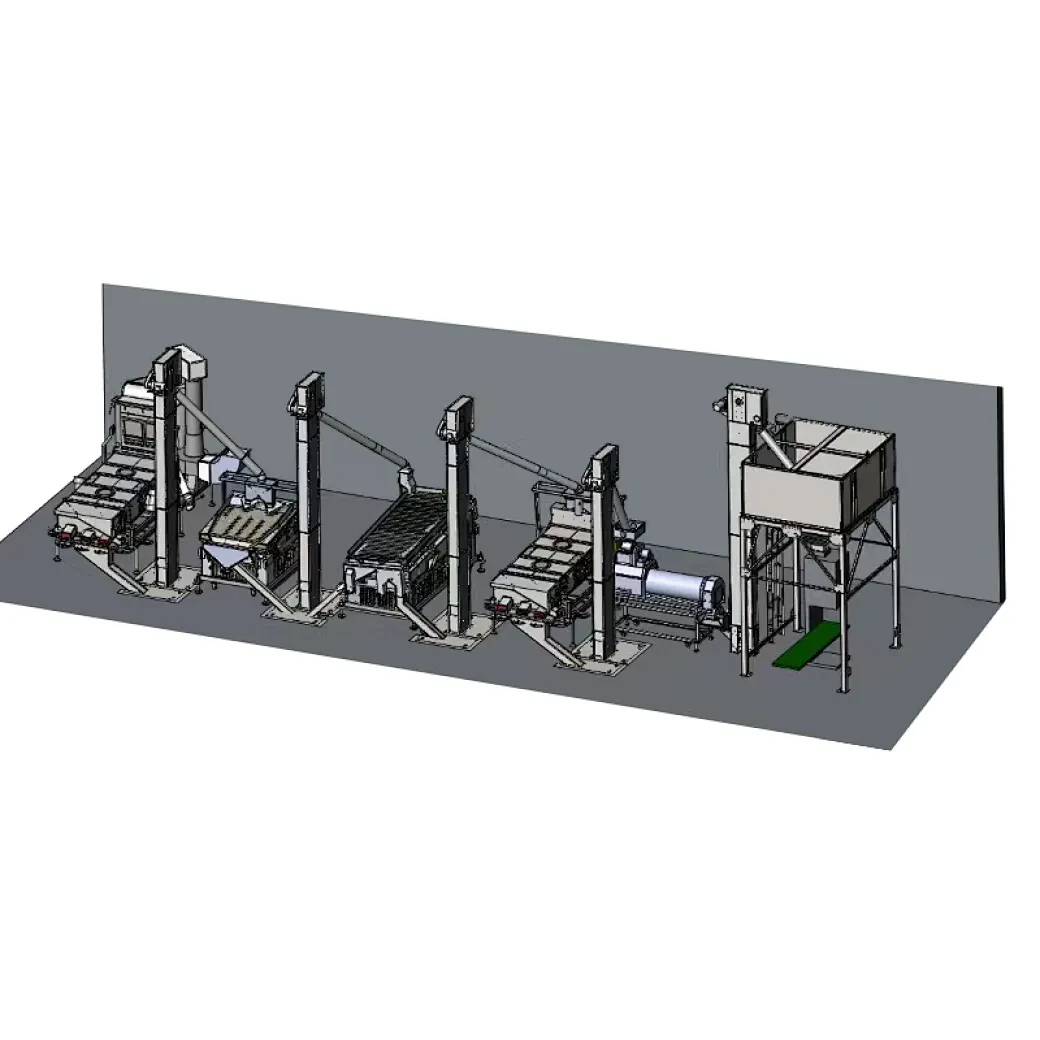
Frequently Asked Questions (FAQ)
Q1: What types of seeds can a seed cleaning machine process?
Our seed cleaning equipment is highly versatile and can process a wide array of seeds, including grains (wheat, rice, corn, barley, oats), pulses (lentils, chickpeas, beans), oilseeds (sunflower, rapeseed, soybean), spices (cumin, coriander, fennel), and various vegetable and flower seeds. Customization of seed cleaning sieves and air settings ensures optimal performance for diverse seed characteristics.
Q2: What is the typical lead time for a new seed cleaning processing plant?
Lead time for a complete seed cleaning processing plant typically ranges from 8 to 16 weeks, depending on the complexity of the design, customization requirements, and current production schedule. For standard individual seed cleaning machine units, the lead time can be as short as 4-6 weeks. We maintain transparent communication throughout the fulfillment process.
Q3: What warranty is provided with the seed cleaning machine?
All our seed cleaning equipment comes with a standard 12-month warranty covering manufacturing defects and major component failures. Extended warranty options and comprehensive service contracts are available upon request to ensure long-term operational peace of mind. Our commitment to quality ensures the reliability of every seed cleaning machine.
Q4: What kind of after-sales support and technical assistance can I expect?
We provide comprehensive after-sales support including remote technical assistance, on-site installation and commissioning services, operator training, and readily available spare parts. Our dedicated support team is accessible 24/7 for critical issues, ensuring minimal downtime for your seed cleaning machine. We also offer preventative maintenance programs to optimize equipment longevity and performance.
References
- FAO Corporate Document Repository. "Quality Declared Seed System - Seed Cleaning and Processing." Food and Agriculture Organization of the United Nations.
- PAMI (Prairie Agricultural Machinery Institute). "Seed Cleaning & Grain Handling Equipment Performance Reports."
- USDA, Agricultural Marketing Service. "Grain Inspection, Packers and Stockyards Administration (GIPSA) Grain Grading Standards."
- ISTA (International Seed Testing Association). "International Rules for Seed Testing."
Aug. 27, 2025
Color Sorter: An Intelligent Device for Precise Sorting
Sep. 01, 2025
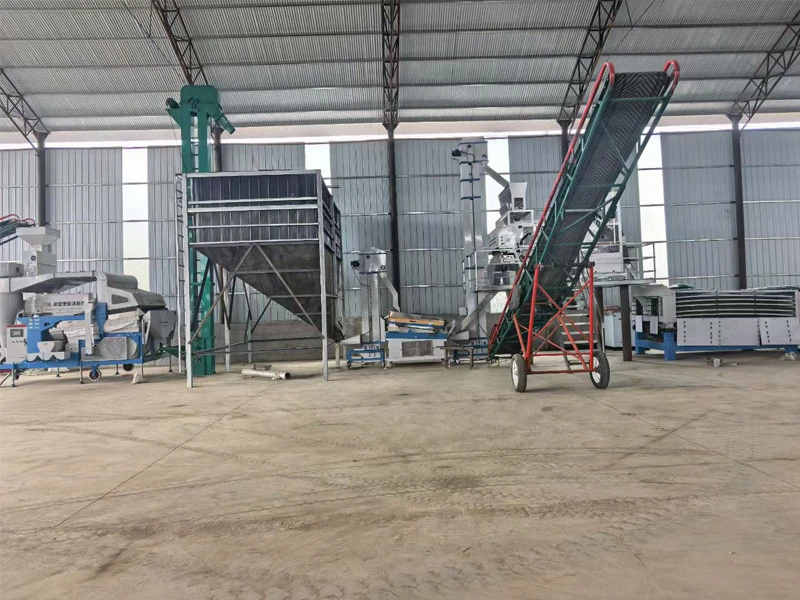
large-scale pea production line
12 Maret 2025
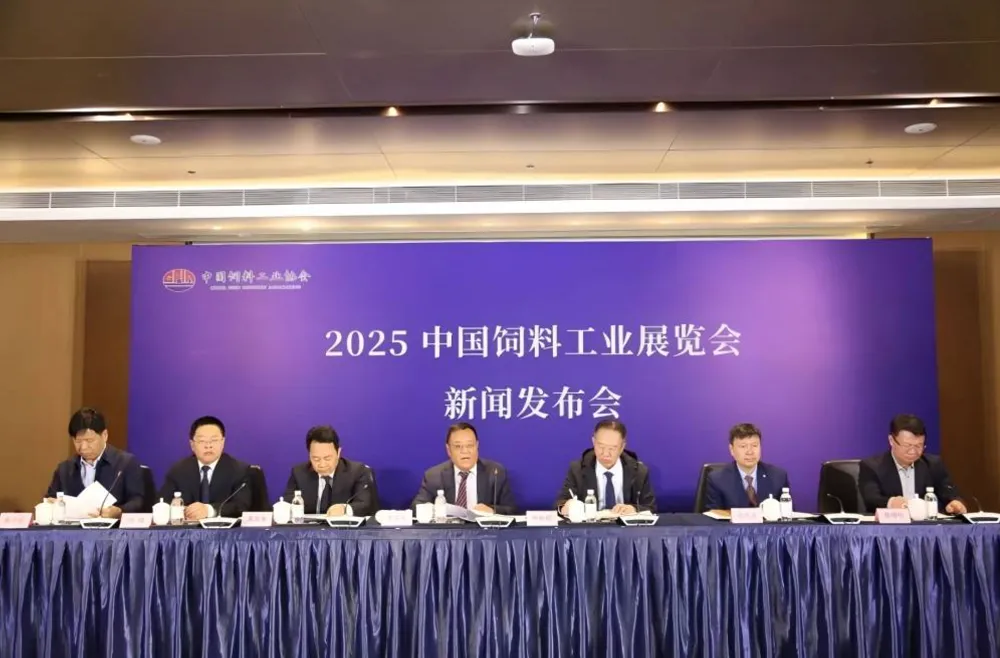
Beibu Machinery diundang untuk berpartisipasi dalam Pameran Industri Pakan Tiongkok 2025
Oct. 14, 2025
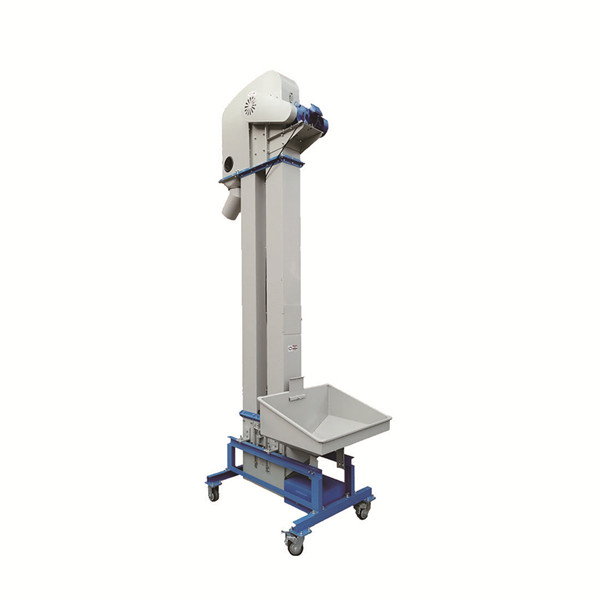
Elevator Rice Mill with Low Breakage - Need Faster Output?
17 Desember 2024
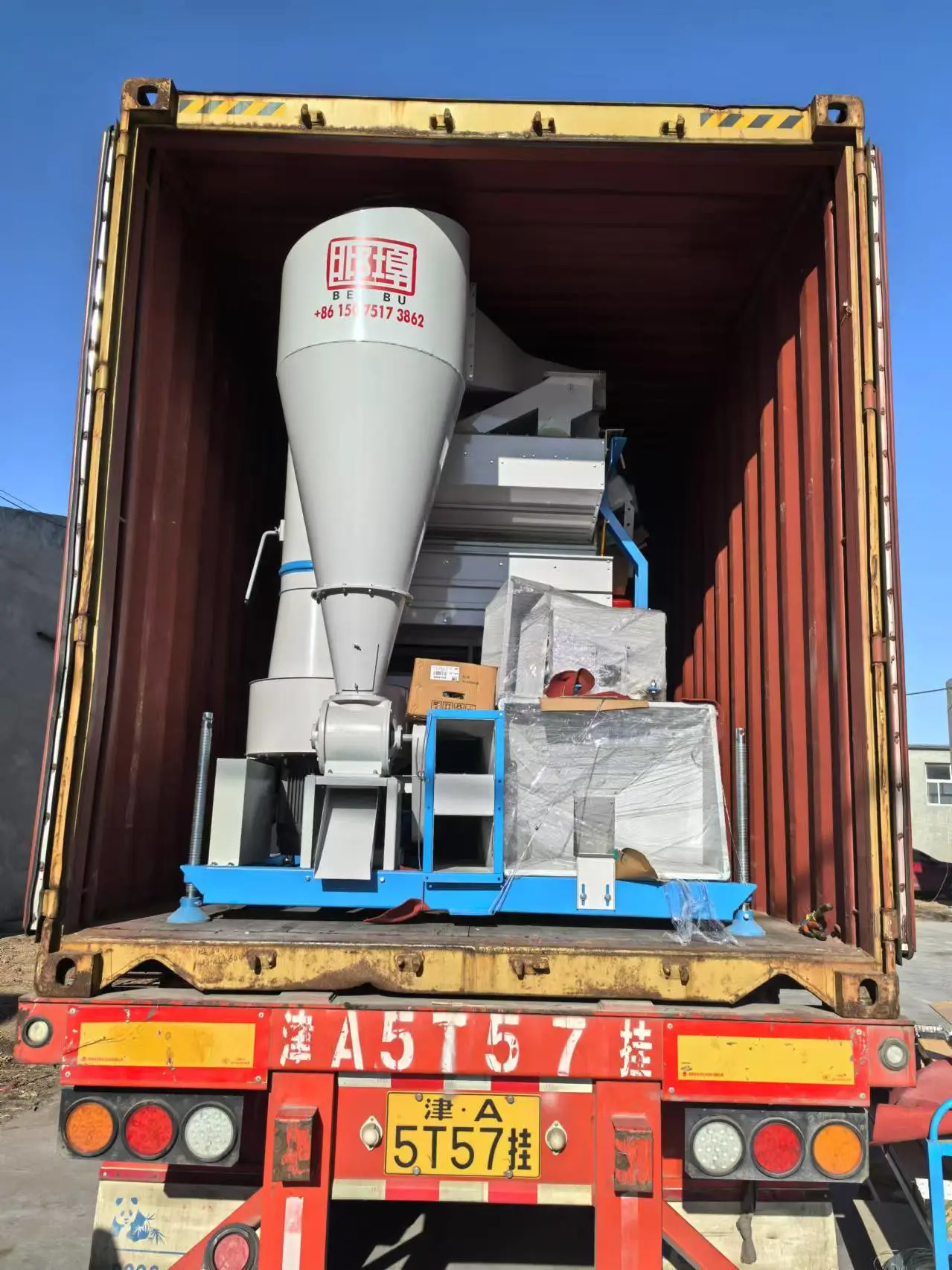
Lini produksi benih gandum Beibu Machinery terus menghasilkan
21 Mei 2024
Mesin Pembersih Gandum Berkapasitas Besar-Hebei Beibu Machinery Technology Co.,LTD
Sep . 08, 2025 16:38
Industry Trends in Seed Cleaning Technology
The agricultural sector is undergoing a profound transformation driven by the imperative for enhanced food security, increased crop yields, and sustainable farming practices. Central to this evolution is the advancement in post-harvest processing, particularly in seed conditioning. The global market for mesin pembersih benih solutions is experiencing robust growth, fueled by several key trends. Precision agriculture demands higher purity and germination rates for seeds, which directly impacts crop establishment and overall productivity. This has led to a surge in demand for sophisticated seed cleaning equipment capable of handling diverse seed types with unparalleled efficiency and minimal loss.
Technological innovation is a primary driver. Manufacturers are integrating advanced optical sorting systems, AI-driven anomaly detection, and highly sensitive separation mechanisms into their designs. These innovations allow for the removal of even the most minute impurities, including foreign seeds, inert material, and diseased kernels, which were previously challenging to isolate. Furthermore, there's a growing emphasis on automation and digitalization, enabling remote monitoring, data analytics for process optimization, and predictive maintenance schedules. This shift not only reduces labor costs but also ensures consistent quality output, vital for large-scale agricultural operations and seed producers.
Another significant trend is the increasing adoption of mobile seed cleaning solutions. This addresses the need for on-site processing in remote agricultural areas, reducing transportation costs and preserving seed quality by minimizing handling. These mobile seed cleaning units often feature compact designs, robust construction for varied terrains, and flexible configurations to adapt to different seed varieties and cleaning requirements. Environmental sustainability also plays a crucial role, with a focus on energy-efficient designs, reduced water consumption, and improved dust collection systems to minimize environmental impact and meet stringent regulatory standards. The demand for specialized solutions, such as mesin pembersih biji jintan, is also on the rise, reflecting the global diversity in crop production and the need for tailored processing.
Process Flow: Manufacturing and Operation of a Seed Cleaning Machine
Manufacturing Process of a Seed Cleaning Machine
The fabrication of a high-performance mesin pembersih benih involves a multi-stage engineering process, adhering to stringent quality control and material specifications to ensure durability, precision, and a long service life.
- Material Selection: Components are primarily constructed from high-grade carbon steel for structural integrity, and food-grade stainless steel (e.g., SUS304, SUS316) for all seed-contact surfaces to prevent contamination and ensure corrosion resistance. Specialized alloys are used for wear-prone parts like sieves and discharge gates.
- Precision Cutting & Forming: Raw materials undergo advanced cutting techniques, including laser cutting and plasma cutting, to achieve precise dimensions. Bending and forming operations are performed using CNC hydraulic press brakes to create the complex geometries of the machine's frame, hoppers, and internal chambers.
- Machining & Fabrication: Critical components, such as shafts, bearing housings, and specialized sieve frames, are precisely machined using multi-axis CNC machining centers. Welding is conducted by certified welders, employing MIG/MAG or TIG techniques, followed by rigorous inspection (e.g., dye penetrant testing, ultrasonic testing) to ensure weld integrity and absence of defects.
- Surface Treatment: External surfaces are typically sandblasted and then coated with industrial-grade, anti-corrosive epoxy paints to enhance durability and resistance to harsh operating environments. Internal surfaces are polished to prevent seed residue buildup and facilitate easy cleaning.
- Assembly: Mechanical, pneumatic, and electrical subsystems are meticulously assembled. This includes installing motors, gearboxes, blowers, vibration systems, and control panels. Special attention is given to the alignment of moving parts to minimize friction and wear.
- Quality Control & Testing: Each unit undergoes comprehensive functional testing, including no-load and full-load operation. Performance parameters such as vibration levels, noise, motor efficiency, and power consumption are measured. Quality management adheres to ISO 9001:2015 standards, and specific components may conform to ANSI standards where applicable for mechanical integrity. Service life for well-maintained units typically exceeds 15-20 years.
Operational Process Flow of a Seed Cleaning Plant
A typical seed cleaning processing plant employs a systematic sequence to achieve optimal seed purity. This process is critical for industries such as seed production, grain processing, food manufacturing, and even specialized agricultural research.
- Pre-cleaning: Raw seeds, often mixed with large foreign materials like stalks, stones, and coarse debris, are first fed into a pre-cleaner (e.g., vibrating screen separator). This stage removes larger impurities, preventing damage to subsequent fine cleaning equipment and improving overall efficiency.
- Aspiration: Following pre-cleaning, the seeds pass through an aspirator. Here, powerful air currents separate lighter impurities such as dust, chaff, and small empty shells based on their aerodynamic properties. This step is crucial for reducing the dust load and enhancing the efficiency of further cleaning.
- Sieving/Screening: The core of most seed cleaning equipment is the multi-deck sieving system. Seeds are stratified by size and shape using vibrating screens with different mesh openings. This stage effectively removes undersized and oversized foreign materials, along with broken seeds. Precision seed cleaning sieves are essential here.
- Gravity Separation: For separating seeds based on density differences (e.g., removing shriveled, diseased, or insect-damaged seeds from healthy ones, or separating different seed types), a gravity separator is employed. This machine uses a combination of air flow and vibration to stratify and separate materials.
- Indented Cylinder/Length Separator: For separating seeds based on length, an indented cylinder or length grader is used. This is particularly effective for removing broken seeds or foreign seeds that are longer or shorter than the target seed.
- Optical Sorting (Optional/Advanced): High-end seed cleaning plants often include optical sorters. These machines use cameras and sophisticated software to detect and remove discolored, damaged, or foreign material based on color, shape, and spectral characteristics, achieving extremely high purity levels.
- Seed Treatment & Weighing/Bagging: After cleaning, seeds may undergo treatment with fungicides, insecticides, or other protective coatings. Finally, the cleaned and treated seeds are accurately weighed and packaged into bags or bulk container111s, ready for distribution.
In typical application scenarios within seed processing plants, these integrated solutions demonstrate significant advantages. For example, modern systems achieve up to 99.9% purity for commercial seeds, drastically reducing germination issues. Energy saving features, such as optimized motor controls and efficient air recirculation systems, can reduce power consumption by 15-20% compared to older models. The extensive use of corrosion-resistant materials ensures longevity and maintains hygienic standards, crucial for compliance with food safety regulations.
Technical Parameters and Specifications
Understanding the technical specifications of a mesin pembersih benih is paramount for B2B decision-makers to select the appropriate equipment for their specific operational needs. These parameters dictate performance, efficiency, and suitability for various seed types.
Typical Seed Cleaning Machine Specifications (Example: High-Capacity Grain & Seed Cleaner)
| Parameter | Spesifikasi | Unit/Details |
|---|---|---|
| Capacity (Wheat/Rice) | 5-20 | Tons per hour (TPH) |
| Total Power Requirement | 7.5 - 22 | kW |
| Cleaning Efficiency | ≥ 99.5% | For common grains (removing impurities) |
| Broken Rate | ≤ 0.1% | Minimizing damage to cleaned seeds |
| Number of Sieves | 3-6 decks | Customizable for seed type |
| Air Aspiration System | Integrated Cyclone & Dust Collector | Effective light impurity removal |
| Dimensions (L x W x H) | 3500 x 1800 x 3000 | Millimeters (variable by model) |
| Berat | 1500 - 3000 | Kilograms (variable by model) |
| Construction Material | Carbon Steel / Stainless Steel (contact parts) | Ensures durability & hygiene |
These parameters represent a typical high-efficiency seed cleaning machine designed for versatile applications. The "Cleaning Efficiency" and "Broken Rate" are critical metrics, directly influencing the final product quality and the economic viability of seed processing. Advanced models integrate intelligent control systems, allowing operators to adjust air volume, sieve inclination, and vibration frequency with precision, optimizing performance for different seed sizes and densities.
Application Scenarios and Technical Advantages
The versatility of modern seed cleaning equipment extends across numerous critical agricultural and industrial sectors, each benefiting from its ability to enhance product quality and operational efficiency.
Key Application Scenarios:
- Seed Production Companies: Essential for producing certified seeds with high germination rates and purity, meeting stringent national and international standards. This includes processing maize, wheat, soybean, rice, and specialized vegetable seeds.
- Grain Storage Facilities: Used to clean incoming grains before storage, preventing spoilage and pest infestations caused by impurities, thereby extending shelf life and preserving quality.
- Food Processing Industry: Vital for cleaning raw materials like pulses, spices (e.g., a dedicated mesin pembersih biji jintan), and coffee beans, ensuring food safety and compliance with purity regulations before further processing.
- Brewing and Malting Industries: Critical for preparing barley and other grains, removing undesirable components that could affect the quality of beer or malt.
- Research & Development Institutes: Used for precise separation of seed batches for genetic research, breeding programs, and quality assessment.
- On-Farm Processing: With the rise of mobile seed cleaning units, farmers can process their own seeds directly, significantly reducing costs and improving access to quality seeds.
Technical Advantages:
- High Purity & Minimal Loss: Advanced multi-stage cleaning (pre-cleaning, aspiration, sieving, gravity, optical sorting) ensures removal of foreign matter, diseased seeds, and inert material with over 99.5% efficiency, while minimizing damage to viable seeds (broken rate < 0.1%).
- Energy Efficiency: Modern designs incorporate high-efficiency motors, optimized air circulation systems, and precise vibration control. This results in significant energy savings, often reducing electricity consumption by 15-25% compared to conventional machines, directly impacting operational costs.
- Robust Construction & Corrosion Resistance: Components manufactured from durable carbon steel, reinforced with anti-corrosive coatings, and contact parts made from food-grade stainless steel (SUS304/316) guarantee exceptional longevity and resistance to wear, tear, and corrosion, even in demanding environments. This also ensures hygienic processing.
- Versatility & Adaptability: Modular designs allow for easy interchangeability of sieves, adjustable airflows, and variable vibration frequencies, enabling a single machine to process a wide array of seed types and sizes with optimal settings.
- Automation & User-Friendly Controls: Integrated PLC-based control systems, touch-screen interfaces, and real-time monitoring capabilities enhance operational ease, reduce manual intervention, and enable quick adjustments, ensuring consistent performance.
- Reduced Maintenance & Downtime: Self-cleaning mechanisms for sieves, easily accessible components, and robust bearing systems contribute to lower maintenance requirements and extended operational periods, maximizing throughput.
Vendor Comparison and Customized Solutions
Selecting the right seed cleaning machine vendor is a critical decision that impacts long-term operational efficiency and profitability. While numerous manufacturers offer solutions, key differentiators lie in technological advancement, customization capabilities, and after-sales support.
Comparative Analysis of Seed Cleaning Machine Vendors
| Feature/Vendor | Vendor A (e.g., Beibu Cleaner) | Vendor B (Competitor X) | Vendor C (Competitor Y) |
|---|---|---|---|
| Core Expertise | Integrated Seed & Grain Processing Plants | Specialized Optical Sorters | Basic Farm-scale Cleaners |
| Customization Level | High (Modular design, specific crop needs) | Medium (Software tuning for sorting) | Low (Standard models only) |
| Technological Advancement | Industry-leading, AI/IoT integration | Advanced sensor tech | Conventional mechanical systems |
| After-Sales Support | Global network, 24/7, remote diagnostics | Regional service centers, business hours | Limited, local distributors |
| Certifications & Standards | ISO 9001, CE, HACCP compliance | CE, ISO 9001 | Basic safety standards |
Customized Solutions
Recognizing that "one size fits all" rarely applies in the complex world of agricultural processing, leading manufacturers offer extensive customization for their seed cleaning equipment. This involves tailoring the entire processing line or specific machine components to meet unique operational demands.
- Capacity Scaling: Designing systems for specific throughput requirements, ranging from small-scale batch processing (1-2 TPH) to large industrial operations (50+ TPH).
- Seed-Specific Configurations: Developing bespoke sieve sets, airflow patterns, and gravity separator settings optimized for challenging seeds (e.g., highly irregular shapes, varying densities, specific cumin seed cleaning machine requirements).
- Material Selection: Utilizing specific grades of stainless steel or specialized coatings for abrasive or corrosive seed types, ensuring hygiene and extended equipment life.
- Integration with Existing Lines: Seamlessly integrating new seed cleaning machine units into existing processing plants, including custom conveyors, elevators, and control system compatibility.
- Automation & Control: Implementing advanced PLC and SCADA systems for fully automated operations, remote monitoring, and data logging, tailored to client's preferred control architecture.
- Mobile Solutions: Offering specialized mobile seed cleaning units mounted on trailers, complete with generators and compact designs for field-level operations in diverse agricultural landscapes.
Companies like Beibu Cleaner excel in providing comprehensive solutions from initial consultation and plant design to fabrication, installation, and commissioning. Their expertise, backed by years of service and adherence to international standards like ISO 9001, ensures a tailored seed cleaning machine solution that maximizes client ROI.
Real-World Application Case Studies
The practical impact of advanced seed cleaning machine technology is best illustrated through successful deployments in diverse operational environments. These case studies highlight not only the capabilities of the equipment but also the tangible benefits realized by clients.
Case Study 1: Large-Scale Wheat Seed Processing Plant (North America)
- Client: A leading agricultural cooperative managing over 50,000 acres of wheat production.
- Challenge: Inefficient conventional cleaning methods resulted in high impurity levels (3-5%) and significant seed loss, impacting germination rates and increasing re-planting costs. The existing system also had high energy consumption.
- Solution: Implemented a customized Beibu Cleaner Seed Cleaning Processing Plant with a capacity of 20 TPH. The system included pre-cleaners, a multi-deck sieve machine, a gravity separator, and an integrated dust collection system.
- Results: Achieved a consistent seed purity of 99.8%, with a broken rate of less than 0.05%. Energy consumption was reduced by 20% due to optimized motor control and air recirculation. The cooperative reported a 15% increase in initial crop yield due to improved seed quality and a 10% reduction in operational labor. The estimated payback period was 2.5 years.
Case Study 2: Mobile Seed Cleaning for Rural African Communities
- Client: A non-governmental organization (NGO) focused on sustainable agriculture in remote regions.
- Challenge: Farmers in rural areas lacked access to proper seed cleaning infrastructure, leading to poor crop quality and reliance on expensive, often unsuited, commercial seeds.
- Solution: Deployed several compact mobile seed cleaning units, powered by diesel generators, allowing on-site processing of locally harvested maize and millet. Each unit was equipped with adjustable sieves for varied seed sizes and an efficient aspiration system.
- Results: Farmers could clean their own seeds to significantly higher standards, improving germination and reducing disease transmission. This led to an average increase in local crop yields by 10-12% and empowered communities with self-sufficient seed production capabilities. The mobile units proved robust in challenging terrains, demonstrating the durability of the seed cleaning equipment.
Case Study 3: Spice Seed Processing for Export (India)
- Client: A major spice exporter requiring stringent purity for mesin pembersih biji jintan and coriander destined for international markets.
- Challenge: Existing cleaning methods struggled to remove small stones, stalks, and other inert materials from irregular spice seeds, failing to meet strict import regulations (e.g., FDA standards for foreign matter).
- Solution: Installed a specialized processing line including a precision air-screen cleaner, gravity separator, and a small optical sorter specifically calibrated for cumin and coriander. Contact parts were entirely stainless steel to meet food-grade hygiene standards.
- Results: Achieved foreign material content below 0.1%, exceeding international export standards. The client was able to secure new high-value contracts in Europe and North America, with a 25% increase in export volume. The precise separation capability of the seed cleaning machine minimized product loss, further enhancing profitability.
Frequently Asked Questions (FAQ)
Q1: What types of seeds can a seed cleaning machine process?
Our seed cleaning equipment is highly versatile and can process a wide array of seeds, including grains (wheat, rice, corn, barley, oats), pulses (lentils, chickpeas, beans), oilseeds (sunflower, rapeseed, soybean), spices (cumin, coriander, fennel), and various vegetable and flower seeds. Customization of seed cleaning sieves and air settings ensures optimal performance for diverse seed characteristics.
Q2: What is the typical lead time for a new seed cleaning processing plant?
Lead time for a complete seed cleaning processing plant typically ranges from 8 to 16 weeks, depending on the complexity of the design, customization requirements, and current production schedule. For standard individual seed cleaning machine units, the lead time can be as short as 4-6 weeks. We maintain transparent communication throughout the fulfillment process.
Q3: What warranty is provided with the seed cleaning machine?
All our seed cleaning equipment comes with a standard 12-month warranty covering manufacturing defects and major component failures. Extended warranty options and comprehensive service contracts are available upon request to ensure long-term operational peace of mind. Our commitment to quality ensures the reliability of every seed cleaning machine.
Q4: What kind of after-sales support and technical assistance can I expect?
We provide comprehensive after-sales support including remote technical assistance, on-site installation and commissioning services, operator training, and readily available spare parts. Our dedicated support team is accessible 24/7 for critical issues, ensuring minimal downtime for your seed cleaning machine. We also offer preventative maintenance programs to optimize equipment longevity and performance.
References
- FAO Corporate Document Repository. "Quality Declared Seed System - Seed Cleaning and Processing." Food and Agriculture Organization of the United Nations.
- PAMI (Prairie Agricultural Machinery Institute). "Seed Cleaning & Grain Handling Equipment Performance Reports."
- USDA, Agricultural Marketing Service. "Grain Inspection, Packers and Stockyards Administration (GIPSA) Grain Grading Standards."
- ISTA (International Seed Testing Association). "International Rules for Seed Testing."
Jun. 24, 2025
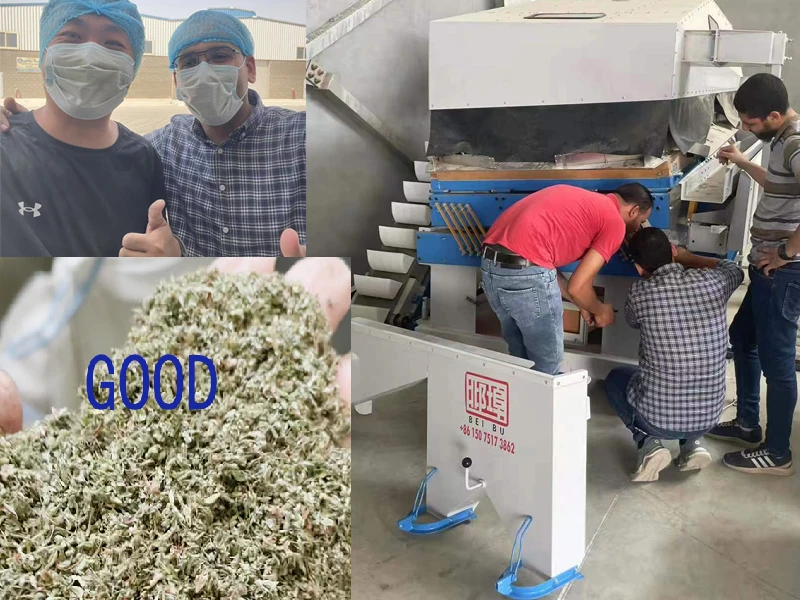
Kunjungan BEIBU ke Mesir: Memperluas Cakrawala dalam Teknologi Pembersihan Gandum dan Rempah
03 Januari 2025
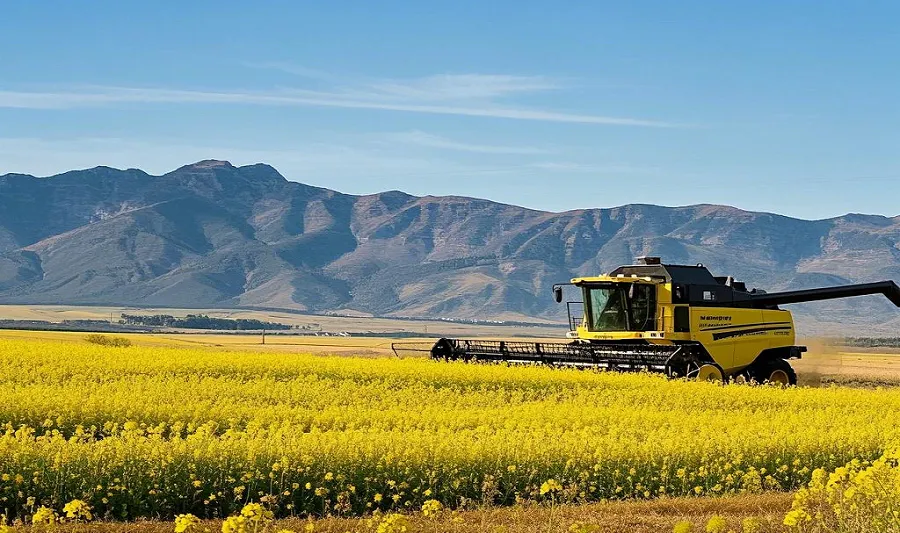
Cara memilih mesin pembersih rapeseed - Beibu Machinery memecahkan kesulitan Anda
Nov. 03, 2025
Locust Beans Processing Machine | Automatic, High Capacity
Dec. 11, 2025
Nov. 03, 2025
Color Sorter for Sale | AI Optical Sorting, 99.9% Accuracy
03 Juni 2024
Lini Pengolahan Pembersihan Biji Kopi di Guinea-Hebei Beibu Machinery Technology Co.,LTD
Mesin Beibu


