



Jan . 06, 2026 00:50
China Is About to Develop the Sesame Market in Brazil
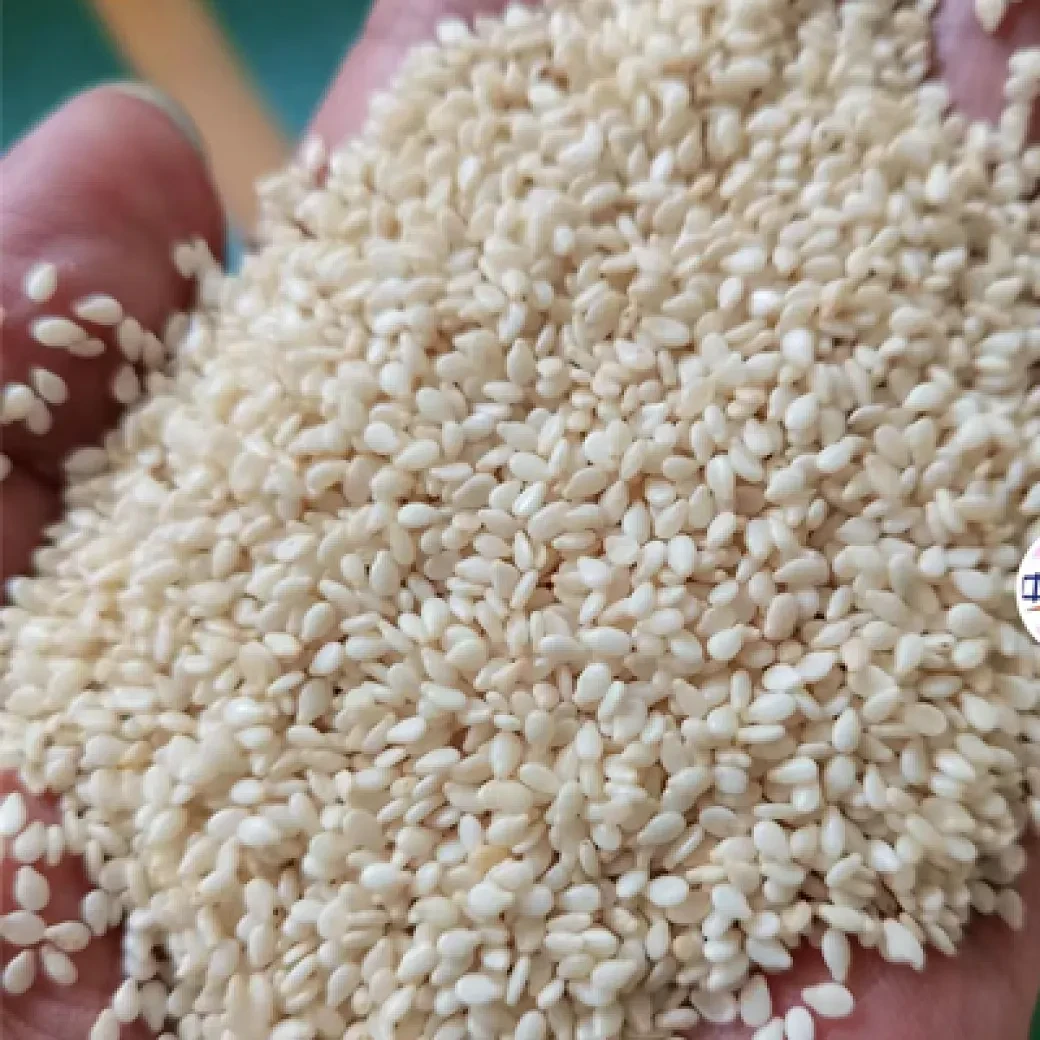
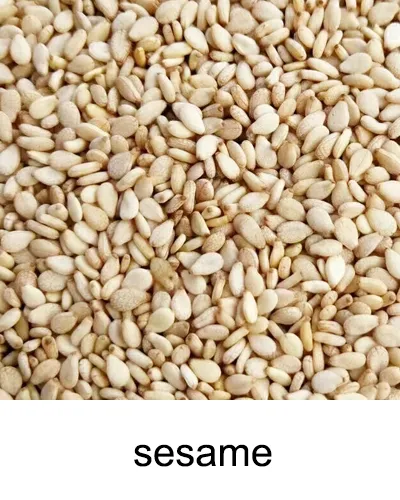
Having worked in the industrial equipment sector for well over a decade, I’ve seen firsthand how agricultural commodities markets evolve and cross borders. Now, one of the most interesting shifts on the horizon is China’s push to develop the sesame market in Brazil. Yeah, sesame—it might sound niche, but this tiny seed is suddenly commanding serious strategic attention.
Brazil, traditionally known for soy, coffee, and sugar production, is an intriguing ground for sesame cultivation. Why? Well, for one, the Brazilian soil and climate conditions are surprisingly compatible with sesame crops. Plus, there’s an increasing global appetite for sesame seeds both in food production and industrial uses—a market China knows well. Over the years, I noticed that such ventures often hinge not only on crop viability but on infrastructure—processing, cleaning, and transportation—and that’s where industrial equipment steps into the spotlight.
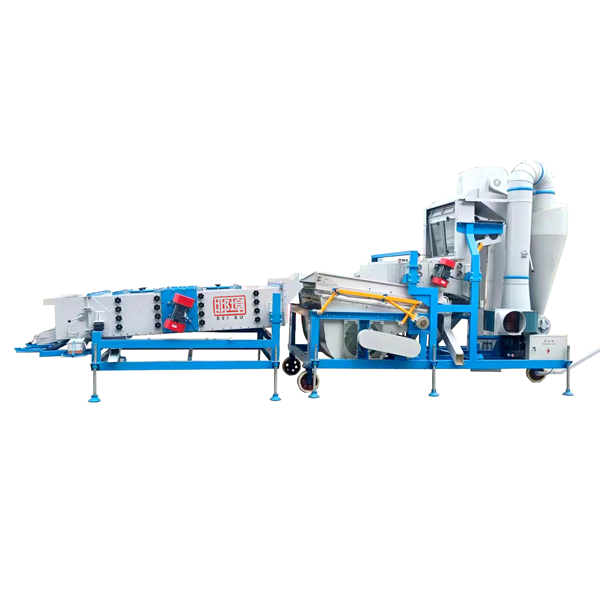
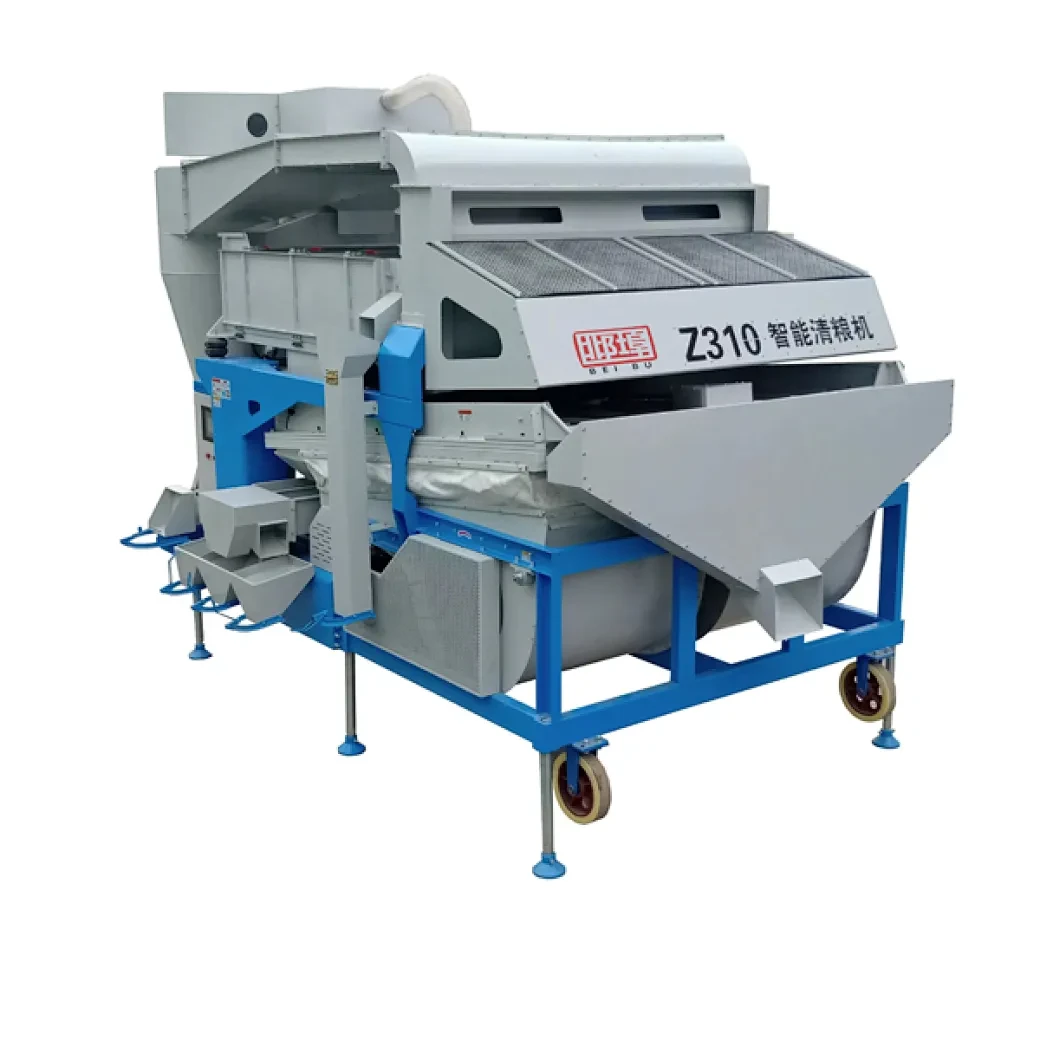
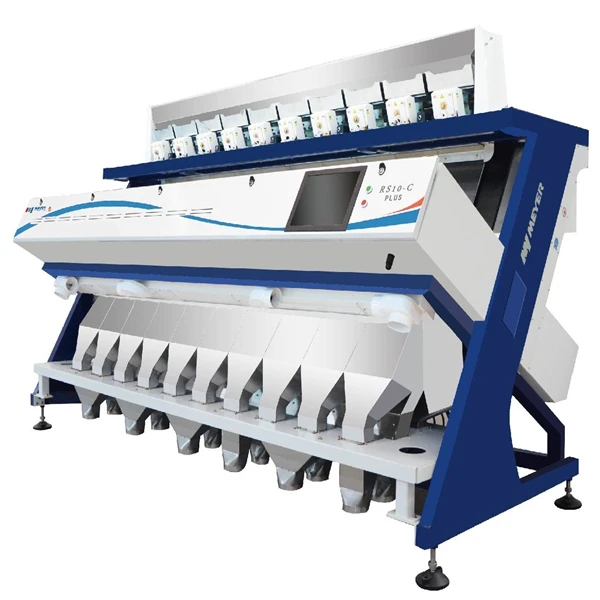
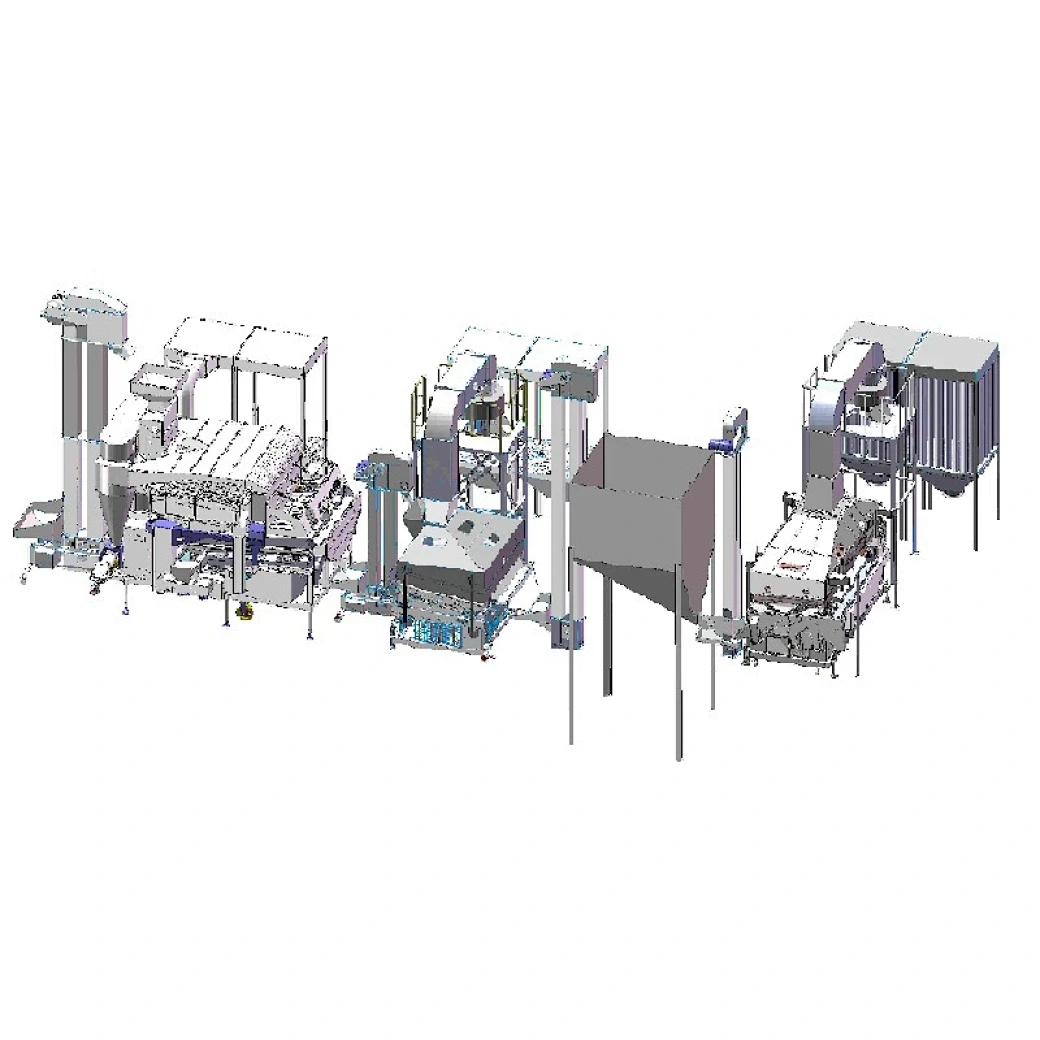
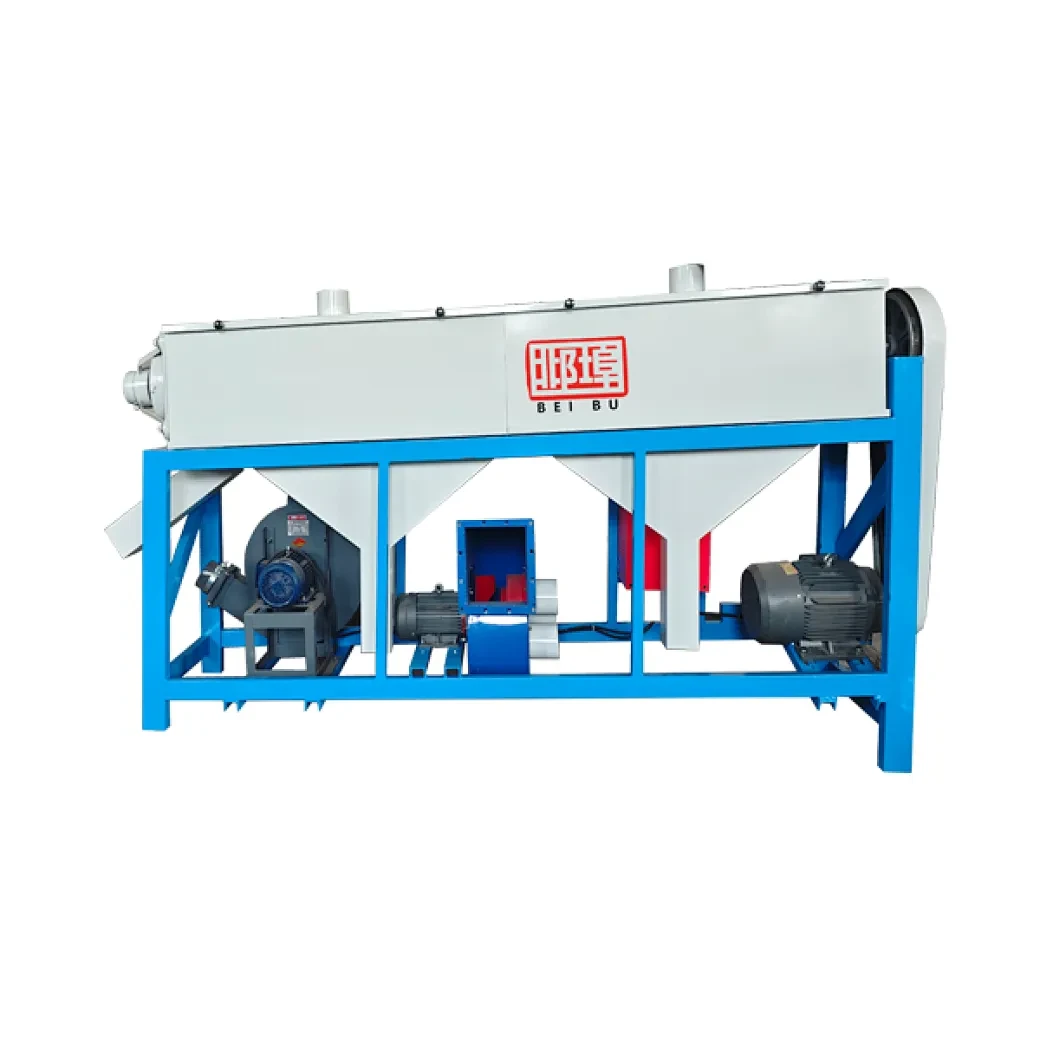
Speaking of equipment, sesame cleaning and processing require specialized machinery that handles seeds delicately but efficiently—no small feat given sesame’s size and oil content. In real terms, the machines have to remove impurities, stones, and even dust without damaging the seeds’ hull or reducing quality. I’ve often spoken with engineers who swear by advanced Beibu Cleaner seed cleaners for these applications; they strike a solid balance between gentle handling and high throughput.
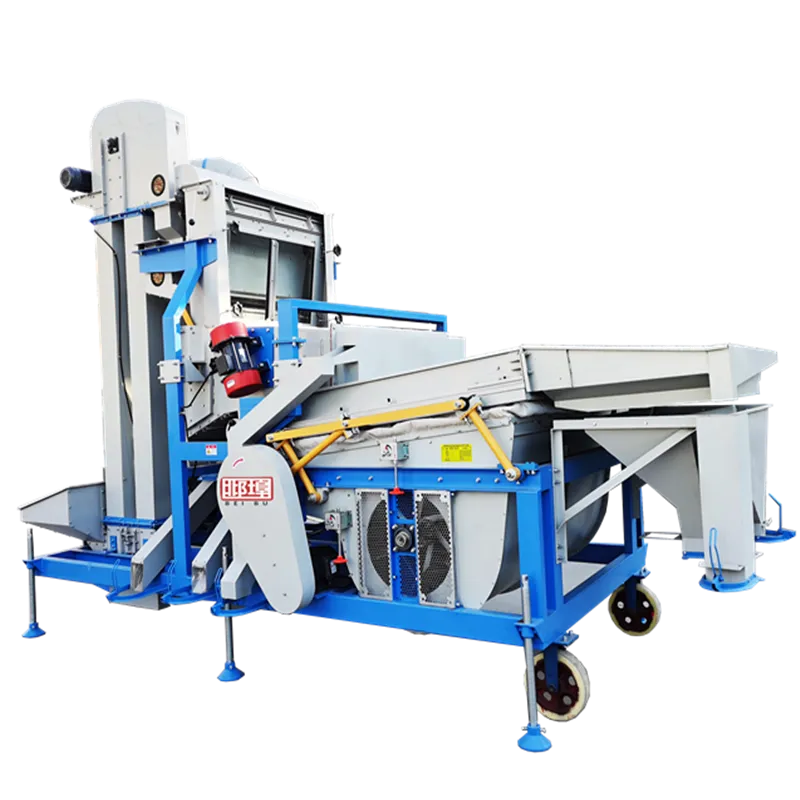
Here’s an overview table of a typical sesame seed cleaner’s specs, just to get a feel for what goes into these machines:
| Feature | Specification |
|---|---|
| Processing Capacity | 1-5 tons/hour |
| Cleaning Precision | Removal of stones, dust, metal particles & husks |
| Machine Weight | Approx. 850 kg |
| Power Consumption | About 5-7 kW |
| Applicable Seed Types | Sesame, flaxseed, hemp, mustard |
Now if you’re wondering why China is focusing on Brazil instead of, say, Ethiopia or India (other large sesame players), the answer boils down to supply chain resilience and cost control. Brazil offers larger arable land, relatively stable political climate compared to some African nations, and access to major export ports. All these factors reduce risk in an industry where margins can be tight.
But what about the vendors supplying this machinery in Brazil? I had the chance to compare three reputable suppliers for sesame processing equipment, and here’s how they stack up:
| Vendor | Equipment Range | Local Support | Price Range (USD) | Lead Time |
|---|---|---|---|---|
| Beibu Cleaner | Seed Cleaners, Gravity Separators | Global + Brazil-based agents | $12,000 - $25,000 | 4-8 weeks |
| AgriTech Brazil | Seed Cleaners, Hullers | Brazil HQ, responsive | $10,000 - $22,000 | 3-6 weeks |
| SeedsPro Global | Full Processing Lines | International only, slow local presence | $20,000 - $40,000 | 8-12 weeks+ |
Interestingly, a small farmer co-op I met recently in Paraná mentioned how introducing quality cleaning machines is already improving their sesame yields by cutting waste sharply. They used older manual methods before; now, their seeds fetch better prices due to improved purity. It’s a classic case where industrial tech integration at the grassroots level really flips the game.
Of course, developing a whole new export chain isn’t instantaneous. There are calibration tests, seed quality controls, and compliance with import standards in Asia. Equipment customization is also critical – machines often get tweaked to suit local seed types or crop conditions, and suppliers like Beibu Cleaner have been quite adept at this. Frankly, I think this responsiveness is what gives certain manufacturers the edge.
In the long run, the partnership between Brazilian growers and Chinese industrial players could be a major force in global sesame trade. Oddly enough, such cross-continental agricultural ventures bring to mind just how interconnected our modern commodity markets are, even for something as humble as sesame.
So if you’re curious or involved in agricultural machinery, keep an eye on these developments. The right equipment, blend of local know-how, and strategic market moves seem poised to reshape the sesame scene.
After all, in a sector like this, innovation sometimes means simply combining age-old crops with modern tech—and that feels exciting every time.
References:
- Brazilian Ministry of Agriculture – Crop Reports 2023
- Industry Interview with Beibu Cleaner Engineers, March 2024
- International Sesame Trade Review, 2023 Edition

Nov. 21, 2024
China Sesame Import Information-Hebei Beibu Machinery Technology Co.,LTD
Sep. 24, 2025
Premium Color Sorter for Sale | Advanced Grain & Optical Sorting
Aug. 28, 2025
Beibu Machinery Sales Peak Season is Unstoppable, Global Trust Witnesses Leading Strength
Sep. 30, 2025
Precision Grain Cleaning Machines: Gravity & Seed Solutions
Oct. 11, 2025
Grain Polisher & Rice Polishing Machine—Boost Yield?
Nov. 01, 2024
Beibu Machinery


