Guinea Coffee Bean Production Line Put Into Operation
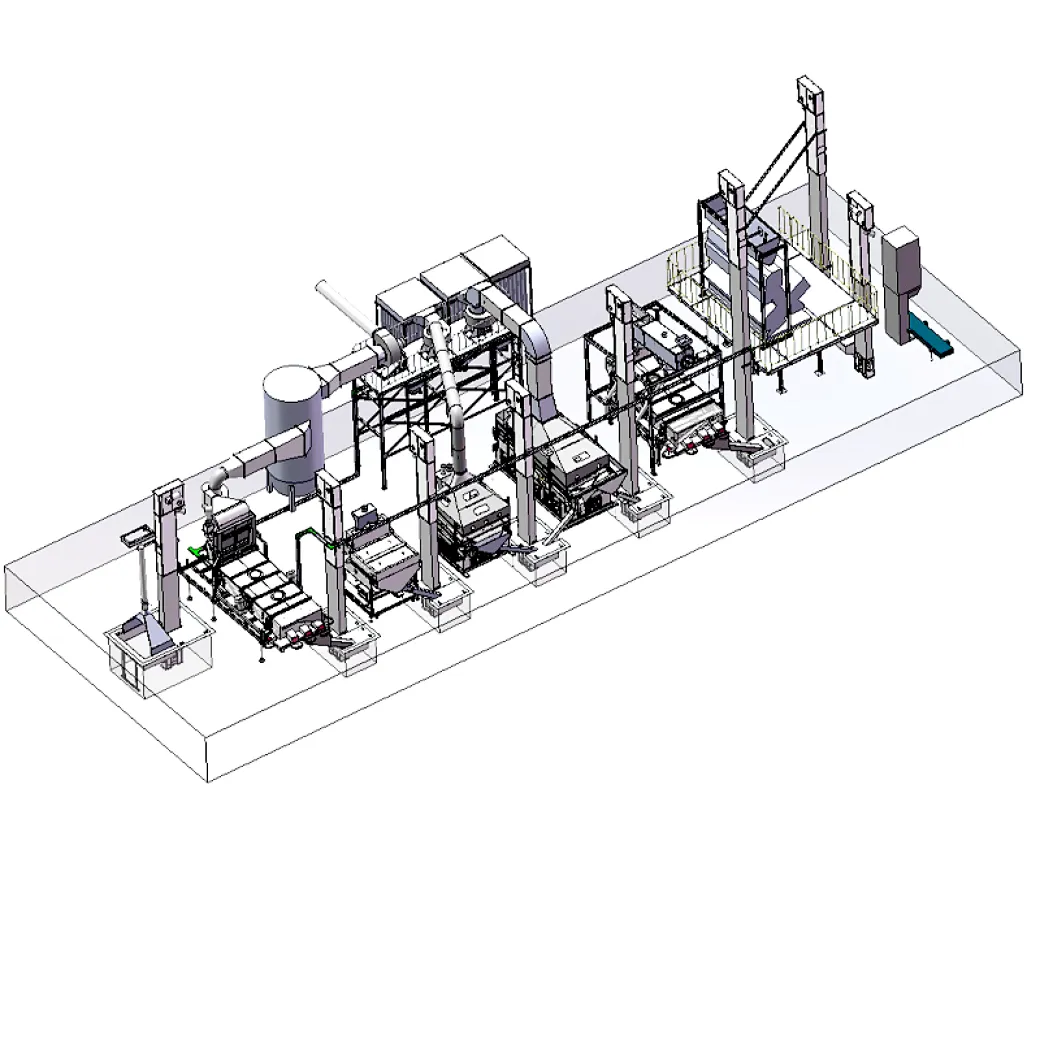
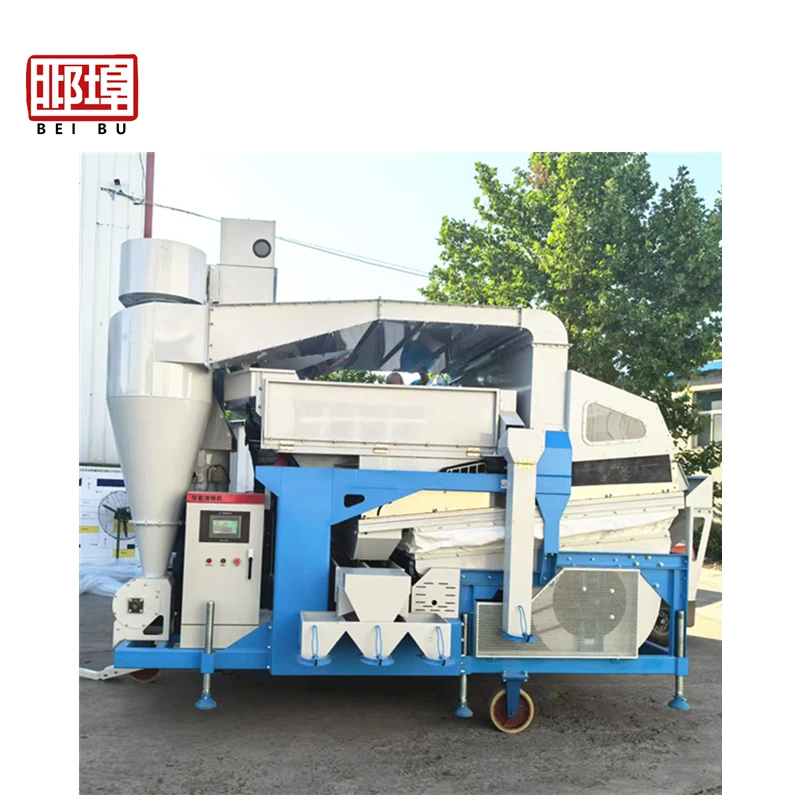
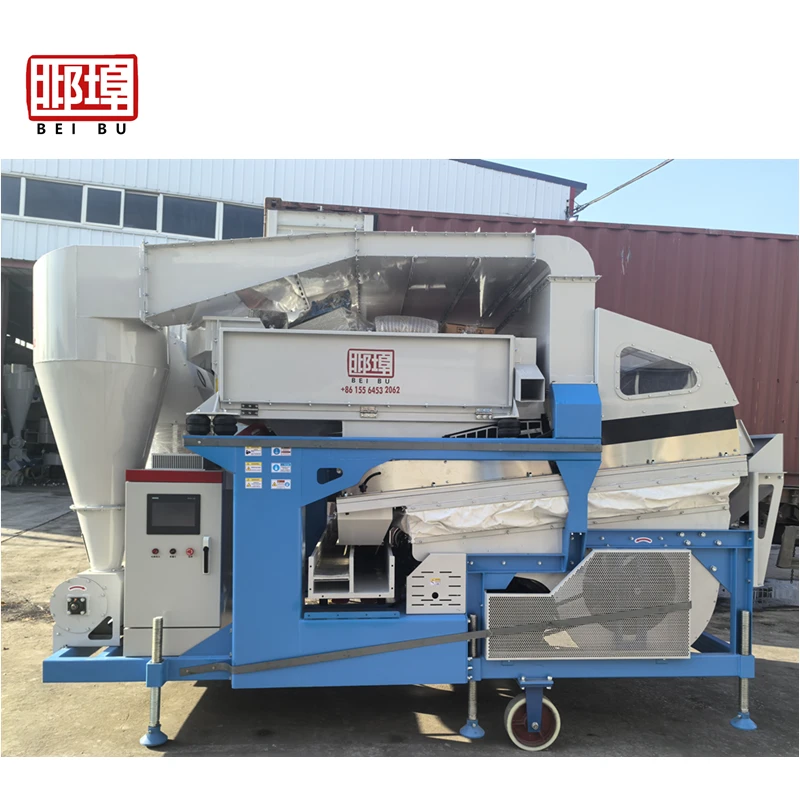
Having spent more than a decade in the industrial equipment sector, I’ve seen firsthand how introducing new machinery can dramatically change not just output volumes but also product quality. Recently, I had the opportunity to observe a guinea coffee bean production line put into operation at a facility in West Africa. Frankly, it was fascinating — this wasn’t just any run-of-the-mill installation; it combined advanced cleaning, sorting, and grading technologies that many engineers in the coffee production business swear by.
Now, Guinea coffee beans have an unusual story. They’re renowned for their distinct aroma and flavor, but before they get to that perfect roast, they need meticulous processing. What struck me about this production line was how it balanced rugged industrial construction with surprisingly gentle handling mechanisms — a crucial factor because coffee beans, oddly enough, are pretty delicate during processing.
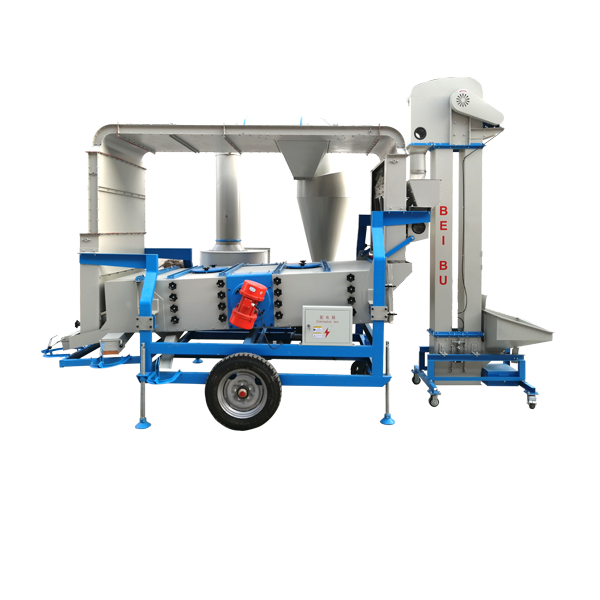
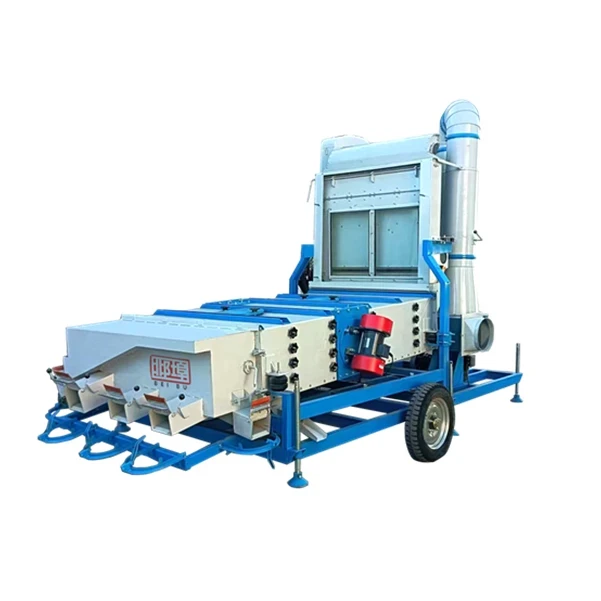
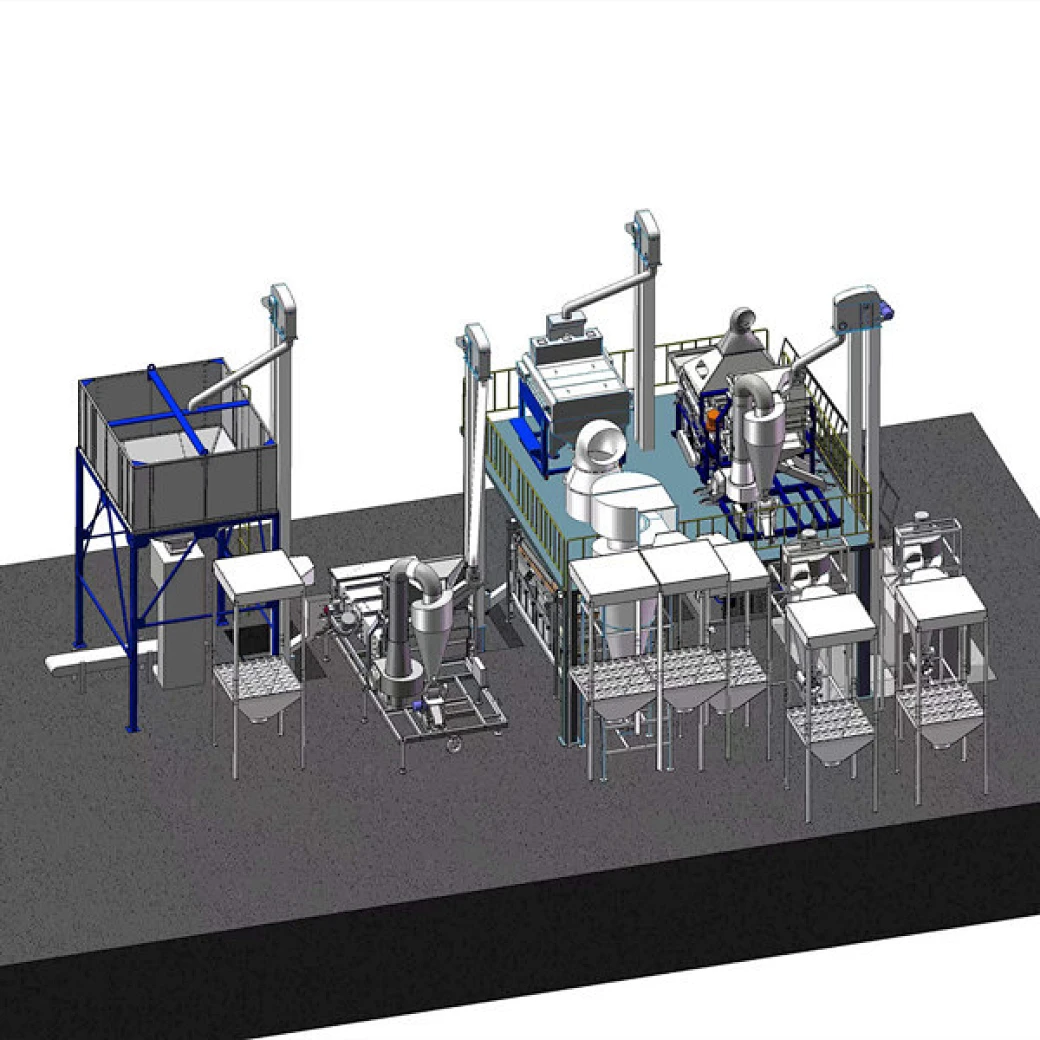
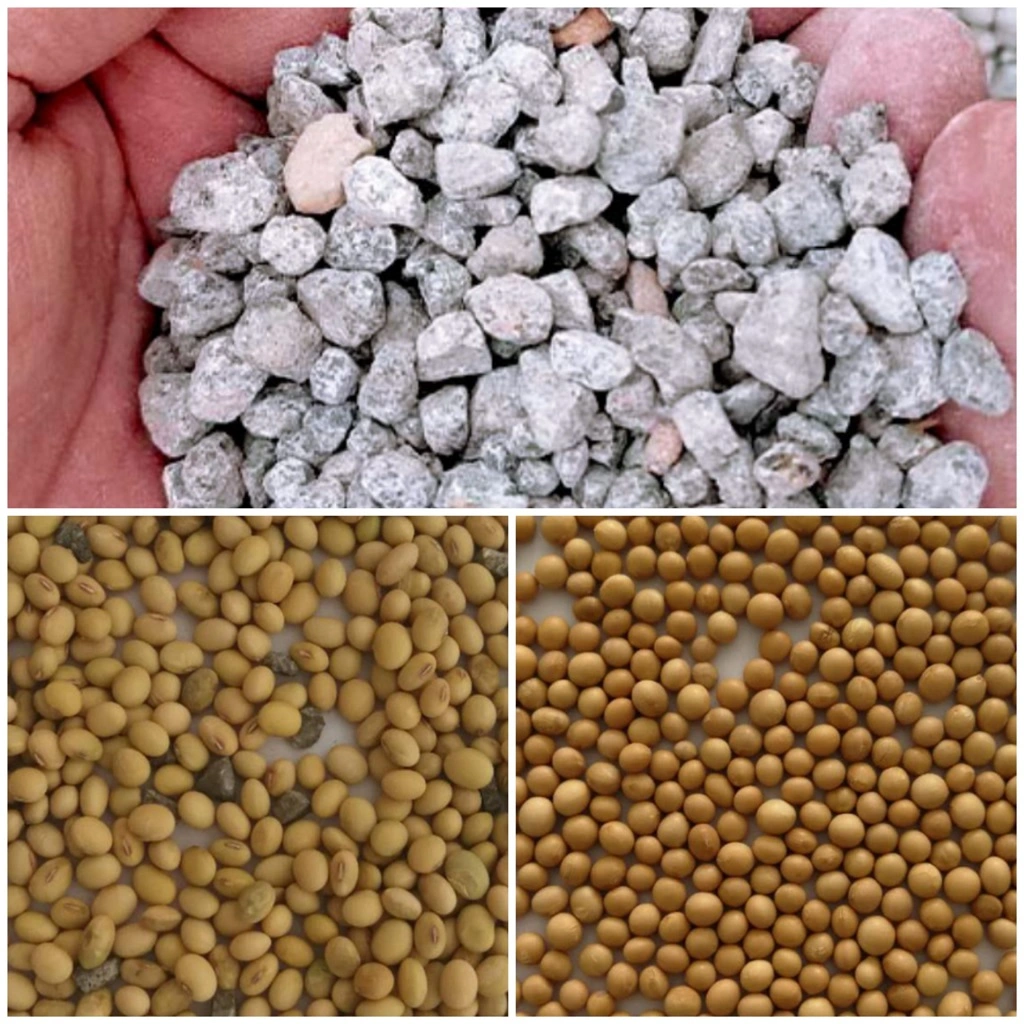
If you’re wondering why a production line like this matters, think of it this way: quality begins long before roasting. If raw beans are poorly cleaned or unevenly sorted, no amount of fancy roasting can fix the end product. This particular line includes a series of specially designed cleaners, sorters, and graders that ensure each batch meets exacting standards.
Guinea Coffee Bean Production Line – Key Specifications
| Component |
Specification |
Performance |
| Beibu Coffee Cleaner |
Capacity: 2-4 tons/hour
Cleaning precision: 99.8% |
Removes dust, husks, and light debris effectively |
| Sorting Machine |
Speed: 3 tons/hour
Sorting accuracy: 98% |
Sorts by size, color, and weight |
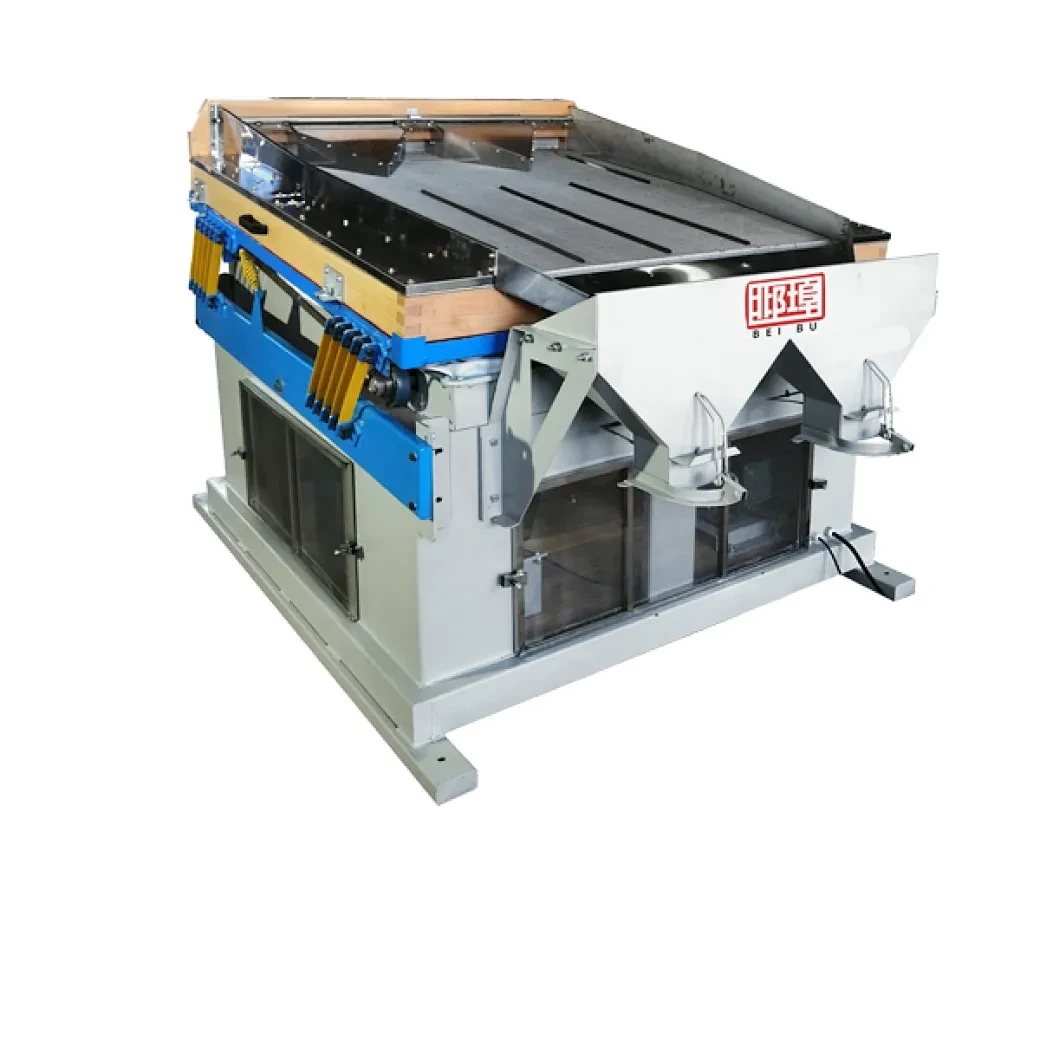
| Grading Unit |
Grades: 5 levels
Automation: Semi-automatic |
Facilitates uniform batch quality |
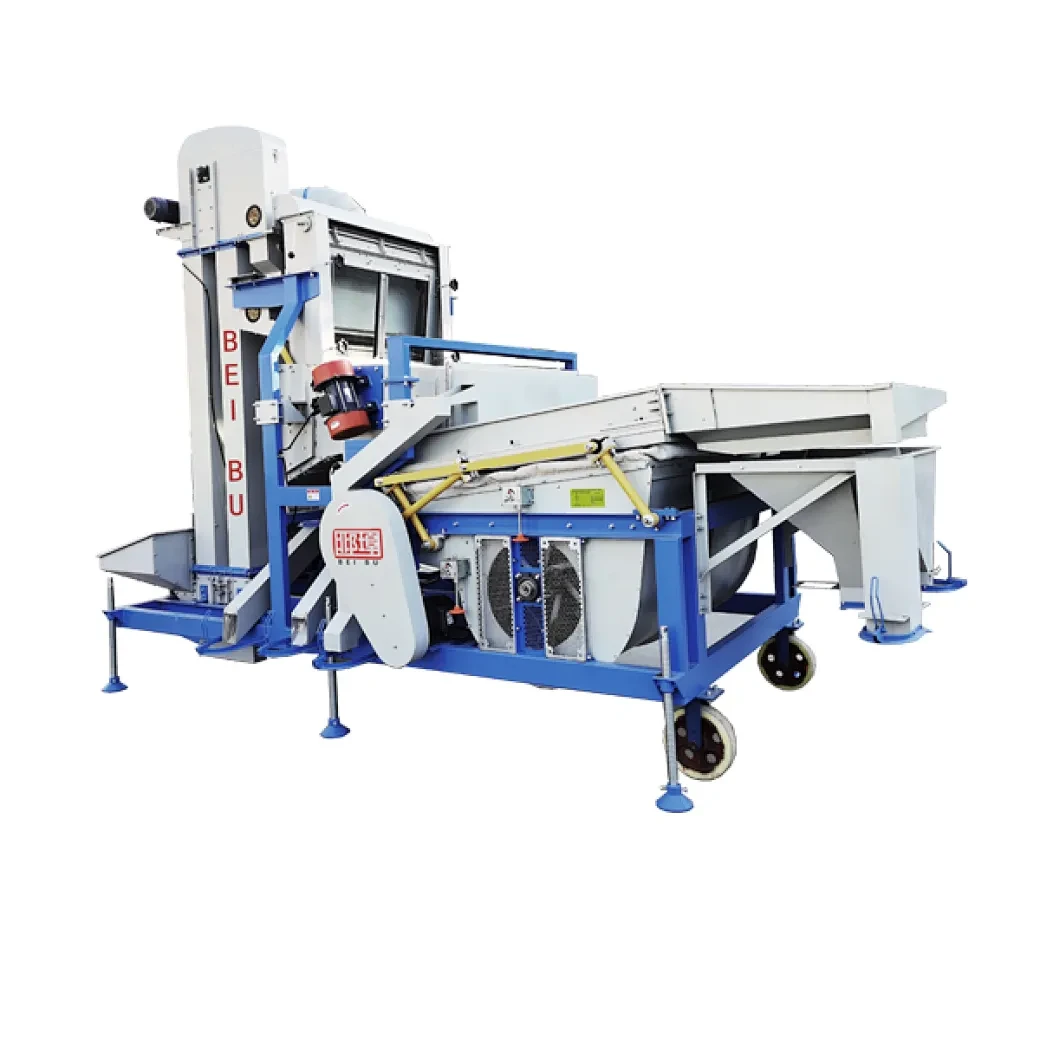
From what I gathered on-site, the Beibu cleaner plays a starring role. It handles high volumes without sacrificing thoroughness, which isn’t easy — coffee beans come with all sorts of foreign matter. The system reportedly achieves cleaning precision around 99.8%. That kind of accuracy improves not just the taste profile but extends machinery life downstream by reducing mud and dust-related wear.
We chatted with the plant manager, who shared a quick anecdote: “Before investing in this line, our yield was unpredictable. Now, after just weeks of operation, the rejects have significantly dropped, and customers are noticing the difference.” It’s moments like this that make the technology worth the capital expense, I suppose. Plus, modular design means they can tweak the setup as their volumes grow or bean characteristics shift seasonally.
Speaking about vendors, I found a few companies offering similar solutions, but the nuances matter. Here’s a very quick snapshot comparing the most common options:
Comparing Top Guinea Coffee Bean Production Line Vendors
| Vendor |
Cleaning Accuracy |
Automation Level |
Typical Capacity (tons/hr) |
After-Sale Support |
| Beibu Cleaner |
99.8% |
Semi-automatic |
2-4 |
Strong regional presence |
| Global Clean Systems |
98.5% |
Fully automatic |
3-6 |
Global support but slower response |
| AgroTech |
97% |
Manual with digital assist |
1-3 |
Limited regionally |
What struck me here is that while full automation sounds great, sometimes semi-automatic setups offer the best compromise between cost, reliability, and maintenance ease. Many local engineers I've talked to say that keeping some manual control helps catch anomalies the machine might miss — coffee beans can be quirky like that.
Of course, operational success also depends on the local environment — factors like humidity, typical foreign material type, and bean size variance all affect line performance. The production line we visited had several adjustable parameters built into its design, which seems smart. It’s not just a one-size-fits-all machine; it’s a toolkit adaptable to the ebbs and flows of real-world coffee farming in Guinea.
In real terms, this line helps producers deliver a consistent product that stands out on the world stage — and that’s crucial when competing with larger coffee exporters. Plus, from a sustainability angle, efficient cleaning and sorting reduce waste and improve traceability, which aligns with the increasing consumer demand for ethically sourced coffee.
To wrap it up, witnessing the guinea coffee bean production line in action confirmed something I’ve believed for a long time: equipment design that blends industrial robustness with thoughtful adaptability is the cornerstone of modern agricultural processing. The key is to invest in technology that doesn’t overwhelm but rather empowers local operators — boosting quality without drowning them in complexity.
If you want to dig deeper into such technologies, I recommend starting with the guinea coffee bean production line resources available online. You’ll find practical specs and case studies that matter.
Just a small final note — while specs and vendor comparisons help, nothing replaces seeing the machines at work, hearing firsthand the challenges operators face, and adjusting accordingly. That, I suppose, is where real expertise lies.
References:
1. Beibu Cleaner Product Manuals
2. Industry insights from regional coffee processing firms
3. Technical journals on agricultural processing machinery