



Dec . 31, 2025 01:45
Preparing for the Wheat Harvest with the Right Equipment
After spending many seasons around fields and factory floors, I can say one thing for sure: wheat harvest season always carries this unique rhythm. It’s a mix of anticipation, urgency, and, frankly, a bit of luck with weather. As the golden heads start bowing, farmers brace themselves for the crunch time. And oddly enough, how well the harvest goes often depends on the quality and reliability of the equipment involved — especially when it comes to cleaning grain before storage or processing.
Wheat harvest is synonymous with a lot of dust, debris, and varying grain conditions. You might not guess it at a glance, but the cleaner process isn’t just about aesthetics; it affects storage life, processing efficiency, and ultimately, the market price. Having worked with industrial equipment providers for over a decade, I can attest that the right grain cleaner makes a substantial difference. Numerous engineers and operators I’ve met swear by a certain brand — and there’s a good reason why.
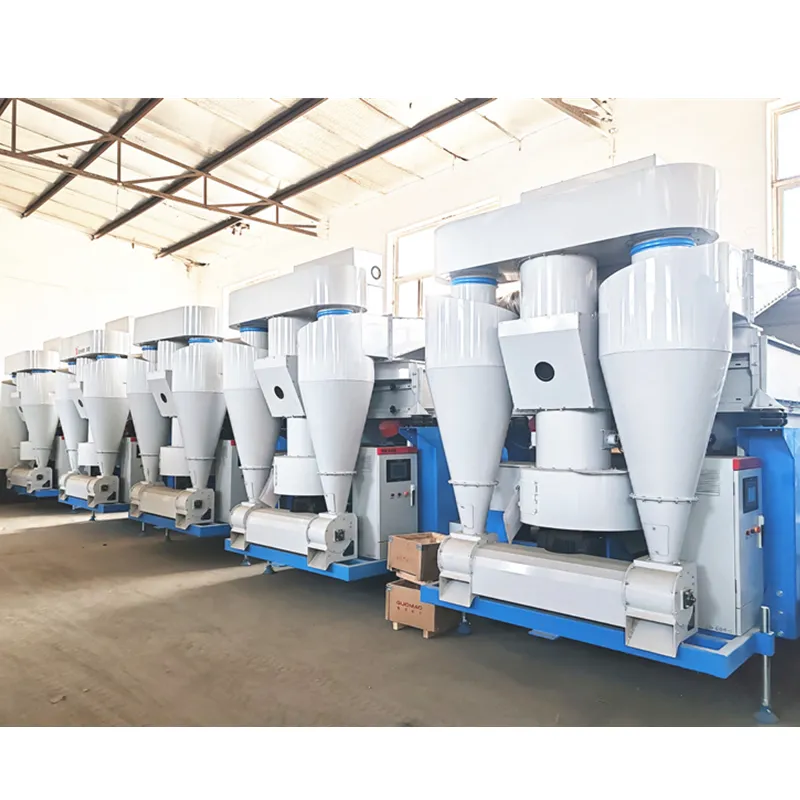
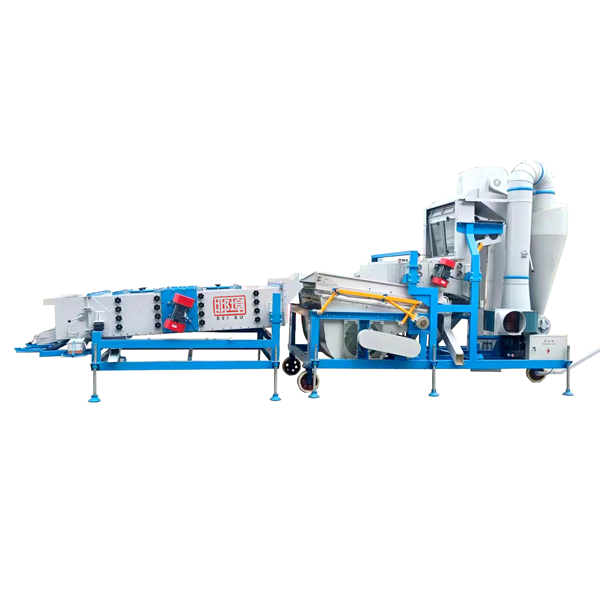
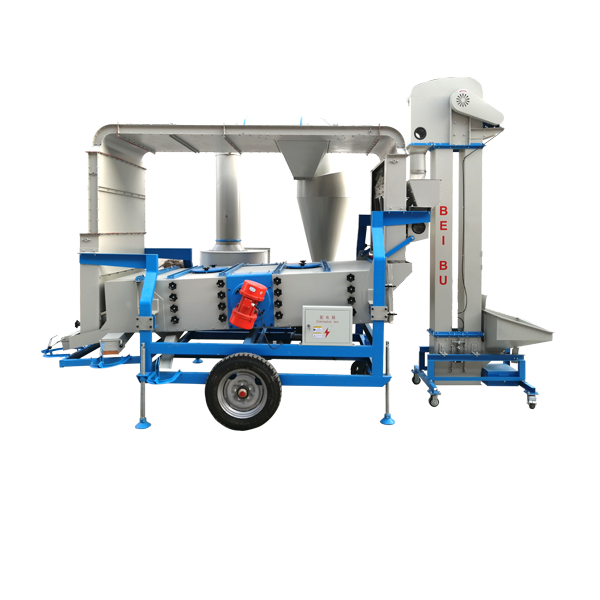
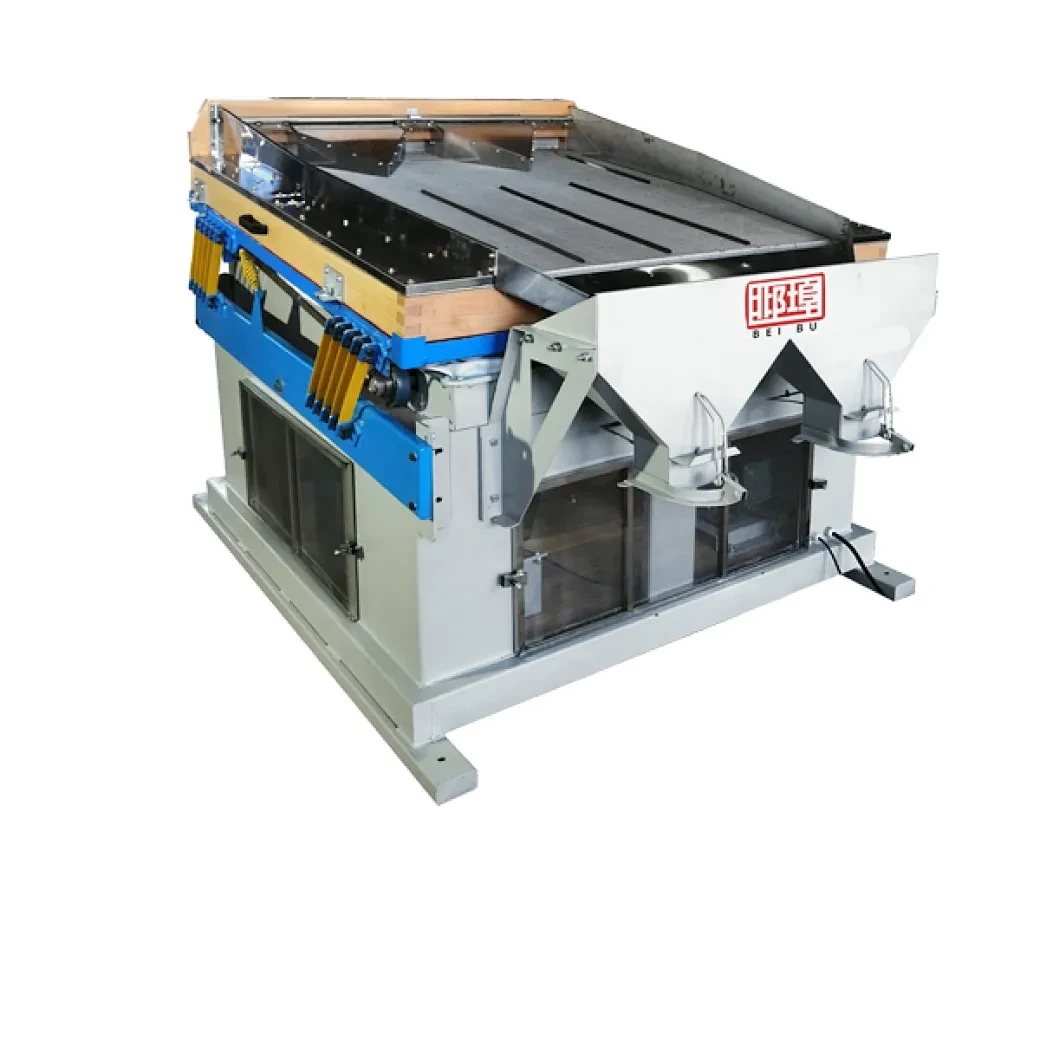
One brand I chum with often is Beibu Cleaner — their machines have a knack for combining dependable build quality with thoughtful customization options. You might want to check out their site grain cleaning equipment if you want a peek under the hood or to get a quote.
What impresses me about machines like theirs is how they balance industrial solidity and fine-tuned performance. The models often handle high volumes yet maintain meticulous separation of impurities — crucial when you’re dealing with vast wheat harvests. Plus, the materials used for screens and frames are chosen to resist corrosion and abrasion. Believe me, this stuff pays off after a season of relentless work.
Typical Wheat Grain Cleaner Specifications
It’s worth mentioning, a small anecdote from some years back: a client in the Midwest was struggling with inconsistent wheat quality — varying impurity and moisture levels that often clogged their older machines. After switching to a grain cleaning equipment with multi-layer screens and adjustable vibration intensity, they reported a 25% drop in downtime. That's huge when you think about a tight harvest window.
Of course, there are plenty of other vendors out there. From my experience, price often doesn't tell the whole story. You want robust after-sales support, spare parts availability, and, frankly, machines that are designed not just in theory but tuned with real-world operational insights.
Grain Cleaner Vendor Comparison
So, gearing up for wheat harvest? Don’t overlook the gear that’s going to save you time and headaches. Equipment like grain cleaning equipment feels like that trusted colleague you can count on when the pressure’s on. You might say it’s the silent hero behind a well-executed harvest.
In real terms, investing in reliable cleaning machinery isn’t just an expense; it’s a way to protect your crop’s value and ease the logistical load. And if you ask around, many in the industry would nod to that fact.
References:
1. Industry Equipment Insights, 2023
2. Beibu Cleaner Product Brochure, 2024
3. Midwest Farm Equipment Case Study, 2022
Nov. 25, 2024
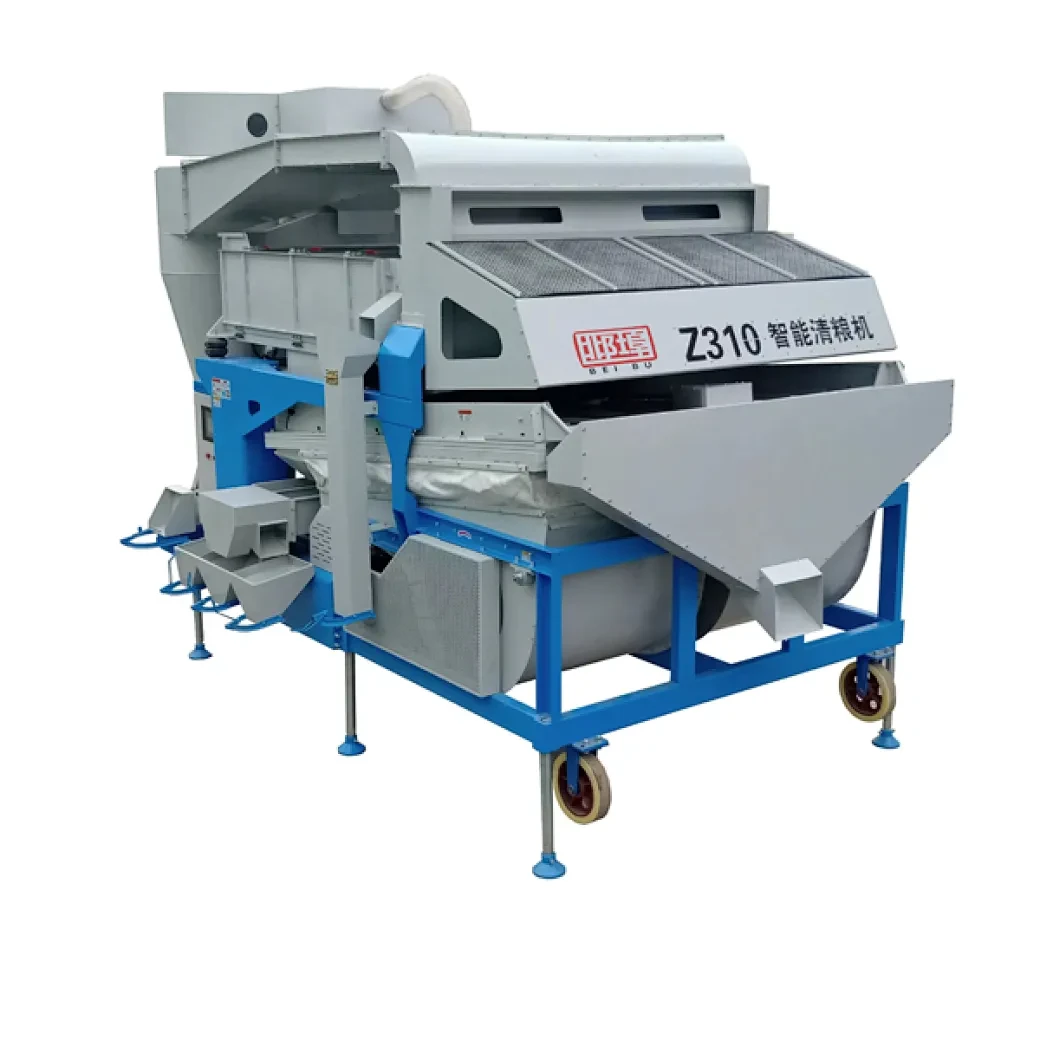
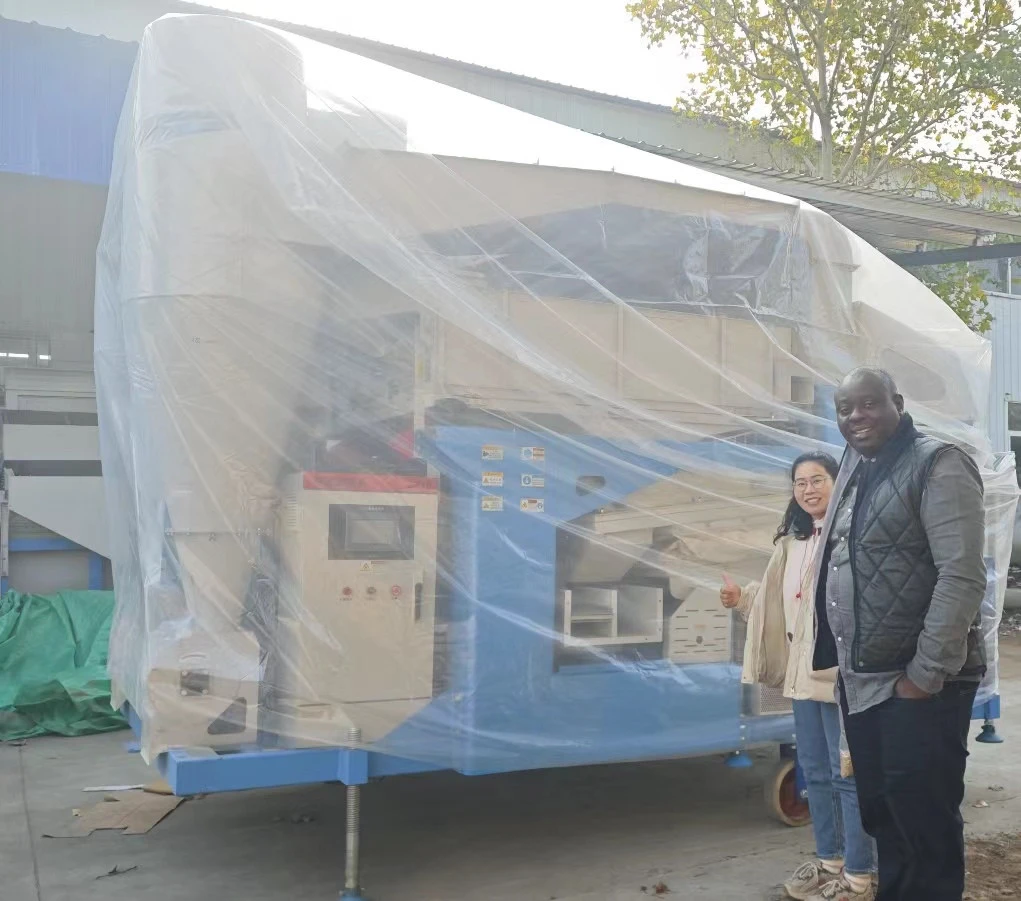
Welcome Client's visiting for Sesame Cleaning Machine-Hebei Beibu Machinery Technology Co.,LTD
Mar. 15, 2024
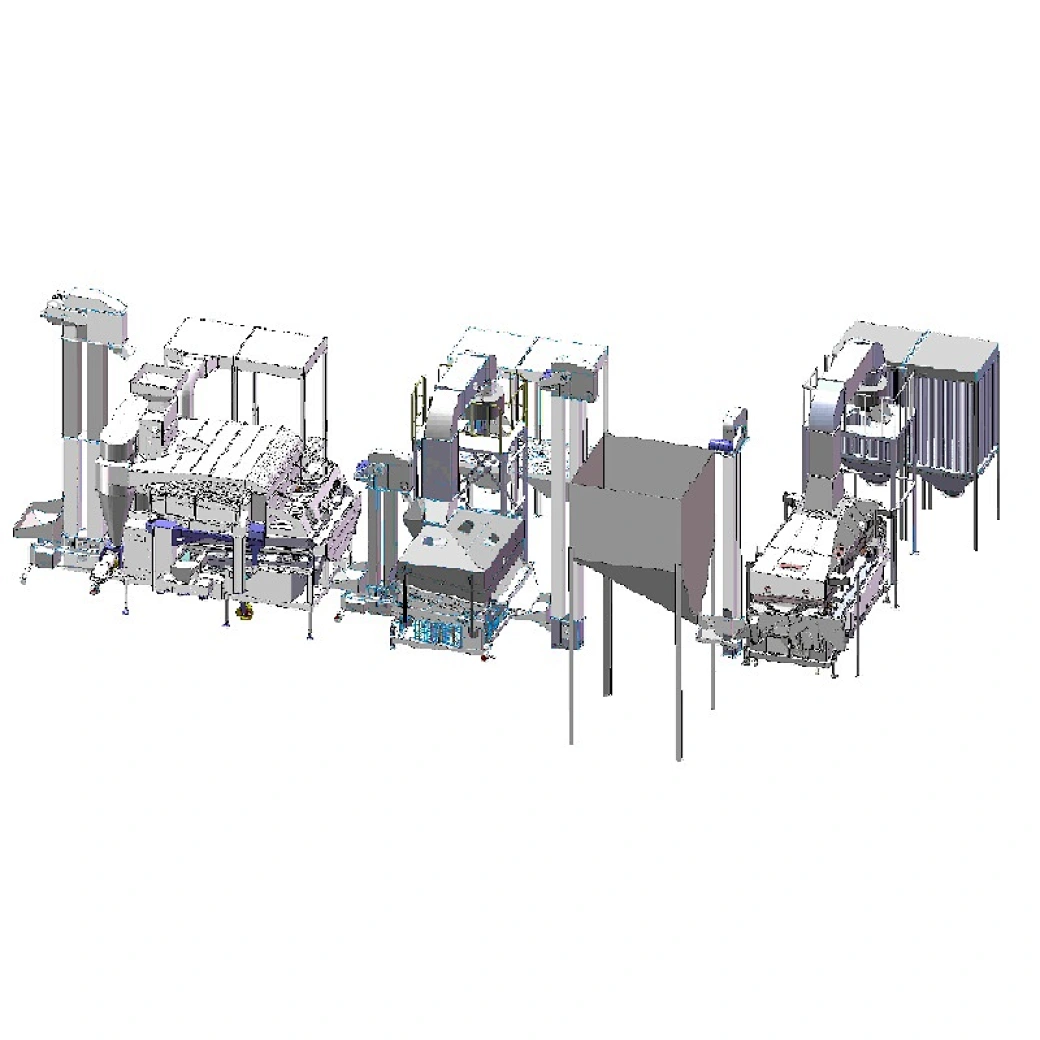
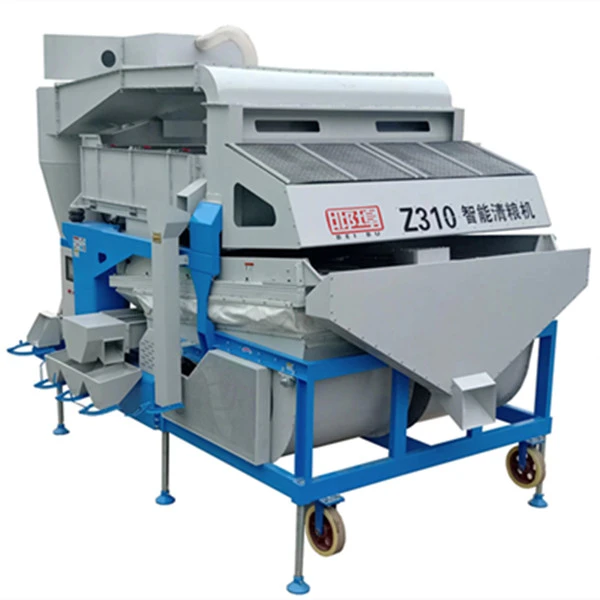
Hot Selling New Designed Big Capacity Cleaning Machine-Hebei Beibu Machinery Technology Co.,LTD

May. 21, 2024
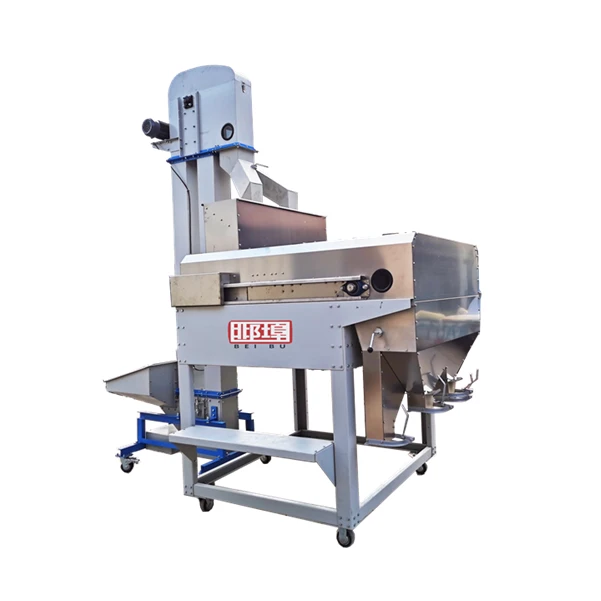
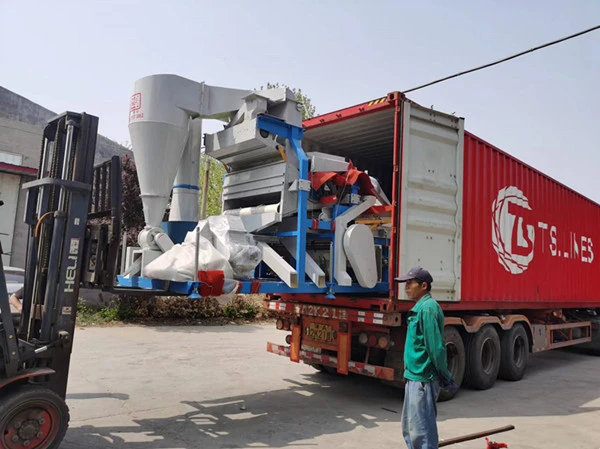
Sesame Cleaning Machine to Pakistan-Hebei Beibu Machinery Technology Co.,LTD
Feb. 24, 2025
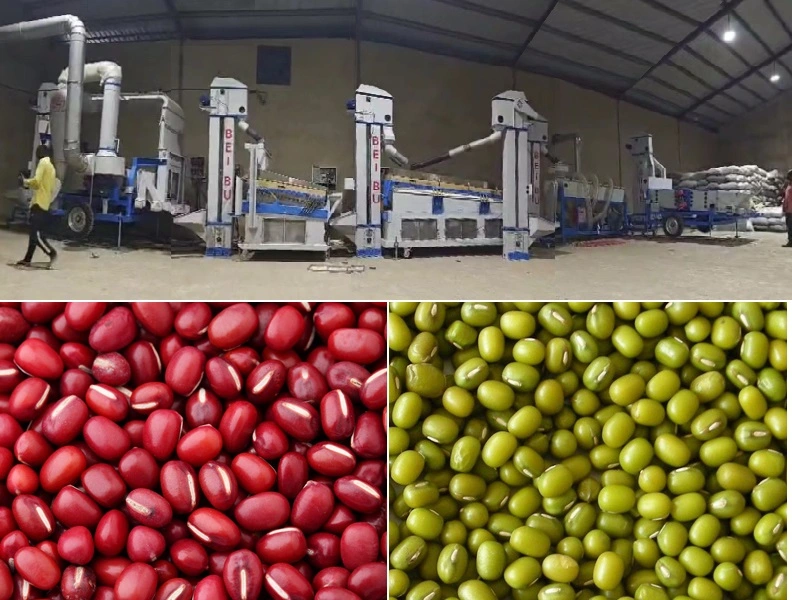
The No. 1 document of 2025 first mentioned "new quality agricultural productivity"
Jan. 30, 2026
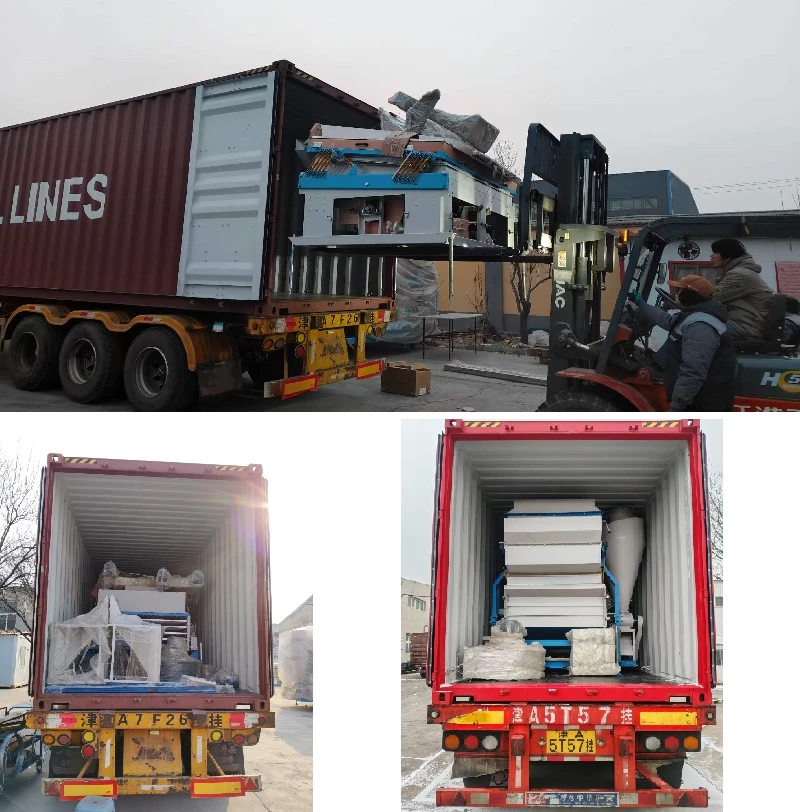
Another Shipment of "Made in China" Grain Cleaning Machines Sets Sail for Africa
Beibu Machinery


