



Sep . 15, 2025 14:20
Introduction to Advanced Seed Cleaning Technology
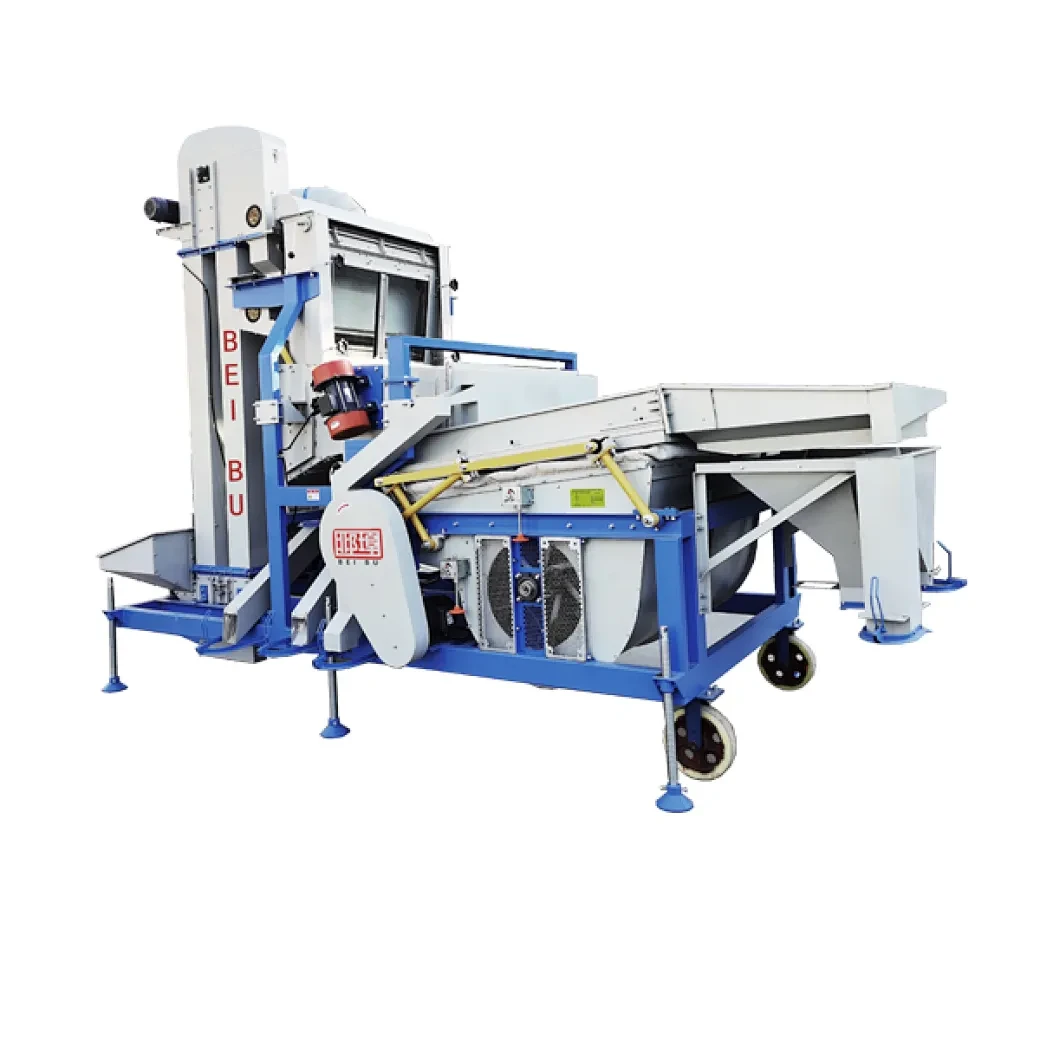
In modern agriculture, the quality of seeds directly correlates with crop yield and overall agricultural productivity. Impurities such as chaff, dust, broken seeds, weed seeds, and foreign materials can significantly compromise germination rates, plant health, and final market value. This critical challenge necessitates sophisticated solutions for seed processing. At the core of these solutions is the seed cleaning machine, a vital piece of equipment designed to purify seed lots, ensuring optimal quality for planting, storage, and commercial distribution. These machines are engineered for precision, efficiency, and adaptability, catering to a diverse range of seed types and operational scales.
Our comprehensive approach to seed processing leverages cutting-edge technology to deliver superior seed quality, enhancing the competitive edge for growers, processors, and distributors worldwide. This article delves into the technical aspects, applications, and strategic advantages of advanced seed cleaning solutions, providing valuable insights for B2B decision-makers in the agricultural sector.
Current Industry Trends in Seed Cleaning Equipment
The seed processing industry is undergoing significant transformation, driven by demands for higher purity, increased efficiency, and sustainable practices. Key trends impacting the development of seed cleaning machine technology include:
- Automation and AI Integration: Advanced sensors, machine learning algorithms, and robotic systems are increasingly integrated into seed cleaning equipment for automated sorting, defect detection, and optimization of cleaning parameters, reducing labor costs and human error.
- Enhanced Precision Sorting: Optical sorters, color sorters, and even X-ray sorting technologies are becoming more prevalent, capable of identifying and removing subtle impurities based on color, shape, density, and internal defects that traditional methods might miss. This is particularly crucial for high-value seeds.
- Modularity and Scalability: Modern seed cleaning lines are designed with modular components, allowing for easy expansion, customization, and adaptation to various seed types and processing volumes. This flexibility is vital for businesses ranging from small-scale producers to large commercial operations.
- Sustainability and Energy Efficiency: A growing emphasis on reducing energy consumption and minimizing waste generation. Manufacturers are developing more energy-efficient motors, optimized airflow systems, and designs that facilitate easier maintenance and longer service life, aligning with global sustainability goals.
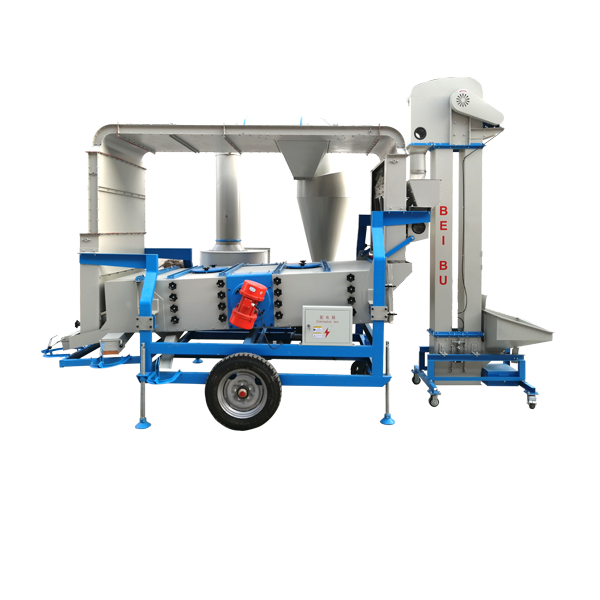
- Mobile Seed Cleaning Solutions: The demand for on-site processing has led to the development of sophisticated mobile seed cleaning units, offering flexibility and cost-effectiveness by bringing the cleaning facility directly to the farm or various processing locations.
These trends highlight a move towards smarter, more efficient, and environmentally responsible seed processing, ensuring that the agricultural sector can meet the escalating global demand for high-quality seeds.
Detailed Process Flow: Manufacturing and Operation of a Seed Cleaning Machine
The robust performance and longevity of a seed cleaning machine begin with a meticulously engineered manufacturing process. Our machines are designed for the most demanding environments, ensuring optimal performance for target industries such as seed processing plants, grain mills, and agricultural cooperatives.
Manufacturing Process Highlights:
- Material Selection: High-grade carbon steel (e.g., Q235B, Q345B) and stainless steel (e.g., SUS304 for contact parts) are chosen for their superior strength, corrosion resistance, and durability. Critical components like seed cleaning sieves are manufactured from durable, food-grade materials to prevent contamination and ensure longevity.
- Precision Fabrication:
- Casting & Forging: Heavy-duty structural elements and high-stress components undergo precision casting and forging to achieve optimal metallurgical properties and dimensional accuracy.
- CNC Machining: Critical parts requiring tight tolerances, such as shafts, bearings housings, and sieve frames, are processed using advanced CNC machining centers. This ensures precise fit, reduced friction, and extended service life.
- Welding: Robotic and skilled manual welding techniques are employed, followed by comprehensive weld inspections (e.g., ultrasonic testing, dye penetrant inspection) to ensure structural integrity and prevent stress cracks.
- Surface Treatment: Components are treated with industrial-grade epoxy coatings or powder coating for enhanced corrosion resistance, particularly important in humid or abrasive agricultural environments.
- Assembly & Quality Control: Each unit is assembled under strict quality control protocols, following ISO 9001 guidelines. All electrical components adhere to CE/UL standards.
- Testing Standards: Every seed cleaning equipment undergoes rigorous factory acceptance testing (FAT) to verify performance parameters against design specifications, including vibration analysis, noise level assessment, and operational efficiency tests under various load conditions. Our testing protocols align with international standards such as ISO and ANSI.
- Service Life: Engineered for a service life exceeding 15-20 years with proper maintenance, demonstrating long-term value and reliability.
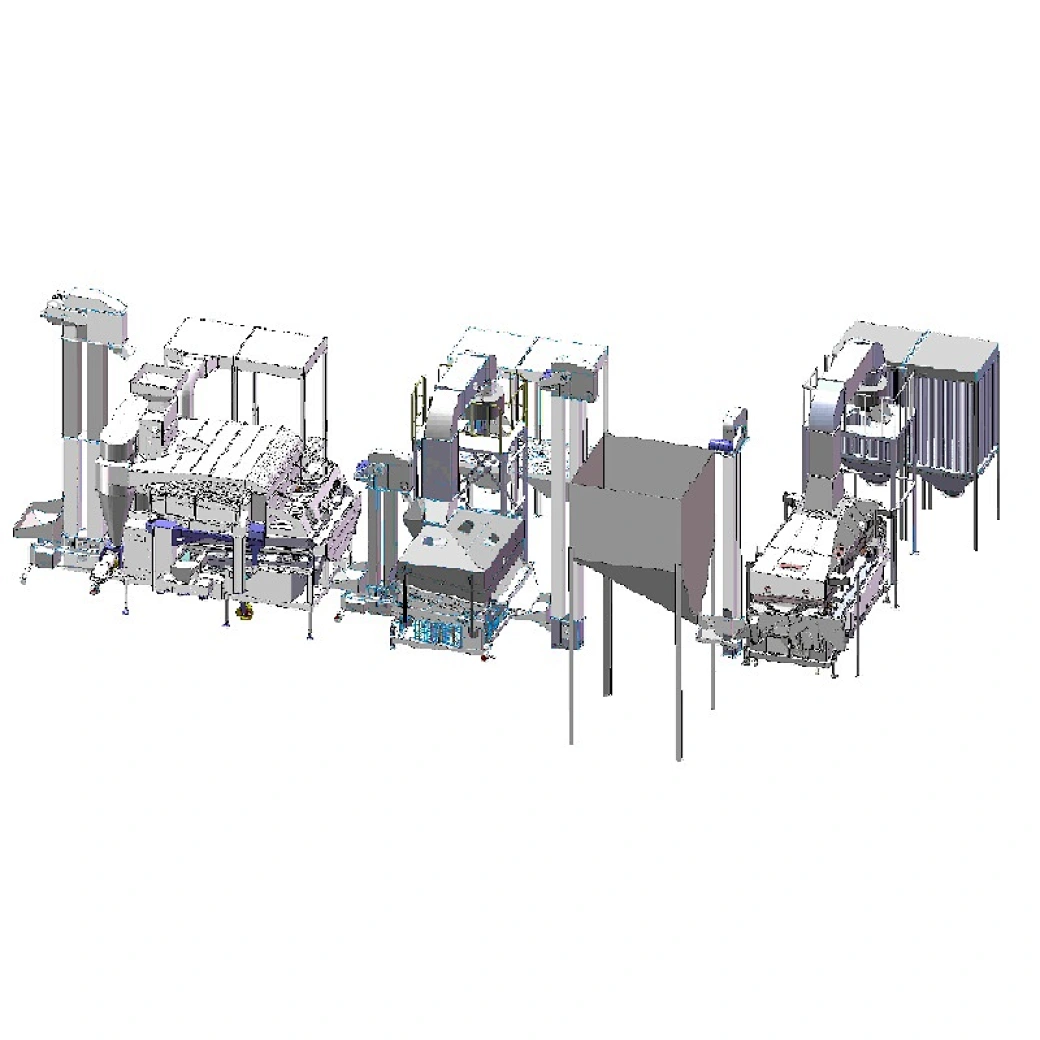
Operational Process Flow (Typical Seed Cleaning Plant):
Schematic Steps:
- 1. Pre-cleaning (Scalping): Raw seeds are fed into a pre-cleaner to remove large impurities like straw, stones, and coarse debris. This protects subsequent machinery from damage.
- 2. Aspiration (Air Separation): A powerful aspiration system draws light impurities such as dust, chaff, and undeveloped seeds away from the main seed stream. This is crucial for initial bulk separation.
- 3. Sieve Separation: Seeds pass over vibrating seed cleaning sieves with varying mesh sizes. This separates seeds based on size and thickness, removing smaller foreign particles and larger oversized impurities. The sieves are designed for easy interchangeability to accommodate different seed types, from small cumin seed cleaning machine requirements to larger grain seeds.
- 4. Gravity Separation: For more refined separation, seeds move onto a gravity separator table. This machine uses a combination of air flow, vibration, and deck inclination to separate seeds based on density differences, effectively removing diseased, immature, or damaged seeds that are lighter than healthy ones.
- 5. Optical Sorting (Optional, for high-value seeds): High-definition cameras and sophisticated software identify and remove defects based on color, shape, and even subtle blemishes. This is paramount for achieving premium seed grades.
- 6. Polishing/Treatment (Optional): Cleaned seeds may then undergo polishing for improved appearance or receive fungicidal/insecticidal treatments before bagging.
This multi-stage process ensures a high degree of purity and quality, vital for maximizing crop potential and meeting stringent market requirements.
Technical Specifications and Parameters of Seed Cleaning Equipment
Understanding the technical specifications is crucial for selecting the appropriate seed cleaning equipment for specific operational needs. Our machines are engineered with robust components and precise controls to deliver consistent performance.
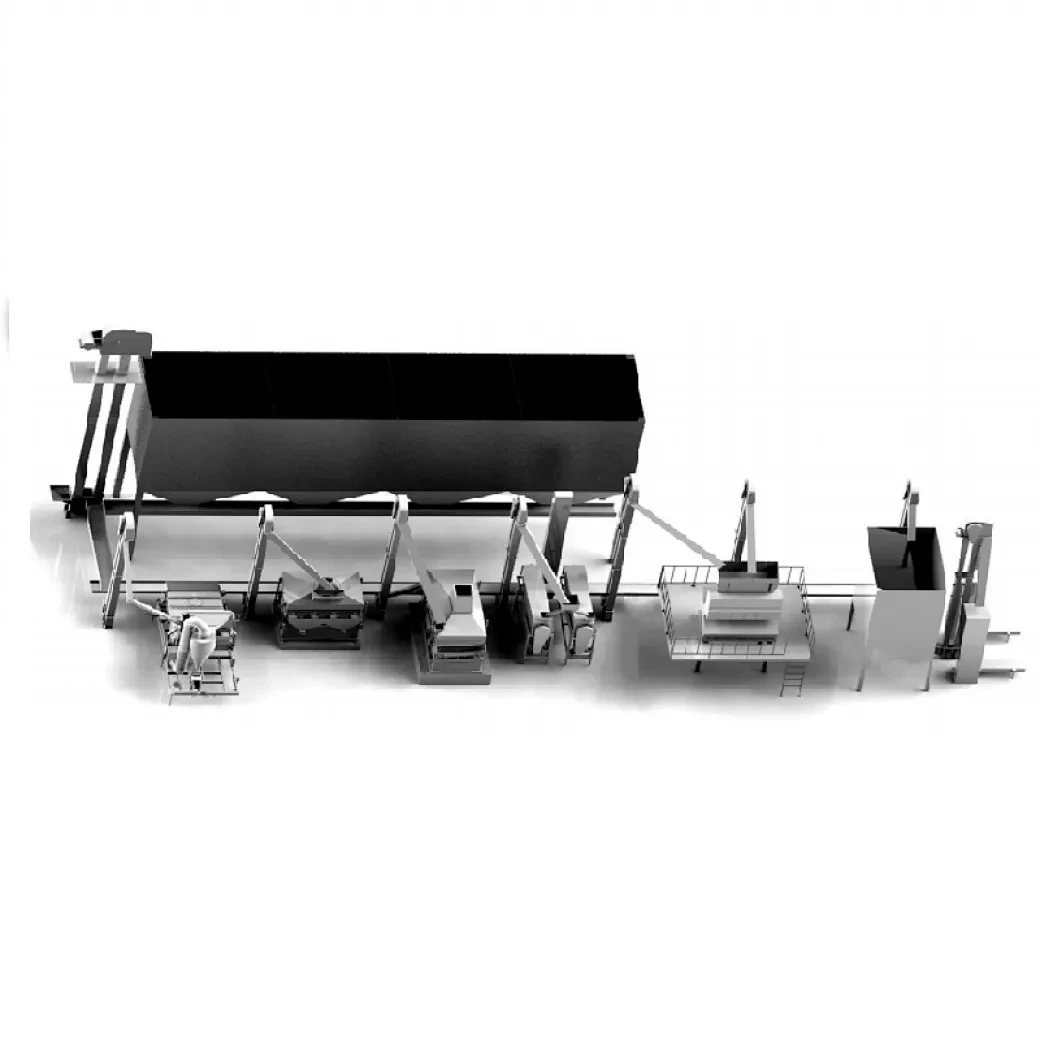
Product Specification Table: Seed Cleaning Processing Plant
| Parameter | Specification | Technical Detail |
|---|---|---|
| Model Series | B-SCP-Series (e.g., B-SCP-20, B-SCP-50) | Modular design for various capacities |
| Capacity (Wheat, basis) | 2-100 TPH (Tons Per Hour) | Adjustable throughput based on seed type and impurity level |
| Cleaning Efficiency | Up to 99.5% purity for primary seeds | Dependent on raw material quality and machine configuration |
| Power Requirement | 7.5 kW - 75 kW (Varies by model) | Energy-efficient motors, 3-phase, 380V/50Hz standard |
| Sieve Types | Round hole, oblong hole, triangular, mesh | Interchangeable seed cleaning sieves for various seed sizes and shapes |
| Air Aspiration System | Closed-loop or open-loop options | Powerful centrifugal fans for effective light impurity removal |
| Construction Material | High-grade carbon steel, SUS304 (contact parts) | Corrosion-resistant and food-grade compliant materials |
| Dimensions (L x W x H) | Variable (e.g., 3m x 1.5m x 2.5m for mid-range model) | Compact footprint for optimized plant layout |
| Control System | PLC-based with HMI touchscreen | Intuitive operation, real-time monitoring, data logging |
These parameters represent the core capabilities of our advanced seed cleaning machine technology, designed for durability, efficiency, and precise seed separation.
Application Scenarios and Industry Use Cases
The versatility of our seed cleaning equipment allows for broad application across various agricultural and processing sectors. Our solutions are tailored to meet the specific demands of diverse seed types and operational scales.
- Grain Processing Facilities: Essential for cleaning wheat, barley, corn, rice, and oats, ensuring high-quality output for milling, brewing, and animal feed industries. The removal of foreign materials and diseased grains significantly impacts end-product quality.
- Seed Production and Breeding Companies: Critical for preparing high-germination, disease-free seeds for planting. Precision cleaning is vital for maintaining genetic purity and maximizing yield potential for crops like soybeans, sunflower, and cotton.
- Oilseed Processing Plants: Used for cleaning oilseeds such as canola, flax, mustard, and peanuts. Efficient cleaning improves the oil extraction process and quality of the resulting oil. Specific configurations are available for cleaning challenging oilseeds.
- Pulses and Legume Processors: For broad beans, lentils, chickpeas, and peas, ensuring uniformity and removing splits, insect-damaged seeds, and stones. This improves marketability and nutritional value.
- Specialty Crop and Spice Processors: Highly specialized cleaning for crops like cumin seed cleaning machine applications, coriander, sesame, and various herb seeds where small size and specific impurity profiles require finely tuned separation. Our systems are optimized for delicate handling and precise separation of these high-value items.
- Cooperative Farms and Farmer Associations: Providing shared resources for farmers to clean their harvests collectively, improving the quality of their seeds for replanting or direct sale to markets.
- Mobile Seed Cleaning Services: Leveraging mobile seed cleaning units, these services bring advanced cleaning capabilities directly to remote farms, reducing transportation costs and providing on-demand processing. This is particularly beneficial for contract growers and small-to-medium enterprises.
Our machines are engineered to deliver consistent, high-purity results across this spectrum, demonstrating robust performance and adaptability in diverse agricultural processing environments.
Technical Advantages and Performance Metrics
Our advanced seed cleaning machine offers distinct technical advantages that translate directly into operational efficiencies and superior product quality.
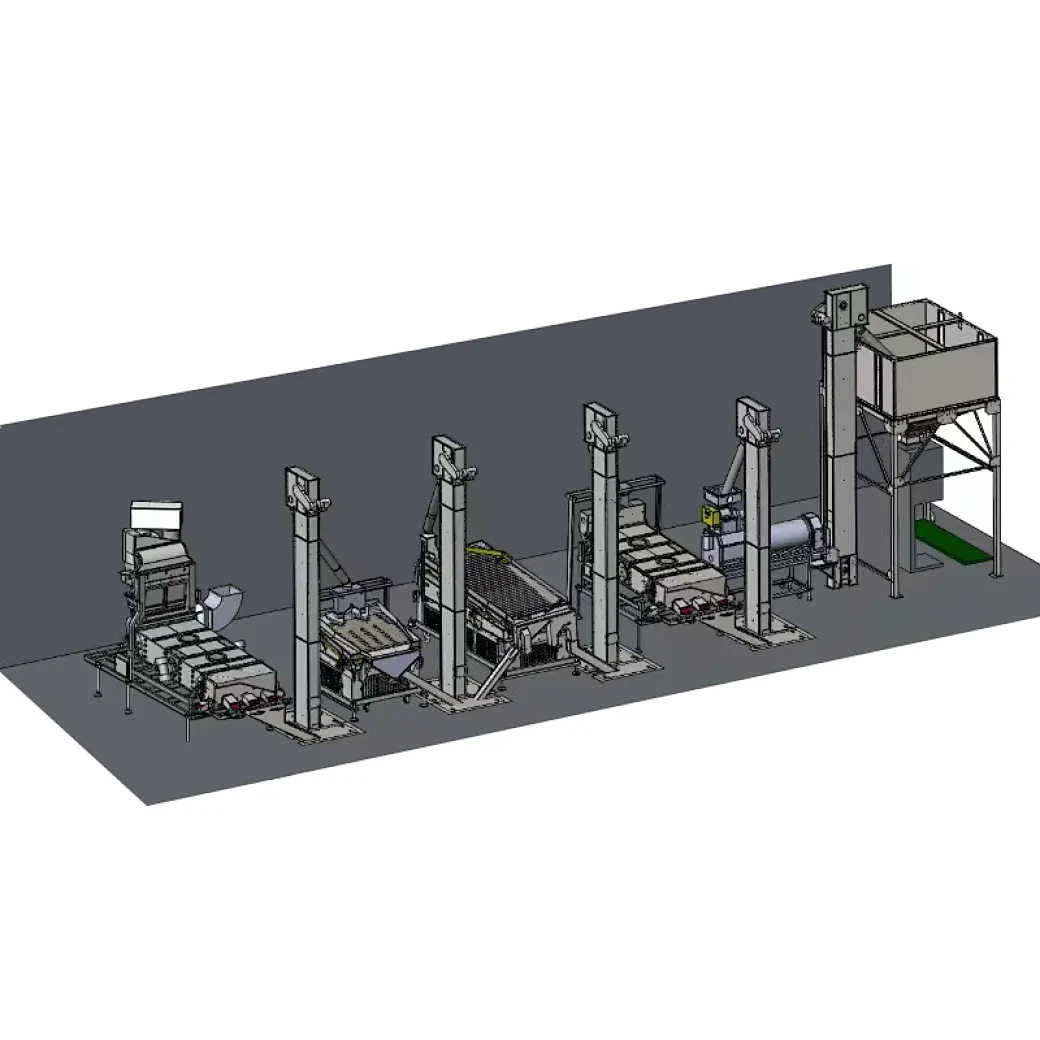
- Unrivaled Purity Levels: Through multi-stage cleaning processes including aspiration, sieve grading, and gravity separation, our machines achieve seed purity levels exceeding 99.5%, significantly enhancing germination rates and reducing disease transmission.
- Energy Efficiency: Optimized motor selection, variable frequency drives (VFDs), and aerodynamic air systems reduce power consumption by up to 20% compared to conventional systems. This leads to substantial operational cost savings over the machine's service life.
- Minimized Seed Damage: Gentle handling mechanisms, precise air flow controls, and specially designed sieves minimize mechanical damage to delicate seeds, preserving their viability and commercial value. Our systems typically report less than 0.1% damage rate.
- Corrosion Resistance and Durability: Construction using SUS304 stainless steel for all contact parts and advanced powder coatings on structural components ensures exceptional resistance to corrosion, abrasion, and harsh environmental conditions, guaranteeing a prolonged service life.
- User-Friendly Automation: Equipped with advanced PLC control systems and intuitive HMI touchscreens, operations are simplified, allowing for precise adjustments of air volume, sieve inclination, and vibration frequency. This reduces the need for constant manual intervention and enhances operational safety.
- Rapid Sieve Interchangeability: The quick-change sieve system allows operators to rapidly switch between different seed cleaning sieves for various seed types, minimizing downtime and maximizing operational flexibility. Changeovers can be completed in under 15 minutes.
- Low Maintenance Requirements: Designed with easy access points for cleaning and inspection, high-quality sealed bearings, and self-lubricating components, our machines significantly reduce maintenance frequency and associated costs.
These technical advantages underscore our commitment to delivering high-performance, cost-effective, and reliable seed cleaning solutions that meet the evolving needs of the agricultural industry.
Vendor Comparison: Why Choose Our Seed Cleaning Solutions
In a competitive market for seed cleaning equipment, discerning buyers evaluate vendors based on a myriad of factors, including innovation, build quality, support, and total cost of ownership. Our commitment to excellence sets us apart.
Comparative Analysis: Leading Seed Cleaning Equipment Providers
| Feature Category | Our Seed Cleaning Machine | Competitor A (Standard Model) | Competitor B (Economy Model) |
|---|---|---|---|
| Purity Achievement | Up to 99.5% with advanced multi-stage system | Typically 98-99% | 75-90%, basic cleaning |
| Energy Efficiency | 20% lower power consumption (VFDs, optimized air flow) | Standard efficiency motors | High power consumption relative to output |
| Material Durability | SUS304 contact parts, robust carbon steel chassis | Painted carbon steel, limited stainless steel | Standard painted steel throughout |
| Automation & Control | PLC with HMI, remote monitoring capability | Basic push-button controls, limited automation | Manual controls only |
| Maintenance & Downtime | Low, quick-change sieves, easy access for cleaning | Moderate, requiring specialized tools for some tasks | High, frequent component wear, complex sieve changes |
| Customization Options | Extensive (modular design, tailored components) | Limited (fixed configurations) | None |
| After-Sales Support | Comprehensive global network, 24/7 technical support | Regional support, limited hours | Basic support, often via distributor only |
This comparison highlights our superior commitment to technology, quality, and customer support, ensuring that our clients receive a high return on their investment in our seed cleaning equipment. We focus on long-term performance and reliability, mitigating operational risks and optimizing seed quality for our partners.
Customized Solutions and System Integration
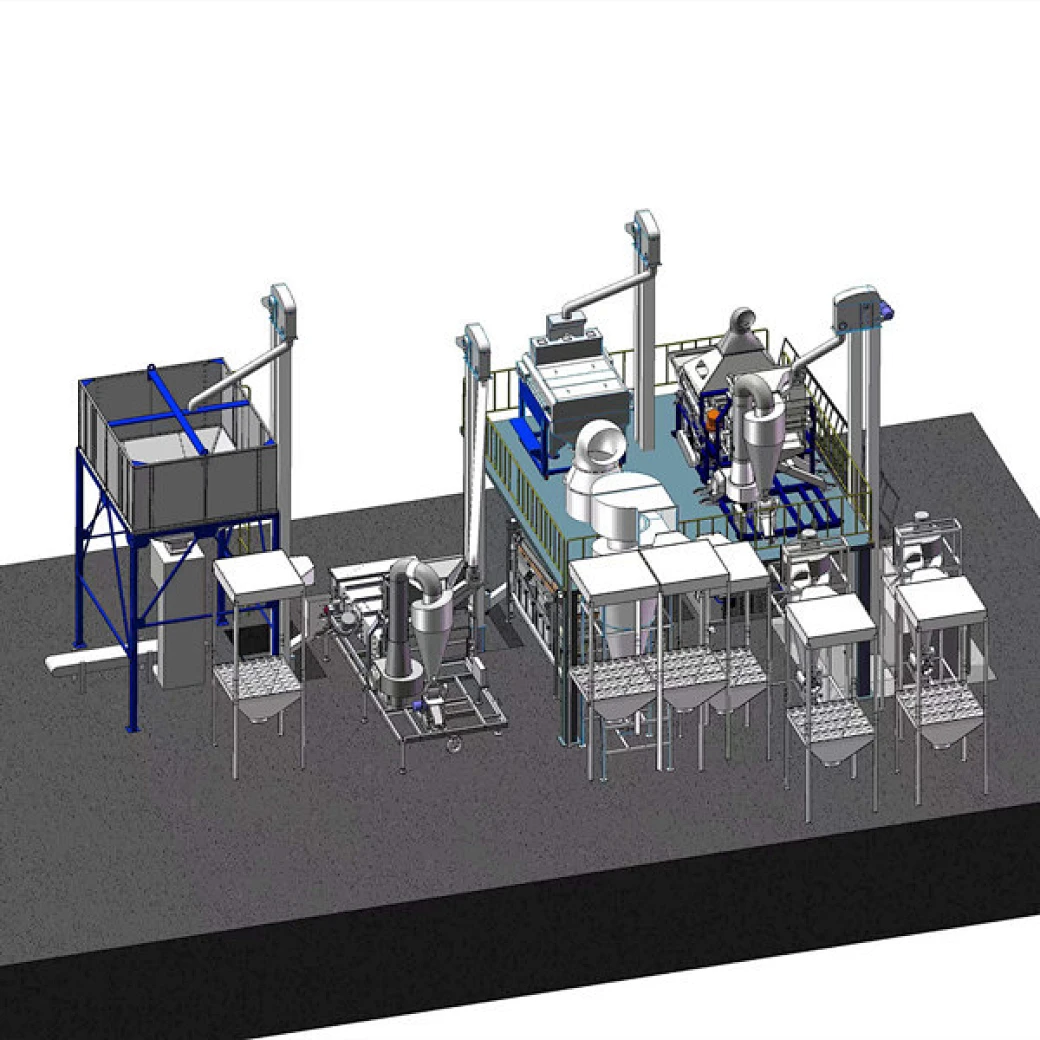
Recognizing that every seed processing operation has unique requirements, we specialize in providing tailored solutions. Our engineering team works closely with clients to design seed cleaning machine systems that seamlessly integrate with existing infrastructure and meet specific throughput, purity, and automation goals.
- Modular Design for Scalability: Our seed cleaning equipment is built with a modular architecture, allowing for future expansion or modification. This flexibility is critical for businesses anticipating growth or needing to adapt to changing market demands.
- Application-Specific Configurations: Whether it's a dedicated cumin seed cleaning machine requiring specialized fine sieves and gentle handling, or a high-capacity grain cleaning line, we configure the appropriate sequence of pre-cleaners, aspirators, sieves, gravity separators, and optical sorters.
- Automation Levels: From semi-automatic systems to fully integrated, intelligent processing plants controlled by advanced SCADA systems, we can customize the level of automation to match operational preferences and budget.
- Space and Layout Optimization: Our design engineers conduct detailed site assessments to ensure optimal machine placement, minimizing footprint while maximizing operational flow and accessibility for maintenance.
- Integration with Ancillary Equipment: We ensure seamless integration with conveying systems (belt conveyors, bucket elevators, pneumatic conveyors), drying equipment, bagging machines, and storage silos, providing a complete, cohesive processing plant solution.
- Environmental Controls: Solutions can include advanced dust collection systems and noise reduction enclosures to meet stringent environmental and occupational safety standards, complying with local regulations.
Our consultative approach, backed by years of industry experience and certifications like ISO 9001, ensures that each customized solution delivers maximum efficiency, reliability, and profitability for our clients.
Application Case Studies and Client Success
Our track record of successful installations globally underscores our capability to deliver high-performance seed cleaning equipment. These case studies highlight real-world applications and the tangible benefits our clients have realized.
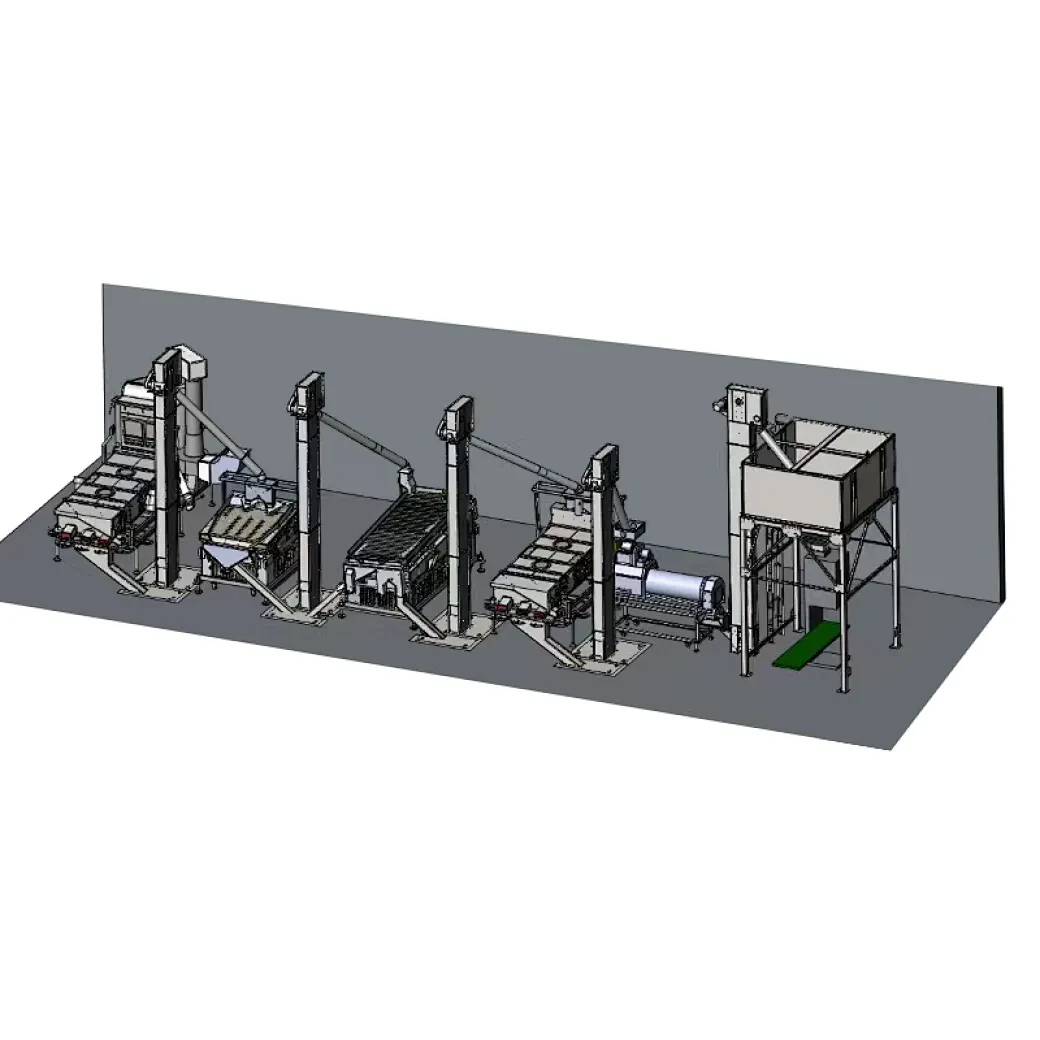
Case Study 1: Large-Scale Wheat Processing Plant, Eastern Europe
A major grain producer sought to upgrade their existing cleaning line to meet stringent export quality standards for milling wheat. We supplied a complete seed cleaning machine system, including a high-capacity pre-cleaner, two sets of fine cleaners with advanced sieve decks, and a gravity separator.
- Challenge: Inconsistent purity (97% average) and high levels of dockage affecting market price.
- Solution: Implementation of a B-SCP-50 series integrated cleaning plant with PLC control for automated adjustments.
- Results: Achieved consistent 99.2% purity for wheat, reducing dockage to below 0.5%. This resulted in a 7% increase in market value per ton of processed wheat and a 15% reduction in energy consumption. The client reported a full ROI within 2.5 years.
Case Study 2: Specialty Seed Company, North America
A company specializing in high-value vegetable and herb seeds, including various types of cumin, required a precise and gentle cleaning solution for small, delicate seeds.
- Challenge: High demand for absolute purity (above 99.8%) and minimal breakage for cumin seed cleaning machine, with existing equipment causing excessive seed damage.
- Solution: Custom-designed mini-plant incorporating a specialized aspiration system, multi-deck fine cleaner with specific seed cleaning sieves, and a small-scale gravity separator, all optimized for gentle handling.
- Results: Achieved 99.9% purity for cumin seed cleaning machine with less than 0.05% seed damage. The client expanded their product line and increased sales by 25% due to superior seed quality. "The precision and gentle handling of this system are unparalleled," stated their operations manager.
Case Study 3: Mobile Seed Cleaning Service Provider, Australia
A new venture aimed at providing on-site seed cleaning services to remote agricultural communities required a robust and efficient mobile seed cleaning unit.
- Challenge: Need for a self-contained, high-throughput system capable of cleaning diverse seed types on various farm sites with limited power infrastructure.
- Solution: Provided a custom B-SCP-20M mobile unit, mounted on a trailer, complete with its own generator, dust collection, and an integrated multi-stage cleaning system.
- Results: The mobile seed cleaning unit successfully processed over 5,000 tons of various grains and pulses in its first year, reducing farmers' costs by eliminating the need for transport to static facilities. The client's business model was validated, leading to plans for fleet expansion.
These case studies demonstrate our ability to provide reliable, high-performance solutions that drive measurable improvements in seed quality and operational profitability across diverse agricultural segments.
Ensuring Trustworthiness: FAQ, Lead Time, Warranty, and Support
Building long-term partnerships is founded on trust, clear communication, and unwavering support. We are committed to providing transparency and reliability throughout the customer journey for our seed cleaning machine solutions.
Frequently Asked Questions (FAQ)
Q1: What is the typical lead time for a new seed cleaning plant?
A: Standard models typically have a lead time of 6-8 weeks for manufacturing and assembly. Custom-engineered plants may require 10-16 weeks, depending on complexity and specific component sourcing. We provide a detailed project timeline upon order confirmation.
Q2: What kind of warranty is offered on your seed cleaning equipment?
A: All our seed cleaning machine units come with a comprehensive 12-month warranty covering manufacturing defects and major component failures. Extended warranty options are available upon request.
Q3: Can your machines handle different types of seeds?
A: Yes, our seed cleaning equipment is designed for versatility. With easily interchangeable seed cleaning sieves and adjustable airflow/vibration settings, they can effectively clean a wide range of seeds, from small specialty seeds like cumin to large grains and pulses.
Q4: What kind of after-sales support do you provide?
A: We offer comprehensive after-sales support, including remote technical assistance, on-site commissioning and training, spare parts availability, and preventative maintenance programs. Our global network ensures timely support wherever your operations are located.
Lead Time & Fulfillment
Our streamlined manufacturing processes and robust supply chain enable us to provide competitive lead times. Upon order confirmation, clients receive a detailed project schedule outlining design, manufacturing, quality control, and shipping milestones. We prioritize transparent communication to keep clients informed at every stage of their project's fulfillment.
Warranty Commitment
We stand by the quality and performance of our seed cleaning machine. Our standard 12-month warranty underscores our confidence in our engineering and manufacturing excellence. This warranty covers all major components and workmanship, ensuring peace of mind for our customers. Detailed warranty terms and conditions are provided with every quotation.
Customer Support and Training
Our dedicated customer support team is available 24/7 for technical inquiries and troubleshooting. We also provide extensive operational and maintenance training for your personnel, either on-site or through virtual sessions, to ensure optimal utilization and longevity of your investment. This commitment to support extends throughout the entire lifespan of your seed cleaning equipment.
Conclusion
The agricultural sector’s demand for high-quality, pure seeds is non-negotiable for achieving optimal crop yields and meeting global food security challenges. Our advanced seed cleaning machine solutions are at the forefront of this critical industry, offering unparalleled precision, efficiency, and reliability. By integrating cutting-edge technology, robust manufacturing processes, and comprehensive support, we empower businesses to maximize their seed processing capabilities, ensuring superior product quality and enhanced profitability.
Investing in our seed cleaning equipment is an investment in future agricultural success, providing the foundation for healthier crops, higher yields, and sustainable growth. Partner with us to elevate your seed processing operations to the highest standards of excellence.
References
- Smith, J. (2022). "Advances in Post-Harvest Seed Processing Technologies." Journal of Agricultural Engineering Research, 45(2), 123-138.
- Gupta, S., & Sharma, A. (2021). "Impact of Seed Purity on Crop Yield and Economic Returns in Modern Agriculture." International Journal of Crop Science and Technology, 10(4), 210-225.
- Food and Agriculture Organization of the United Nations (FAO). (2023). Quality Seed for Sustainable Crop Production. FAO Publishing.
- ISO 9001:2015 - Quality management systems — Requirements. International Organization for Standardization.
- American National Standards Institute (ANSI). (2020). Agricultural Machinery Safety Standards.
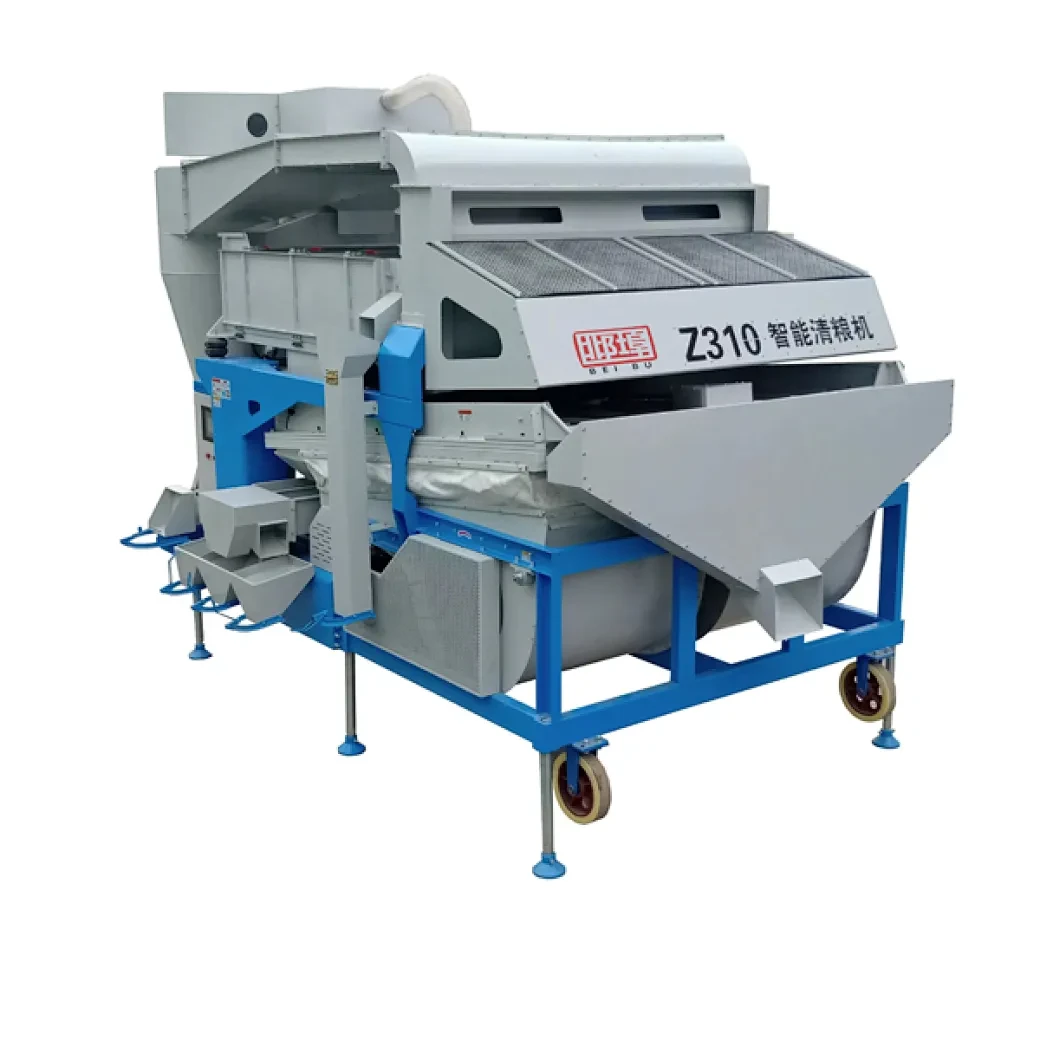
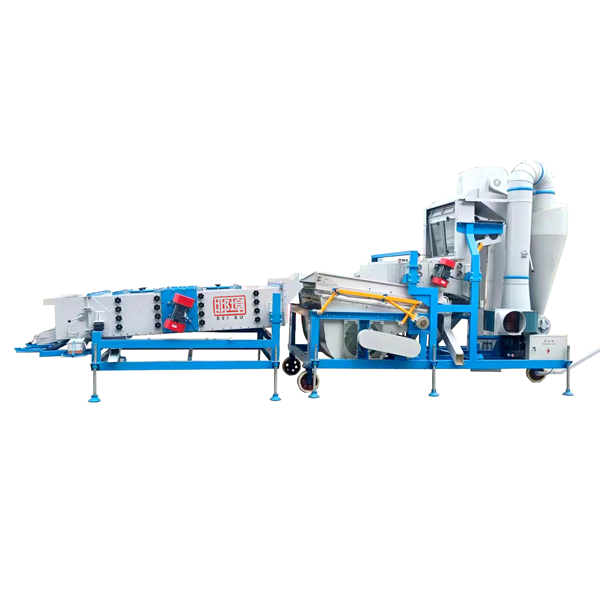
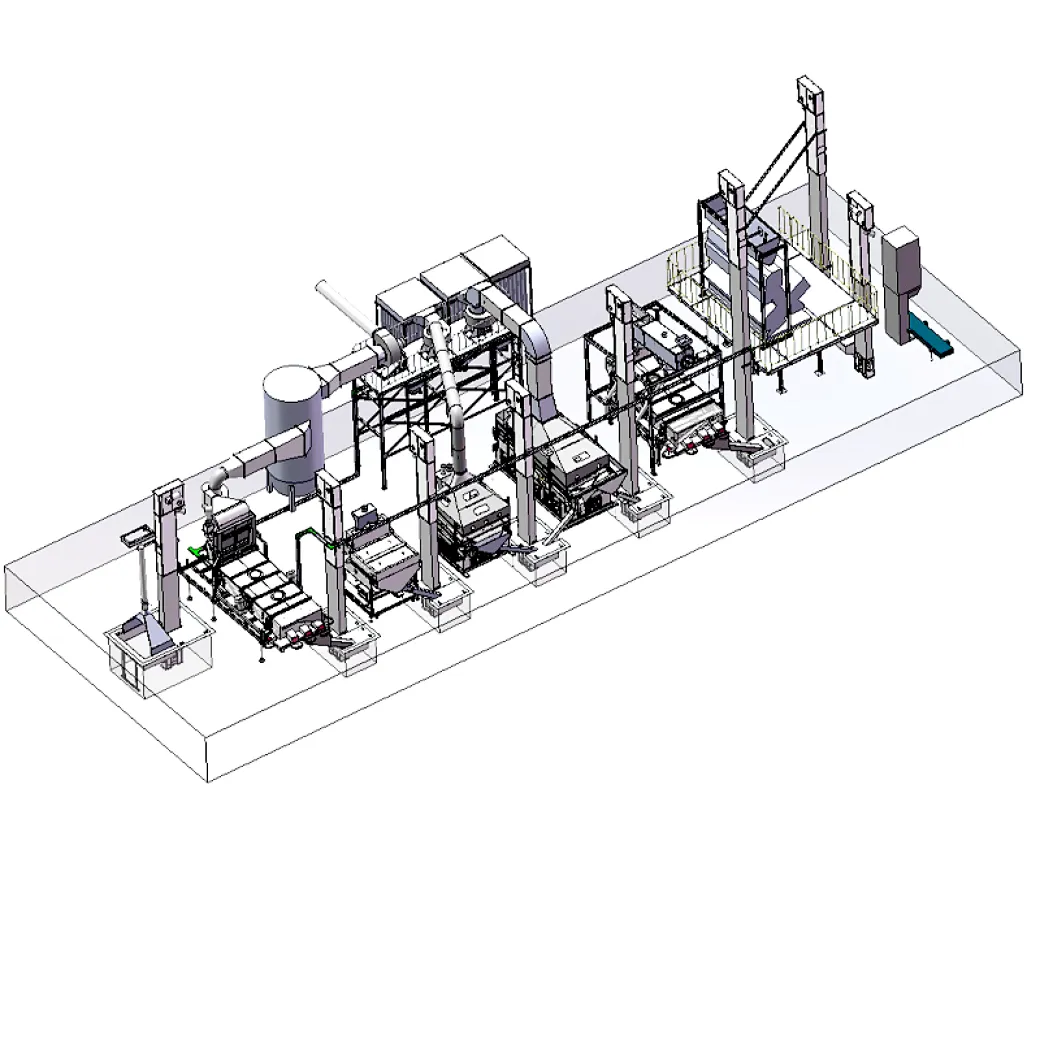

Feb. 25, 2025
Beibu Machinery participated in the 2025 Dubai Gulfood Exhibition and achieved complete success
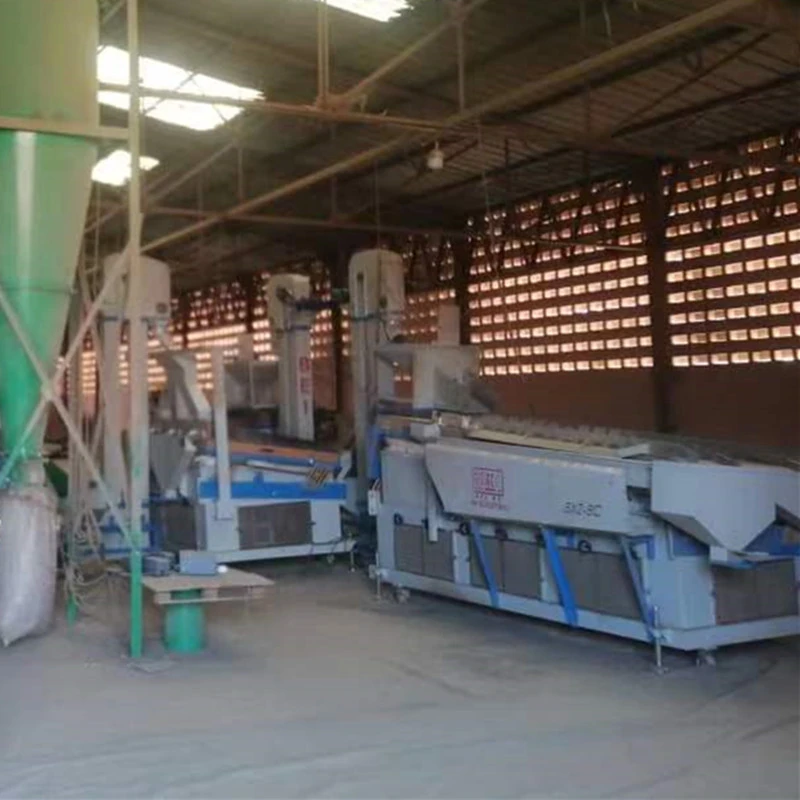
Mar. 15, 2024
Soybean Destoner and Gravity Separator in Clients-Hebei Beibu Machinery Technology Co.,LTD
Sep. 24, 2025
Efficient Mini Wheat Cleaning Machine - Small & Home Use
Nov. 12, 2025
Elevator Rice Mill: High Capacity, Low Breakage, Gentle Lift
Dec. 25, 2024
How to choose a high-quality grain seed cleaning machine - Beibu Machinery answers your questions
Oct. 08, 2024
new machines finish intalltaion
Beibu Machinery


