



Dec . 09, 2025 10:30
Sesame and Mung Beans in Myanmar: An Industrial Equipment Perspective
Having spent more than a decade around industrial machinery in the agricultural processing sector, I can say one thing with reasonable certainty: Myanmar's sesame and mung beans market is uniquely challenging — and fascinating. These two crops, crucial to Myanmar’s economy and regional trade, demand precise handling and processing equipment that can stand up to local conditions.
In real terms, the processing of sesame and mung beans isn’t just about raw throughput. It's about maintaining quality, minimizing contamination, and managing output consistency — something that many new entrants often underestimate. Oddly enough, the cleaning and sorting technology in this field sometimes doesn’t get the attention it deserves.
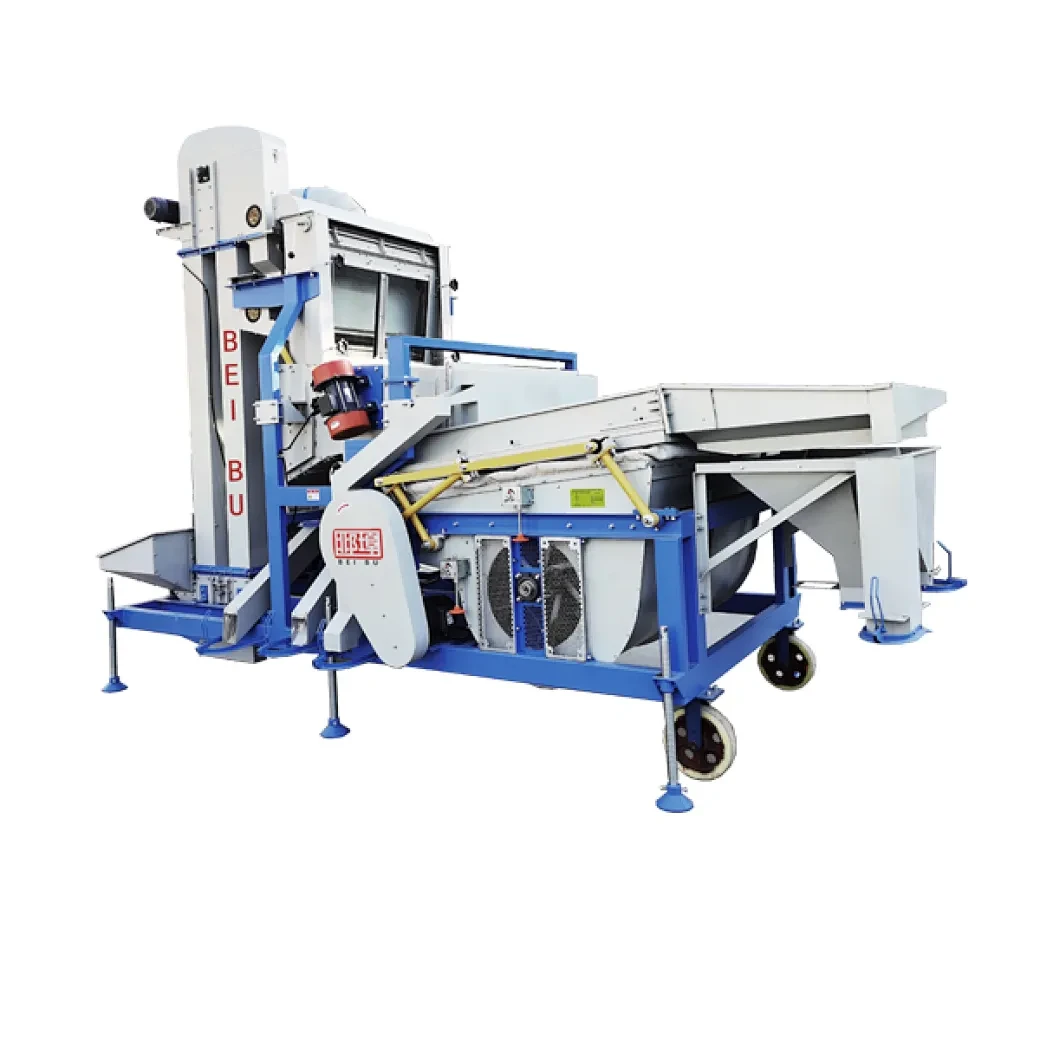
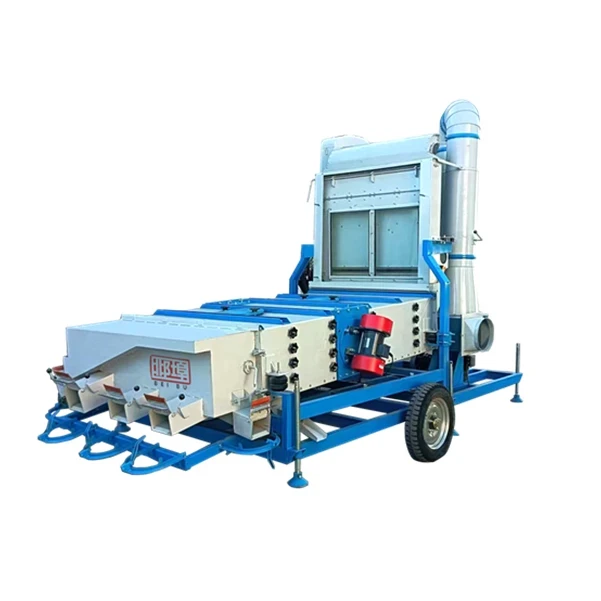
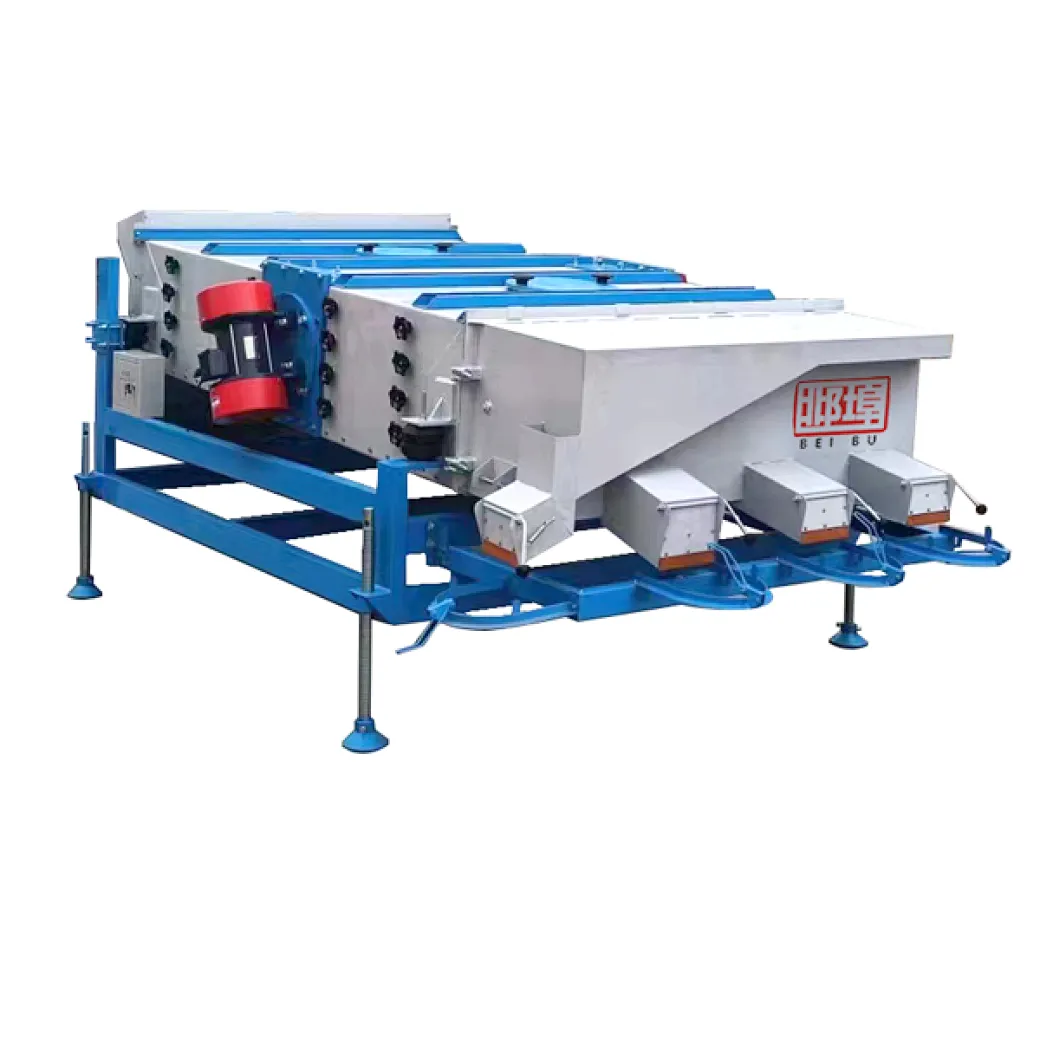
If you’ve navigated the industry in Myanmar, you’ll know that high humidity, variable crop quality, and dusty processing environments are daily hurdles. Frankly, equipment that’s versatile and robust — with adjustable settings for different seed sizes and impurities — tends to be the preferred choice. For instance, cleaning devices with vibration sieves and airflow adjustment can really make a difference.
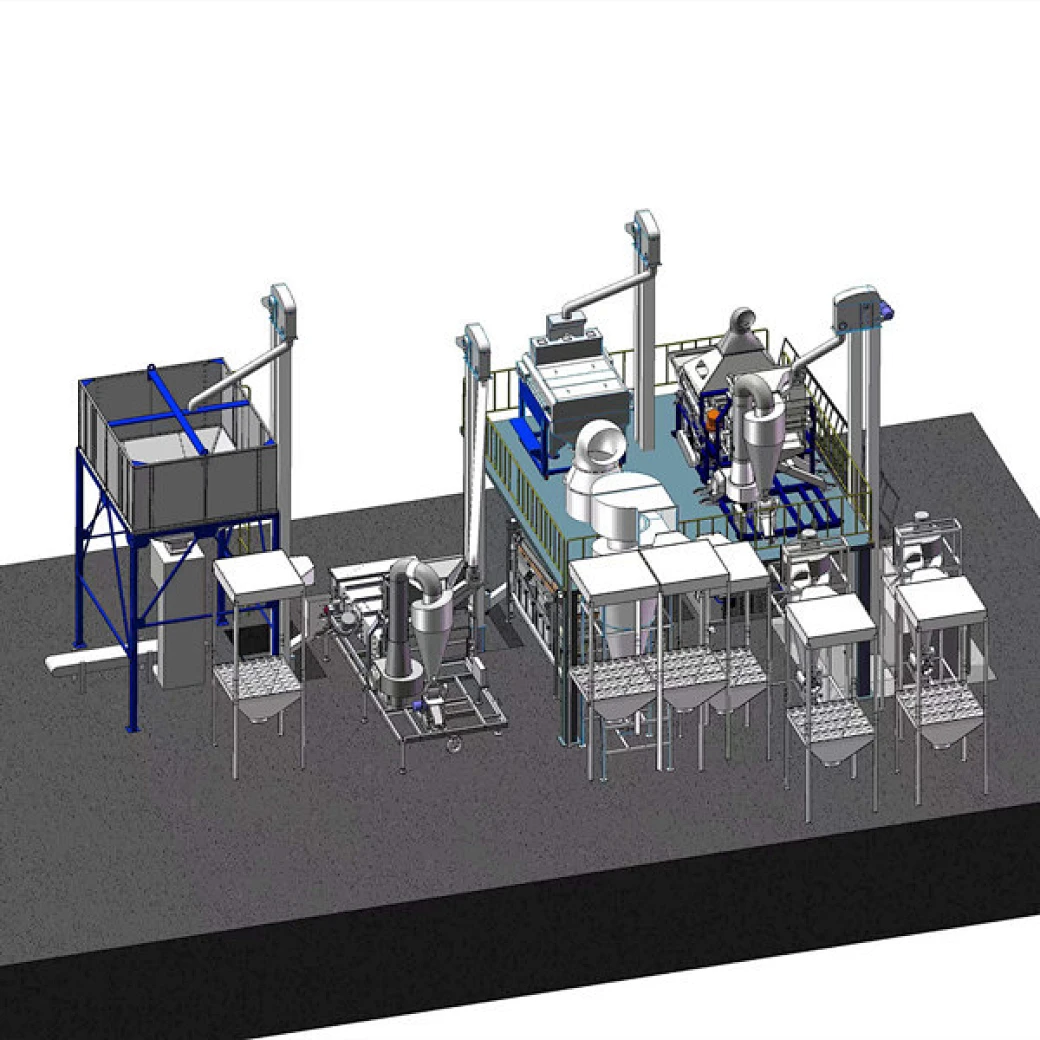
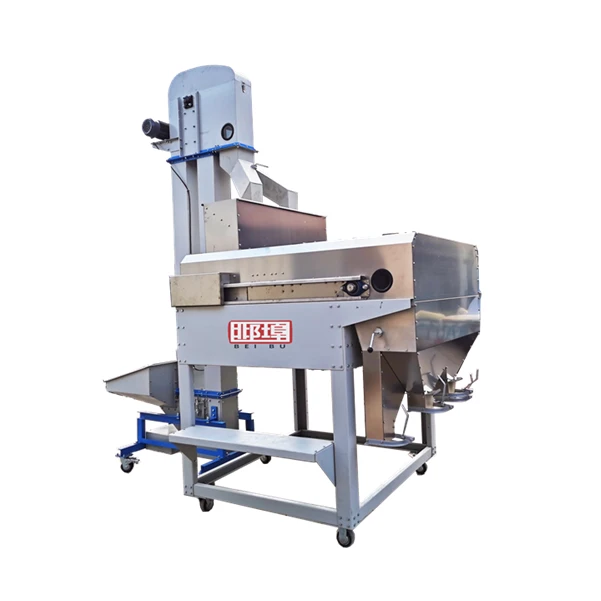
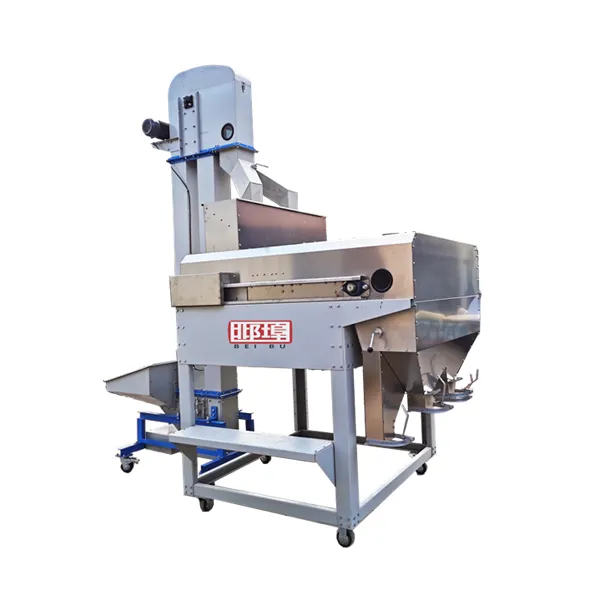
From my experience, bean cleaning machines tailored for these crops can do wonders. One factory I visited last year in Mandalay invested in a combined cleaner and sorter system, and their output purity jumped by nearly 20%. Operators remarked that the ease of switching between sesame and mung bean modes saved a lot of downtime.
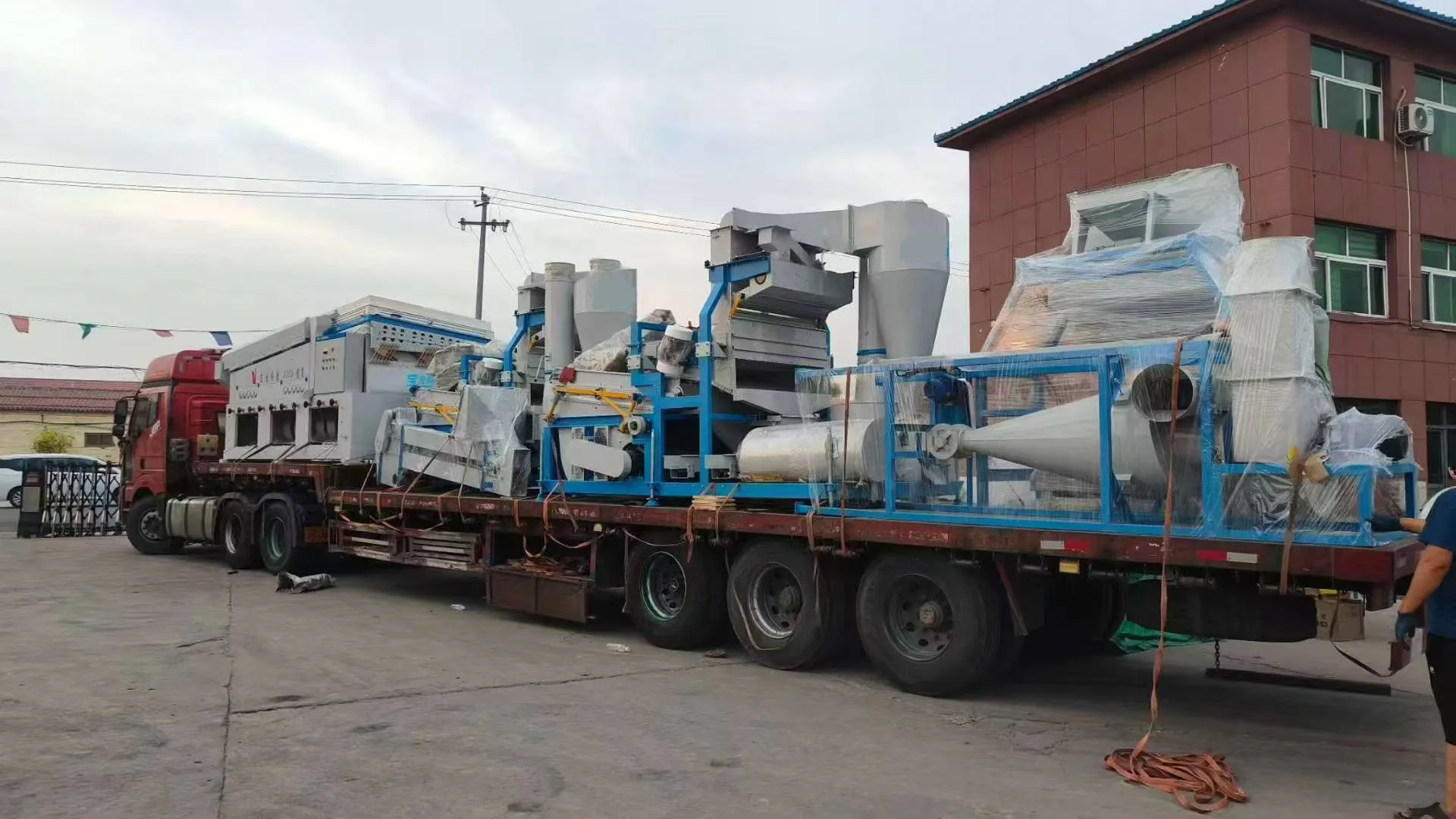
When it comes to choosing equipment vendors, there’s a small but burgeoning market in Myanmar. You’ll typically find local assemblers, regional suppliers from Thailand and China, and international players vying for attention. My advice? Look beyond sticker prices.
So, what’s my take? For many small to medium operations in Myanmar, mid-tier Thai or Chinese suppliers hit a sweet spot between affordability and feature set. But enough about vendors — the real magic is in matching the machine’s specs and durability to the crop characteristics and local environment. Even the best machine can disappoint if it isn’t suited to the dusty, sometimes humid conditions of Myanmar’s bean farms.
One small anecdote I often tell is about a processing facility near Bagan. They had frequent clogging issues with older cleaning equipment. After switching to a bean cleaner with easy-to-remove sieves and adjustable airflow, the operators told me how their downtime dropped dramatically — allowing them to deliver cleaner, more market-ready mung beans on time consistently. These kinds of practical improvements really speak louder than big marketing claims.
If you’re in the business of mung beans or sesame in Myanmar — or even looking to get into it — consider the value of reliable, flexible cleaning technology. Beibu Cleaner’s range, for example, is worth a look, especially if you appreciate equipment designed with regional conditions in mind.
Ultimately, agriculture equipment isn’t one-size-fits-all — and sometimes, that’s where local knowledge and experience come into play. Frankly, I’m always a bit surprised how many people overlook cleaning equipment specs until it slows production or hurts product quality. It feels like once you dial in the right machinery, the entire operation flows more smoothly.
As a final thought: when selecting equipment, don’t just ask for specs or price. Ask for references, visit with operators, test run machines when possible. It’s these seemingly small steps that often save headaches down the road.
In the end, clean sesame and mung beans unlock the best value for Myanmar's producers — and good equipment is the often invisible key to that success.
References:
1. Myanmar Ministry of Agriculture reports, 2023
2. Field interviews with Mandalay processing plants, 2023
3. Beibu Cleaner technical documentation, accessed 2024
Nov. 12, 2025
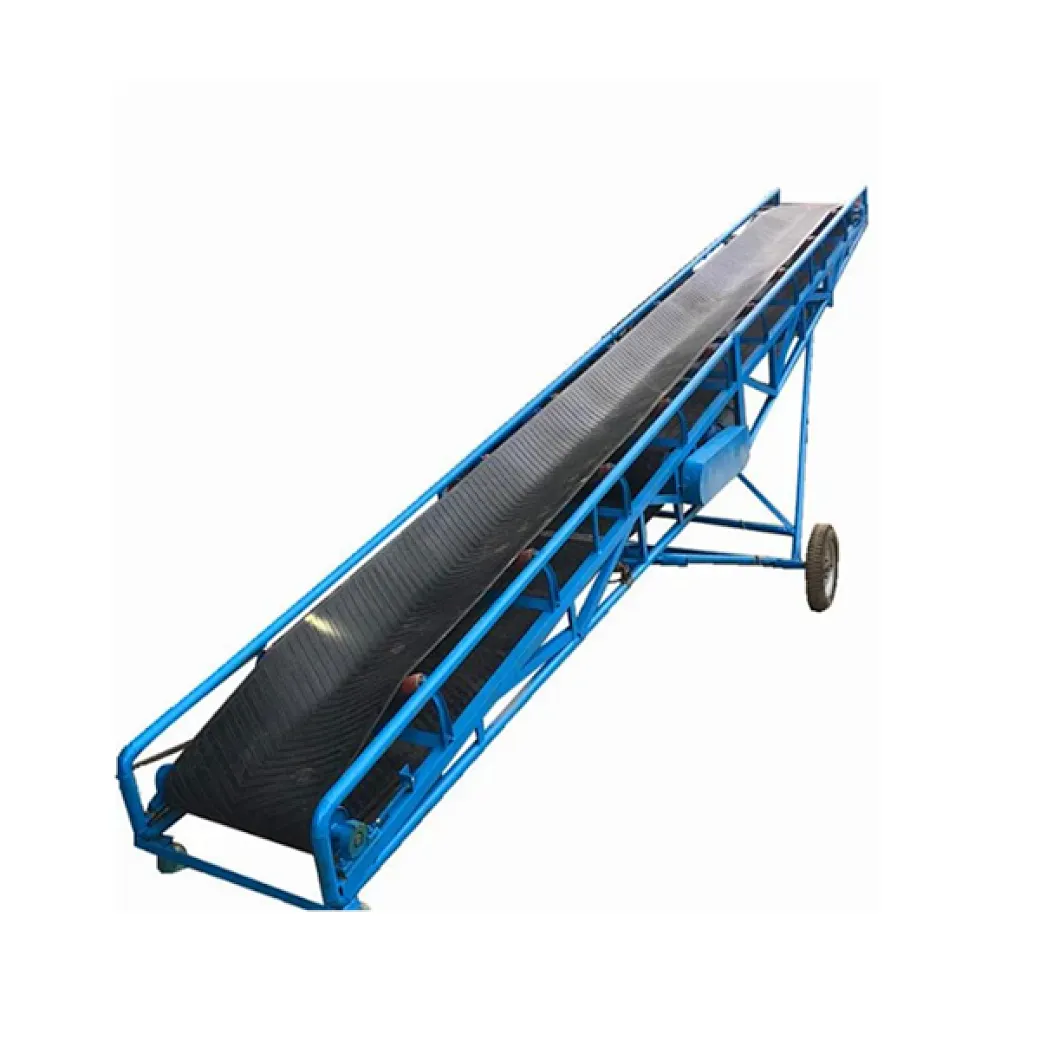
Overbelt Magnetic Separator for Conveyors | Self-Cleaning
Nov. 07, 2024
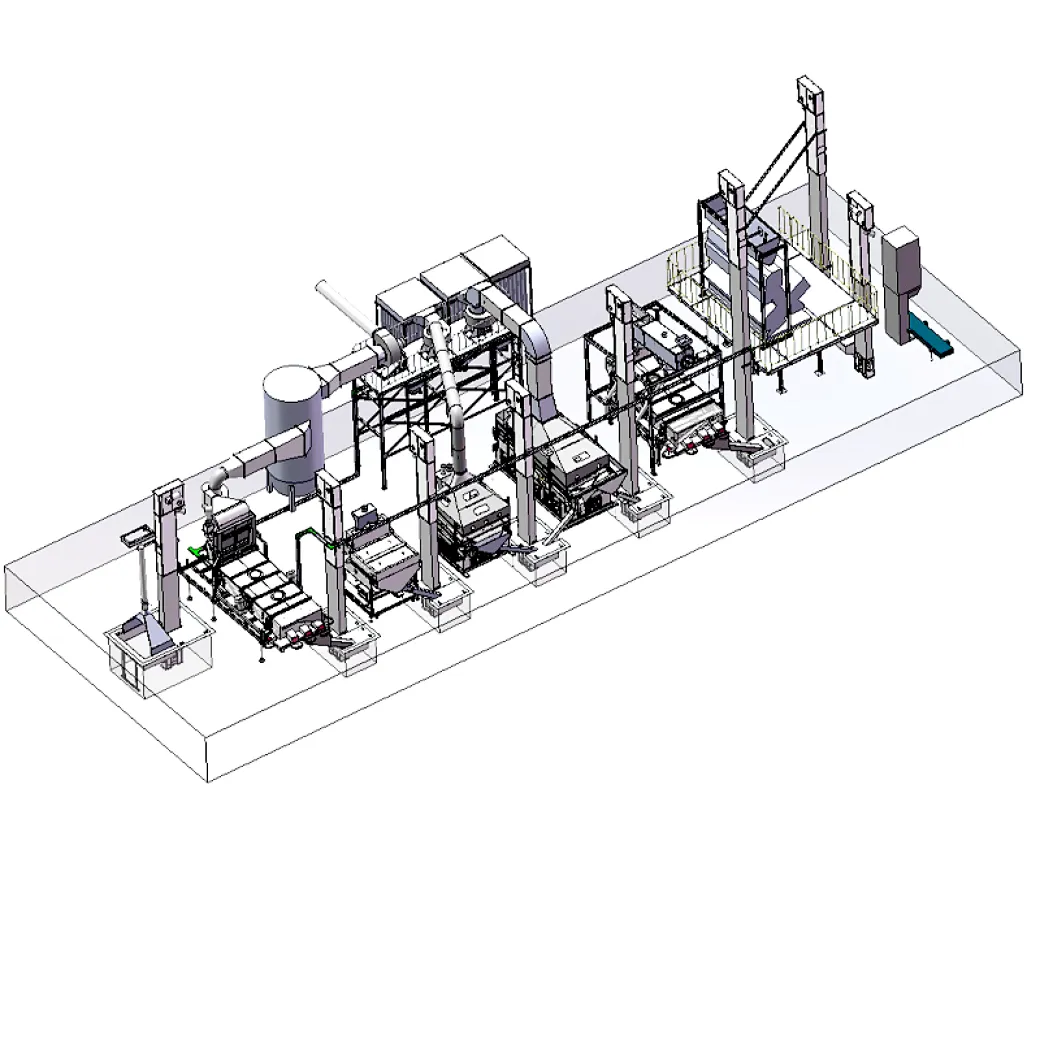
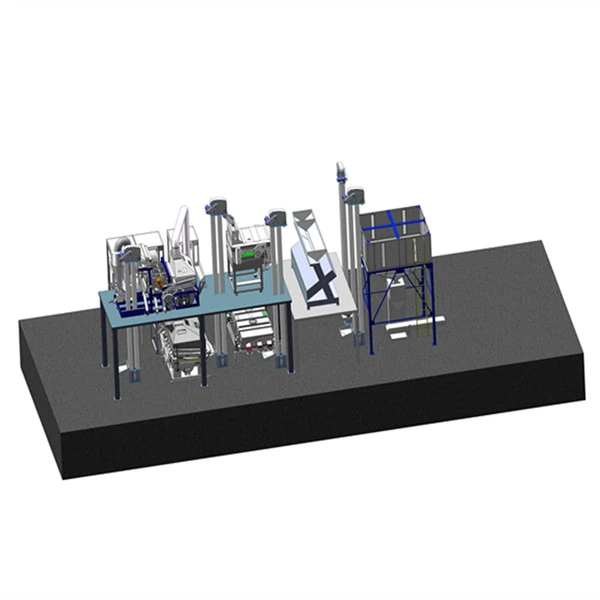
Sesame and Beans Cleaning Processing Line-Hebei Beibu Machinery Technology Co.,LTD
Jul. 19, 2024
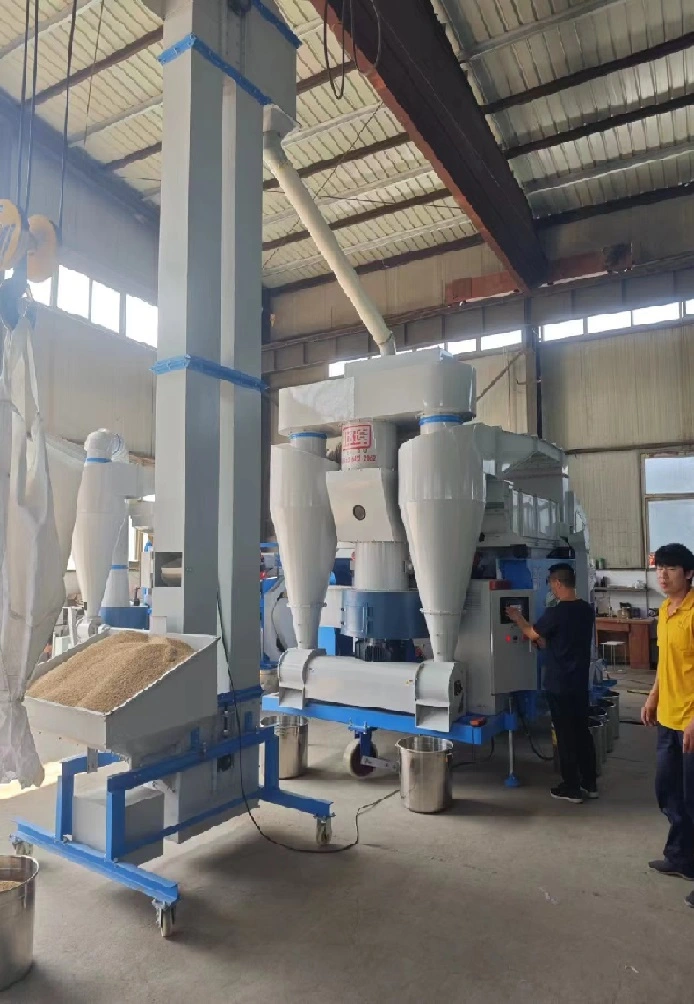
The latest sesame cleaning machine experiment
Oct. 22, 2025
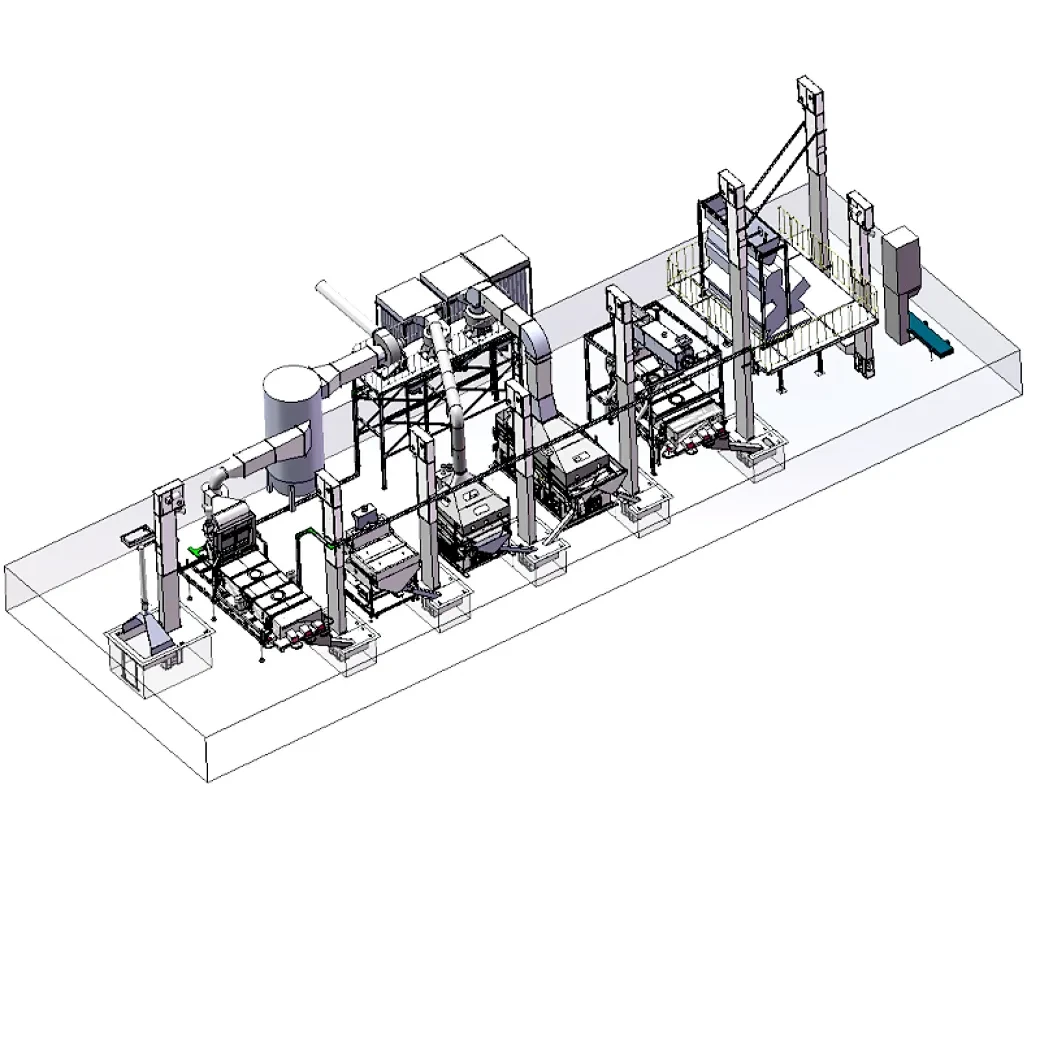
Locust Beans Processing Machine: Hygienic, High-Efficiency
Jul. 25, 2025
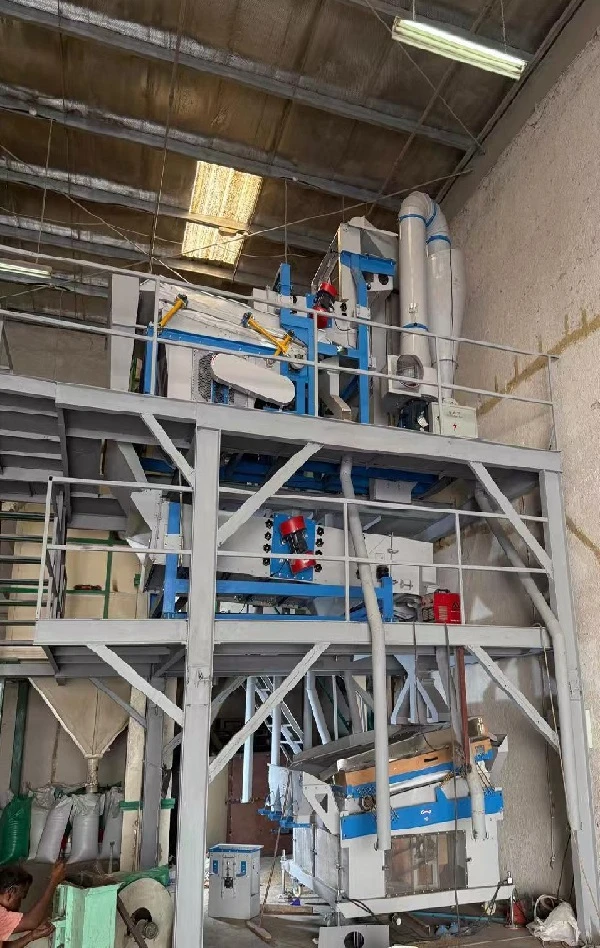
Grain cleaning machine in Dubai
Mar. 29, 2024
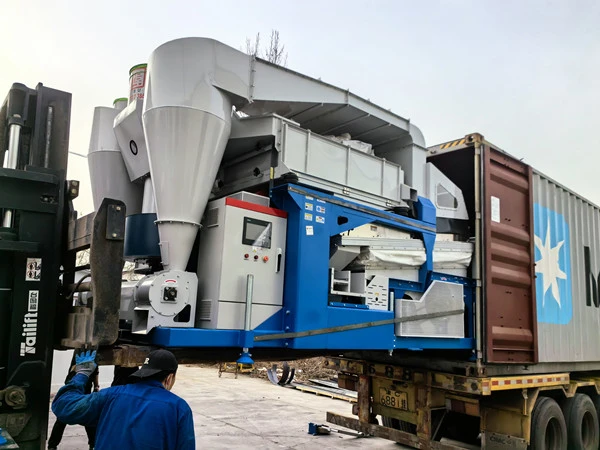
Soybean and Maize Cleaning Machine Loading-Hebei Beibu Machinery Technology Co.,LTD
Beibu Machinery


