



Jan . 02, 2026 01:25
Installing a Coffee Beans Cleaning Line: What You Should Know
Having spent well over a decade in the industrial equipment sector, I’ve seen my fair share of installations—but I have to say, the most recent one I witnessed was particularly interesting: the installation of coffee beans cleaning line. If you’re involved in coffee production, or even just intrigued by how raw beans get prepped for roasting, this process is a fascinating peek behind the curtain.
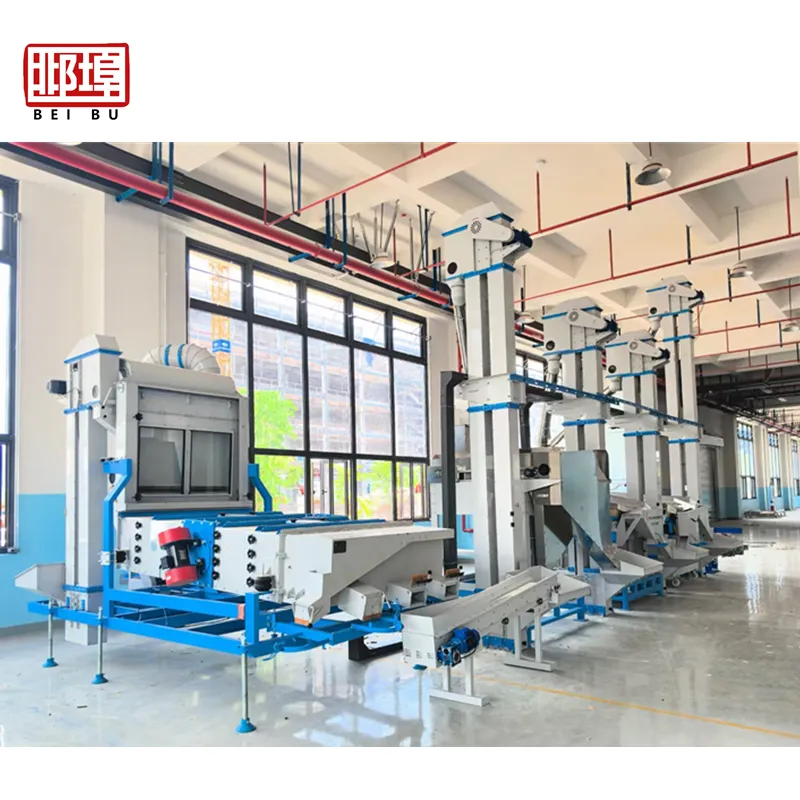
Oddly enough, cleaning coffee beans might feel like just another step, but it’s pivotal. Think about it—raw coffee beans are harvested, often from open fields or large farms, then transported through a fairly open system. That means dirt, stones, broken beans, and sometimes even tiny sticks hitch a ride. The cleaning line ensures all of that unwanted material is out before the beans move on to roasting or further processing. It’s kind of like quality control’s unsung hero.
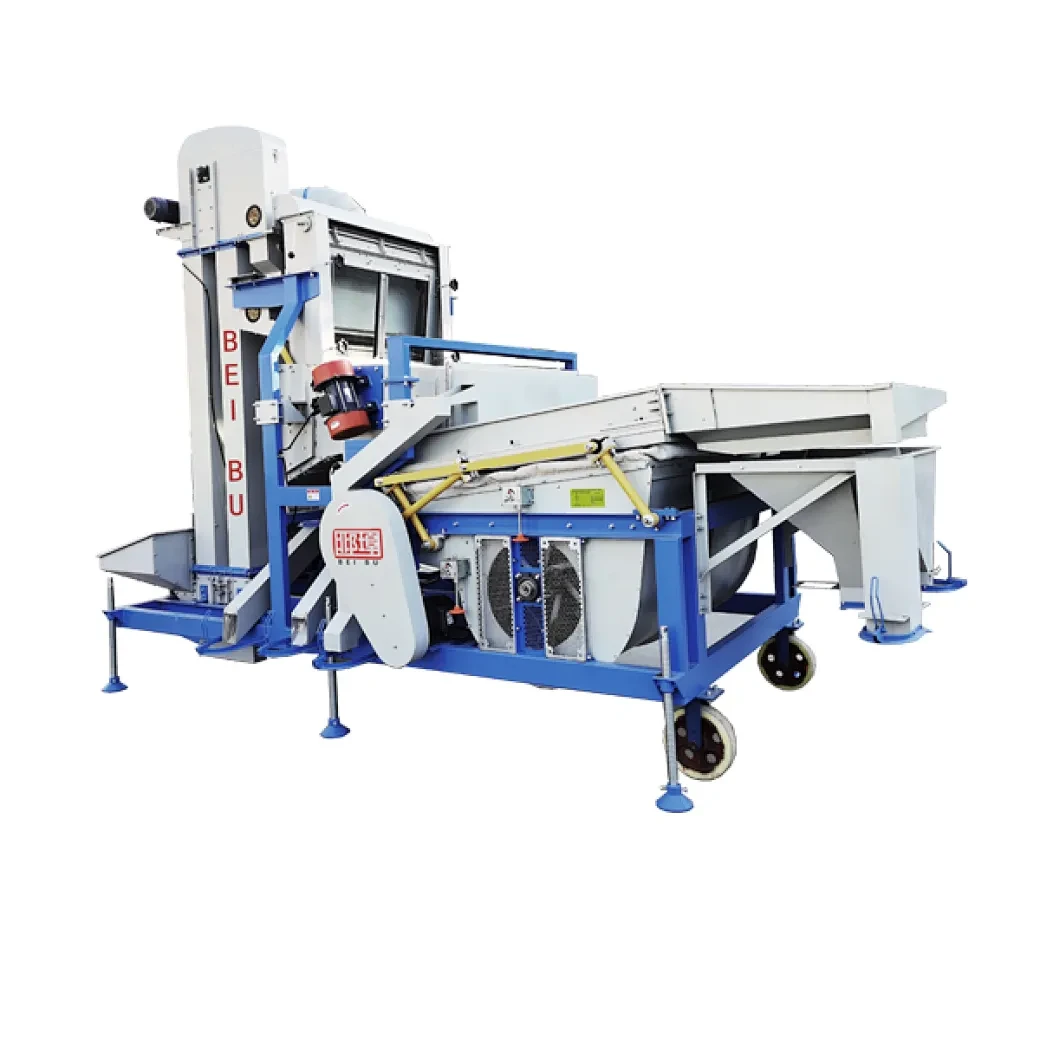
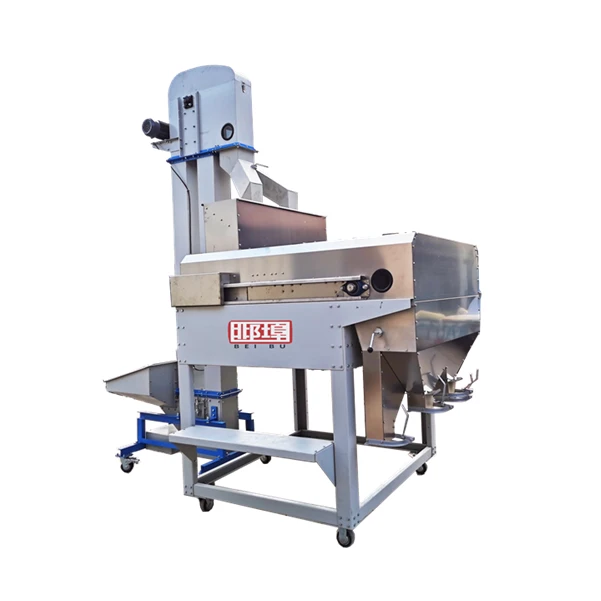
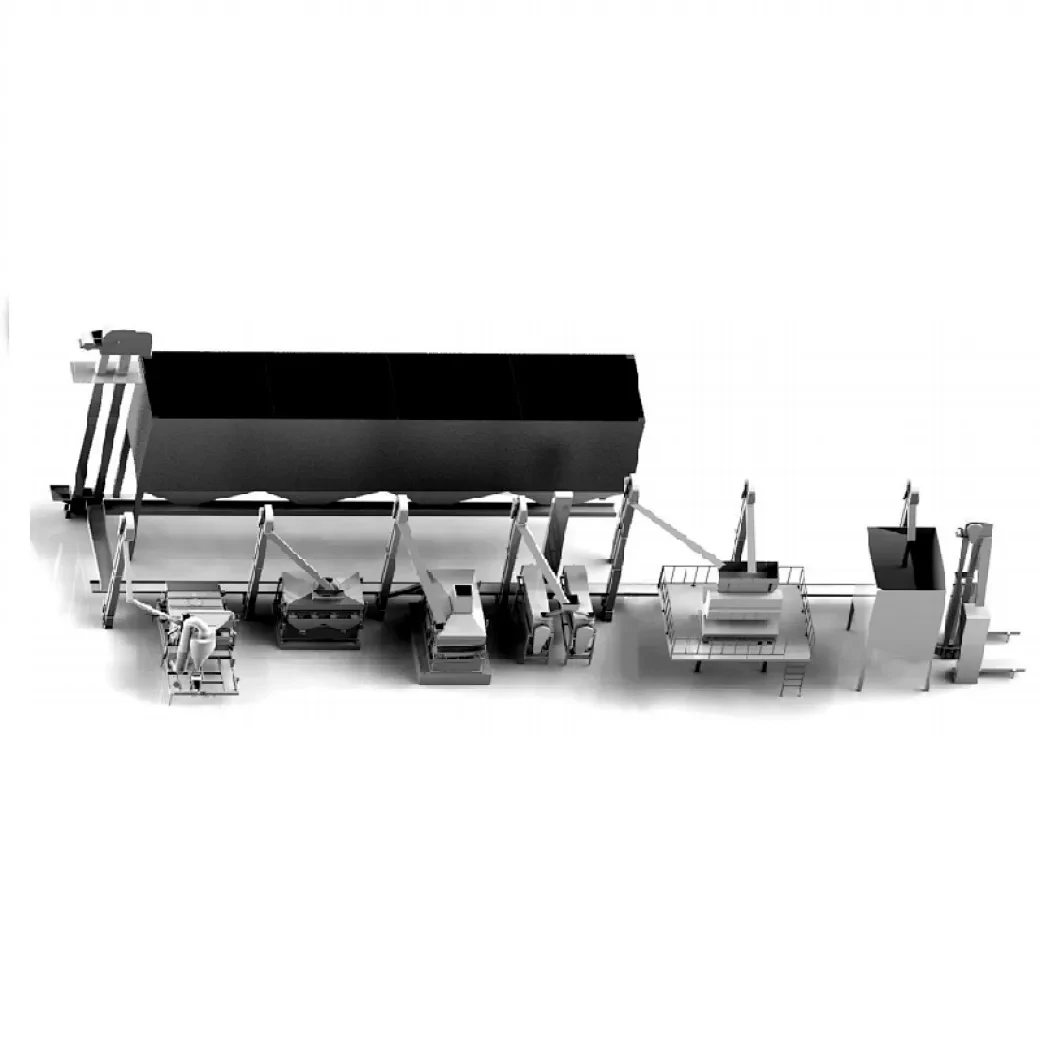
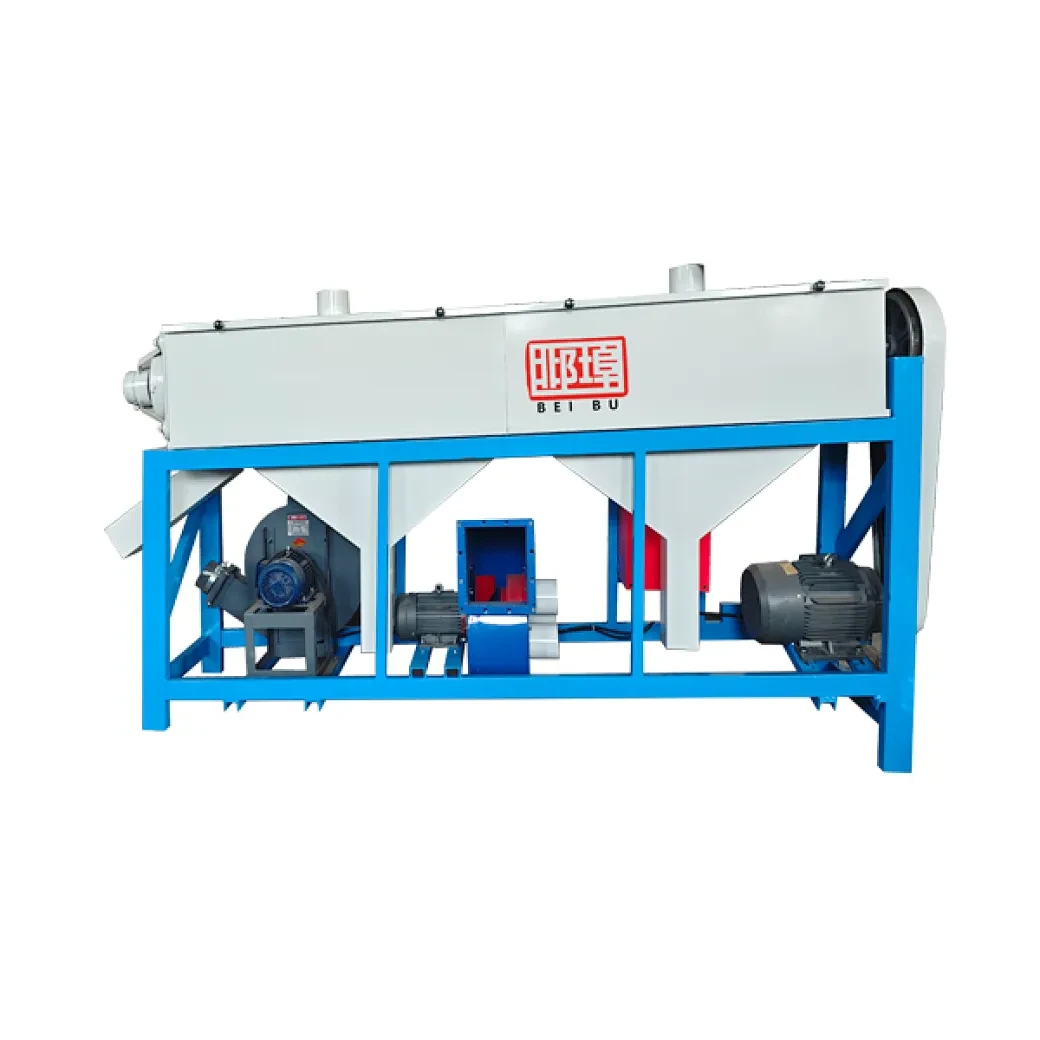
What really caught my attention during the installation was the modular design of the equipment. These cleaning lines typically consist of several stages: pre-cleaning sieves, destoners, magnetic separators, air suction systems, and final grading machines. The cool part? They can be customized to fit different throughput needs—whether you’re processing 1 ton or 10 tons per hour. This flexibility is critical, especially as many coffee producers are scaling up but still want to maintain quality.
From a materials standpoint, you want machines made from stainless steel or similar corrosion-resistant materials. Coffee beans, while dry, still have oils and can lead to residue build-up, so ease of cleaning and durability matter a lot. I noticed the unit we installed featured smooth welds and easily detachable parts—small details that make maintenance far less of a headache.
Testing the line before going fully operational is another thing. It’s tempting to rush, but many engineers I know recommend running at partial capacity first, watching key parameters like impurity removal rates and bean integrity. You might be surprised how delicate those beans really are—drop them too harshly and you can end up with broken beans, which are a downgrade in both quality and price.
Now, I suppose you might wonder how this machine stacks against competitors. After all, there are quite a few vendors claiming to have the best tech in coffee bean cleaning—and frankly, while many are good, some tend to overpromise. Here’s a quick vendor comparison I drew up based on real-world specs and post-installation support feedback:
One memorable day, a small coffee mill owner shared how upgrading from a rustic manual cleaning system to a full automated line drastically cut his post-harvest losses. Prior to installation, he’d lose close to 15% of beans to impurities and breakage; after the upgrade, losses dropped to under 3%. That sort of impact is not just about numbers, but the pride in delivering cleaner beans to customers and commanding better market prices.
In real terms, installing a coffee beans cleaning line is an investment in quality and consistency. And frankly, it’s rewarding to see giant sacks of raw beans transformed into cleaner, even-looking green coffee, ready to unlock complex flavors down the line.
If you’re considering a line for your operation, I’d say evaluate not only specs but long-term support and ease of maintenance. It tends to be the difference between a smooth-running plant and constant downtime.
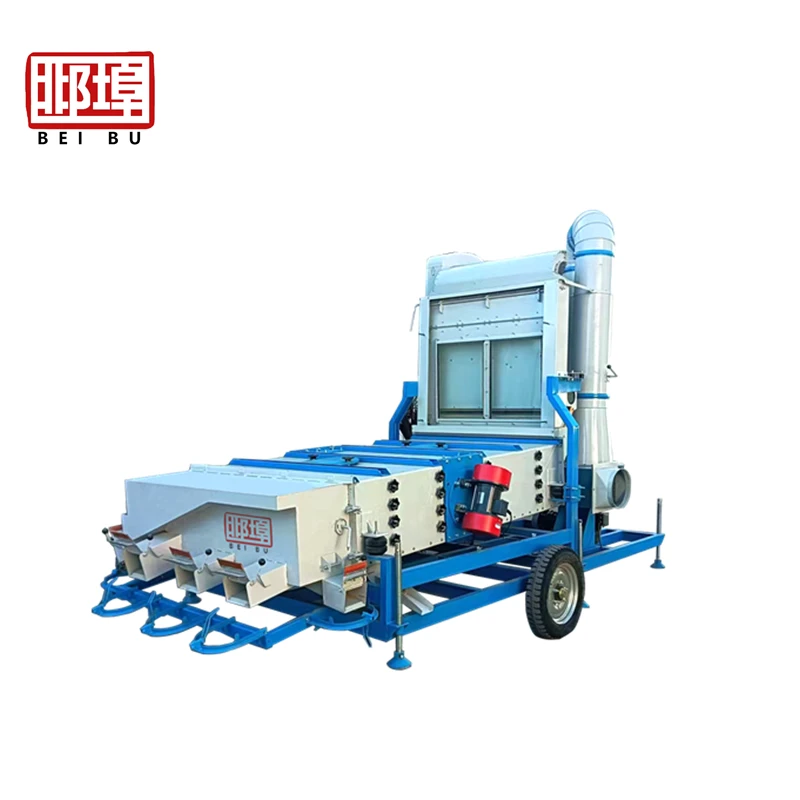
For a closer look at the equipment I mentioned—and to get an idea of customization options—you might want to check out coffee beans cleaning line providers like Beibu Cleaner. Their mix of modularity and build quality stood out during the installation I observed.
All in all, installing one of these lines isn’t rocket science, but it does need someone who knows their beans from their impurities.
Short takeaway: Great coffee starts with clean beans, and a well-installed cleaning line is where that journey truly begins.
References:
1. International Coffee Organization, “Post-harvest processing trends,” 2022.
2. Beibu Cleaner, Product Manuals and Case Studies, 2023.
3. Field interviews with small-scale coffee mill owners, 2023.
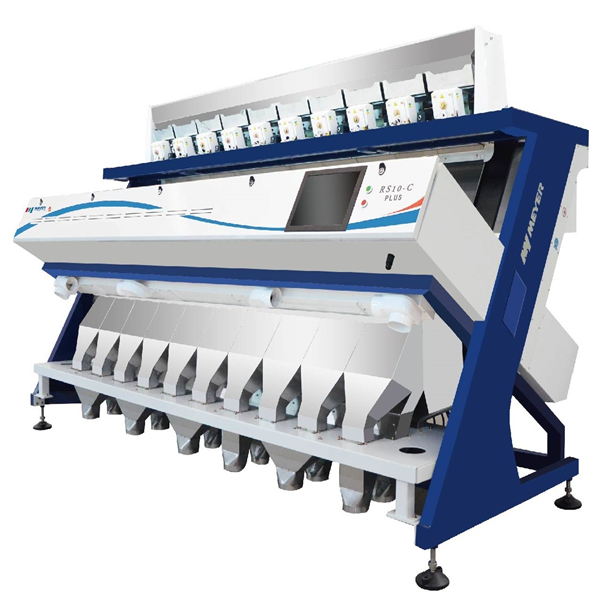

Sep. 16, 2025
Efficient Grain Destoner Machine | Stone Removal for Purity
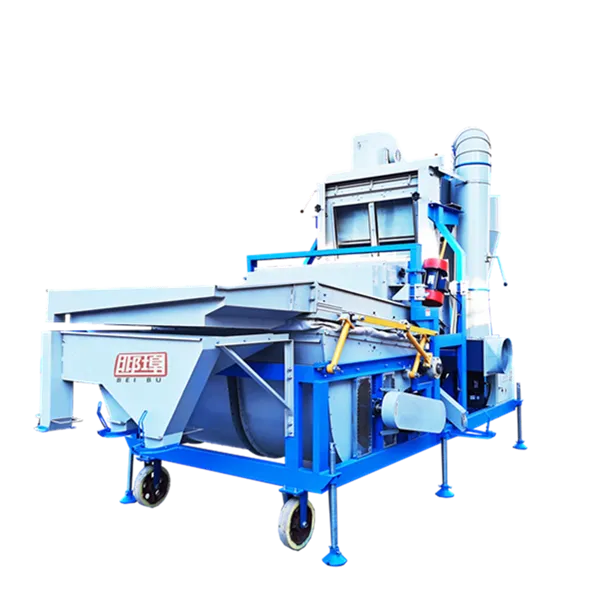
Dec. 19, 2024
How to choose the right grain cleaning machine?-Hebei Beibu Machinery Technology Co.,LTD
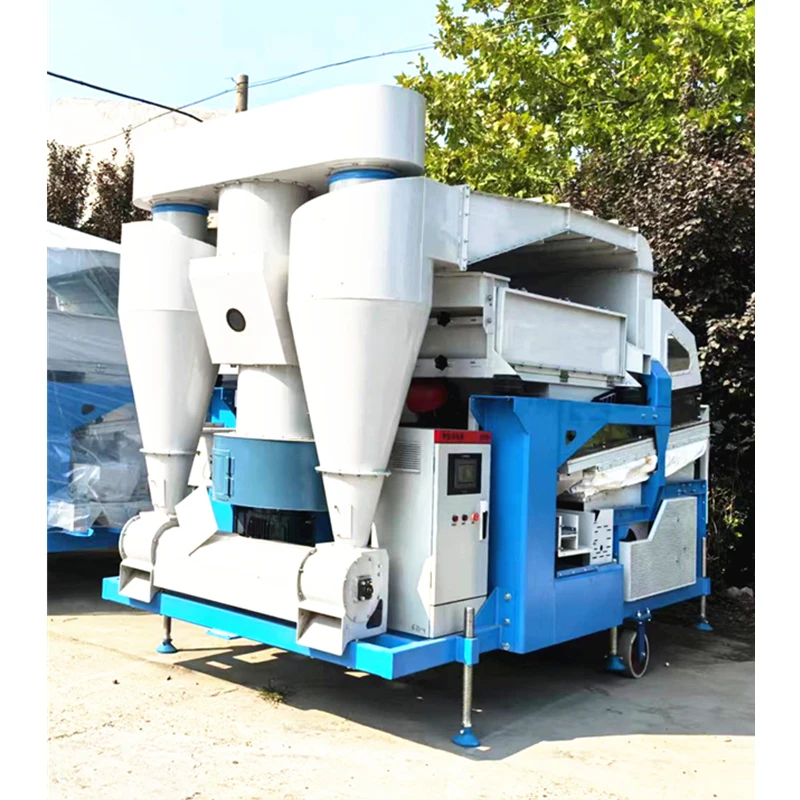
Dec. 31, 2025
Reliable Grain Cleaning Equipment for Wheat Harvest 2025
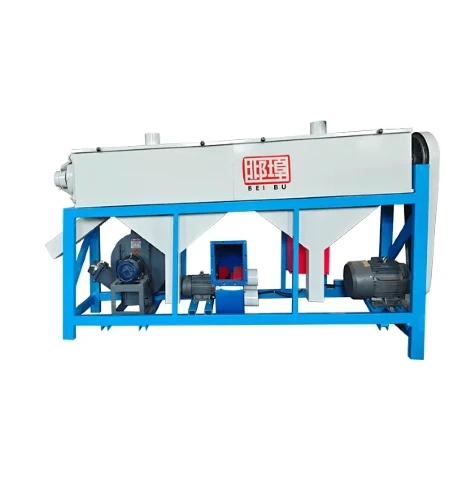
Aug. 27, 2025
Polishing Machine: A Precision Equipment for Shaping the Surface Texture of Materials
Mar. 20, 2024
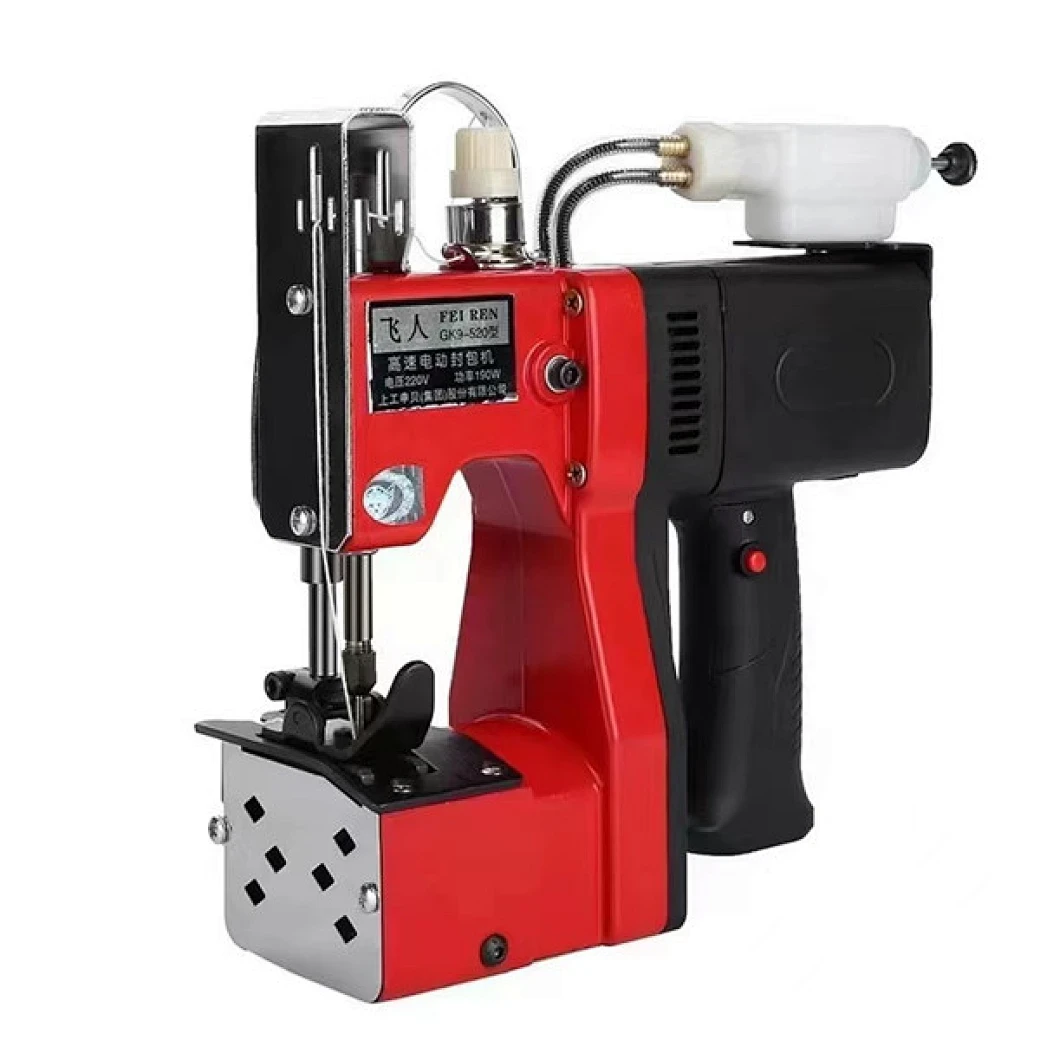
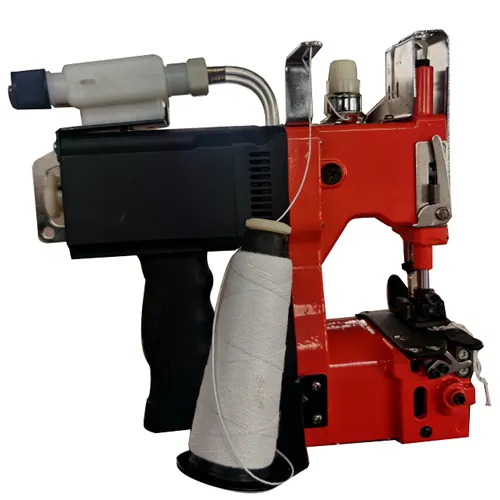
Hand Sewing Machine for PP Bags-Hebei Beibu Machinery Technology Co.,LTD
Jan. 06, 2026
Beibu Machinery


