



Aug . 13, 2025 06:00
The Crucial Role of Elevators in Modern Rice Milling: Industry Trends and Innovations
In the contemporary agricultural processing landscape, particularly within the vast and critical rice industry, the efficiency and quality of material handling are paramount. At the core of a streamlined rice mill operation lies the sophisticated material transport system, with the elevator rice mill playing an indispensable role. This specialized equipment is engineered to vertically convey rice grains, paddy, and by-products through various stages of processing, from pre-cleaning and drying to hulling, polishing, and packaging. The global demand for high-quality rice, coupled with increasing operational costs, has driven significant innovation in elevator technology, emphasizing attributes such as gentle handling, energy efficiency, and extended operational lifespan. Current industry trends highlight a strong shift towards automation, intelligent control systems, and machinery designed to minimize grain breakage and maximize yield, directly impacting profitability and product quality for millers worldwide.
Modern rice milling facilities are complex ecosystems where each component must perform flawlessly to ensure optimal output. Traditional grain elevators, while effective for bulk transport, often pose challenges regarding grain integrity, leading to significant losses due to breakage and dust generation. This issue is particularly critical for rice, where the market value is directly proportional to the percentage of whole grains. Consequently, there's an escalating demand for specialized conveying solutions like the Low Speed No Broken Elevator, designed explicitly to overcome these limitations. These advanced systems are engineered to handle delicate grains with utmost care, preserving their structural integrity and, by extension, the final product's quality and market value. Furthermore, the push for sustainable practices in agriculture has amplified the need for elevators that offer superior energy efficiency, contributing to lower carbon footprints and reduced operational expenses for large-scale milling operations.
Technical Ingenuity: The Low Speed No Broken Elevator Explained
The Low Speed No Broken Elevator, often categorized as a specialized type of rice elevator machine, represents a significant advancement in grain handling technology. Its core principle revolves around minimizing impact and friction during grain conveyance. Unlike conventional bucket elevators that operate at higher speeds, leading to potential grain damage upon discharge or contact with the casing, this low-speed variant employs a carefully calibrated mechanism. Buckets are typically made from durable, non-abrasive materials and are spaced to ensure optimal filling and gentle discharge. The reduced operational speed inherently lowers kinetic energy transfer upon impact, significantly preserving the integrity of individual rice kernels. This design is crucial for high-value rice varieties where even minor breakage can reduce their market classification and overall profitability.
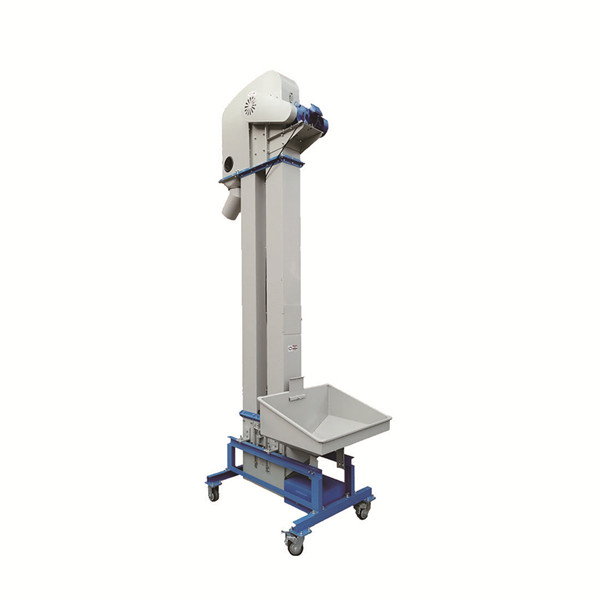
Key features of this specialized rice bucket elevator include robust construction from high-grade steel, often with specialized coatings for enhanced corrosion resistance, especially in humid milling environments. The drive system typically incorporates a high-efficiency motor paired with a precision gearbox, allowing for stable, low-speed operation. Tensioning devices ensure consistent belt or chain alignment, preventing wear and maintaining smooth conveyance. Furthermore, inspection windows and easy-access panels are integrated into the design, facilitating routine maintenance and quick troubleshooting. The structural components are designed for high stability, minimizing vibration and ensuring precise alignment throughout its operational life. This meticulous engineering directly translates to reduced wear and tear on components, extending the elevator's service interval and lowering long-term maintenance costs for the mill owner.
Precision Manufacturing & Rigorous Quality Assurance
The manufacturing process of a high-performance elevator rice mill adheres to stringent industrial standards to ensure durability, reliability, and precision. It begins with the selection of premium-grade materials, typically high-tensile carbon steel or stainless steel (for enhanced corrosion resistance in specific processing stages). Critical components, such as the head and boot sections, are often fabricated using advanced CNC machining processes to achieve exact tolerances, ensuring smooth operation and minimal vibration. For larger structural elements, automated welding techniques are employed to guarantee robust joints that withstand continuous operational stress. The buckets themselves are usually formed from high-density polyethylene (HDPE) or other food-grade, abrasion-resistant polymers, specifically chosen for their low friction coefficient and minimal impact on the delicate rice kernels.
Quality control is integrated at every stage of production. Raw materials undergo rigorous chemical and physical property testing to ensure compliance with standards like ASTM or EN. Manufacturing processes, including precision casting for complex parts or forging for high-stress components, are continuously monitored. Post-fabrication, each module of the rice elevator machine undergoes non-destructive testing (NDT) methods like ultrasonic or radiographic inspection to detect any internal flaws. Before assembly, dimensional verification using coordinate measuring machines (CMM) ensures all parts meet precise specifications. Finally, the assembled elevator undergoes a comprehensive functional test, simulating operational loads and speeds, to verify performance parameters such as lifting capacity, power consumption, and vibration levels. Adherence to international standards such as ISO 9001 for quality management and relevant ANSI/CE directives ensures that the final product meets the highest benchmarks for safety and performance, contributing to an extended service life often exceeding 15-20 years with proper maintenance. This meticulous approach guarantees an exceptionally reliable solution for various applications, including grain processing, as well as, potentially, fine aggregate or chemical powder handling where particle integrity is critical.
Key Technical Parameters and Performance Metrics
Understanding the technical parameters of an elevator rice mill is crucial for mill operators and engineers to select the appropriate model for their specific throughput requirements and facility layout. These parameters define the machine's capabilities and its suitability for various stages of the rice milling process. Capacity, often measured in tons per hour (t/h), is a primary consideration, indicating the volume of grain the elevator can transport within a given timeframe. Lifting height, the vertical distance the material is conveyed, dictates where the elevator can be positioned within the multi-story milling structure. Power consumption, expressed in kilowatts (kW), directly impacts operational costs and energy efficiency, a key factor in modern mills striving for sustainability.
| Parameter | Unit | Typical Range (Low Speed No Broken Elevator) |
|---|---|---|
| Rated Capacity | t/h (tons per hour) | 5 - 100 |
| Lifting Height | m (meters) | 5 - 50 |
| Power Requirement | kW (kilowatts) | 1.5 - 22 |
| Bucket Material | - | HDPE (Food-grade), Nylon |
| Casing Material | - | Carbon Steel (Powder Coated), Stainless Steel |
| Grain Breakage Rate | % | < 0.1 (significantly lower than conventional) |
| Noise Level | dB(A) | Typically |
Furthermore, the type of drive (e.g., geared motor, direct drive), the belt or chain type (e.g., rubber belt, steel chain), and bucket design (e.g., seamless, overlapping) all contribute to the overall performance. A critical performance metric for a rice bucket elevator is the grain breakage rate, which, for a low-speed design, should be remarkably low, often less than 0.1%. This directly translates to higher head rice yield, maximizing the economic return for millers. The robust construction and use of wear-resistant materials also contribute to extended operational periods between maintenance cycles, minimizing downtime and optimizing continuous production.
Application Scenarios & Unmatched Advantages in Rice Milling
The Low Speed No Broken Elevator finds its primary and most critical applications throughout the entire rice milling process, where preserving grain integrity is paramount. From the initial stages of paddy reception and cleaning, where gentle handling prevents damage to raw grains, to the drying, storage, and subsequent processing phases like hulling, whitening, and polishing, this specialized elevator rice mill ensures continuous, damage-free material flow. It is particularly indispensable when conveying parboiled rice or specialty rice varieties, which are more susceptible to breakage. Beyond rice, its gentle conveying mechanism makes it suitable for other delicate grains such as corn, wheat, pulses, and even granular materials in the food processing or chemical industries where particle degradation must be avoided. Its robust design also allows for effective use in demanding environments, exhibiting excellent anti-corrosion properties when properly specified with materials like stainless steel or specialized coatings, vital in high-humidity regions.
The technical advantages offered by the Low Speed No Broken Elevator are substantial and directly contribute to improved operational efficiency and profitability. Firstly, the dramatically reduced grain breakage rate (often less than 0.1%) directly translates into higher head rice yield, maximizing the revenue from each batch of paddy. Secondly, its low-speed operation significantly reduces wear and tear on components, leading to an extended service life and substantially lower maintenance costs compared to conventional high-speed elevators. Energy efficiency is another key benefit; the optimized design and slower operational speed often result in reduced power consumption per ton of material conveyed. Furthermore, the quieter operation contributes to a more favorable working environment within the mill, aligning with modern industrial safety and comfort standards. This cumulative effect of reduced loss, lower operational expenses, and enhanced product quality establishes it as an intelligent investment for any modern rice milling operation.
Choosing Your Partner: Manufacturer Comparison and Custom Solutions
Selecting the right manufacturer for an elevator rice mill is a strategic decision that impacts the long-term efficiency and profitability of a milling operation. While many providers exist, discerning buyers should evaluate manufacturers based on several key criteria: proven technological expertise in low-breakage conveying, adherence to international quality standards (e.g., ISO 9001, CE), the availability of comprehensive after-sales support, and a track record of successful installations. Reputable manufacturers often invest heavily in R&D to continuously improve their designs, offering innovations in bucket materials, drive systems, and structural integrity. Experience, spanning decades in the grain processing machinery sector, is often a strong indicator of a company's reliability and understanding of specific industry needs.
| Feature/Criterion | Standard High-Speed Elevator | Low Speed No Broken Elevator (e.g., Beibu Cleaner) |
|---|---|---|
| Primary Design Focus | High throughput, general bulk handling | Minimal grain breakage, gentle handling, specific grain types |
| Grain Breakage Rate | Higher (typically >0.5% for rice) | Extremely low (typically |
| Operational Speed | High (e.g., 2-3 m/s) | Low (e.g., 0.5-1.5 m/s) |
| Bucket Material | Metal, thick plastic | Food-grade HDPE, specialized non-abrasive polymers |
| Energy Efficiency | Standard | Optimized, generally higher efficiency |
| Customization Options | Limited to standard configurations | Extensive (height, capacity, material, layout) |
Beyond standard offerings, the ability to provide custom solutions is paramount for complex milling operations. A leading rice bucket elevator manufacturer should offer tailored designs, adapting the elevator's height, capacity, material of construction, and layout to fit unique factory footprints and specific processing requirements. This includes integration with existing machinery, specific explosion-proof ratings for dusty environments, or specialized cleaning mechanisms. For instance, a milling facility focused on organic rice might require full stainless steel construction and easy-to-clean designs to prevent cross-contamination. Such bespoke engineering ensures maximum efficiency and seamless integration into the overall milling infrastructure, optimizing workflow and minimizing installation complexities.
Ensuring Trust: Support, Deliverables, and Warranty
For B2B procurement of capital equipment like an elevator rice mill, trust is built not only on product quality but also on transparent processes and comprehensive support. A robust delivery schedule outlining manufacturing, testing, and shipping phases is essential for project planning. Typical lead times can vary from 8 to 16 weeks, depending on the complexity of customization and current production pipeline, with clear milestones communicated to the client. This transparency allows millers to accurately plan their operational upgrades or new facility constructions, minimizing costly downtime or delays. Beyond delivery, a reputable manufacturer provides comprehensive documentation, including detailed installation guides, operation manuals, and spare parts lists, facilitating seamless integration and long-term operational efficiency.
Frequently Asked Questions (FAQ)
-
Q: What is the typical lifespan of a Low Speed No Broken Elevator?
A: With proper maintenance and adherence to operational guidelines, these elevators are designed for an extended service life, often exceeding 15 to 20 years, thanks to their robust construction and gentle operating mechanism.
-
Q: How does the "no broken" feature specifically work?
A: The "no broken" aspect is achieved through a combination of low operational speed, specially designed non-abrasive buckets that prevent impact damage, and optimized discharge mechanisms that gently release grain without free fall or crushing. This minimizes kinetic energy transfer to the delicate rice kernels.
-
Q: Is customization available for specific milling layouts?
A: Absolutely. Reputable manufacturers offer extensive customization options including adjustable heights, varying capacities, choice of materials (e.g., stainless steel for food contact), and integration with existing control systems to precisely fit your mill's unique operational and spatial requirements.
Warranty and after-sales support are paramount indicators of a manufacturer's commitment to their product and customers. Standard warranties typically cover manufacturing defects for 12 to 24 months from installation or shipment. Beyond the warranty period, access to a dedicated customer support team for technical assistance, troubleshooting, and spare parts procurement is vital. Many leading suppliers offer remote diagnostics, on-site technical visits, and preventative maintenance contracts to ensure the continuous, optimal performance of the rice elevator machine, minimizing unscheduled downtime and preserving the asset's value over its long operational life.
References
- Mohapatra, D., et al. "Post-harvest Technology of Cereals and Pulses." Journal of Agricultural Engineering Research, Vol. 78, No. 3, 2001, pp. 249-261.
- FAO. "Rice Post-Harvest Operations." Food and Agriculture Organization of the United Nations, Agricultural Services Bulletin 157, 2004.
- Kumar, P., et al. "Advances in Grain Processing Technology." International Journal of Food Science and Technology, Vol. 45, No. 8, 2010, pp. 1629-1639.
- ASAE Standards. "S354.5: Method of Determining and Expressing Fineness of Feed Materials by Sieving." American Society of Agricultural and Biological Engineers, 2011.
Aug. 06, 2025
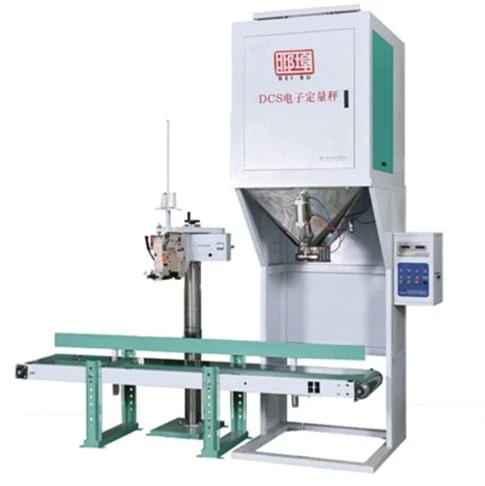
Automatic Grain Packing Machine: Revolutionizing the Packaging Industry
May. 27, 2024
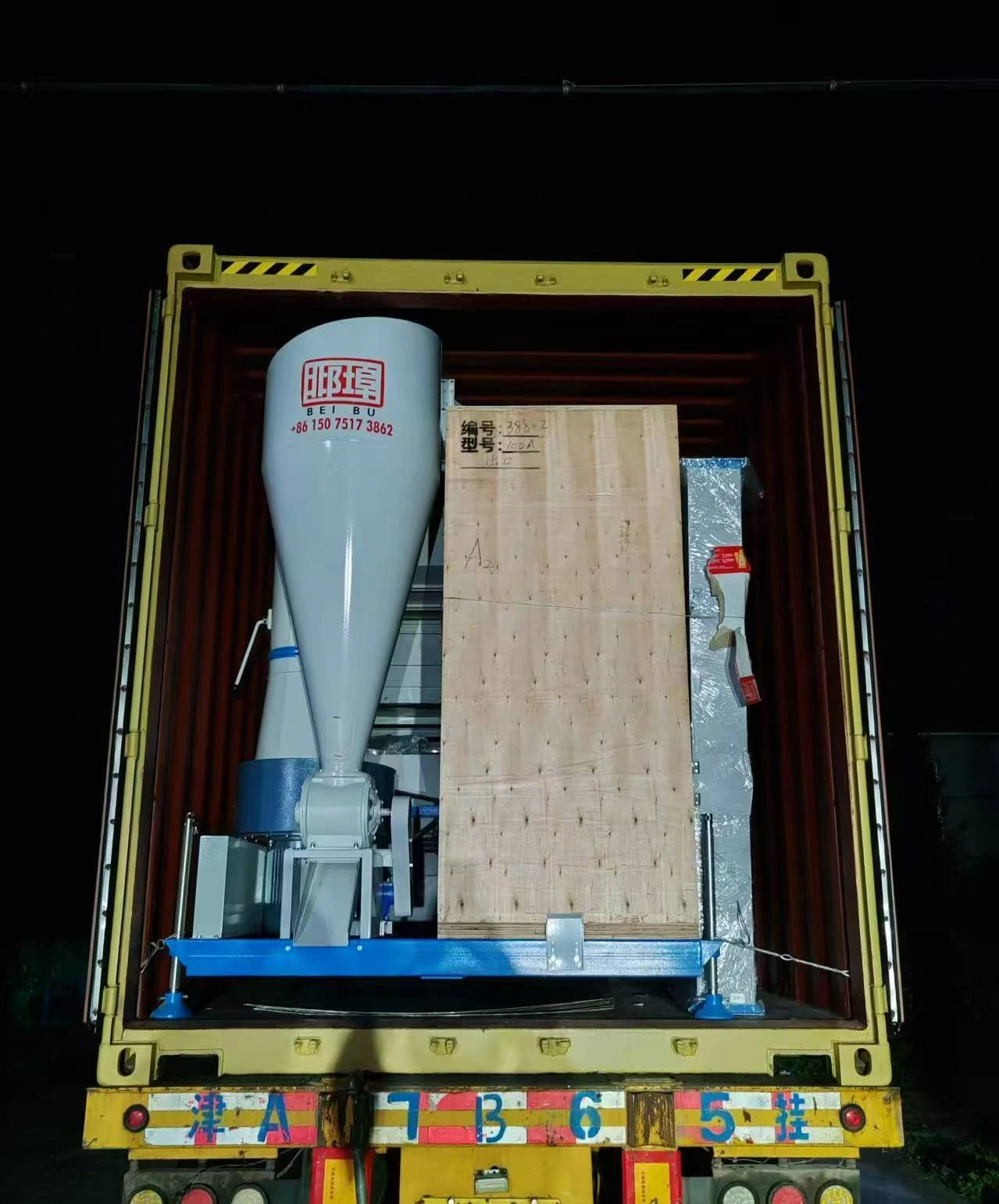
sesame cleaning machine loading container
Jul. 24, 2024
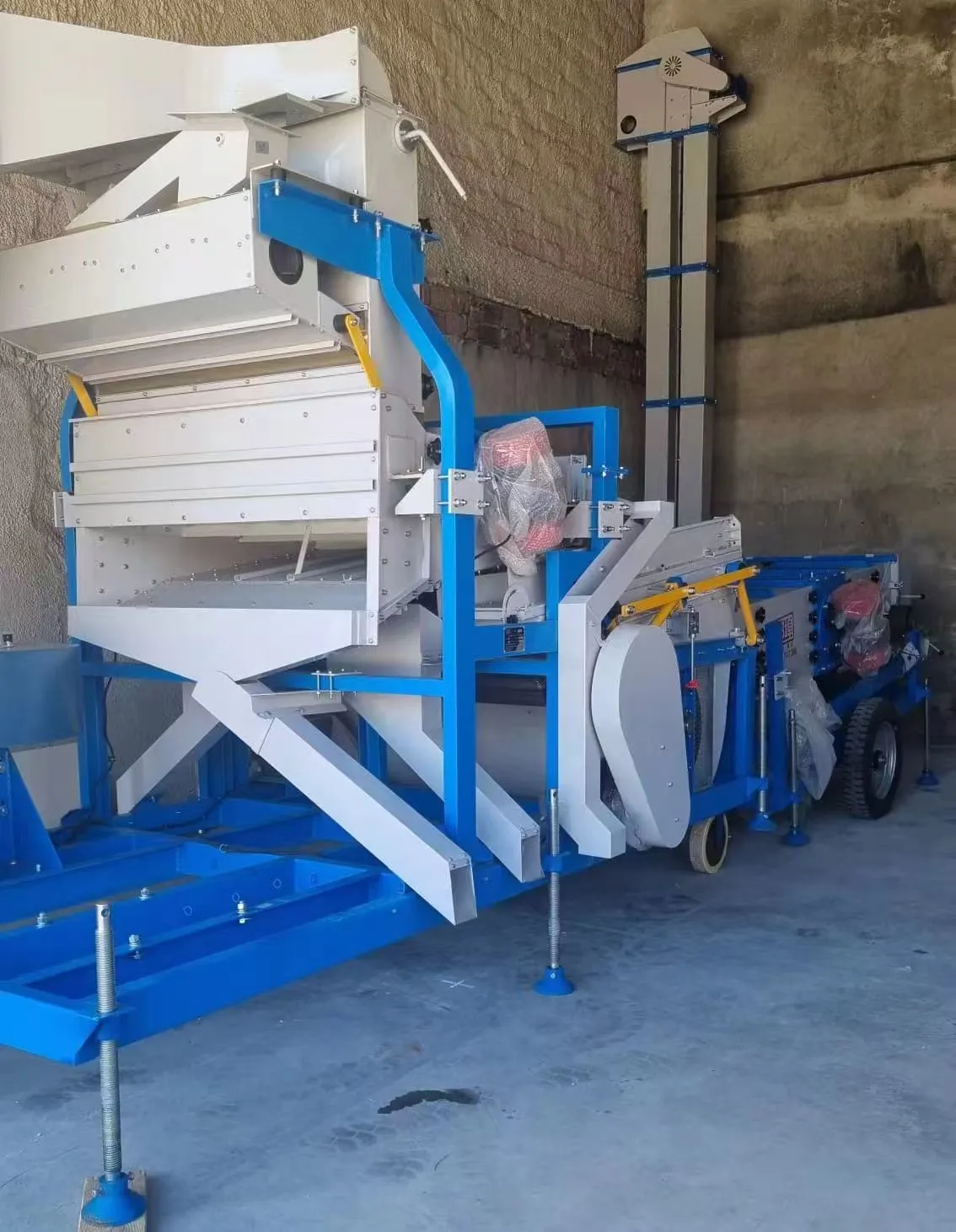
Beibu Machinery-Bean production line installed
Sep. 05, 2025
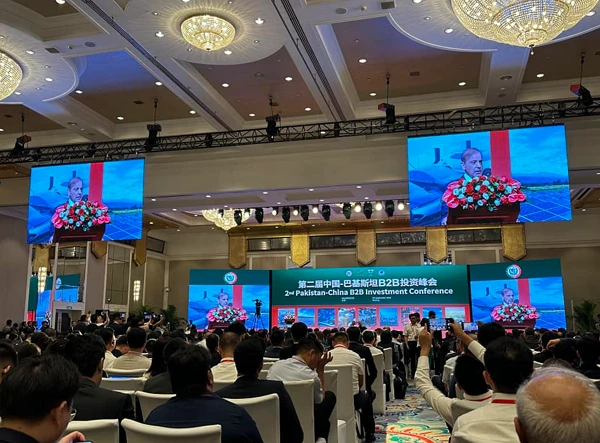
Beibu Machinery appeared at the 2nd China-Pakistan B2B Investment Summit
Nov. 20, 2025
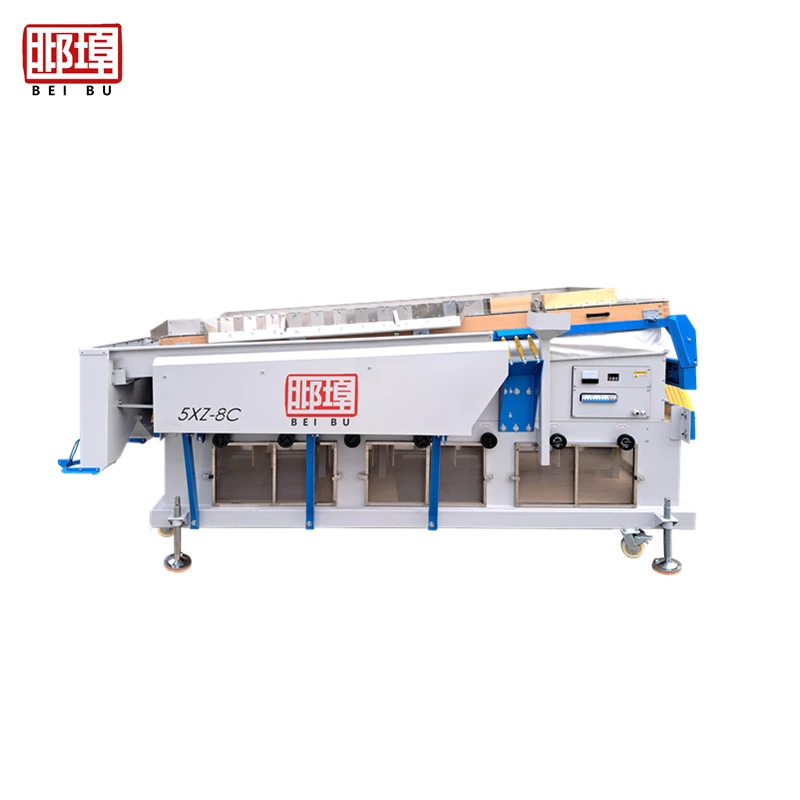
Gravity Table Separator for Sale | Precise, High Capacity
Feb. 05, 2025
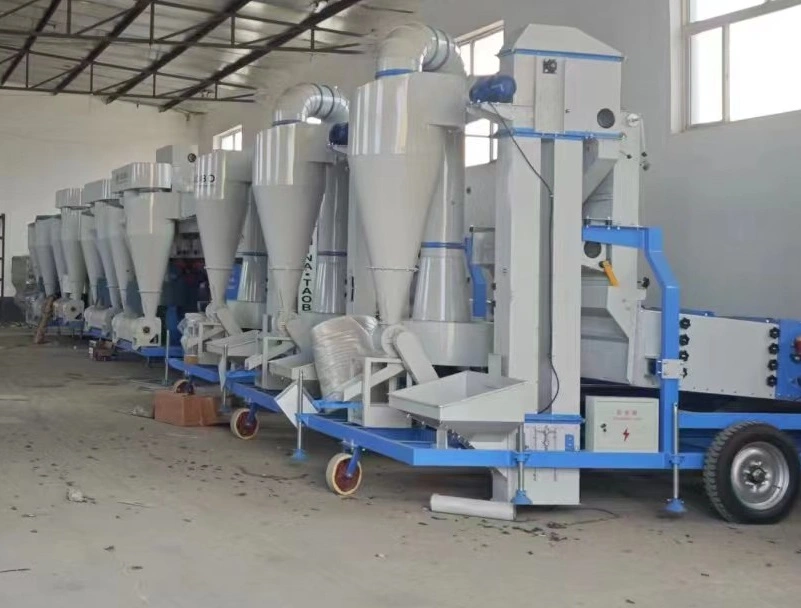
The new year for grains cleaning machine has begun
Beibu Machinery


