



Aug . 27, 2025 14:11
In the fields of agricultural warehousing, grain processing, chemical production, etc., Grain Bag Sewing Machine, as a key equipment for bulk material packaging, has become an important tool for connecting production and storage links with stable sewing performance and wide adaptability. It breaks through the limitations of low efficiency and poor sealing of manual stitching, and achieves automated sealing of packaging containers such as grain bags and burlap bags through mechanical transmission and needle thread coordination. Its stitching quality and operational efficiency directly affect the safety of material storage and the convenience of transportation, playing an irreplaceable role in multiple industries such as agriculture, food processing, chemical and manufacturing.
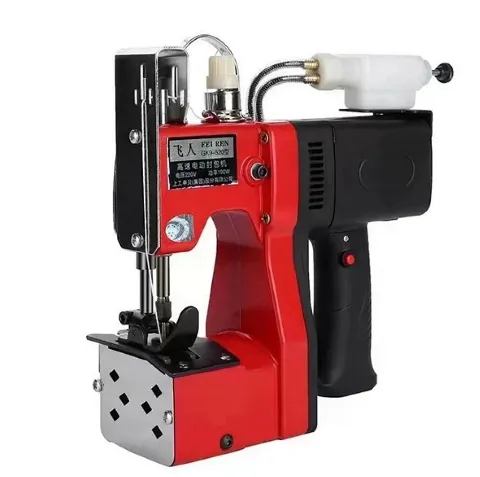
The core advantage of Grain Bag Sewing Machine lies in the synergy between multi-dimensional structural design and power systems
Common types include single line chain sewing machines, double line lock sewing machines, and automatic feeding sewing machines - single line chain sewing machines use a single thread to form a chain stitch, with fast sewing speed, suitable for temporary sealing of grain bags with low sealing requirements; The double line lock sewing machine forms a lock stitch by interweaving two sewing threads, which has better sealing and firmness, and is suitable for sealing food bags stored for a long time; The automatic feeding sewing machine is equipped with a conveyor belt and positioning device, which can automatically complete the entire process of bag conveying, alignment, and sewing, greatly improving the efficiency of batch operations. Different types of woven sack stitching machine form complementary stitching solutions based on bag materials (such as woven bags, burlap bags, kraft paper bags) and sealing requirements.
The key criteria for measuring the quality of Grain Bag Sewing Machine involve multiple dimensions
The sewing efficiency needs to match the packaging scale. Small equipment can sew 10-15 grain bags per minute, wheat packing machine can achieve more than 30 bags per minute; The firmness of the stitch is reflected in the tensile strength of the suture, ensuring that the bag filled with materials will not crack during transportation and stacking. The convenience of removing the chain stitch also needs to be taken into account to facilitate subsequent material retrieval; In terms of adaptability, the equipment needs to be able to handle bag openings of different thicknesses, from single-layer thin wheat bag packing machine thick burlap bags, and can be stably sewn. It can also adapt to the sealing requirements of different materials by adjusting the needle spacing; The convenience of operation is also important, such as one click start, automatic shutdown in case of faults, etc., to reduce the difficulty of manual operation.
In practical applications, the Grain Bag Sewing Machine has strong targeted scenarios
In the agricultural field, harvested grains such as wheat and corn are bagged and quickly sealed using a wheel packing machine for easy storage and transportation, reducing the risk of insect infestation and moisture; In the grain processing plant, packaged flour, Rice noodles and other finished products need to be firmly stitched by the Grain Bag Sewing Machine to ensure no leakage in the circulation link; In the chemical industry, the packaging bags for granular fertilizers, feed and other materials are tightly sewn with a wheel bag packing machine to prevent dust from escaping and ensure the safety of the working environment; In the raw material workshop of manufacturing industry, bagged raw materials such as plastic pellets and ore powder can be sealed by Grain Bag Sewing Machine to avoid losses and pollution during transportation.
With the development of packaging automation, the innovation of Grain Bag Sewing Machine continues to deepen
The application of intelligent control systems enables devices to detect the position of bag openings through sensors, automatically adjust the starting point of stitching, and reduce gaps or leaks; The energy-saving design adopts a variable frequency motor, which automatically adjusts the power according to the sewing speed to reduce energy consumption; The installation of multifunctional accessories has expanded the equipment's use, such as the addition of a cutting knife that can automatically cut the suture after stitching, and the installation of a printing device that can synchronously print production date, batch, and other information at the bag mouth; The application of wear-resistant materials extends the service life of vulnerable components such as needles and rotary shuttles, and reduces maintenance costs.
In summary, the millet packing machine, with efficient and stable sealing and stitching as its core, has become a key equipment in the bulk material packaging process through diverse structural design and technological innovation. It not only improves packaging efficiency and sealing quality, but also ensures the safety of materials during storage and transportation, promoting the development of packaging processes in various industries towards automation and standardization. In the future, with the integration of intelligent control and green manufacturing concepts, the Grain Bag Sewing Machine will evolve towards a more efficient, intelligent, and environmentally friendly direction, continuously optimizing the packaging experience of bulk materials.
Grain Bag Sewing Machine FAQs
What are the main functions of the Grain Bag Sewing Machine?
The Grain Bag Sewing Machine is mainly used for automatically sewing various types of bags, such as burlap bags, woven bags, or plastic bags. It can efficiently complete the sealing work, ensuring the sealing and firmness of the bag, and is suitable for large-scale production needs in industries such as agriculture, chemical and food processing.
What are the advantages of Grain Bag Sewing Machine compared to traditional manual stitching?
Compared to traditional manual stitching, the Grain Bag Sewing Machine significantly improves work efficiency and reduces labor costs. It can achieve consistent stitching quality, avoid human errors, and handle thicker materials, adapting to high-intensity working environments, greatly improving the overall speed of the production line.
What materials is the Grain Bag Sewing Machine suitable for?
The Grain Bag Sewing Machine can handle a variety of materials, including polypropylene woven fabric, burlap, canvas, polyethylene film, and more. Its design allows for adjustment of needle spacing and tension to accommodate packaging materials of different thicknesses and textures, ensuring the firmness and adaptability of stitching.
How to maintain the Grain Bag Sewing Machine to ensure its long-term stable operation?
Regularly clean the dust and thread ends inside the machine, lubricate key moving parts such as the spindle and hook mechanism, and inspect and replace worn needles and presser feet. In addition, it is necessary to regularly calibrate the suture tension to ensure that the motor and transmission system have no abnormal noise, in order to extend the service life of the equipment.
What safety precautions should be taken when operating the Grain Bag Sewing Machine?
During operation, ensure stable power supply and avoid wet hands touching electrical components. Wear appropriate work clothes to prevent hair or clothing from getting caught up in moving parts. When replacing needles or cleaning, be sure to turn off the power and follow the safety warnings in the manual to prevent mechanical clamping or needle puncture injuries.
Jul. 29, 2024
Jan. 05, 2026
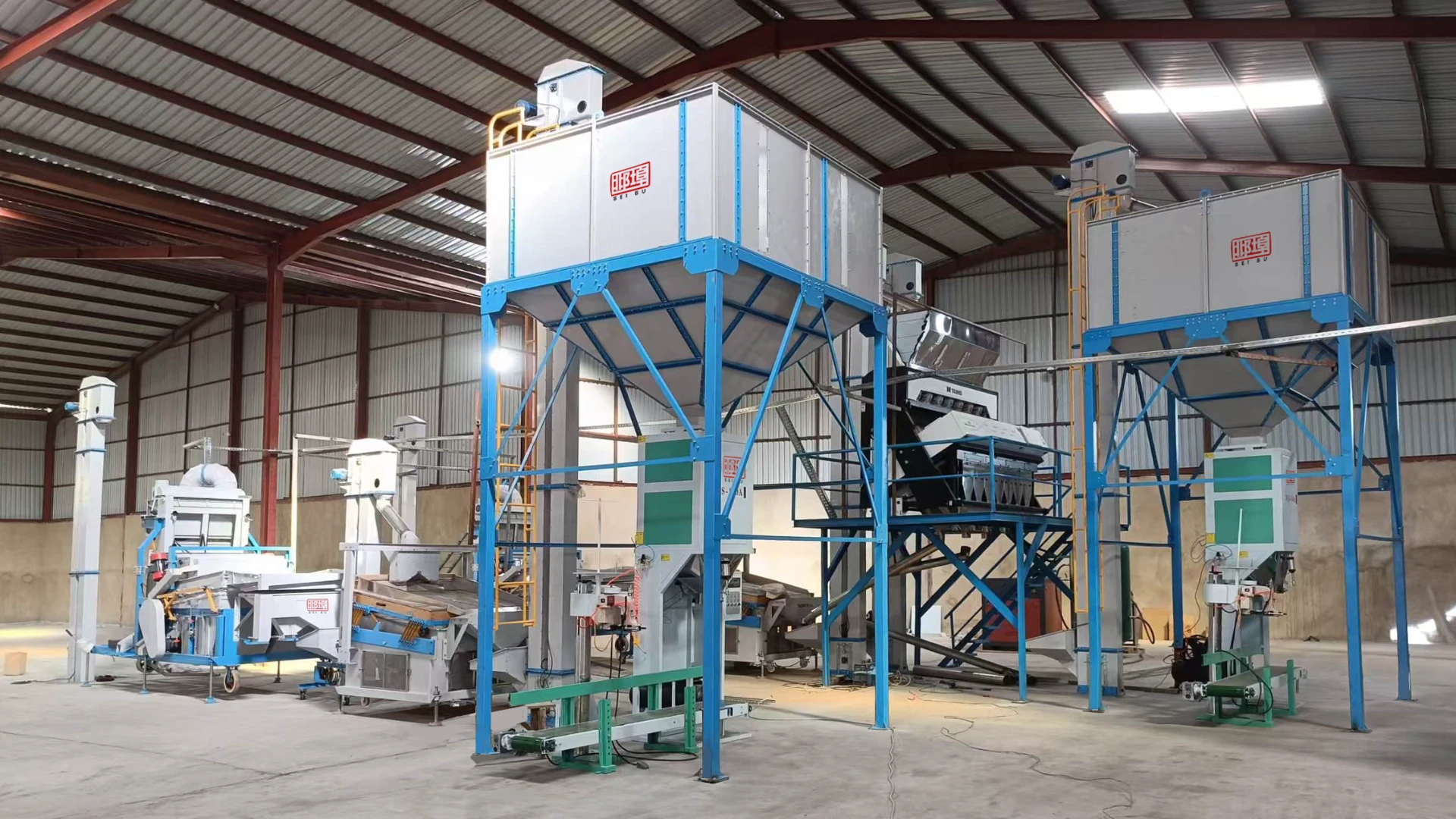
Beans Cleaning Line Finish Installation and Testing | Industry Insights
Aug. 06, 2025
The Importance of Corn Seed Processing for Quality Agriculture
Dec. 09, 2024
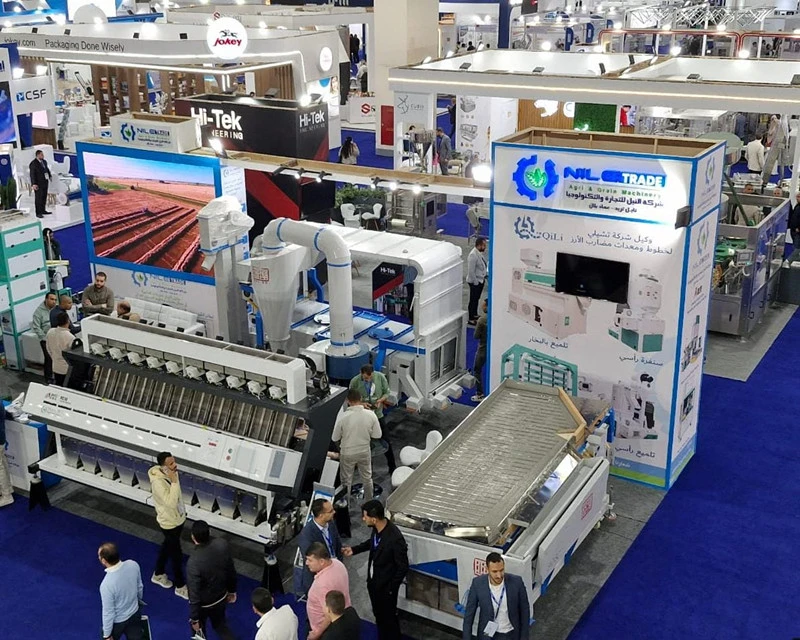
We are in the Exhibition with Agent-Beibu Machinery
Jul. 08, 2024
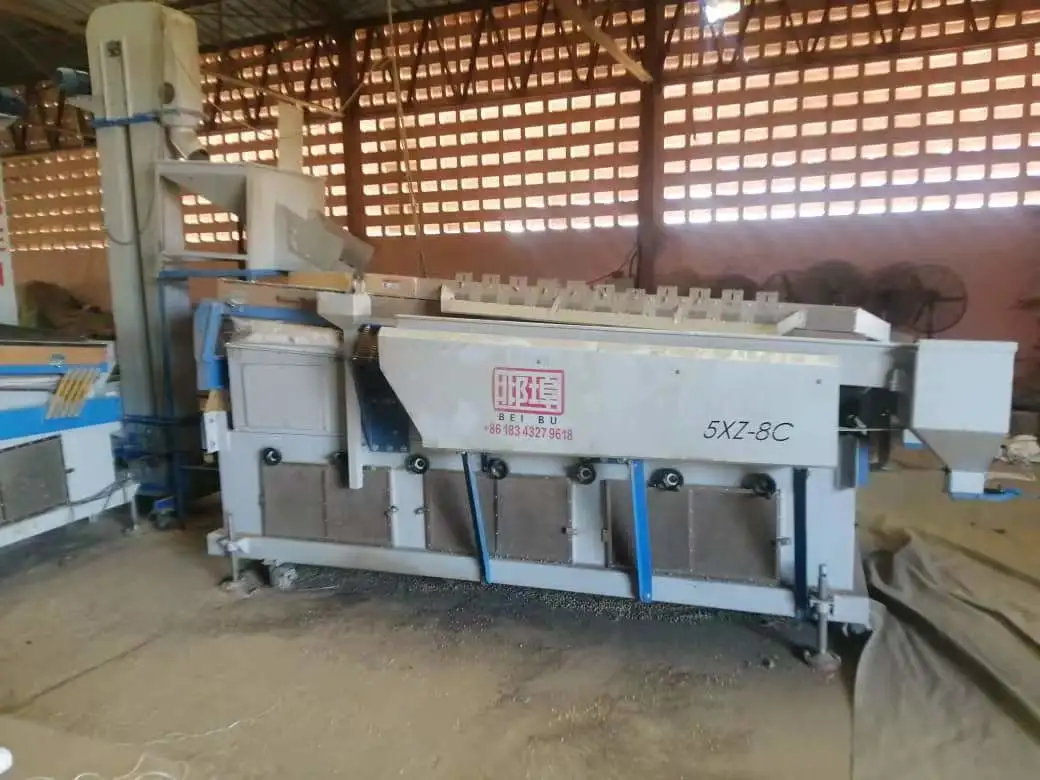
Soybean Fine Cleaning Machine Gravity Separator-Hebei Beibu Machinery Technology Co.,LTD
Mar. 13, 2026
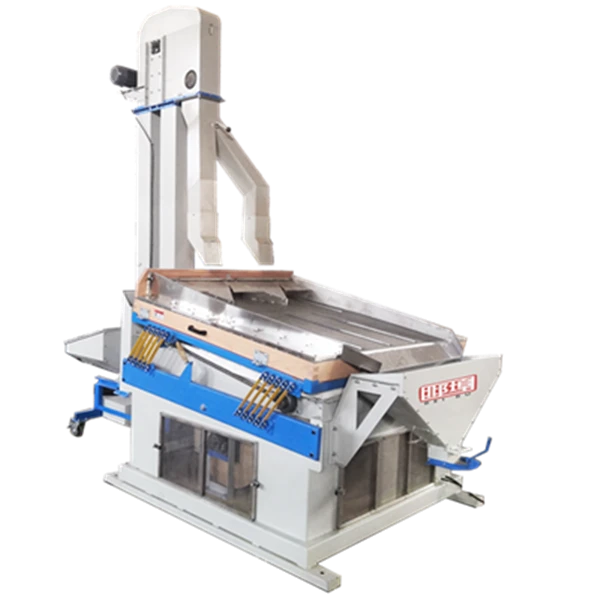
How important the Destoner in the grain cleaning process
Beibu Machinery


