



Sep . 24, 2025 15:58
Advancing Industrial Packaging: The Evolution of PP Bag Stitching Technology
In the realm of industrial packaging, the efficiency and reliability of bag closure systems are paramount. Polypropylene (PP) woven bags are ubiquitous across various sectors due to their strength, durability, and cost-effectiveness. The critical component ensuring the integrity of these bags is the stitching mechanism. Modern industrial operations demand high-speed, durable, and precise machinery to manage ever-increasing production volumes. This comprehensive guide delves into the intricate world of the pp bag stitching machine, exploring its technical underpinnings, application versatility, and strategic importance in contemporary manufacturing.
The global market for flexible packaging, heavily reliant on PP woven bags, is projected to grow significantly, driven by demand from agriculture, construction, chemicals, and food industries. This expansion necessitates continuous innovation in bag closing technology, focusing on automation, speed, and reduced labor costs. The demand for robust `pp woven bag sewing machine` models, capable of handling various material thicknesses and bag sizes, underscores a market trend towards greater operational flexibility and enhanced output capacity. Understanding the nuances of these machines, from their basic mechanics to advanced automated systems, is crucial for businesses aiming to optimize their packaging lines and maintain a competitive edge. Related considerations such as `pp bag stitching machine price` and long-term operational costs are vital for investment decisions.
Manufacturing Process Flow of a PP Bag Stitching Machine
The production of a high-quality `pp bags sewing machine` involves a meticulous, multi-stage manufacturing process designed to ensure precision, durability, and consistent performance. This process integrates advanced engineering with stringent quality control.
Key Stages of Production:
- Material Sourcing and Selection: High-grade alloys (e.g., hardened steel, specialized aluminum) are selected for critical components like needles, loopers, and gears, ensuring excellent wear resistance and structural integrity. Frame materials often include robust cast iron or high-tensile steel for stability.
-
Component Manufacturing:
- Casting/Forging: Main structural elements and specific heavy-duty parts undergo casting or forging to achieve initial robust forms, followed by heat treatment for enhanced hardness and durability.
- CNC Machining: Precision components, including shafts, gears, cams, and needle bars, are machined using Computer Numerical Control (CNC) technology. This ensures ultra-tight tolerances (e.g., ±0.01mm), critical for smooth operation and precise stitch formation.
- Surface Treatment: Components are often subjected to processes like chrome plating, nitriding, or black oxide coating to improve corrosion resistance, reduce friction, and extend service life, particularly in demanding industrial environments.
- Assembly: Highly skilled technicians meticulously assemble the machine, integrating mechanical, electrical, and pneumatic systems. Each sub-assembly, such as the sewing head, motor unit, and bag feeding mechanism, is calibrated to ensure seamless interaction.
-
Quality Control and Testing:
- Dimensional Accuracy: Post-machining and pre-assembly checks verify component dimensions against engineering drawings.
- Functional Testing: Each `pp bag stitching machine` undergoes extensive functional testing, simulating real-world operational conditions. This includes continuous high-speed stitching trials with various PP bag materials to assess stitch quality, thread tension, and machine stability.
- Compliance: Machines are tested against international standards such as ISO 9001 for quality management and relevant ANSI/CE safety directives. Service life assessments predict operational longevity, often exceeding 10,000 cumulative hours of intensive use.
- Final Calibration and Packaging: Before shipment, machines are fine-tuned for optimal performance and carefully packaged to prevent damage during transit.
This rigorous process ensures that the final product offers significant advantages, including superior energy efficiency due to optimized motor-drive systems, excellent corrosion resistance from treated components, and an extended service life, making it a reliable investment for target industries like petrochemicals, metallurgy, and water supply & drainage.
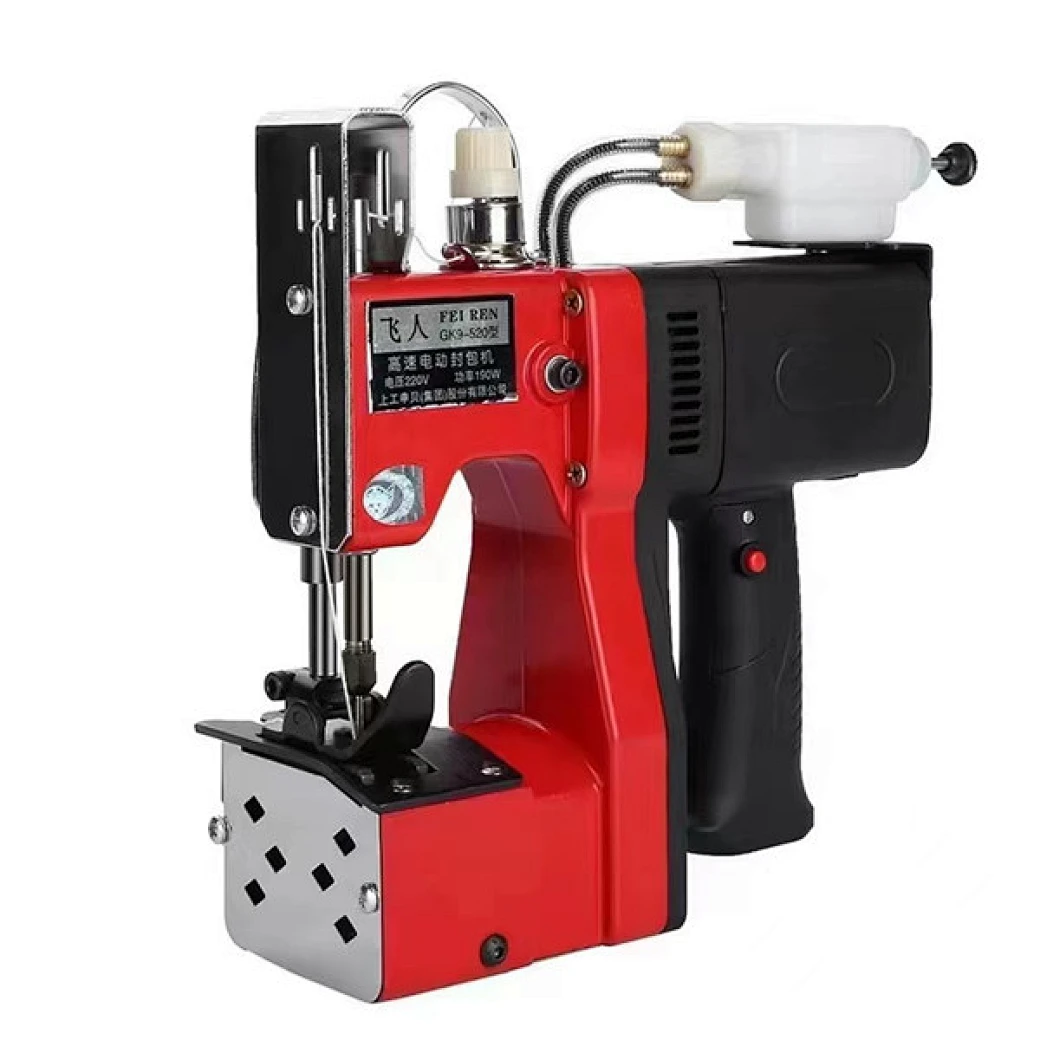
Technical Specifications and Performance Parameters
A state-of-the-art `pp woven bag sewing machine` is engineered for precision, speed, and unwavering reliability. Its technical specifications are crucial for B2B decision-makers to evaluate performance against operational requirements. Below is a typical specification table showcasing key parameters for a high-performance industrial pp bag stitching machine.
Typical Product Specifications: Hand Sewing Machine (Industrial Grade)
| Parameter | Value / Description |
|---|---|
| Stitch Type | Single Thread Chain Stitch (Type 101) or Double Thread Lock Stitch (Type 401) |
| Stitching Speed | 1500-2000 stitches/minute (dependant on material and operator skill) |
| Bag Material Compatibility | PP woven, paper, multi-wall paper, jute, Burlap, geotextile |
| Stitch Length | Adjustable, 7.0 - 10.0 mm (standard 8.5 mm) |
| Needle Type | DNx1 #25 (standard) |
| Thread Material | Polyester or PP thread, 20/4 to 20/6 ply |
| Motor Power | 90W - 200W, 220V/50Hz or 110V/60Hz |
| Machine Weight | Approx. 5.5 - 7.5 kg (portable models) |
| Lubrication System | Self-lubricating system with oil pump (for advanced models) or manual |
| Cutters | Automatic mechanical thread cutter or manual cutter |
| Material Thickness | Up to 8-10mm (depending on bag type) |
These specifications highlight the robust engineering behind industrial `pp bags sewing machine` units, designed for continuous operation in demanding environments. Features like adjustable stitch length and compatibility with various thread and bag materials provide versatility, while high stitching speeds significantly enhance throughput. When evaluating `pp bag stitching machine price`, it is crucial to consider these technical parameters alongside long-term durability and maintenance requirements.
Diverse Application Scenarios
The versatility of the pp bag stitching machine makes it an indispensable tool across a broad spectrum of industrial applications where efficient and secure bag closure is critical. These machines are engineered to handle various bag materials and sizes, ensuring reliable packaging in diverse operating environments.
Key Industries and Use Cases:
- Agriculture: Essential for packaging grains (rice, wheat, corn), fertilizers, animal feed, and seeds in woven PP bags. The machines ensure tight seals, protecting contents from moisture and pests, crucial for product preservation and supply chain integrity.
- Food Processing: Used for packaging bulk food items like sugar, flour, spices, and dried fruits. Hygiene and consistency in sealing are paramount, preventing contamination and spoilage.
- Chemical and Petrochemical: Crucial for sealing bags containing chemicals, polymers, resins, and other granular or powdered materials. The robust stitching protects hazardous contents and withstands harsh storage conditions. Corrosion-resistant components are often specified for machines in these sectors.
- Construction and Building Materials: Applications include packaging cement, sand, gravel, and other aggregates. The machines handle heavy-duty woven bags, ensuring durability during transportation and handling at construction sites.
- Mining and Minerals: For sealing bags of ore, concentrates, and other mined materials, often requiring machines with enhanced dust protection and robust construction.
- Textile and Apparel (Waste Management): Used for bagging textile waste, fabric scraps, or recycled materials in bulk.
- Logistics and Warehousing: General industrial packaging needs, including re-bagging damaged goods or preparing items for shipment in a secure manner.
In these scenarios, the advantages of a reliable pp bag stitching machine are clear: secure closures prevent product loss, reduce spillage, and protect against environmental factors. The capability to handle various bag types and materials with consistent stitch quality makes these machines a cornerstone of efficient industrial packaging lines.
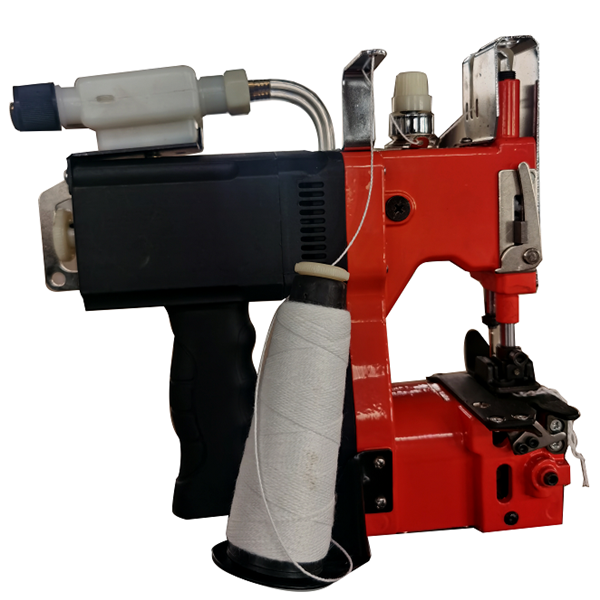
Technical Advantages and Operational Benefits
Investing in a high-quality pp bag stitching machine translates directly into significant operational advantages and long-term cost savings for businesses. These benefits extend beyond simple bag closure, impacting overall production efficiency, product integrity, and worker safety.
Core Advantages:
- High-Speed Performance: Modern `pp bags sewing machine` models are designed for rapid operation, capable of up to 2,000 stitches per minute. This high throughput significantly increases packaging line efficiency, reducing bottlenecks and accelerating overall production cycles.
- Exceptional Durability and Longevity: Constructed from robust materials like hardened steel and high-grade aluminum, these machines withstand continuous, heavy-duty industrial use. Features such as self-lubricating systems minimize wear and tear, ensuring a long service life and reducing the frequency of replacements.
- Precision Stitching and Secure Closure: Advanced engineering ensures consistent stitch quality, forming strong, tamper-evident seals. This precision is vital for preventing product leakage, contamination, and ensuring the integrity of packaged goods during storage and transit.
- Versatility in Material Handling: Compatible with a wide range of bag materials, including various grades of PP woven, paper, jute, and mesh bags, these machines offer flexibility for diverse product packaging needs. Adjustable stitch length and tension further enhance this adaptability.
- User-Friendly Operation and Reduced Fatigue: Ergonomic designs, balanced weight distribution for portable models, and intuitive controls simplify operation. For automated systems, minimal operator intervention is required, reducing labor costs and improving workplace safety by decreasing manual handling.
- Low Maintenance Requirements: Many contemporary `pp woven bag sewing machine` units feature enclosed motors, improved dust protection, and self-lubricating mechanisms. This design philosophy minimizes the need for frequent maintenance, leading to reduced downtime and lower operational expenses.
- Energy Efficiency: Modern motor designs and optimized mechanical systems contribute to lower power consumption, leading to reduced electricity costs over the machine's lifetime.
These advantages collectively contribute to a stronger return on investment (ROI) for businesses, offering reliable performance that underpins efficient, secure, and cost-effective industrial packaging operations.
Vendor Comparison: Selecting the Right PP Bag Stitching Machine
Choosing the appropriate `pp bag hand stitching machine` or a fully automated system requires a thorough evaluation of various vendors and their offerings. The `pp bag stitching machine price` is a key factor, but it must be weighed against performance, durability, support, and total cost of ownership (TCO). This comparison focuses on crucial aspects to consider for B2B procurement.
Key Comparison Factors:
| Feature/Criterion | Vendor A (e.g., Beibu Cleaner - Hand Sewing Machine) | Vendor B (Competitor - Basic Model) | Vendor C (Competitor - Premium Automated) |
|---|---|---|---|
| Stitching Speed (stitches/min) | ~1800 (high-speed portable) | ~1200 (standard portable) | ~2500 (integrated automated head) |
| Durability / Materials | Robust metal construction, treated components (excellent) | Standard metal & plastic blend (good) | Industrial-grade heavy-duty alloys (superior) |
| Automation Features | Manual bag feed, semi-auto thread cutter | Manual bag feed & thread cut | Auto bag feed, auto start/stop, auto thread cut |
| Maintenance & Service | Accessible components, clear manuals, dedicated support | Basic manuals, limited spare parts availability | Preventative maintenance programs, remote diagnostics |
| Warranty | 12-18 months (parts & labor) | 6-12 months (parts only) | 24 months + optional extended (comprehensive) |
| Certifications | CE, ISO 9001 | Basic CE | CE, ISO, FDA (food-grade options) |
| Customer Feedback (General) | Strong reputation for reliability & value | Mixed reviews, often budget-driven | Highly positive for performance & integration |
| Estimated Price Range | Mid-range (excellent value) | Entry-level (lowest initial cost) | High-end (significant investment) |
This table illustrates that while lower initial `pp bag stitching machine price` might seem appealing, it often comes with compromises in speed, durability, and after-sales support. For long-term operational efficiency and reliability, investing in a machine with robust build quality and comprehensive support, even at a slightly higher upfront cost, typically yields better ROI.
Customized Solutions for Specialized Needs
While standard pp bag stitching machine models cater to a broad range of industrial applications, specific operational requirements often necessitate customized solutions. Leading manufacturers understand that one-size-fits-all is not always optimal, especially for highly specialized products, unique bag designs, or integrated production lines.
Areas of Customization:
- Bag Material and Thickness: Machines can be optimized for exceptionally thick or delicate bag materials, including multi-layer laminates, specialized geotextiles, or extra-heavy-duty woven PP, by adjusting needle types, feed mechanisms, and motor torque.
- Stitch Configuration: Beyond standard single or double chain stitches, specialized stitch patterns or additional sealing features (e.g., crepe tape application) can be integrated for enhanced seal integrity, anti-sifting properties, or aesthetic requirements.
- Automation and Integration: For high-volume operations, `pp bags sewing machine` units can be customized for seamless integration into existing automated packaging lines. This includes automated bag feeding, precise bag positioning, conveyor synchronization, and advanced PLC control for remote monitoring and diagnostics.
- Environmental Adaptations: For dusty, corrosive, or explosive environments (e.g., certain chemical or mining operations), machines can be built with enhanced dust-proof enclosures, explosion-proof motors (ATEX certified), or corrosion-resistant stainless steel components.
- Specialized Bag Closure: Customizations might include bag top forming, gusset forming, or heat sealing combined with stitching for ultimate seal security, often required in food or pharmaceutical applications.
- Ergonomics and Safety: For manual or semi-automatic `pp bag hand stitching machine` models, ergonomic modifications can reduce operator fatigue and improve safety, such as specialized handles, counter-balancing systems, or integrated safety switches.
Engaging with a vendor capable of providing engineering consultation and bespoke manufacturing ensures that the resulting `pp woven bag sewing machine` aligns perfectly with the client's specific operational challenges and production goals, delivering optimized performance and efficiency.
Application Case Studies: Real-World Impact
The practical effectiveness of a pp bag stitching machine is best demonstrated through its successful deployment in diverse industrial settings. These case studies highlight how optimized stitching solutions lead to tangible improvements in productivity, quality, and cost efficiency.
Case Study 1: Large-Scale Agricultural Producer
- Challenge: A major grain producer faced increasing demand for packaged rice and corn, with their existing semi-manual `pp bags sewing machine` struggling to keep up, leading to bottlenecks and overtime costs. Stitch quality was inconsistent, causing occasional bag failures.
- Solution: Implemented a high-speed, integrated `pp woven bag sewing machine` system with automated bag feeding and a dual-head stitching mechanism. The system was calibrated to handle various bag sizes and materials (5kg to 50kg PP woven bags) with a specific anti-sifting stitch.
-
Results:
- Production throughput increased by 45%, eliminating overtime.
- Bag failure rate due to stitching decreased by 90%.
- Labor requirements reduced by 30% for the packaging line.
- Achieved ISO 22000 compliance for packaging integrity.
Case Study 2: Chemical Manufacturing Facility
- Challenge: A chemical company packaging granular fertilizers required a `pp bag hand stitching machine` that could operate reliably in a moderately corrosive, dusty environment, ensuring secure closures for 25kg and 50kg coated PP bags. Their previous machines suffered frequent breakdowns and required extensive maintenance.
- Solution: Deployed a specialized pp bag stitching machine with enhanced corrosion-resistant components (stainless steel contact parts), a sealed motor, and an advanced filtration system for dust. The machine also featured an automatic thread cutter and bag top former for improved consistency.
-
Results:
- Machine uptime increased from 70% to 98%.
- Maintenance costs reduced by 60% annually.
- Product leakage incidents during transit decreased by 95%.
- Improved worker safety due to fewer manual interventions in harsh conditions.
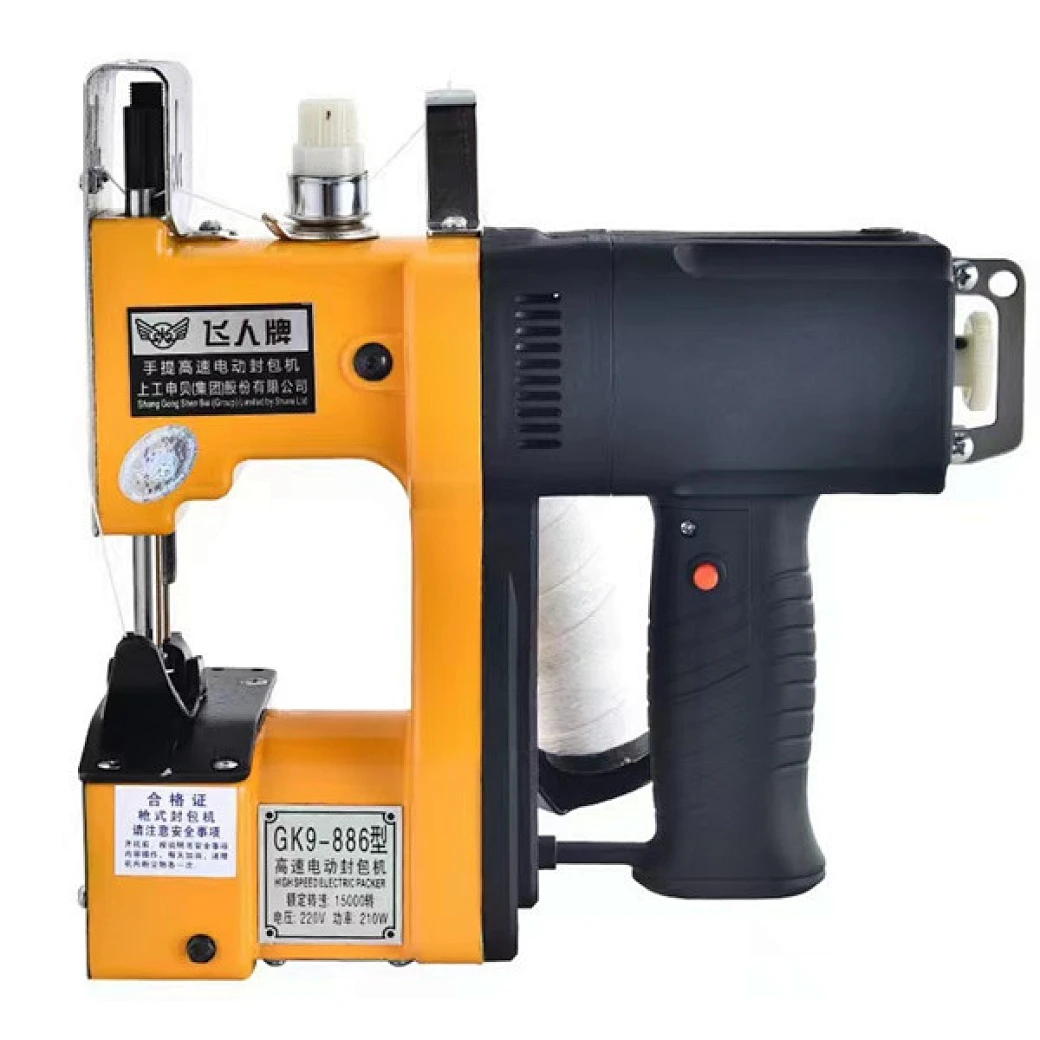
Trust & Support: FAQs, Lead Time, Warranty, and Customer Service
Building trust and ensuring customer satisfaction are paramount. This section addresses common inquiries and outlines the support infrastructure provided for our pp bag stitching machine solutions.
Frequently Asked Questions (FAQs)
- Q: What types of bags can your `pp bags sewing machine` handle?
- A: Our machines are compatible with a wide range of materials, including PP woven, multi-wall paper, jute, burlap, mesh, and certain laminated bags. Specific model capabilities may vary; please consult our technical team for detailed material compatibility.
- Q: Is installation and training provided for automated `pp woven bag sewing machine` systems?
- A: Yes, for complex or automated systems, we offer comprehensive installation services and on-site operator training to ensure seamless integration and optimal performance. Remote support and detailed manuals are provided for all models.
- Q: How do I get spare parts for my `pp bag hand stitching machine`?
- A: We maintain a robust inventory of genuine spare parts. You can order directly through our customer support team via phone or email, or through authorized distributors. We recommend using original parts to maintain machine performance and warranty validity.
- Q: Can your machines be integrated into existing packaging lines?
- A: Absolutely. Our engineering team specializes in custom integration solutions, ensuring our stitching machines can be seamlessly incorporated into your current conveyor systems, fillers, and other packaging machinery.
Lead Time & Fulfillment
Standard `pp bag stitching machine` models typically have a lead time of 2-4 weeks from order confirmation to shipment, depending on current stock levels and order volume. Customized solutions or larger automated systems may require 8-12 weeks for design, manufacturing, and testing. We prioritize transparent communication regarding lead times and provide regular updates throughout the order fulfillment process. Expedited shipping options are available upon request.
Warranty Commitments
All our pp bag stitching machine products come with a standard 12-month warranty covering manufacturing defects in materials and workmanship. This warranty period can be extended for specific high-performance or automated systems. Our commitment ensures prompt repair or replacement of faulty components, minimizing downtime for your operations. Terms and conditions apply, detailed in your purchase agreement.
Customer Support Information
Our dedicated customer support team is available to assist you with technical inquiries, troubleshooting, spare parts orders, and maintenance advice.
- Technical Assistance: Available Monday-Friday, 9:00 AM - 5:00 PM (GMT+8) via phone or email.
- Online Resources: Access to comprehensive user manuals, troubleshooting guides, and video tutorials on our website.
- Service Engineers: On-site service and preventative maintenance contracts are available for complex installations.
We are committed to ensuring your continuous satisfaction and the optimal performance of your packaging machinery.
References
- Packaging World. (2023). "Trends in Industrial Bagging and Sealing Technologies."
- Journal of Manufacturing Systems. (2022). "Advances in Automated Packaging Machinery for Bulk Goods."
- International Organization for Standardization (ISO). (2020). "ISO 9001:2015 Quality Management Systems – Requirements."
- Modern Plastics Global. (2023). "Polypropylene Woven Bag Market Outlook and Growth Drivers."
- Food Engineering Magazine. (2022). "Ensuring Product Integrity in Food Packaging: The Role of Sealing Technology."

Nov. 03, 2025
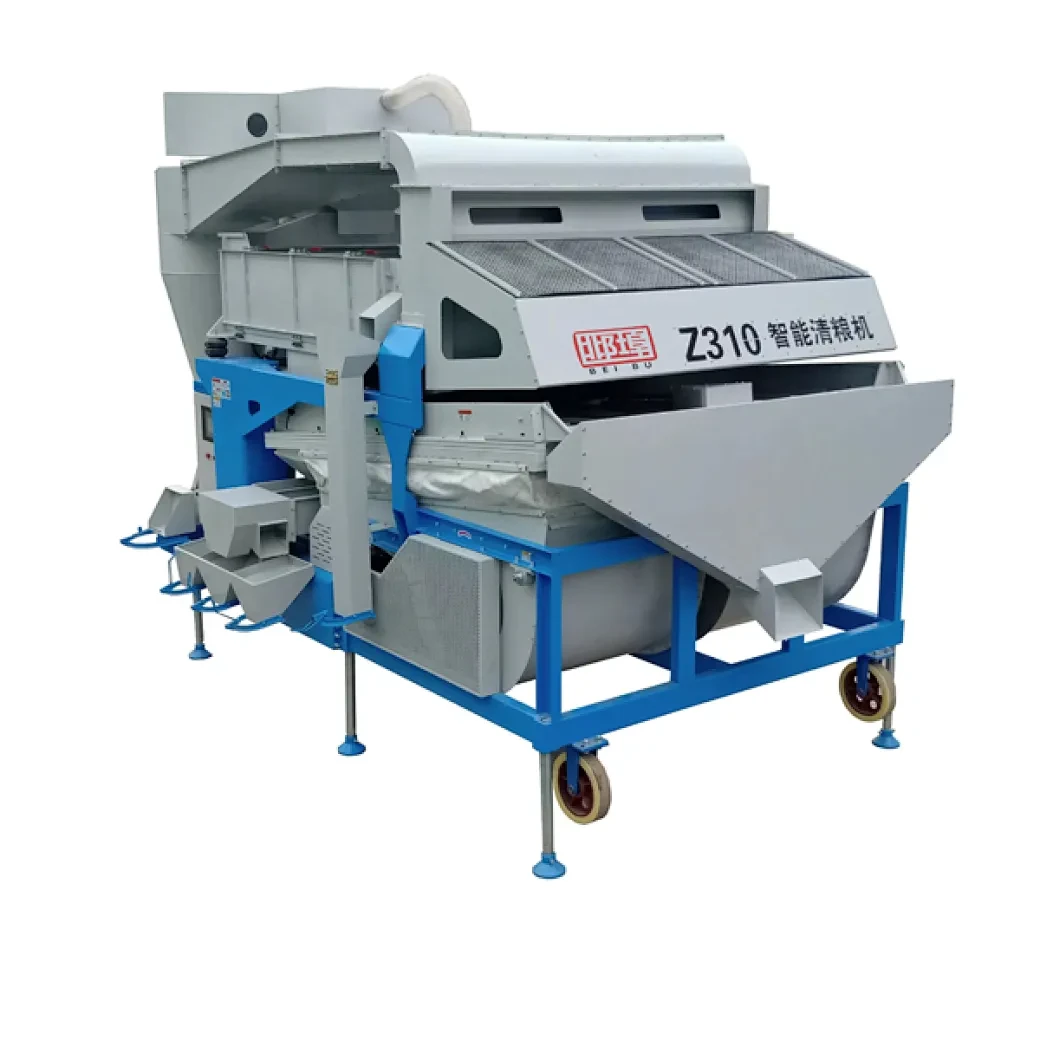
Bean Cleaner Machine – High-Capacity Air Screen, Low Loss

Aug. 11, 2024
BEIBU machinery-2024 China Changji Seed Exhibition and Trade Fair ended perfectly!
Oct. 08, 2024
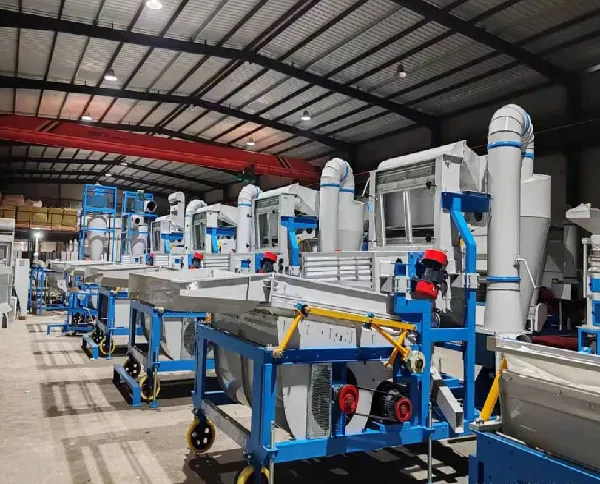
new machines finish intalltaion
Apr. 30, 2024
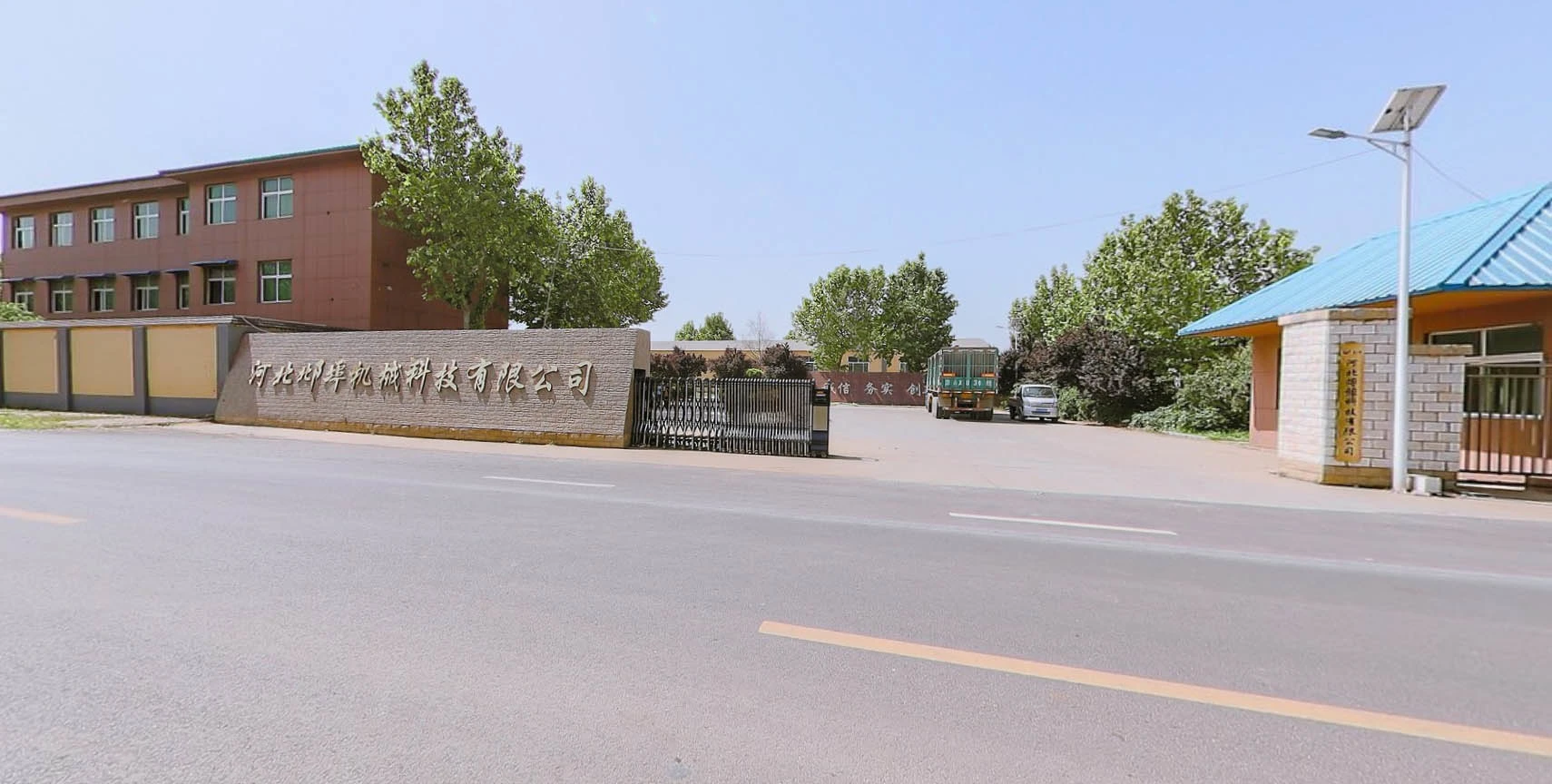
Introduction to Hebei Beibu Machinery Technology Co., Ltd.
Apr. 22, 2024
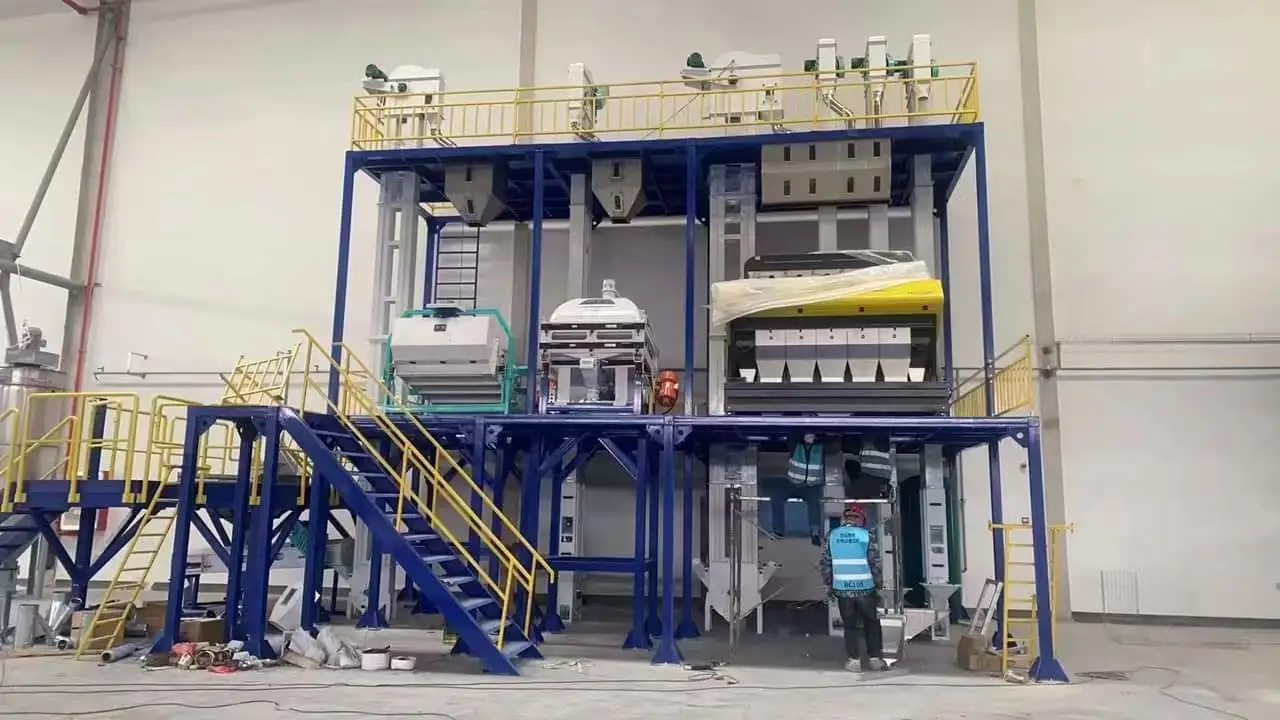
Guinea coffee bean production line put into operation
Dec. 29, 2025
2025 Sesame, Grain, and beans Cleaning Machine Market Summary
Beibu Machinery


