



Aug . 27, 2025 14:20
In the sesame processing industry chain, Sesame Peeling Machine, as a specialized equipment for removing sesame shells, has become a key link in improving sesame quality and processing efficiency with its precise peeling process and efficient processing capabilities. It breaks through the limitations of traditional manual peeling, which is time-consuming, labor-intensive, and incomplete. By combining mechanical principles with process design, it can efficiently separate sesame shells and kernels while maximizing the integrity of sesame kernels. Its performance directly affects the quality and economic value of sesame subsequent processing.
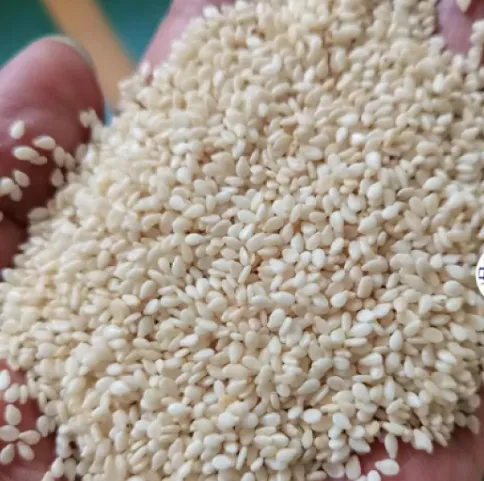
The core advantage of Sesame Peeling Machine comes from targeted structural design and process adaptation
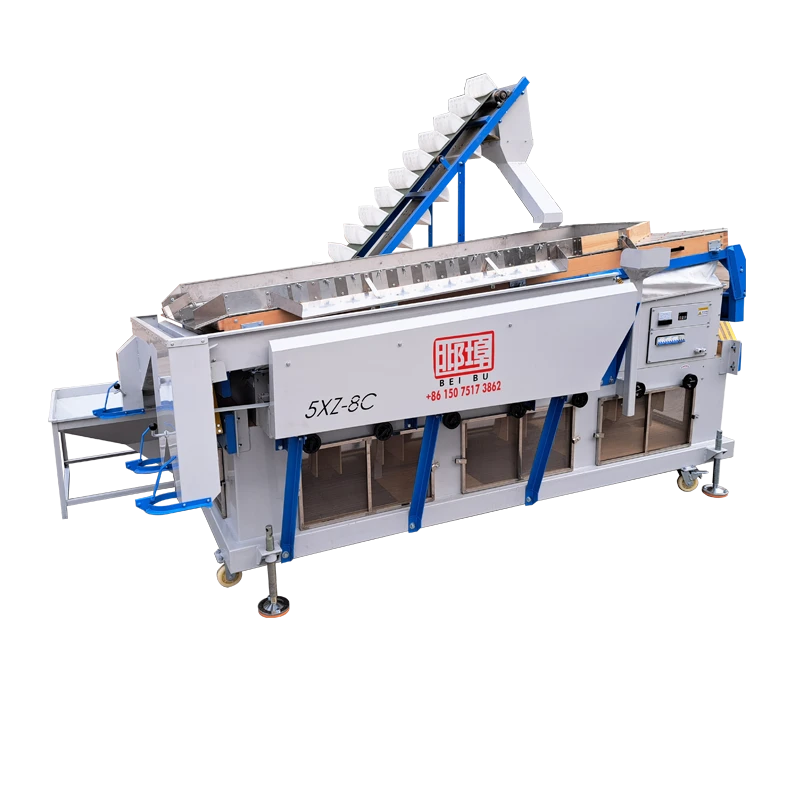
The sesame seed peeling machine mainly consists of a feeding device, a peeling mechanism, a separation system, and a discharge port. The feeding device controls the amount of sesame seeds entering through a speed regulating conveyor belt to ensure a uniform and stable peeling process; The peeling mechanism adopts the principle of friction peeling or extrusion peeling - the friction type removes the outer shell through the frictional force between a special material rotating roller and a fixed screen mesh, while the extrusion type moderately squeezes the sesame through a pair of reverse rotating rubber rollers to break the outer shell; The separation system utilizes the difference in specific gravity between the shell and the kernel to separate them through wind or vibration screening, ensuring the purity of the peeled sesame kernels. Different models of Sesame Peeling Machines can adjust the peeling force according to the hardness of the outer shell of sesame varieties (such as white sesame and black sesame) to avoid excessive processing that may cause sesame kernels to break.
The key criteria for measuring the quality of Sesame Peeling Machine cover multiple dimensions
The peeling rate should reach over 95% to ensure that most sesame shells are effectively removed; The completeness rate of the kernel is an important indicator, and the crushing rate should be controlled within 5% to ensure the marketability of sesame kernels; The processing efficiency needs to match the processing scale. Small equipment can process 50-100 kilograms of sesame per hour, while large equipment can reach over 500 kilograms; The stability of the equipment is reflected in continuous operation for more than 8 hours, with no significant decrease in peeling and integrity rates, smooth operation of mechanical components, and reduced downtime for maintenance.
In practical applications, the Sesame Peeling Machine has a wide range of scene adaptability
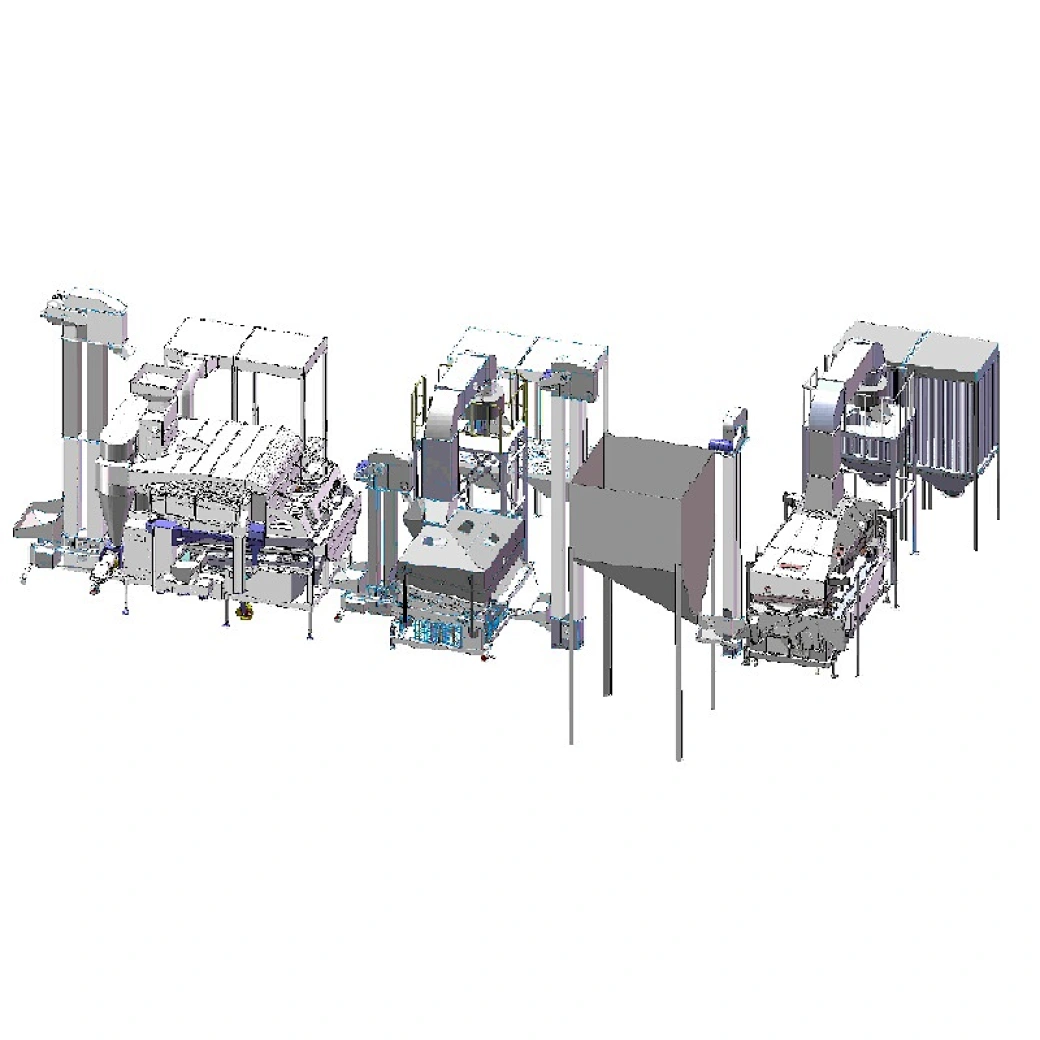
In large-scale grain and oil processing plants, automated sesame hulling machines and cleaning, drying, and screening equipment form assembly lines to achieve continuous processing of sesame seeds from raw materials to peeled kernels, meeting the food industry's demand for large quantities of sesame seeds; Small and medium-sized food factories such as sesame paste factories and pastry factories use medium-sized Sesame Peeling Machines to process their own sesame seeds, ensuring stable quality of raw materials; The agricultural product processing cooperative uses Sesame Peeling Machine to perform initial processing on locally grown sesame seeds, enhancing their added value and increasing farmers' income; In areas where sesame cultivation is concentrated, specialized sesame processing service points have also emerged, providing paid Sesame Peeling Machine processing services for small farmers and reducing the equipment investment threshold for individual farmers.
With the development of the food industry, the innovation of Sesame Peeling Machine continues to deepen
The intelligent upgrade enables the device to automatically recognize the moisture content of sesame seeds, adjust the pressure or speed of the peeling mechanism according to the moisture content, and improve the peeling effect of sesame seeds in different states; Energy saving design adopts variable frequency motor, which automatically adjusts power according to the feeding amount to reduce energy consumption; In terms of environmental protection, the shell collection system of the equipment is more complete, and the separated sesame shells can be used as feed or fuel for recycling, improving resource utilization efficiency; In addition, the emergence of small and portable sesame processing machines allows individual farmers to easily handle small batches of sesame, further expanding the application scope of the equipment.
In summary, sesame drying machine is a key equipment in sesame processing, with efficient and precise peeling process as its core, and through structural design and functional optimization. It not only improves the efficiency and quality of sesame processing, but also plays an important role in processing scenarios of different scales, promoting the standardized and efficient development of the sesame industry. In the future, with further technological innovation, Sesame Peeling Machine will develop towards a more intelligent, environmentally friendly, and efficient direction, providing strong support for the continuous upgrading of the sesame industry.
Sesame Peeling Machine FAQs
What is the working principle of Sesame Peeling Machine?
The Sesame Peeling Machine mainly removes the outer shell of sesame seeds through mechanical friction and airflow separation. The device is equipped with a rotating drum or friction disc inside. During high-speed rotation, sesame collides with the friction surface, causing the shell to break and fall off due to its high brittleness. Subsequently, the lightweight shell is separated from the heavier sesame seeds using a wind sorting system to ensure that the peeled sesame seeds are clean and intact.
What are the advantages of using Sesame Peeling Machine?
Compared with traditional manual peeling, Sesame Peeling Machine greatly improves efficiency, can process hundreds of kilograms of raw materials per hour, and the peeling rate can reach over 95%. Machine operation saves manpower, reduces damage to sesame seeds, maintains the integrity and nutritional value of the seeds, and is suitable for large-scale processing needs.
What types of sesame processing are suitable for Sesame Peeling Machine?
This device is suitable for the peeling needs of various sesame varieties such as white sesame and black sesame, especially for food processing plants, oil mills, or agricultural cooperatives. Whether it is the deep processing of sesame seeds for direct consumption or the pre-treatment of sesame paste, sesame oil and other products, the peeling machine can provide efficient and stable support.
How to maintain Sesame Peeling Machine to extend its lifespan?
Regularly clean the residual sesame shells and debris inside the machine to avoid blockages that may affect the sorting efficiency. Bearings and rotating components need to be lubricated on time, and the tightness of belts or transmission devices should be checked. When the equipment is not in use for a long time, it should be kept dry to prevent rusting, and regular idle tests should be conducted to ensure that the mechanical condition is normal.
What parameters should be considered when purchasing Sesame Peeling Machine?
Focus on processing capacity (such as hourly output), peeling rate, motor power, and energy consumption indicators. In addition, the equipment material should be wear-resistant stainless steel, and the structural design should be easy to clean and maintain. It is recommended to choose the appropriate model based on the actual production scale, and give priority to models with wind selection adjustment function to meet the processing requirements of different sesame varieties.
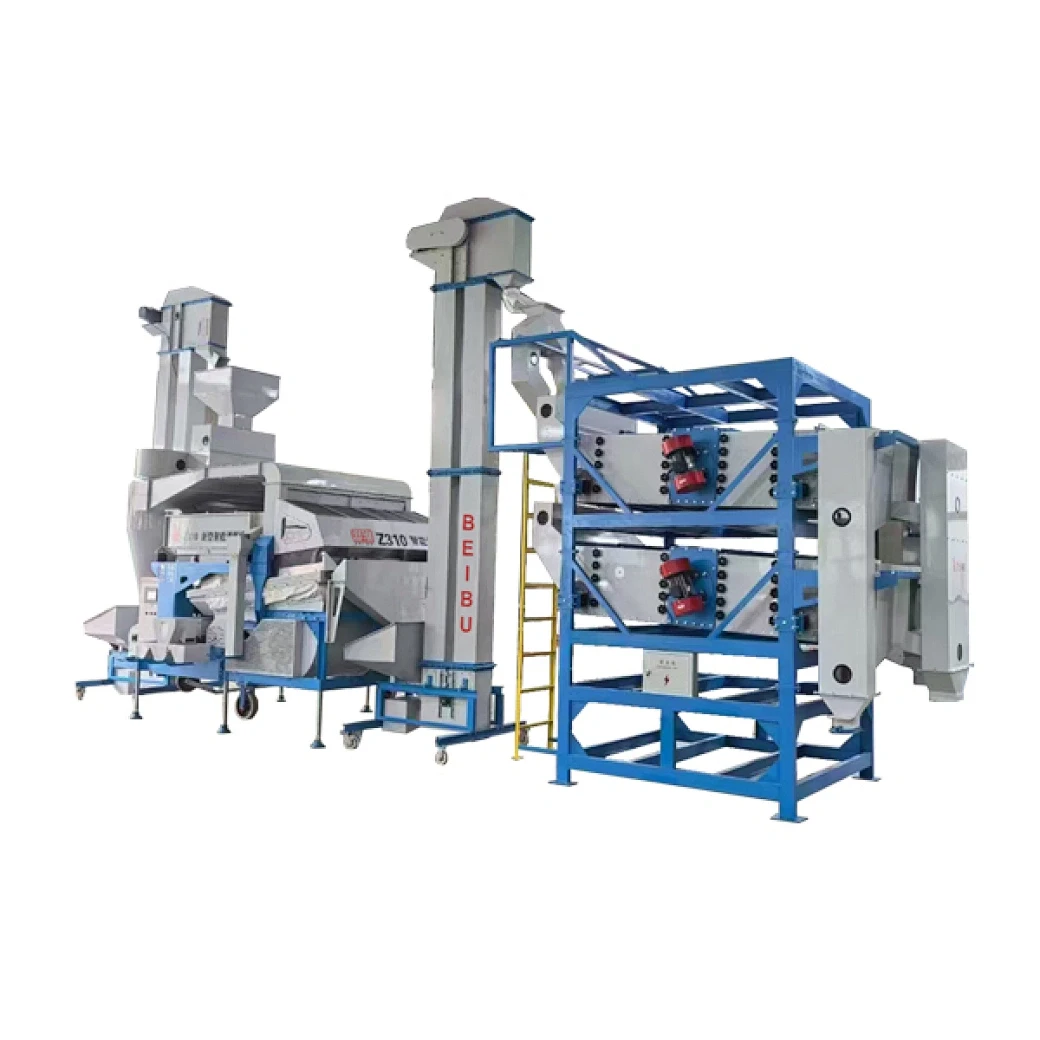
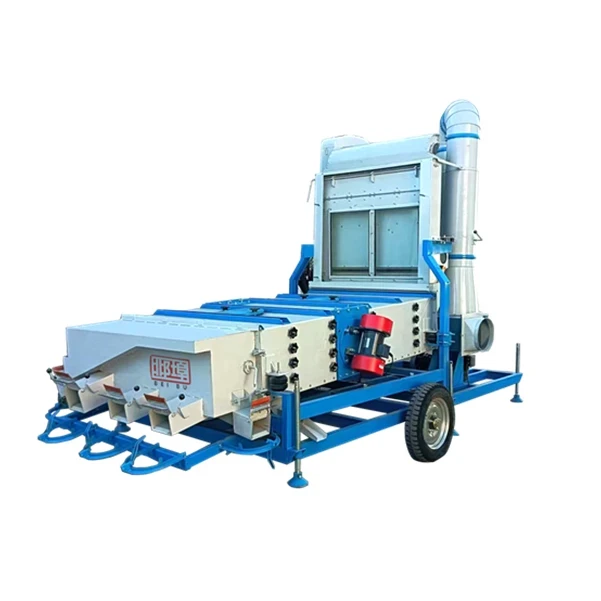
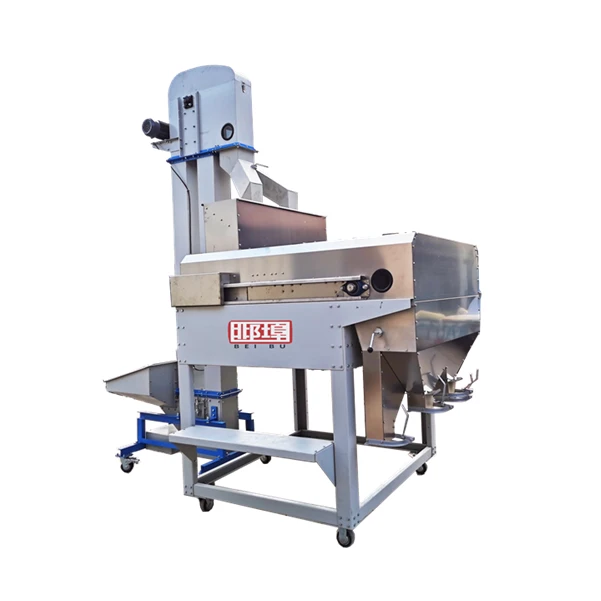
Jul. 11, 2024
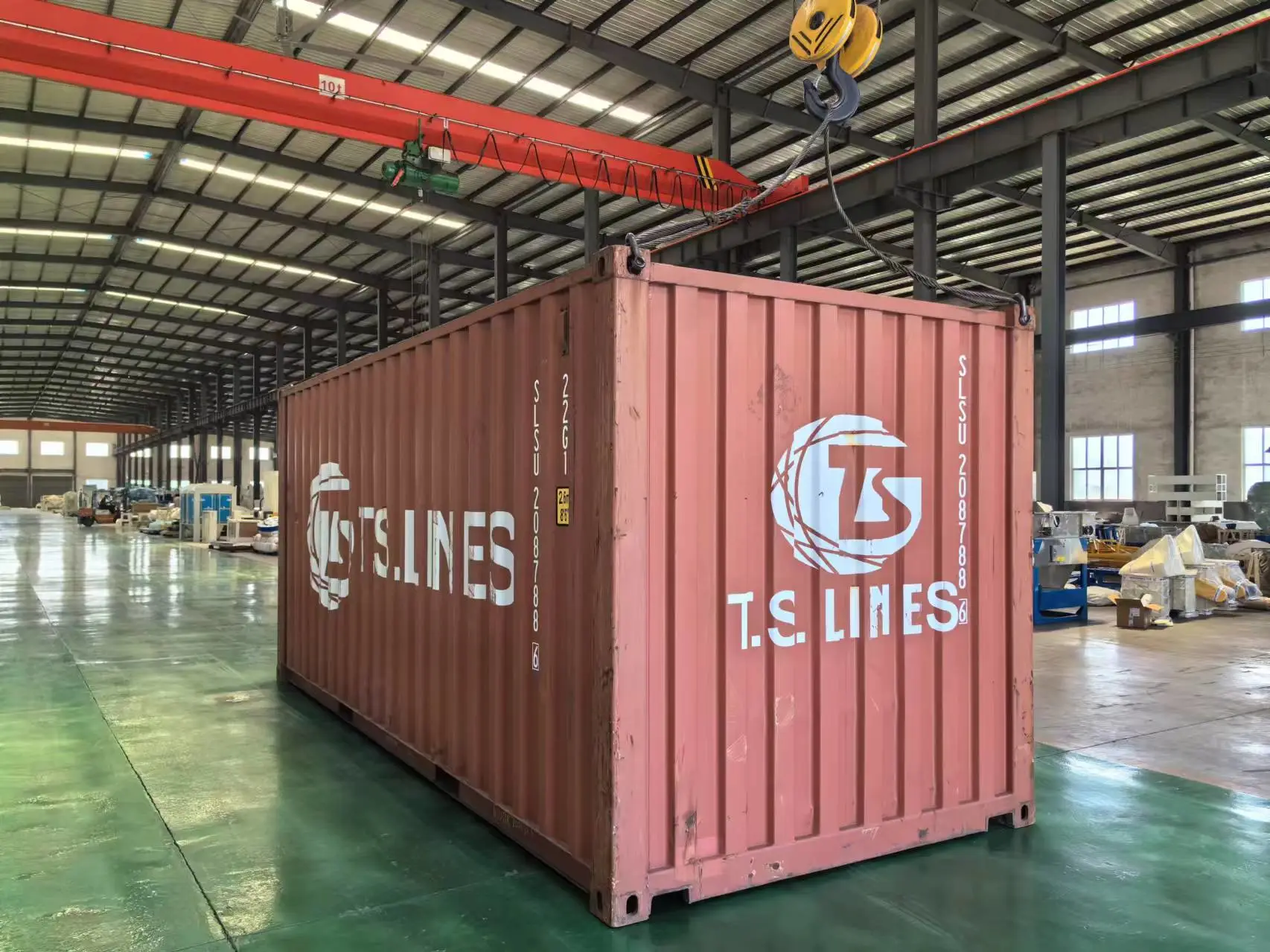
Beibu Machinery Sesame Cleaning Machine Packing and Delivery
Apr. 16, 2024
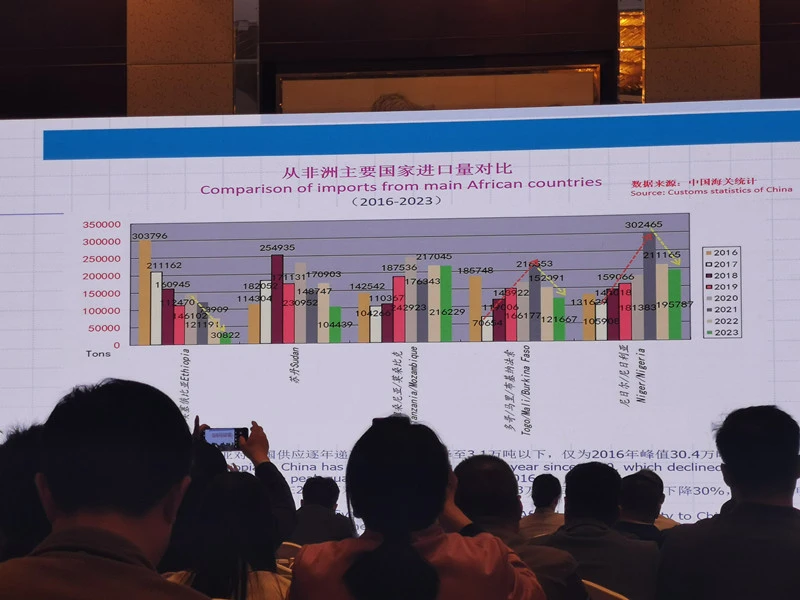
China Sesame Import Data-Hebei Beibu Machinery Technology Co.LTD
Apr. 07, 2024
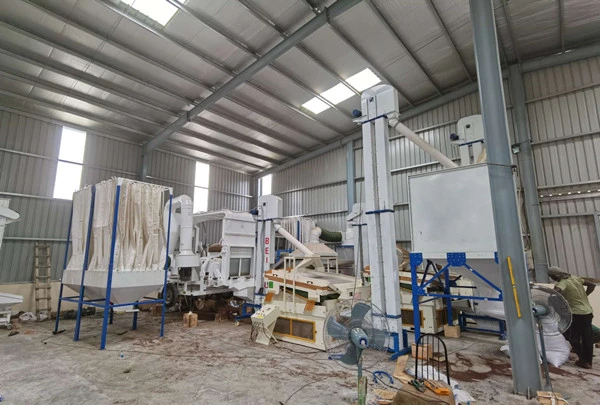
Sesame Cleaning Machine-Beibu Machinery Technology Co.,LTD
May. 20, 2024
Cassia Seeds Cleaning Machine-Hebei Beibu Machinery Technology Co.,LTD

Oct. 11, 2025
Gravity Table Separator for Sale — Boost Purity, Cut Losses?
Jun. 14, 2024
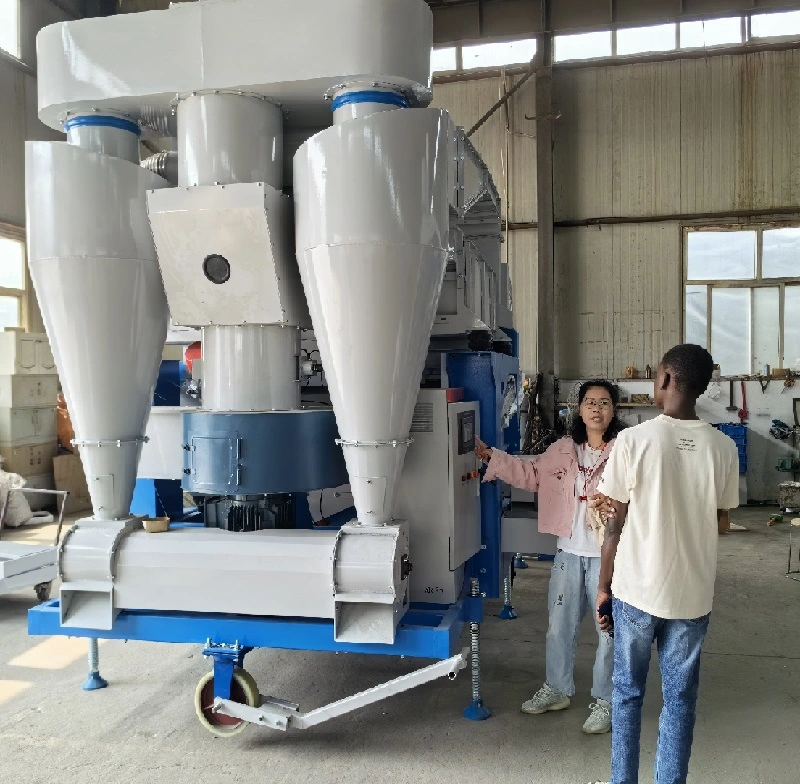
customer visit and check his sesame cleaning machine
Beibu Machinery


