



Dec . 13, 2025 10:15
Three Types of Grain Packing Machines: A Seasoned Perspective
Having worked in industrial equipment for over a decade, I’ve seen firsthand how grain packing machines have evolved. Their role, frankly, is crucial — these machines don’t just speed up the process but ensure the grain stays fresh, intact, and ready for transport or storage. Today, I want to talk you through three types of grain packing machines that I often encounter in the field. Each has its quirks, benefits, and ideal use cases.
Grain packing isn’t glamorous, but it’s a linchpin in agriculture supply chains worldwide. Choosing the right machine feels almost like a puzzle—match the machine to the grain type, bag size, and speed requirements. Oddly enough, some engineers swear by the simple yet effective machines, while others opt for high-tech solutions that monitor everything from weight to sealing integrity.
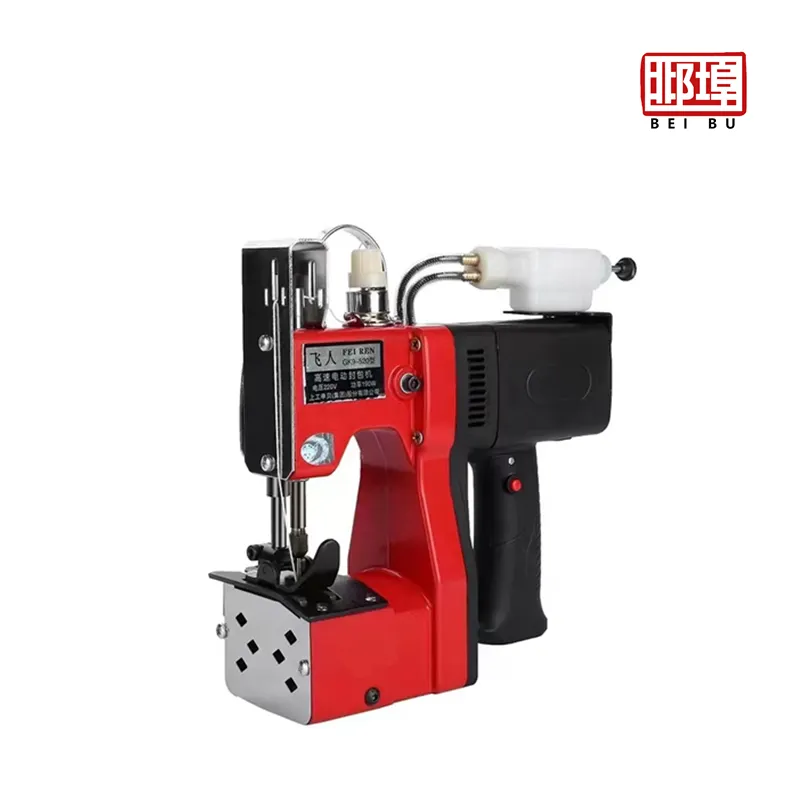
1. Manual Grain Packing Machines
Manual machines are the steadfast workhorses. They don’t require power — which can be a blessing in remote locations. You manually fill bags, then seal them, usually with heat or tying techniques. I once worked on a site where power was unreliable, and a good manual machine kept things moving without hiccups. The downside? They’re slower, so not for mass operations.
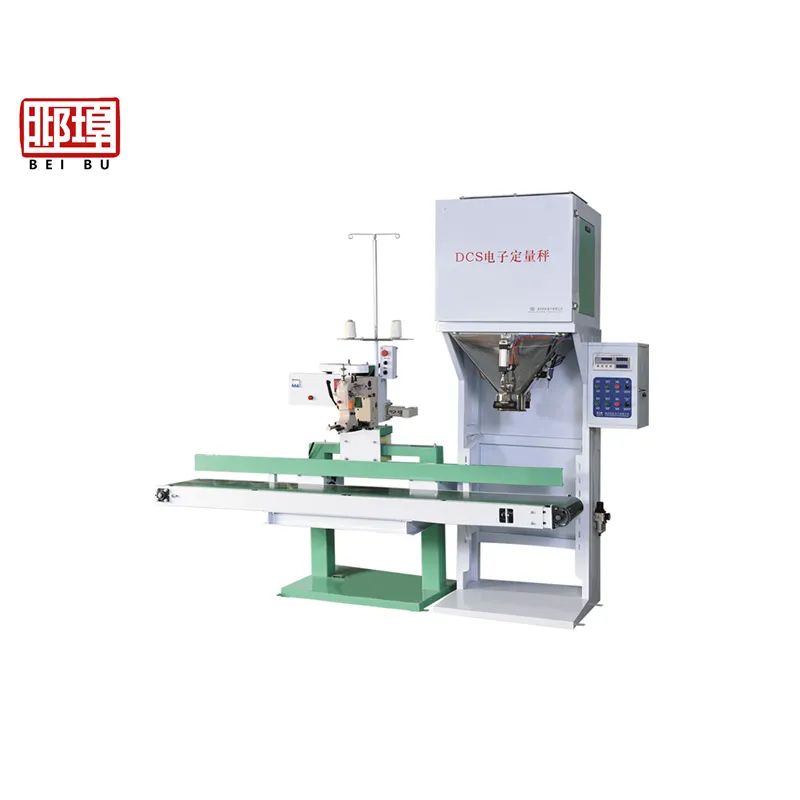
2. Semi-Automatic Grain Packing Machines
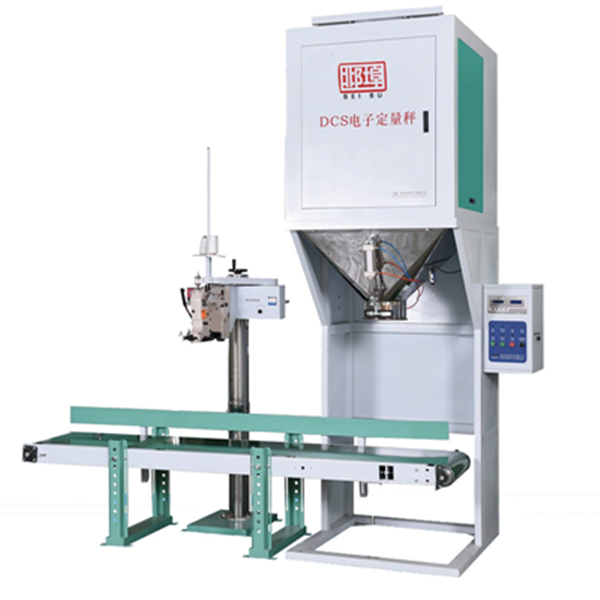
These offer a nice middle ground. You feed grain into the machine, and it automatically fills and seals bags, but someone still needs to place the bag properly or trigger the next cycle. They’re pretty popular on medium-sized farms or small processing plants. From what I’ve noticed, semi-automatic machines reduce labor fatigue and errors, improving overall throughput without the cost of full automation.
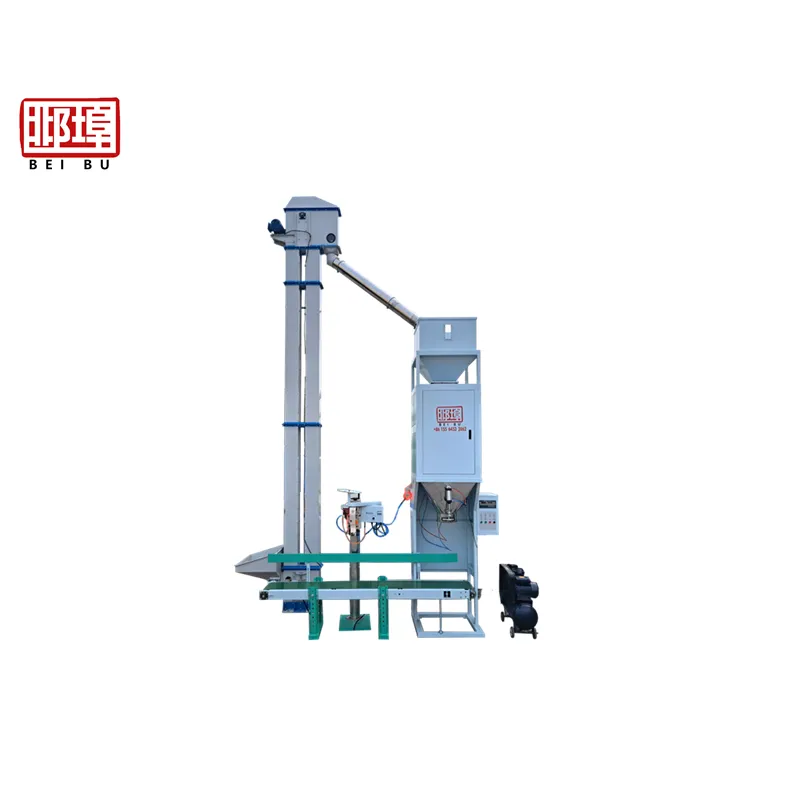
3. Fully Automatic Grain Packing Machines
These are the big players — machines that do it all, from filling to sealing to even palletizing, in some cases. They’re a smart choice when working with large volumes, where process control and speed cannot be compromised. I recall a client who upgraded to fully automatic machines and saw a 30% increase in output with consistent packaging quality. The upfront cost is higher, but it pays off in efficiency.
Key Specifications Comparison
| Machine Type | Power Requirement | Output Rate (Bags/Hour) | Typical Bag Sizes | Automation Level |
|---|---|---|---|---|
| Manual | None | Up to 80 | 5kg - 50kg | Low |
| Semi-Automatic | 220V | 100 - 300 | 10kg - 100kg | Medium |
| Fully Automatic | 220V/380V | 500+ | 10kg - 120kg | High |
Vendor Comparison: Who’s Who in Grain Packing?
In my time, I’ve tested machines from several vendors. Three stand out for different reasons, so here’s a quick rundown:
| Vendor | Product Range | Customization Options | After-Sales Support | Price Range |
|---|---|---|---|---|
| Beibu Cleaner | All types including fully automatic | High (custom bags, weights) | Excellent - quick response | Mid to High |
| GrainTech Industries | Manual & Semi-automatic | Medium (standard options) | Good | Low to Mid |
| AgriPack Solutions | Semi & Fully Automatic | High (software-integrated controls) | Average | High |
At the end of the day, picking a grain packing machine feels like balancing speed, cost, and reliability. Beibu Cleaner, for instance, has stuck with me because they really pay attention to tuning machines for local grain varieties and packing styles — a detail that’s easy to overlook but matters a lot in practice.
Whether you’re a farmer handling 50 tons or a grain processor managing thousands of tons monthly, there’s a machine type that’ll fit your workflow. Just keep in mind that everyone’s needs differ, and sometimes it pays dividends to spend extra on support and customization.
Reflecting on all this, I’m reminded how much grain packing tech has grown – but also how its core purpose remains the same: protect the grain, save time, and reduce waste.
- Industry insights from Agri Processing Journal, 2022
- Vendor specs and brochures from official Beibu Cleaner & others, 2023
- Field interviews with grain operators in Midwest US, 2023

Aug. 06, 2025
The Importance of Corn Seed Processing for Quality Agriculture
Jul. 26, 2024
Soybean Cleaning Machine Magnetic Separator-Hebei Beibu Machinery Technology Co.,LTD
Nov. 04, 2024
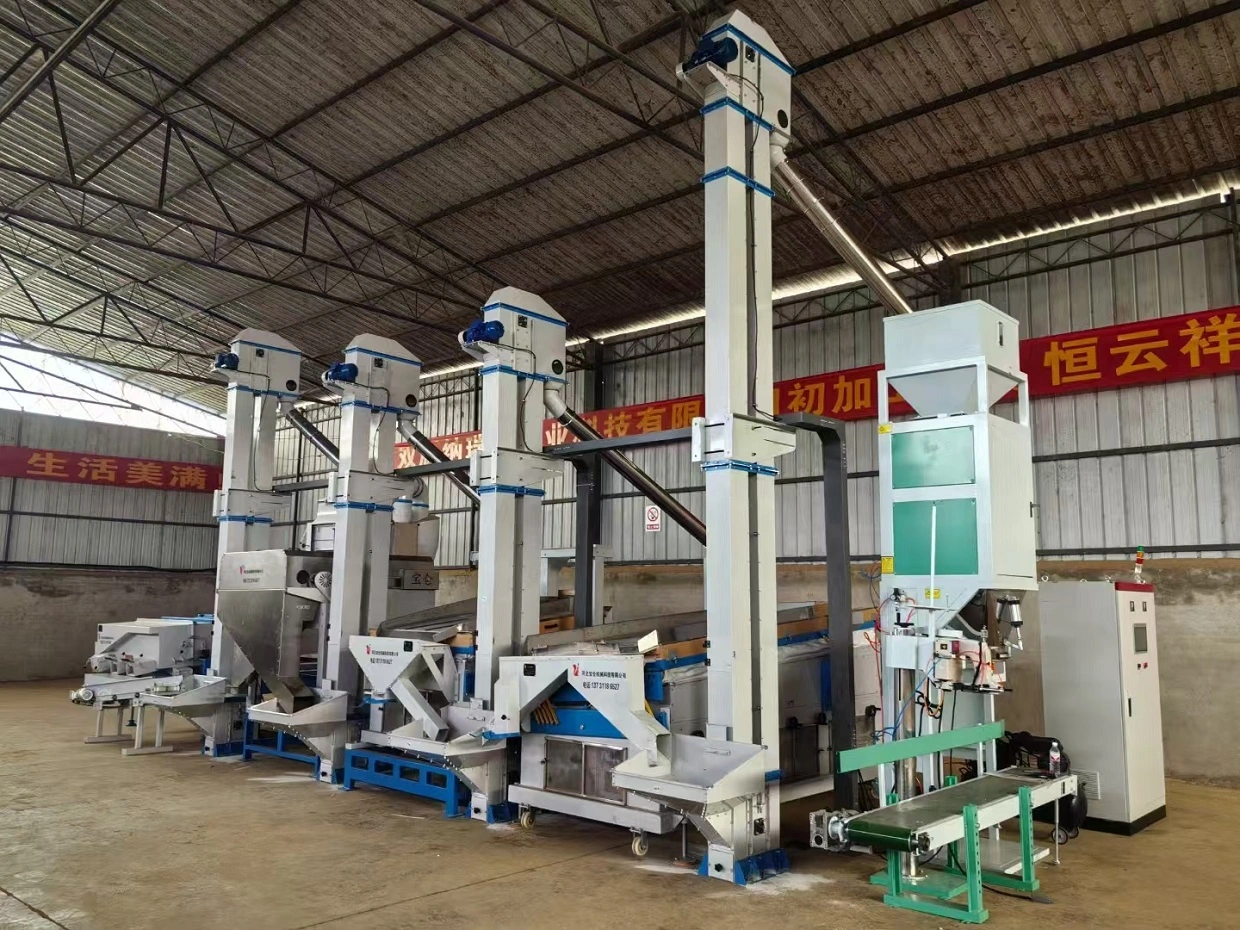
Beibu Machinery-Sesame production line installed
Apr. 07, 2024
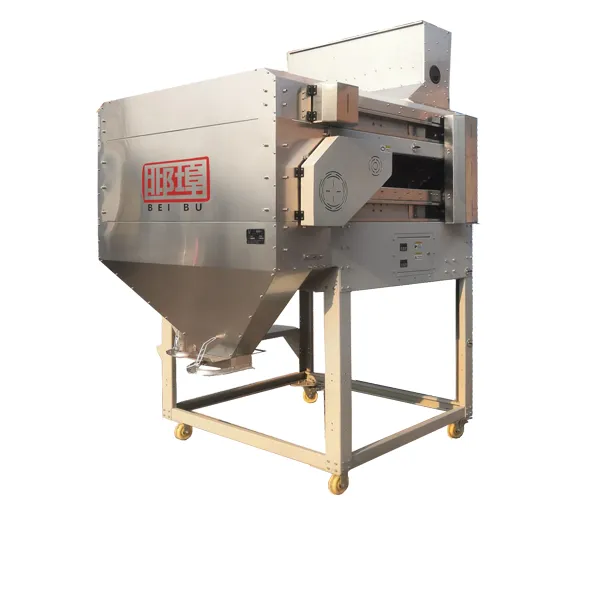
Magnetic Separator-Hebei Beibu Machinery Technology CO.,LTD
Jul. 25, 2024
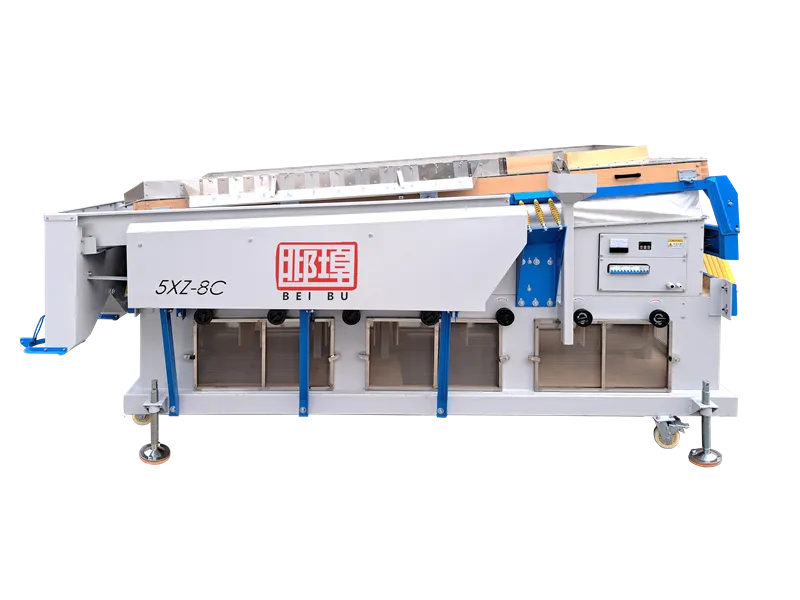
Soybean Cleaning Machine Fine Cleaning Gravity Separator-Hebei Beibu Machinery Technology Co.,LTD

Sep. 29, 2024
2024 China International Peanut Conference-Beibu Machinery
Beibu Machinery


