



Dec . 13, 2025 17:50
Understanding Seed Grading Equipment: What It Is and Why It Matters
Seed grading equipment – it sounds pretty straightforward, right? But it’s actually one of those unsung heroes in agriculture and seed industry that plays a crucial role in global food security and seed quality control. At its core, this equipment helps separate seeds based on size, weight, and other physical characteristics, ensuring that what gets sown or sold meets precise standards. Why does that matter? Well, consider the ripple effect: better seed quality means higher crop yields, less wastage, and ultimately more reliable food supplies. And on a broader scale, especially in developing regions, this equipment supports livelihoods and smallholder farmers, which is no small feat. So, knowing about seed sorting and grading tech is like understanding a backstage process that powers much of the world’s agriculture — and frankly, it’s kind of fascinating when you dive in.The Global Context: Why Seed Grading Equipment Is Crucial Today
The United Nations estimates that by 2050, the world population will reach nearly 10 billion — which means agricultural productivity has to keep pace. The problem? Quality seed production can be inconsistent, especially in regions that lack advanced technology or infrastructure. According to the Food and Agriculture Organization (FAO), seed quality directly impacts crop success and food security globally. Seed grading equipment addresses this problem by enabling rapid, consistent, and accurate sorting of seeds. It’s an investment that boosts efficiency from local seed companies to multinational agribusinesses. In fact, ISO standards increasingly regulate seed grading processes to ensure compliance and performance, shaping how equipment manufacturers innovate. Without such technology, farmers might end up planting mixed or poor-quality seeds, turning agricultural ambitions into frustrations.Mini Takeaway
Seed grading equipment isn’t just a nice-to-have; it’s foundational for feeding the world smartly and sustainably.
What Exactly Is Seed Grading Equipment?
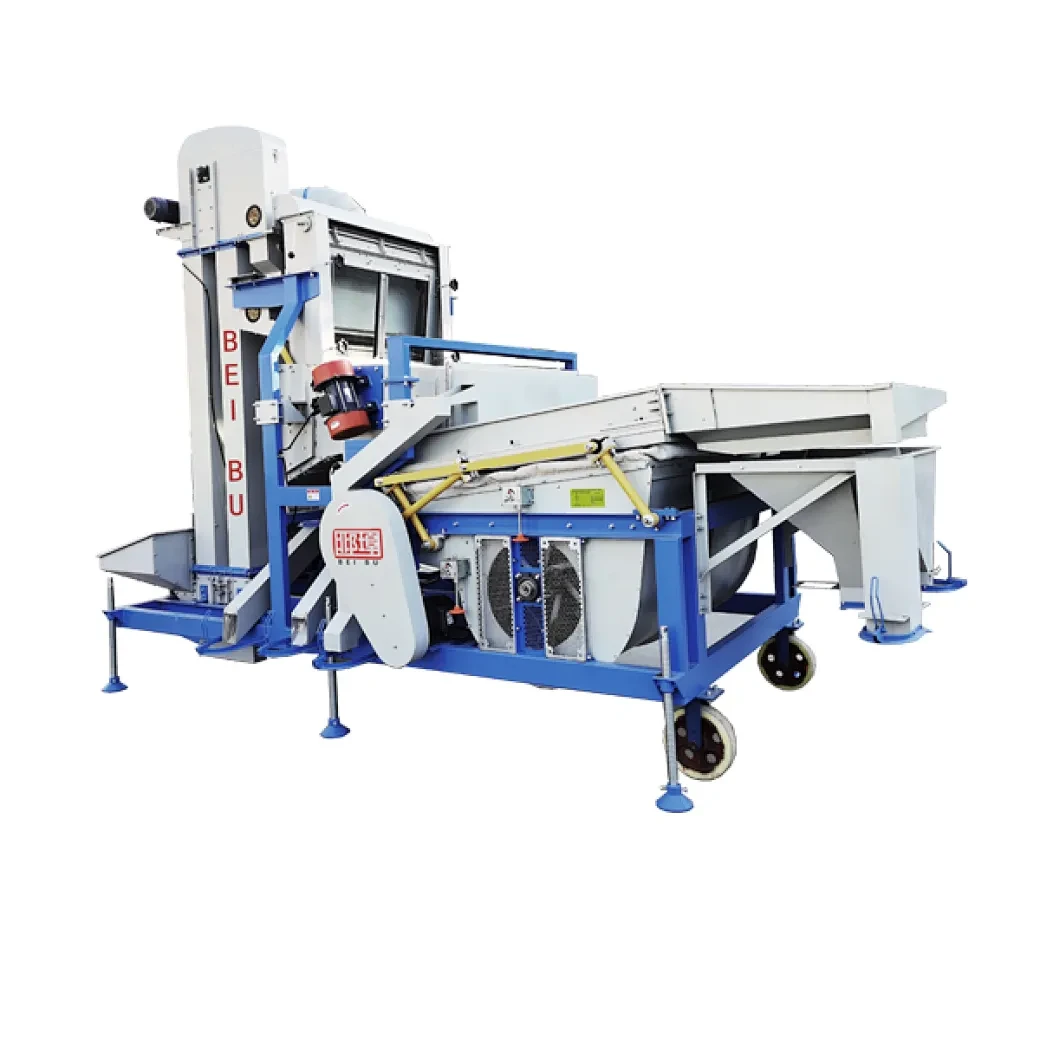
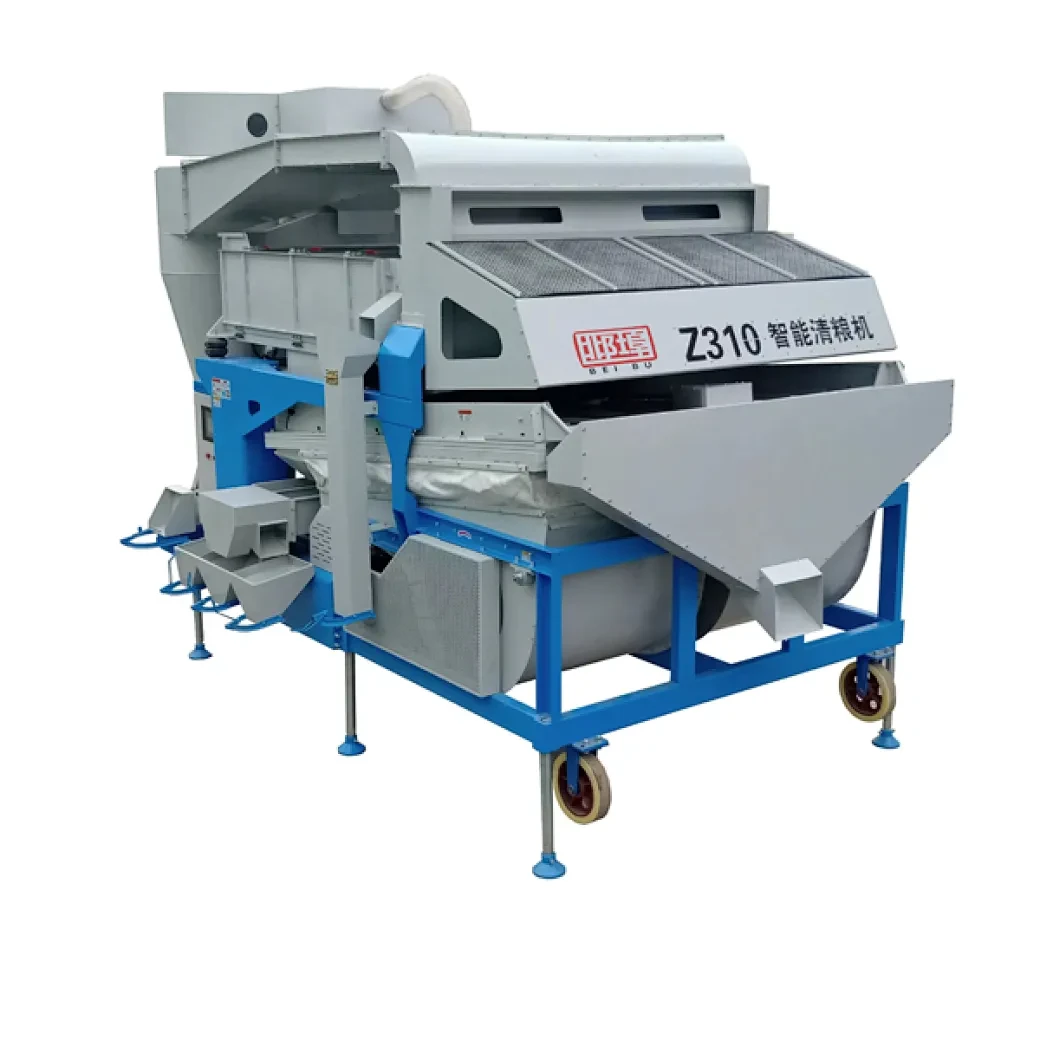
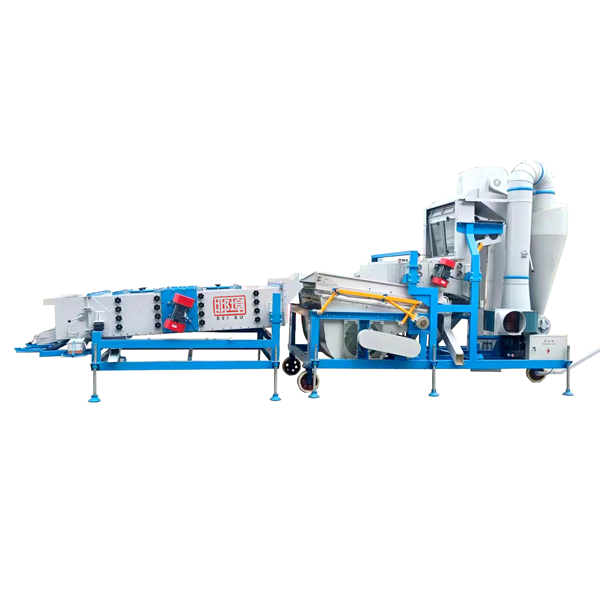
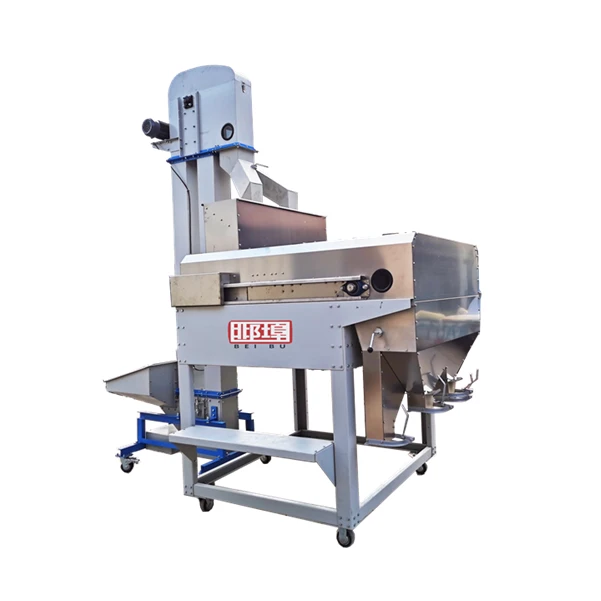
At its simplest, seed grading equipment is machinery used to separate and classify seeds by attributes such as size, shape, density, and sometimes color. Think of it as a high-tech sieve combined with smart sorting mechanisms that can weed out damaged, undersized, or otherwise inferior seeds. Modern machines may use screens, air blowers, optical sensors, or vibration techniques — often all in one system — making the grading process both faster and more precise than manual sorting. This equipment isn’t just for farmers; seed companies, processors, and packaging firms all rely on it to maintain quality consistency. Beyond industry, in humanitarian contexts, good seed grading equipment helps ensure relief efforts provide reliable seeds to disaster-hit areas, supporting quick agricultural recovery.Mini Takeaway
Seed grading machines marry mechanics with tech, making seed sorting a science rather than guesswork.
Core Components and Key Factors to Consider
1. Durability and Build Quality
Seeds aren’t exactly delicate – but the equipment must be tough enough to handle high-throughput workloads and harsh dusty environments common in agribusiness. Arc-welded steel frames, corrosion-resistant coatings, and precision engineering go a long way.
2. Scalability and Throughput
Whether you’re processing a few hundred kilograms or several tons per hour, equipment needs to scale accordingly. The best machines offer modular configurations, so users can start small and upgrade as demand increases.
3. Sorting Accuracy and Flexibility
Nowadays, optical sensors and AI-assisted systems elevate the precision of seed grading. Some units can distinguish between viable seeds and subtle defects invisible to the naked eye. Flexibility means the equipment can handle diverse seed types without major redesigns.
4. Cost Efficiency and Maintenance
Running costs and downtime matter more than people realize. Machines with simple adjustment mechanisms, easy-to-clean parts, and low power consumption help keep costs down over time. Maintenance support and spare parts availability are equally important.
5. Environmental and Energy Impact
There’s a growing push for greener solutions—equipment that runs on less energy or incorporates renewable power sources fits better with sustainable agriculture missions.
Mini Takeaway
Choosing seed grading equipment isn’t just about specs on paper; it’s a balance between durability, accuracy, adaptability, and operational cost.
Global Applications: Where and How Seed Grading Equipment Changes the Game
Seed grading machines see active use across nearly every major agricultural region. In the US Midwest or Brazil’s cerrado, giant operations move millions of seeds daily. In contrast, small- and medium-sized seed enterprises in India or Kenya use compact yet efficient versions tailored to local crops. Interestingly, in post-disaster situations — like after floods or droughts — NGOs depend on portable seed grading equipment to quickly separate usable seeds from salvaged grain stocks. This helps communities restart farming without the usual months-long delay. Large commercial farms in Europe and Australia integrate seed grading into automated workflows, linking it with digital tracking for precision farming. Meanwhile, innovative farmers in Southeast Asia adopt seed grading equipment to upgrade traditional processes, showing how the tech bridges modern and local practices.Mini Takeaway
The application scope proves seed grading equipment’s flexibility: from mega-farms to humanitarian relief, it adapts and performs.
Advantages & Long-Term Benefits of Using Seed Grading Equipment
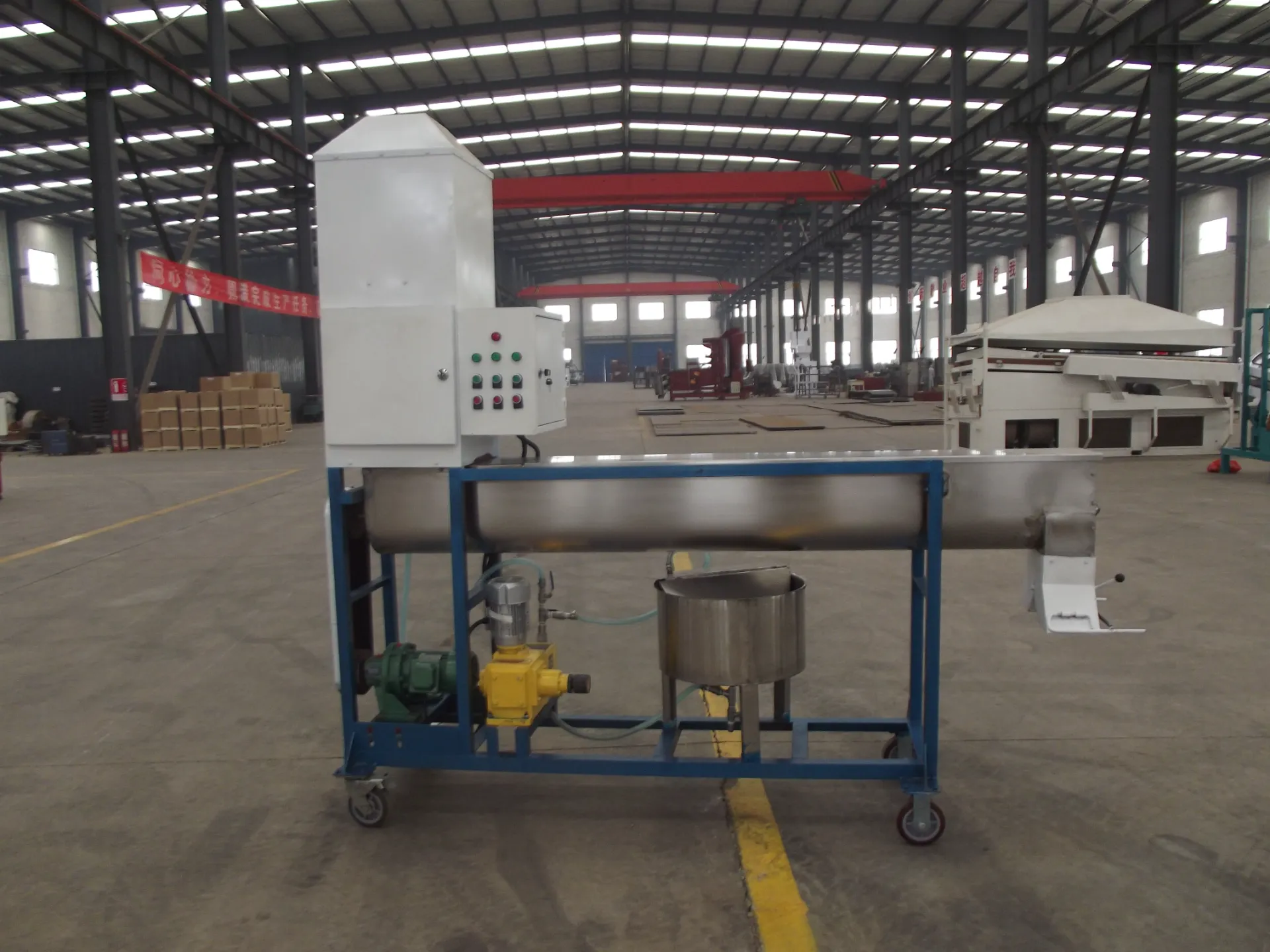
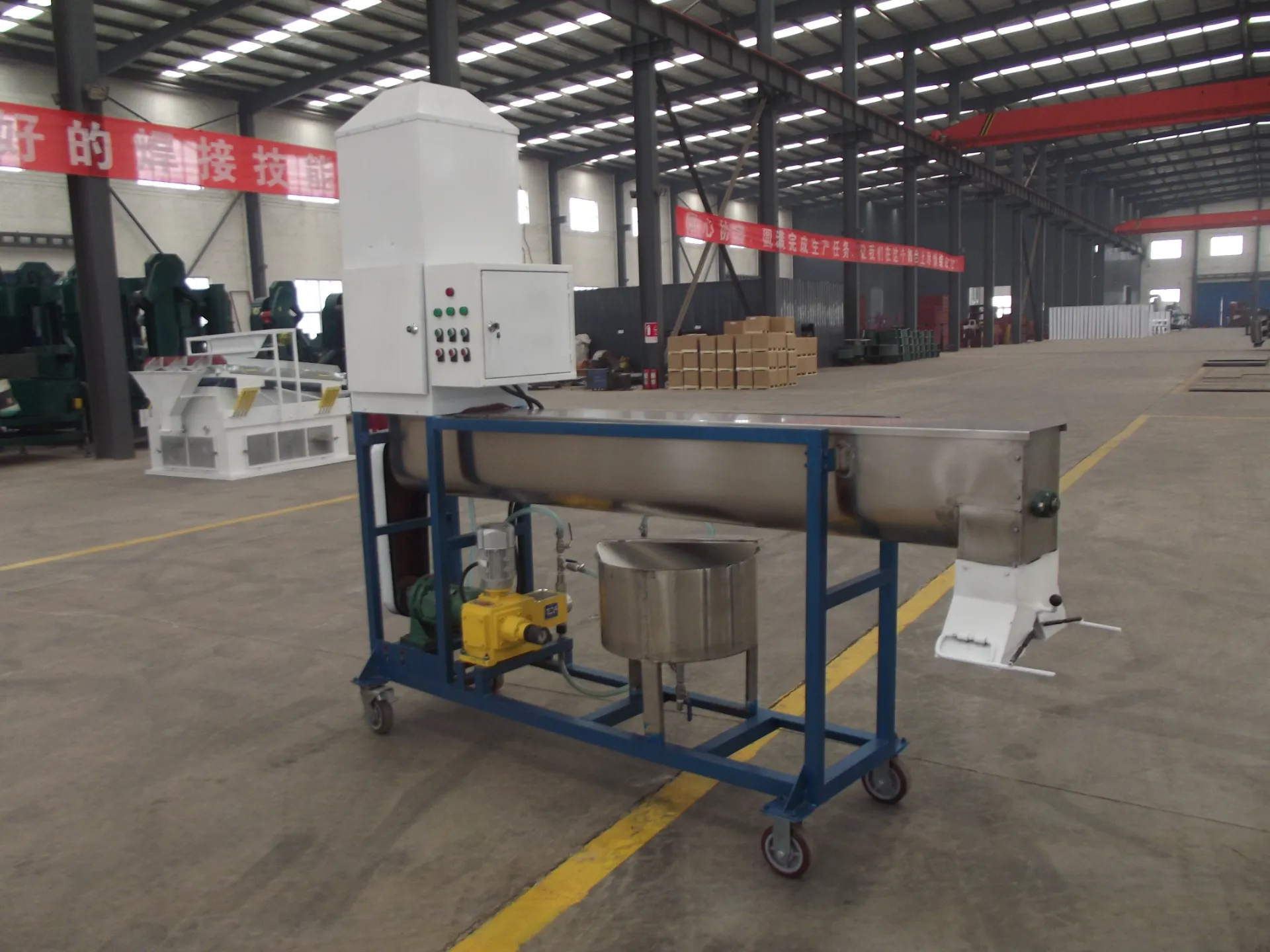
- Improved Crop Yields: Planting homogenous, high-quality seeds leads directly to better germination rates and more uniform crops. - Cost Savings: Sorting saves money by reducing waste and maximizing seed usage efficiency. - Quality Assurance: Certified seed lots achieve higher market value and comply with industry standards. - Environmental Sustainability: Less seed waste means fewer resources spent growing suboptimal plants. - Social Impact: Farmers gain trust and stability when provided with consistently good seeds, fostering community resilience. - Innovation & Reliability: Automated grading equipment minimizes human error while handling high volumes. Emotionally, this means farmers and seed suppliers feel more confident, safer in their investments, and empowered to deliver results.Product Specification Table: Typical Seed Grading Equipment Model
Vendor Comparison Table: Popular Seed Grading Equipment Brands
Looking Ahead: Emerging Trends & Innovations in Seed Grading
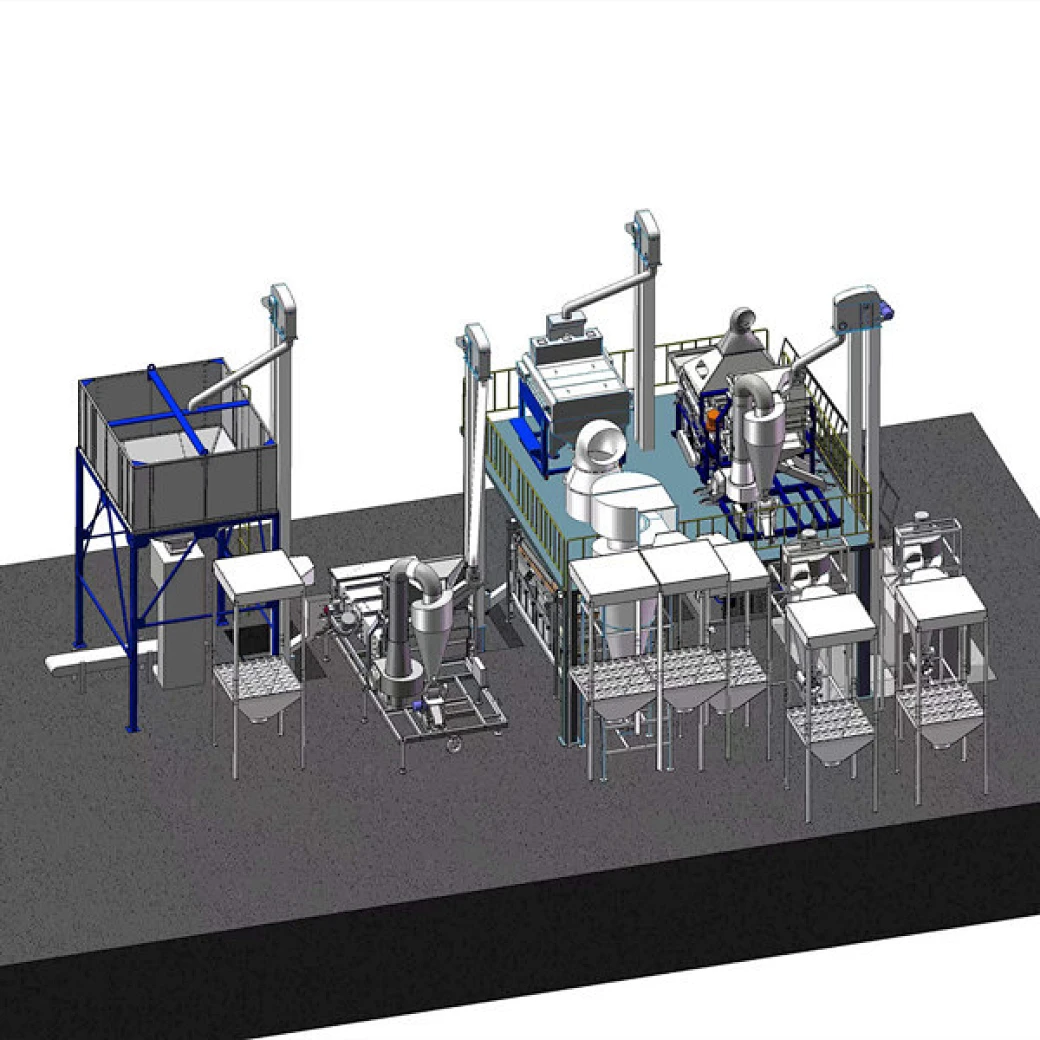
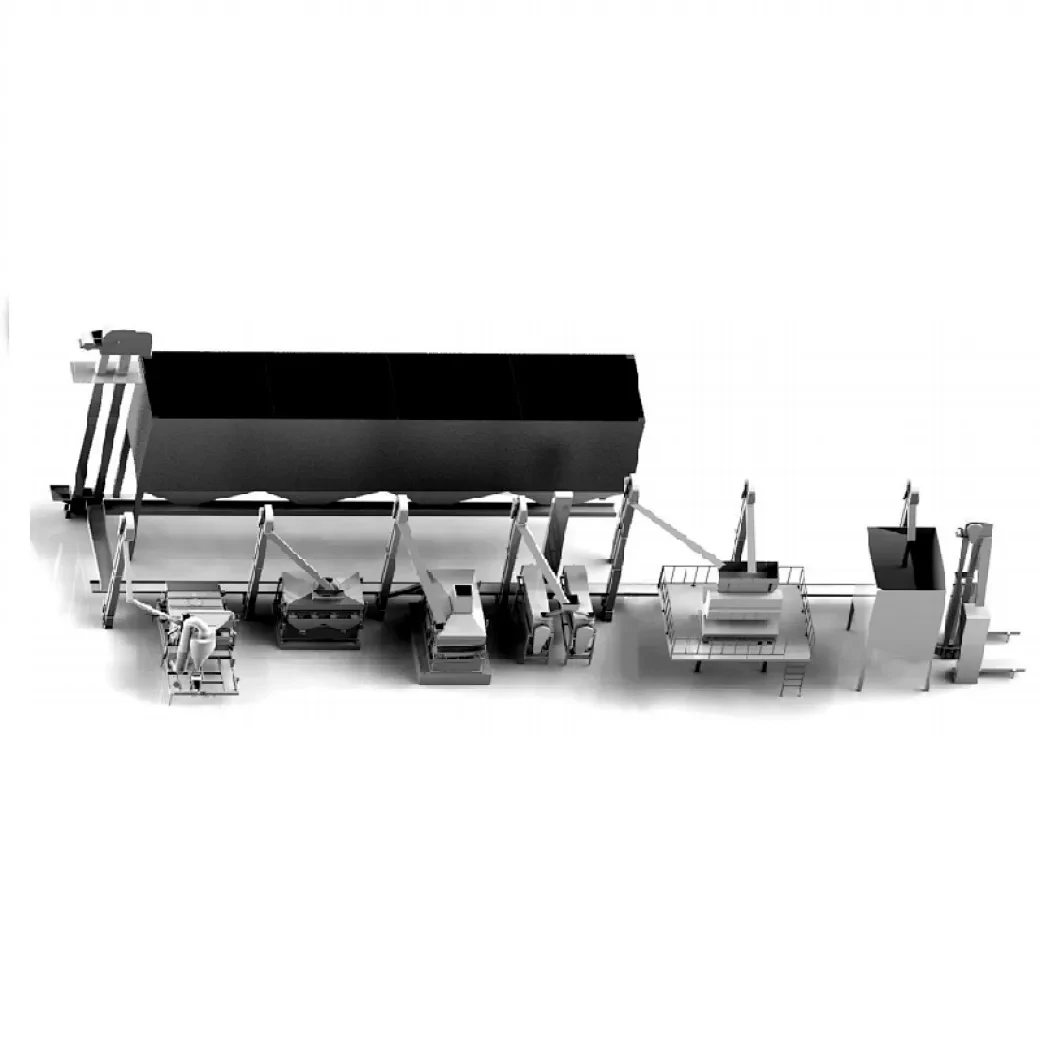
It’s an exciting time for seed grading equipment, thanks in large part to tech leaps like AI-powered defect detection and IoT-enabled remote monitoring. These innovations allow users to track seed quality data in real-time and optimize sorting parameters on the fly, which used to seem like sci-fi. On the sustainability front, manufacturers are experimenting with eco-friendly materials and solar-powered models, helping reduce environmental footprints. Some companies pilot integration with blockchain technology for certifying seed origin and quality, adding transparency in supply chains. Automation is also growing in popularity, with fully automated lines that handle cleaning, grading, and packaging — freeing labor resources and speeding up delivery.Challenges That Still Need Attention
That said, there are persistent hurdles. One biggie is affordability: advanced seed grading machines can be prohibitively expensive for small farmers or cooperatives, especially in low-income countries. Then there’s complexity — some models are technically demanding to operate or maintain without trained staff. Supply chain issues sometimes delay spare parts or technical support, which can bring operations to a painful halt. Experts recommend modular equipment designs that scale from manual to automatic operation, plus long-term vendor partnerships focusing on training. Open-source software platforms and local manufacturing hubs are also emerging as potential solutions.FAQ: Your Questions About Seed Grading Equipment Answered
- How does seed grading equipment improve crop yield?
- By sorting seeds based on size, weight, and health, the equipment ensures only viable, uniform seeds are sown. This leads to better germination and uniform plant growth, ultimately improving overall yield.
- Can the equipment handle different types of seeds?
- Yes, most modern seed graders are designed to be adjustable or come with interchangeable components, allowing operators to switch between seed types like wheat, maize, beans, and more without extensive downtime.
- Is it possible to use seed gradation machines in remote or resource-limited areas?
- Absolutely. There are models specifically designed for durability and ease of use in such settings. Portable or solar-powered versions are gaining ground to ensure broader accessibility.
- What maintenance is required to keep seed grading equipment operational?
- Routine cleaning, checking sensors, lubricating moving parts, and timely replacement of worn screens or belts are essential. Many manufacturers provide detailed schedules and support services.
- How does investment in seed grading technology impact smallholder farmers?
- Though upfront costs can be a challenge, access to quality seed grading boosts seed performance, reduces waste, and enhances income over time. Cooperative ownership models often help share costs and benefits within communities.
Wrapping Up: Why Seed Grading Equipment Should Be on Your Radar
So, when you step back, seed grading equipment feels like a quietly revolutionary tool — enabling a chain reaction of improvements from seed to plate. Its global relevance is set to grow as climate change, population spikes, and sustainability demands intensify. Whether you’re a farmer, seed producer, or policymaker, understanding this tech is a step toward smarter agriculture. Curious? Dive deeper and explore the latest models at seed grading equipment — it’s worth your while.References

Nov. 06, 2024
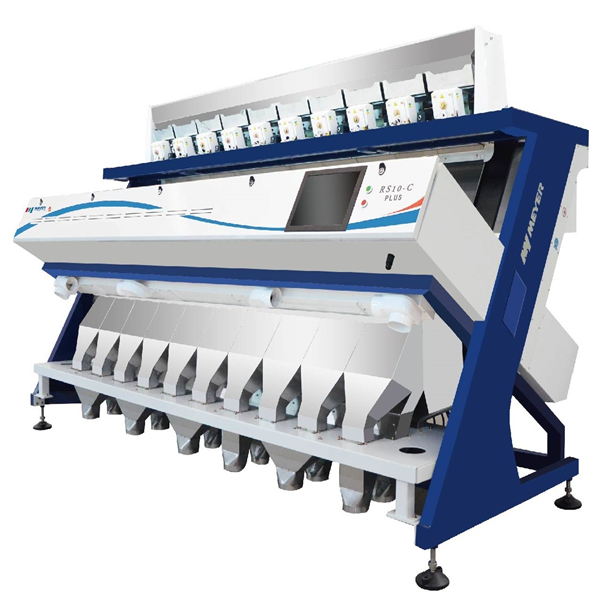
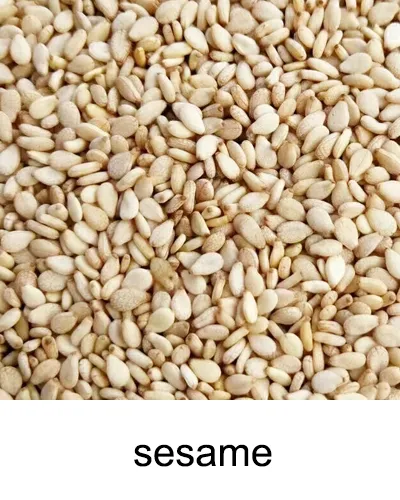
Sesame Cleaning Machine-Hebei Beibu Machinery Technology Co.,LTD

Oct. 28, 2025
Spices Anise Seed Cleaning Machine-Hebei Beibu Machinery Technology Co.,LTD
Oct. 23, 2024
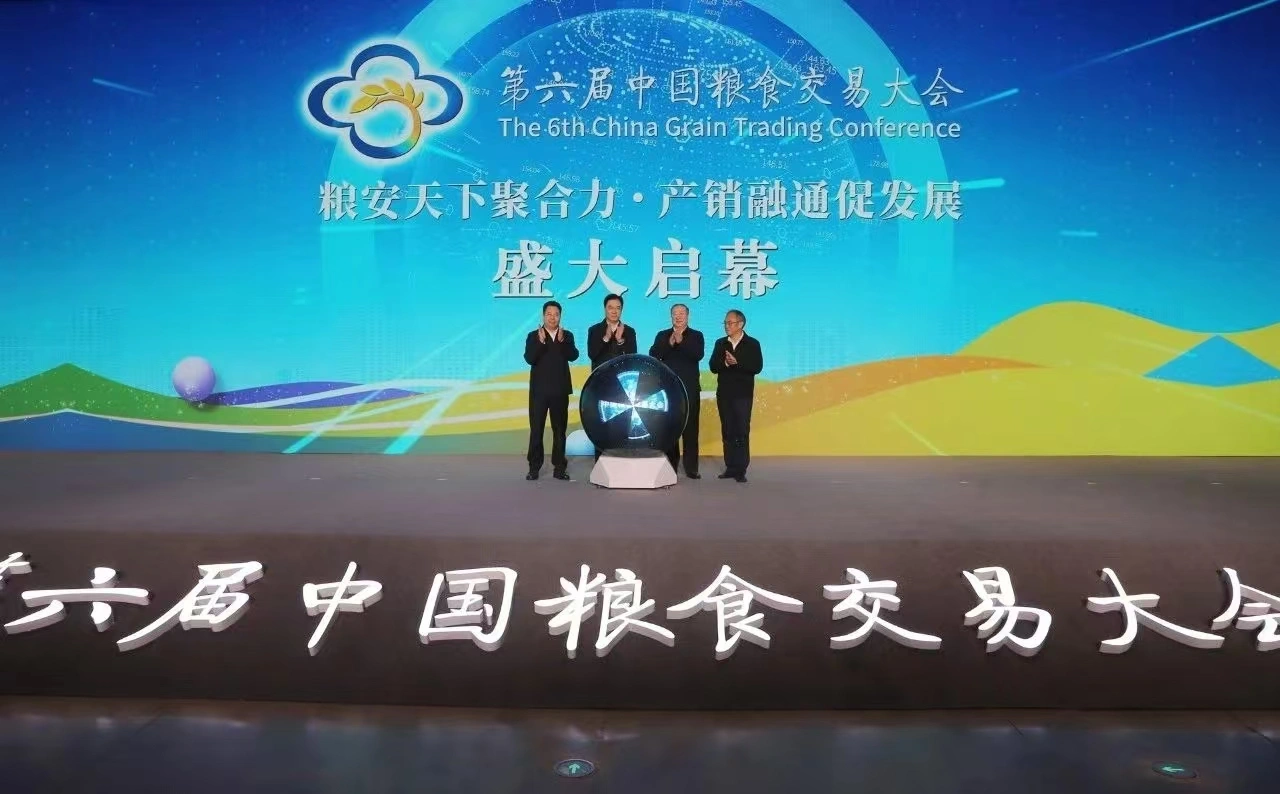
The 6th China Grain Trading Conference came to an end on the 20th
Jul. 25, 2024
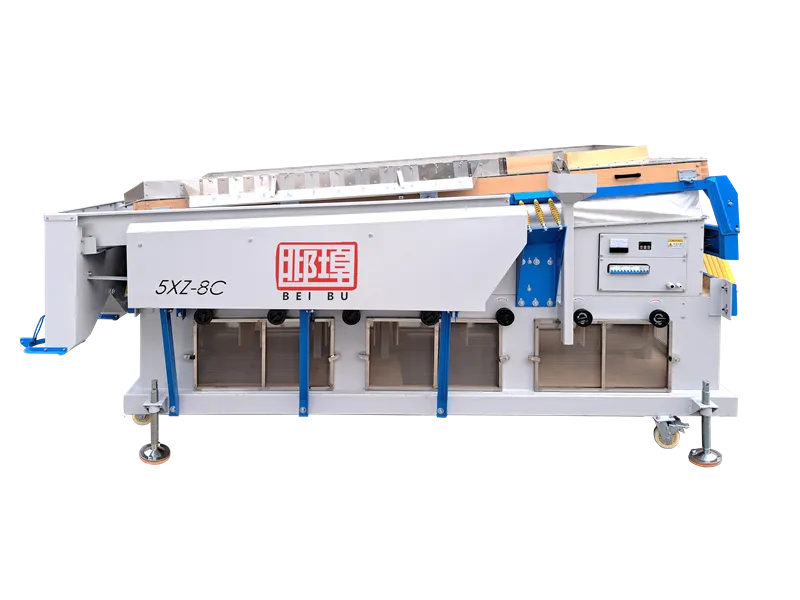
Soybean Cleaning Machine Fine Cleaning Gravity Separator-Hebei Beibu Machinery Technology Co.,LTD

Mar. 19, 2025
Best Time for Booking Grain Cleaning Machine-Hebei Beibu Machinery Technology Co.,LTD
Nov. 20, 2025
Color Sorter for Sale - AI Precision, High Throughput
Beibu Machinery


