



Ago . 27, 2025 14:13
In the fields of agricultural production, grain processing, warehousing and logistics, Grain Conveying Equipment, as a key device for bulk material transportation, has become an important link connecting various production links with stable operating performance and flexible adaptability. It breaks through the limitations of low efficiency and high loss in traditional manual handling, and achieves continuous and automated transportation of bulk materials such as grain through mechanical transmission and structural optimization. Its operational efficiency and reliability directly affect the smoothness of the entire production chain, and is widely used in various industries such as mining, agriculture, manufacturing, and logistics to efficiently and reliably transport bulk materials.
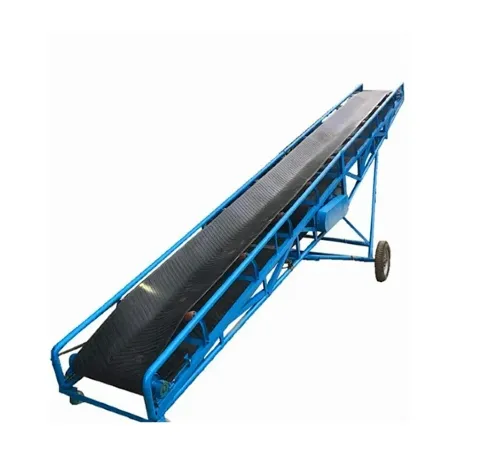
The core advantage of Grain Conveying Equipment lies in the synergy between diverse structural design and power systems
Common types include belt conveyors, screw conveyors, scraper conveyors, and pneumatic conveyors - belt conveyors operate continuously through rubber or canvas conveyor belts, suitable for large-scale, long-distance horizontal or inclined transportation, with a conveying capacity of up to tens of tons per hour; Spiral conveyors use rotating blades to push materials inside enclosed pipelines, suitable for vertical or curved transportation in small spaces, and can effectively reduce dust spillage; The scraper conveyor uses a chain to drive the scraper to move inside the tank, and is good at conveying materials with high moisture content to avoid slipping; Pneumatic conveyor creates negative pressure in the pipeline through high-pressure airflow, achieving suspended transportation of materials, especially suitable for long-distance transportation of powdered materials. Different types of grain transfer conveyors form complementary transportation solutions based on material characteristics (such as particle size, moisture content) and site conditions.
The key criteria for measuring the quality of Grain Conveying Equipment involve multiple dimensions
The conveying efficiency needs to match the production scale. Large equipment can transport hundreds of tons of grain per hour, while small equipment can accurately control the conveying volume of small batches of materials; The material loss rate needs to be controlled below 1%, and leakage can be reduced through sealed structure design, especially when conveying easily scattered materials such as grains and flour; The energy consumption level is reflected in the electricity consumption per unit of transmission, and the application of energy-saving motors and transmission systems can reduce operating costs; In terms of adaptability, the equipment needs to be able to handle materials of different particle sizes, such as small flour to larger corn kernels, and maintain stable operation in special environments such as high temperature and humidity.
In practical applications, Grain Conveying Equipment has strong targeted scenarios
In the agricultural field, the small rice mill bucket elevator equipped with combine harvesters can directly transport harvested rice to transport vehicles, reducing field transportation losses; Within the grain processing plant, different types of Grain Conveying Equipment form a linkage system to transport raw grains from the storage area to cleaning, grinding, packaging, and other processes, achieving full process automation; In warehousing and logistics, large belt conveyors are used in conjunction with stackers and reclaimers to complete the storage and retrieval of grain in the warehouse, thereby improving the utilization of storage space; In the raw material workshop of the manufacturing industry, screw conveyors can accurately transport bulk raw materials such as plastic particles and ore powder to production equipment, ensuring accurate proportioning of ingredients; Even in mining scenarios, heavy-duty scraper conveyors can be used as a derivative application of Grain Conveying Equipment to transport bulk materials such as coal and ore.
With the development of industrial automation, the innovation of Grain Conveying Equipment continues to deepen
The application of intelligent control systems enables devices to monitor material flow through sensors, automatically adjust operating speed, and avoid overload or no-load situations; Environmentally friendly design enhances sealing performance, equipped with dust collection devices to reduce environmental pollution during material transportation; The modular structure allows equipment to be quickly assembled and disassembled, facilitating maintenance and site relocation, such as the rapid establishment of temporary storage points; The upgrade of wear-resistant materials has extended the service life of vulnerable components such as conveyor belts and blades, reducing replacement frequency and costs.
In summary, the rice mill elevator focuses on efficient and continuous transportation of bulk materials, and has become a key link in the cross industry production chain through diversified structural design and technological innovation. It not only improves the efficiency and economy of material transportation, but also promotes the development of various industries towards automation and scale. In the future, with the integration of intelligent control and green manufacturing concepts, the rice mill elevator belt will evolve towards higher efficiency, lower consumption, and environmental protection, continuously optimizing the transportation experience of bulk materials.
Grain Conveying Equipment FAQs
What is Grain Conveying Equipment?
Grain Conveying Equipment is a mechanical device specifically designed for transporting bulk materials, capable of efficiently and continuously transporting materials such as grains, granules, or powders from one location to another. It is widely used in fields such as agriculture, food processing, warehousing and logistics, significantly improving the efficiency of material handling and reducing labor costs.
What are the common types of Grain Conveying Equipment?
Common Grain Conveying Equipment includes belt conveyors, screw conveyors, bucket elevators, pneumatic conveying systems, and vibrating conveyors. Belt conveyors are suitable for long-distance horizontal conveying, screw conveyors are suitable for powder materials in enclosed spaces, bucket elevators are used for vertical conveying, pneumatic conveying systems transport lightweight particles through airflow, and vibrating conveyors are suitable for smooth conveying of fragile materials.
What are the main advantages of Grain Conveying Equipment?
Grain Conveying Equipment has advantages such as high efficiency, automation, labor savings, and reduced material loss. It can achieve continuous operation, greatly improve production efficiency, and reduce material pollution and damage during transportation. In addition, many devices also have the function of adjusting the conveying speed and direction to meet different production needs.
How to choose the appropriate Grain Conveying Equipment?
When choosing Grain Conveying Equipment, it is necessary to consider the characteristics of the material (such as particle size, humidity, flowability), conveying distance, operating environment (indoor or outdoor), and production capacity requirements. For example, materials that are prone to dust are suitable for enclosed screw conveyors, while bulk grains that require long-distance transportation are more suitable for belt conveyors. In addition, the durability and ease of maintenance of the equipment are also important considerations.
What aspects should be noted in the maintenance of Grain Conveying Equipment?
Regularly checking the wear of the conveyor belt, cleaning residual materials, and lubricating moving parts are key to maintenance. For pneumatic conveying systems, it is necessary to check whether the pipelines are blocked; Spiral conveyors should pay attention to whether the blades are deformed; The bucket elevator needs to ensure the tension of the chain or belt. Good maintenance can extend the lifespan of equipment and prevent unexpected shutdowns from affecting production progress.
Jan. 05, 2026
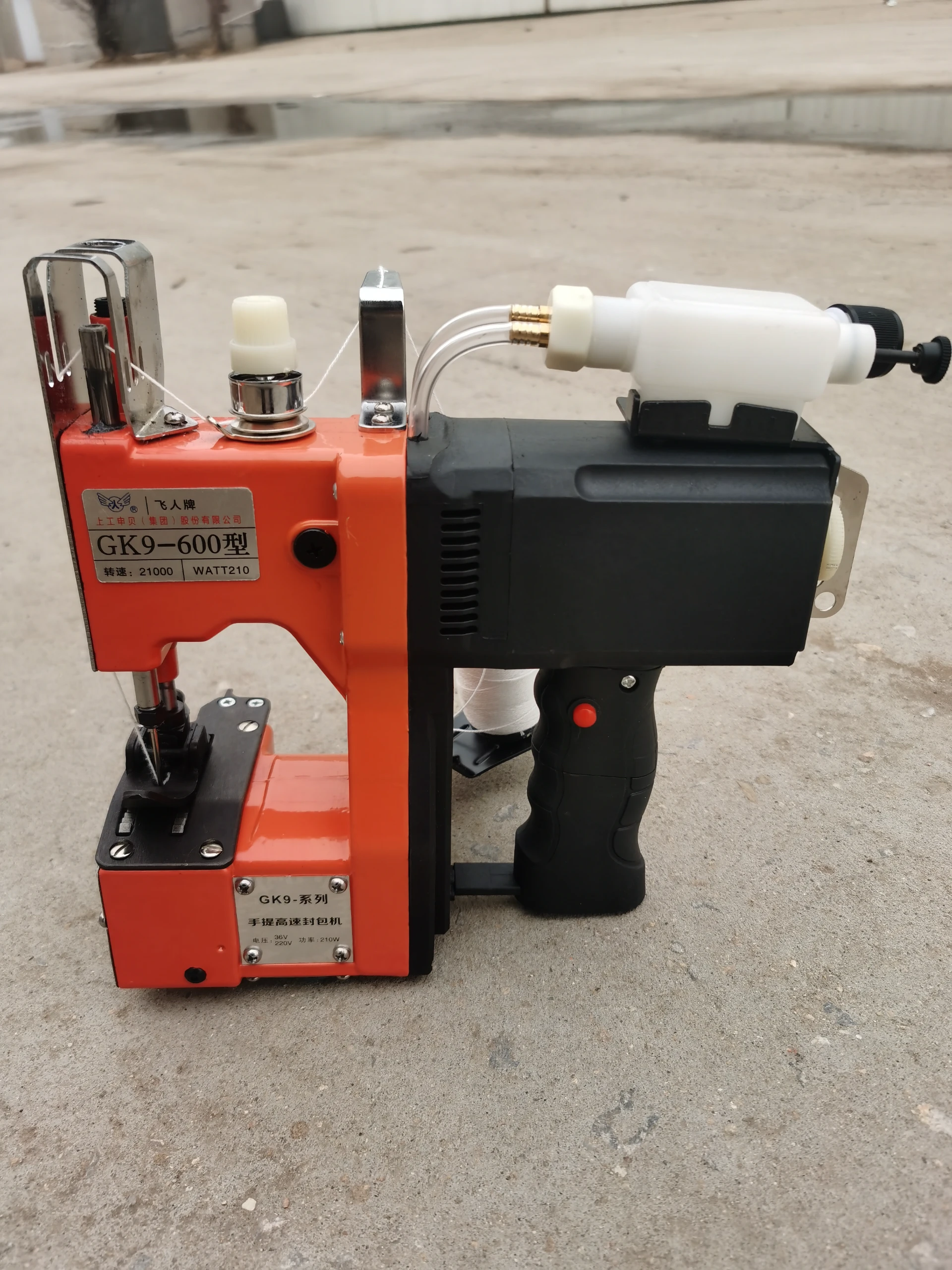
Free Hand Sewing Machine-hebei Beibu Machinery Technology Co. | Durable Industrial Sewing Solutions
Dec. 13, 2025
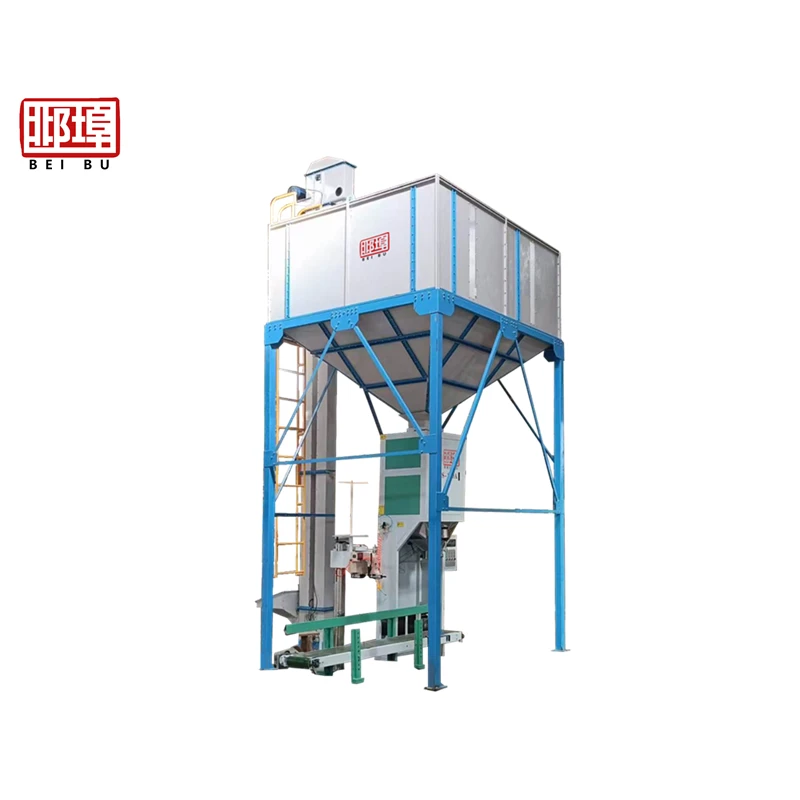
Three Types of Grain Packing Machines Explained – Industry Insights
23 de septiembre de 2024
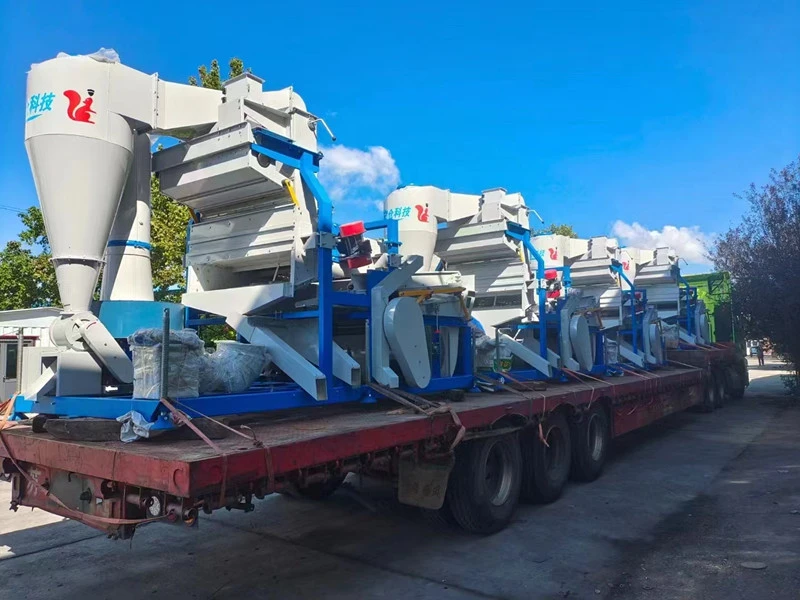
Entrega de cuatro juegos de máquinas para limpiar sésamo - Hebei Beibu Machinery Technology Co.,LTD

4 de mayo de 2024
Se acerca la temporada de limpieza de sésamo
8 de mayo de 2024
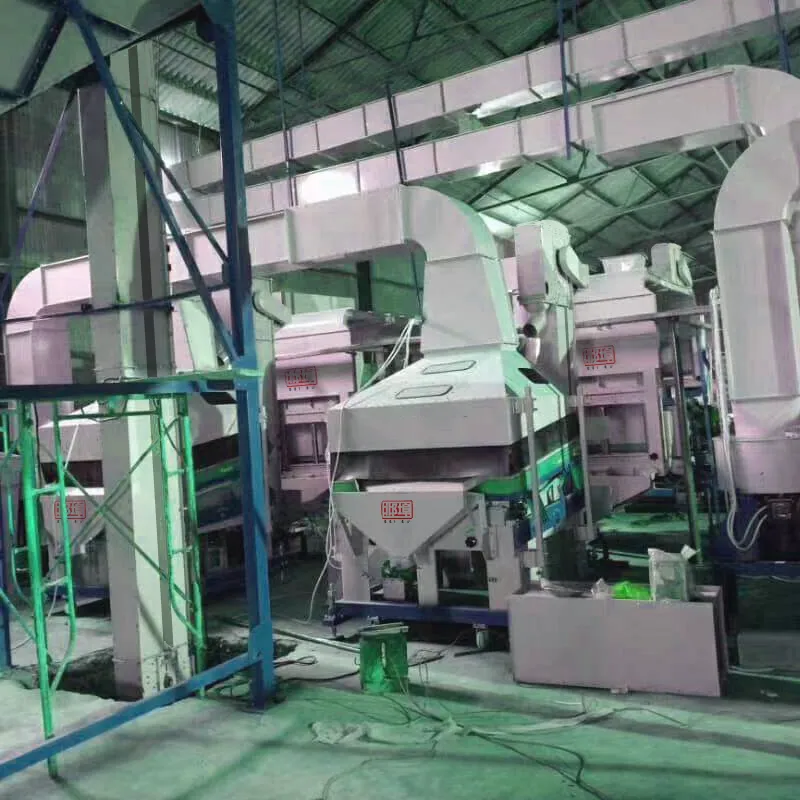
La planta de limpieza de sésamo está funcionando
28 de octubre de 2024
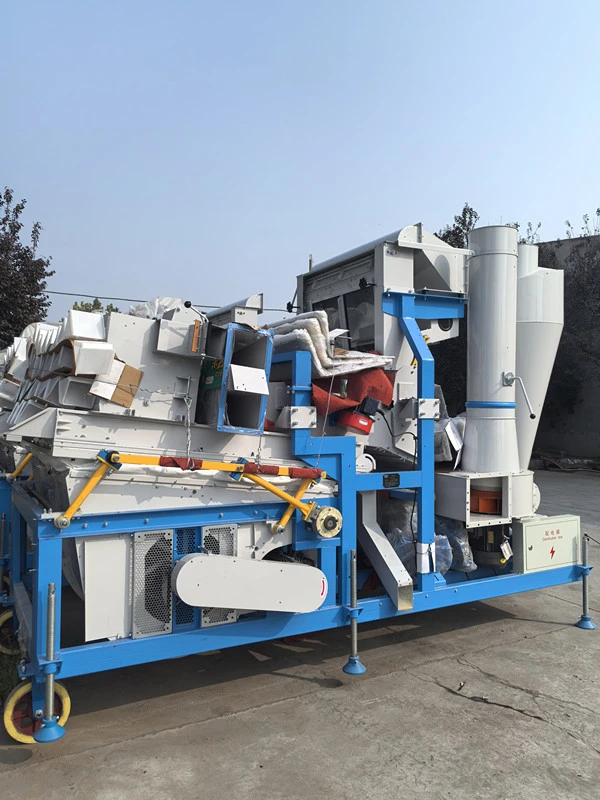
Máquina de limpieza de sésamo y soja, cargada en Chad - Hebei Beibu Machinery Technology Co.,LTD
Maquinaria Beibu


