Why Agriculture Grading Machines Matter More Than Ever
In a world where food production and distribution must keep pace with a growing population, agriculture grading machines quietly play a pivotal role. These machines aren’t just fancy gadgets; they’re essential for ensuring quality, reducing waste, and boosting the value of crops on a global scale. From smallholder farms in Southeast Asia to large-scale exporters in South America, the grading process defines how produce is sorted, priced, and ultimately delivered to consumers worldwide.
Understanding the ins and outs of agriculture grading machines opens the door to enhanced productivity, better supply chains, and above all, more sustainable farming practices. So why all the fuss? Well, without efficient grading, billions of tons of crops could remain undervalued, lost, or mismatched to market demands — something no farmer, buyer, or consumer actually wants.
Setting the Stage: The Global Importance of Agriculture Grading Machines
On a global scale, agriculture accounts for roughly 26% of total employment and remains a cornerstone of the economy for many developing nations, according to the Food and Agriculture Organization (FAO). Yet, inefficient post-harvest practices cause nearly 30% of agricultural produce to go to waste annually, per estimates by the United Nations Environment Programme (UNEP). A huge chunk of this wastage is due to inadequate sorting and grading methods.
This is where agriculture grading machines enter the arena. With rapid globalization and rising consumer expectations for consistency and quality, these machines help standardize outputs and reduce variability that traders dread.
One real challenge is the diversity of crops and their variable grading standards worldwide. What constitutes a "grade A" apple in Chile may not be the same in Europe or Asia. So, machines must be adaptable and precise to serve diverse markets effectively.
Quick Takeaway
- Grading machines reduce post-harvest losses significantly.
- They facilitate fair pricing and market access globally.
- Adaptability is key due to varying crop types and standards.
What Exactly Is an Agriculture Grading Machine?
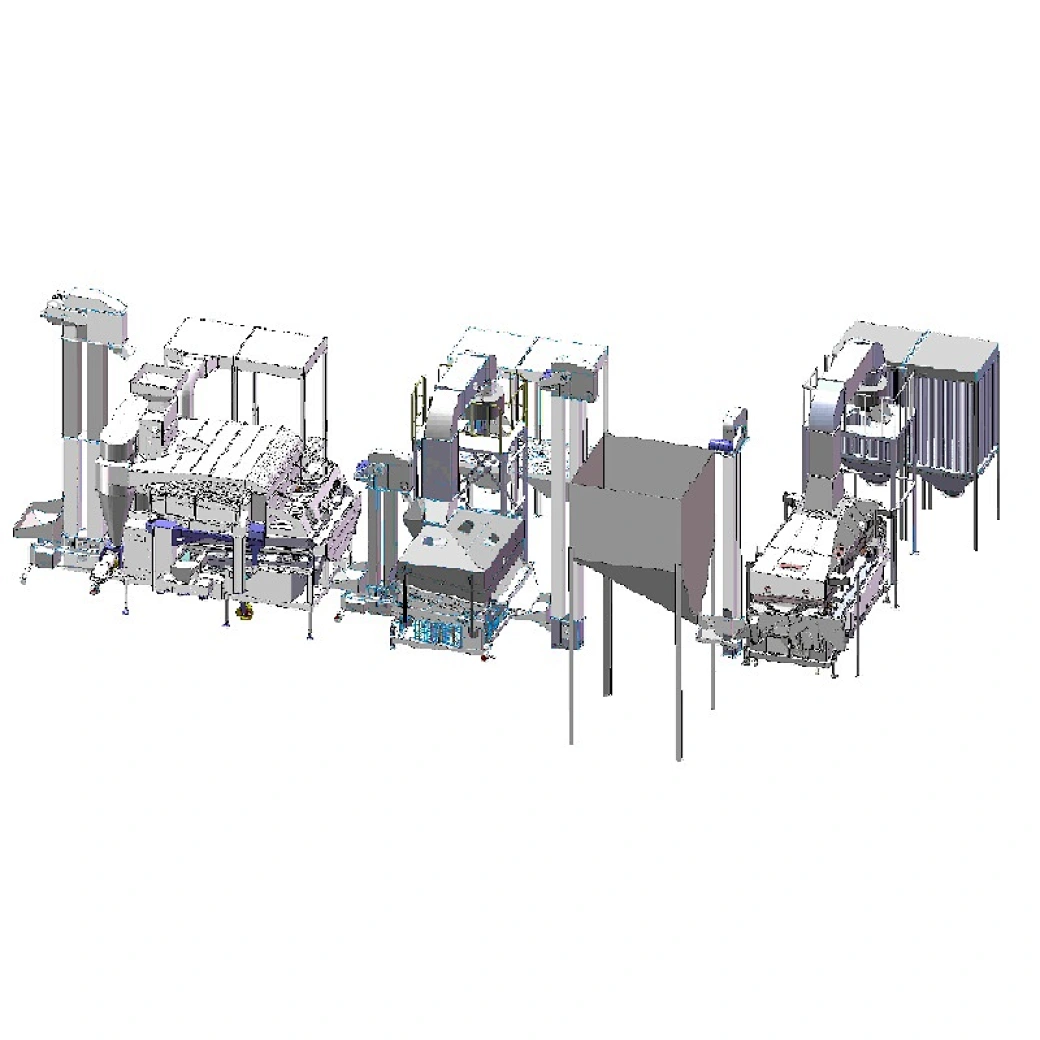
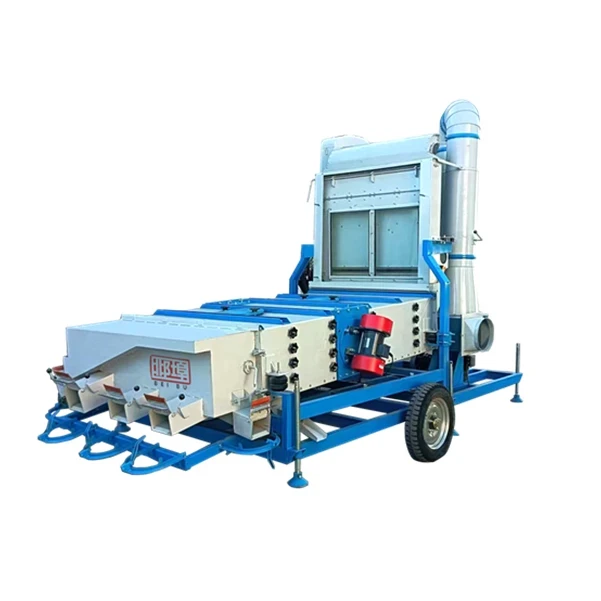
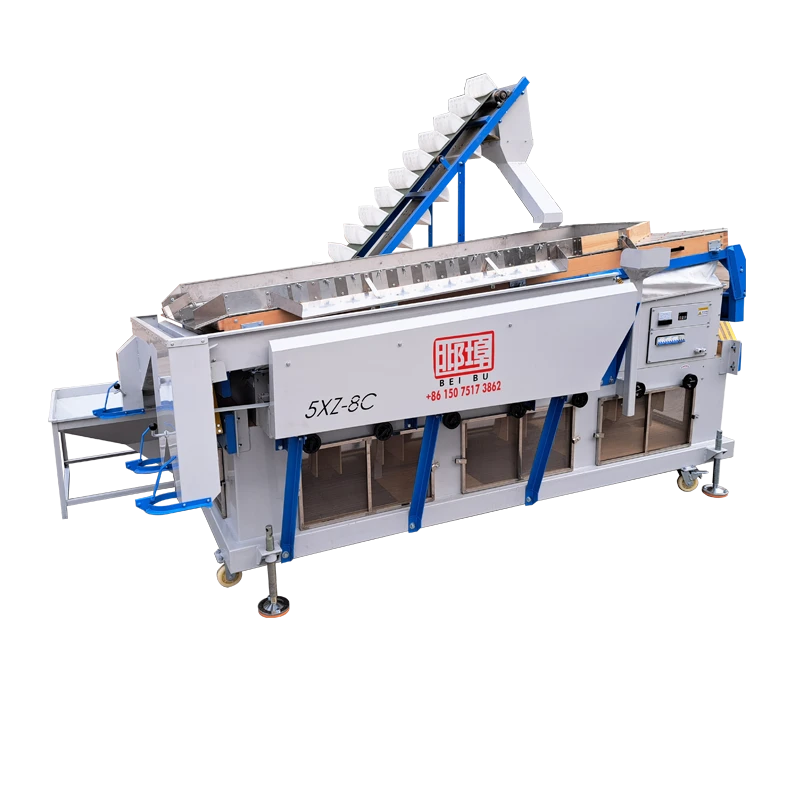
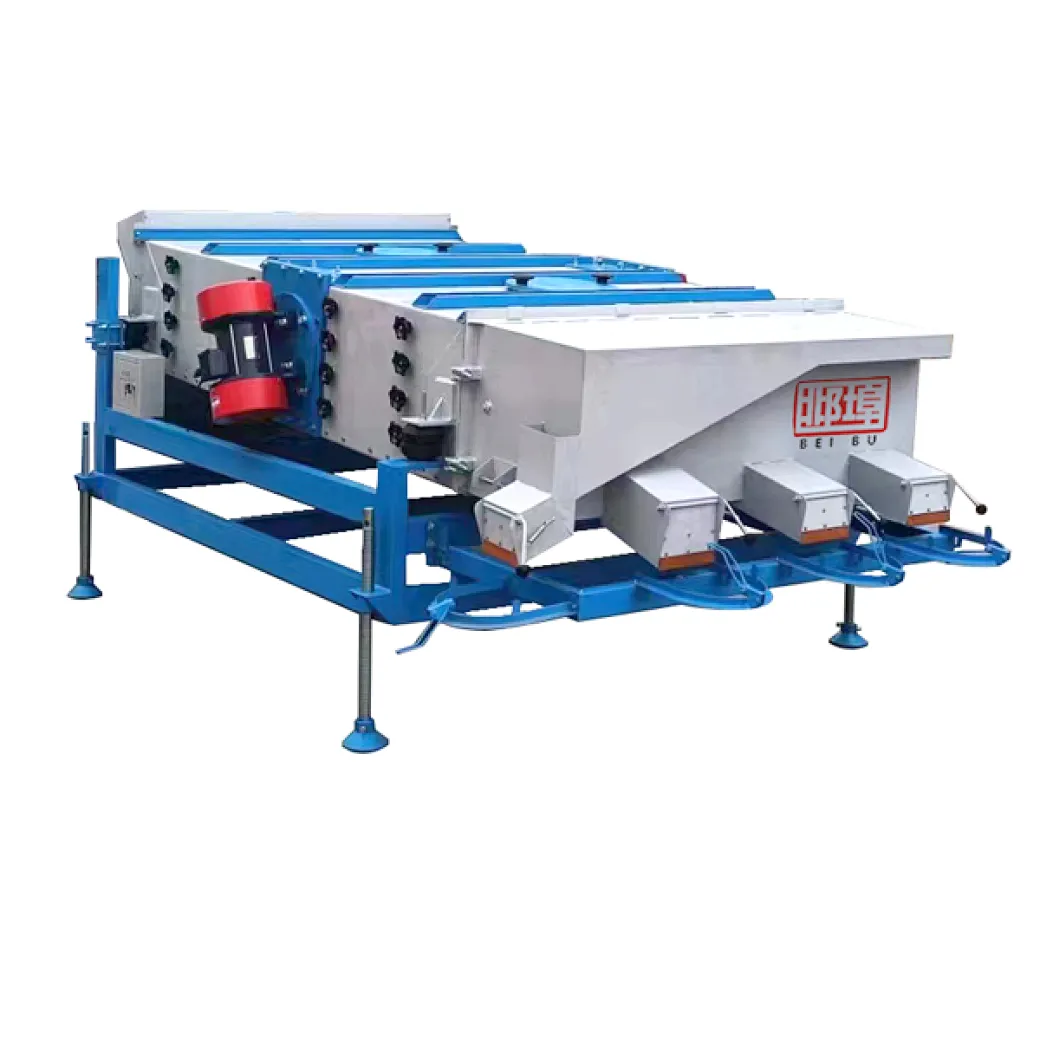
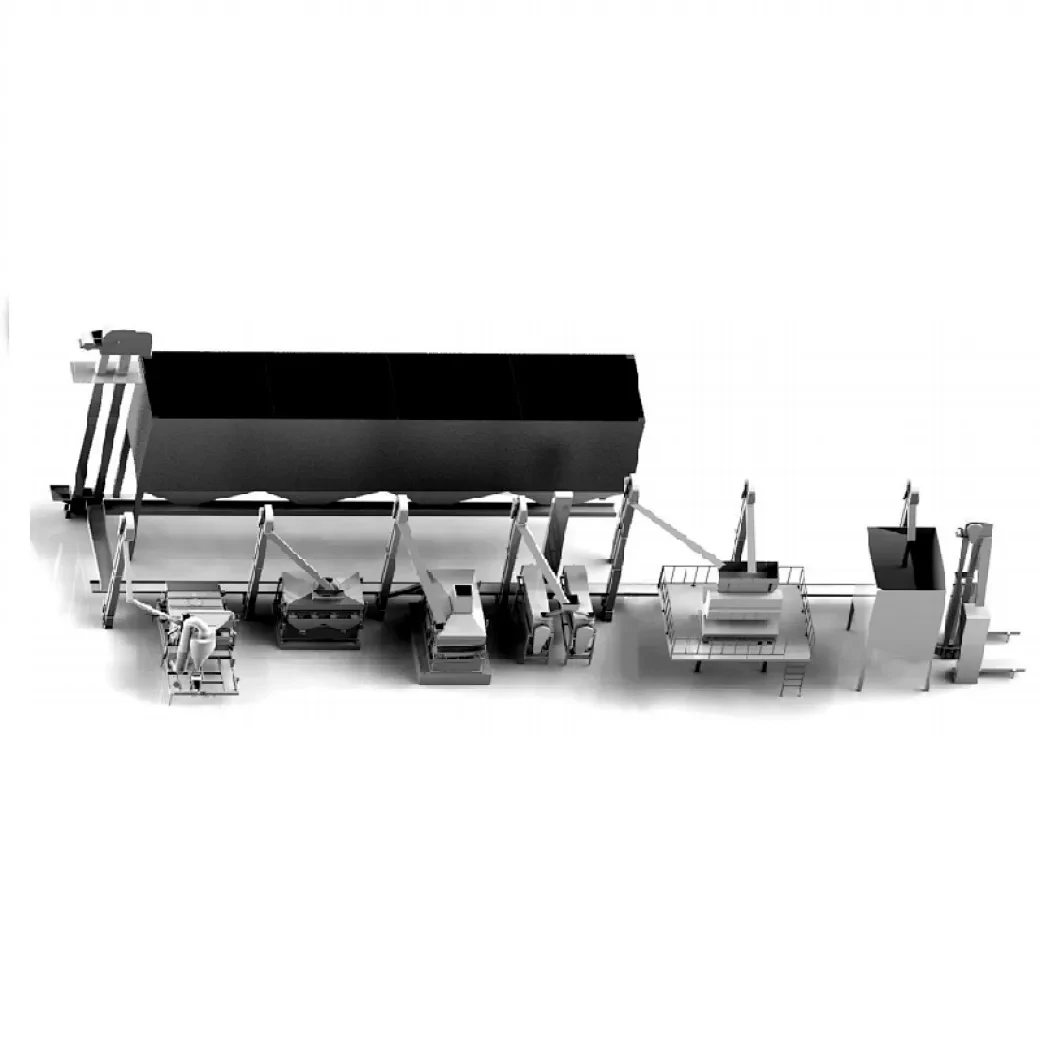
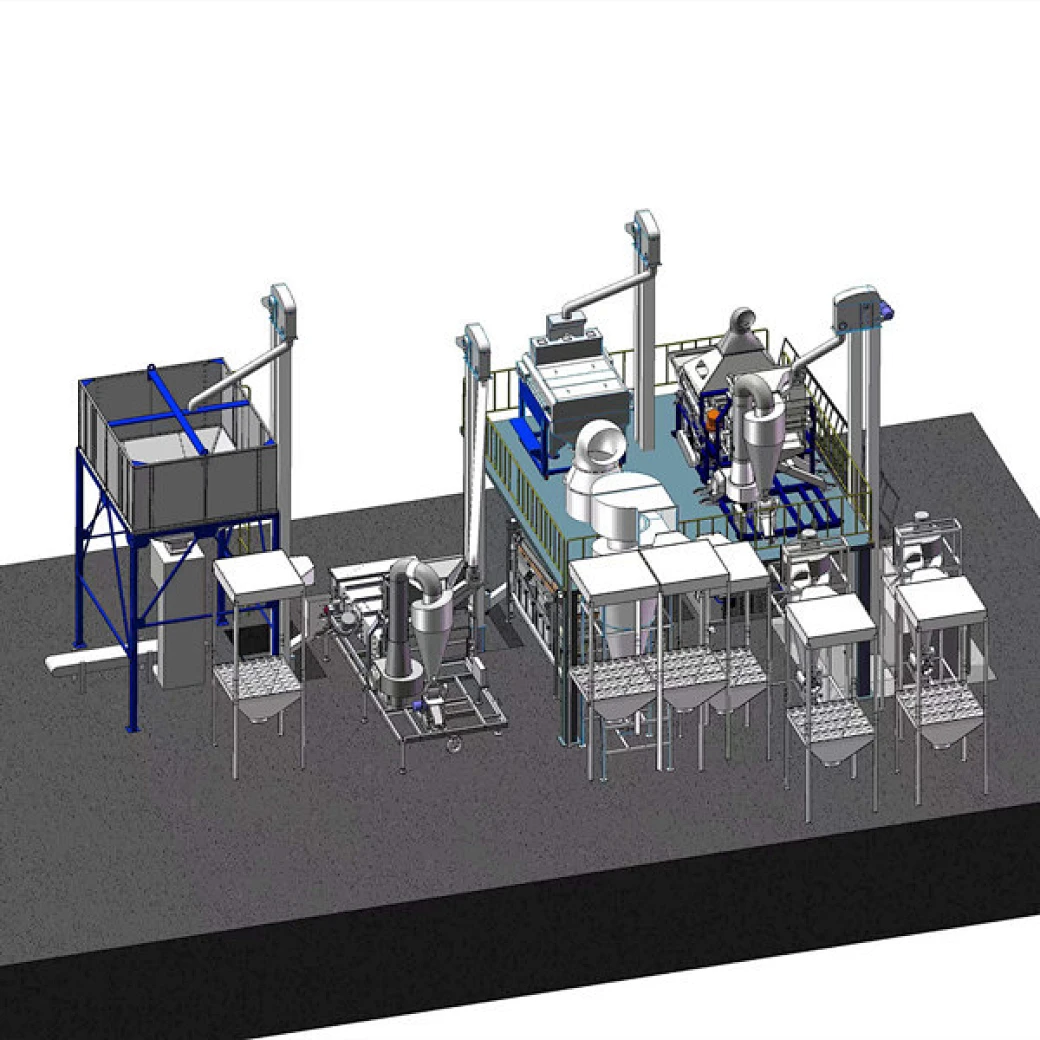
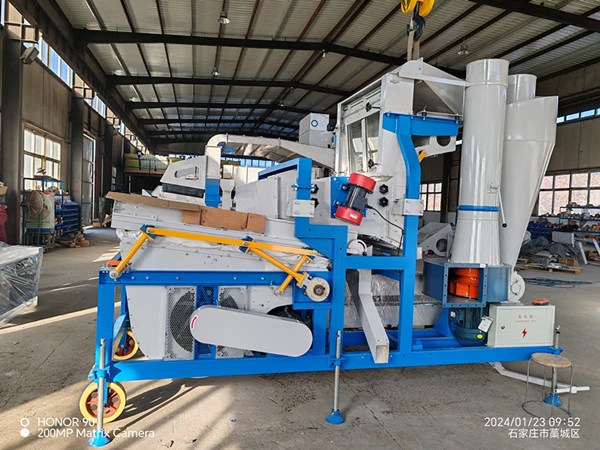
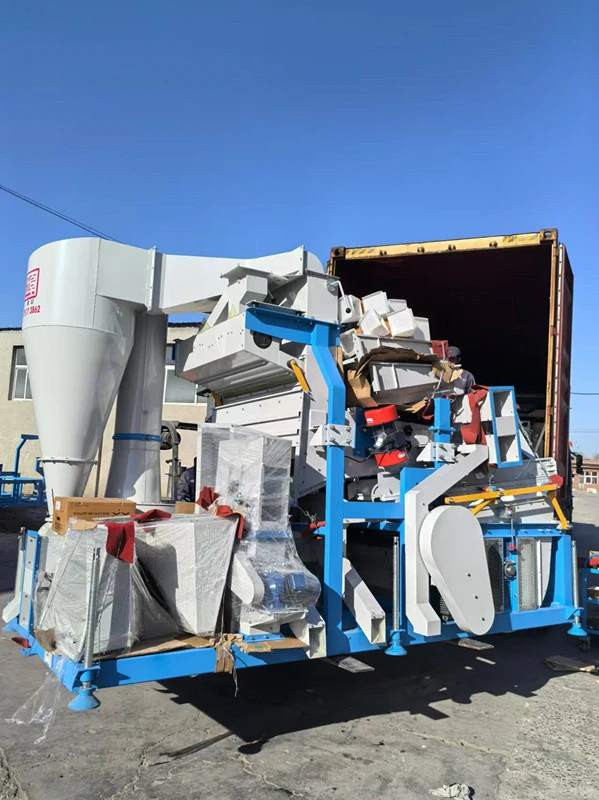
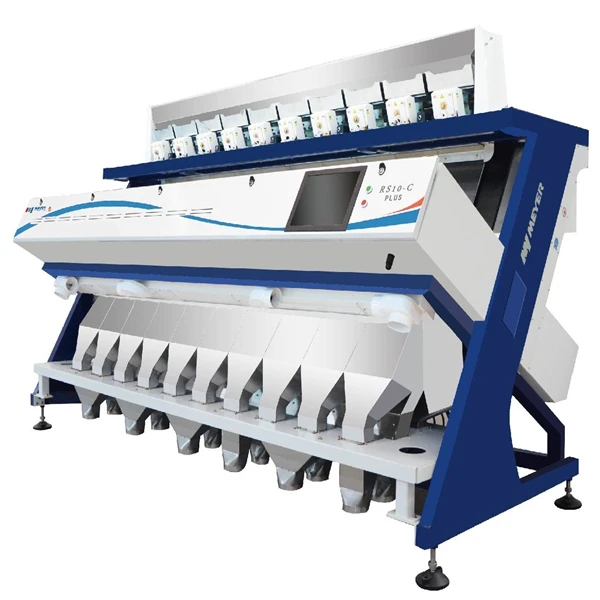
Simply put, an agriculture grading machine is a specialized device designed to sort agricultural produce by size, weight, color, and sometimes even internal quality. These machines replace manual labor, which is often slow, error-prone, and inconsistent. Instead, sensors, cameras, and advanced sorting mechanisms do the heavy lifting, improving accuracy and throughput.
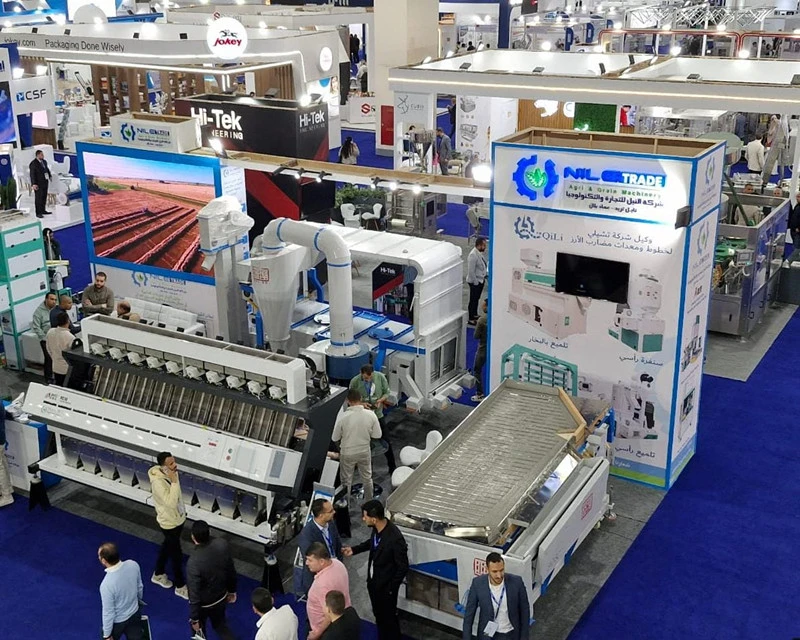
In the modern agricultural industry, these machines support everything from quality control checkpoints in packing houses to on-farm (or near-farm) processing hubs. Their role isn’t just industrial — it has humanitarian undertones, too. By ensuring produce meets market standards, farmers achieve better income, which in turn supports rural livelihoods and food security in vulnerable regions.
Mini Summary
The agriculture grading machine acts as a precision filter for produce, bridging farm freshness with market demands, and supports social and economic stability worldwide.
Core Features That Make Agriculture Grading Machines Effective
1. Durability and Build Quality
Many engineers say that a grading machine's lifetime depends largely on materials used and build quality. Machines often operate in dusty, humid, or corrosive environments — so stainless steel frames or food-grade plastics are common. It’s not a gadget you fix weekly.
2. Scalability
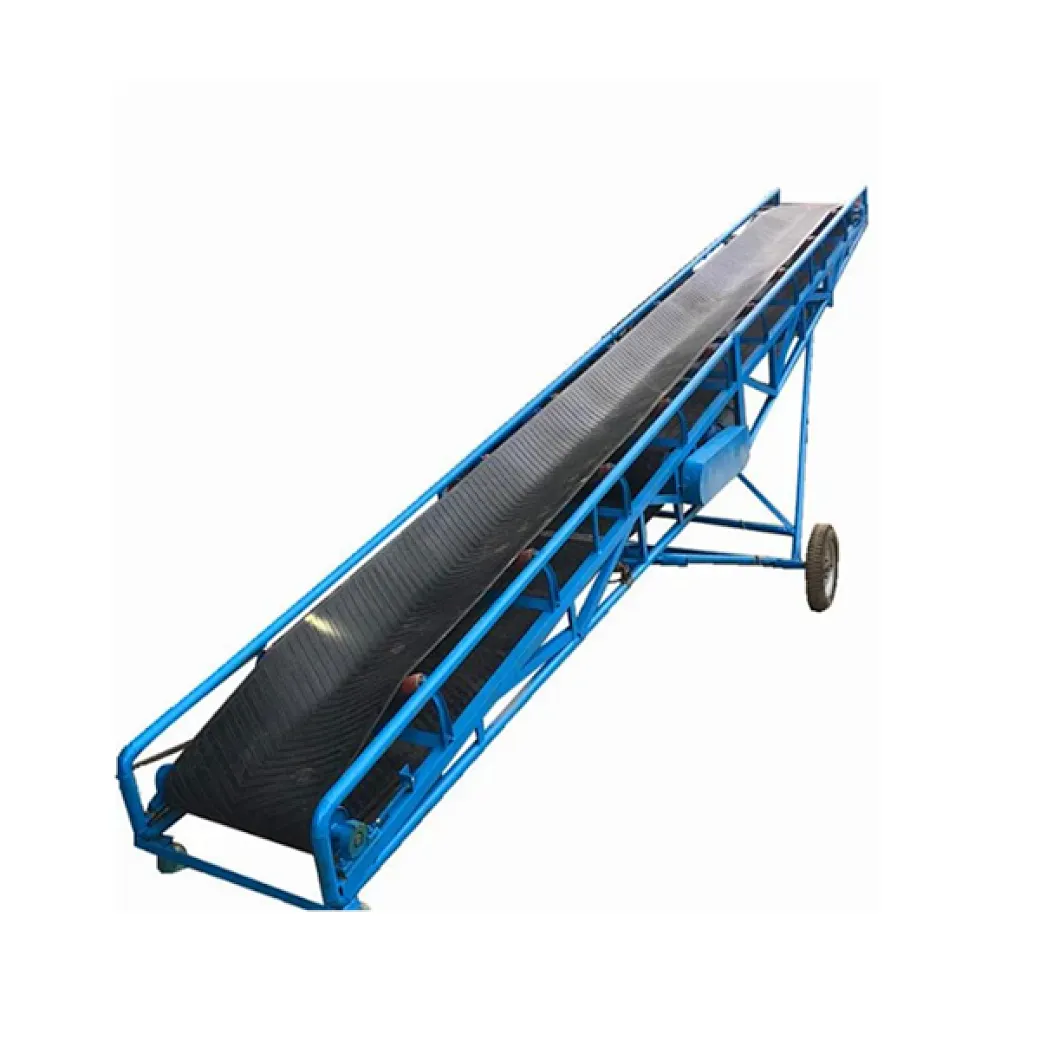
From small farmers to industrial processors, scalable solutions mean machines can be upgraded or customized for capacity. A modular design often allows adding extra conveyor belts or cameras.
3. Precision Sorting Technologies
Modern machines use color sensors, laser scanners, and sometimes near-infrared spectrometry to check internal qualities like sugar content or bruising. This beats eyeballing produce any day.
4. Cost Efficiency
While upfront costs vary, the long-term savings due to reduced labor, less waste, and better market prices generally justify the investment.
5. User-Friendly Interfaces
Operators prefer touchscreen controls and pre-programmed grading standards to ease use. Many models now allow remote monitoring or integration with farm management software.
6. Energy Consumption
Since many operate in off-grid or low-resource areas, machines optimized for low power consumption or renewable sources have a competitive edge.
Quick Recap
- Strong materials for tough environments
- Adjustable size and capacity
- Advanced sensors for precision
- Balance between cost, efficiency, and ease of use
A Real-World Look: Global Applications of Agriculture Grading Machines
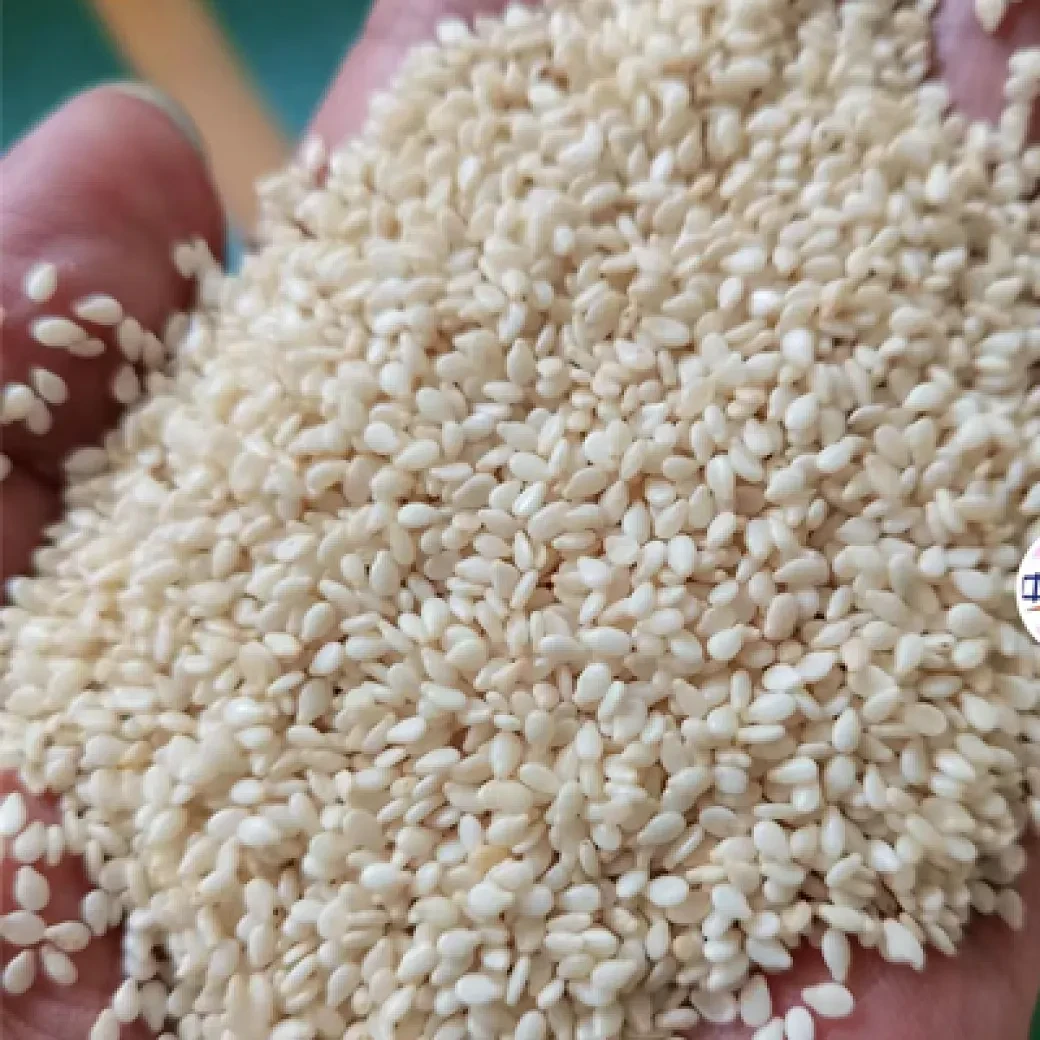
In India, small rice farmers have started using compact grain graders to remove impurities, drastically improving the quality for export.
Meanwhile, large citrus exporters in Spain depend on automated grading lines featuring vision technology that sorts thousands of oranges per hour, ensuring only the best fruit hits premium markets.
Even relief organizations utilize these machines in disaster-affected regions to sort and distribute seeds and food aid efficiently, maintaining dignity and fairness for recipients.
In West Africa, cooperatives use grading machines to sort cashew nuts, which supports price transparency and opens doors to fair trade export markets.
Short Summary
Applications vary widely but all share one goal: quality enhancement and market access.
Advantages and The Long-Term Value of Using Agriculture Grading Machines
- Cost Savings: Less manual labor and less waste mean higher margins.
- Improved Sustainability: Reducing food waste conserves resources and lowers environmental impact.
- Market Trust & Consistency: Buyers know what quality to expect, improving repeat business.
- Social Impact: Farmers earn more reliable incomes, potentially reducing poverty.
- Innovation Appeal: Early adopters signal sophistication and readiness for modern supply chains.
Frankly, it feels like an investment in not just machines but in farming communities themselves.
Looking Ahead: Future Trends and Innovations
Automation is the buzzword, but it’s not just about robots. Integration of artificial intelligence with grading machines promises real-time quality assessment and predictive analytics.
Additionally, renewable energy-powered grading lines are being tested to reduce electricity reliance in off-grid locations.
Smartphone connectivity for remote diagnostics, cloud data storage, and blockchain for traceability also point to a digitally transformed agriculture grade process in the near future.
Key Tech to Watch:
- AI-enhanced image recognition
- Low-energy laser scanning
- IoT and remote monitoring
- Sustainable materials and design
The Hard Truth: Challenges and How Experts Suggest Tackling Them
Despite their promise, agriculture grading machines often face:
- High Initial Costs: Smallholders sometimes can’t afford new tech without subsidies.
- Maintenance in Remote Areas: Spare parts and trained technicians aren’t always handy.
- Crop Variability: Differing sizes, shapes, and textures pose challenges—making universal machines tricky.
Experts suggest public-private partnerships and leasing models to lower barriers. Open-source sensor tech and locally trained technicians can also tackle maintenance woes. Also, modular machines tailored by crop type help sidestep standardization issues.
Product Specification Table
| Specification |
Typical Range |
Notes |
| Capacity |
500 - 5,000 kg/hr |
Depends on model size |
| Power Consumption |
1.5 - 5 kW |
Energy efficient options available |
| Sorting Criteria |
Size, weight, color, surface defects |
Advanced sensors add more options |
| Material |
Stainless steel & food-grade plastics |
Hygienic and corrosion resistant |
| Control System |
PLC with touchscreen interface |
Remote diagnostics available |
Vendor Comparison Snapshot
| Vendor |
Price Range |
Tech Features |
Warranty & Support |
Best For |
| AgriSort Pro |
$15,000 - $30,000 |
AI color and size detection |
2-year warranty, phone support |
Mid to large farms |
| GreenGrade Basic |
$5,000 - $12,000 |
Manual settings, basic sorting |
1-year warranty, onsite training |
Smallholder farms |
| FarmTech Elite |
$25,000 - $50,000 |
Multi-spectral NIR scanning |
3-year warranty, global support |
High-end exporters |
Frequently Asked Questions About Agriculture Grading Machines
Q1: How does an agriculture grading machine improve crop quality?
The machine sorts produce by consistent size, weight, and defect identification, which helps meet market standards. This reduces rejects, ensures higher prices, and minimizes losses.
Q2: What types of crops can these grading machines handle?
Most machines handle fruits, vegetables, nuts, and grains. Some advanced models are customizable for specific crops like apples, tomatoes, cashews, or rice.
Q3: Are agriculture grading machines affordable for small farms?
While initial costs are often high, smaller models or leasing options exist. The increased revenue from better grading often offsets expenses in a few harvests.
Q4: How important is maintenance for these machines?
Regular cleaning and calibration are essential to keep accuracy and prolong lifespan. Many manufacturers provide training and local support networks.
Q5: Can agriculture grading machines work in remote areas without electricity?
Some models are designed for low power consumption or solar power compatibility, making them suitable for off-grid farms.
Wrapping It Up: Why You Should Consider an Agriculture Grading Machine
Overall, investing in an agriculture grading machine is more than a productivity boost — it’s a commitment to sustainable, fair, and innovative agriculture practices. With global pressure on food systems to be more efficient and responsible, such machines are fast becoming indispensable.
If you’re looking to take your farm, cooperative, or packing business to the next level, consider exploring our offerings at agriculture grading machine.
References
- FAOSTAT - Food and Agriculture Organization
- UNEP Report on Food Loss and Waste
- ISO 22000 Food Safety Management