Understanding the Bean Cleaner Machine: A Small Gadget with Big Impact
Bean cleaner machines might not be the flashiest topics at a dinner party, but they deserve a big spotlight in global agriculture and industry. Why? Because, frankly, they help ensure quality and safety in the food supply chain, reduce waste, and support millions of livelihoods worldwide — literally cleaning up the “mess” so we get the best beans possible. Especially when you consider global trade volumes of coffee, cocoa, pulses, and soybeans measured in the tens of millions of tons yearly, these machines quietly shape markets and lives.
Their role is straightforward yet indispensable: separating impurities, husks, stones, and defective beans from the good batch, improving sorting efficiency for downstream processing. This article will walk you through what makes the bean cleaner machine a critical piece in modern agriculture and trade, its technical basics, applications, and forward-looking trends.
The Global Relevance of Bean Cleaner Machines in Agriculture
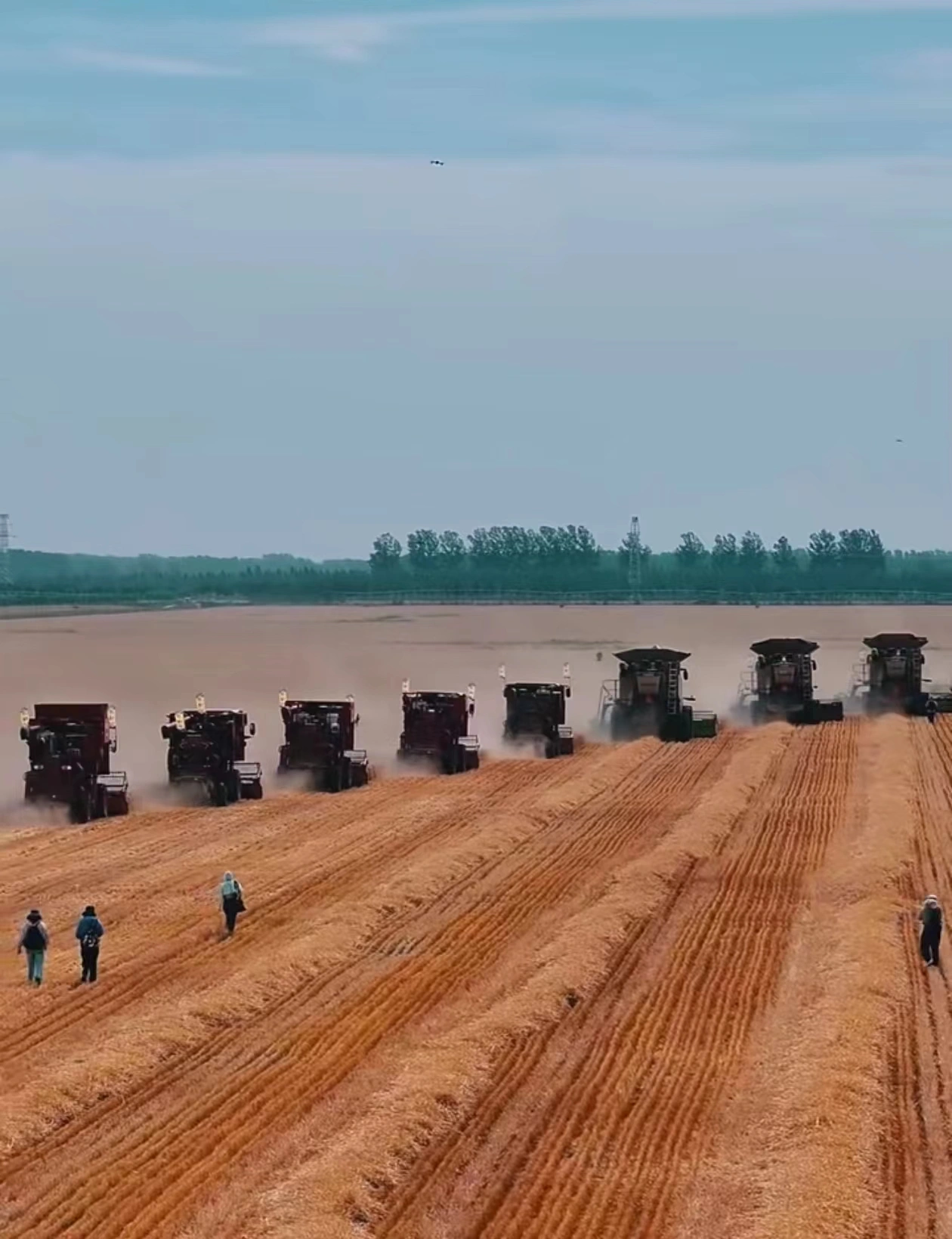
Globally, about 270 million tons of dry beans, pulses, and coffee beans are produced annually, according to UN Food and Agriculture Organization (FAO) data. But raw harvests aren’t clean, and contamination directly impacts quality, shelf life, and price. Waste rejection rates can top 15-20% if cleaning is inefficient.
This is where bean cleaner machines come in. They reduce waste, increase processing speed, and improve food safety. For exporters in Africa, Asia, and Latin America, reliable cleaning systems are a lifeline to access international markets, which demand strict purity standards.
Yet challenges remain. Smallholder farmers often lack access to affordable, scalable cleaning tech, which is why industry innovation and international cooperation are so vital.
Mini takeaway: The bean cleaner machine is more than just a factory tool — it’s a critical cog in the food security and trade machine worldwide.
What Is a Bean Cleaner Machine, Really?
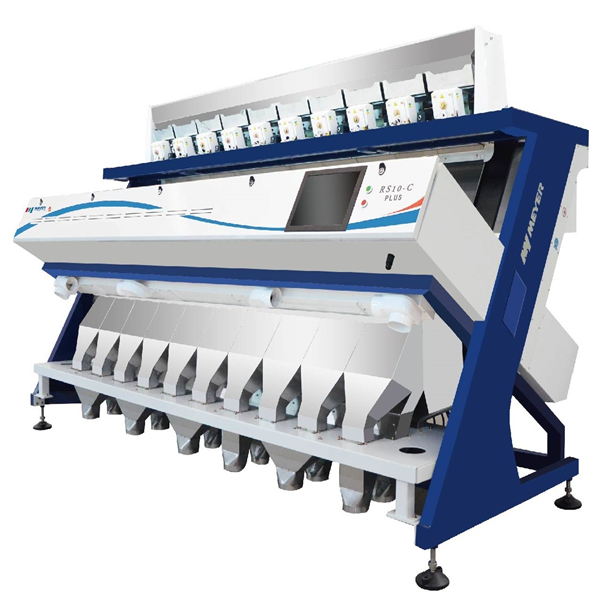
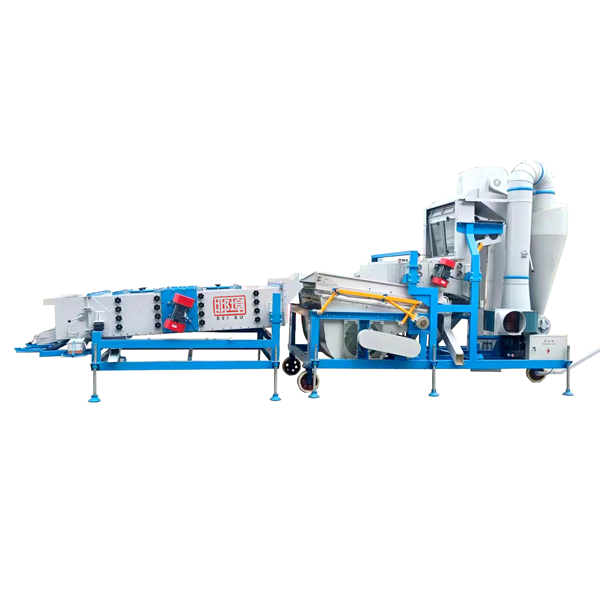
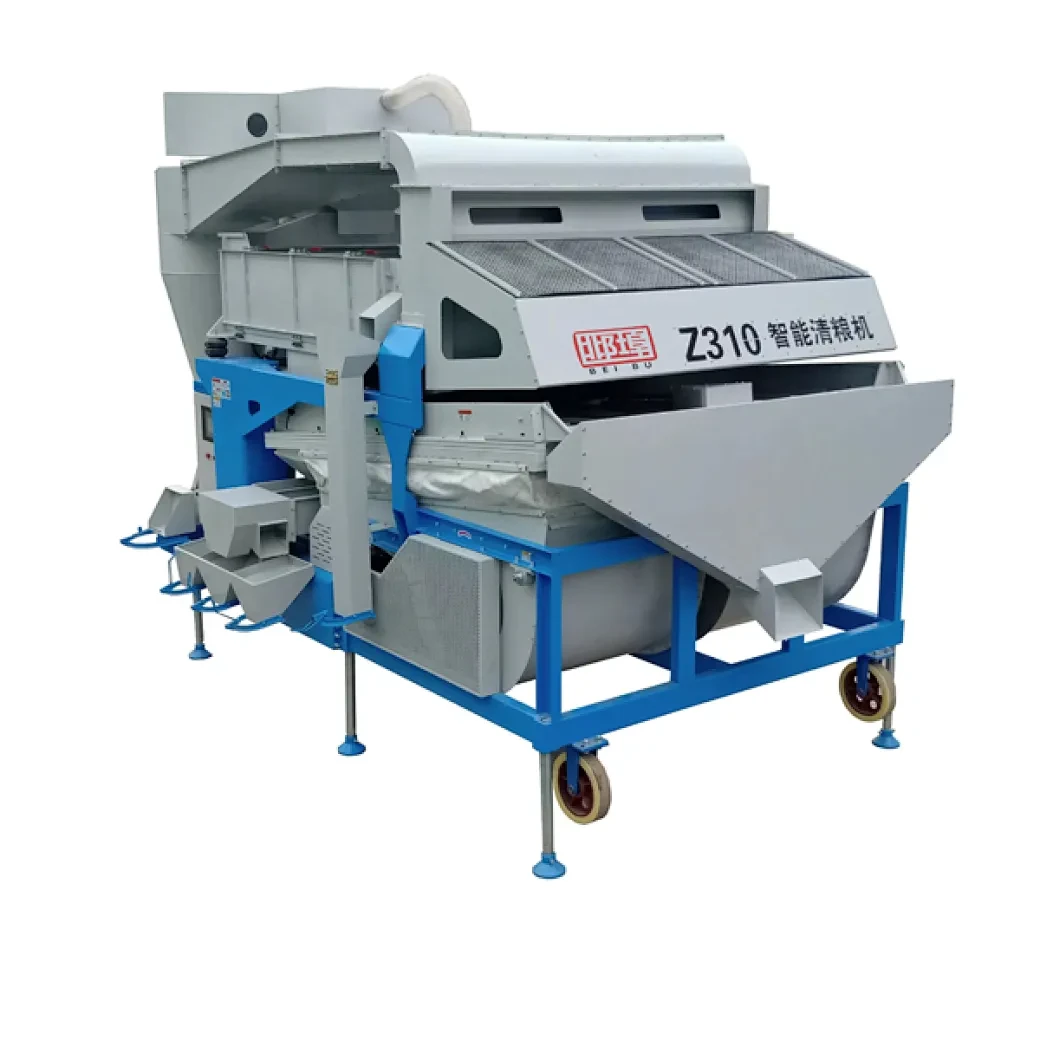
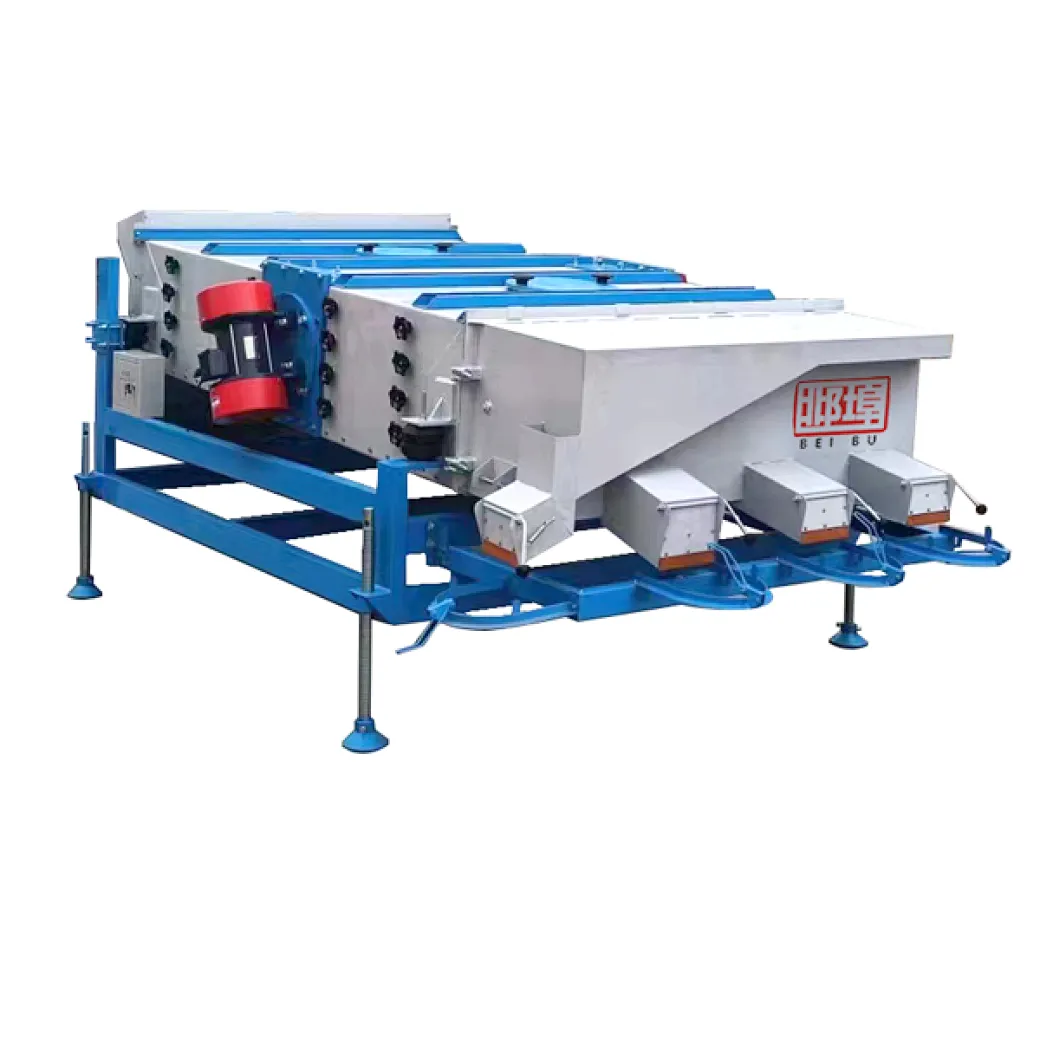
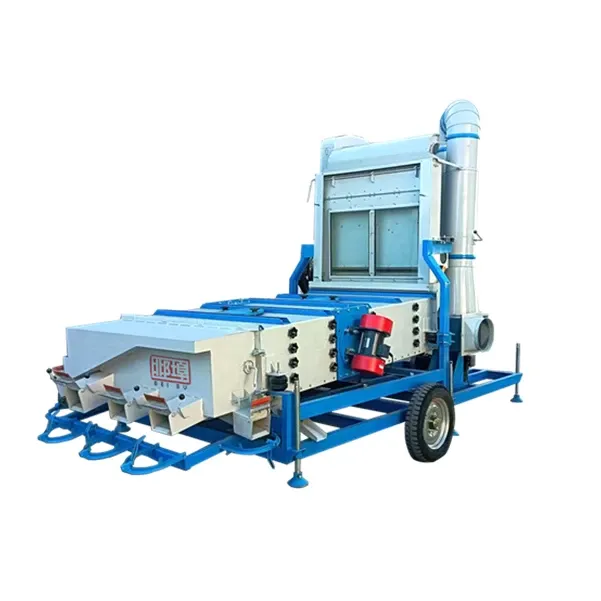
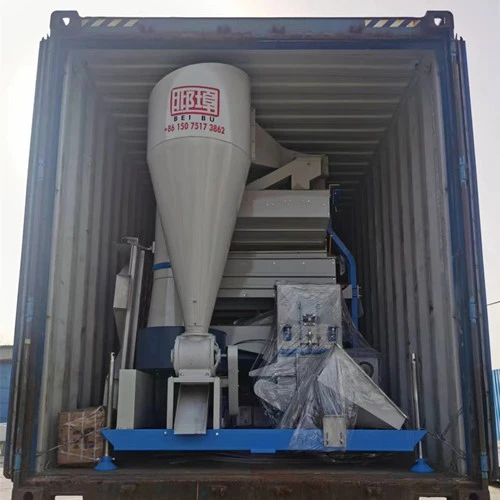
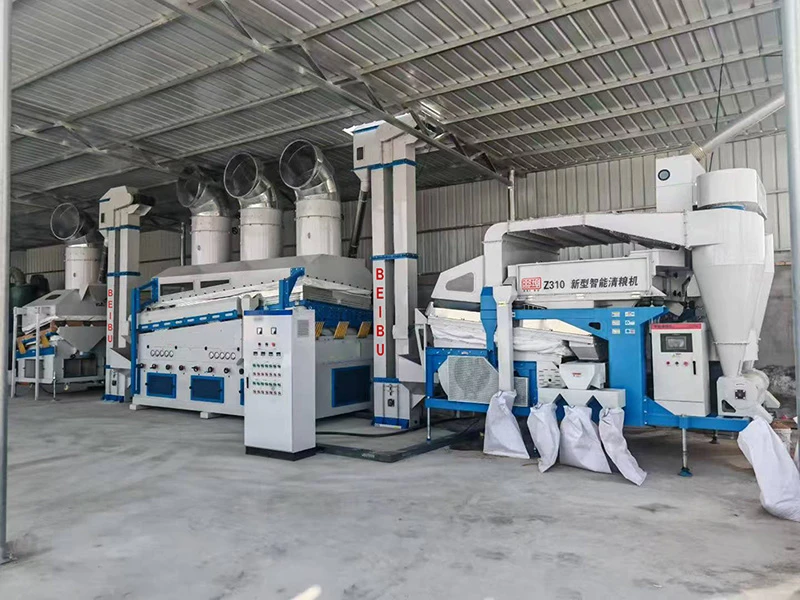
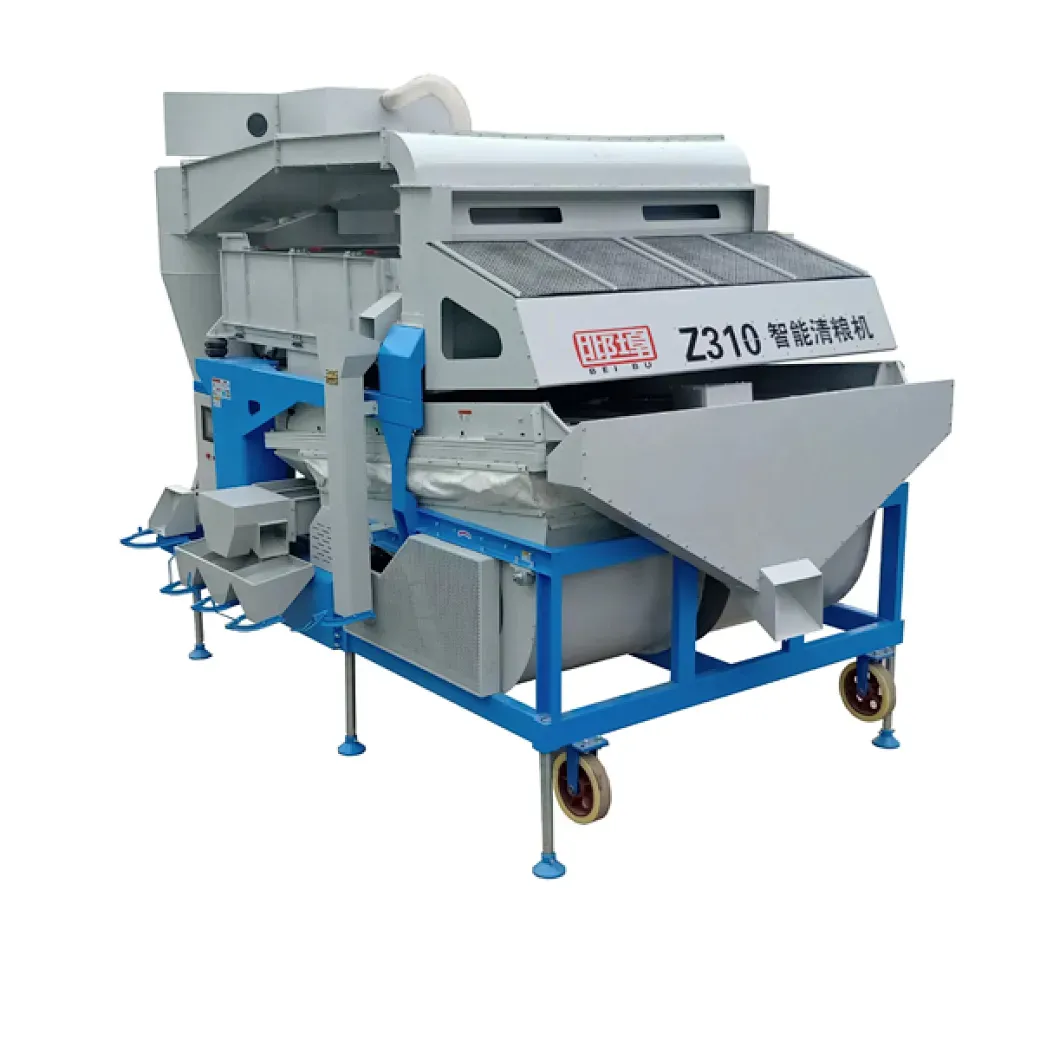
Put simply, a bean cleaner machine is a mechanical device designed to separate beans from impurities like dirt, dust, stones, and defective grains. It utilizes multiple principles — air suction for lighter debris, sieves for size sorting, and gravity tables for density sorting — all in a continuous, streamlined process.
In the grand scheme, it links primary agriculture with industrial processing, ensuring bean purity before roasting, packaging, or grinding. This connection is crucial for industries ranging from coffee producers to soy-based food manufacturers, and even humanitarian agencies distributing food aid.
Core Components That Make Bean Cleaner Machines Tick
1. Durability and Build Quality
It usually surprises me how much wear and tear these machines endure. Beans, dust, sometimes stones — the whole messy kit. So, robust steel frames and abrasion-resistant parts are common, ensuring machines last years without excessive maintenance.
2. Scalability
Machines come in sizes from small tabletop models (for small farms) up to large-scale industrial units capable of processing several tons per hour. This flexibility is great because it matches the diverse needs of clients worldwide, from small co-ops to exporters.
3. Cost Efficiency
Efficient machines reduce waste and labor. They cut sorting times dramatically, which is money saved. Plus, energy-efficient designs help keep operating costs down. Many engineers I’ve talked to emphasize this as a game-changer in locations with expensive or unreliable power.
4. Ease of Use and Maintenance
Machines that allow simple adjustments for different bean sizes or impurity types are preferred. And parts that are easy to swap out or clean reduce downtime.
5. Integration with Existing Processing Lines
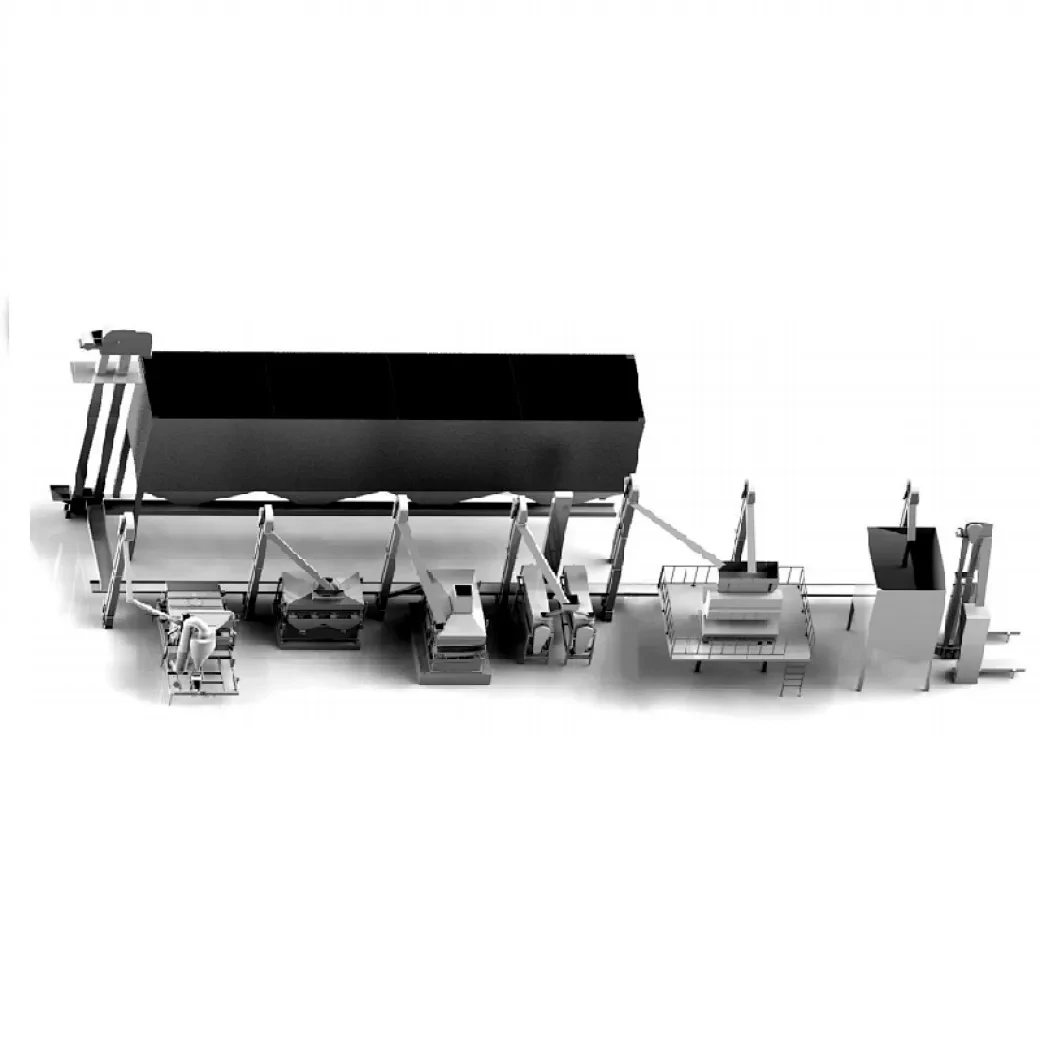
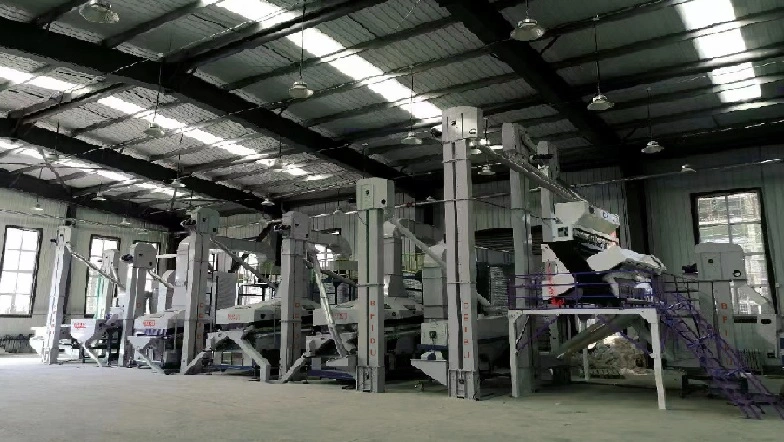
Because bean cleaning is just one step, machines that can slot neatly into larger systems win bonus points. Modularity matters.
How Bean Cleaner Machines Are Used Around the World
It’s fascinating how these machines operate in vastly different environments:
- In East Africa, coffee cooperatives use them to prepare beans for export, drastically improving quality compliance.
- In South America, soybean processors depend on them for sorting to meet stringent export standards.
- In India and Southeast Asia, pulse growers use smaller machines to clean lentils and mung beans before packing.
- International NGOs leverage portable cleaners in disaster zones to improve food aid packaging quality and safety.
Despite their differences, all users seek the same goal: clean beans that fetch better prices and feed people safely.
Mini takeaway: No matter the scale or location, bean cleaner machines boost quality and safety, proving their universal value.
Advantages and Why They Matter Long Term
Beyond immediate sorting, these machines impact:
- Cost savings: reducing manual labor and post-processing waste.
- Sustainability: lowering rejections means fewer beans discarded unnecessarily.
- Food safety: eliminating harmful stones or dust protects health.
- Empowerment: co-ops and small farmers get better prices and market access.
- Reliability: trusted tech improves supply chain confidence.
It feels like a hidden efficiency driver in what matters most: feeding the world with dignity and care.
Upcoming Trends to Keep an Eye On
Frankly, it’s an exciting time for bean cleaner innovation:
- Automation & AI: Smart sensors detect impurities with impressive accuracy, adjusting cleaning in real time.
- Energy-efficient motors: Designs reducing electricity draw, crucial for off-grid farms.
- Modular, customizable designs: Machines adapt quickly to different bean types and quantities.
- Eco-friendly materials: Use of recycled steels, biodegradable components.
Everyone is focused on efficiency and sustainability — it’s a trend the whole industry embraces.
Common Challenges and How to Solve Them
Bean cleaner machines are great but not magical. Some hiccups include:
- High upfront costs: though prices vary widely, initial investment can be a barrier.
- Maintenance complexity: lack of local support can mean costly downtime.
- Variability of bean types: some machines struggle with mixed or unusually sized beans.
Innovative leasing schemes, local training hubs, and modular designs are proven ways to tackle these.
Product Specification Table
| Specification |
Details |
| Processing Capacity |
Up to 2 tons per hour |
| Power Supply |
220/380V, 50/60Hz |
| Air Suction System |
Variable-speed fan for adjustable airflow |
| Material Construction |
Stainless steel with anti-corrosion coating |
| Size Sorting |
Multi-layer sieve with adjustable mesh sizes |
| Control System |
Manual and PLC options available |
Vendor Comparison: Leading Bean Cleaner Machine Suppliers
| Feature |
BeanTech Pro |
PureBean Solutions |
AgriClean Global |
| Price Range |
$8,000 - $12,000 |
$7,500 - $11,000 |
$9,000 - $13,000 |
| Processing Capacity (TPH) |
1.5 - 3 |
1 - 2 |
2 - 4 |
| Automation Features |
Advanced AI sensors |
Manual controls |
Semi-automatic |
| Power Efficiency |
High |
Moderate |
Good |
| Warranty |
24 months |
12 months |
18 months |
FAQs: Bean Cleaner Machine Explained
1. How does a bean cleaner machine improve bean quality over manual sorting?
Automated bean cleaning machines use precise airflow, sieves, and gravity tables to consistently and efficiently separate impurities from beans. This leads to better sorting accuracy than manual methods, which are labor-intensive and prone to human error. Plus, machines process high volumes quickly, while manual sorting can't match the scale or uniformity.
2. What types of beans can these cleaning machines handle?
Beans cleaner machines are versatile and can handle coffee beans, soybeans, lentils, chickpeas, cocoa beans, and various dry pulses. Most models come with adjustable settings to accommodate different sizes and densities, which is especially handy for mixed crop processors.
3. Can a smallholder farmer afford and maintain a bean cleaner machine?
There are affordable, compact models designed for small farms, often with manual controls to keep costs manageable. Maintenance is usually straightforward if periodic cleaning and part replacement are done. Some NGOs and co-ops offer leasing or group buying schemes to reduce financial burden.
4. Is energy consumption a big concern with these machines?
Older models may consume significant power, but modern bean cleaner machines often feature energy-efficient motors and airflow systems. For remote farms, solar or off-grid compatible options exist, keeping operational costs and carbon footprints down.
5. How can importers ensure they buy a quality bean cleaner machine?
Look for machines with good warranties, local service support, proven durability, and positive user reviews. It’s also wise to test a demo or get references from similar operations. Most suppliers provide detailed specifications, but nothing beats real-world feedback.
Wrapping Up: The Long-Term Value of Bean Cleaner Machines
Through all I've seen and learned, bean cleaner machines emerge as unsung heroes in the global agriculture supply chain. They cut losses, boost quality, and open doors for small producers to bigger markets — not just for profit, but for food safety and dignity.
If you’re interested in exploring how a bean cleaner machine could benefit your operation, I encourage you to visit bean cleaner machine for detailed options and expert support. It’s a small investment that can pay off in every bean processed.
References
- FAO Statistical Databases
- Wikipedia: Bean
- ISO Standards in Agricultural Machinery