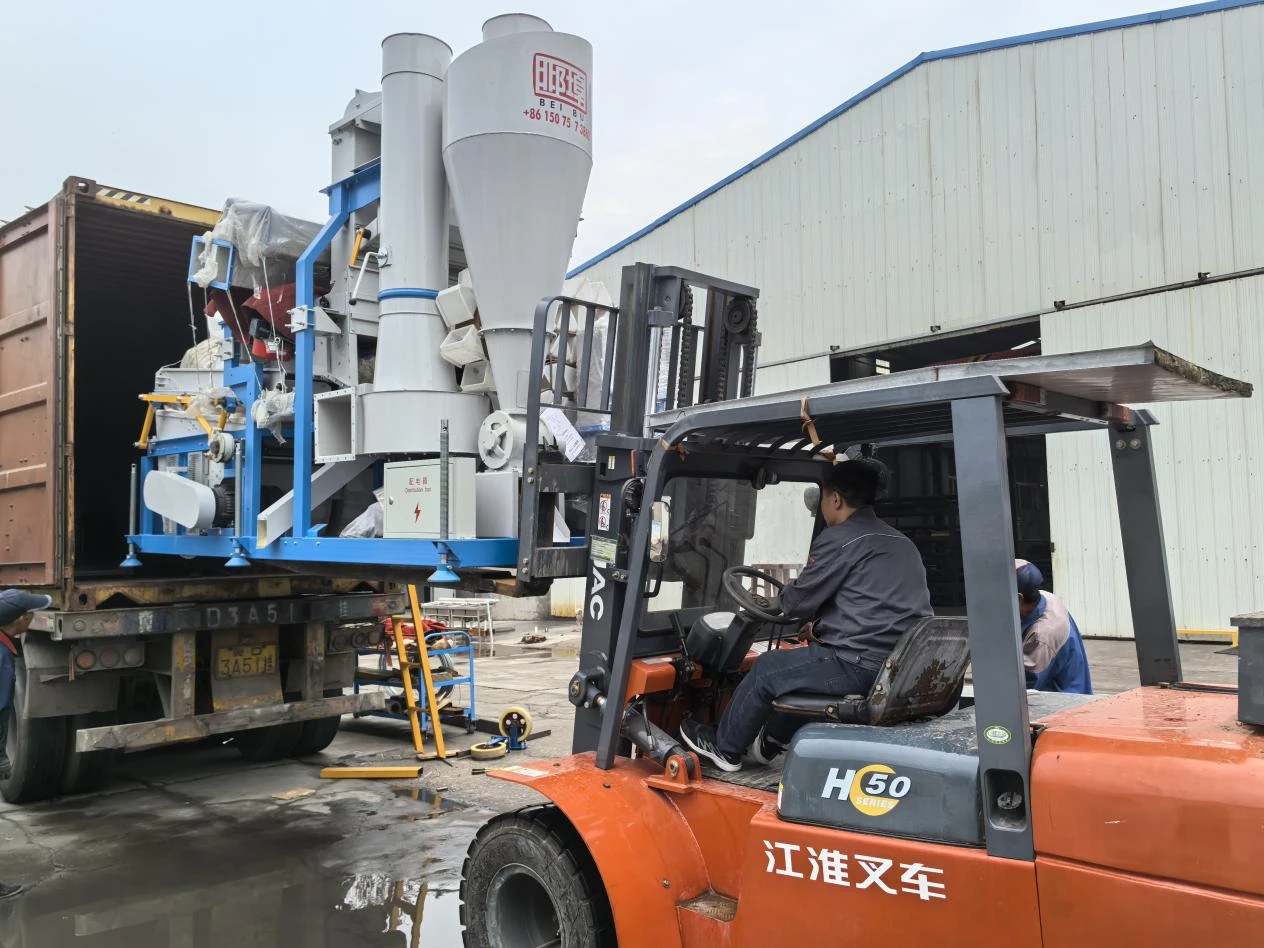
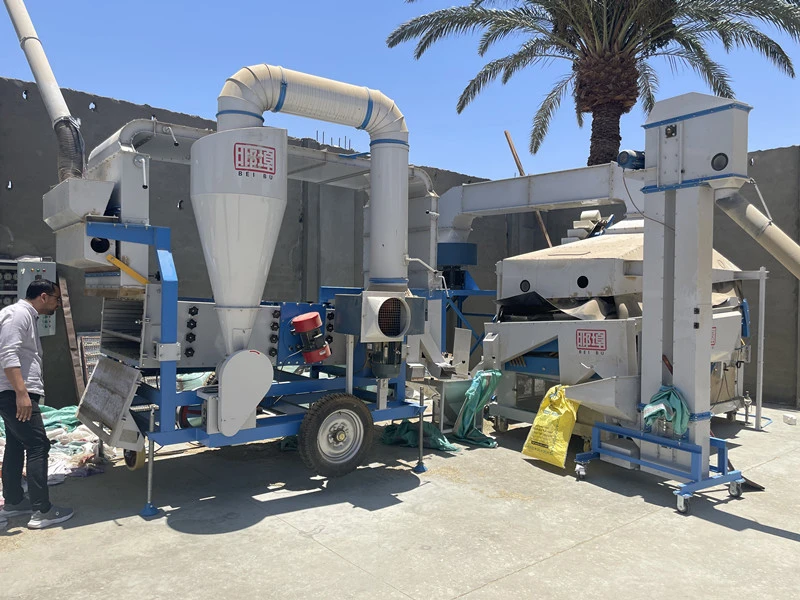
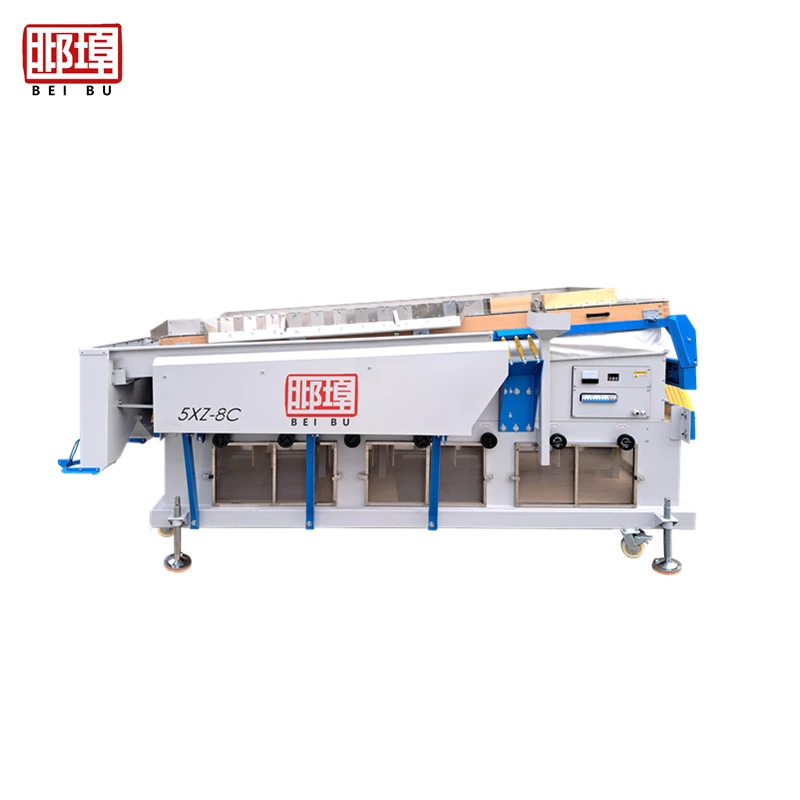
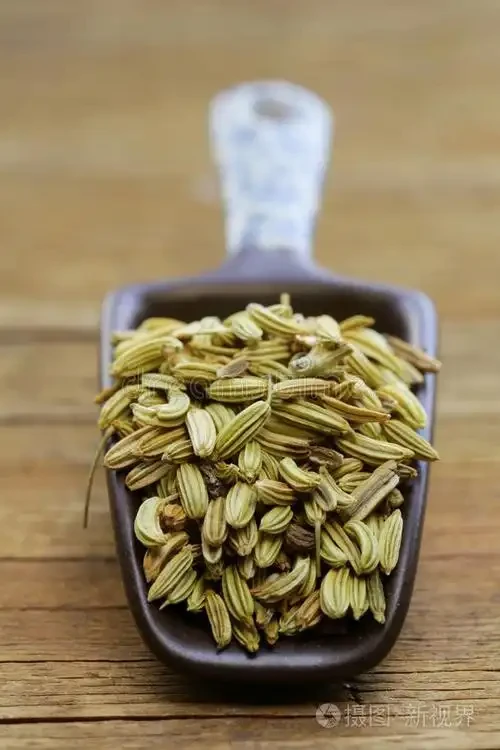
Understanding the Role of a Corn Seed Cleaner in Modern Agriculture
At its core, the corn seed cleaner is just what it sounds like: a machine designed to separate corn seeds from unwanted materials — whether they’re broken kernels, debris, dust, or foreign seeds. But why is this simple-seeming process so crucial? Well, globally, corn is among the top staple crops, feeding billions and supporting livestock industries. According to the FAO, maize production topped 1.2 billion tonnes in recent years. Now, imagine if all that seed were filled with impurities — suddenly, yields drop, sowing is inefficient, and storage becomes risky.
So this little device quietly plays a huge role in guaranteeing uniform seed quality, improving germination rates, and cutting losses before planting even begins. And in today’s age — where food security, sustainability, and mechanization reign supreme — the corn seed cleaner has quietly become a hero behind the scenes.
Mini Takeaway: Quality seed cleaning isn’t just about neatness; it’s about securing food production globally and maximizing the value of every kernel.
Why Corn Seed Cleaners Matter Globally — The Industry Context
The agricultural landscape, particularly concerning corn, faces a slew of challenges. The World Bank reports growing pressure on arable land and rising input costs. Farmers everywhere — from maize fields in Iowa to smallholder plots in sub-Saharan Africa — need seed lots that can ensure healthy crops with minimal losses.
Yet, before planting even begins, impurities like chaff, dust, weed seeds, and broken kernels compromise seedbeds. This isn’t just a local issue. In fact, seed cleaning standards, outlined by bodies like ISO 8622, help unify global trade and quality. Getting this right means fewer failures in germination tests, better stands, and ultimately more consistent production.
However, many regions still rely on manual or traditional methods that don’t quite reach the accuracy or speed modern agriculture demands. Enter the corn seed cleaner — a piece of tech that addresses the challenge by providing precision, scalability, and reliability.
Mini Takeaway: Efficient corn seed cleaning is a linchpin in bridging farming productivity gaps worldwide.
What Exactly Is a Corn Seed Cleaner?
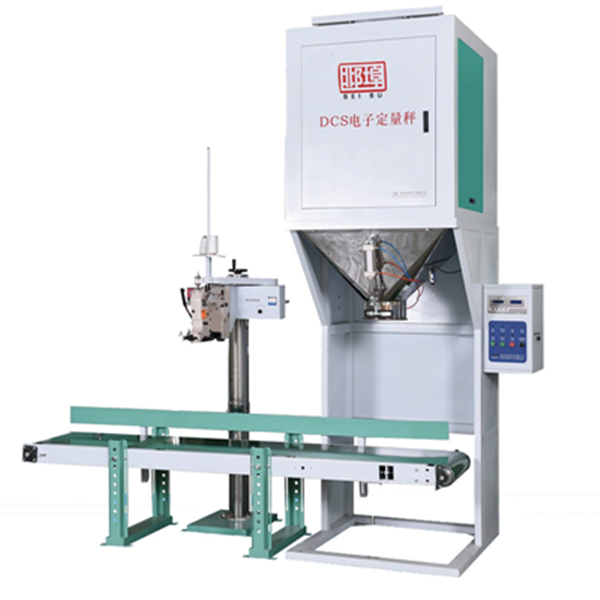
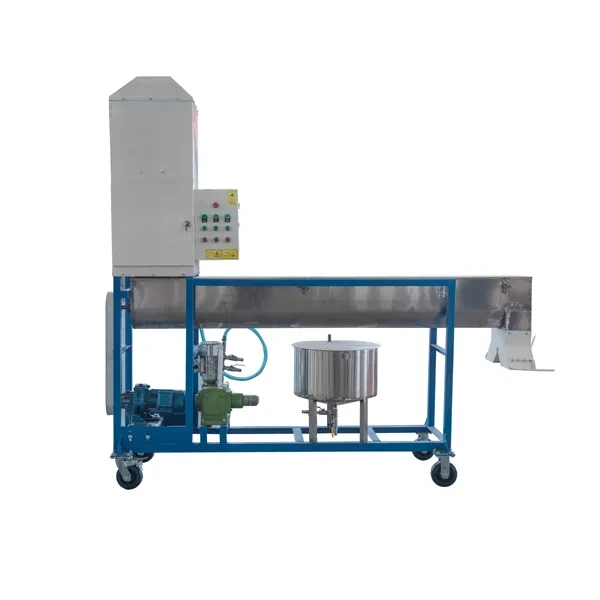
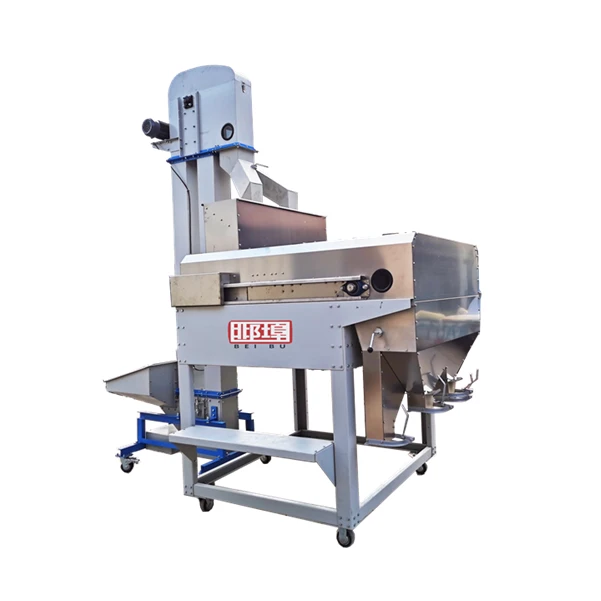
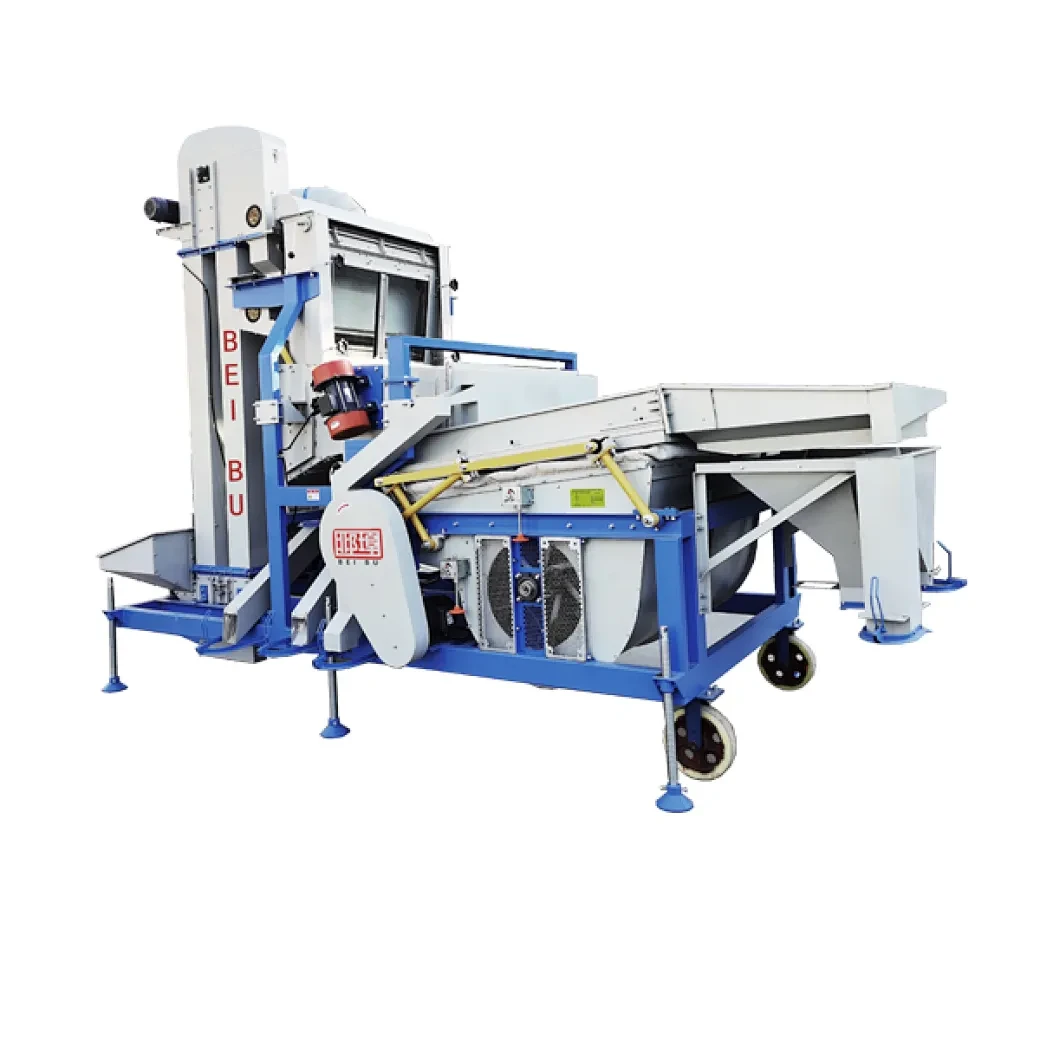
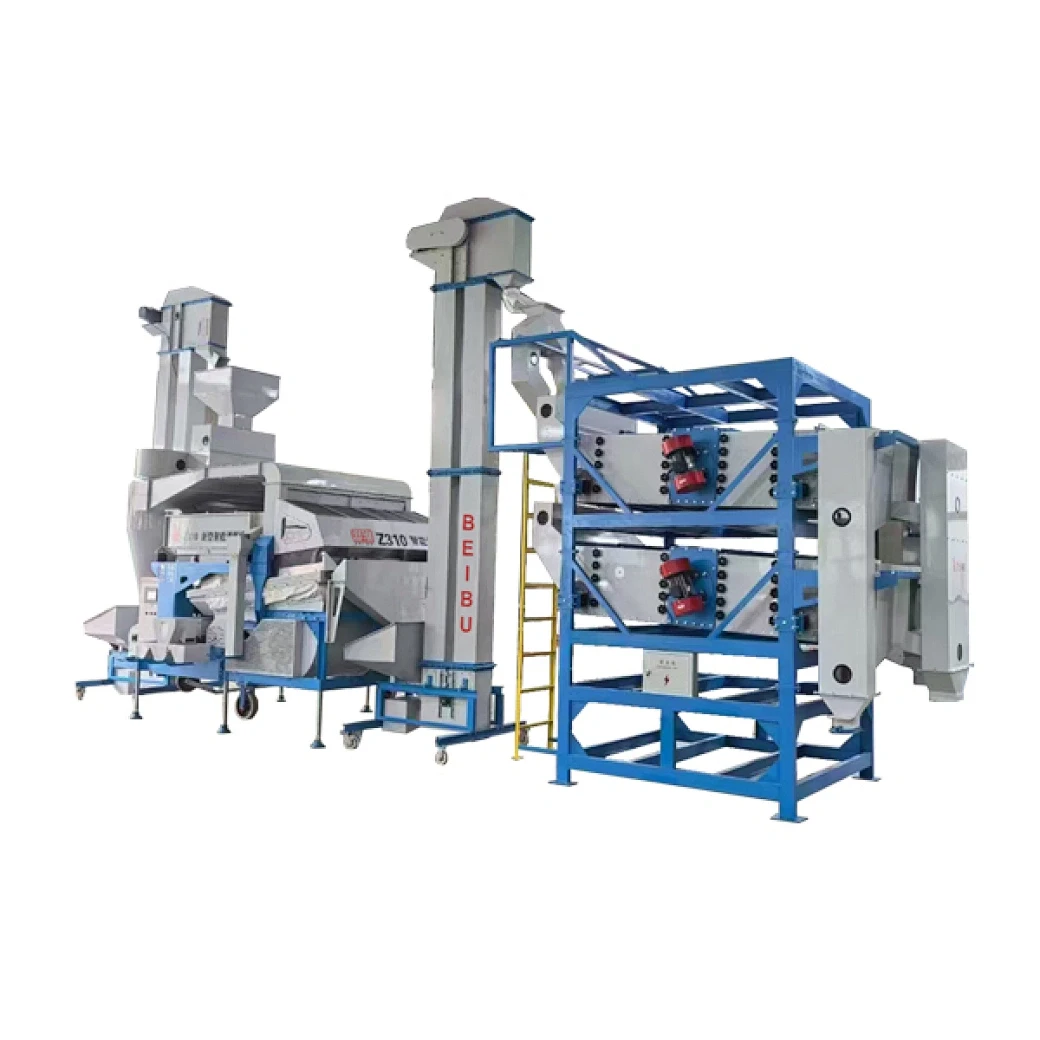
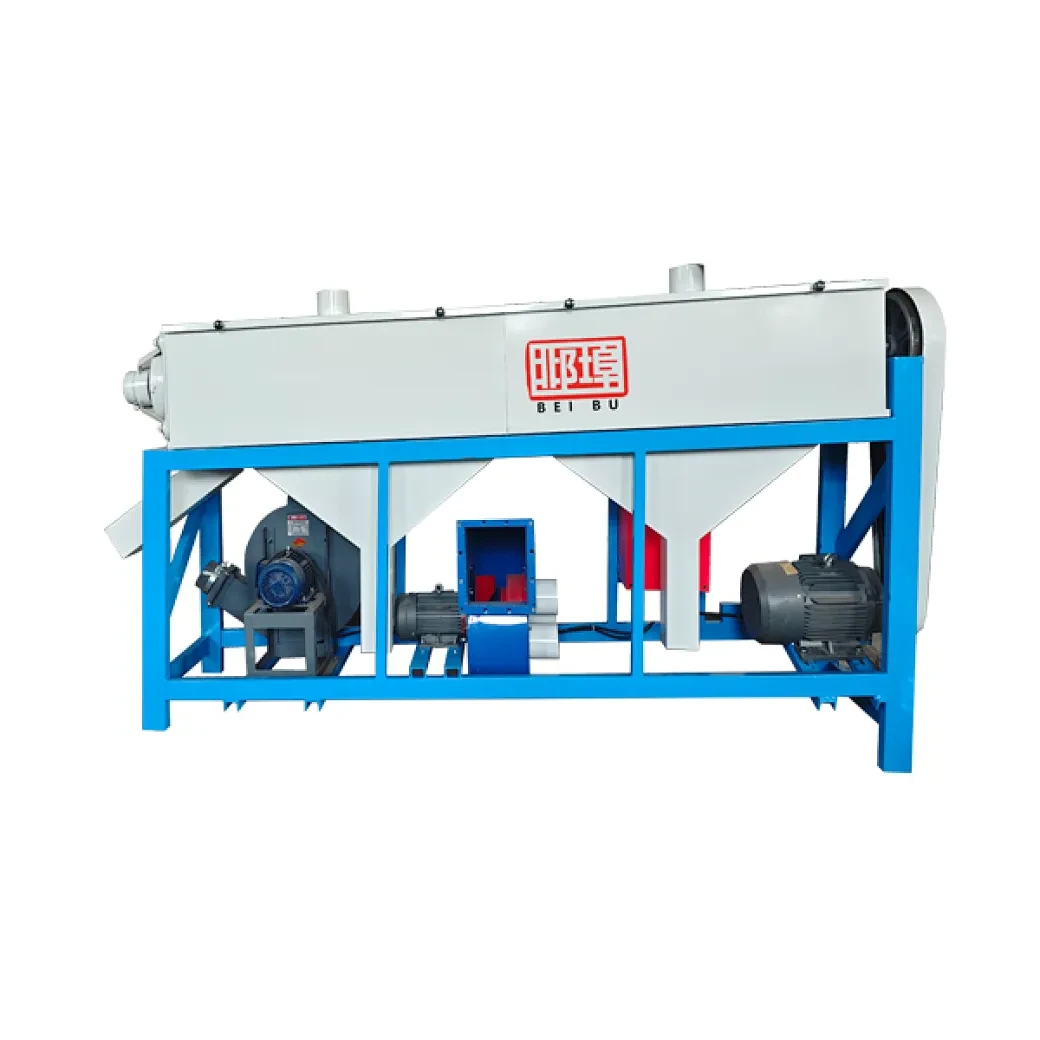
Put simply, a corn seed cleaner is an agricultural machine that sorts harvested corn seeds by removing unwanted particles. Typically, it combines mechanical agitation, airflow, sieves, and sometimes even optical sensors to separate good seeds from debris, small broken kernels, and foreign materials.
This equipment is essential in seed processing plants, commercial farms, and even cooperatives, aiming to ensure that the seeds sown are pure, viable, and intensively uniform. It’s a step that leads to better crop establishment — potentially affecting yields by 10–20% or more, especially where initial seed quality is highly variable.
In humanitarian or development settings, clean seed stocks contribute toward food security initiatives, reducing wastage and ensuring smallholder farmer sustainability. So, it’s not just an industrial tool — it’s an enabler of better farming and food resilience worldwide.
Mini Takeaway: A corn seed cleaner isn't just a machine; it’s a guardian of seed quality, germination, and yield potential.
Core Components and Key Features of Corn Seed Cleaners
1. Durability and Build Quality
These machines often operate in dusty, rough farm environments. So robustness — with corrosion-resistant materials and solid construction — is crucial. Many models use stainless steel for parts in contact with seeds, reducing contamination risks.
2. Scalability and Throughput
Whether it’s a small-scale cooperative or a large grain processor, corn seed cleaners come in various sizes. Scalability lets operators process hundreds of kilograms per hour or scale up to several tonnes, depending on their needs.
3. Cleaning Precision and Multi-Stage Processing
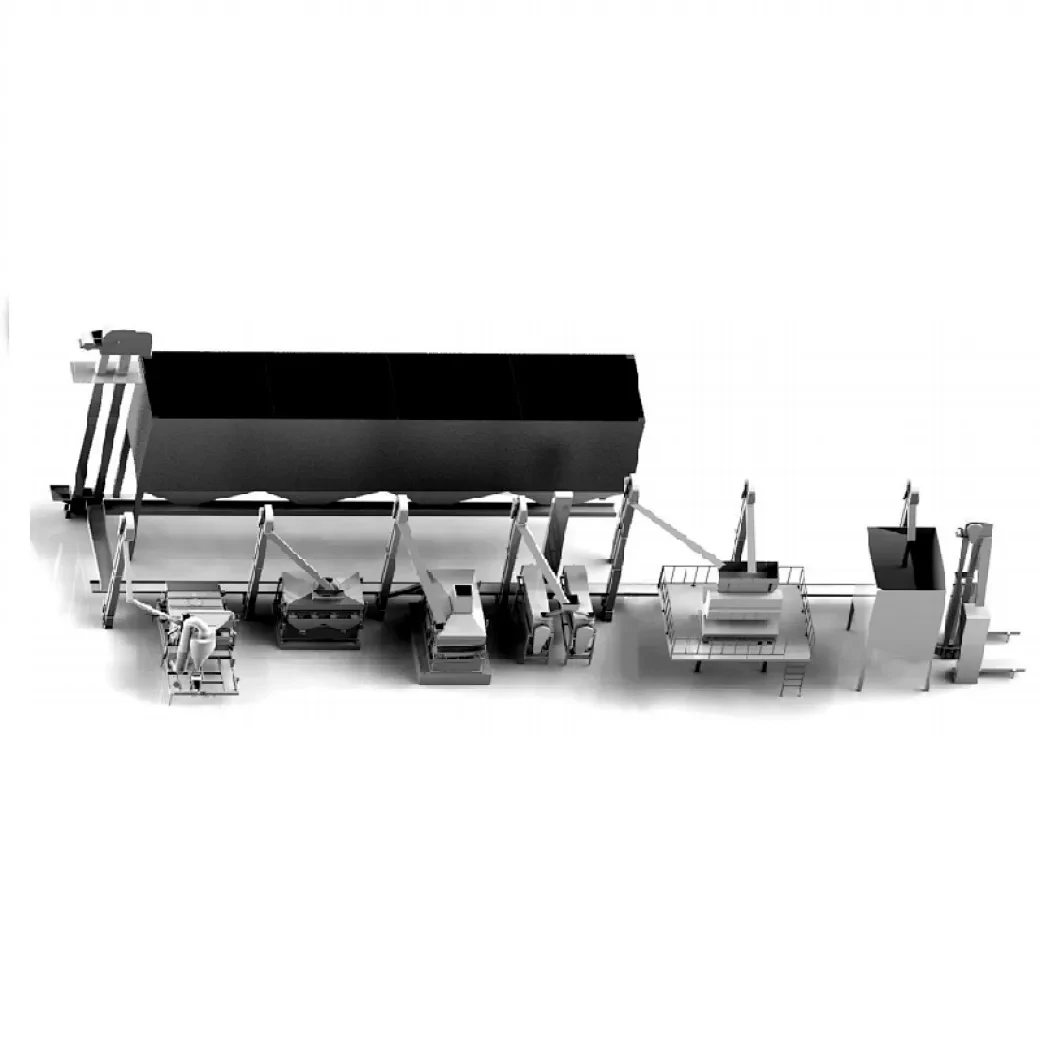
Modern seed cleaners often combine sieving, aspiration (airflow), and sometimes gravity tables or color sorting to maximize purity. This multi-stage approach ensures minimal impurities.
4. Cost Efficiency and Speed
The faster and more efficient the cleaning, the less labor and time spent. It’s a balance between upfront investment and operational costs. Machines that offer energy-efficient motors or lower maintenance can save money long term.
5. Automation and User Interface
Basic units rely on manual adjustments, but increasingly, digital controls with presets and sensors are becoming standard. This helps reduce operator error and increases consistency.
Mini Takeaway: When choosing a corn seed cleaner, consider durability, cleaning techniques, throughput, and automation to fit your farming scale.
Real-World Applications & Who Uses Corn Seed Cleaners?
- Large-scale agro-processors: In US and South American grain markets, corn seed cleaners are vital in seed production lines, boosting germination success for hybrid corn.
- Smallholder farmers & cooperatives: In Africa and Asia, simplified versions allow local processing — enhancing seed quality and output resilience.
- Seed distributors and exporters: To meet strict quality certifications, seed lots are cleaned and graded before shipment to global markets.
- Development & relief organizations: NGOs involved in food security projects rely on cleaned seed lots to replant post-disaster zones or insecure environments.
For example, a cooperative in Kenya used medium-scale corn seed cleaners to upgrade seed quality, which translated into a 15% yield increase the next season, improving food security for hundreds of families.
Mini Takeaway: Corn seed cleaners serve a broad spectrum — from industrial to grassroots — powering healthier harvests worldwide.
Advantages and Long-Term Benefits of Using Corn Seed Cleaners
- Improved seed purity and viability: Leading to uniform crop stands and better yields.
- Cost savings: Efficient cleaning reduces wastage, lowering seed replacement and replant expenses.
- Sustainability: Cleaner seed lots reduce the need for re-treatment with chemicals or additional inputs.
- Enhanced trust & quality certifications: Critical for export and commercial sales.
- Social impact: Smaller farms upgrading seed quality help secure food and income stability.
Plus, on an emotional level: knowing you planted the best seed possible brings peace of mind. When you see a uniform, healthy field growing day by day, that’s proof your investment in quality seed cleaning paid off.
Mini Takeaway: Corn seed cleaners save money, boost yields, and pave a sustainable road to food security.
The Technology of Tomorrow: Trends and Innovations in Corn Seed Cleaning
Innovation continues apace. I’ve noticed many manufacturers incorporating these trends:
- Automation and smart sensors: Optical sorters that identify seed defects or weed contaminants are becoming more affordable and accurate.
- Energy efficiency: Motors optimized for lower electricity consumption.
- Compact, modular design: Making transport and setup on remote farms easier.
- Integration with digital farm management: Where seed cleaning data links with planting schedules, optimizing the entire supply chain.
Also, sustainability efforts are pushing for machines made of recyclable materials or designed for easy maintenance — reducing downtime and environmental impact. It's an exciting time where traditional grain processing blends with Industry 4.0.
Mini Takeaway: Corn seed cleaners are evolving: smarter, greener, and more connected than ever.
Common Challenges and How to Overcome Them
Of course, no tech is perfect. Some frequent hurdles include:
- High upfront costs: This can be prohibitive for smallholders. Leasing or cooperative ownership often help.
- Maintenance complexity: Some machines require skilled operators or spare parts hard to find locally.
- Variable seed sizes and impurities: Not all corn seeds are uniform, which can reduce cleaning efficiency.
Solutions? Manufacturers increasingly offer user training, modular parts, and user-friendly adjustment manuals. Plus, hybrid solutions that combine manual sorting with mechanized cleaning strike a practical balance. Importantly, ongoing innovation is making these hurdles less daunting.
Mini Takeaway: Challenges exist, but smart procurement and training ease adoption hurdles.
Product Specification Table: Typical Corn Seed Cleaner Model
| Specification |
Details |
| Processing Capacity |
500–1500 kg/hour |
| Power Consumption |
1.5–3 kW |
| Cleaning Stages |
3 (Sieving, Aspiration, Gravity) |
| Dimension (L×W×H) |
2.0 × 1.2 × 1.5 m |
| Noise Level |
≤75 dB |
| Weight |
450 kg |
Vendor Comparison Table: Leading Corn Seed Cleaner Suppliers
| Supplier |
Capacity (kg/hr) |
Price Range (USD) |
Automation Level |
Warranty (Years) |
| AgriClean Tech |
1000 |
$8,000 – $12,000 |
Semi-automatic |
2 |
| SeedPure Solutions |
1500 |
$15,000 – $20,000 |
Fully automatic |
3 |
| FarmClean Devices |
700 |
$5,000 – $8,000 |
Manual control |
1 |
Frequently Asked Questions About Corn Seed Cleaners
Q1: How does a corn seed cleaner improve seed germination rates?
A corn seed cleaner removes broken kernels, small debris, and foreign contaminants that can inhibit germination. By selecting only whole, healthy seeds, farmers improve uniformity and planting success, which results in better stand establishment and higher yields. Clean seeds also reduce the risk of disease transmission, providing an overall healthier crop start.
Q2: Is it possible to clean corn seeds on small farms without expensive machinery?
Yes, smaller-scale or portable corn seed cleaners are available designed specifically for cooperatives or smallholder use. Some models are manually operated or electrically powered with modest capacity (a few hundred kilograms per hour). Additionally, community-based seed cleaning centers enable cost-sharing for access to higher-end machines.
Q3: Can corn seed cleaners handle seeds from other grains or crops?
Many corn seed cleaners use adjustable sieves and airflow settings, so they can be adapted for other grains like wheat, sorghum, or soybeans. However, specialized machines might offer better results depending on the crop. It’s best to check compatibility with the manufacturer before purchasing.
Q4: What maintenance does a corn seed cleaner typically require?
Regular cleaning of sieves, timely oiling of moving parts, and inspection of motors and belts are standard maintenance tasks. Keeping the machine free of dust buildup helps preserve performance and prevents wear. Follow the vendor’s guidelines for scheduled maintenance to ensure longevity.
Q5: Where can I find reliable corn seed cleaner suppliers?
Start by exploring established agricultural machinery providers, many of whom have websites and international distributors. For instance, visit corn seed cleaner suppliers, who offer a range of models suited to various scales and budgets.
Conclusion: The Long-Term Value of Investing in Corn Seed Cleaning
In the end, a corn seed cleaner is a relatively modest investment with outsized benefits. From improved germination and yield to reduced seed waste and stronger food security, it’s a cornerstone technology that touches every level of the corn supply chain. And with ongoing advances in automation and sustainability, these machines will only get more indispensable.
If you’re exploring options or upgrading your seed cleaning process, I highly encourage you to check out reliable vendors and see what models suit your scale and needs best. For a start, visit: corn seed cleaner.
After all, a cleaner seed today means a stronger harvest tomorrow.
References & Further Reading
- FAOSTAT - Food and Agriculture Organization
- ISO 8622 - Grain cleaning machinery
- World Bank Data on Agriculture