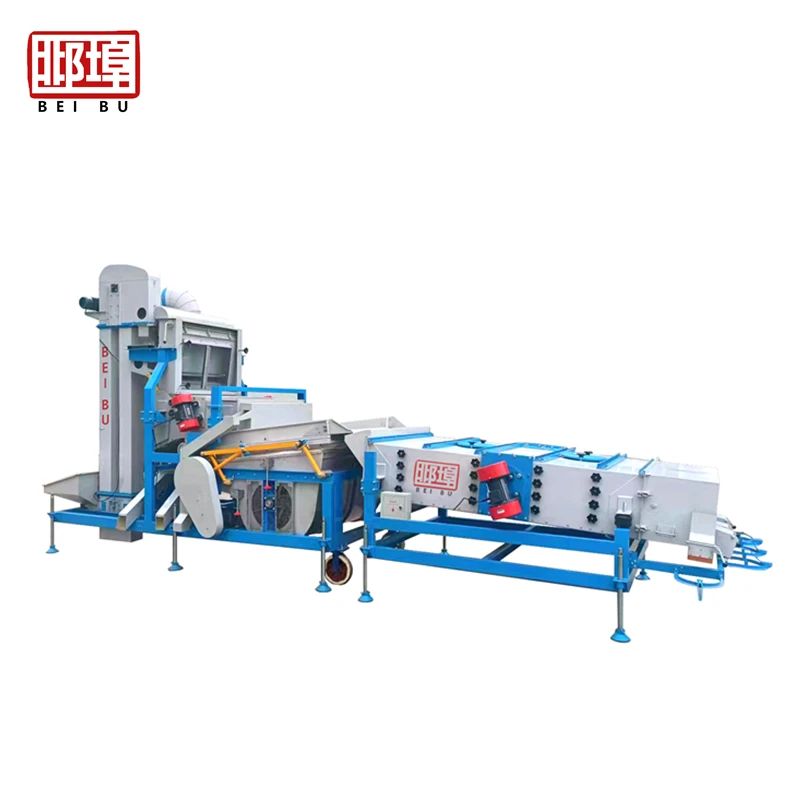
The Unsung Hero of the Cocoa Industry: The Cocoa Bean Cleaning Machine
In the vast world of cocoa production, there’s a stage that often escapes the spotlight — but without which, quality simply can’t be guaranteed. That stage? Cleaning the cocoa beans before they’re turned into all those delicious chocolates and cocoa products we crave. Enter the cocoa bean cleaning machine, the workhorse that ensures beans are free of husks, stones, dust, and other impurities. Why does this matter globally? Well, cocoa is cultivated by millions worldwide and forms the backbone of economies in regions like West Africa, Latin America, and Southeast Asia. A single step like cleaning can determine product quality, worker safety, and environmental impact — and those beans, after all, have to meet international food safety standards before ever reaching your favorite bar of chocolate.
Understanding how these machines work, and why they’re so crucial, sheds light not just on the art and science behind chocolate but on the larger story of food processing innovation serving communities worldwide.
Why the Cocoa Bean Cleaning Machine Matters in Today’s Global Economy
Globally, the cocoa industry is valued at tens of billions of dollars annually, with West Africa alone producing around 70% of the world’s cocoa beans (source: International Cocoa Organization). But raw cocoa beans, as harvested, come with a miscellany of unwelcome additions — twigs, dirt, dust, stones, and even insects. Without effective cleaning, those contaminants threaten product safety, reduce downstream processing efficiency, and can cause machinery damage.
Moreover, the global food market demands stringent compliance with ISO food safety standards and regulations enforced by the United Nations’ Codex Alimentarius Commission. Machines that remove impurities effectively not only improve bean quality but also support certification efforts and open doors to premium markets.
But here’s the kicker: many small and medium-sized producers in developing nations struggle to access reliable cleaning systems that fit their scale and budgets. That’s a problem when the entire supply chain depends on consistent quality and purity.
Takeaway:
- Cleaning machines improve safety, quality, and compliance with global standards.
- They hold the key to unlocking better market access for producers worldwide.
What is a Cocoa Bean Cleaning Machine — Simply Put?
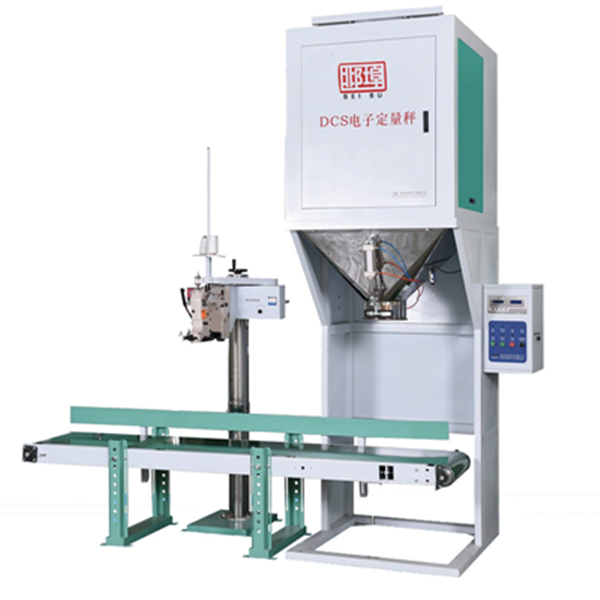
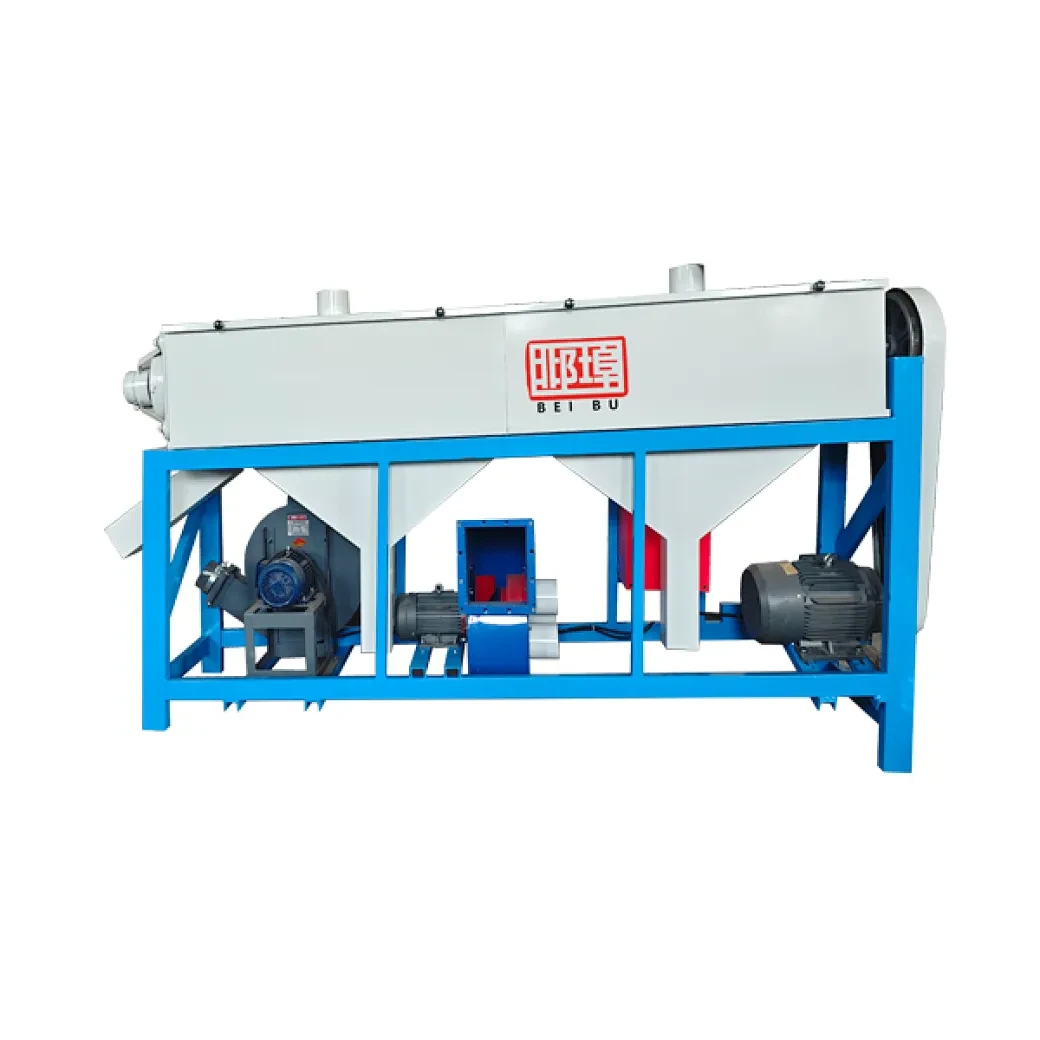
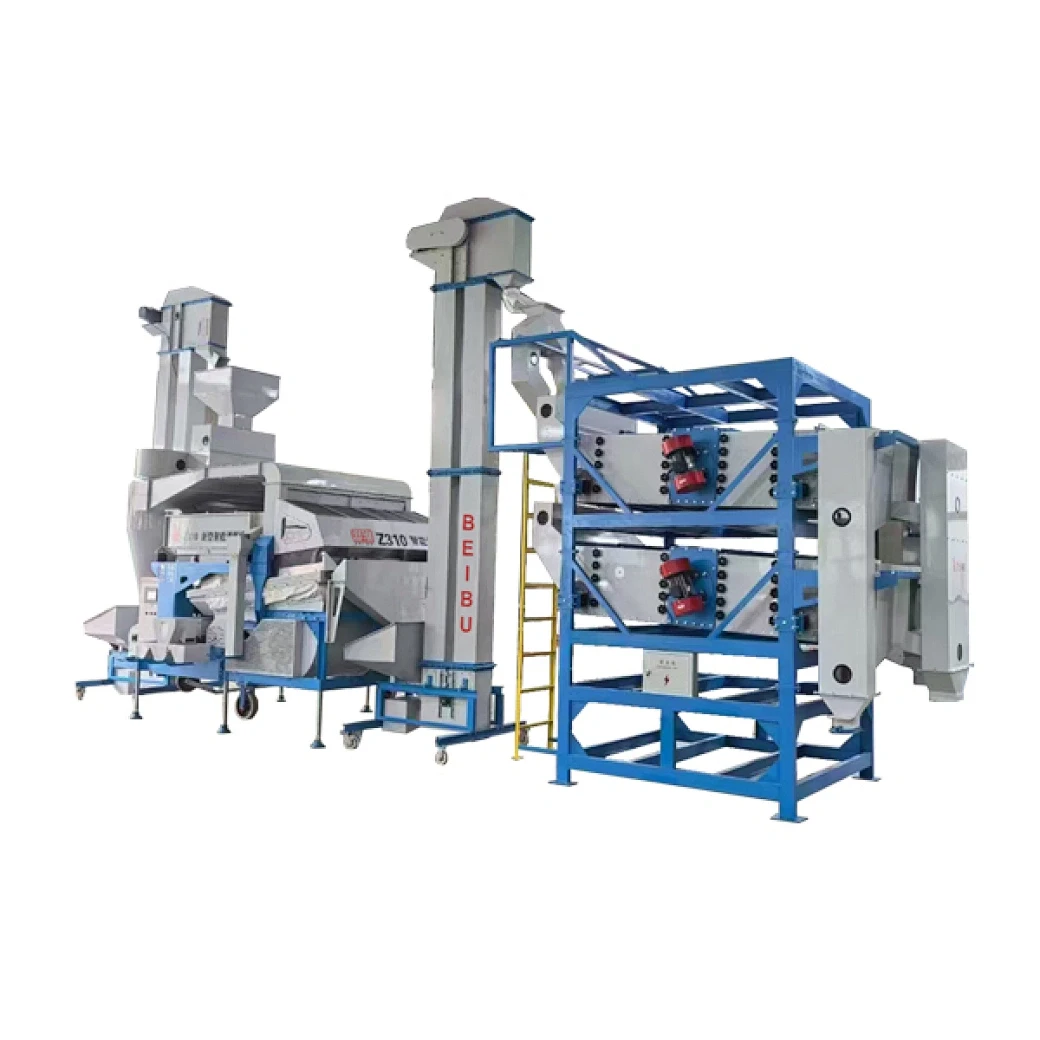
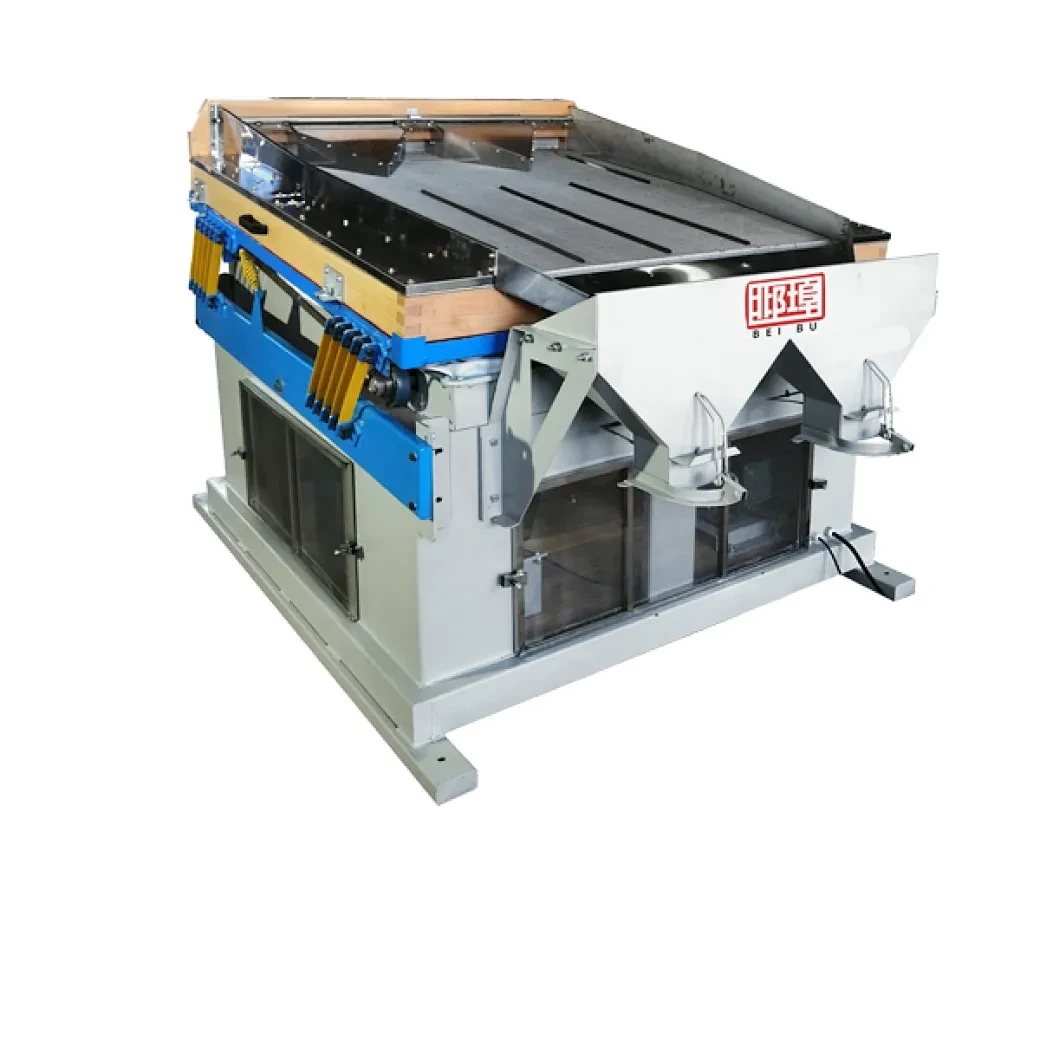
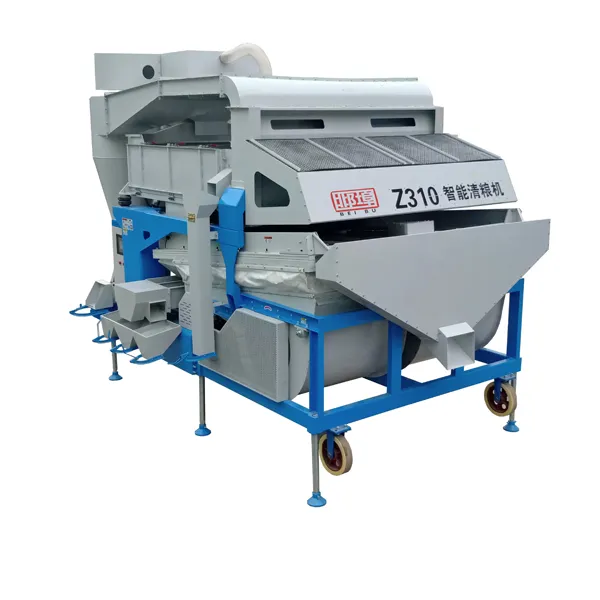
In essence, a cocoa bean cleaning machine is a mechanical system designed to sift, separate, and remove foreign matter from raw cocoa beans before roasting and processing. Think of it as a gatekeeper: it filters out all that unwanted debris while preserving the beans themselves. These machines vary widely — from simple vibrating sieves in village cooperatives to fully automated cleaning lines at major processors.
Far from just being “industrial equipment,” these cleaning machines represent an intersection of agricultural science, food safety, and engineering innovation. Their design increasingly incorporates automation and precise calibration to minimize waste and reduce labor intensity.
Why does this matter beyond industry jargon? Because as production scales, ensuring hygienic and efficient cleaning is fundamental to feeding a growing, quality-conscious global population.
Core Components & Features That Define a Great Cocoa Bean Cleaning Machine
1. Durability & Material Quality
These machines work in dusty environments and handle abrasive raw cocoa beans day after day. So, many manufacturers use stainless steel and heavy-duty alloys to prevent rust, contamination, and premature wear. Durability translates directly into lower maintenance costs and longer operational life.
2. Versatility & Scalability
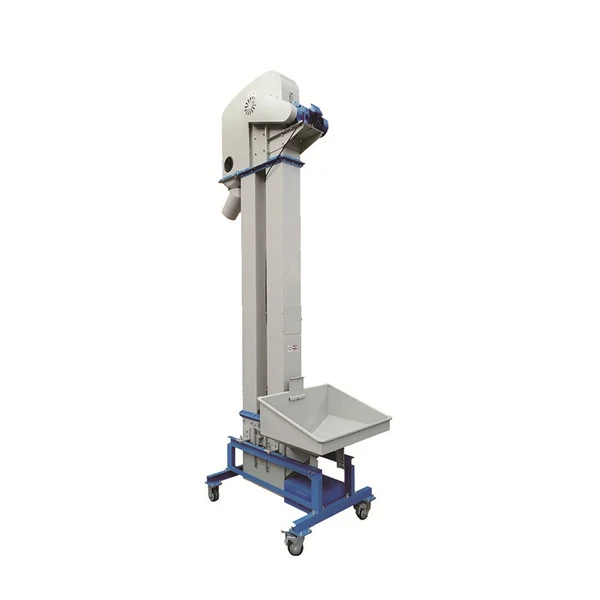
Whether you’re processing a few hundred kilograms or multiple tons daily, cleaning machines offer scalable designs. Modular components mean that parts like aspirators, magnetic separators, and vibrating screens can be added or removed based on production needs.
3. Cost Efficiency & Energy Use
Energy consumption is a big deal, especially in rural or developing areas with unreliable power. Efficient motors, smart control systems, and sometimes solar augmentation are becoming standard to balance performance and cost.
4. Cleaning Precision & Automation
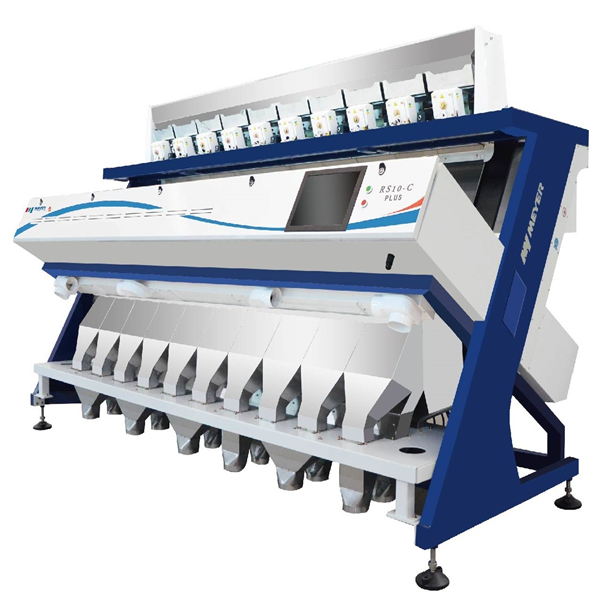
Advanced machines don’t just shake or sift. They employ air-screen separators, magnetic traps, and even optical sorters in elite models to catch the tiniest non-bean particles. Automation reduces the need for manual inspection and speeds up throughput.
5. Ease of Maintenance
Simple access to wear parts and easy cleaning routines can make or break uptime — many engineers emphasize that ease of maintenance keeps operations smooth in remote factories or cooperatives.
6. Integration with Processing Lines
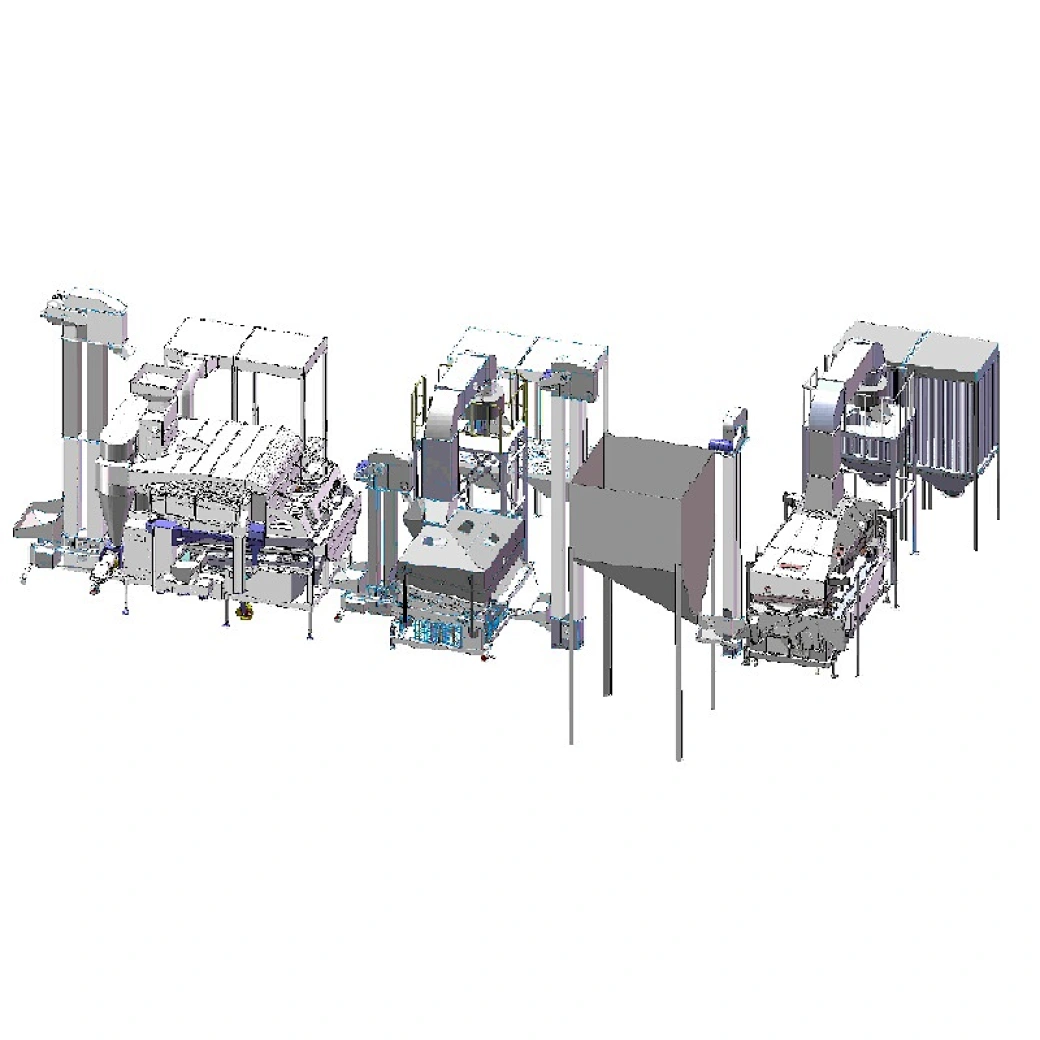
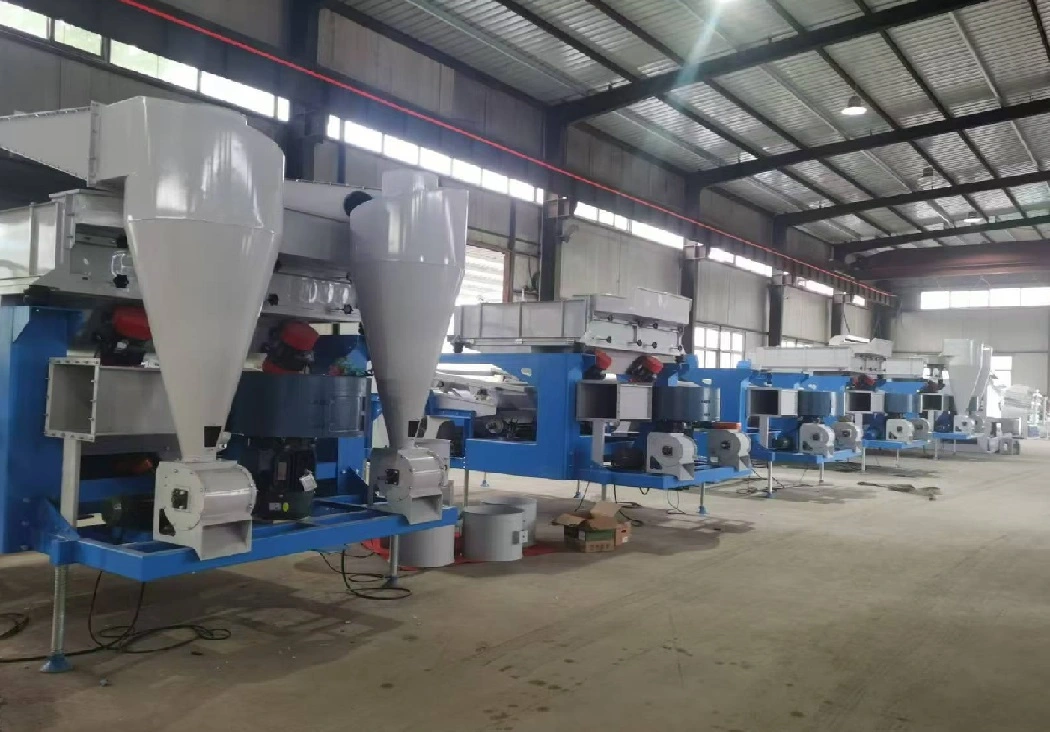
Modern lines sync the cleaning machine with fermenters, roasters, and grinders — making it part of a seamless production flow that limits contamination risks.
Mini takeaway:
- Strong materials, energy-wise design, and modular components optimize performance.
- Automation sharply improves cleaning quality and reduces labor.
- Maintenance-friendly features help sustain operations, especially in remote areas.
Where Are Cocoa Bean Cleaning Machines Making a Difference?
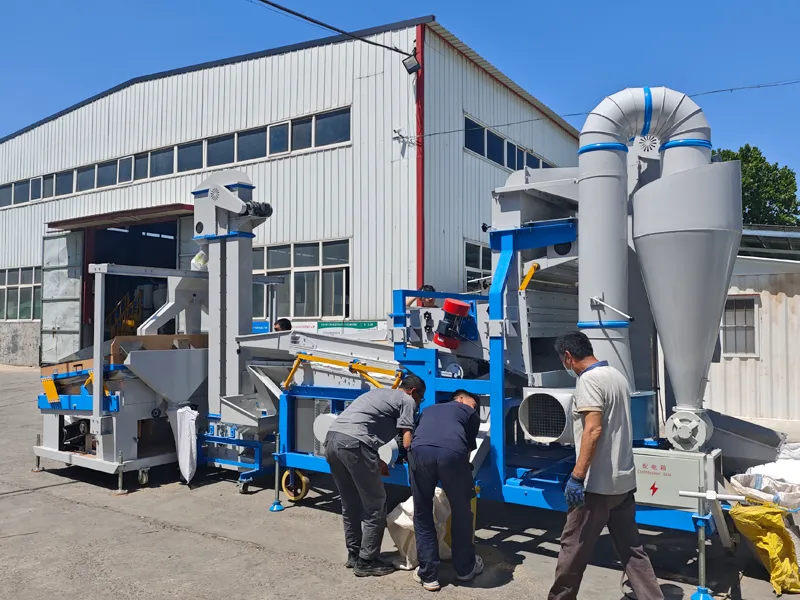
Practically speaking, their reach spans continents. In Ghana and Ivory Coast, which together produce more than half the world’s cocoa, cooperatives often use medium-scale cleaning machines bought through government or NGO programs to improve export quality. Meanwhile, Brazil’s advanced processors integrate these machines with high-tech sorting platforms for premium chocolates.
Oddly enough, they also matter in post-disaster relief: when agricultural supply chains are disrupted by floods or storms, rapid cleaning of stored cocoa beans can prevent huge losses. Some remote industrial zones in Southeast Asia employ solar-powered cleaning units to cope with inconsistent power access while maintaining hygiene standards.
Universities and research centers, such as Wageningen University in the Netherlands, constantly explore optimizing cleaning technology, pushing innovations that trickle down to industrial applications.
Real-world example:
A cocoa cooperative in Cameroon recently deployed a cocoa bean cleaning machine that halved waste rates and boosted daily throughput by 30%, enabling access to a European chocolate importer who demanded strict cleanliness specs.
Advantages & Long-Term Value of Investing in Quality Cleaning Machines
There are fairly obvious financial perks: cleaner beans mean fewer rejects, better flavor retention through processing, and reduced machinery damage from debris. But beyond that, consider the social and environmental benefits:
- Sustainability: Cleaner processes reduce waste and contamination, which lowers environmental footprint.
- Worker safety: Less manual cleaning or sorting with harmful dust and foreign materials means healthier workplaces.
- Social impact: Improved product quality raises incomes and empowers farming communities.
- Brand trust: Producers that can assure traceable, clean beans build stronger ties with global buyers.
Sometimes, the decision to invest in such modern cleaning equipment feels like an act of faith in the future — but one that pays dividends every step along the value chain.
Product Specifications of a Typical Cocoa Bean Cleaning Machine
| Specification |
Details |
| Capacity |
500 kg to 5,000 kg per hour |
| Power Supply |
220V / 380V - 3 Phase |
| Material |
Stainless steel 304 |
| Cleaning Modules |
Aspirator, magnetic separator, vibrating sieve |
| Automation Level |
Semi-automatic to fully automatic |
| Noise Level |
≤ 75 dB |
Comparing Leading Vendors: A Snapshot
| Vendor |
Capacity Range (kg/hr) |
Automation |
Price Range |
After-Sales Support |
| Beibu Cleaner |
500 - 3,000 |
Semi to full automation |
$$ - $$$ |
Comprehensive global support |
| ChocoTech Industries |
1,000 - 5,000 |
Fully automatic |
$$$ - $$$$ |
Limited regional support |
| GreenClean Machines |
300 - 2,500 |
Semi-automatic |
$ - $$ |
Strong emphasis on sustainability |
Looking Ahead: The Future of Cocoa Bean Cleaning Machines
Things are moving fast. Environmental concerns drive adoption of green energy sources, while digital transformation through IoT sensors enables real-time monitoring of cleaning efficiency and machine health. Some manufacturers experiment with AI-powered optical sorting to distinguish beans by color and size, further improving quality. Meanwhile, international policies increasingly push for sustainable and socially responsible sourcing, compelling processors to upgrade their cleaning and handling technology.
It’s also interesting to note that automation and modularity will become table stakes, as demand for smaller, mobile units suited to remote farms rises. Imagine a world where cocoa farmers can clean beans to export quality right on-site — reducing waste and increasing profits all at once.
Common Challenges and How Experts Recommend Addressing Them
- Power Interruptions: Particularly in rural areas, unreliable electricity can stall cleaning operations. The answer? Integrating backup battery systems or solar power solutions.
- High Initial Investment: Smallholder co-ops sometimes find machines expensive. Leasing models or shared ownership programs help reduce upfront costs.
- Maintenance Expertise: Without local technicians, downtime can be crippling. Vendors offering training and remote diagnostics bridge that gap.
- Scalability Concerns: Buying a machine too large or too small limits efficiency. Detailed needs assessments by consultants prevent this misstep.
FAQ – Your Questions About Cocoa Bean Cleaning Machines Answered
Q1: How much does a typical cocoa bean cleaning machine cost?
A1: Depending on capacity and features, prices vary from a few thousand to tens of thousands of dollars. Smaller, semi-automatic models can cost $3,000–$10,000, while large fully automated systems may exceed $50,000.
Q2: Can cleaning machines remove mold-contaminated beans?
A2: Cleaning machines primarily remove physical impurities, not mold itself. However, by removing damaged beans and debris early, they reduce contamination risk downstream. Additional sorting and roasting steps are necessary to manage mold.
Q3: Do these machines require skilled operators?
A3: Basic operation requires minimal training, but regular maintenance benefits from trained technicians. Many manufacturers provide instructional support and user-friendly interfaces.
Q4: How does automation improve cleaning efficiency?
A4: Automation reduces manual labor and human error, speeds processing, and provides consistent separation quality. Sensors can adjust cleaning settings in real-time, adapting to varying bean conditions.
Q5: Are there eco-friendly cocoa bean cleaning machines?
A5: Yes, newer models prioritize energy efficiency and can run on renewable sources like solar power. Additionally, they reduce water use and waste, aligning with sustainability goals.
Final Thoughts + Where to Learn More
The cocoa bean cleaning machine might not be as glamorous as the chocolate it helps produce, but its impact is profound. By delivering safe, clean beans at scale, it supports farmers, processors, and consumers alike — helping to maintain quality, increase incomes, and protect health. Technology is only getting smarter and greener, offering exciting prospects for the cocoa industry everywhere.
Curious to dive deeper or explore solutions tailored to your production needs? Visit our website for expert guidance and equipment that delivers reliability with innovation.
References:
- International Cocoa Organization (ICCO)
- Wikipedia: Cocoa
- Codex Alimentarius, Food Standards