



Dec . 10, 2025 04:45
How To Clean Maize ? is a key solution in the industry, specifically within agricultural processing and grain handling sectors. This article explores how https://www.beibucleaner.com supports professionals with durable, high-performance products, and explains why this product is an ideal choice for businesses in these sectors.
Table of Contents
- How To Clean Maize ? Overview
- Benefits & Use Cases of How To Clean Maize ?
- Cost, Maintenance & User Experience
- Sustainability & Market Trends
How To Clean Maize ? Overview
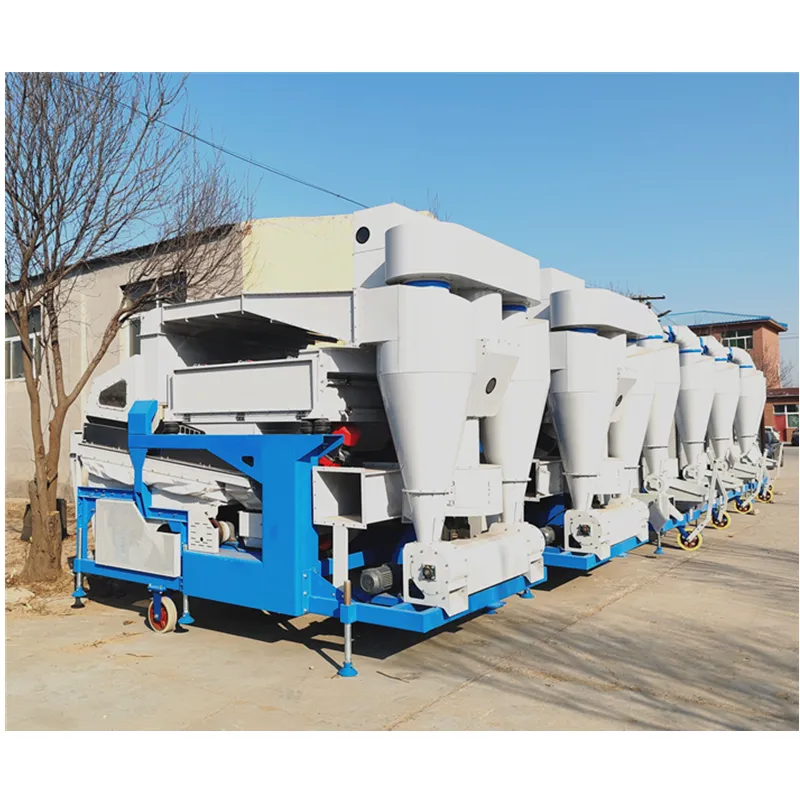
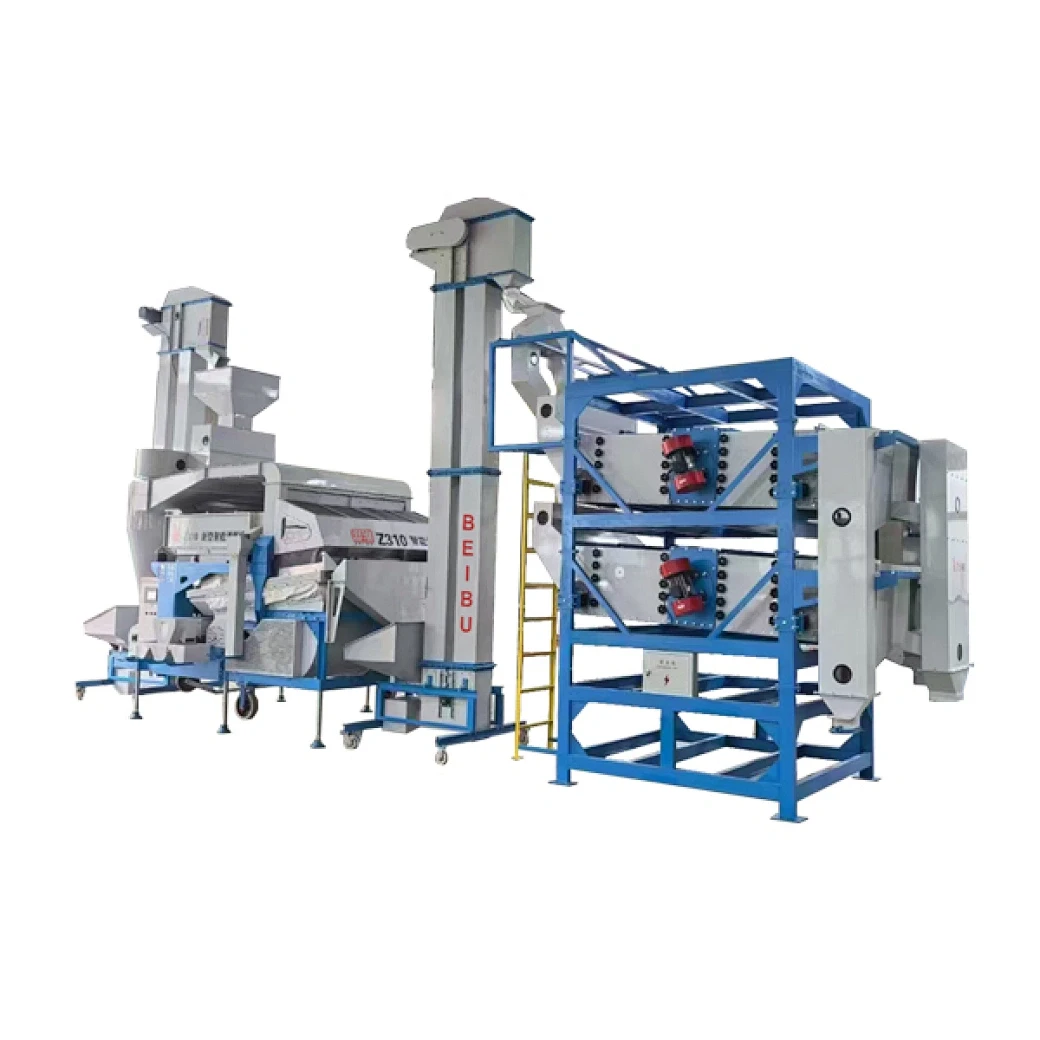
If you’re handling maize on a commercial level, you’ll know that proper cleaning is essential—not just for food safety but also to ensure quality and optimize storage. So, what exactly is How To Clean Maize ?? It’s really a comprehensive approach using specialized machines designed to remove impurities like dust, husks, stones, and broken kernels effectively.
The tech behind these cleaners is quite sophisticated: they typically use a combination of sieves, aspirators, magnetic separators, and vibrating screens to sort out unwanted materials. For instance, some models incorporate variable-frequency drives to precisely control the cleaning intensity, saving energy and reducing kernel damage. A case study published recently showed that businesses implementing such machinery improved their throughput by nearly 30%—which you can’t afford to ignore in a competitive market.
Benefits & Use Cases of How To Clean Maize ?
Industries that deal with maize processing find cleaning equipment indispensable—not just to meet regulatory requirements but to preserve the grain’s value. Frankly, it’s like the gatekeeper stage: if cleaning is done poorly, downstream processes suffer big time. This machinery shines in small- to large-scale mills, seed treatment, animal feed production, and even export operations where strict quality standards rule the day.
What I particularly like about the products at BeibuCleaner is their modular design. It lets you customize the setups based on the exact impurities in your maize or your capacity needs. Oddly enough, many conventional solutions are rigid, forcing compromises that end up costing more long term due to lost product or downtime. Plus, vacuum-based dust removal and integrated magnetic separators minimize equipment fouling and maintenance, ensuring more uptime.
Cost, Maintenance & User Experience
The total cost of ownership (TCO) is often a sticking point when investing in cleaning equipment. But when you look beneath the surface, these machines seem to offer a pretty compelling ROI—especially given their energy efficiency and minimal labor needs. Many users report that the initial investment pays off within two to three years, thanks in part to reduced waste and higher product quality.
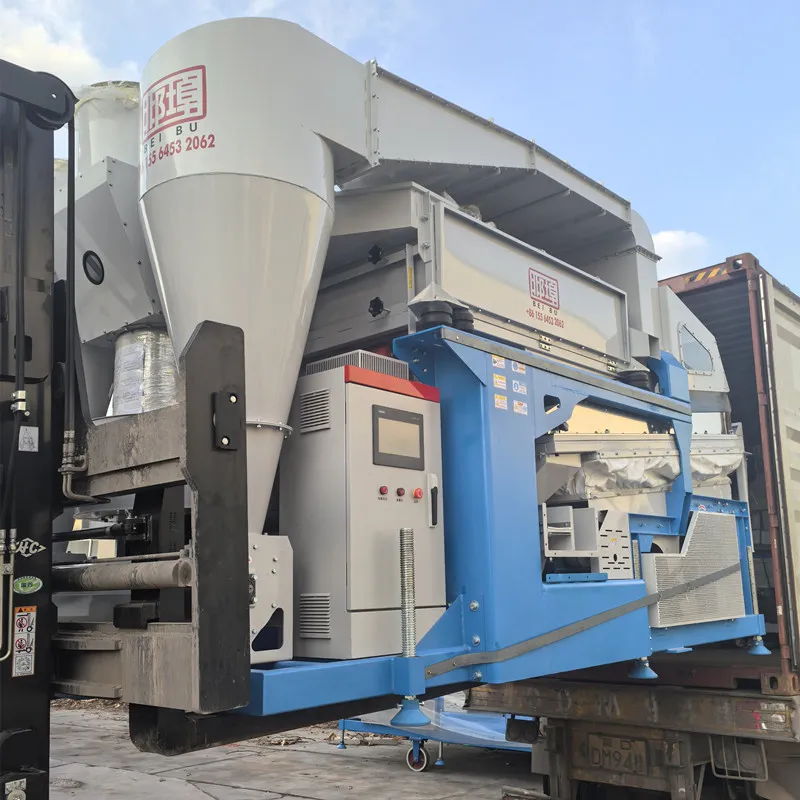
As for maintenance, BeibuCleaner units come with accessible inspection ports and quick-change sieve frames. This design means operators don’t have to wrestle with cumbersome parts during routine checks. From conversations with processing managers, I gather that this ease-of-use translates to fewer errors and less downtime. User feedback also notes the intuitive PLC interface has a shallow learning curve, even for workers new to automation.
Sustainability & Market Trends
Sustainability is no longer just a buzzword—it’s a critical piece of the industrial puzzle. The maize cleaning process has come under scrutiny for energy consumption, dust emissions, and waste management. Here, solutions from companies like BeibuCleaner really stand out because they really prioritize energy-saving tech and dust control mechanisms. Many of their models comply with the latest environmental regulations, helping businesses avoid costly fines and boycotts.
Oddly enough, the global maize market is projected to keep growing steadily, and with it, demand for efficient cleaning tech is booming. Trends suggest increasing automation, with more IoT integration to monitor performance and predictive maintenance. There’s also a shift towards modular, scalable systems that can adapt quickly to changing volumes and contamination levels. Put simply, investing in modern cleaning equipment today feels like preparing your business for tomorrow’s challenges.
Frequently Asked Questions about How To Clean Maize ?
- What is How To Clean Maize ? and how does it work?
- In essence, How To Clean Maize ? is a process using industrial equipment that removes foreign materials such as dust, stones, and husks from maize kernels through multi-stage cleaning involving screening, aspiration, and magnetic separation. The goal is to deliver high-quality grain ready for further processing or sale.
- What are the main benefits of using How To Clean Maize ? in industrial applications?
- Benefits include improved grain quality and safety, reduced contamination risks, energy-efficient operation, customizable configurations, and decreased downtime thanks to user-friendly designs. All these factors contribute to higher profitability and compliance.
- How does How To Clean Maize ? compare to traditional alternatives?
- Compared to conventional mechanical cleaning, systems featured by BeibuCleaner incorporate advances like vacuum dust removal and PLC controls, which reduce energy use, improve precision, and boost ease of operation—qualities traditional solutions often lack.
- What industries can benefit most from How To Clean Maize ? implementation?
- Primarily, food processing mills, feed producers, seed processors, and exporters all gain from these cleaning solutions. They help ensure regulatory compliance and better product consistency—a big deal especially when exporting to strict markets.
Conclusion on How To Clean Maize ? from china
To wrap things up, the value of properly cleaning maize simply can’t be overstated for businesses aiming to remain competitive and compliant. Investing in industrial-scale cleaning equipment, like those available at BeibuCleaner, helps maximize product quality, minimize waste, and keep operational costs in check. If you’re located in or working with Chinese suppliers, you’ll find a good blend of affordability and innovation here.
- Reliable performance backed by user-focused design.
- Visit our website: https://www.beibucleaner.com
It truly feels like investing in proper maize cleaning technology isn’t just a step forward, but a leap toward building resilient agricultural operations for the future.
- Case studies on maize cleaning efficiency, FoodTech Journal, 2023.
- Global Grain Market Trends Report, AgriInsight, 2024.
- BeibuCleaner product manuals and technical specifications, 2024.
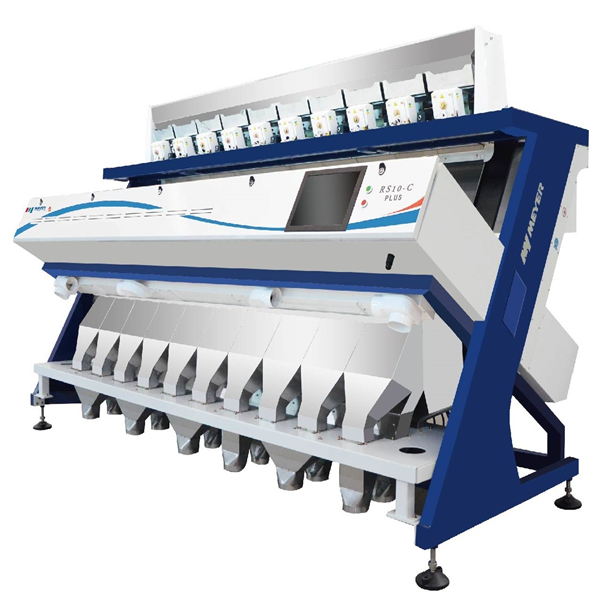

Dec. 13, 2025
Comprehensive Guide to Seed Grading Equipment – Boost Yield & Quality
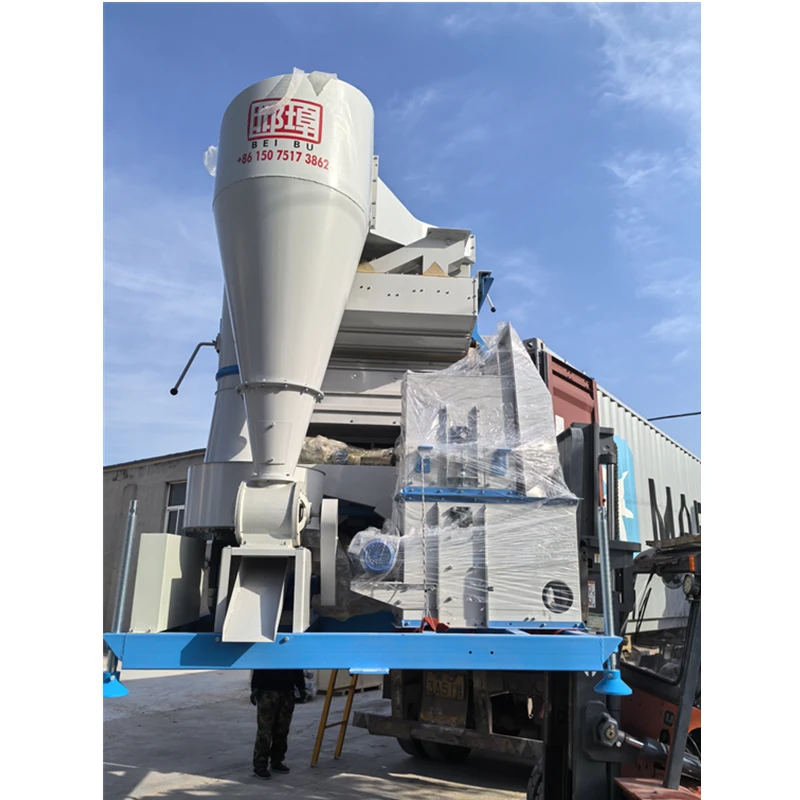
Dec. 12, 2025
Sesame Cleaning Machines: A Customer Inspection and Insights
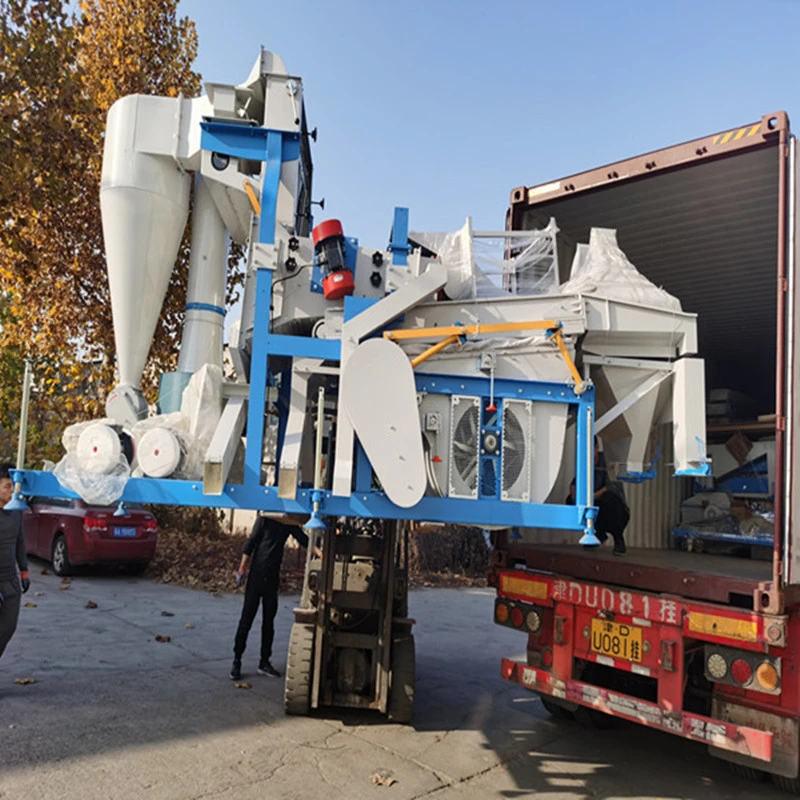
Jan. 03, 2026
Sesame Cleaning Season is Coming — Equipment Insights & Tips
Aug. 08, 2024
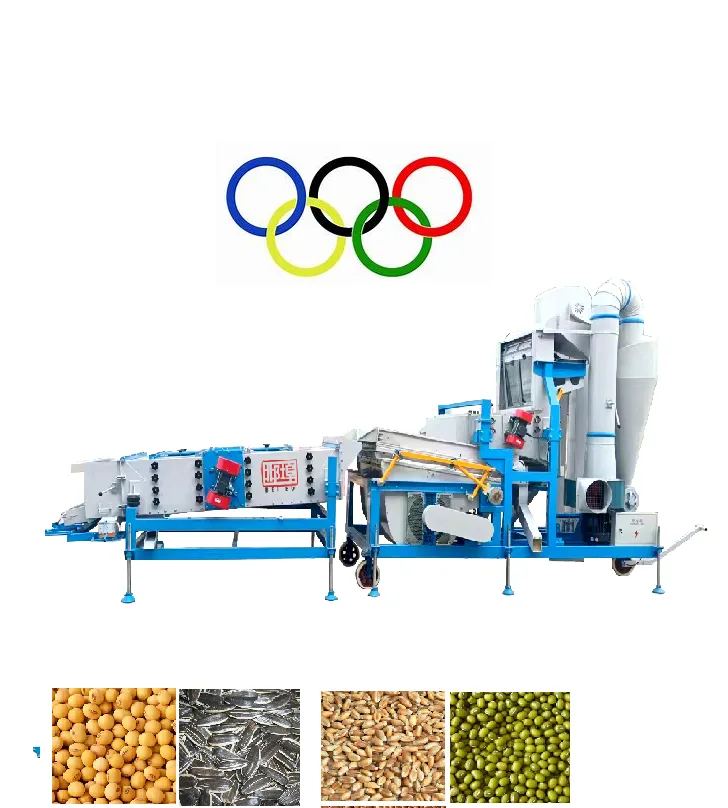
Grain cleaning machines help keep you healthy
Jun. 06, 2024
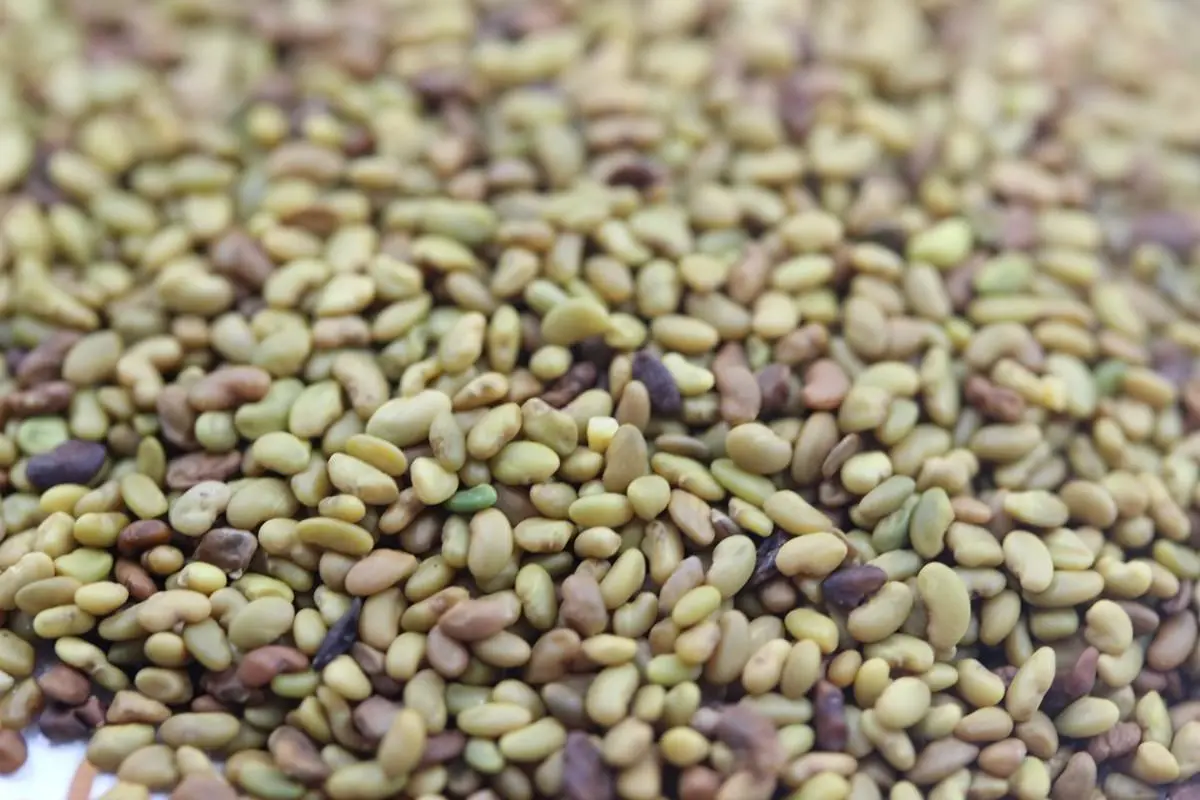
How to processing Alfalfa seeds
Jan. 05, 2026
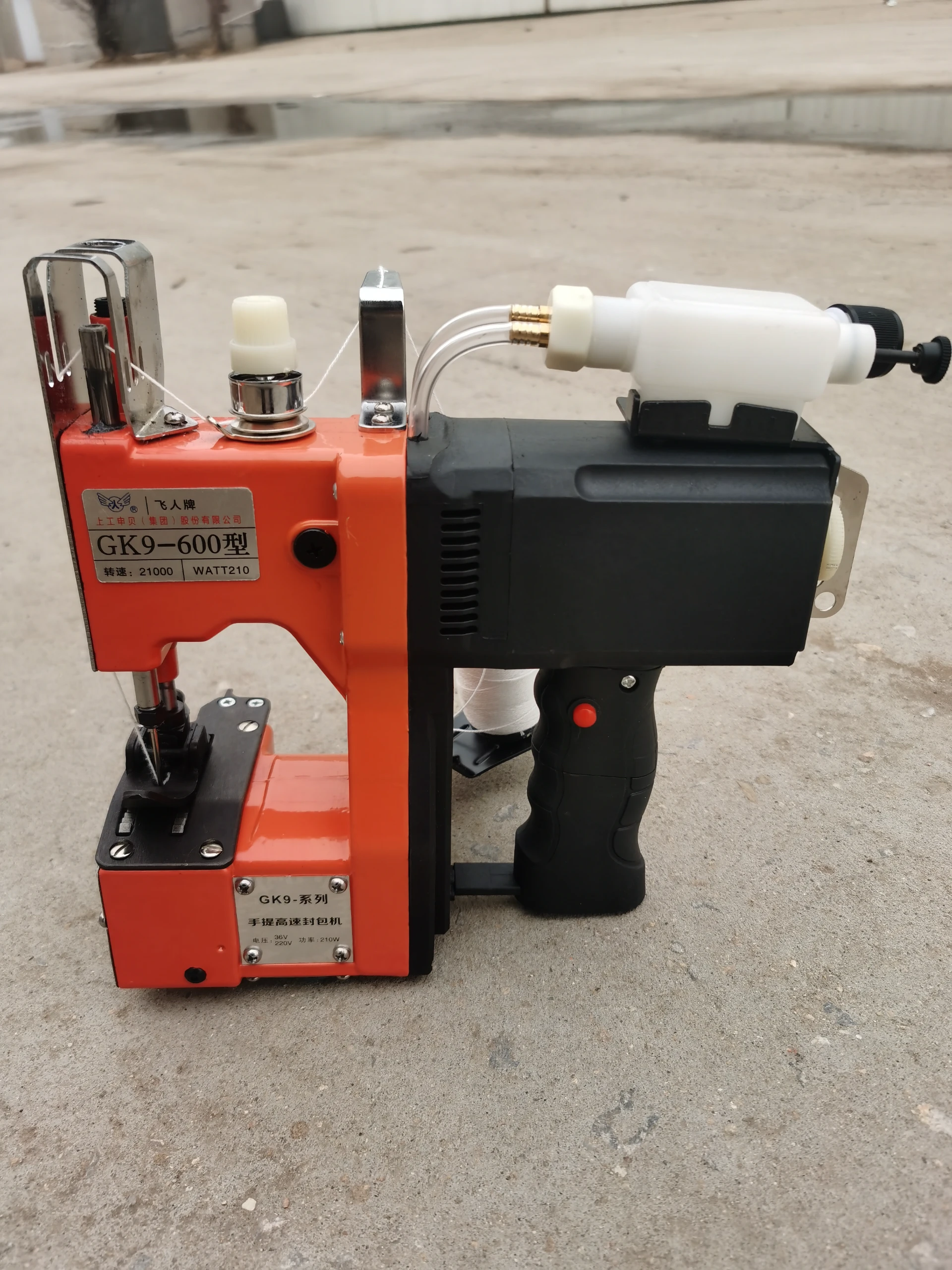
Free Hand Sewing Machine-hebei Beibu Machinery Technology Co. | Durable Industrial Sewing Solutions
Beibu Machinery


