



Aug . 27, 2025 13:53
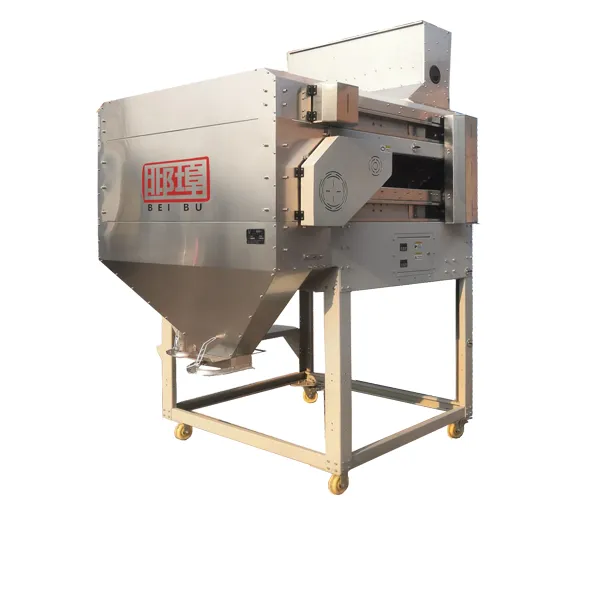
In the processing flow of grains, seeds, and beans, Destoner Machine is a key equipment that efficiently removes heavy impurities such as stones and soil blocks mixed in, providing pure raw materials for subsequent processing steps. It breaks through the limitations of traditional manual sorting efficiency with its unique working principle and structural design. It can accurately separate heavy impurities, and its performance directly affects the quality and safety of processed products. It is an indispensable and important equipment in modern grain processing systems.
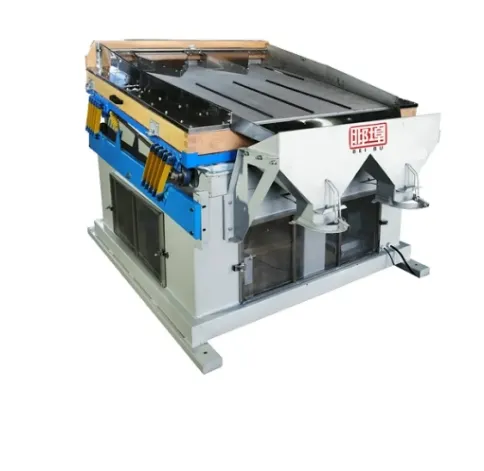
The core advantage of Destoner Machine lies in its precise grasp of the characteristics of heavy impurities and the synergy of multiple separation mechanisms
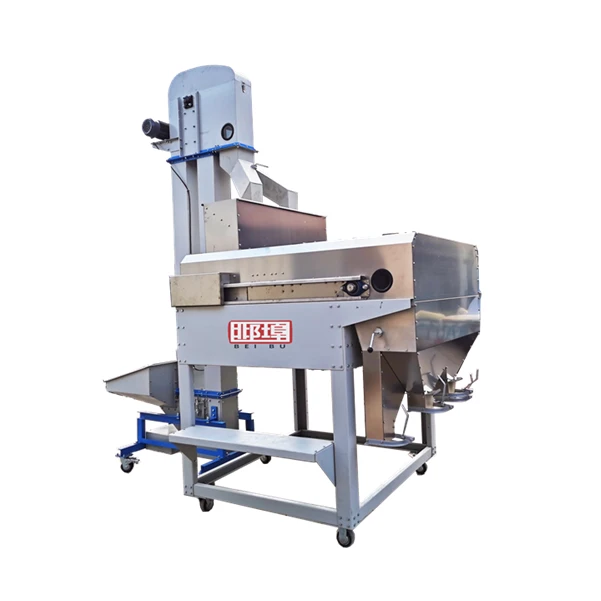
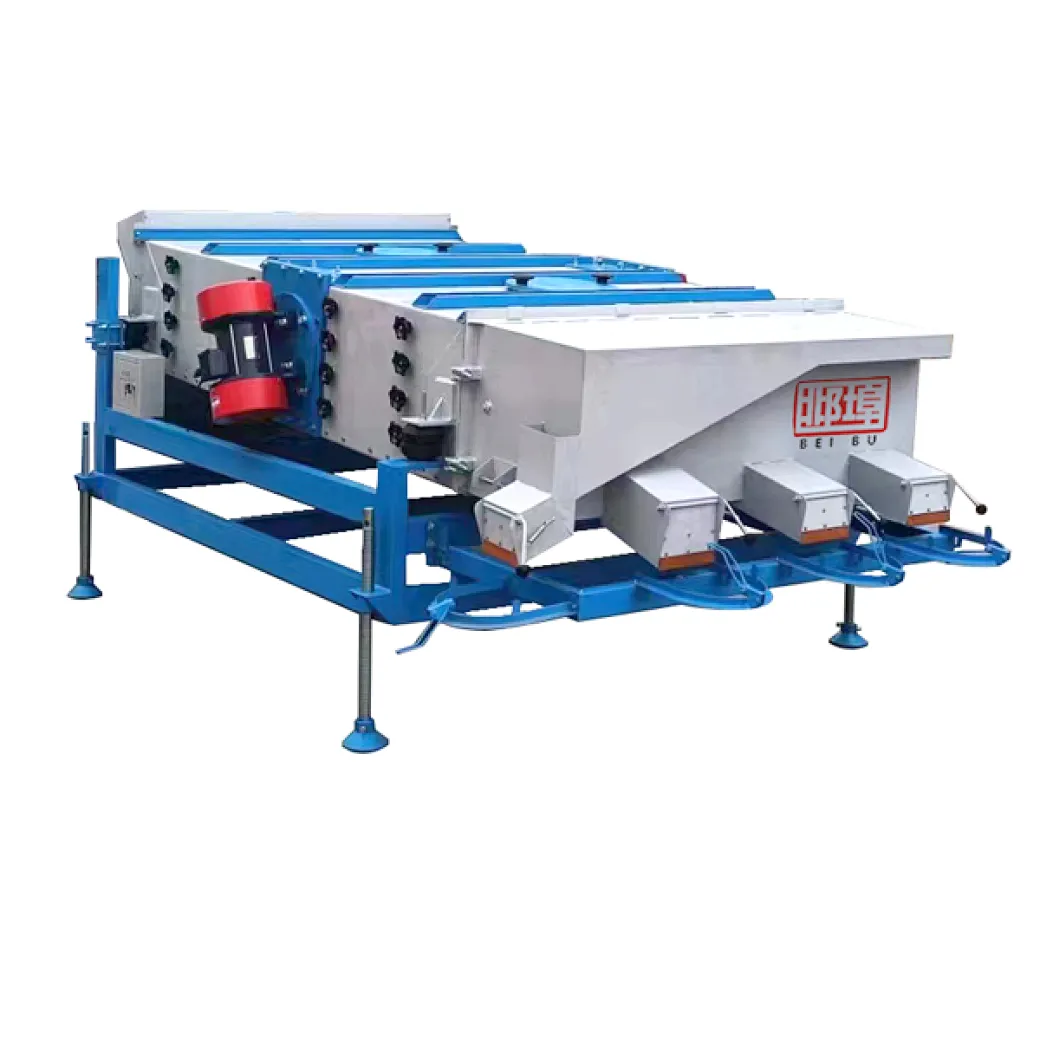
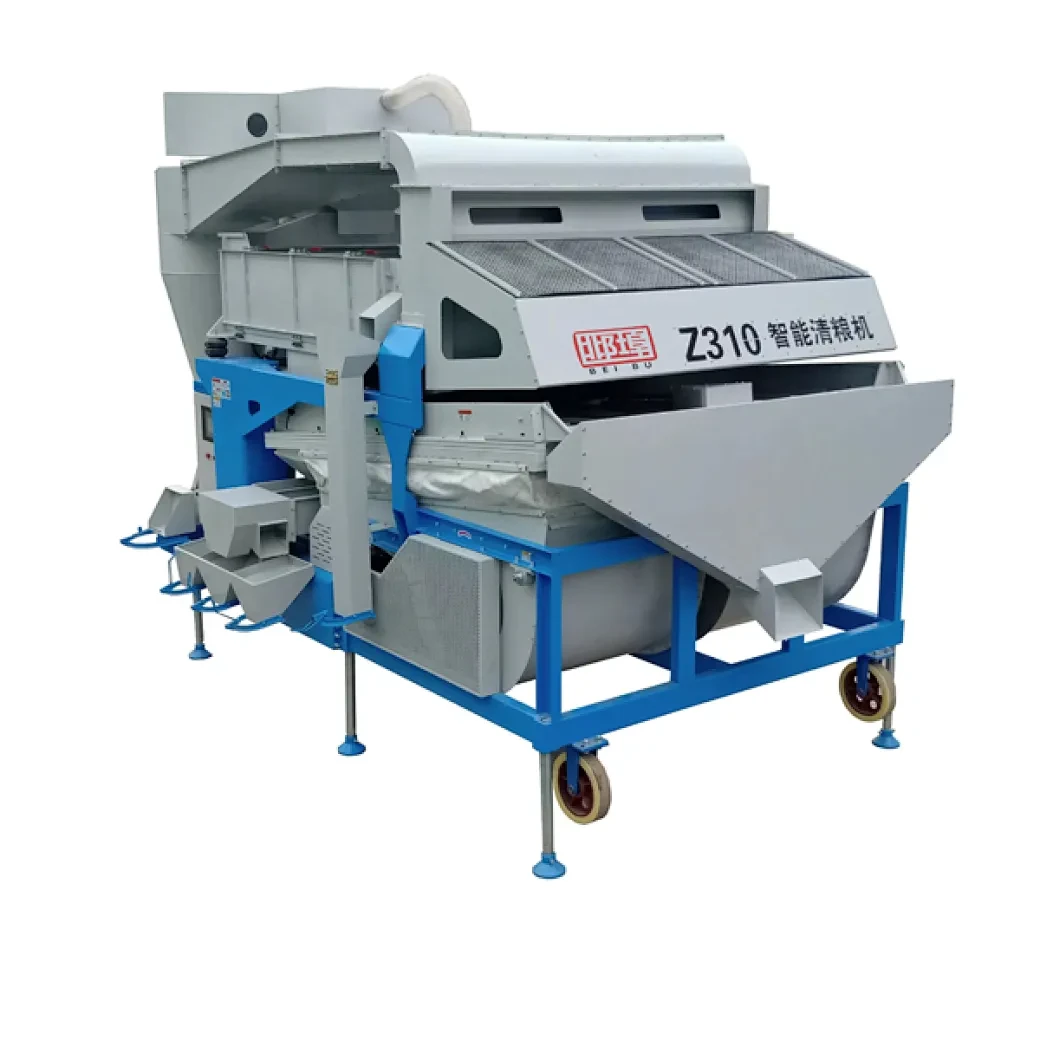
Destoner mainly consists of a feeding device, a screening table, a fan system, and a separation outlet. The feeding device evenly distributes the materials to be processed on the screening table through a vibrating feeder, avoiding local accumulation that affects the separation effect; The screening table adopts a tilted design and is equipped with special patterns. Under the action of a vibration motor, it generates reciprocating motion, causing the grains and heavy impurities to be layered due to density differences. The grains float upward due to their lower density, while heavy impurities such as stones and soil blocks sink to the bottom of the table; The airflow generated by the fan system is blown into the table from below, further strengthening the separation of light and heavy materials. Light grains are lifted by the airflow, while heavy impurities firmly adhere to the table and move towards the discharge port with vibration; The separation outlet is divided into pure material outlet and heavy impurity outlet, ensuring thorough separation of the two and avoiding secondary mixing.
The key criteria for measuring the quality of Destoner Machines focus on separation efficiency and material protection
The removal rate of heavy impurities should reach over 99%, especially for stones that are similar in size to grain particles. If these impurities are not removed, they can easily damage the cutting tools or grinding parts of subsequent processing equipment; The grain loss rate should be controlled within 0.1%, while efficiently separating impurities and minimizing raw material waste to the greatest extent possible; The equipment needs to adapt to different types of grains, whether it is larger beans or smaller millet. By adjusting the vibration frequency, airflow intensity, and table tilt angle, precise separation can be achieved; In terms of operational stability, the beans destoning machine needs to be able to maintain stable performance during continuous 24-hour operation, and the wear-resistant material of the tabletop needs to withstand long-term friction to ensure that the separation effect does not decrease over time.
In practical applications, Destoner Machine is widely used in various grain processing scenarios
In rice processing plants, de stoner machines can effectively remove sand and gravel from rice grains, avoiding wear and tear on the grinding wheel of the rice mill during the milling process, while ensuring that there are no stone residue in the rice and improving food safety; In the field of flour processing, Destoner Machine processed wheat can reduce impurities during grinding and improve the whiteness and purity of flour; Before processing oil crops, Destoner Machine treatment can remove soil and metal impurities from rapeseed and peanuts, avoiding contamination of oil by impurities during the pressing process; Even in the seed processing stage, the pure seeds separated by Destoner Machine can improve germination rate and reduce the influence of impurities during sowing.
With the advancement of grain processing technology, the innovation of Destoner Machine continues to advance
The intelligent upgrade enables devices to monitor material flow and impurity content in real-time through sensors, automatically adjust vibration parameters and airflow size, and achieve adaptive separation; Energy saving design adopts variable frequency motors and high-efficiency fans to reduce energy consumption per unit processing capacity and minimize noise pollution during equipment operation; The modular structure makes the equipment easy to disassemble and maintain, and vulnerable components such as screens can be quickly replaced, reducing maintenance costs; In addition, some de stoning machines also integrate metal detection functions, which can simultaneously remove metal impurities from materials, further enhancing the comprehensive purification ability of the equipment.
In summary, Destoner Machine focuses on efficient separation of heavy impurities and provides reliable purification guarantees for grain processing through the synergistic effect of mechanical vibration and airflow sorting. It not only protects subsequent processing equipment, reduces equipment maintenance costs, but also improves the quality and safety of processed products from the source. In the future, with the deepening of intelligent and green processing concepts, Destoner Machines will develop towards higher efficiency, energy conservation, and intelligence, continuously empowering the high-quality development of the grain processing industry.
Destoner Machine FAQs
What is the working principle of Destoner Machine?
Destoner sorts by utilizing the density difference between materials and impurities. The material is fed into a vibrating sieve plate, where lighter grains or seeds float on the upper layer under the action of airflow or vibration, while heavier impurities such as stones and soil blocks sink to the bottom and are ultimately separated and discharged through different outlets. This physical sorting method is efficient and does not damage the raw materials, making it suitable for cleaning and processing various agricultural products.
What types of materials can Destoner handle?
Destoner is widely used in the fields of agriculture and food processing. It can process grains such as wheat, corn and rice, as well as beans and oil crops such as soybeans, mung beans and peanuts. In addition, it can also be used to remove heavy impurities from nuts, coffee beans, or spices, with strong adaptability to meet the sorting needs of different particle sizes.
What are the advantages of Destoner compared to traditional screening devices?
Traditional screening machines mainly rely on pore size to separate impurities, while Destoner combines density sorting and vibration technology to effectively remove impurities (such as stones) that are similar in size but different in weight from the raw material particles. It has higher sorting accuracy, larger processing capacity, lower energy consumption, and reduces raw material waste, significantly improving the quality of finished products.
How to maintain Destoner to ensure its long-term stable operation?
Regularly clean the sieve plate and ventilation components to prevent material blockage from affecting the sorting efficiency. Check the lubrication status of the vibration motor or transmission device, and replace worn screens or rubber pads in a timely manner. Pay attention to bearing temperature and abnormal noise during operation, thoroughly remove residual impurities when stopping, and perform seasonal maintenance according to the instructions.
What are the key parameters to consider when choosing a Destoner?
The primary focus is on processing capacity (tons/hour) and sorting efficiency to ensure compatibility with production scale. Secondly, it is necessary to confirm the applicable material range and particle size limitations. Other factors include device power consumption, footprint, screen plate material (such as wear-resistant stainless steel), and whether it has adjustable air volume or amplitude function to meet the sorting needs of different materials.


Dec. 24, 2024
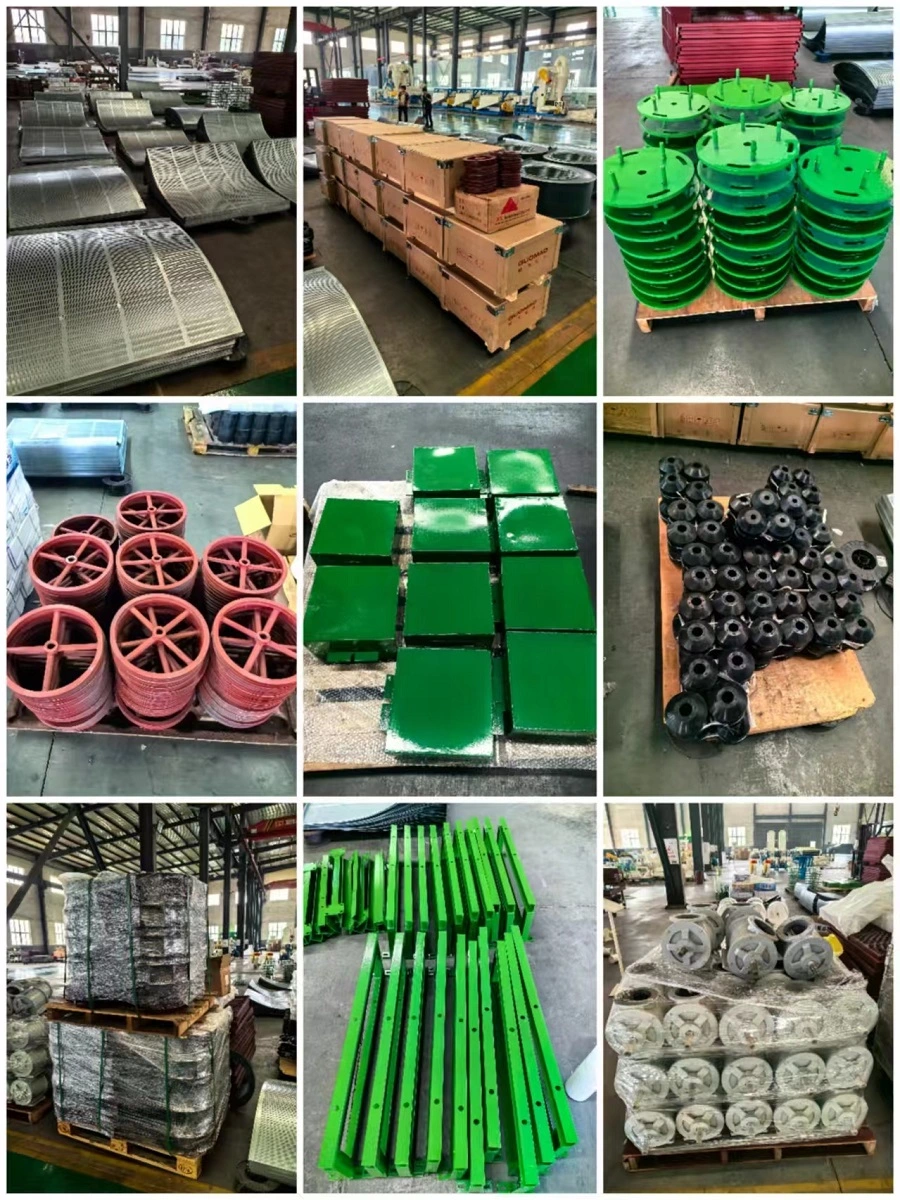
How to choose a professional coffee bean cleaning production line-Beibu Machinery
Jul. 13, 2024
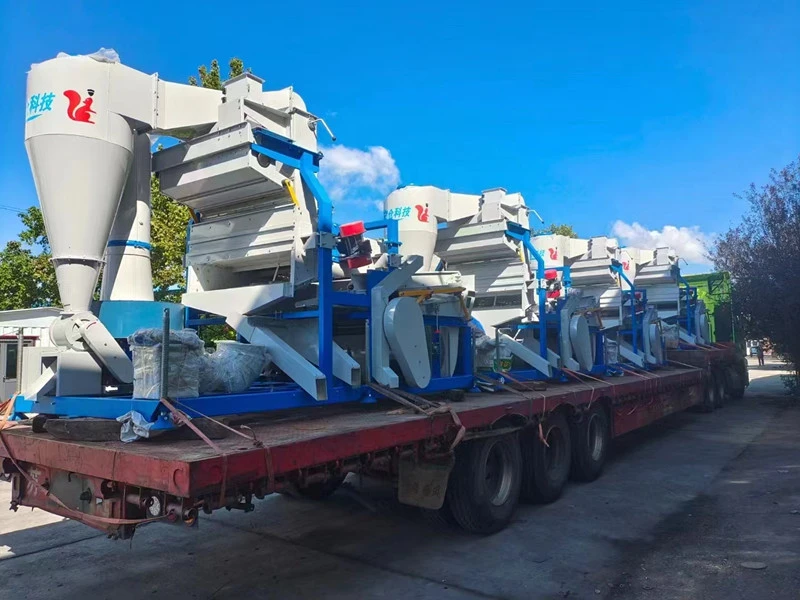
Beibu Machinery is ready to ship 78 sesame and soybean cleaning machines
Sep. 23, 2024
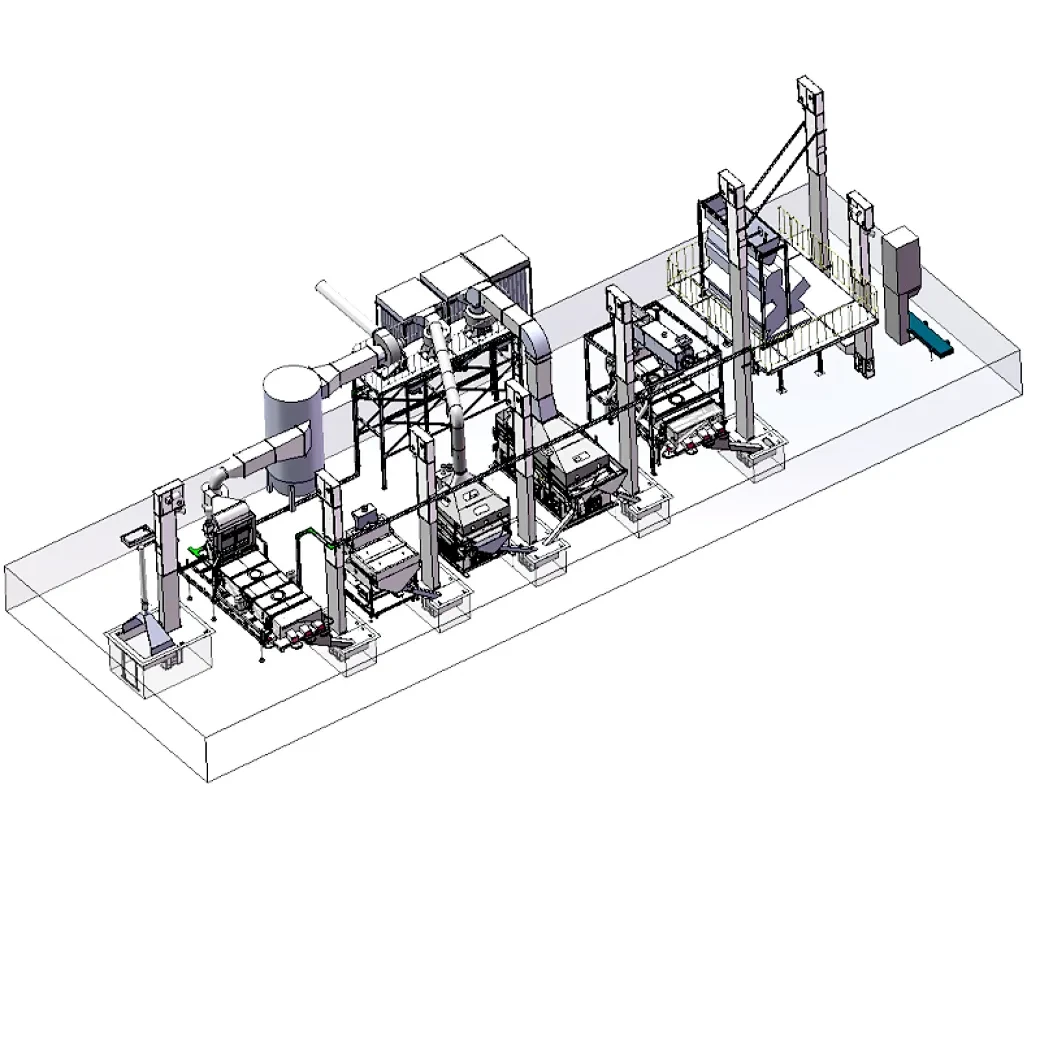
Four Sets Sesame Cleaning Machine Delivery-Hebei Beibu Machinery Technology Co.,LTD
Nov. 03, 2025
Locust Beans Processing Machine | Automatic, High Capacity
Apr. 17, 2024
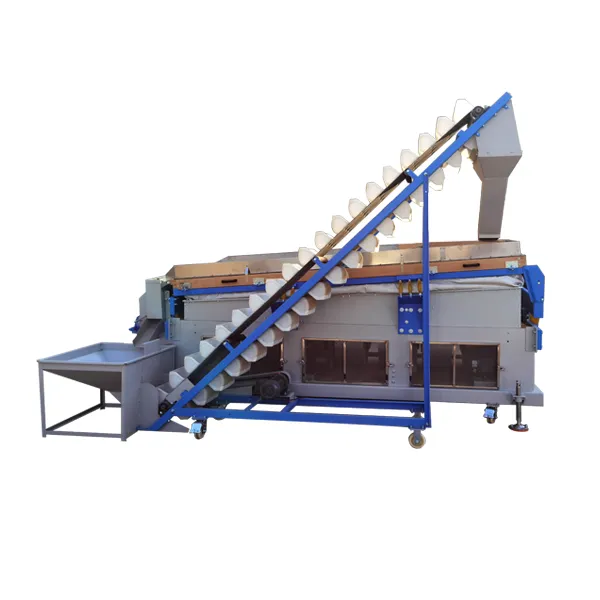
gravity separator in beans processing line -hebei beibu machinery
Apr. 07, 2024
Magnetic Separator-Hebei Beibu Machinery Technology CO.,LTD
Beibu Machinery


