



Dec . 13, 2025 22:10
Cleaning Grading and Sorting: Why It Matters More Than Ever
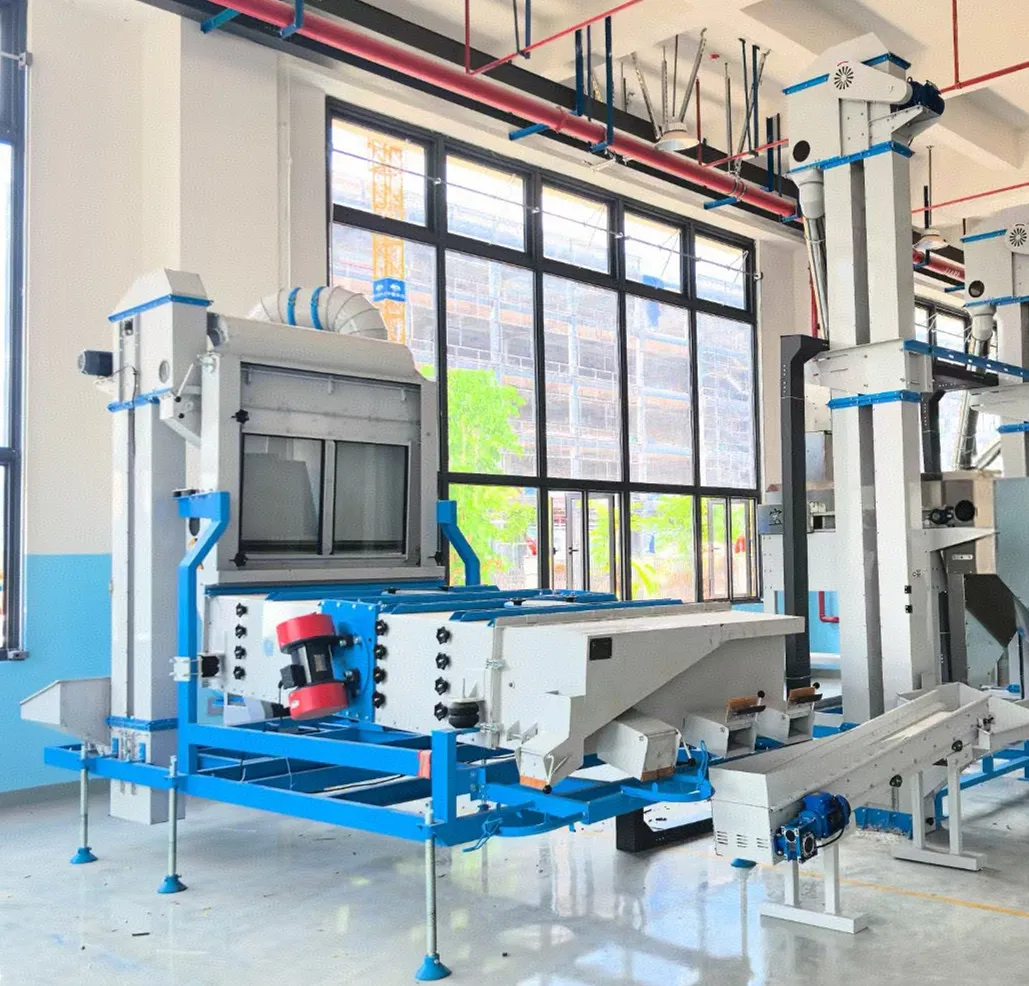
At first glance, cleaning grading and sorting might sound like industrial jargon reserved for warehouses or agricultural processing plants. But honestly, it's so much more than that. Globally, this trio of processes plays a quiet yet vital role in everything from food safety to humanitarian relief efforts. Imagine how chaotic the world would be without properly cleaned and sorted grains, recycled materials, or medical supplies. Understanding cleaning grading and sorting helps industries boost efficiency, cut waste, and promote sustainability — three things practically every business, across the world, desperately needs.
Introduction: A Global Perspective
The World Bank estimates that inefficiencies in post-harvest handling, often linked to poor sorting and cleaning, can contribute to losses as high as 30% in developing countries. Meanwhile, the International Organization for Standardization (ISO) has developed standards aimed at optimizing these processes to ensure quality and safety across many sectors. It’s an ongoing challenge: global supply chains struggle with contamination, misgrading, or simple waste issues that could be alleviated with better cleaning grading and sorting systems.
Take, for example, the humanitarian supply chain. In disaster-hit regions, unclean or poorly sorted food and supplies can severely hamper relief efforts. How can agencies provide aid if the materials are compromised before even reaching the ground? So yes, this isn’t just industry buzz — it’s a real-world problem that needs addressing urgently.
What Exactly is Cleaning Grading and Sorting?
Put simply, cleaning grading and sorting are systematic processes that ensure products or materials are free from unwanted contaminants, categorized by quality or size, and organized accordingly for further use or distribution. In agriculture, for example, cleaned and graded grains mean better shelf life and compliance with food safety laws. In recycling, sorting various materials correctly prevents contamination and increases reuse rates.
On a humanitarian front, cleaned and sorted medical supplies or relief kits uphold health standards and improve logistics. Put plainly, these processes form the backbone of a quality assurance pipeline.
The Core Components of Cleaning Grading and Sorting
1. Cleanliness & Contaminant Removal
The first step is literally about cleaning — removing dust, debris, stones, or anything else unwanted. This ensures downstream processes won’t be disrupted and product quality remains intact.
2. Precise Grading
Grading involves classifying products by certain parameters like size, weight, quality, or color. Think about how coffee beans or rice get sorted into grades; it's about making sure everything fits the right category.
3. Efficient Sorting
Sorting groups items according to their gradings or quality. Modern solutions use technology like optical sorting, air jets, or sensors, improving accuracy and speed – essential for bulk processing.
4. Scalability
These systems need to be adaptable from small-scale operations in remote areas to massive industrial warehouses. Scalability defines how flexible the processes can be when demand surges or material types shift.
5. Cost Efficiency
Minimizing labor, power, and maintenance costs while optimizing throughput is often the holy grail of cleaning grading and sorting systems.
6. Compliance & Standardization
Aligning processes with regulatory standards (e.g., food safety, environmental rules) ensures not just quality but legal peace of mind too.
Mini takeaway: In essence, a well-designed cleaning grading and sorting system is about harmonizing technology and process to boost output without compromising quality or cost.
Global Applications & Case Examples
Honestly, these processes crop up everywhere. In agriculture-heavy countries like India and Brazil, cleaning grading and sorting systems help farmers cut losses and make exports more reliable. In reinventing urban recycling systems in Europe, improved sorting technology drastically reduces landfill waste.
Oddly enough, humanitarian agencies such as the Red Cross or Médecins Sans Frontières utilize portable cleaning and sorting setups in post-disaster zones. In 2019, during the Mozambique floods, mobile cleaning and sorting units enabled rapid distribution of clean water and sorted food supplies, drastically reducing disease outbreaks.
Even manufacturers in electronics rely on these systems to remove impurities during component production, improving device lifespan and reliability.
Advantages & Long-Term Value
- Cost Savings: Reduced waste and damaged goods mean less money down the drain.
- Sustainability: Sorting enables effective recycling and resource optimization.
- Social Benefits: Clean, graded supplies increase safety and trust — critical in healthcare and food sectors.
- Innovation & Efficiency: Continuous improvement in sorting tech leads to faster processing and better quality.
On an emotional level, there’s a dignity in receiving properly sorted, clean products — especially for aid recipients, where it’s about respect and care, not just logistics.
Future Trends & Innovations in Cleaning Grading and Sorting
New frontiers include AI-driven optical sorting, which uses machine learning algorithms to distinguish subtle quality differences. Sustainable-powered units employing solar energy or battery tech are gaining popularity in remote or off-grid areas.
Additionally, the rise of IoT sensors permits real-time monitoring and predictive maintenance, cutting downtime and operational costs. Frankly, digital transformation is reshaping the space quite rapidly.
Challenges & Practical Solutions
Despite the advances, problems remain — contamination due to human error, upfront investment costs or complexity in customization for different materials.
Many specialists emphasize modular designs and user-friendly interfaces as ways to democratize these systems. Training local operators and integrating cross-sector collaboration can also close existing gaps.
Product Specification Table: Typical Cleaning Grading and Sorting Machine
Vendor Comparison Table
Frequently Asked Questions About Cleaning Grading and Sorting
1. How does automated sorting improve the cleaning grading and sorting process?
Automated sorting utilizes sensors and AI to detect subtle differences in quality, size, and defects faster and more accurately than human workers. This reduces errors and speeds up processing, especially useful when handling large volumes or fragile materials.
2. Are portable cleaning grading and sorting units effective for disaster relief?
Yes, portable units are increasingly used in humanitarian operations. Their mobility and ease of setup mean critical supplies can be cleaned and sorted onsite quickly, reducing disease risks and ensuring aid is distributed efficiently.
3. What are the typical maintenance needs for a sorting machine?
Regular cleaning of sensors, lubrication of moving parts, and occasional calibration are key maintenance tasks. Many vendors now include predictive maintenance features that alert operators before breakdowns occur.
4. Can cleaning grading and sorting systems be customized easily?
Most modern systems are modular, allowing customization for different materials or throughput requirements. This flexibility is vital for industries with evolving demands or mixed product lines.
5. How does cleaning grading and sorting enhance sustainability?
By minimizing waste, enabling recycling, and improving resource utilization, these processes contribute significantly to sustainability goals. Accurate sorting especially helps keep recyclable materials pure and ready for reuse.
Conclusion: The Unseen Backbone of Efficient, Sustainable Supply Chains
At the end of the day, cleaning grading and sorting might not grab headlines, but they quietly power a massive chunk of industries worldwide. From ensuring the food on your plate is safe and high quality to enabling lifesaving aid to reach vulnerable populations — they’re simply indispensable.
For anyone interested in elevating their operations or humanitarian projects through reliable, sustainable, and innovative techniques, cleaning grading and sorting systems are a smart investment. Have a look, explore options, and see the often invisible benefits come to life.
References:
1. World Bank: Agriculture Losses
2. International Organization for Standardization (ISO)
3. Wikipedia: Sorting
Mar. 11, 2025
Nov. 11, 2025
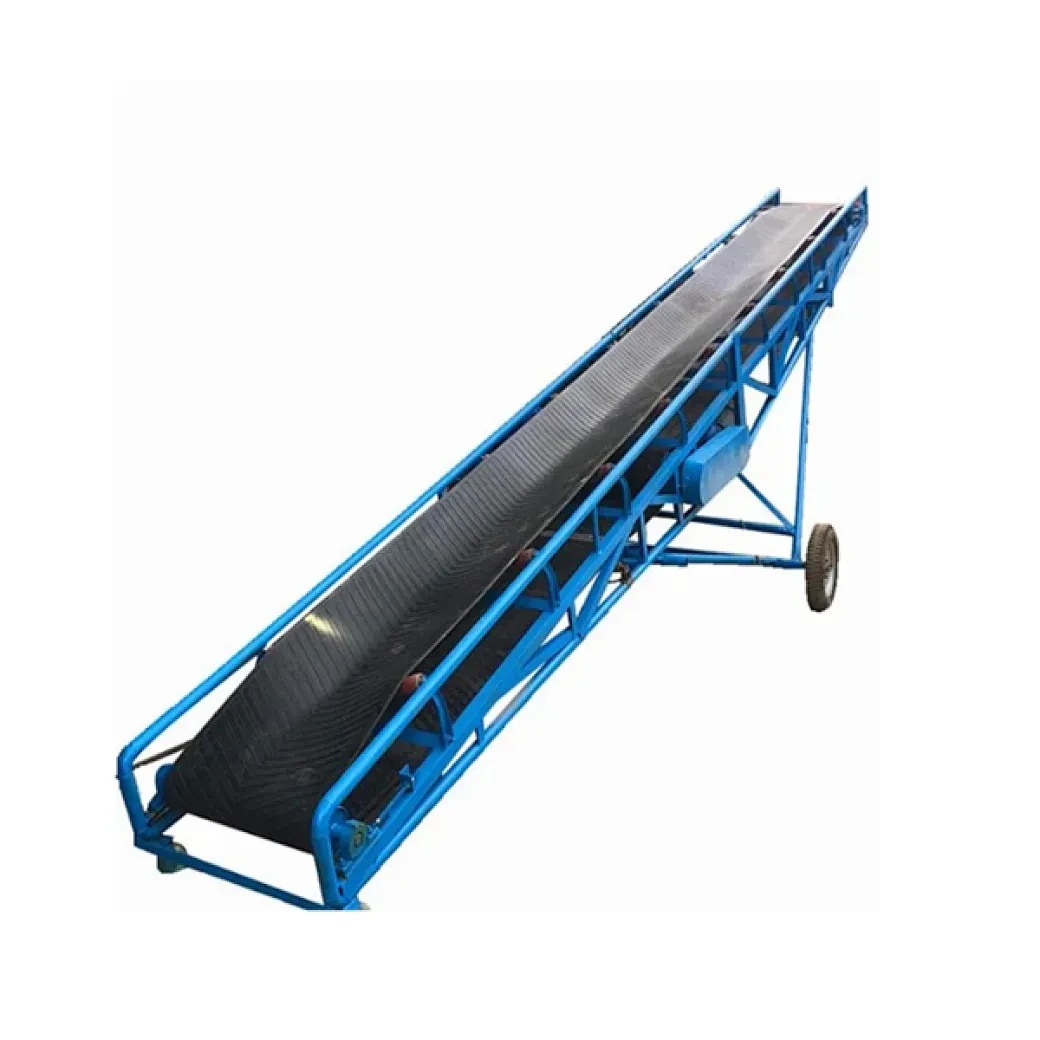
Portable Belt Conveyor for Sale – Lightweight, Adjustable
May. 07, 2024
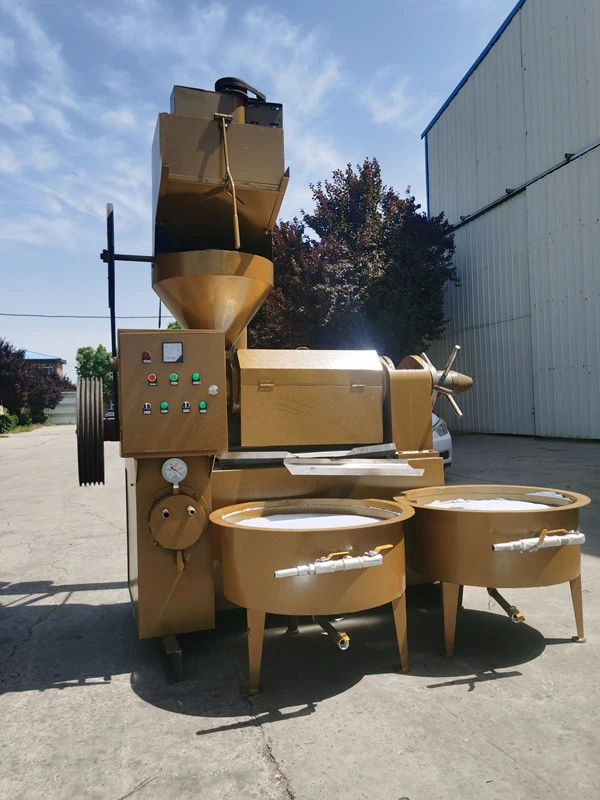
Soybean Oil Expeller-Hebei Beibu Machinery Technology Co.,LTD
Jul. 18, 2024
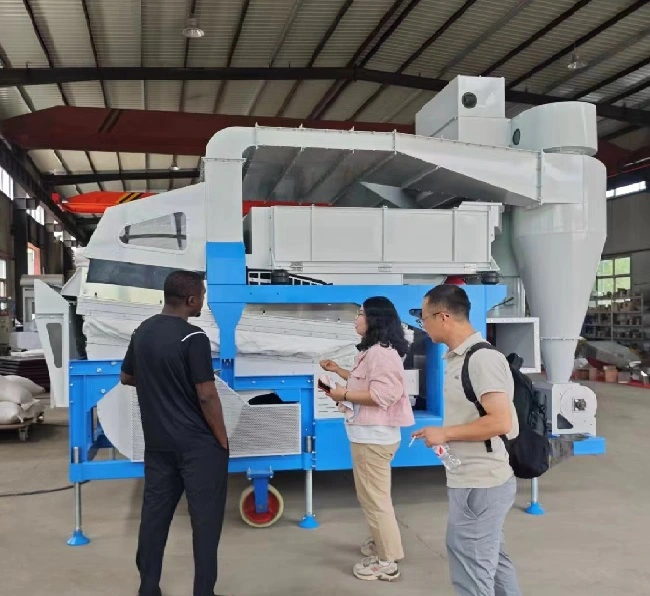
A visit from Africa - Sesame processing
Apr. 08, 2024
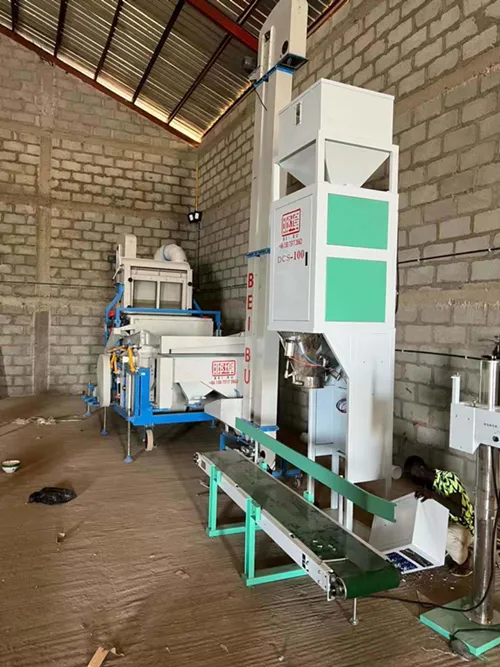
New Installed Sesame Cleaning Machine-Hebei Beibu Machinery Technology Co.,LTD
Nov. 11, 2025
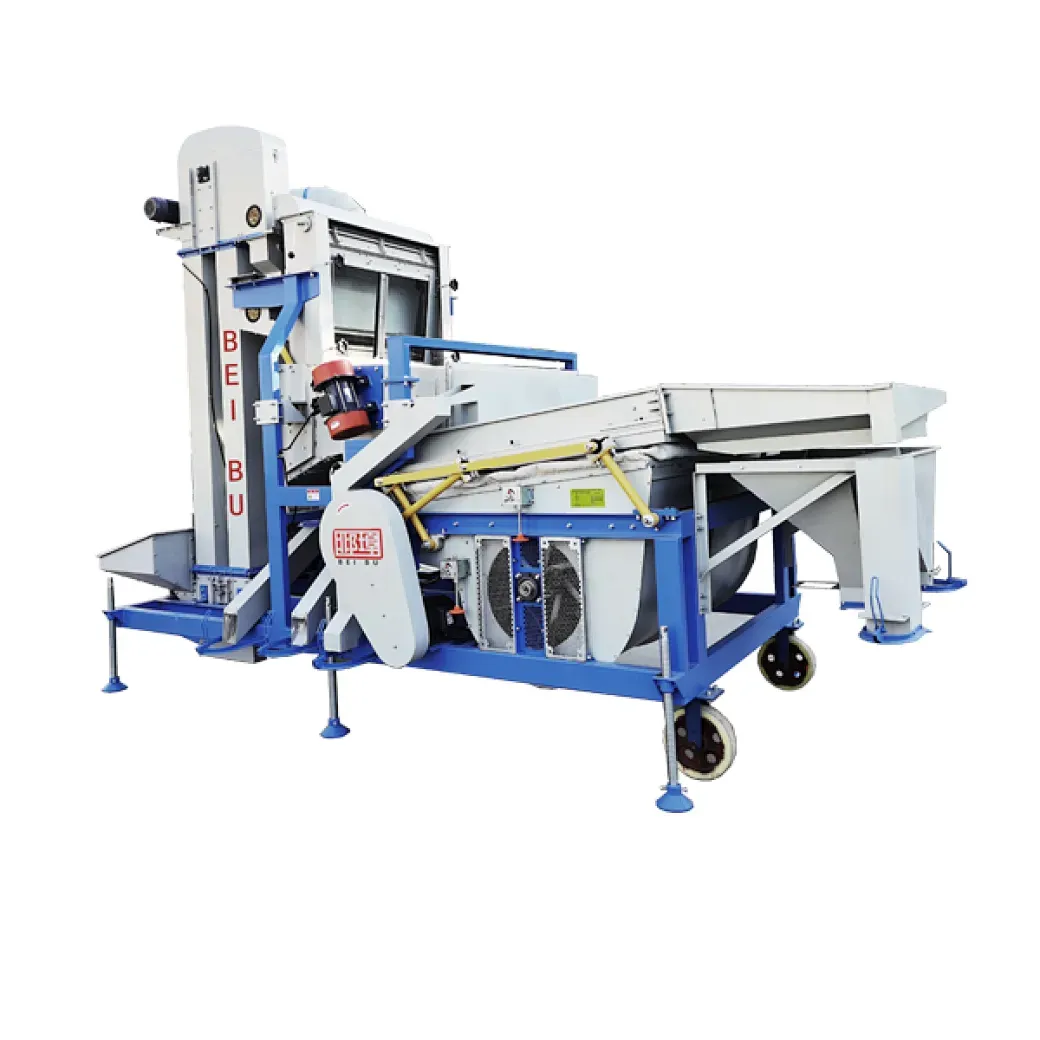
Air Screen Cleaner with Gravity Table — Low Breakage
Beibu Machinery


