



Jan . 02, 2026 07:00
How a Sesame Cleaning Plant is Working in Real Industrial Settings
Having spent over a decade in the industrial equipment sector, I’ve come across my fair share of seed cleaning machines. But when it comes to something as particular as a sesame cleaning plant, it’s oddly satisfying to see how small nuances in design and workflow can make a huge difference.
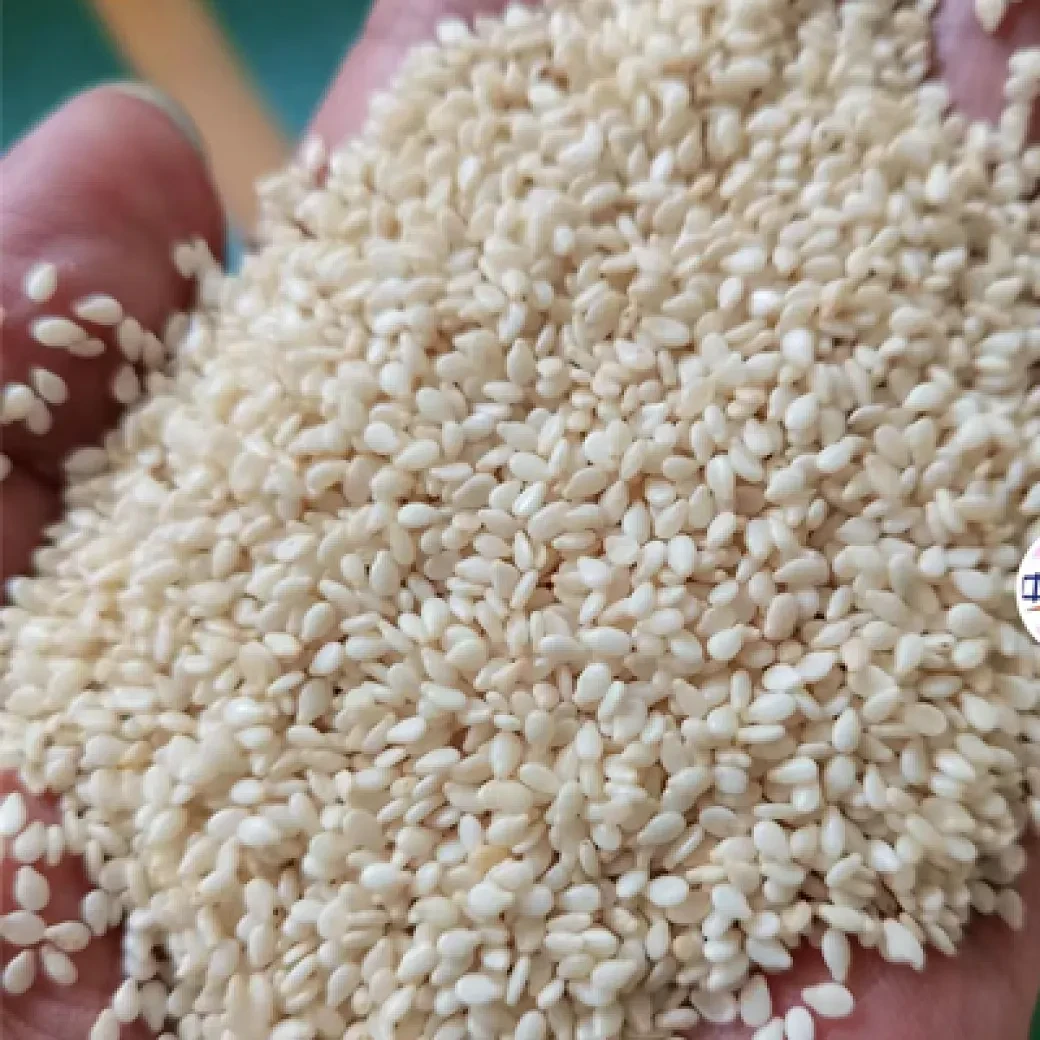
Now, sesame cleaning might sound straightforward—get rid of unwanted materials, dust, stones, broken seeds—but the reality is more layered. Sesame seeds are small, fragile, and prone to clumping, which means the plants dedicated to cleaning them must be finely tuned. Frankly, it feels like each step in the cleaning line has its own personality, working with precision to maintain seed quality and throughput.
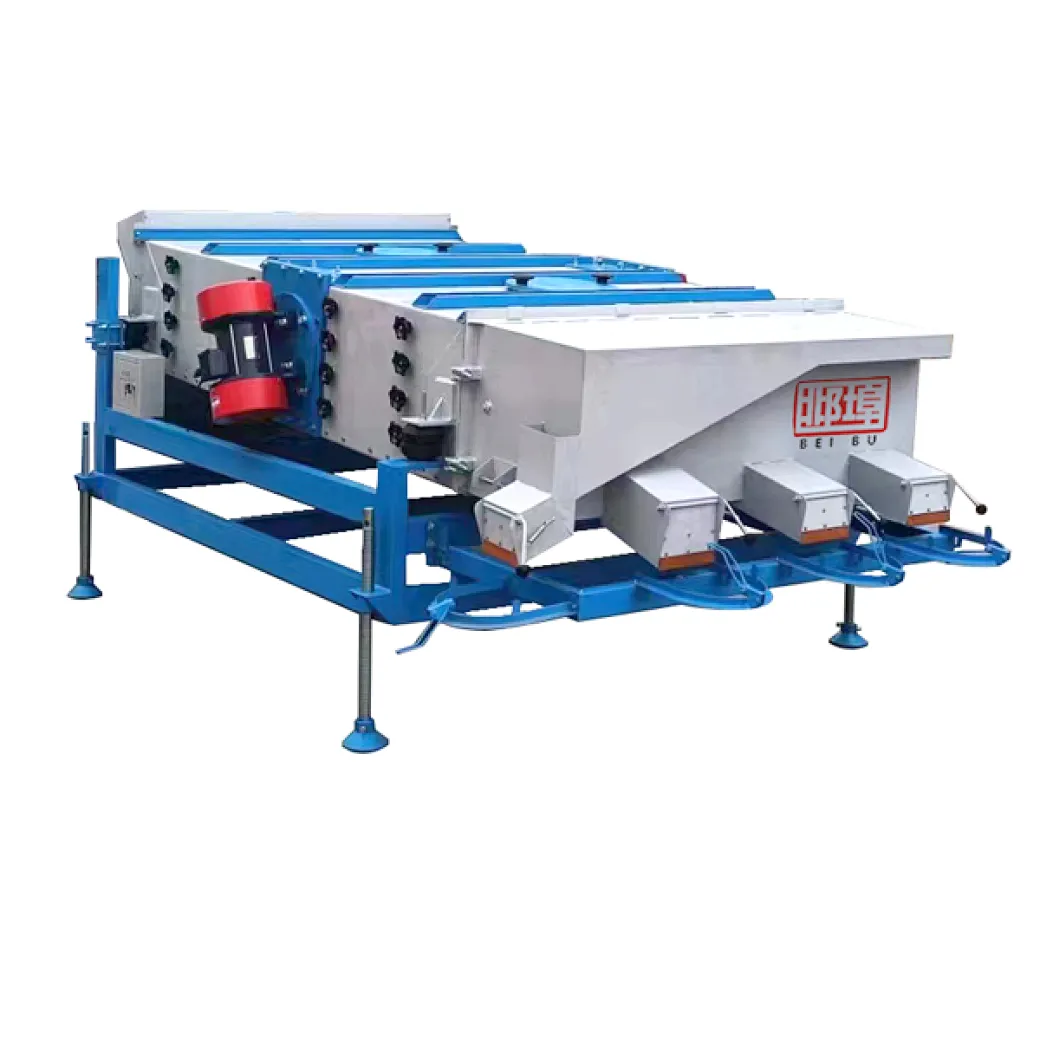
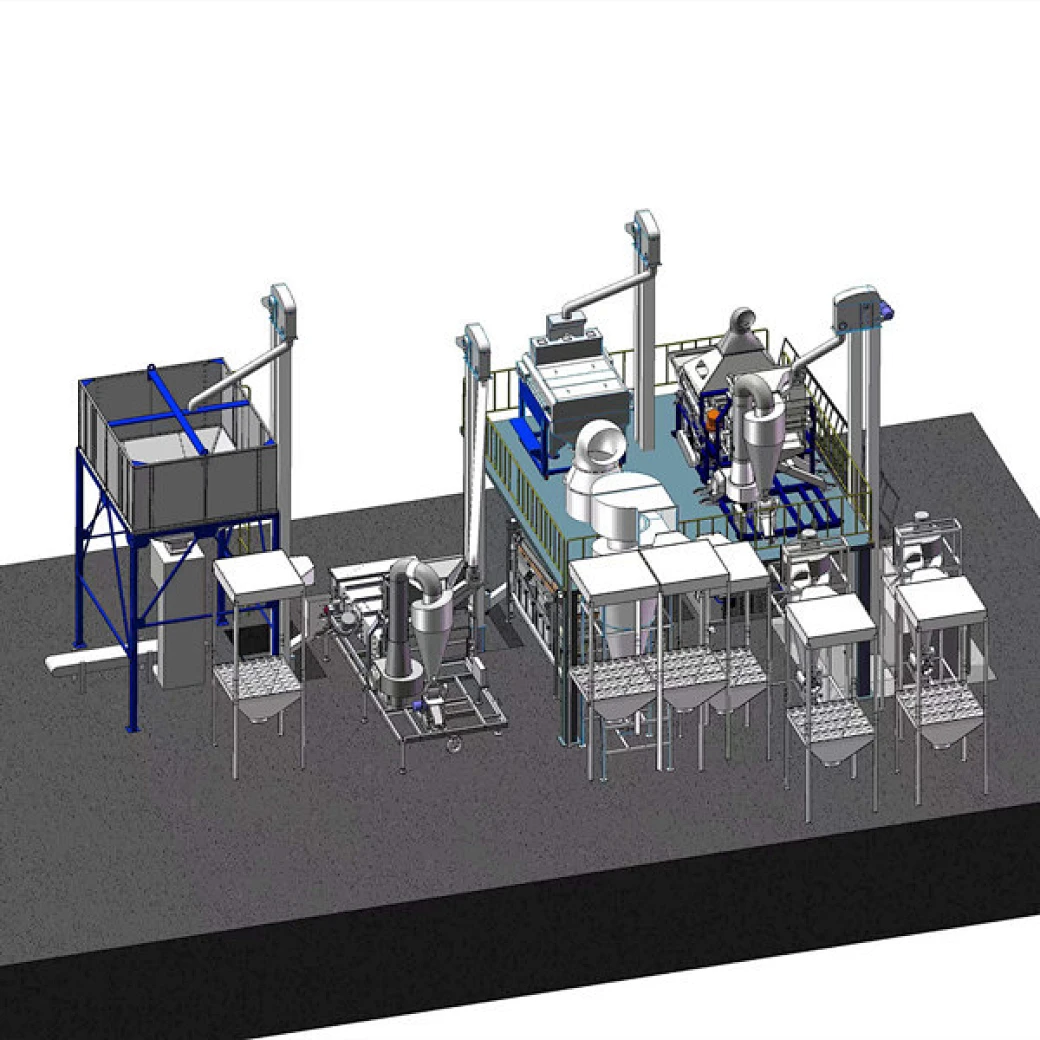
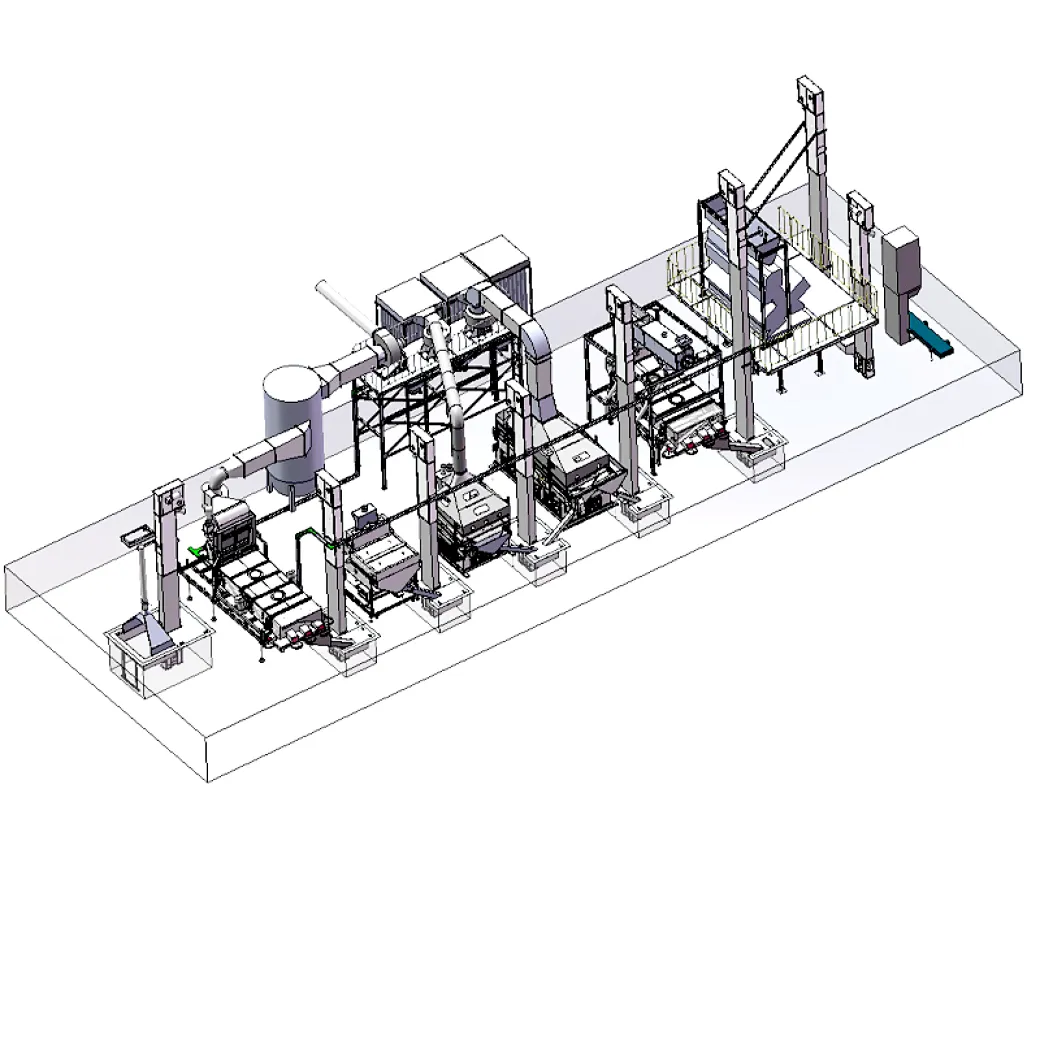
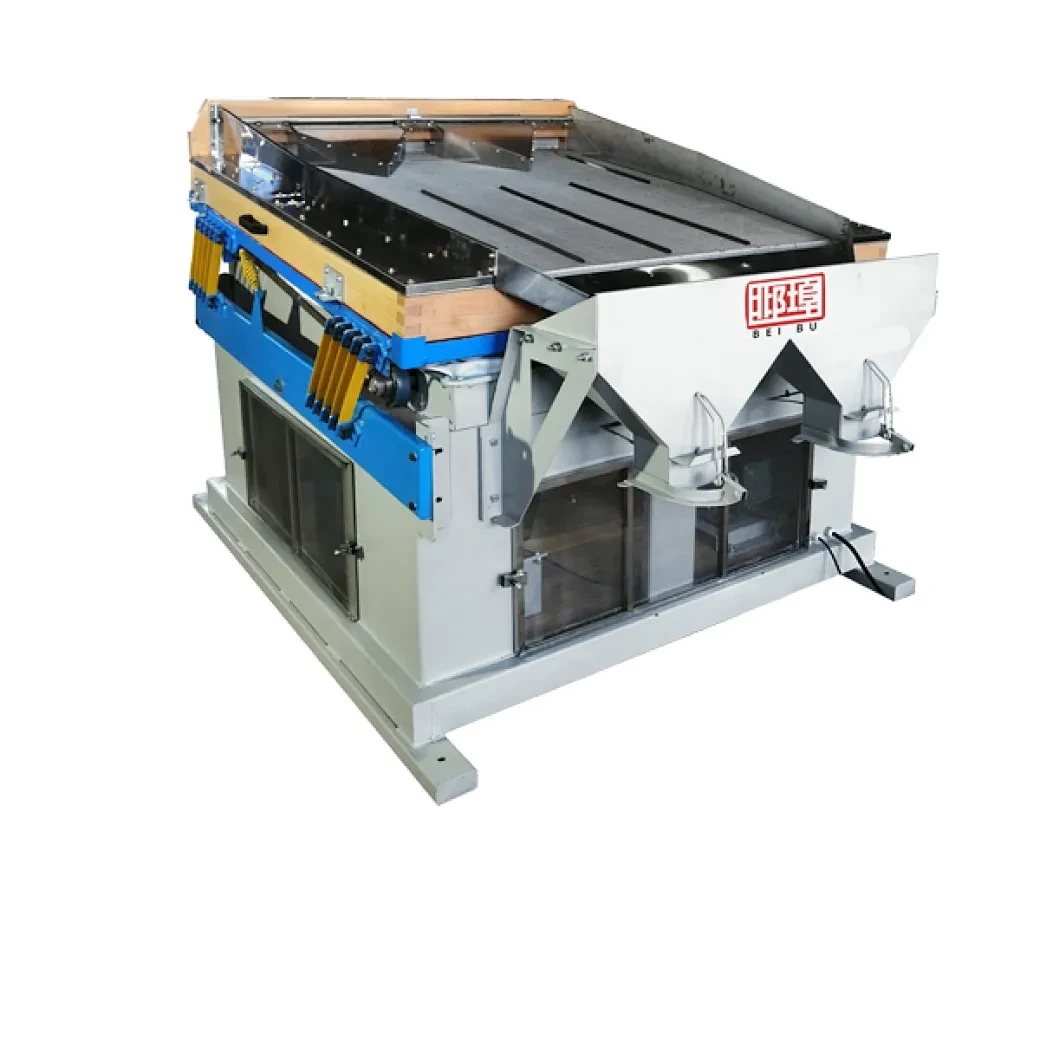
One thing I'd noticed during a recent visit to an operational facility was how the combination of air-screen separation and gravity cleaning stages really shine. The initial air screen removes typical debris—light leaves, dust, dirt—without damaging the seeds. Then gravity tables and specific vibrating sieves sort out stones and smaller impurities. The key, engineers often tell me, is adjustment flexibility; no two batches are perfectly alike.
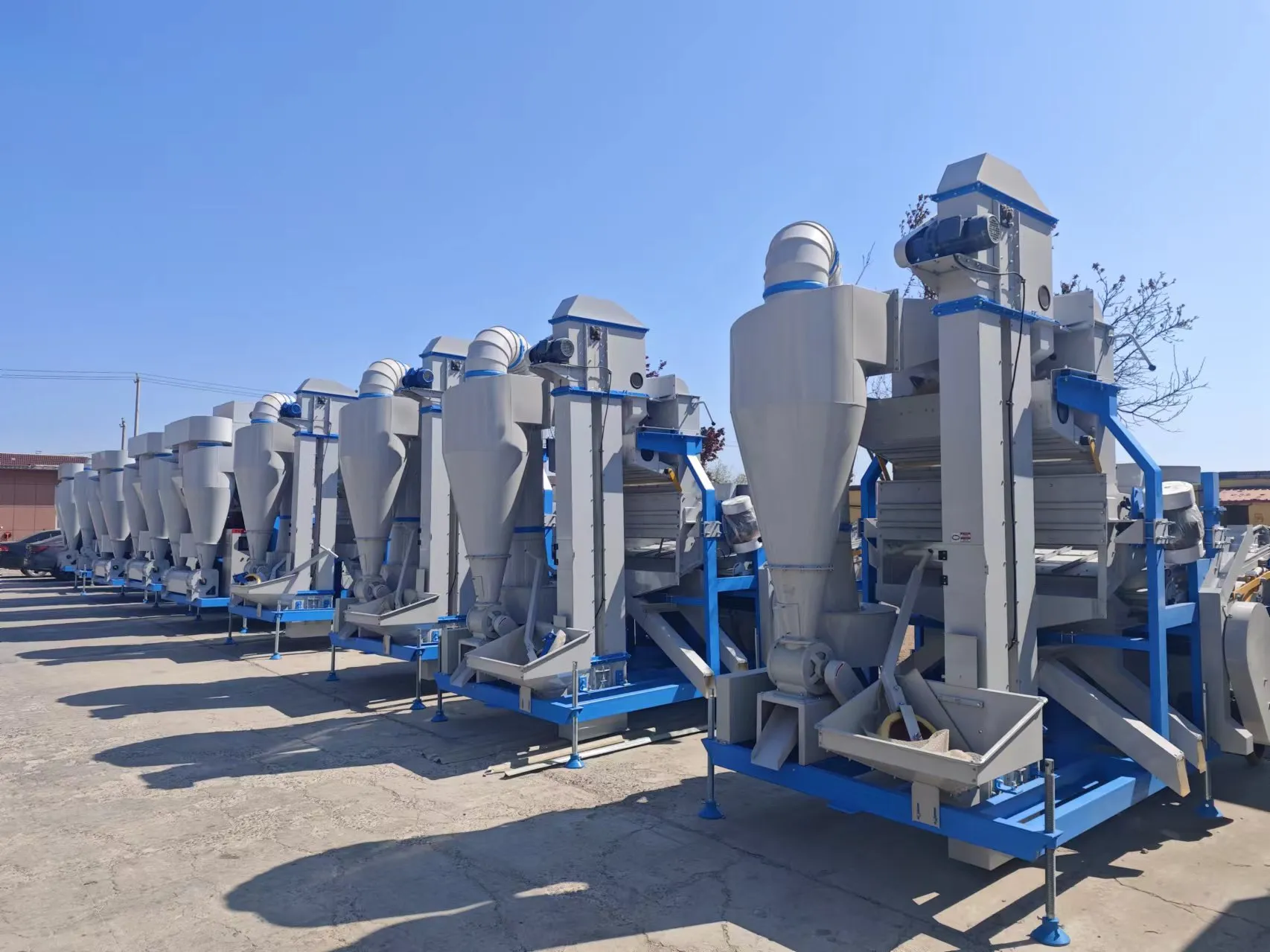
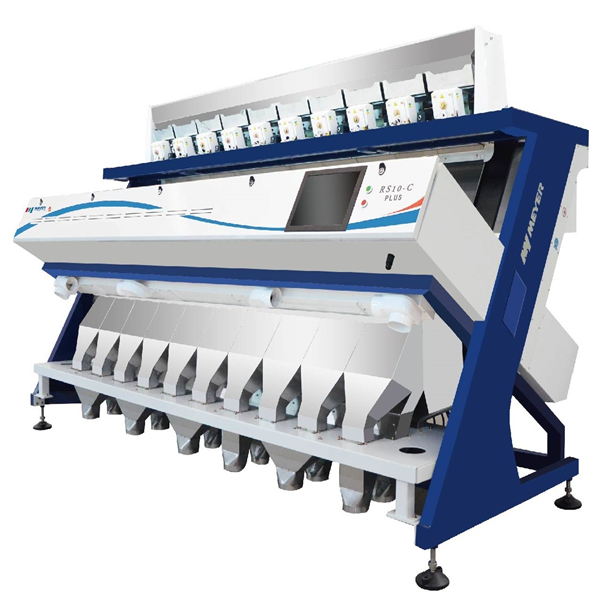
Manufacturers seem to understand that customization is king in this domain. You might order a sesame cleaning plant with extra modules for color sorting or advanced dust collection if your raw material is particularly dusty or mixed. The good ones allow you to tweak operating parameters easily on the fly. And in real terms, this adaptability can save a lot of time and reduce seed losses over time.
Here’s a quick run-down of a typical sesame cleaning plant’s main specifications from a leading supplier. It’s fascinating how the details come together for an optimized flow:
| Feature | Specification |
|---|---|
| Capacity | 5 to 15 tons per hour |
| Power Consumption | 25 to 40 kW |
| Cleaning Stages | Air screen → Gravity separator → Magnetic separation → Color sorter |
| Automation Level | Semi-automatic with PLC control |
| Footprint | Approximately 20 m² |
| Material Construction | Stainless steel with anti-corrosion treatment |
Of course, picking a vendor is where things get tricky. Not every manufacturer offers the same balance of reliability, price, and post-sale support. Based on my long-term observations and dozens of projects, here’s how a few notable suppliers stack up:
| Vendor | Price Range | Customization | After-sale Service | Industry Reputation |
|---|---|---|---|---|
| Beibu Cleaner | $$$ (Mid-range) | Highly flexible | Excellent, responsive | Strong global presence |
| Global SeedTech | $$$$ (Premium) | Custom builds | Dedicated on-site support | Excellent, niche leader |
| FarmClean Systems | $ (Economy) | Limited | Basic remote support | Good for small farms |
Personally, I worked with a medium-sized sesame processor in West Africa that invested in a plant similar to Beibu’s design. The project was quite illuminating—their raw crops arrived mixed with sand and little stones, plus variable moisture which made cleaning tricky. The adaptive settings on the plant dramatically improved seed purity, leading to better market prices. You know, seeing that kind of operational success never gets old.
In the end, a sesame cleaning plant is more than machinery; it’s a blend of smart engineering, material science, and good old industrial experience. If you’re eyeing such a plant, make sure to ask about maintenance intervals and spare parts availability, since these can often mean the difference between smooth uptime and frustrating downtime.
Oddly enough, equipment like this often flies under the radar, but in the grand scheme, it’s a linchpin for quality sesame production worldwide. And that’s worth appreciating—especially if, like me, you enjoy seeing technology make everyday farming smarter and cleaner.
References:
- Technical Manual on Seed Cleaning Plants, International Grain Institute, 2022.
- Interview with Beibu Cleaner Engineering Team, 2023.
- Field visit report: West African sesame processor, 2023.
Aug. 27, 2025
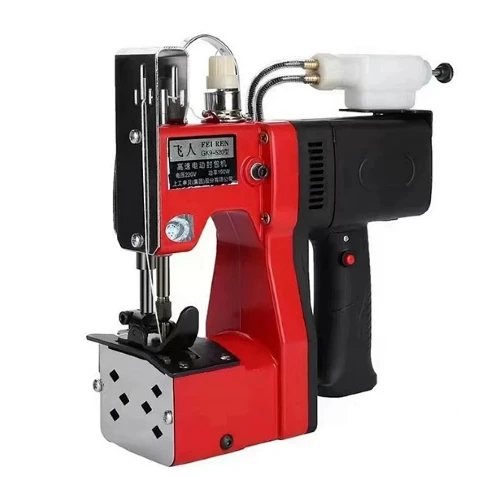
Grain Bag Sewing Machine: Efficient Sealing Equipment for Bulk Material Packaging
Jun. 11, 2024
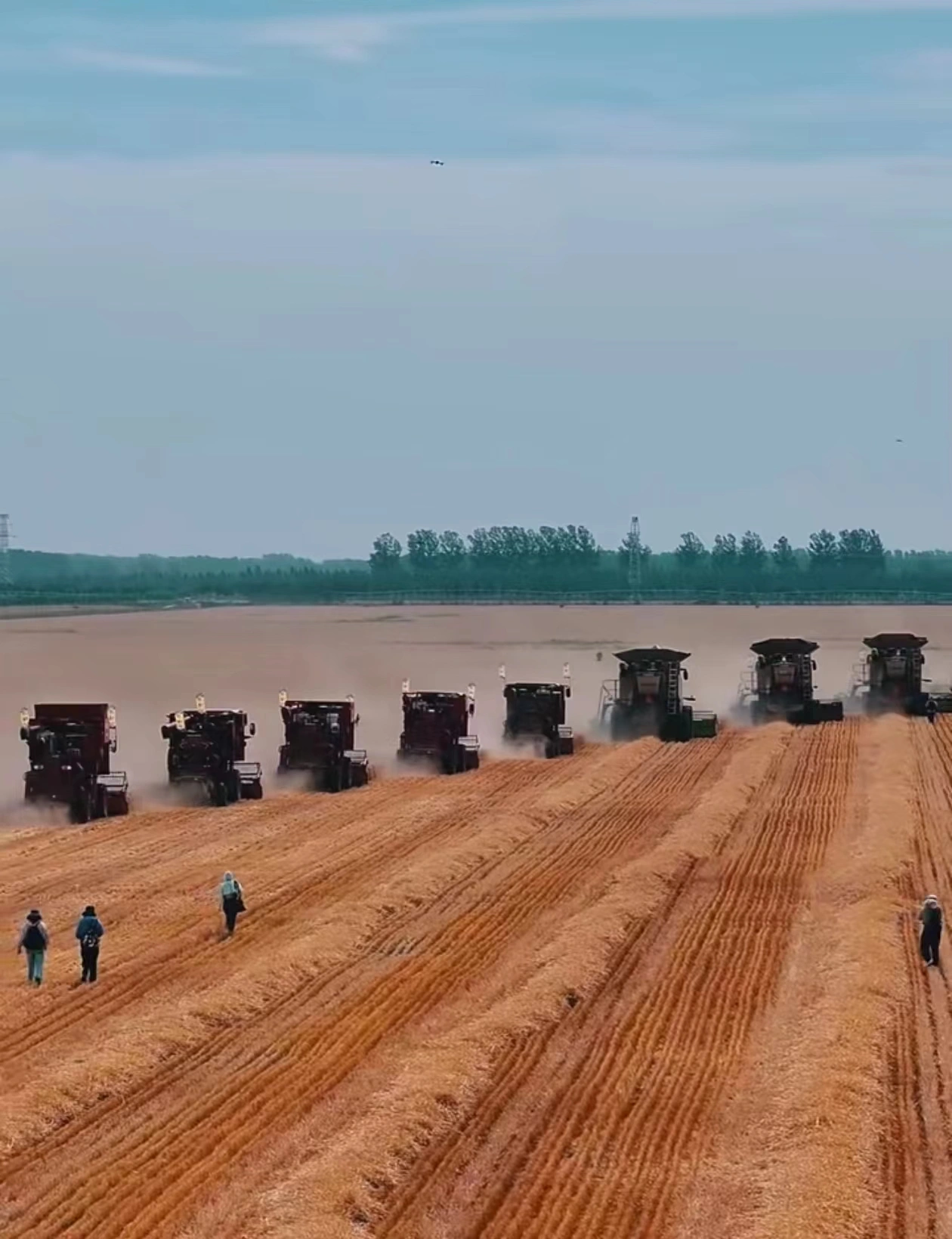
Beibu Machinery helps wheat harvest in China's main wheat producing areas
Sep. 26, 2024
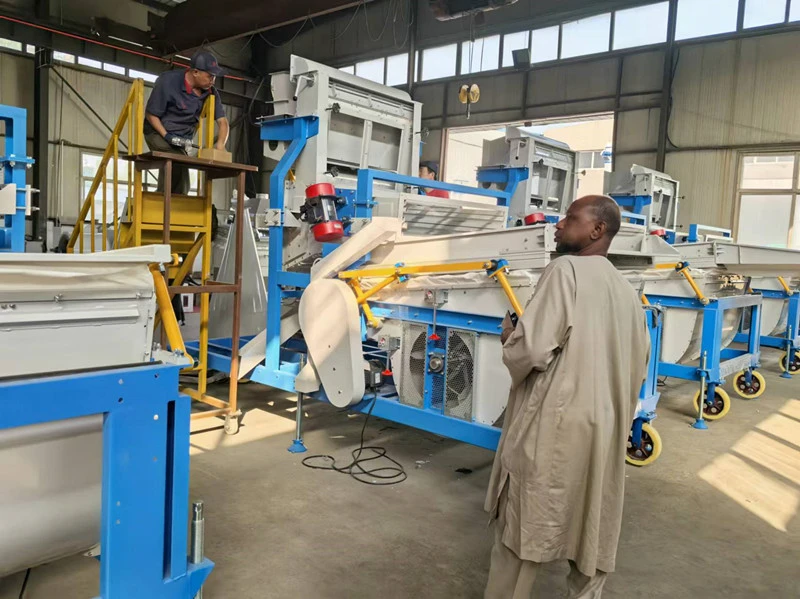
Welcome Chad's Client's Visiting to Our Factory!-Hebei Beibu Machinery Technology Co.,LTD
Feb. 20, 2025
Beans in Mexico-Hebei Beibu Machinery Technology Co.,LTD
Apr. 10, 2024
Sesame Cleaning Machine Double Air Screen Cleaner-Hebei Beibu Machinery Technology Co.,LTD

Dec. 24, 2024
How to choose a professional coffee bean cleaning production line-Beibu Machinery
Beibu Machinery


