



Jan . 05, 2026 07:30
Sesame Peeling Machine – Hebei Beibu Machinery Technology Co.
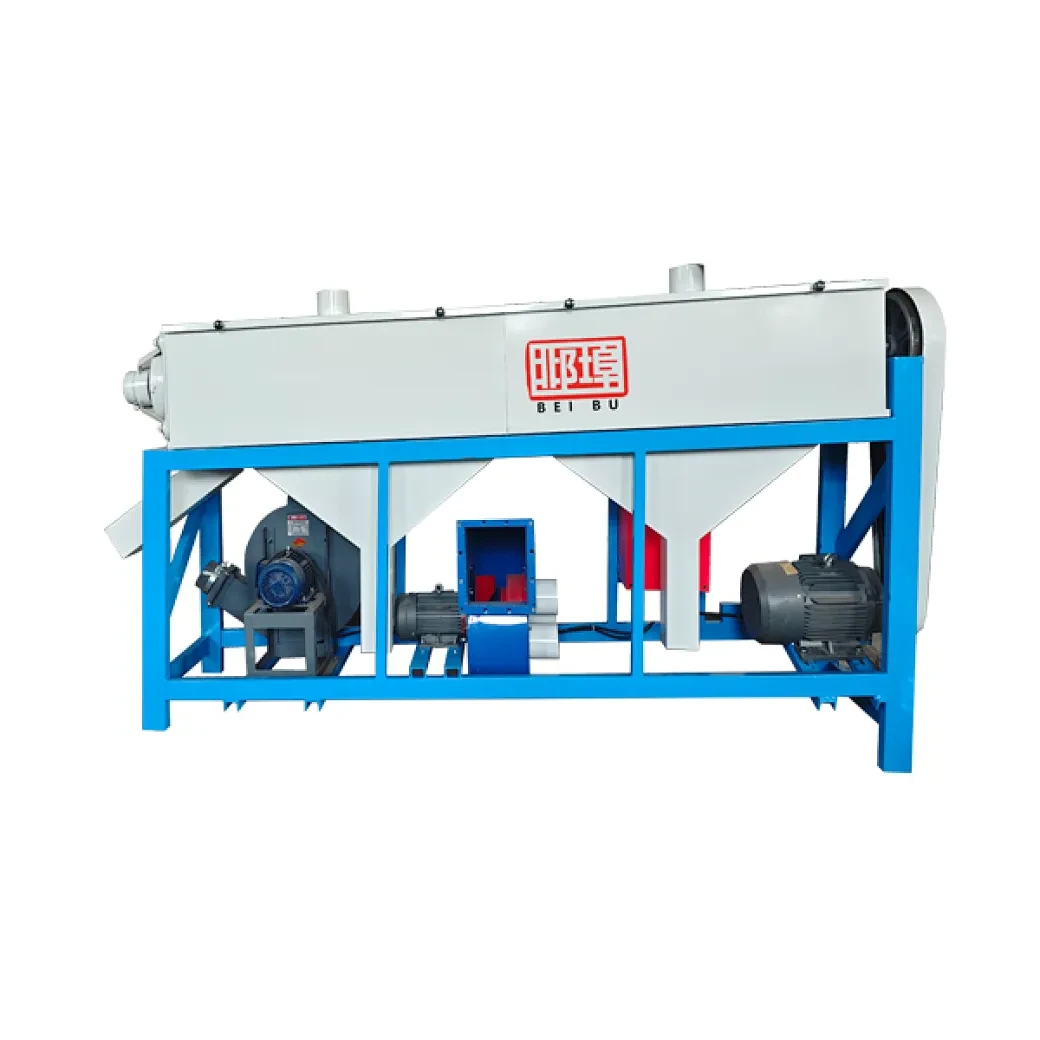
Having spent over a decade working hands-on in the industrial equipment sector, I’ve come to appreciate that some machines are just quietly efficient — you almost take them for granted until they’re replaced. The sesame peeling machine from Hebei Beibu Machinery Technology Co. is one of those unsung heroes in seed processing. It’s designed not just with precision, but with enough practical nuances that engineers and operators alike seem to give it a nod of respect.
Sesame seeds, as you know, need to have their outer coats removed efficiently without cracking or losing quality. And frankly, peeling machines that can strike this balance often come packed with innovation you might not expect until you see them in real terms. Hebei Beibu’s model feels tailor-made with that in mind—durability, ease of use, and consistent yield.
From the specs to the operation, there’s a solid engineering mindset behind it. The roller mechanism uses materials that reduce friction and wear — many users I've spoken to praise how little maintenance it requires compared to older models. It’s a reliable performer, capable of handling varied throughput demands, whether you’re a mid-sized processor or a bigger operation.
| Specification | Details |
|---|---|
| Model | 2YQG-150 |
| Capacity | 200-300 kg/h |
| Power | 1.5 kW |
| Dimensions (L×W×H) | 1400×600×1300 mm |
| Weight | 180 kg |
| Material | Stainless steel & wear-resistant rollers |
| Peeling Rate | ≥ 85% |
What really stands out to me are the subtle customizations available—sometimes overlooked in mass manufacturing. For instance, the peeling pressure can be adjusted easily, which means operators can target different sesame varieties without switching machines. That’s a huge practical advantage, especially for facilities with diverse input stock.
Oddly enough, while many peeling machines make a big show of speed, Hebei Beibu’s offers a balanced approach, favoring steady, reliable performance over raw throughput. This means less cracked seeds, and better overall quality retention — and that payoff usually reflects in customer satisfaction down the line. It’s the kind of machine that feels like it’s been designed by people who understand the whole chain, not just the peeling step.
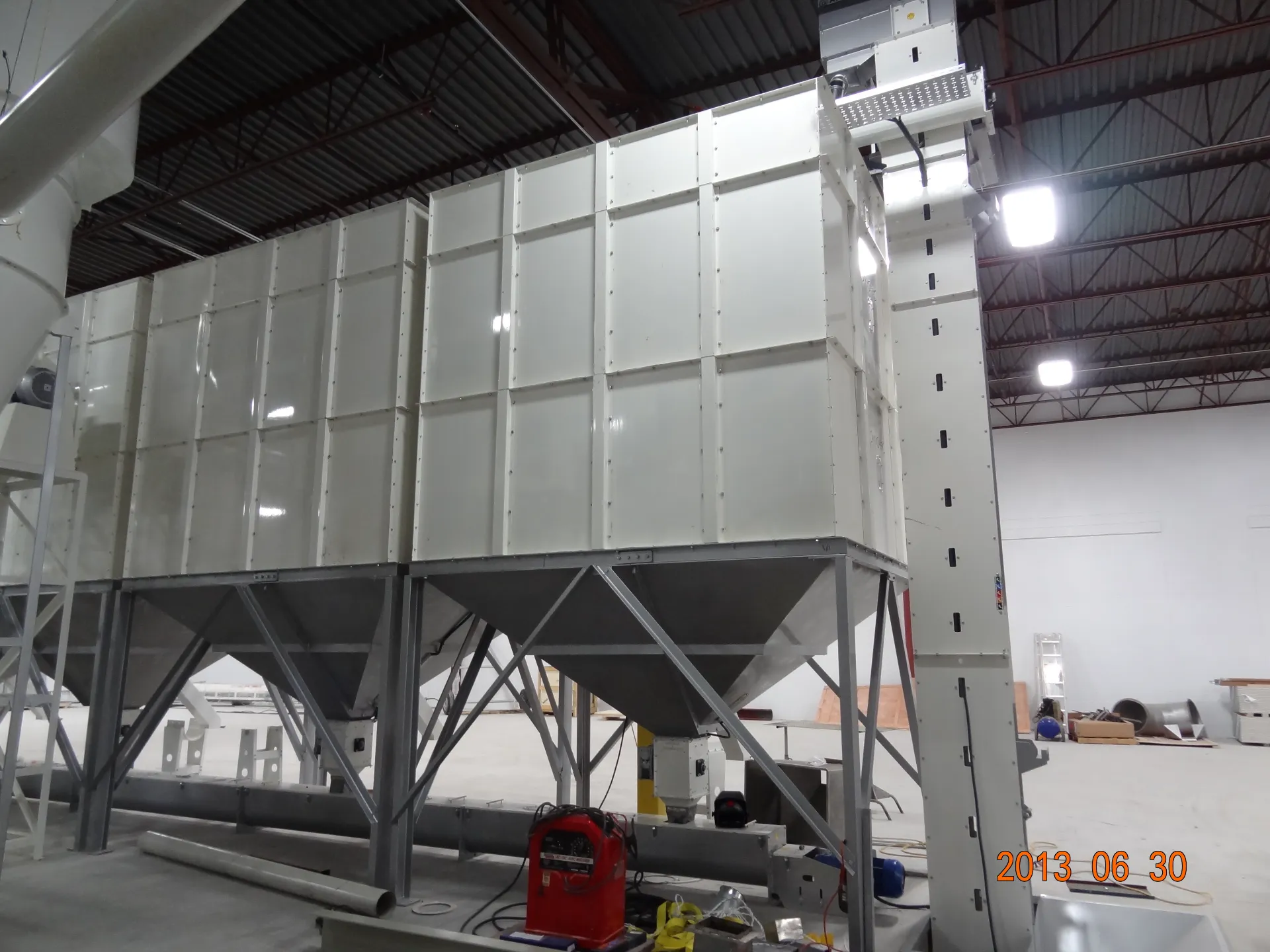
Now, I know there are a few other players in this space, so here’s a quick vendor comparison for perspective — not exhaustive, but hopefully illustrative:
| Feature | Hebei Beibu | Vendor X | Vendor Y |
|---|---|---|---|
| Peeling Rate | ≥85% | ~80% | ~82% |
| Ease of Maintenance | High (quick adjustments) | Moderate | Low |
| Build Material Quality | Stainless steel rollers | Mild steel | Stainless steel but heavier design |
| Power Consumption | 1.5 kW | 2.0 kW | 1.8 kW |
| Price Range | $3,000 - $3,500 | $2,800 - $3,200 | $3,200 - $3,700 |
One memorable visit I made to a medium-sized processing plant in northern China helped cement my appreciation for Hebei Beibu’s design. The operators there noted how minimal the downtime was during seasonal surges, and how even with several different sesame seed batches, the machine’s consistent peeling rate simplified quality control. I suppose that’s the kind of reliability that ultimately saves money and frustration — something every plant manager values.
If you’re looking for a peeling machine with a mature design that doesn’t overpromise but delivers solidly, it’s worth considering this model. And since it has a modest footprint, it fits well in both larger lines and smaller setups without feeling like you’re sacrificing quality.
To sum it up: in a market crowded with options, Hebei Beibu’s sesame peeling machine keeps a steady, considered course. It’s kind of like the dependable colleague who quietly gets the job done right — and that’s often what you want in industrial equipment.
For more detailed info, check out their official site linked in the keyword above—it really is the best way to explore technical datasheets and reach out for specific customizations.
— Reflections from years on the factory floor, where machines either make life easier or just add headaches.
References:
1. Hebei Beibu Machinery Technology official product literature
2. Conversations with equipment operators in seed processing plants, 2018–2023
3. Industry reports on seed processing equipment reliability, 2022
Jul. 03, 2025
Apr. 18, 2024
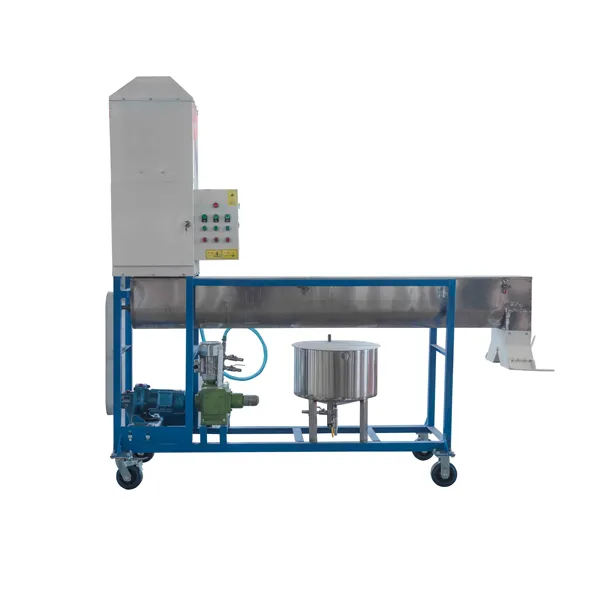
how seed coating machine work ?
Sep. 24, 2025
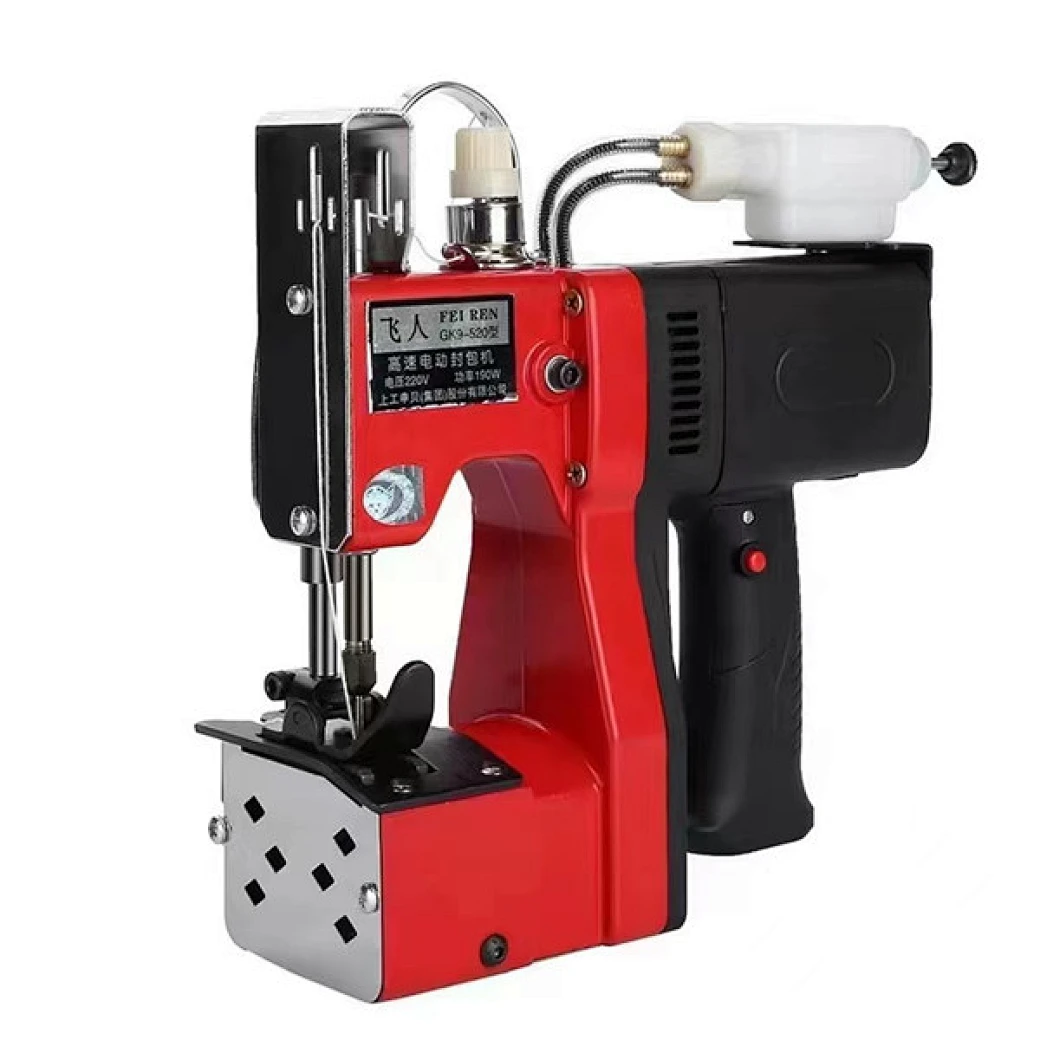
High-Speed PP Bag Stitching Machine for Industrial Use
Nov. 03, 2025
Grading Machine for Wheat – High Precision, High Throughput
Aug. 27, 2025
Sesame Peeling Machine: A Professional Equipment for Improving Sesame Processing Efficiency
Apr. 10, 2024
Sesame Cleaning Machine Double Air Screen Cleaner-Hebei Beibu Machinery Technology Co.,LTD
Beibu Machinery


