



Sep . 24, 2025 15:58
Navigating Industry Trends in Bean Processing Automation
The global demand for high-quality, safely processed agricultural products, particularly beans and pulses, continues to surge. Driven by population growth, evolving dietary preferences, and stringent food safety regulations, the industry is witnessing a significant shift towards advanced automation. This trend underscores the critical role of efficient locust beans processing machine in meeting market demands. From small-scale regional operations to large-scale international distributors, the need for superior bean cleaning technology is paramount.
Key trends include the integration of AI-driven optical sorting, enhanced energy efficiency, and modular designs that allow for scalability and adaptability to various bean types. Processors are increasingly seeking solutions that not only purify raw beans but also reduce operational costs and minimize product loss. This strategic focus on efficiency and purity is reshaping the landscape of beans cleaning machine technology, emphasizing robust construction and precision engineering to ensure compliance with international quality standards like ISO 22000 and HACCP. The market size for pulse processing equipment is projected to grow significantly, driven by these factors and increasing mechanization in developing economies, indicating a robust demand for sophisticated processing solutions.
Detailed Process Flow of the Locust Beans Processing Machine
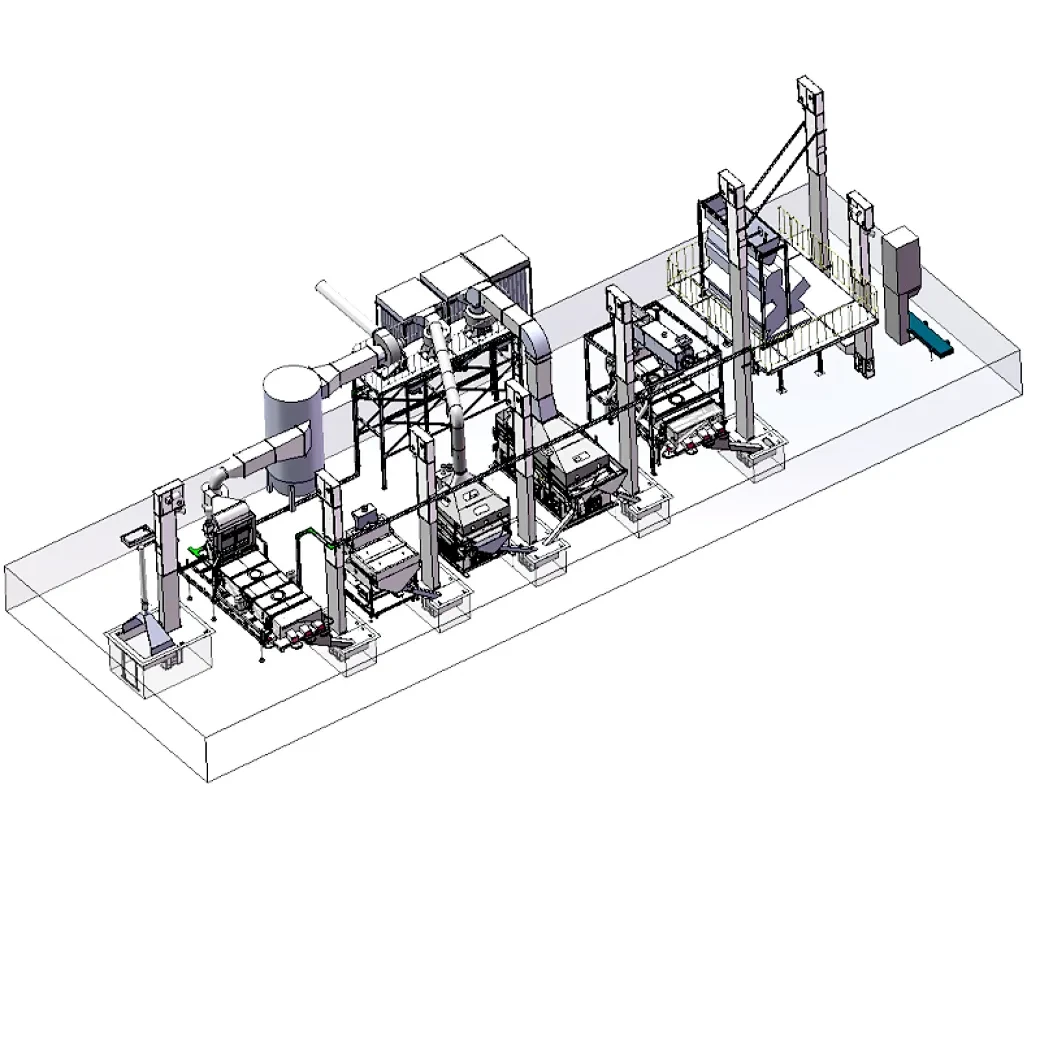
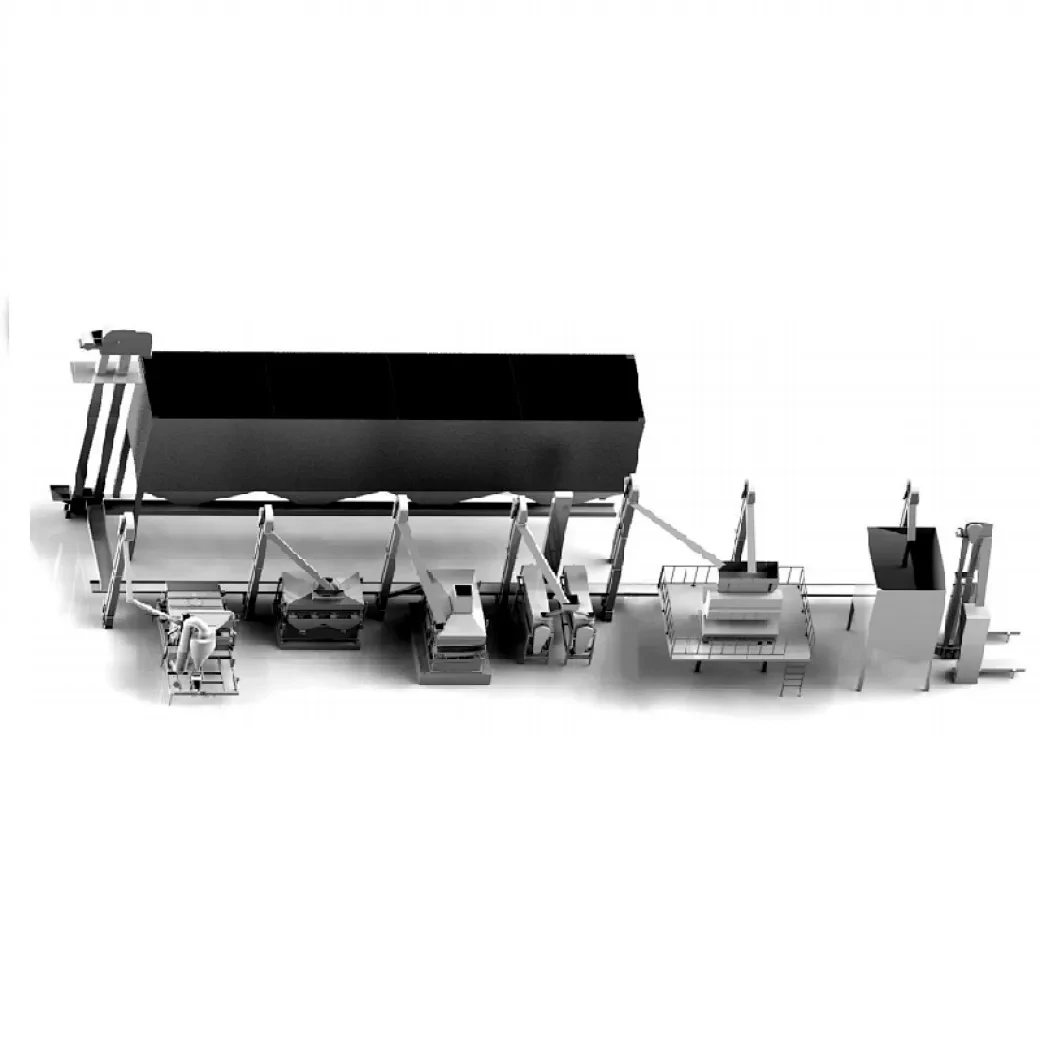
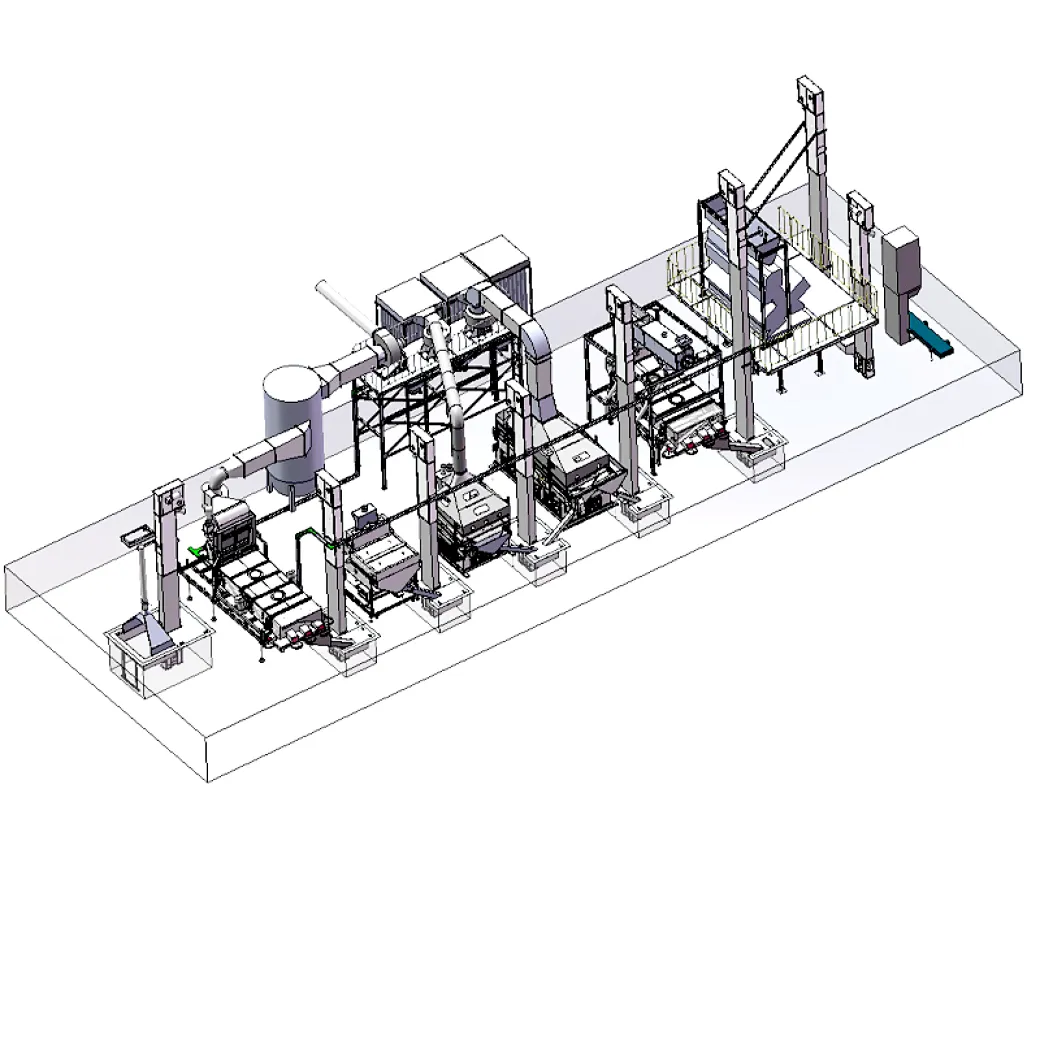
The journey of raw locust beans from field to refined product involves a meticulously engineered process to ensure maximum purity and quality. Our advanced locust beans processing machine integrates several critical stages, each designed with precision for optimal contaminant removal and product integrity. The entire plant is manufactured using food-grade materials, predominantly high-grade stainless steel (SS304/SS316) for all contact parts, ensuring corrosion resistance and hygienic operation. Manufacturing processes involve advanced CNC machining for component accuracy, precise laser cutting, and robust welding techniques, followed by rigorous quality assurance adhering to ISO 9001:2015 and CE standards. A typical service life for our machines exceeds 15 years, even under continuous heavy-duty operation, targeting industries such as food processing, agricultural commodity trading, and ingredient manufacturing.
1. Raw Material Receiving & Pre-Cleaning
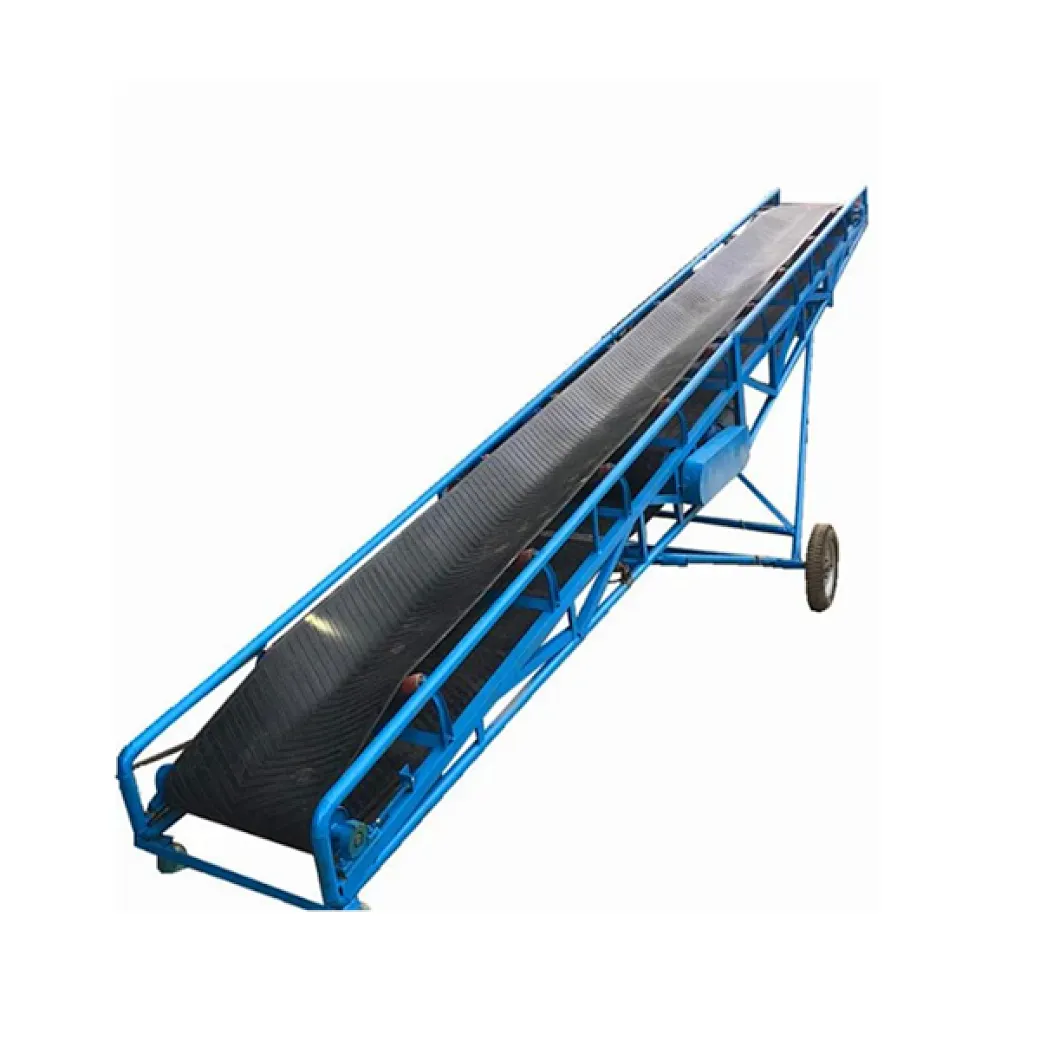
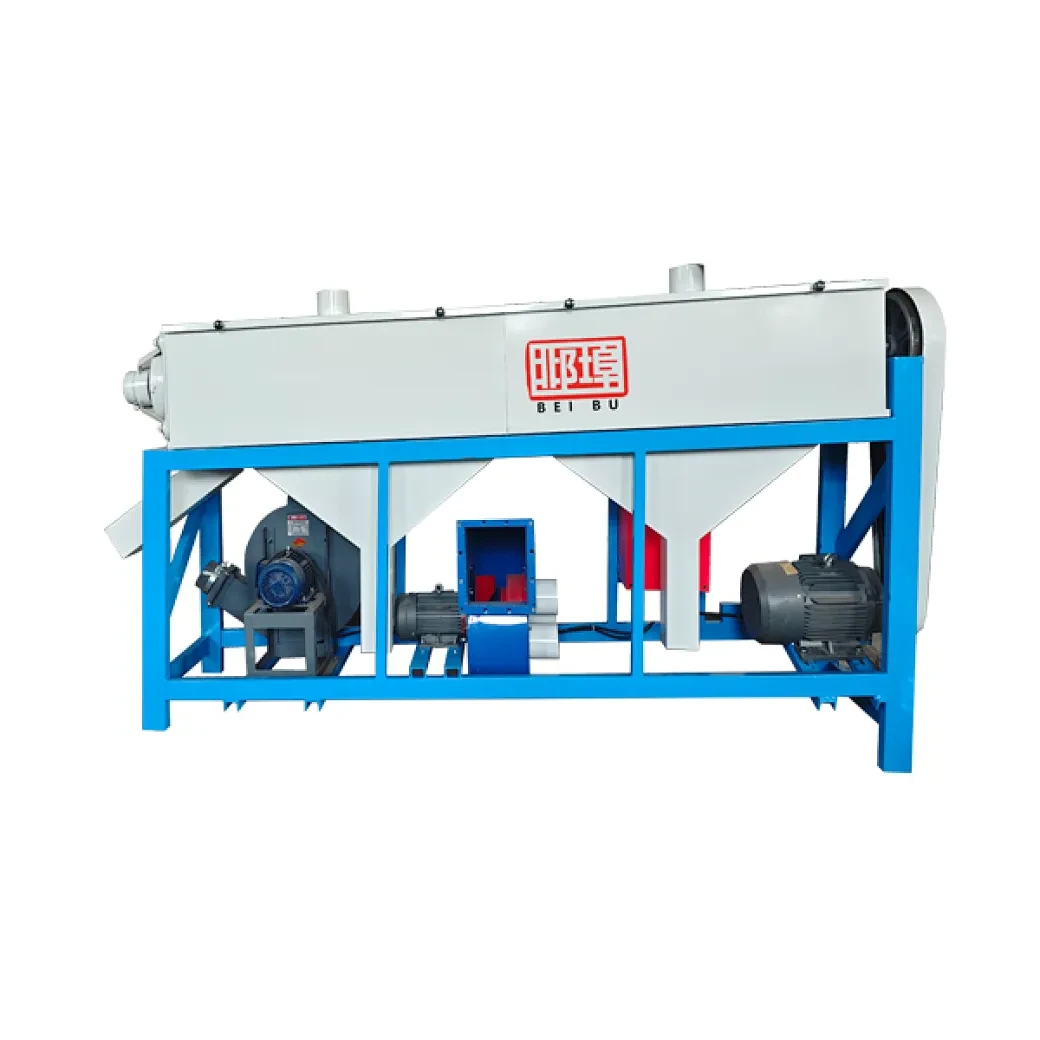
Upon arrival, raw locust beans are initially fed into a receiving pit, then conveyed via bucket elevators to a pre-cleaning unit. This stage utilizes a multi-deck vibrating screen and an integrated aspirator channel. The vibrating screen removes larger impurities such as straw, leaves, pods, and oversized clumps, while the aspirator system draws off lighter dust and chaff. The pre-cleaner efficiently separates gross contaminants, preventing excessive wear and tear on subsequent precision machinery and enhancing overall processing flow, thereby maximizing the lifespan of critical components.
2. De-Stoning
Following pre-cleaning, beans enter a high-efficiency de-stoner. This critical unit operates on the principle of specific gravity. A controlled airflow upwards through a vibrating perforated deck stratifies the material: heavier stones, metallic particles, and other high-density foreign matter sink to the bottom and are precisely discharged, while lighter beans fluidize and float across the deck, moving to the next stage. This ensures effective removal of small stones, glass, and other impurities that could damage downstream equipment or pose severe food safety risks, aligning with ANSI standards for foreign material control.
3. Magnetic Separation
To safeguard against ferrous metal contaminants, beans pass through an industrial-grade magnetic separator. This system employs powerful rare-earth magnets to effectively capture any ferrous metals like bolts, nuts, or fragments that may have entered the raw material stream during harvesting or transport. This crucial step prevents potential damage to milling or grinding equipment further down the line and ensures the utmost product purity, which is particularly vital for compliance with stringent food safety regulations and protecting consumer health.
4. Gravity Separation
For the removal of lighter impurities like shriveled, immature, or insect-damaged beans, and even sticks or small dirt clods, a high-performance gravity separator is employed. Similar to the de-stoner, it uses a combination of precise air pressure and vibration to separate beans based on subtle differences in density and aerodynamic properties. This stage significantly improves the overall quality, uniformity, and germination viability of the final product, resulting in higher market value and consistent product specifications for target industries like seed production and gourmet food preparation.
5. Polishing/Brushing (Optional)
Depending on the desired final product appearance and specific market requirements, an optional polishing or brushing machine can be integrated into the processing line. This unit gently buffs the surface of the beans, removing adhering dust, minor surface imperfections, and improving their aesthetic appeal and sheen. This process is crucial for premium market segments where visual quality is a key differentiator, and it can also contribute to a reduced microbial load on the bean surface, enhancing shelf life.
6. Grading & Optical Sorting
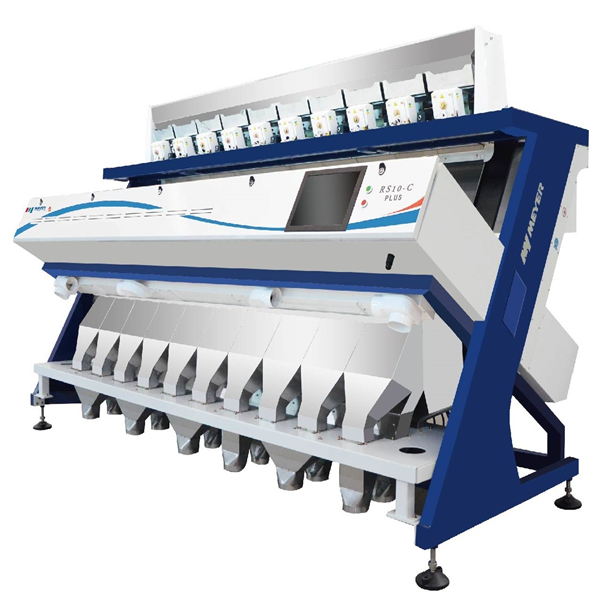
Beans are then sent to a grading system, typically using precision screens to separate them by size and shape, ensuring batch uniformity. For ultimate purity and consistency, an advanced optical sorter scans each bean using high-resolution color and monochromatic cameras, and optionally infrared (NIR) sensors. It identifies and ejects discolored, damaged, or foreign materials with precise bursts of air jets. This state-of-the-art technology ensures an unparalleled level of cleanliness and consistency, vital for discerning buyers and compliance with stringent food safety and quality control parameters.
7. Weighing & Packaging
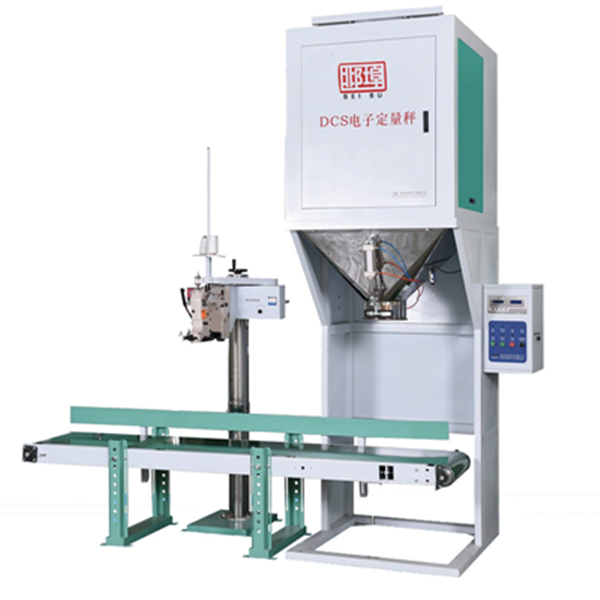
Finally, the cleaned, graded, and purified locust beans are conveyed to an automatic weighing and packaging system. This ensures accurate portioning and efficient packaging into various bag sizes (e.g., 25kg, 50kg, bulk bags) or custom container111s, ready for storage or distribution. Automated systems minimize human contact, further enhancing hygiene, reducing labor costs, and increasing throughput efficiency. This entire process demonstrates robust energy saving through optimized motor configurations and reduced product re-processing, while the stainless steel construction guarantees exceptional corrosion resistance, extending machine lifespan significantly.
Technical Specifications of Our Advanced Bean Cleaning Plant
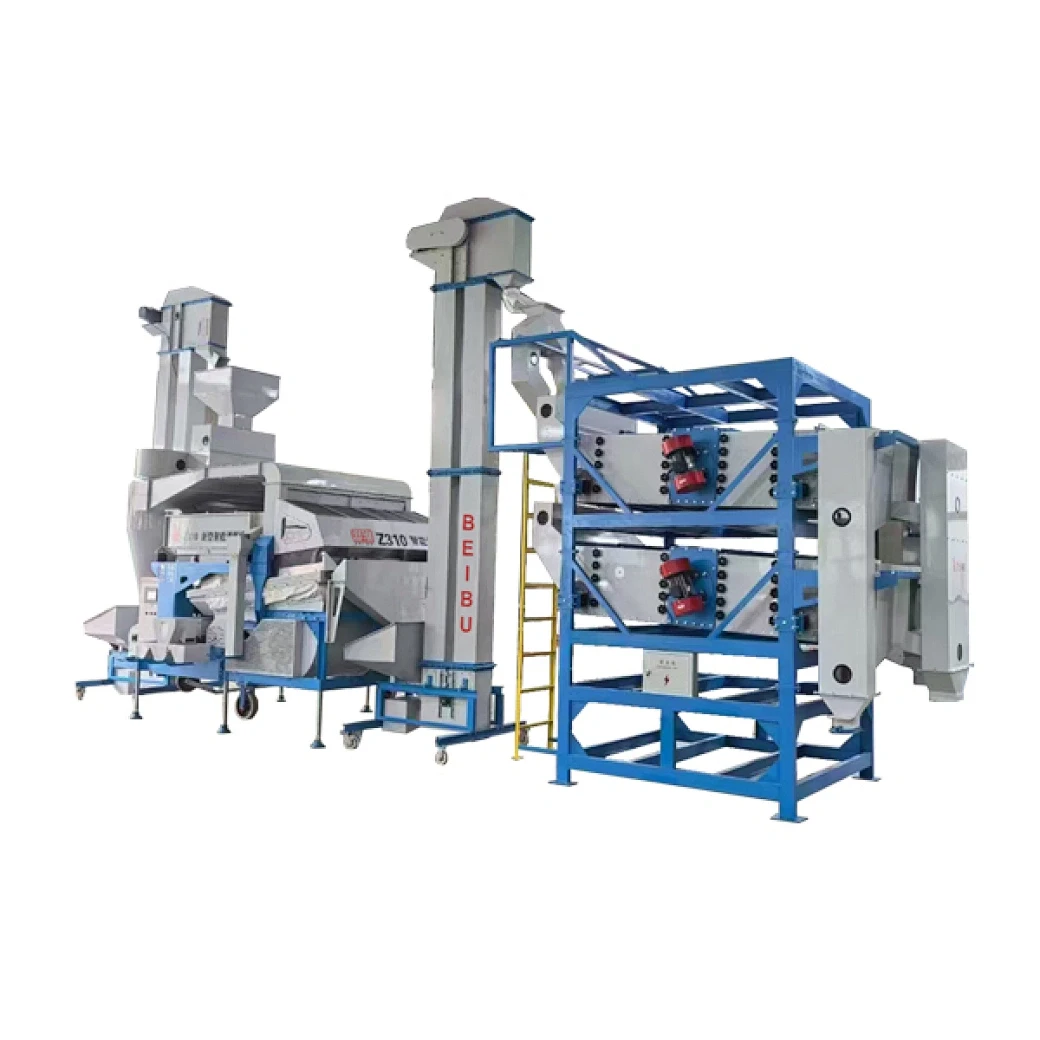
Our locust beans processing machine embodies precision engineering and robust construction, designed to meet the rigorous demands of modern food processing. Below are the key technical parameters for a representative model of our Beans and Pulses Cleaning Processing Plant, showcasing its capabilities in delivering high-efficiency bean cleaning solutions. These specifications reflect our commitment to performance, reliability, and adherence to global industry standards.
| Parameter | Specification |
|---|---|
| Processing Capacity | 5 - 20 TPH (Tons Per Hour), scalable up to 100 TPH |
| Raw Material Moisture Content | Optimal at 10-14% (range 8-16% with minor adjustments) |
| Cleaning Efficiency (Purity) | > 99.5% purity for locust beans (on average initial 5% impurities) |
| Total Installed Power | 30-80 kW (depending on modules and capacity, optimized for low consumption) |
| Material of Construction | Food-grade Stainless Steel (SS304/SS316) for contact parts; Heavy-duty Carbon Steel for structural frame and non-contact elements |
| Dust Collection System | Integrated High-Efficiency Cyclone separator & Pulse-jet Bag filter (filtration efficiency >99.9% for particles >0.5µm) |
| Control System | Siemens/Schneider PLC-based with intuitive HMI touch screen interface, optional remote access and data logging |
| Noise Level | < 85 dB (A) (at 1-meter distance), meeting occupational safety standards |
| Certifications & Compliance | ISO 9001:2015, CE Compliant, meets FDA food contact material guidelines, designed to facilitate HACCP implementation |
Technical Advantages and Application Scenarios
Our advanced processing plants offer a multitude of technical advantages that directly translate into operational benefits for our clients across diverse sectors. These advantages are built upon decades of engineering expertise and continuous innovation, ensuring our beans cleaning machine solutions lead the market.
Key Technical Advantages:
- High Precision & Efficiency: Our multi-stage cleaning process, incorporating advanced aspiration, destoning, magnetic separation, gravity separation, and state-of-the-art optical sorting, ensures superior purity. This significantly reduces foreign material content, shriveled beans, and damaged beans, achieving industry-leading purity levels of over 99.5%.
- Energy Optimization: Designed with high-efficiency IE3/IE4 standard motors and optimized air-flow systems, our plants consume significantly less power per ton of processed beans. This leads to substantial energy savings, reducing the carbon footprint and lowering operational costs by up to 20% compared to conventional systems.
- Durability & Reliability: Constructed from robust, industrial-grade materials like heavy-gauge stainless steel for contact parts and high-strength carbon steel for structural elements, our components are built to withstand continuous operation in demanding environments. This ensures an extended service life (typically 15+ years) and minimal downtime, maximizing return on investment.
- Superior Hygiene & Food Safety: All food-contact surfaces are meticulously fabricated from easy-to-clean, non-corrosive SS304/SS316 stainless steel, preventing microbial growth and facilitating compliance with stringent international food safety standards (e.g., FDA, EFSA). Integrated, high-efficiency dust collection systems maintain a pristine processing environment, preventing cross-contamination.
- Advanced Automation & User-Friendly Control: Equipped with cutting-edge PLC controls and intuitive Human-Machine Interface (HMI) touchscreens, operators can easily monitor, adjust parameters, and troubleshoot the entire process. This minimizes training time, reduces potential for human error, and allows for seamless integration into broader smart factory ecosystems.
- Modular & Scalable Design: The modular architecture allows for easy expansion, reconfiguration, or modification of the plant, adapting effortlessly to changing capacity requirements, varying raw material characteristics, or processing different types of pulses with minimal disruption and investment.
Typical Application Scenarios:
- Large-Scale Commercial Bean Processing Facilities: Our plants are ideal for high-volume processors handling various pulses for national and international markets, requiring consistent quality, high throughput, and compliance with global export standards.
- Food Ingredient Manufacturers: Companies producing bean flours, protein concentrates, starches, or other bean-derived ingredients rely on our machines to ensure their raw materials meet strict purity specifications for downstream processing, significantly impacting final product quality and consumer safety.
- Agricultural Cooperatives & Trading Houses: For enterprises involved in collecting, cleaning, and distributing raw agricultural commodities, our solutions provide the necessary infrastructure to add significant value to their produce, meet stringent import/export quality thresholds, and enhance profitability.
- Seed Processing and Packaging Plants: The precision cleaning and grading capabilities make our machines exceptionally suitable for preparing high-quality seeds for planting, where purity, germination viability, and freedom from disease vectors are paramount for agricultural productivity.

Vendor Comparison and Customized Solutions
Selecting the right beans cleaning machine partner is crucial for long-term operational success, impacting both profitability and brand reputation. While many manufacturers offer processing equipment, Beibu Cleaner distinguishes itself through a blend of cutting-edge technology, unparalleled service, and a deep understanding of client-specific needs. Our commitment to quality and innovation ensures that our locust beans processing machine solutions consistently outperform competitors in critical areas.
Vendor Comparison: Beibu Cleaner vs. Competitors
| Feature/Attribute | Beibu Cleaner (Our Solution) | Competitor A (Standard Offering) | Competitor B (Budget Option) |
|---|---|---|---|
| Cleaning Technology Integration | Multi-stage, fully integrated solution including optical sorting, gravity, magnetic, aspiration | Basic pre-cleaning, de-stoning, gravity separation; optical sorter usually a separate, high-cost add-on | Limited pre-cleaning, single-stage screening; reliance on manual sorting |
| Material Quality (Food Contact) | Premium SS304/SS316 Food-grade Stainless Steel for all contact surfaces, superior corrosion resistance | Mix of SS304 and painted carbon steel for contact parts, potential for hygiene issues | Mostly painted carbon steel, basic coatings, rapid wear and corrosion susceptibility |
| Automation & Control System | Advanced PLC with intuitive HMI, remote monitoring, data analytics, and diagnostic capabilities | Basic electrical panel, manual adjustments, limited fault reporting | Manual start/stop, mechanical controls, no automation, high labor dependency |
| Customization Options | Extensive modular design for capacity, bean type, specific impurity profiles, footprint constraints, and environmental controls | Limited, fixed configurations with minor adjustments for specific components | Minimal, off-the-shelf units only, requiring client to adapt their operations to the machine |
| After-Sales Support | Global support network, 24/7 technical assistance, extensive spare parts inventory, remote diagnostics, on-site service | Regional support, limited parts availability, delayed response times | Basic troubleshooting, no dedicated parts service, heavy reliance on local technicians |
| Certifications & Compliance | ISO 9001, CE, TUV, meets FDA food contact material guidelines, designed for HACCP/FSMA compliance | Basic CE marking, often no specific food-grade material verification or safety compliance beyond basic norms | None or local standards only, often with significant compliance gaps for international markets |
Customized Solutions: Tailored to Your Needs
Understanding that every processing operation has unique requirements, Beibu Cleaner excels in delivering bespoke solutions. Our expert engineering team collaborates closely with clients to design and configure beans cleaning machine plants that precisely match their specific raw material characteristics, desired output purity, capacity needs, and spatial constraints. This includes:
- Capacity Scaling: From pilot plants of 1 TPH for niche products to industrial-scale operations exceeding 100 TPH for major commodity processors, ensuring optimal resource utilization.
- Specific Crop Processing: Optimization for a vast array of bean and pulse types, including but not limited to locust beans, soybeans, chickpeas, lentils, kidney beans, mung beans, and specialty heirloom varieties.
- Integration with Existing Infrastructure: Seamless integration into current facility layouts and existing production lines, minimizing disruption, optimizing workflow, and reducing the need for costly complete overhauls.
- Environmental Controls: Advanced dust suppression, noise reduction, and high-efficiency air filtration systems to meet strict environmental regulations and improve workplace safety and air quality for personnel.
- Advanced Automation: Implementation of higher levels of automation, including robotic material handling, automated packaging systems, and centralized control for multiple processing lines via SCADA systems.

Application Case Studies and Customer Experience
Our long-standing commitment to delivering high-performance bean cleaning solutions has resulted in numerous successful installations worldwide. These case studies underscore our expertise, the tangible benefits our clients experience, and our dedication to building lasting partnerships. Over two decades of service have cemented our reputation as a trusted partner.
Case Study 1: Large-Scale Chickpea Processor, Middle East
A prominent chickpea exporter in the Middle East faced significant challenges with inconsistent product purity, high labor costs due to manual sorting, and frequent rejections from discerning European markets. They approached Beibu Cleaner for a comprehensive solution. We designed and installed a custom 20 TPH locust beans processing machine (configured specifically for chickpeas) which included a multi-deck pre-cleaner, a heavy-duty de-stoner, and a cutting-edge multi-channel optical sorter. Within six months of operation, the client reported a consistent 99.8% purity rate, significantly exceeding their previous benchmarks and European import standards. Operational costs were reduced by an estimated 30% due to automation, and their premium-grade product now commands a higher price in export markets. The client's CEO stated, "Beibu Cleaner’s technology transformed our operation. The precision of their optical sorter is simply unmatched, giving us a significant competitive edge and peace of mind regarding food safety."
Case Study 2: Lentil Producer, North America
A leading North American lentil producer sought to upgrade their aging facility to handle increasing harvest volumes and adhere to stricter import regulations from Asian markets. Their existing equipment struggled with fine impurities and varied lentil sizes. Our team provided a modular 10 TPH beans cleaning machine, specifically engineered for various lentil varieties and designed for future capacity expansion. The installation included enhanced magnetic separation, a fine-tuned gravity table for small, dense lentil impurities, and an upgraded aspiration system. Post-installation, the client achieved a 25% increase in throughput with minimal energy expenditure and a drastic reduction in foreign material, leading to fewer rejections and increased client satisfaction from international buyers. The plant manager praised our "seamless integration process, minimal downtime during installation, and the robust construction that ensures reliable performance day in and day out, even with varied crop inputs."
Ensuring Trustworthiness: FAQ, Lead Times, Warranty & Support
At Beibu Cleaner, trust is built on transparency, reliability, and unwavering support. We are committed to providing complete clarity on our processes, product quality, and after-sales service, reinforcing our position as an authoritative partner in agricultural processing.
Frequently Asked Questions (FAQ)
- Q: What types of beans can your locust beans processing machine process?
A: Our machines are highly adaptable and can process a wide range of beans and pulses, including but not limited to locust beans, soybeans, chickpeas, lentils, kidney beans, mung beans, black beans, and more. Custom configurations are readily available for specific crop requirements and desired purity levels. - Q: What is the typical lead time for a complete processing plant?
A: Lead times vary based on the plant's complexity, capacity, and customization requirements. Generally, for a standard 5-20 TPH plant, the lead time ranges from 90 to 120 days from order confirmation to readiness for shipment. Larger-scale or highly customized projects may require additional time, but clear timelines are provided upfront. - Q: How do you ensure the quality and performance of your machines?
A: We adhere to stringent quality control protocols at every stage, from meticulous raw material sourcing (e.g., steel certifications) to precision manufacturing (e.g., component tolerances via CNC) and final assembly. All key components undergo individual inspection, and the complete plant is rigorously tested under simulated operating conditions before dispatch, complying with international standards like ISO 9001:2015 and CE. - Q: What are the maintenance requirements for your equipment?
A: Our machines are designed for maximum durability and low maintenance. Regular preventive maintenance, including routine checks, cleaning of screens and dust collectors, and scheduled lubrication of moving parts, is generally sufficient. We provide comprehensive, detailed maintenance manuals and offer extensive training for your operational staff.
Lead Time & Fulfillment
Our dedicated project management team ensures efficient and transparent order fulfillment. Upon contract signing, a detailed project timeline is provided, outlining design, manufacturing, quality assurance testing, and shipping milestones. We leverage robust global supply chain management to minimize delays and keep clients informed throughout the entire process. Standard delivery via sea freight is typically arranged for cost-effectiveness, with expedited air freight options available for critical components or urgent requirements, ensuring flexible fulfillment strategies.
Warranty Commitments
Beibu Cleaner provides a comprehensive 12-month warranty on all mechanical and electrical components, effective from the date of successful installation and commissioning or 18 months from the date of shipment, whichever occurs first. This warranty rigorously covers manufacturing defects and component failures under normal operating conditions and specified usage. Extended warranty options and service contracts are also available for enhanced long-term protection and peace of mind.
Customer Support & After-Sales Service
Our commitment extends well beyond the initial sale. We offer unparalleled global after-sales support, encompassing professional installation supervision, comprehensive operator training programs, and ongoing technical assistance. Our dedicated service team is available 24/7 via phone, email, and online platforms for urgent inquiries and rapid response. We maintain a large inventory of genuine spare parts for immediate dispatch from our global distribution centers, ensuring minimal downtime for your operations. Remote diagnostic capabilities, augmented reality support, and on-site technician visits can also be promptly arranged to address complex issues.
References
- FAOSTAT. (2023). Food and Agriculture Organization of the United Nations, Statistical Division. Global Production Data for Pulses and Grains. Retrieved from www.fao.org/faostat/en/#data
- International Food Policy Research Institute (IFPRI). (2022). Innovations in Post-Harvest Processing for Enhanced Food Security and Reduced Losses. Retrieved from www.ifpri.org/publication/innovations-post-harvest-processing
- Journal of Food Engineering. (Vol. 185, 2021, pp. 12-23). "Advancements in Optical Sorting Technologies for Grain and Pulse Quality Improvement and Contaminant Removal."

May. 27, 2024

Dec. 24, 2024
How to choose a professional coffee bean cleaning production line-Beibu Machinery

Dec. 18, 2024
How to choose a suitable elevator?
Aug. 18, 2025
May. 27, 2024
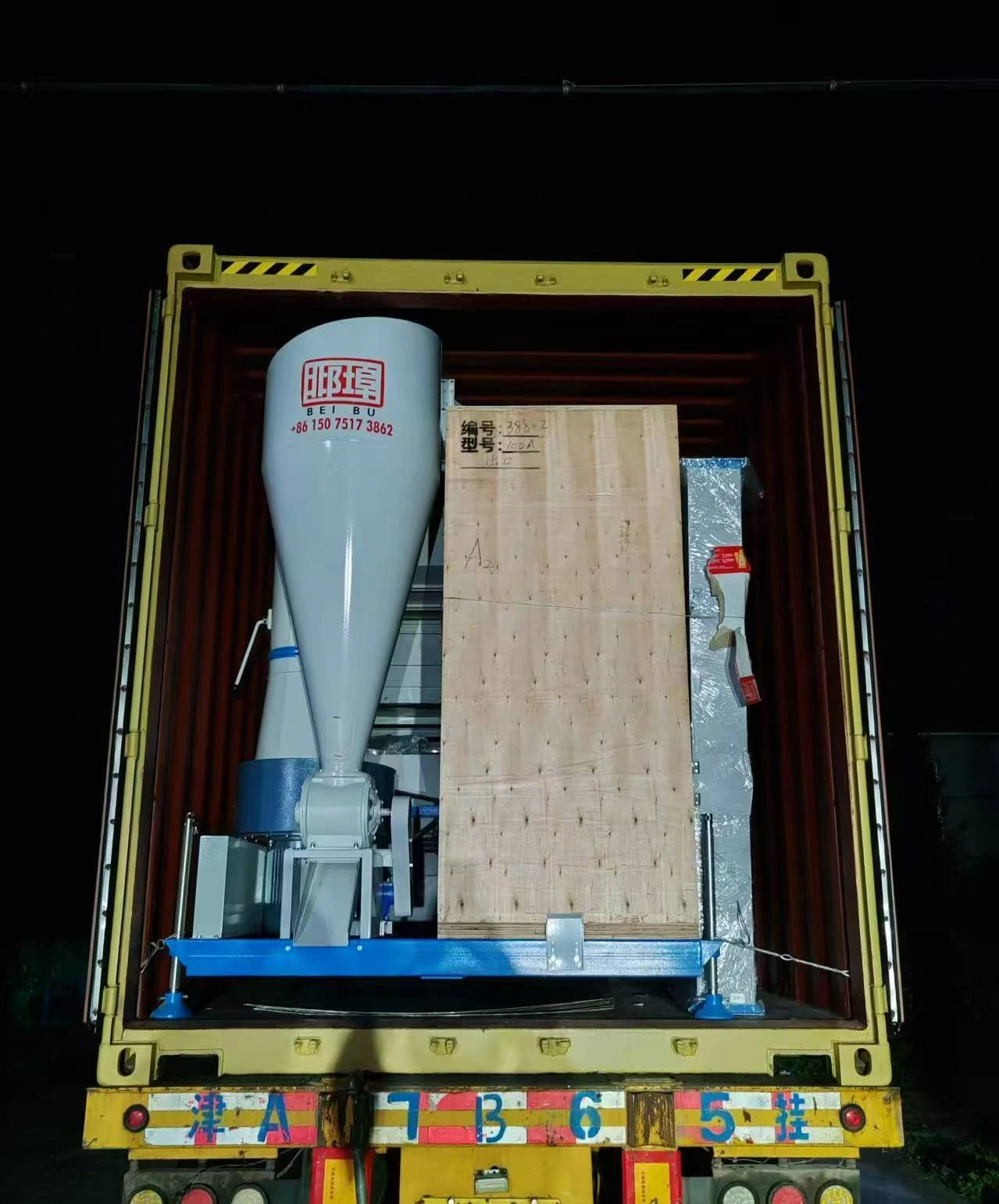
sesame cleaning machine loading container

Dec. 13, 2025
Happy Dragon Boat Festival! Beibu Machinery Industrial Cleaning Equipment
Beibu Machinery


