What Exactly Is a Bean Seed Cleaner and Why Should We Care?
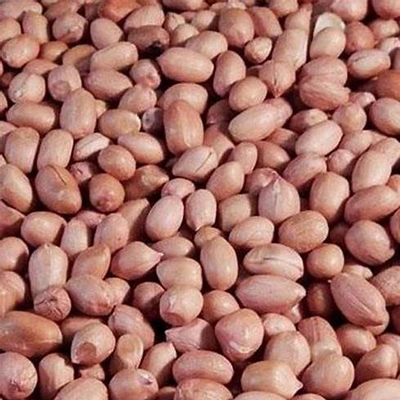
At first glance, a bean seed cleaner might seem like just another agricultural gadget — but its significance stretches far beyond farm fields. Put simply, a bean seed cleaner is a machine designed to separate unwanted material like dirt, chaff, stones, and broken seeds from quality bean seeds. Sounds straightforward, but when you think about the global importance of legumes in food security, trade, and sustainable farming, having clean, viable beans is a big deal.
Globally, beans are a cornerstone source of protein and nutrients, especially in developing regions. According to the Food and Agriculture Organization, legumes contribute to soil health by naturally fixing nitrogen and are vital to the diets of millions. But before these seeds even get to planting or processing, they have to be cleaned effectively — and that's where the bean seed cleaner steps in.
It’s not just about aesthetics. Impurities can carry diseases, reduce germination rates, and affect market prices. Clean seed is the foundation for healthy crops, reliable harvests, and ultimately food security. So understanding and optimizing bean seed cleaning technology is critical if we want to enhance yields and support farmers worldwide.
Mini takeaway: Bean seed cleaners are essential agricultural tools that ensure seed quality, help prevent disease spread, and sustain global food systems by delivering clean, healthy beans ready for planting or sale.
The Global Landscape: Why the Bean Seed Cleaner Matters More Than Ever
Here’s an eye-opener: The global bean seed market has continued climbing steadily, especially in parts of Africa, Latin America, and Asia, where smallholder farming dominates. The World Bank notes that improving seed quality can increase farm productivity by up to 20% or more. Yet, unfortunately, poor seed quality remains an obstacle for many farmers because of inadequate cleaning technology.
Furthermore, as climate change adds pressures — think shifts in pest patterns and soil degradation — ensuring only the best seeds go back into the earth is crucial. Efficient bean seed cleaners help filter out contaminants that carry pathogens or reduce seed vitality, which can save entire crops from failure.
Interestingly, in humanitarian contexts, like post-disaster areas or refugee camps, seed cleaners become vital in quick re-establishment of agriculture. NGOs seek portables and easy-to-operate cleaners to help farmers restart faster. So except from just mechanizing farms, bean seed cleaners also tackle resilience challenges worldwide.
Bean Seed Cleaner Defined: More Than Just a Machine
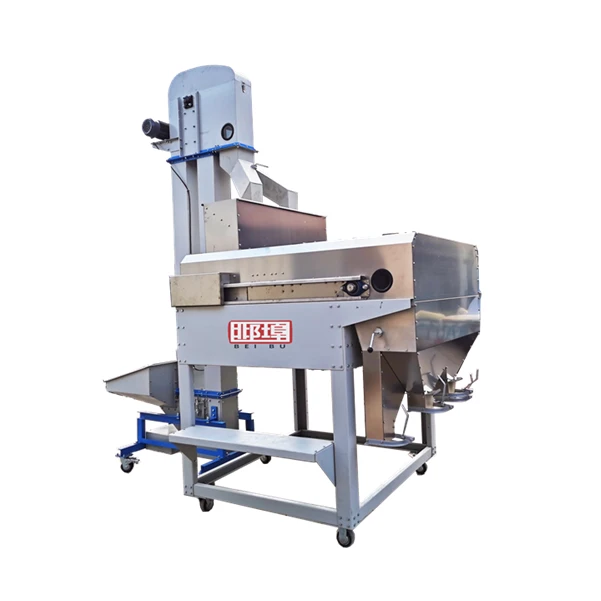
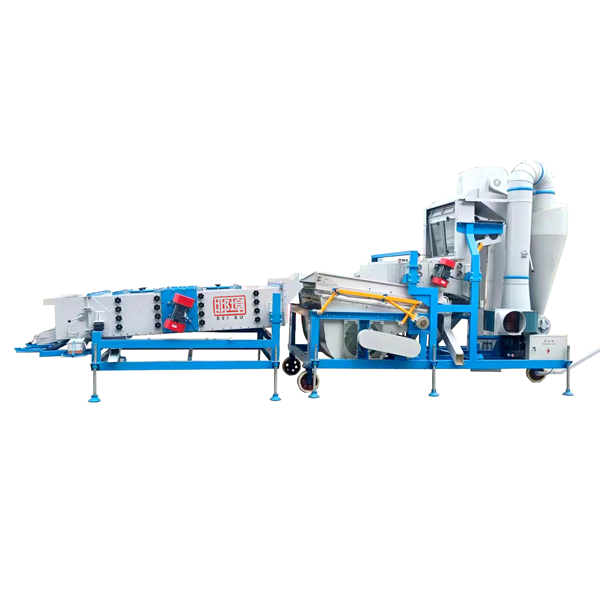
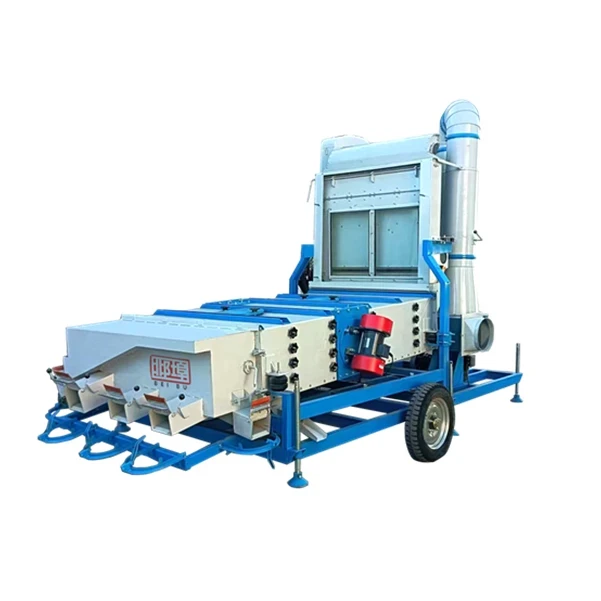
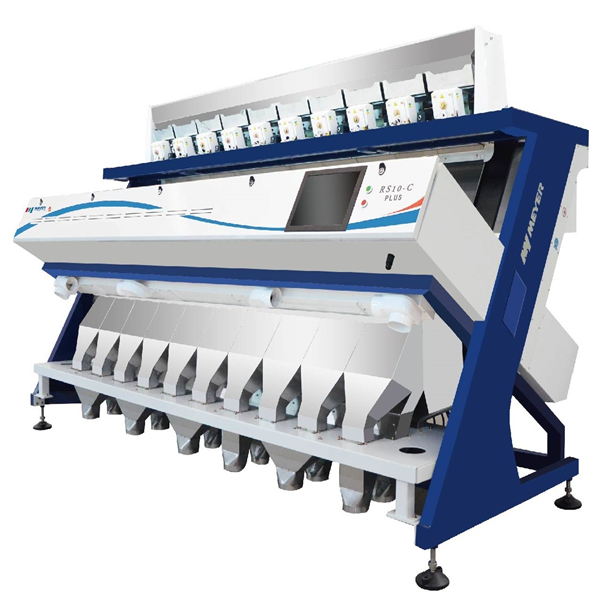
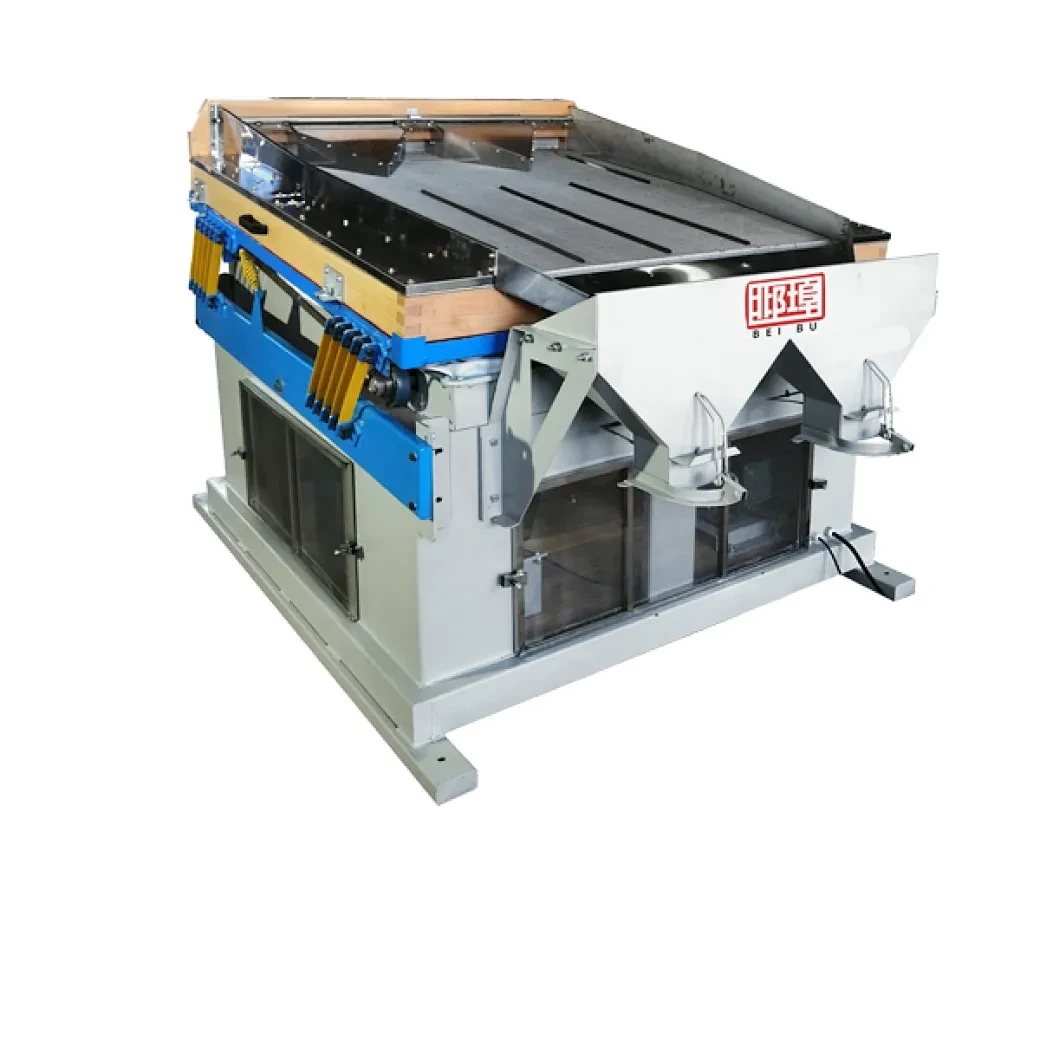
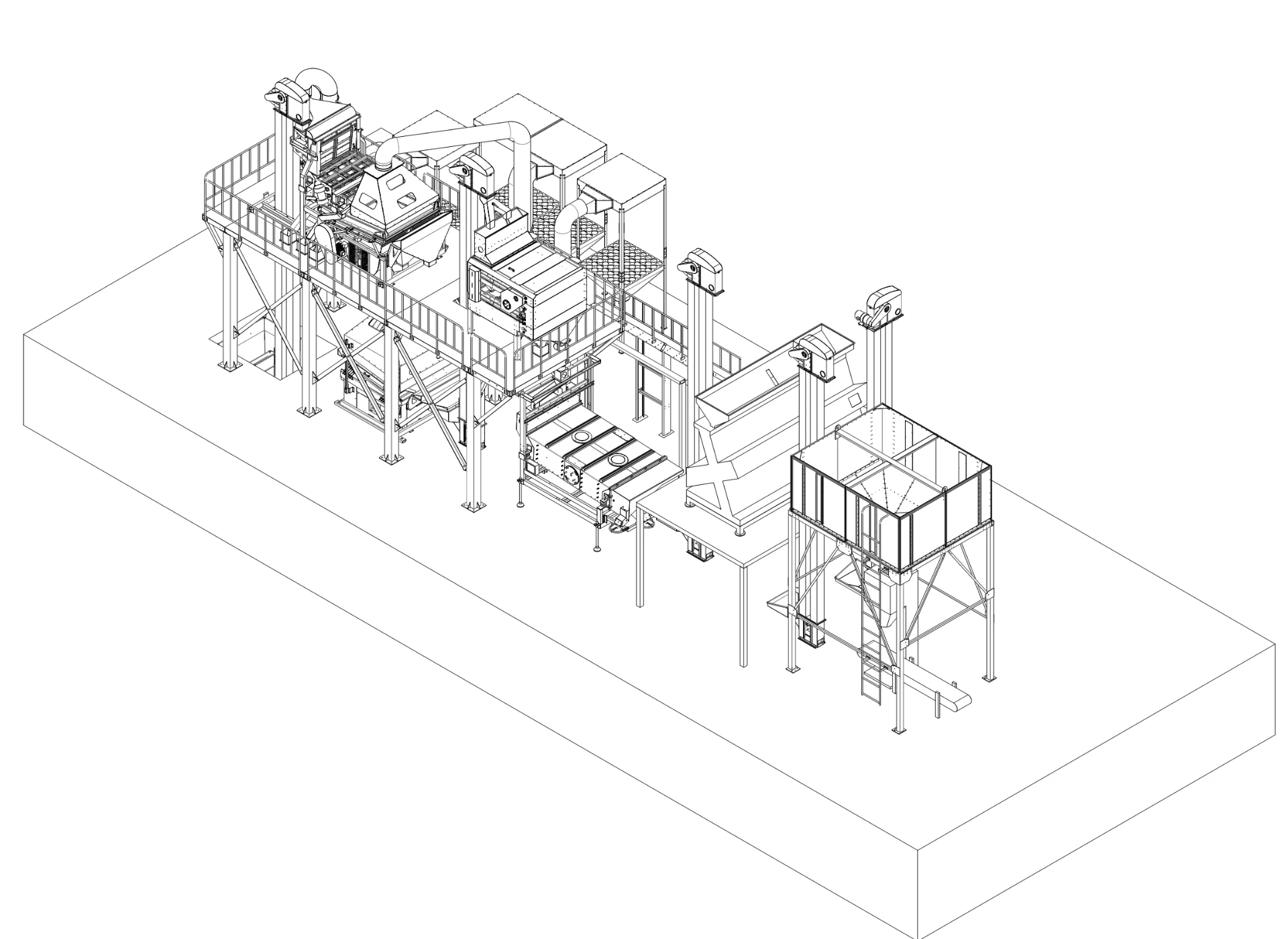
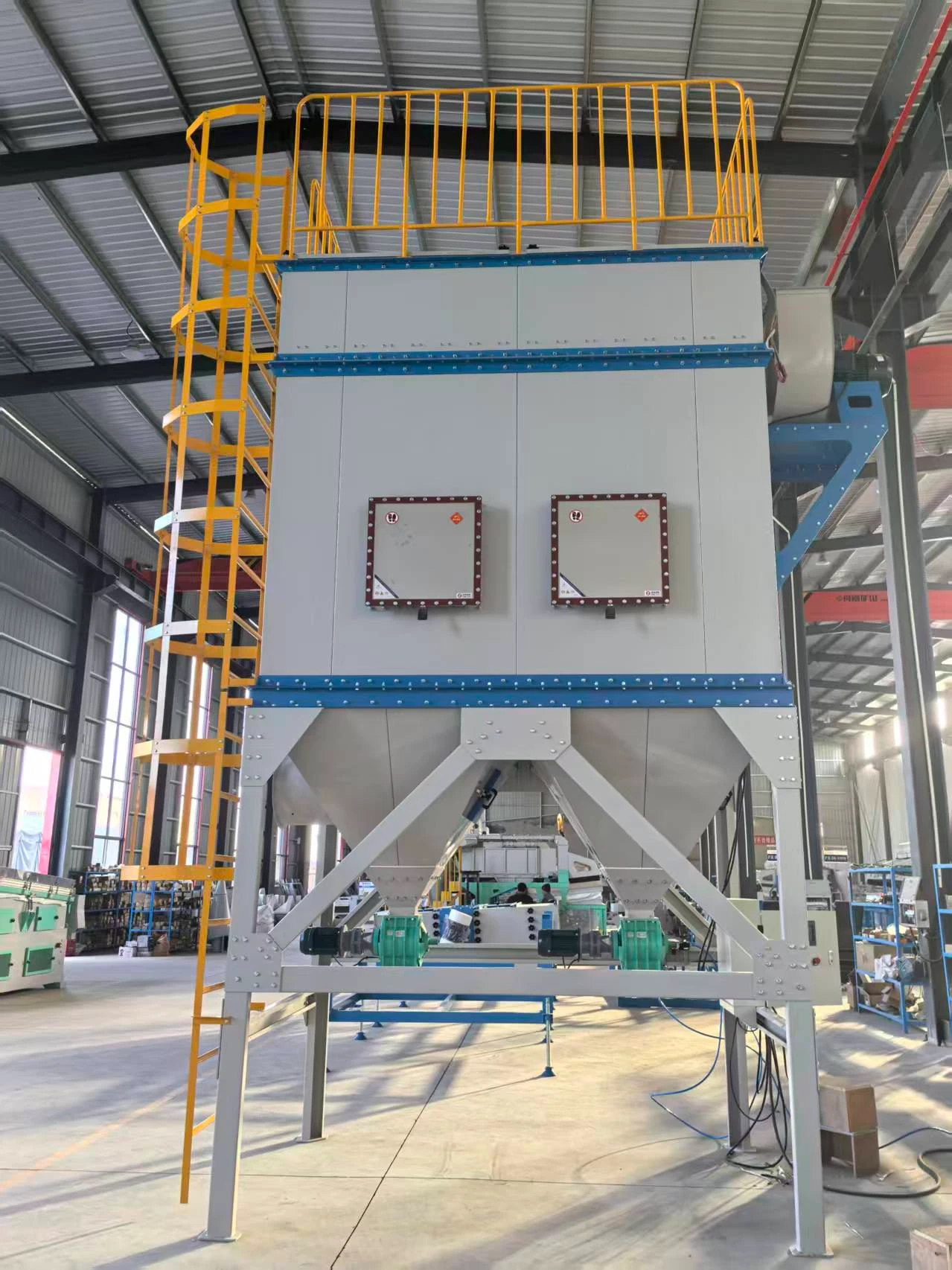
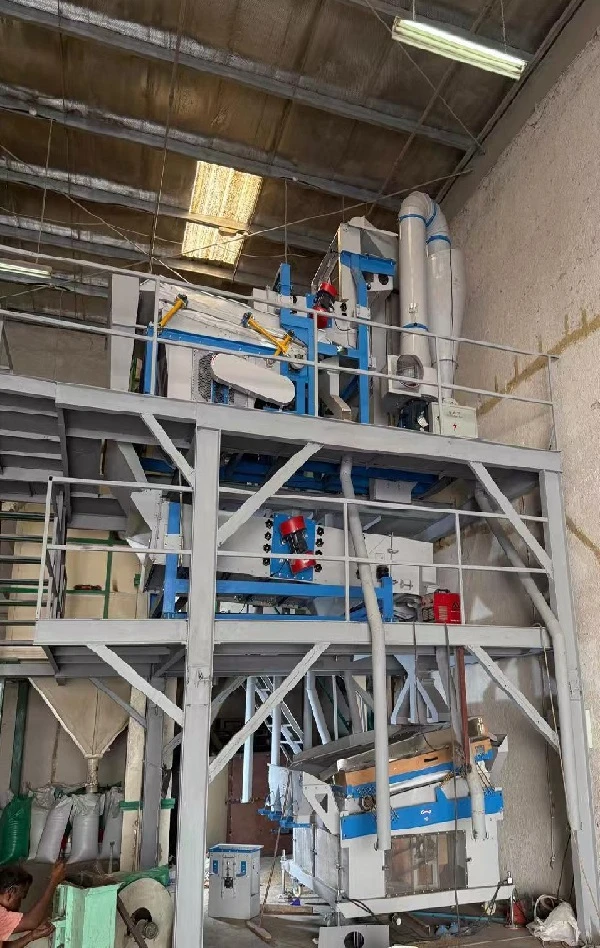
Okay, to keep it grounded: a bean seed cleaner is an agricultural machine or equipment system that separates seeds from unwanted materials. It usually employs a combination of sieves, screens, air blowers, or vibration mechanisms to ensure contaminants like husks, broken seeds, dust, and heavier debris are removed.
Why does that matter? Well, think of it as quality control before the next stage of agriculture — sorting out seed batches that won’t sprout well or might introduce diseases. So this isn’t just a sorting machine. It’s a gatekeeper of sustainability and food safety.
Core Components of a Bean Seed Cleaner
- Sifting Screens: Various sized perforations allow smaller and larger impurities to be separated.
- Air Separation: Airflows lift lighter debris such as husk fragments without harming seeds.
- Vibration Mechanism: Vibrations shake and move seeds across screens for sorting by size and density.
- Seed Collection System: Channels for collecting cleaned seeds separately from waste.
- Control Unit: Adjusts airflow speed, vibration intensity, and screen angle to optimize cleaning.
Many machines also include sensors nowadays for automation precision — a welcome innovation compared to the old days when everything was manual and slow.
Mini takeaway: The bean seed cleaner may sound mechanical, but its components work in a nuanced dance, balancing air, vibration, and screening — all tailored for the tricky task of separating good seeds from the rest.
Specifications at a Glance: Typical Bean Seed Cleaner Features
| Specification |
Details |
| Processing Capacity |
500 - 2000 kg/h (varies by model) |
| Power Source |
Electric motor (220-380V) or diesel engine |
| Airflow Control |
Adjustable fan speed for effective separation |
| Screen Types |
Multi-layer sieve screens (varied mesh sizes) |
| Mobility |
Stationary or portable models available |
| Automation |
Basic manual controls to semi-automatic options |
Where Do We See Bean Seed Cleaners in Action?
In real terms, bean seed cleaners aren’t just found in large factories or high-tech farms. They’re in smallholder cooperatives in Kenya, helping farmers prep seeds before planting; in the sprawling bean-processing centers of Brazil; and in remote regions of India where clean seed supply disrupts cycles of poverty and low yield.
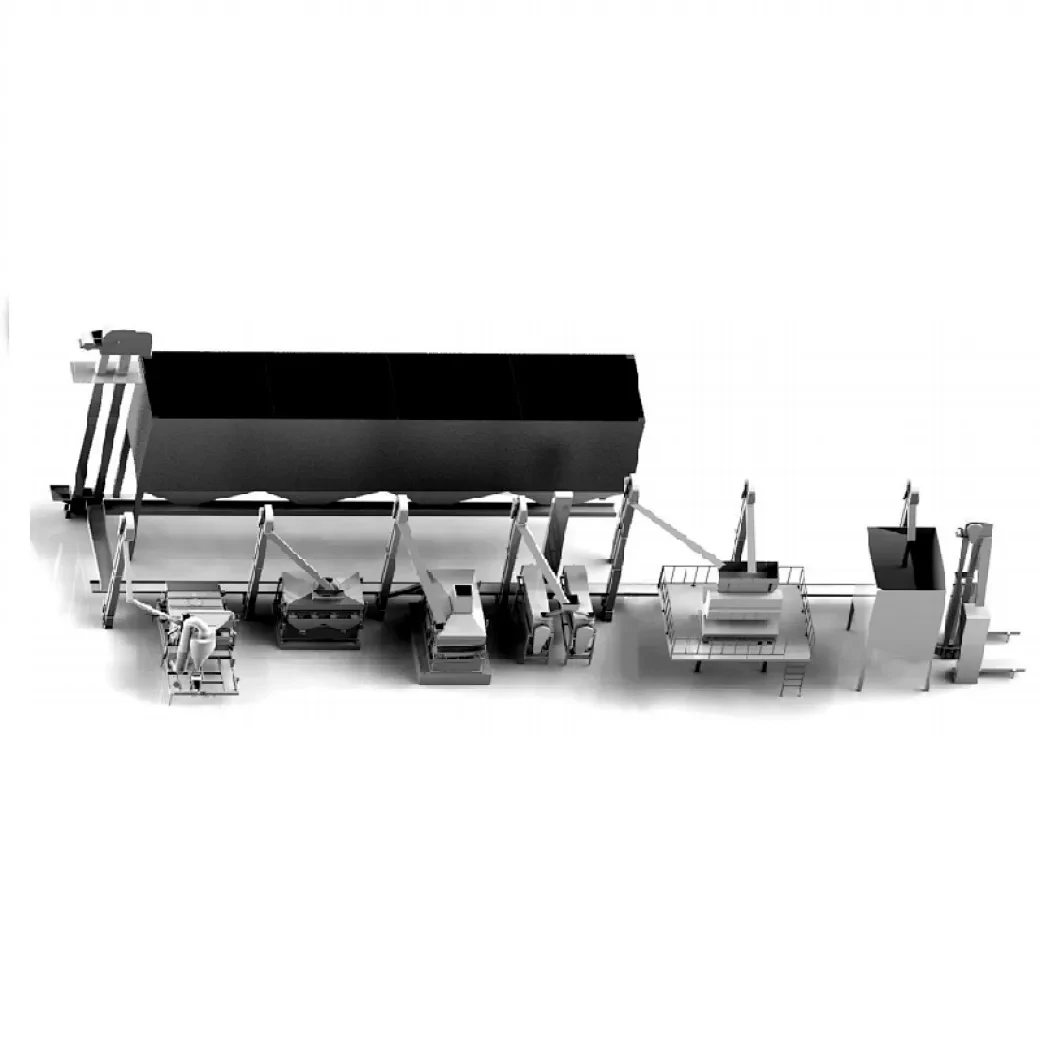
For example, in East Africa, NGOs often introduce portable cleaners in rural groups to help farmers improve seed quality and batch uniformity, making their beans more market-competitive. Similarly, big multinational enterprises use industrial-sized cleaners to maintain uniformity as part of quality assurance in packaging beans destined for export.
Interestingly, seed cleaning technology also plays a role in research institutions where seed lots are tested for genetic purity and disease resistance — underscoring the cleaner’s role beyond just commercial use.
Mini takeaway: Whether a small village cooperative or a global supplier, bean seed cleaners enable better crop outcomes by ensuring high-quality grain from the get-go — a universal tool with diverse applications.
How Different Vendors Stack Up: A Comparison
| Feature |
AgriClean Co. |
EcoSeed Solutions |
HarvestPro Machines |
| Capacity (kg/hr) |
1000 |
750 |
1500 |
| Power Type |
Electric & Diesel |
Solar Hybrid |
Electric only |
| Automation Level |
Semi-Automatic |
Fully Automated |
Manual Controls |
| Price Range |
$8,000 - $12,000 |
$15,000 - $20,000 |
$6,000 - $9,000 |
| Mobility |
Fixed & Portable |
Portable only |
Fixed |
Why Invest in a Quality Bean Seed Cleaner? The Benefits Unpacked
The tangible benefits of a bean seed cleaner shine through across multiple layers. First, there’s a direct cost saving: by removing impurities early, farmers reduce seed wastage and improve germination rates. This efficiency means fewer seeds need to be purchased over time.
Then there’s sustainability. Cleaner seeds promote healthy crops with less dependency on pesticides or soil treatments, which is kind of a win-win for the environment and farmer wallets alike. Plus, clean seed batches offer more trust for buyers in competitive markets, opening doors for higher prices and better livelihoods.
Emotional benefits come into play too — using a reliable cleaner instills confidence among farming communities who increasingly depend on these mechanical allies for their survival and dignity. It’s innovation meeting tradition towards a better tomorrow.
Emerging Trends and What’s Next for Bean Seed Cleaning
Technology marches on. Smart seed cleaners now integrate sensors and AI to sort seeds with near-perfect accuracy, reducing human error. Others run off renewable energy — solar-powered units are becoming more common in remote or off-grid areas.
There’s also growing focus on modular designs that can be scaled up or down swiftly depending on the harvest volume, making bean seed cleaner solutions accessible even to smallholder farmers who rarely have fixed infrastructure. And ongoing R&D in materials science is improving the durability and energy efficiency of separators and fans.
Challenges in Seed Cleaning and Clever Workarounds
Sure, not everything is smooth. Common issues include clogging when seeds are too moist, difficulty separating unusually shaped beans, or lack of skilled operators for complex machines. Also, in some regions, power supply and maintenance worries slow down adoption.
But experts recommend combining mechanical cleaning with pre-treatment methods — such as drying and manual sorting — for better results. Plus, training programs and modular maintenance kits have started spreading awareness and reducing downtime.
Frequently Asked Questions About Bean Seed Cleaner
- Q: How much can a typical bean seed cleaner process daily?
A: Most commercial models can handle from 500 kg up to 2,000 kg per hour, depending on the machine size and operation time, enabling several tons of seed cleaning in a standard workday.
- Q: Are bean seed cleaners suitable for smallholder farms?
A: Absolutely. Portable and semi-automatic models exist specifically for smaller operations. They are designed for ease of use and low power consumption.
- Q: How often should the machine be maintained?
A: Regular cleaning and inspection after each use, plus more thorough servicing every 6 months, can keep a seed cleaner running efficiently and extend its life significantly.
- Q: Can bean seed cleaners handle mixed seed batches?
A: To some extent, yes, but seed cleaners perform best with uniform seed types. Mixed batches may require additional sorting steps.
Wrapping It Up: The Long-Term Value of Investing in Bean Seed Cleaners
Understanding and embracing quality bean seed cleaner technologies is more than just a farming upgrade — it’s part of a bigger mosaic of advancing sustainable agriculture, improving farmer incomes, and building resilient food systems. The investment pays dividends in healthier crops, less wasted seed, and stronger market positioning over time.
If you’re serious about boosting seed quality and crop results, it’s worth exploring the latest equipment options out there — and, frankly, the variety might surprise you. Dive in, because clean seeds are the root of a better harvest. For more in-depth info and trusted machine options, visit our website: https://www.beibucleaner.com.
References
- FAO Legumes Portal
- World Bank Agriculture Overview
- Wikipedia: Seed Cleaning