Understanding Overbelt Magnetic Separator: A Critical Component in Modern Industry
When you first hear the term overbelt magnetic separator, it might sound like some kind of mechanical wizardry—and in a way, it is. These devices play a key role in industries around the world by efficiently removing ferrous contaminants from raw materials on conveyor belts. This seemingly niche technology actually has wide-reaching implications for safety, quality control, and sustainability. In an age where manufacturing, mining, and recycling sectors are pushing for cleaner and safer operations, understanding how overbelt magnetic separators work—and why they matter—becomes crucial.
Global Context: Why Overbelt Magnetic Separators Are More Than Just Machines
According to recent World Bank data, global mining and recycling continue to grow due to increased demand for minerals and sustainable waste management. As these industries scale, contamination risks rise—think of metal shards hidden in raw coal or waste streams, posing threats to processing equipment and overall product quality.
Overbelt magnetic separators address this exact challenge. They protect expensive crushers and conveyors by intercepting unwanted metal fragments early, reducing downtime and maintenance costs. On a broader scale, this means fewer breakdowns, less raw material waste, and ultimately, greater efficiency which ties into global sustainability goals championed by the International Organization for Standardization (ISO).
What Exactly Is an Overbelt Magnetic Separator?
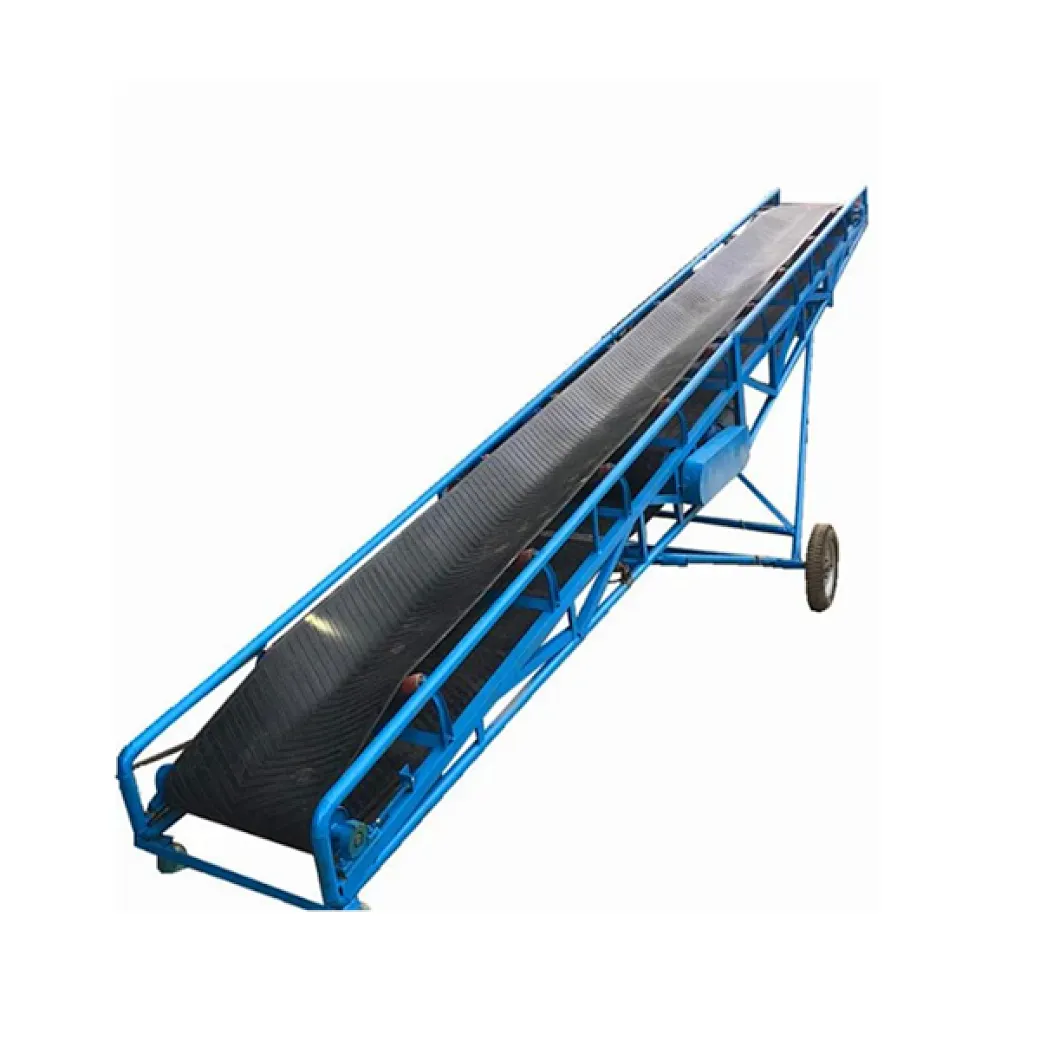
Simply put, an overbelt magnetic separator is a powerful magnet installed above a conveyor belt that extracts ferrous (magnetic) metals passing beneath. Imagine a giant magnetic hand sweeping across the moving materials, quietly picking out unwanted metal pieces. It’s a straightforward concept but highly effective.
In humanitarian and industrial contexts alike, this technology ensures operational safety and product integrity. For example, mining companies avoid costly machinery damage, and recycling businesses sort metals efficiently, supporting circular economy initiatives worldwide.
Key Factors That Define Effective Overbelt Magnetic Separators
Durability
These separators often operate in harsh environments—dusty mining zones or high-humidity recycling yards—so they need robust construction. Materials like corrosion-resistant steel and sealed electronics help them withstand tough conditions for years.
Scalability
Whether processing small batches or massive flows, overbelt separators come in various sizes, with adjustable magnetic strengths. This makes them adaptable—from small recycling centers to massive coal mines.
Ease of Maintenance
Operators prefer designs that allow quick cleaning and minimal downtime. Features such as self-cleaning brushes or simple manual removal mechanisms keep things running smoothly.
Cost Efficiency
Beyond initial purchase price, energy use and repairability factor heavily. A good separator lowers operational costs by preventing machine failures and improving throughput.
Safety Compliance
Because these machines operate near moving conveyors, international standards require safeguards like emergency stops and guarding, enhancing worker safety.
| Specification |
Typical Values |
| Magnetic Field Strength |
Up to 10,000 Gauss |
| Belt Width |
400 mm – 2000 mm |
| Operating Temperature |
-20°C to +60°C |
| Power Supply |
220-240 V AC / 50-60 Hz |
| Cleaning Method |
Manual or Automatic Brush |
Global Applications & Real-World Use Cases
It’s fascinating, really. You’ll find overbelt magnetic separators everywhere raw materials move on conveyors. Whether it’s coal mines in Australia or recycling centers in Europe, their function is practically universal.
- Mining Industry: Protects crushers from hidden metal debris, reducing costly breakdowns. For example, in South African coal mines, separators maintain production flow despite metal-rich ore.
- Waste Recycling: Extracts ferrous metals from mixed recyclable waste, helping to sort and supply clean scrap metal for remelting processes in countries like Germany.
- Construction & Demolition: In post-disaster relief or urban renewal, separating metal from rubble streamlines disposal and recycling efforts.
Many industrial zones in China and India have also embraced this technology to boost operational safety and efficiency, reflecting its worldwide importance.
Advantages & Long-Term Value of Overbelt Magnetic Separators
Beyond the obvious—preventing equipment damage—there are deeper benefits. You get cost savings by reducing unplanned stoppages, and a smoother operation enhances worker confidence and morale. There’s also an environmental angle: cleaner output means recycled materials sort more efficiently, contributing to resource conservation efforts.
From an emotional perspective, operators tell me it feels reassuring to have reliable magnetic separation in place—it’s like a safety net underpinning the whole system.
Future Trends: What’s Next for Overbelt Magnetic Separators?
We're seeing increasing integration of smart sensors, allowing real-time monitoring of magnetic field strength and separator health. Hand-in-hand with Industry 4.0 automation, predictive maintenance reduces downtime even further.
Materials science is evolving too. New magnet alloys and coatings improve strength while reducing weight. Environmentally, manufacturers are pushing for separators powered partly by renewable energy, aligning with global sustainability targets.
Challenges & How Experts Are Solving Them
Current limitations include handling extremely heavy-duty materials or sticky substances that reduce magnetic efficiency. Some separators struggle in dusty or wet environments, complicating maintenance.
Innovators are tackling this with improved sealing techniques, modular components for easier repairs, and hybrid systems combining magnets with metal detectors for superior accuracy—sometimes called overbelt magnetic separator upgrades. It’s a rapidly evolving space.
Vendor Comparison for Overbelt Magnetic Separators
| Vendor |
Magnetic Strength (Gauss) |
Maintenance Type |
Price Range (USD) |
Warranty |
| MagnaForce |
8,000 – 10,000 |
Automatic Brush |
$5,000 – $15,000 |
3 Years |
| IronClear |
6,500 – 9,000 |
Manual Cleaning |
$3,500 – $12,000 |
2 Years |
| SteelSweep |
7,000 – 9,500 |
Semi-Automatic |
$4,000 – $13,000 |
2.5 Years |
FAQ About Overbelt Magnetic Separators
Q1: How do overbelt magnetic separators improve conveyor safety?
A: By removing metal contaminants, these separators prevent damage to machinery like crushers and conveyors, reducing equipment failure and risks to operators. This proactive step minimizes costly repairs and downtime.
Q2: Can overbelt magnetic separators handle wet or sticky materials?
A: While traditional separators may struggle, modern designs include sealed housings and self-cleaning brushes that maintain efficiency even in damp or sticky conditions, typical in mining or recycling.
Q3: What is the typical installation time for an overbelt magnetic separator?
A: Installation varies with belt size and site complexity but generally ranges between 1 to 3 days. Some vendors offer plug-and-play modular units to speed up deployment.
Q4: Are there environmental benefits to using overbelt magnetic separators?
A: Absolutely. By improving metal recovery rates in recycling and reducing machinery breakdowns, separators support sustainability initiatives and lower resource waste.
Q5: Can the magnetic strength be adjusted?
A: Yes, many separators offer customizable magnetic field levels to suit specific material flows and contamination levels.
Conclusion: Why Overbelt Magnetic Separators Matter
In the end, overbelt magnetic separators are unsung heroes of the industrial world—quietly enhancing safety, cutting costs, and supporting greener operations globally. If your production involves conveyors and materials prone to metal contamination, these systems aren’t just optional; they’re essential.
For more detailed info and product options, visit our website: overbelt magnetic separator. It’s worth exploring, trust me.
Mini takeaway: Overbelt magnetic separators offer practical, scalable solutions for cleaner, safer, and more sustainable industrial processes worldwide.
- World Bank. (2022). Mining and Sustainability Report. worldbank.org
- ISO 9001:2015 Quality Management Standards. iso.org
- Wikipedia contributors, "Magnetic separator," Wikipedia, The Free Encyclopedia. en.wikipedia.org