



Want to Know How to Clean Cassia Tora?-Hebei Beibu Machinery Technology Co.,LTD
May . 13, 2026 16:07
How to Clean Cassia Tora? A Complete Processing Guide
We,Hebei Beibu Machinery Technology Co.,LTD which is the supplier for the grain,seeds,beans,spices and hibiscus flower cleaning machine from China.
1. Introduction to Cassia Tora
1.1 Basic Overview of Cassia Tora
Cassia tora, scientifically named Cassia tora L., is an annual herbaceous plant belonging to the legume family. It is widely recognized for its hardy growth characteristics, strong adaptability to barren soil, and excellent resistance to drought. The mature seeds of cassia tora are the core commercial product, featuring an oval shape, hard seed coat, and unique medicinal and industrial values. Raw cassia tora seeds harvested from farmland inevitably contain various impurities such as dust, soil clods, stones, broken straws, and immature seeds. These contaminants severely affect the purity, appearance, storage stability, and commercial value of cassia tora, making professional cleaning processing an indispensable link in the cassia tora industrial chain.
1.2 Main Producing Areas and Yield
Cassia tora is mainly distributed in tropical and subtropical regions worldwide. Asia dominates the global cassia tora production market, with India and China as the top two major producing countries. In India, the main cultivation areas are Rajasthan, Gujarat, and Madhya Pradesh, contributing approximately 65% of the global total cassia tora output. China’s cassia tora is primarily planted in Anhui, Jiangsu, Henan, and Sichuan provinces, with an annual stable output of 180,000 to 220,000 metric tons. Other minor producing regions include Southeast Asian countries such as Myanmar and Vietnam, as well as parts of Africa. Globally, the annual total yield of dried cassia tora seeds maintains between 450,000 and 500,000 metric tons, and the yield has shown a steady upward trend in recent years with the expanding market demand.
1.3 Core Applications of Cassia Tora
Cassia tora has diversified application scenarios covering medicine, food processing, industrial manufacturing, and agricultural feeds. In the pharmaceutical industry, it contains active ingredients like chrysophanol and emodin, which have the effects of clearing heat, improving eyesight, and relaxing bowel, and are widely used in traditional Chinese medicine and herbal supplements. In the food industry, refined cassia tora seeds can be processed into tea substitutes and food additives. Industrially, cassia tora gum extracted from seeds serves as an excellent thickener and stabilizer, commonly used in cosmetics, printing and dyeing, and pet food production. Additionally, crushed cassia tora residues can be made into high-protein animal feed. Given its wide application fields, strict cleaning processing is required to meet the safety standards of food, medicine, and industrial raw materials.
2. Necessity of Professional Cassia Tora Cleaning
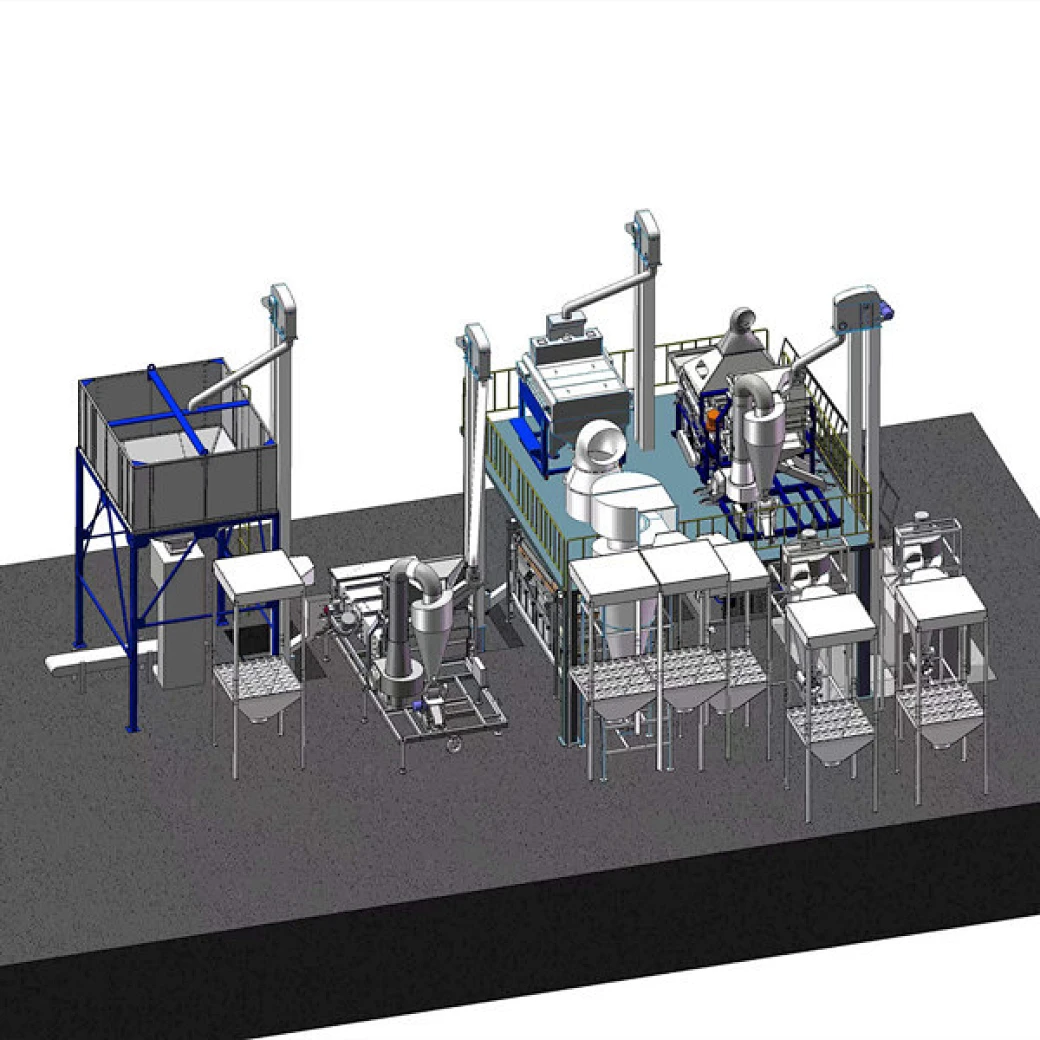
Raw harvested cassia tora has complex impurity components. Visible impurities include large straw residues, soil blocks, and gravel, while invisible impurities contain fine dust, moldy seeds, and heterogeneous particles. Without standardized mechanical cleaning, these impurities will reduce the purity of cassia tora, accelerate seed mildew during storage, and even produce harmful substances that fail international quality inspection standards. For export-grade cassia tora products, impurity content must be controlled below 0.5%. Therefore, a complete cleaning production line composed of Precleaning Machine, Destoner, Vibration Grader, and Polishing Machine is essential to realize graded purification and surface optimization of cassia tora.
3. Complete Cleaning Process of Cassia Tora
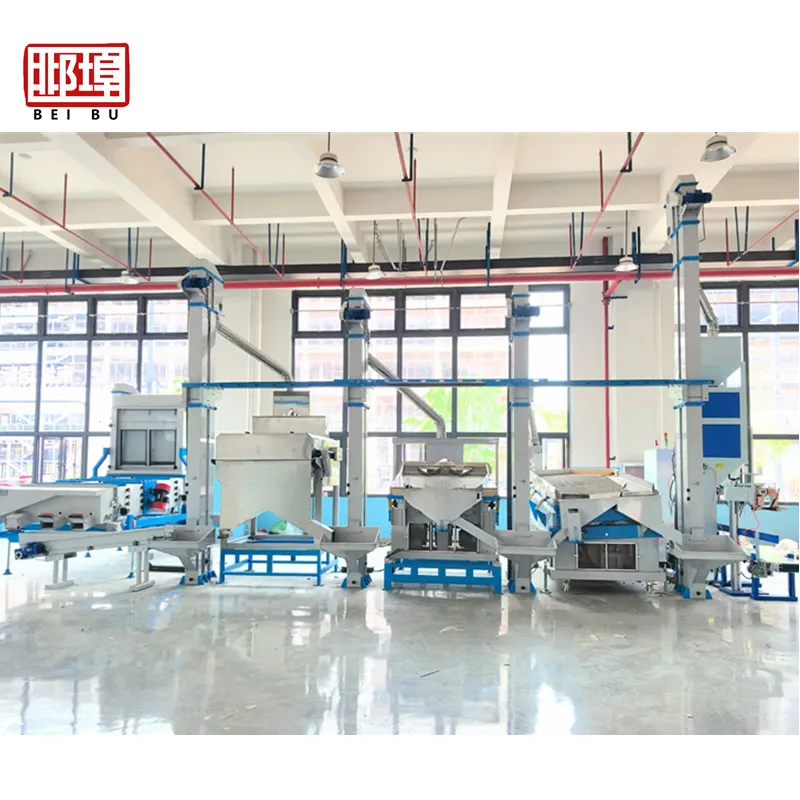
The standardized cleaning flow of cassia tora follows the processing logic from coarse impurity removal to fine purification, and finally to surface polishing. The four core machines are used in sequence: Precleaning Machine for preliminary impurity removal, Destoner for stone separation, Vibration Grader for particle classification, and Polishing Machine for surface brightening. This hierarchical processing method ensures high cleaning efficiency and avoids seed damage.
3.1 Step 1: Preliminary Impurity Removal by Precleaning Machine
3.1.1 Working Principle of Precleaning Machine
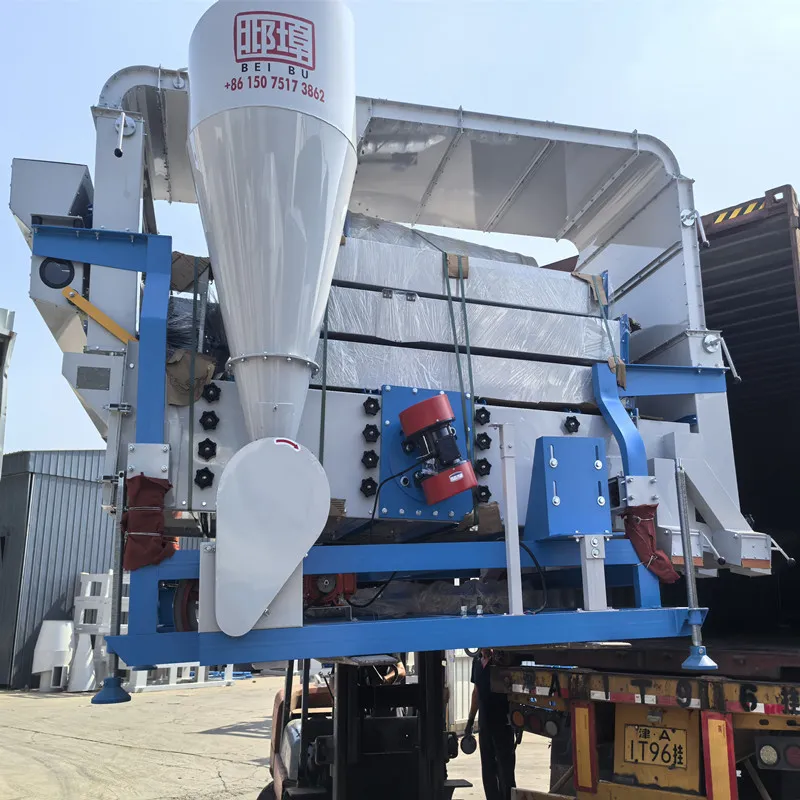
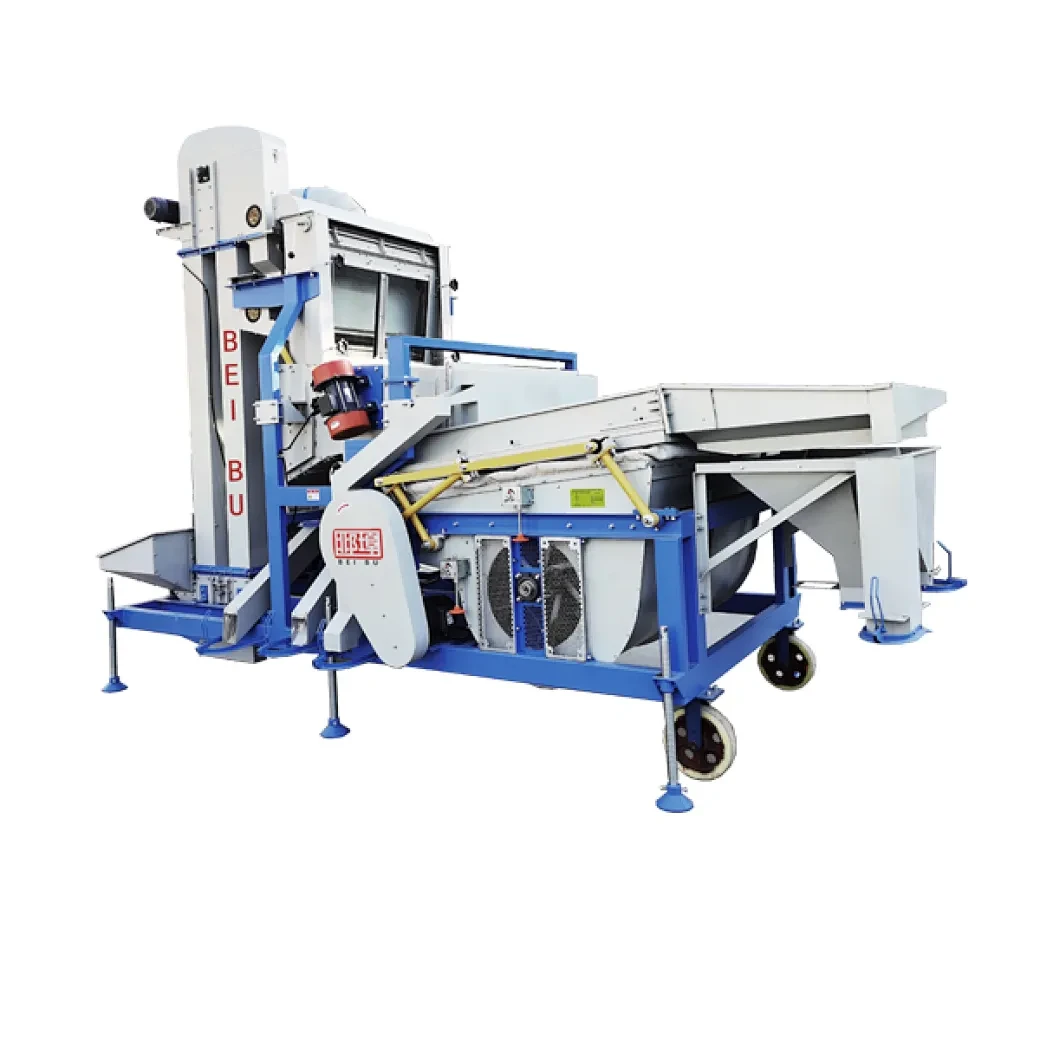
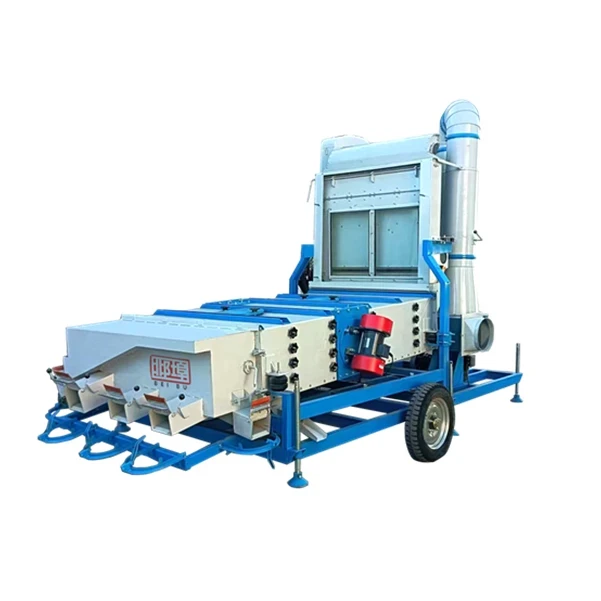
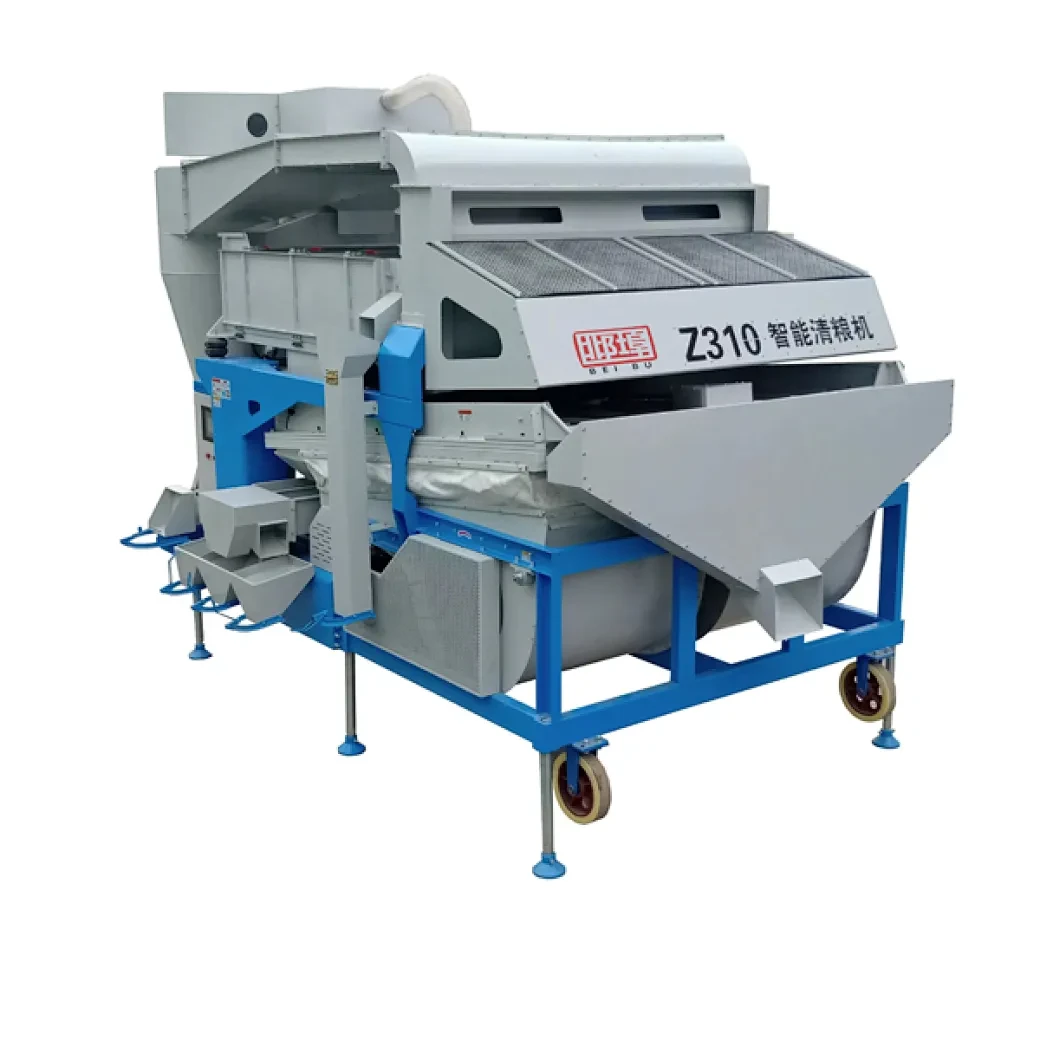
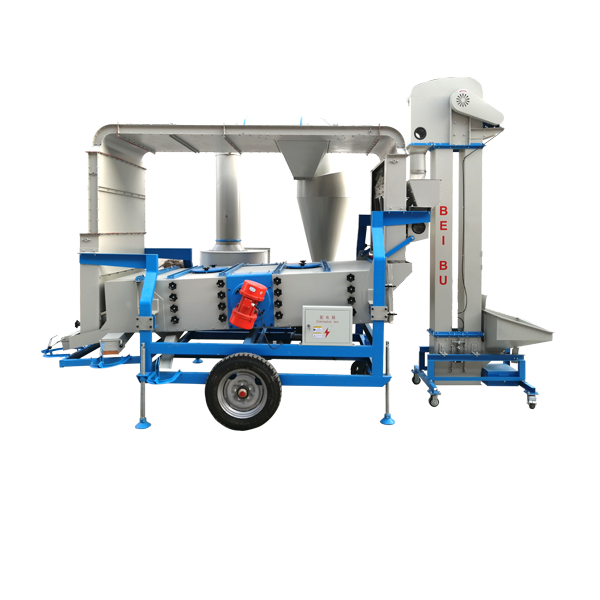
The Precleaning Machine is the first processing equipment in the cassia tora cleaning line, mainly designed to remove large-volume impurities. It adopts combined screening technology of vibrating sieve and air suction. The vibrating sieve with specific mesh size screens out oversized impurities such as straws, branches, and large soil blocks, while the built-in air suction fan blows away low-density impurities including dust, broken husks, and withered leaves. The equipment is equipped with an adjustable vibration frequency and air volume system to adapt to different moisture content and impurity ratios of raw cassia tora.
3.1.2 Operational Points for Cassia Tora Precleaning
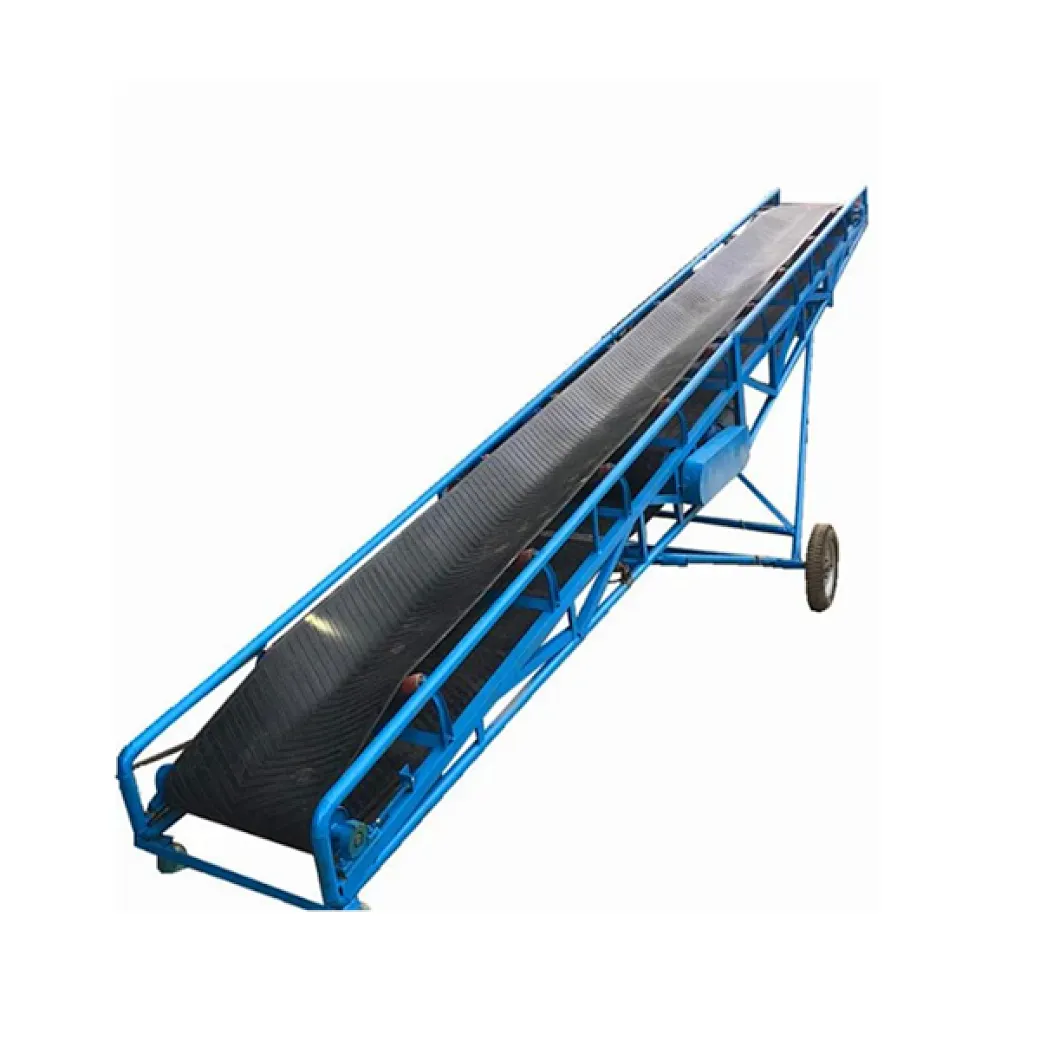
Before feeding raw cassia tora into the Precleaning Machine, workers need to check the sieve mesh integrity to prevent seed leakage. The feeding speed should be controlled at 2 to 3 tons per hour to avoid material accumulation and incomplete screening. After precleaning, more than 90% of large impurities and floating dust are removed, and the preliminary purified cassia tora is transported to the next process via a closed conveyor to secondary dust pollution.
3.2 Step 2: Stone Removal by Destoner
3.2.1 Functions of Destoner
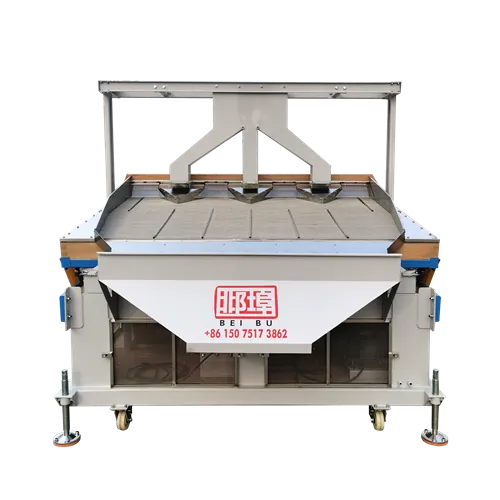
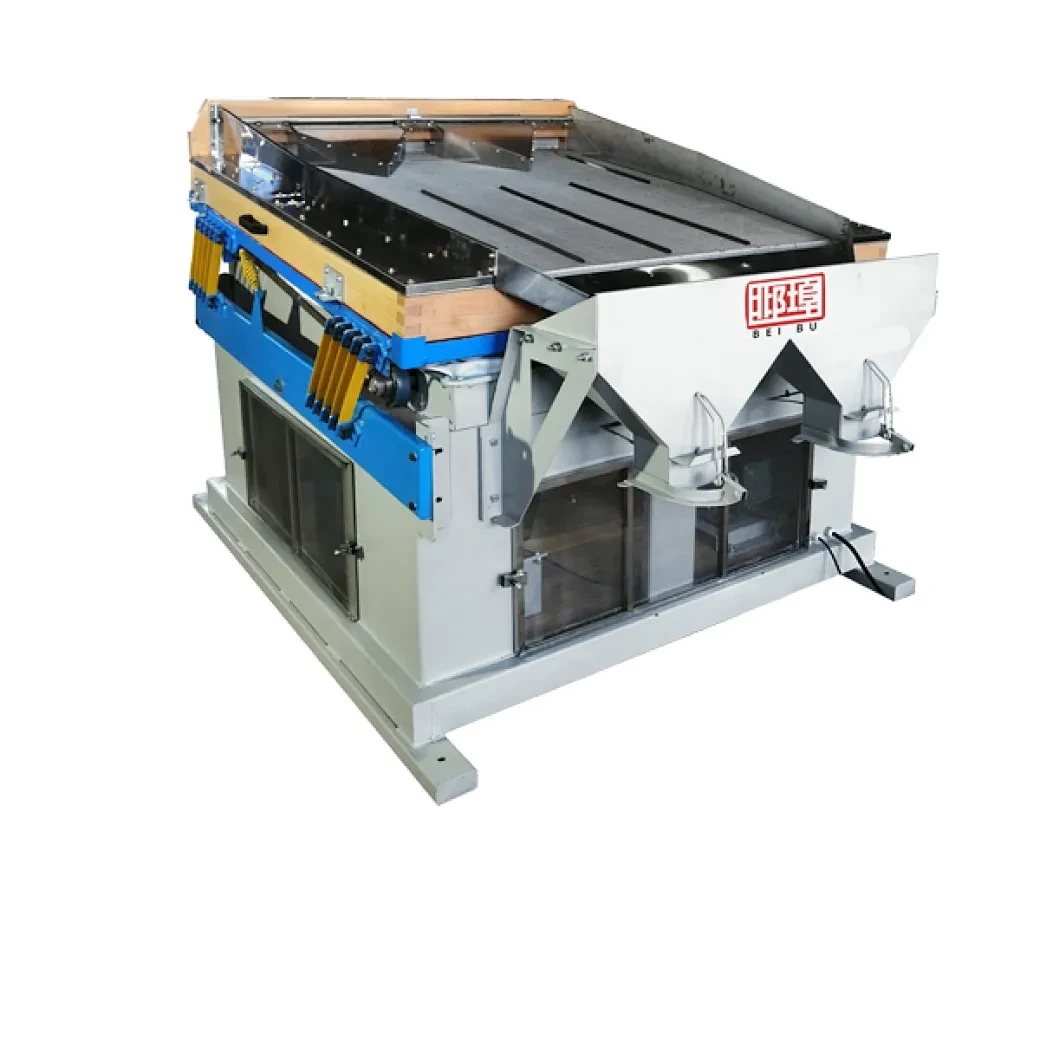
After precleaning, tiny gravels, mud particles, and heavy metal impurities with similar particle sizes to cassia tora seeds still remain. These heavy impurities cannot be eliminated by the Precleaning Machine, so the Destoner becomes the key secondary purification equipment. Relying on the specific gravity difference between cassia tora seeds and impurities, the Destoner uses wind power and vibration tilting motion to separate heavy impurities such as stones and sand from qualified seeds.
3.2.2 Processing Advantages for Cassia Tora
The Destoner specially optimized for grain materials has a low seed damage rate, which is very suitable for hard-shelled cassia tora seeds. During operation, the materials form a layered flow on the inclined sieve surface; heavy stones sink to the bottom and are discharged from the impurity outlet, while pure cassia tora seeds float upward and flow to the next processing link. After destoning, the heavy impurity content of cassia tora is reduced to less than 0.1%, meeting the primary industrial purification standard.
3.3 Step 3: Particle Classification by Vibration Grader
3.3.1 Working Mechanism of Vibration Grader
The Vibration Grader is used for precise classification of purified cassia tora seeds. Equipped with multi-layer sieves with different mesh apertures, it uses high-frequency vibration to divide cassia tora into multiple grades according to seed particle size, density, and plumpness. This machine can screen out shriveled seeds, broken seeds, and small inferior particles, ensuring uniform size of finished products. The vibration frequency of the grader can be intelligently adjusted, and the sealed shell effectively prevents dust overflow, complying with environmental protection production standards.
3.3.2 Classification Standards for Cassia Tora
In industrial production, cassia tora is usually divided into three grades by the Vibration Grader: premium-grade plump seeds for pharmaceutical and high-end tea raw materials, medium-grade seeds for industrial gum extraction, and inferior broken seeds for feed processing. Graded processing realizes classified utilization of cassia tora, maximizes economic benefits, and avoids resource waste.
3.4 Step 4: Surface Polishing by Polishing Machine
3.4.1 Core Functions of Polishing Machine
The Polishing Machine is the final finishing equipment in the cassia tora cleaning process. Although the seeds have been purified and graded, their surfaces still adhere to fine dust, residual soil, and dry seed coat burrs, resulting in a dull appearance. The polishing machine adopts friction polishing technology; the internal soft brush and friction roller gently rub the seed surface to remove attachments and smooth burrs without damaging the seed coat. Meanwhile, the air circulation system takes away polished dust to make seeds bright and clean.
3.4.2 Post-Polishing Product Quality
After polishing, the surface of cassia tora seeds is smooth and glossy, with uniform color and no visible attachments. The finished product has strong oxidation resistance, which extends the safe storage period to more than 18 months. For export and high-end medicinal cassia tora, polishing treatment is an essential process to improve product competitiveness.
4. Common Maintenance Tips for Cleaning Equipment
To ensure long-term stable operation of the cassia tora cleaning production line, daily maintenance of the four core machines is crucial. First, clean the sieve holes and dust collection box of the Precleaning Machine and Vibration Grader every day to prevent material clogging. Second, regularly check the vibration motor and air duct of the Destoner to avoid wind pressure attenuation affecting stone removal efficiency. Third, the polishing brush of the Polishing Machine shall be replaced every 3 months to ensure polishing effect. In addition, all equipment should be lubricated regularly, and the production line should be shut down for maintenance every six months to reduce failure rate.
5. Quality Inspection and Storage of Cleaned Cassia Tora
After completing all cleaning processes, enterprises need to conduct quality inspection on finished cassia tora, detecting impurity content, moisture content, seed integrity rate, and moldy particle rate. Qualified products with moisture content controlled between 8% and 12% are suitable for long-term storage. It is recommended to store cleaned cassia tora in dry, ventilated, and constant-temperature warehouses with moisture-proof packaging. Stacking height should not exceed 5 meters to prevent seed extrusion damage and mildew deterioration.
6. Conclusion
As a multifunctional economic crop, cassia tora has huge market potential in medicine, food, and industrial fields. Standardized mechanical cleaning is the key to improving its commercial value. The combined use of Precleaning Machine, Destoner, Vibration Grader, and Polishing Machine forms a scientific and efficient cleaning process, which sequentially completes coarse impurity removal, stone separation, particle classification, and surface polishing. This processing mode not only ensures the high purity and beautiful appearance of cassia tora products but also meets the strict quality requirements of global buyers. With the continuous expansion of cassia tora application scenarios, optimizing cleaning technology and equipment maintenance management will become an important way for cassia tora processing enterprises to enhance market competitiveness. Mastering the complete cleaning method of cassia tora is essential for practitioners to realize standardized production and sustainable industrial development.

Dec. 13, 2025
Bean Cleaner Machine: Boosting Global Bean Quality & Efficiency
Understanding the Bean Cleaner Machine: A Small Gadget with Big Impact Bean cleaner machines might n
Dec. 11, 2025
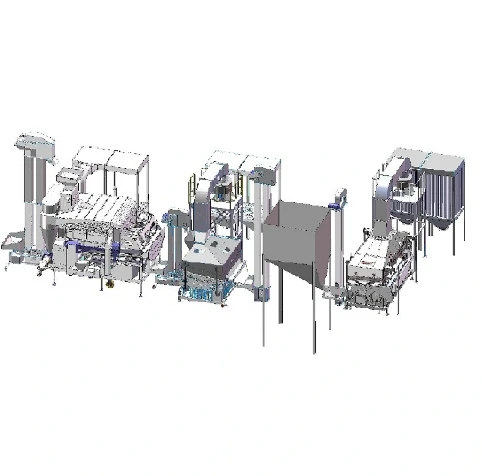
Big Capacity Combined Soybean Cleaning Machine | Hebei Beibu Machinery
Explore Hebei Beibu Machinery's big capacity combined soybean cleaning machine – robust, efficient, and built for industrial-scale processing.
Aug. 27, 2025
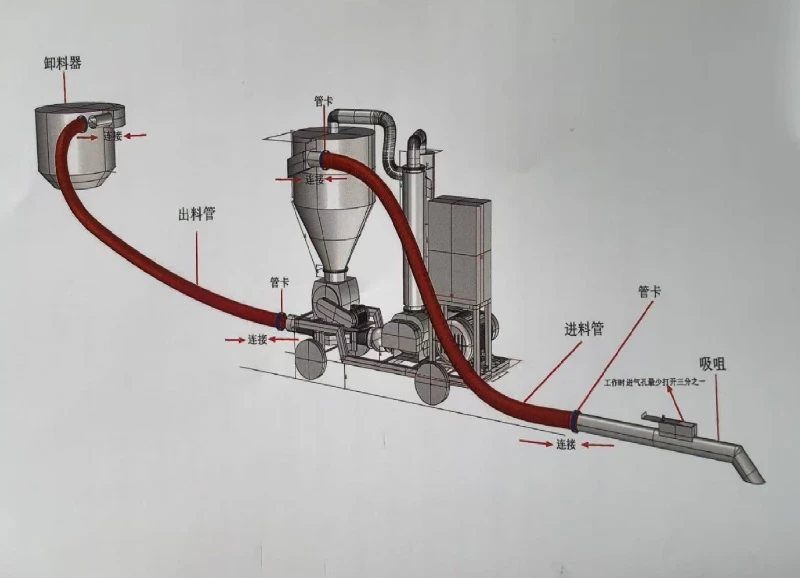
Seed Processing Equipment: Key Assistance for Improving Seed Quality
In the agricultural production chain, Seed Processing Equipment, as a key equipment specialized in processing seeds, lays a solid foundation for the subsequent planting, storage, and circulation of seeds through a series of systematic processing procedures.
Jul. 18, 2025
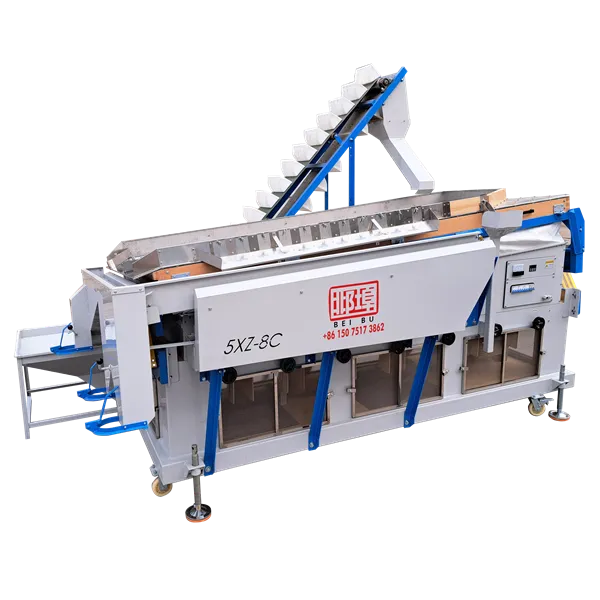
Comprehensive Guide to Grain Conveying Solutions
In the grain handling industry, efficiently transporting bulk materials such as wheat, corn, soybean
Mar. 18, 2024
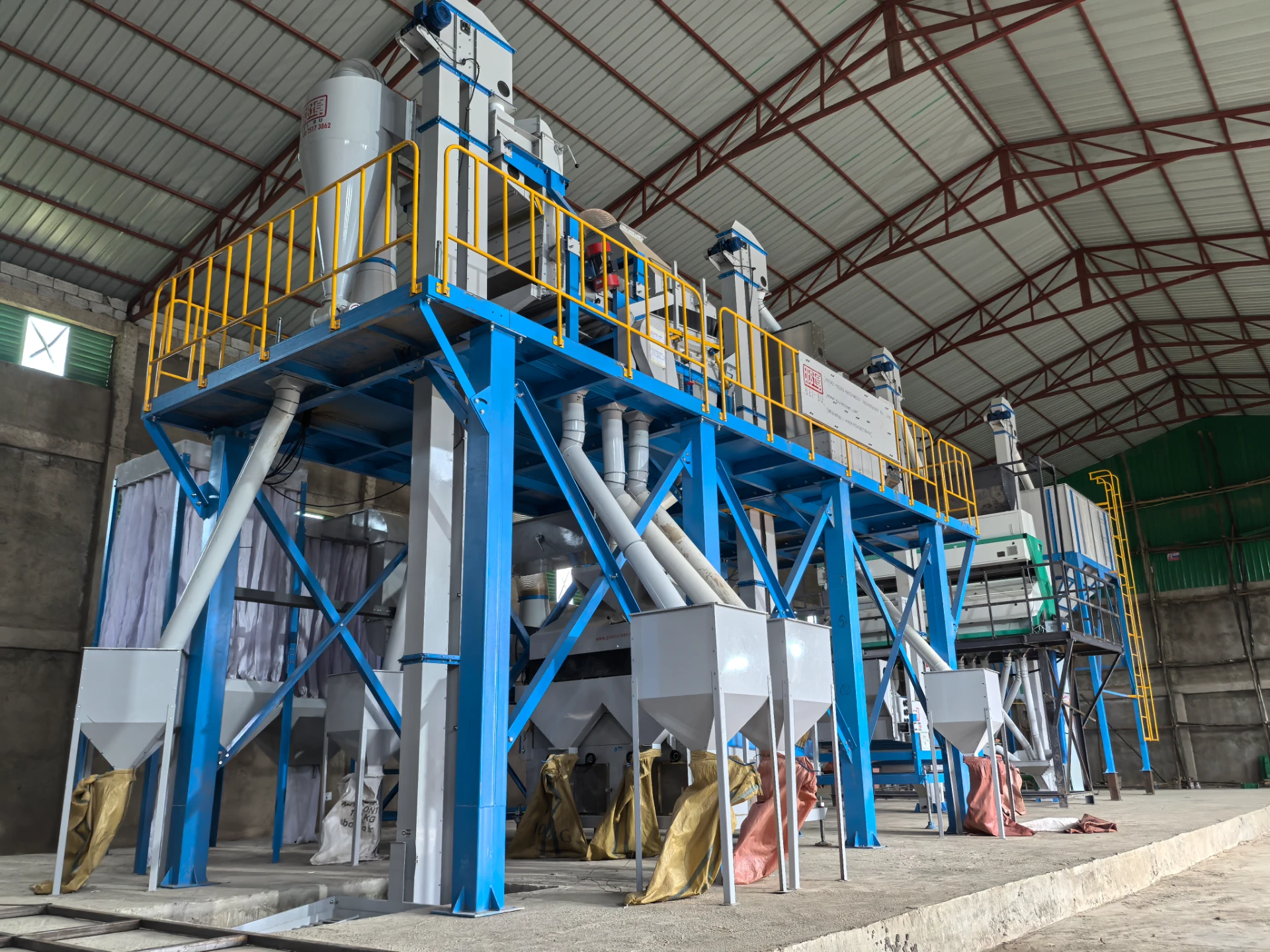
How the Grain Gravity Separator working?
Want to know details of How the Grain Gravity Separator working?Leading supplier-Beibu Machinery will share knowledge of gravity separator,maize gravity separator, grain cleaning machine for you.
Beibu Machinery
Not choosing expensive equipment, but the most suitable grain cleaning solution


Leave Your Message