



Sep . 16, 2025 11:14
Advancing Grain Quality with Precision Polishing Technology
In the modern agricultural and food processing sectors, the demand for high-quality, aesthetically superior grains, beans, and seeds continues to escalate. This drive for excellence is met by advanced processing machinery, particularly the polisher. A critical component in post-harvest processing, the polishing machine enhances the visual appeal and market value of various agricultural products by removing surface impurities, dust, and minor imperfections, resulting in a cleaner, brighter, and more uniform finish. This section explores the intricate world of grain polishing technology, focusing on its operational principles, market significance, and the superior capabilities of systems like the 5XPG-5 Polishing Machine.
The continuous evolution of grain processing technology demands solutions that offer not only efficiency but also precision and reliability. Modern polishing machines are engineered to address the nuances of different grain types, ensuring optimal results without compromising product integrity. From rice and wheat to various beans and specialty grains, the role of a high-performance grain polishing machine is indispensable in achieving premium product standards.
Industry Trends and Market Dynamics in Grain Polishing
The grain processing industry is experiencing significant shifts driven by global demand for food safety, enhanced product quality, and sustainable practices. Key trends impacting the design and application of a modern polisher include:
- Increased Automation and Smart Integration: Manufacturers are increasingly integrating PLC controls, sensors, and remote monitoring capabilities into polishing machines. This allows for precise control over polishing parameters, reduces manual intervention, and optimizes energy consumption.
- Demand for Higher Efficiency and Throughput: With growing global food consumption, processors require equipment that can handle larger volumes while maintaining superior quality, leading to innovations in chamber design and abrasive material technology for the grain polisher.
- Emphasis on Food Safety and Hygiene: Stainless steel construction, easy-to-clean designs, and adherence to international food safety standards (like HACCP and FDA guidelines for components) are paramount for any beans polishing machine used in food production.
- Customization for Diverse Grains: The market requires polishing solutions that can be easily adapted to different grain types, from delicate rice grains to robust beans, often requiring adjustable speeds, pressure settings, and specialized polishing media.
- Energy Efficiency: Rising operational costs and environmental concerns drive the development of energy-efficient motors and optimized airflow systems for grain polishing machine models, reducing the overall carbon footprint.
According to recent market analysis, the global grain processing equipment market is projected to grow at a CAGR of 4.5% from 2023 to 2030, largely due to increasing population, urbanization, and demand for processed food products. This growth trajectory underscores the vital role of advanced solutions like the 5XPG-5 Polishing Machine in meeting evolving market demands.
Detailed Process Flow: The Journey of Grain Polishing
The manufacturing and operational process of a high-efficiency polisher, such as the 5XPG-5 Polishing Machine, involves a series of meticulously engineered steps designed to ensure optimal product quality and machine longevity.
Manufacturing Process of a Polishing Machine:
- Material Sourcing & Preparation: High-grade stainless steel (SS304/316 for food contact parts), wear-resistant alloys for polishing components, and robust structural steel are precisely selected. Materials undergo quality checks for composition and purity.
- Precision Fabrication: Techniques like CNC laser cutting and plasma cutting ensure accurate component dimensions. Bending and forming are performed using hydraulic presses.
- Welding & Assembly: Food-grade components are joined using TIG/MIG welding, followed by meticulous polishing of weld seams to eliminate crevices and prevent microbial growth. Structural components are robustly assembled.
- Machining of Critical Parts: Components like the polishing shaft, abrasive rollers, and sieving drums undergo high-precision CNC machining to ensure perfect concentricity, balance, and fine tolerances, critical for efficient grain polishing.
- Surface Treatment: External surfaces are typically powder coated for durability and corrosion resistance, while internal food-contact surfaces are polished to a mirror finish to prevent material accumulation and facilitate cleaning.
- Integration of Electrical & Control Systems: High-quality motors, drives, and PLC control systems are installed and wired, ensuring reliable operation and precise parameter adjustment.
- Testing & Quality Assurance: Each polishing machine undergoes rigorous functional testing, including no-load and load tests, vibration analysis, and performance validation against specified polishing rates and breakage levels. Adherence to ISO 9001 quality management standards is strictly enforced.
Operational Process Flow (Grain Polishing):
A typical rice polishing machine or beans polishing machine follows these stages:
[1] Intake & Feeding → [2] Initial Separation → [3] Polishing Chamber → [4] Air Aspiration & Dust Collection → [5] Final Separation & Discharge
- 1. Intake & Feeding: Raw grains are fed into the machine via a hopper, often pre-cleaned to remove large impurities. A vibrating feeder or screw conveyor ensures a uniform flow into the polishing chamber, crucial for consistent results.
- 2. Initial Separation (Optional): Some advanced polishing machines incorporate an initial screening stage to remove any remaining fine dust or small foreign particles before polishing.
- 3. Polishing Chamber: This is the core of the machine. Grains are propelled through a series of abrasive rollers (e.g., carborundum or emery rolls) and screens. As the grains rub against these surfaces and each other, surface impurities, bran, and dust are gently removed. Adjustable pressure plates and rotor speeds allow for precise control over the polishing intensity, minimizing breakage.
- 4. Air Aspiration & Dust Collection: During polishing, friction generates dust. A powerful aspiration system continuously draws air through the polishing chamber, effectively separating and removing these fine particles to a dedicated dust collector, ensuring a cleaner final product and operation environment.
- 5. Final Separation & Discharge: The polished grains exit the chamber, often passing over a final screen to separate any remaining small fragments or dust before being discharged for bagging or further processing.
The service life of a well-maintained 5XPG-5 Polishing Machine, constructed with robust materials and adhering to international standards, typically exceeds 15-20 years under continuous operation. Its design prioritizes energy saving, with optimized motor efficiency and air circulation, leading to significantly lower operational costs. Furthermore, the use of stainless steel in critical areas provides superior corrosion resistance, crucial for longevity and hygiene in diverse processing environments.
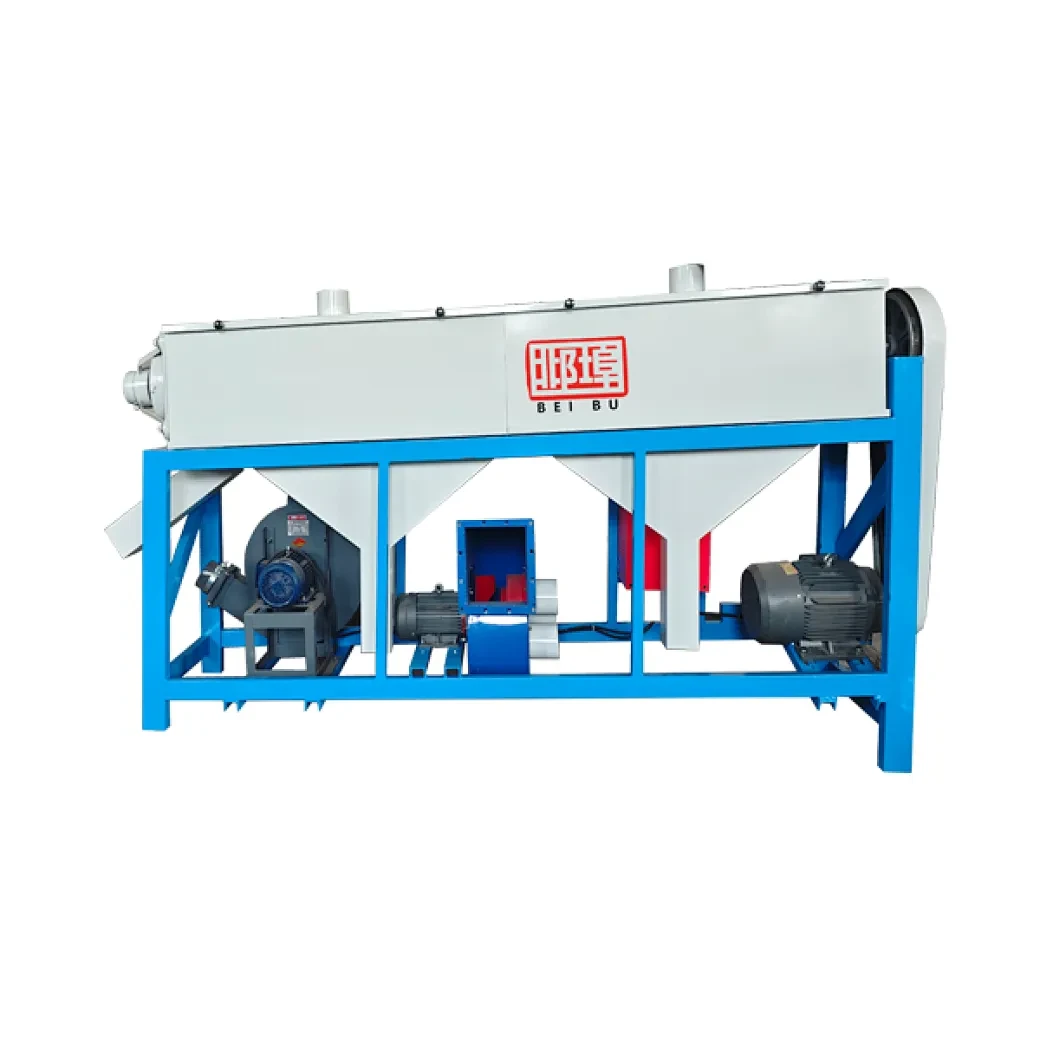
Technical Specifications and Parameters of the 5XPG-5 Polishing Machine
The 5XPG-5 Polishing Machine exemplifies precision engineering designed for superior performance in grain processing. Its technical specifications are optimized to deliver high-quality output with efficiency and reliability. Below is a detailed table outlining key parameters for this advanced grain polishing machine.
5XPG-5 Polishing Machine Specifications:
| Parameter | Specification |
|---|---|
| Model | 5XPG-5 Polishing Machine |
| Capacity (Rice) | 5-7 TPH (Tons Per Hour) |
| Capacity (Beans/Grains) | 3-6 TPH (Varies by product density and type) |
| Total Power | 22 kW - 30 kW (Main motor + Aspiration fan) |
| Polishing Roller Type | High-wear resistance Emery Rollers / Carborundum Rollers |
| Air Aspiration System | Integrated high-efficiency centrifugal fan with cyclone dust collector |
| Dimensions (L x W x H) | Approx. 2500 x 1200 x 2400 mm |
| Weight | Approx. 1800 kg |
| Material Construction | Food-grade Stainless Steel (SS304) for contact parts, High-strength Carbon Steel for frame |
| Control System | PLC-controlled, with HMI (Human Machine Interface) for intuitive operation |
| Polishing Degree Adjustment | Stepless adjustment for various grain types and desired finish |
These specifications highlight the robust design and advanced capabilities of the 5XPG-5, ensuring it meets the stringent requirements of modern grain processing operations, whether for high-volume rice polishing or specialized beans polishing. The precise control over the polishing process minimizes grain breakage, a critical factor for maximizing yield and market value.
Application Scenarios and Technical Advantages
The versatility of the 5XPG-5 Polishing Machine makes it an essential asset across a range of agricultural and food processing industries. Its technical advantages translate directly into significant operational benefits for businesses.
Typical Application Scenarios:
- Rice Mills: Essential for producing polished white rice, improving luster, and removing residual bran layers, thereby increasing the rice polisher price and marketability.
- Grain Processing Plants: Used for various grains like wheat, barley, and corn to enhance surface cleanliness, preparing them for milling, malting, or other downstream processes.
- Bean Processing Facilities: Critical for beans polishing machine applications, it removes dirt, dust, and scuff marks from pulses such as lentils, chickpeas, and soybeans, making them more attractive for packaging and sale.
- Seed Treatment Centers: Applied to seeds for planting, improving their appearance and removing surface contaminants that could hinder germination or quality.
- Food Ingredient Manufacturers: Used to polish raw materials for various food products, ensuring high purity and consistent aesthetic quality.
Technical Advantages of the 5XPG-5 Polishing Machine:
- Superior Polishing Efficiency: The multi-stage polishing chamber with optimized abrasive roller configuration ensures a higher degree of surface finish with minimal passes.
- Low Breakage Rate: Engineered with precision-controlled polishing pressure and airflow, the 5XPG-5 minimizes stress on grains, resulting in an industry-leading low breakage rate, often below 0.5% for most grains, which significantly preserves the product's value.
- Energy Optimization: Equipped with high-efficiency motors and a refined aerodynamic design for the aspiration system, the machine achieves substantial energy savings compared to conventional models, reducing operational expenditure.
- Robust and Durable Construction: Manufactured with food-grade stainless steel and wear-resistant components, the machine offers exceptional longevity and resistance to corrosion and abrasion, adhering to international standards like ISO and CE.
- User-Friendly Operation and Maintenance: The PLC-based control system with an intuitive HMI simplifies parameter adjustments and real-time monitoring. Its modular design allows for easy access to internal components for cleaning and maintenance, reducing downtime.
- Enhanced Product Value: By consistently delivering brighter, cleaner, and more uniform products, the 5XPG-5 helps processors command a higher market price and strengthens brand reputation.
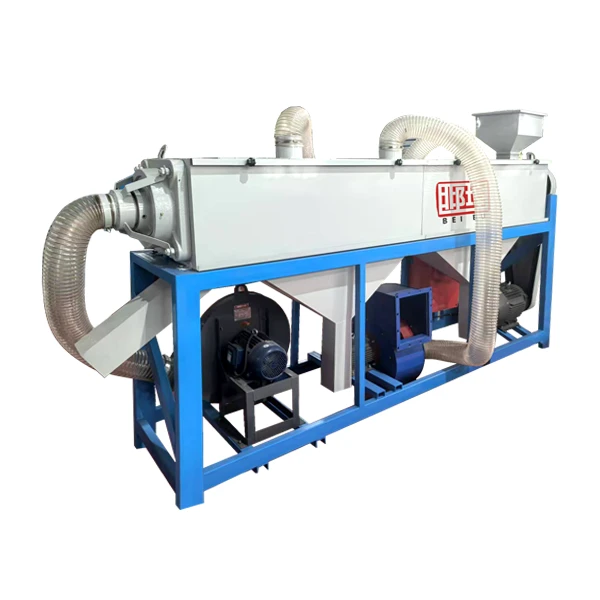
Vendor Comparison and Customized Solutions
When selecting a polishing machine, decision-makers in B2B environments must consider not only initial costs but also long-term operational efficiency, reliability, and vendor support. The market offers a variety of grain polishing machine options, but differentiating factors often lie in technological sophistication, material quality, and after-sales service.
Vendor Comparison Considerations:
| Feature/Aspect | 5XPG-5 Polishing Machine (Beibu Cleaner) | Typical Competitor (General) |
|---|---|---|
| Polishing Technology | Advanced multi-stage abrasive polishing with precise pressure & airflow control, minimizing breakage. | Standard single/dual-stage polishing, less refined control, potentially higher breakage. |
| Material Quality | Food-grade SS304/316 for contact parts, robust structural steel. High-durability wear parts. | Often lower-grade stainless steel or painted carbon steel for contact parts, shorter wear part lifespan. |
| Automation & Control | Integrated PLC with HMI, variable speed drives, remote diagnostics options. | Basic push-button controls, limited parameter adjustment, less automation. |
| Energy Efficiency | Optimized motor efficiency, intelligent air circulation, leading to lower power consumption per ton. | Standard motors and fan systems, potentially higher energy usage. |
| Maintenance & Hygiene | Easy access for cleaning, polished internal surfaces, modular design for quick part replacement. Meets HACCP guidelines. | More complex disassembly for cleaning, rougher internal finishes, potentially higher risk of contamination. |
| Customization | High degree of customization for specific grain types, capacities, and integration requirements. | Limited customization, mostly off-the-shelf models. |
Customized Solutions for Optimal Performance:
Understanding that each processing operation has unique requirements, Beibu Cleaner specializes in providing customized solutions for its polisher offerings. This ensures seamless integration into existing processing lines and optimization for specific grain characteristics or desired output qualities. Customization options include:
- Capacity Scaling: Adapting the machine's throughput to match existing production capacities, from smaller pilot plants to large industrial facilities.
- Material Specific Polishing: Adjustments to polishing roller materials, mesh sizes, and chamber configurations to perfectly suit various grain types, whether a delicate rice polishing machine setup or a robust beans polishing machine configuration.
- Automation Level: From basic controls to fully integrated PLC systems with advanced diagnostics and remote access capabilities.
- Footprint and Layout: Designing the machine to fit specific plant layouts, including considerations for infeed and outfeed systems, dust collection, and overall space optimization.
- Integration with Existing Systems: Providing expertise to ensure the polishing machine functions harmoniously with pre-cleaning, grading, sorting, and packaging equipment.
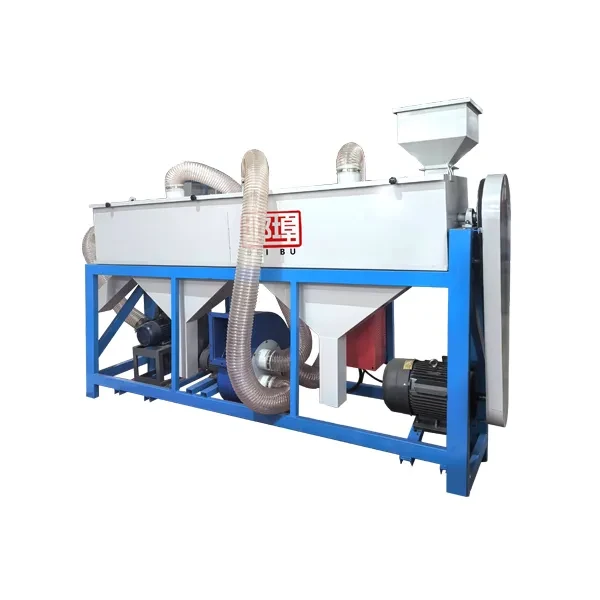
Application Case Studies and Customer Experience
The proven performance of the 5XPG-5 Polishing Machine is best illustrated through real-world applications and direct client feedback. Over two decades of experience in the grain processing industry, Beibu Cleaner has successfully partnered with numerous clients globally, delivering tangible improvements in product quality and operational efficiency.
Case Study 1: Enhanced Rice Mill Productivity in Southeast Asia
A large-scale rice milling facility in Vietnam sought to improve the luster and market grade of their premium white rice varieties, facing issues with residual bran and an inconsistent finish from their existing rice polishing machine. After integrating a customized 5XPG-5 polisher, the client reported:
- A 15% increase in the "Extra Grade" rice classification due to superior polishing.
- A reduction in breakage rate by 0.3%, leading to significant yield improvement.
- 20% lower energy consumption compared to their previous setup, resulting in substantial operational cost savings.
- "The consistency and quality output from the Beibu Cleaner 5XPG-5 has allowed us to command a higher rice polisher price for our exports," commented the Plant Manager.
Case Study 2: Improving Bean Quality for Export Market in South America
A major exporter of kidney beans in Argentina required a more effective beans polishing machine to meet the stringent visual quality standards of European and North American markets. Their primary challenge was the removal of fine dust and dull surface appearance without damaging the delicate bean skins.
- The installed 5XPG-5 grain polishing machine, specifically configured for beans, achieved a 98% dust removal efficiency.
- The beans exhibited a noticeably brighter and more uniform appearance, significantly improving their aesthetic appeal.
- Client feedback highlighted the robust construction and ease of cleaning, which were critical for maintaining hygiene standards for food products.
- "Our export rejections due to appearance issues have plummeted since we started using the Beibu Cleaner polisher. It's a game-changer for our international market presence," stated the CEO of the exporting company.
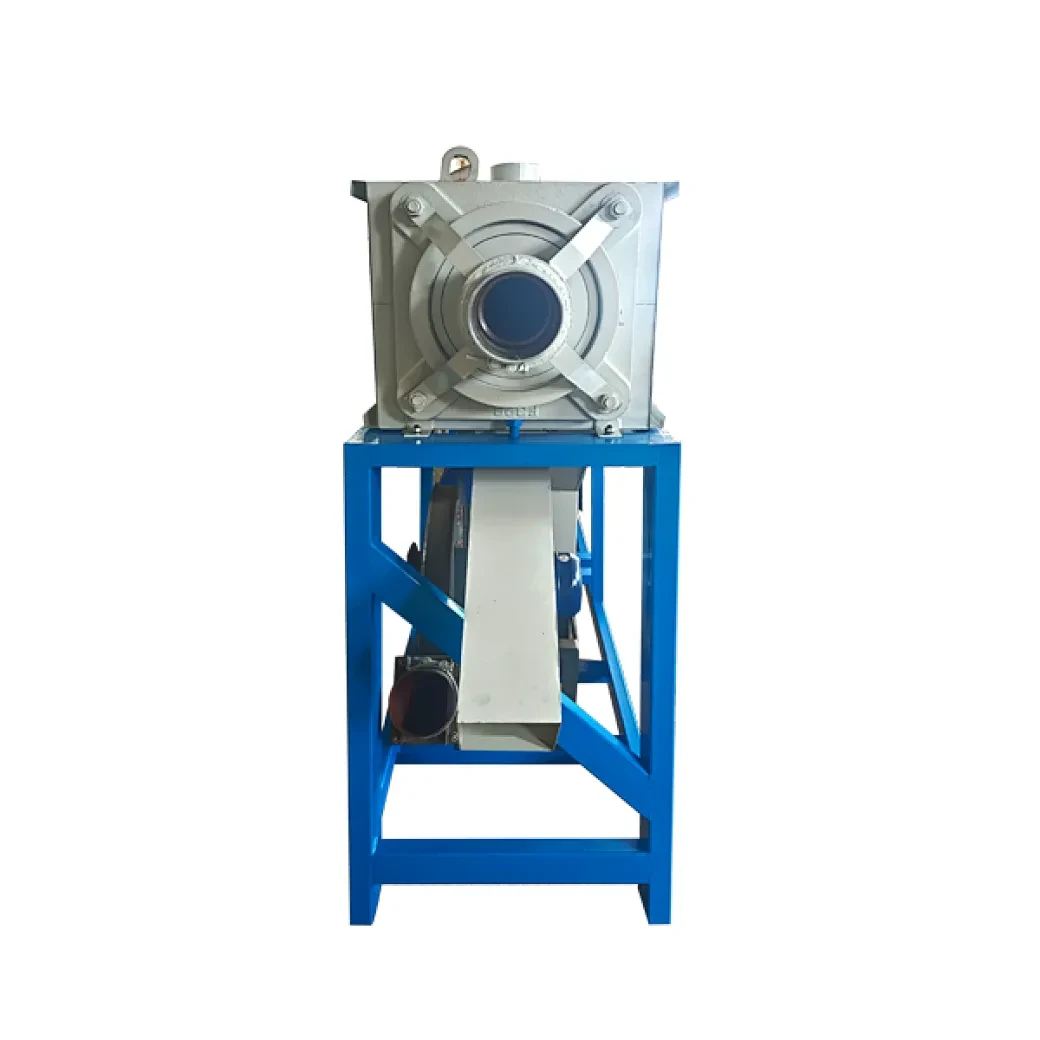
Trustworthiness and Support: FAQs, Lead Times, and Warranty
Building long-term partnerships in the B2B sector hinges on transparency, reliability, and unwavering support. Beibu Cleaner is committed to providing comprehensive support throughout the lifecycle of every grain polisher, ensuring customer satisfaction and maximizing operational uptime.
Frequently Asked Questions (FAQs):
Q: What types of grains can the 5XPG-5 Polishing Machine process?
A: The 5XPG-5 is highly versatile and can effectively polish a wide range of grains including rice, wheat, corn, barley, lentils, chickpeas, soybeans, and various other beans and seeds. Customization ensures optimal performance for specific products.
Q: How does the 5XPG-5 minimize grain breakage?
A: It employs a multi-stage, gentle polishing mechanism with precisely controlled abrasive rollers and adjustable pressure, coupled with optimized material flow dynamics and aspiration. This design significantly reduces friction and impact, resulting in an exceptionally low breakage rate.
Q: Is the machine easy to clean and maintain?
A: Yes, the 5XPG-5 is designed with hygiene and ease of maintenance in mind. It features easily accessible components, polished internal surfaces (SS304), and a modular design to facilitate quick cleaning and routine maintenance tasks, adhering to food safety principles.
Q: What are the power requirements?
A: The total power requirement typically ranges from 22 kW to 30 kW, depending on configuration and desired capacity. We can provide models compatible with various regional electrical standards (e.g., 3-phase, 380V/50Hz, 440V/60Hz).
Lead Time and Fulfillment:
Standard 5XPG-5 Polishing Machine units typically have a lead time of 6-8 weeks from order confirmation, subject to current production schedules and customization requirements. For highly specialized or integrated solutions, lead times may extend to 10-14 weeks. Our logistics team ensures efficient and secure global shipping, providing tracking and full documentation.
Warranty Commitments:
Every 5XPG-5 Polishing Machine comes with a comprehensive 12-month warranty covering manufacturing defects and mechanical components. Wear parts, such as polishing rollers, screens, and belts, are covered for defects but are subject to normal operational wear and tear. Extended warranty options and service contracts are available for enhanced peace of mind.
Dedicated Customer Support:
Beibu Cleaner prides itself on its responsive and knowledgeable customer support. Our dedicated team provides:
- Technical Assistance: Remote and on-site technical support for installation, commissioning, and troubleshooting.
- Spare Parts Management: A readily available inventory of genuine spare parts to minimize downtime.
- Training: Comprehensive operational and maintenance training for your personnel, ensuring efficient and safe machine usage.
- Consultation: Ongoing consultation services to optimize your processing line and maximize the performance of your polishing machine.
Conclusion
The 5XPG-5 Polishing Machine from Beibu Cleaner represents the pinnacle of grain processing technology, designed to meet the rigorous demands of modern B2B operations. Its advanced engineering, robust construction, and commitment to delivering superior polishing results make it an indispensable asset for enhancing product quality, increasing market value, and ensuring operational efficiency across various agricultural sectors. As the industry continues to evolve, our dedication to innovation and customer-centric solutions ensures that our polishing machine remains at the forefront of quality and reliability.
References
- Food and Agriculture Organization of the United Nations (FAO). "Grain Post-Harvest Technology and Practices." [Online]. Available: www.fao.org/ag/ags/agse/graindocs.htm
- International Organization for Standardization (ISO). "ISO 9001:2015 Quality management systems – Requirements." [Online]. Available: www.iso.org/standard/62085.html
- Journal of Food Engineering. "Advances in Grain Polishing and Processing Technologies." Elsevier.
- ResearchGate. "Optimization of Rice Polishing Parameters for Minimal Breakage and Maximum Whiteness." [Online]. Available: www.researchgate.net/topic/Grain-Processing
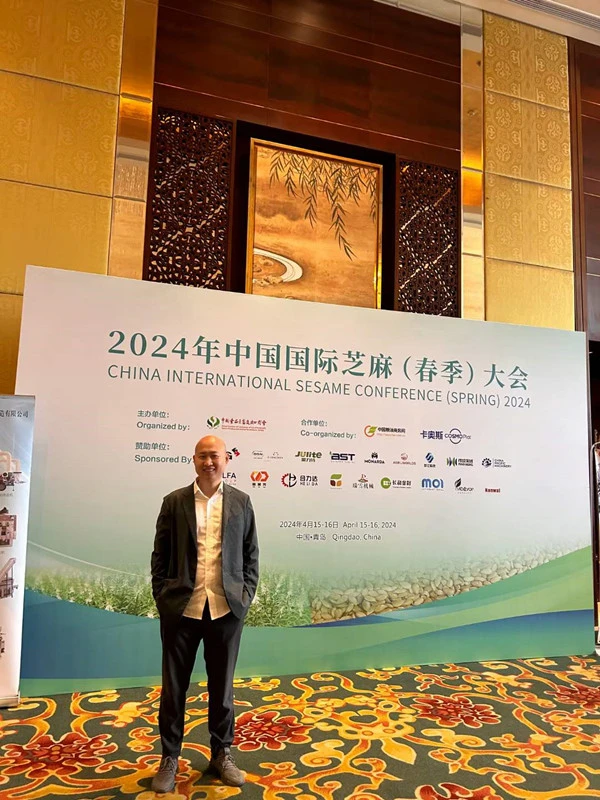
Apr. 16, 2024
China Sesame Conference-Hebei Beibu Machinery Technology Co.,LTD
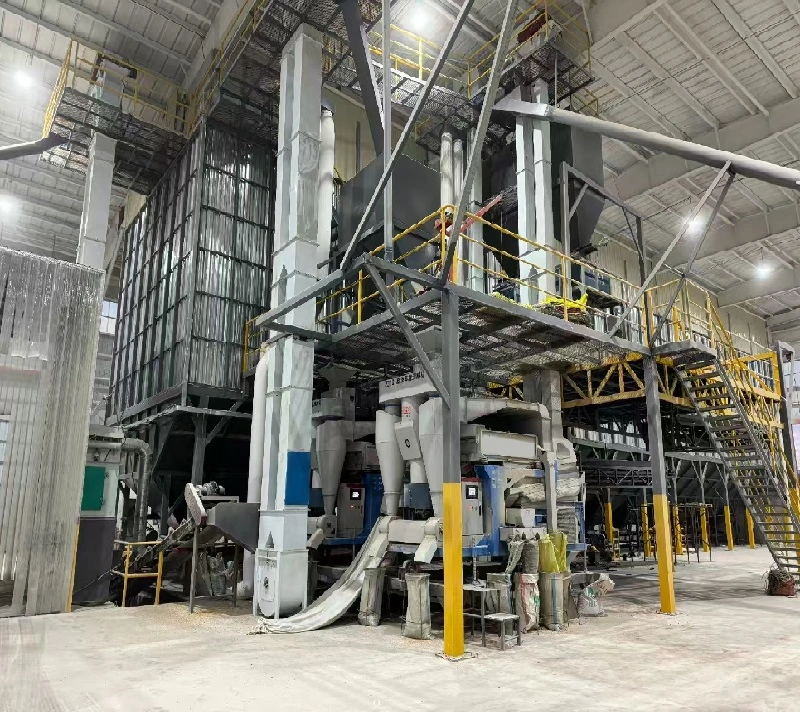
Dec. 02, 2024
big capacity beans cleaning line
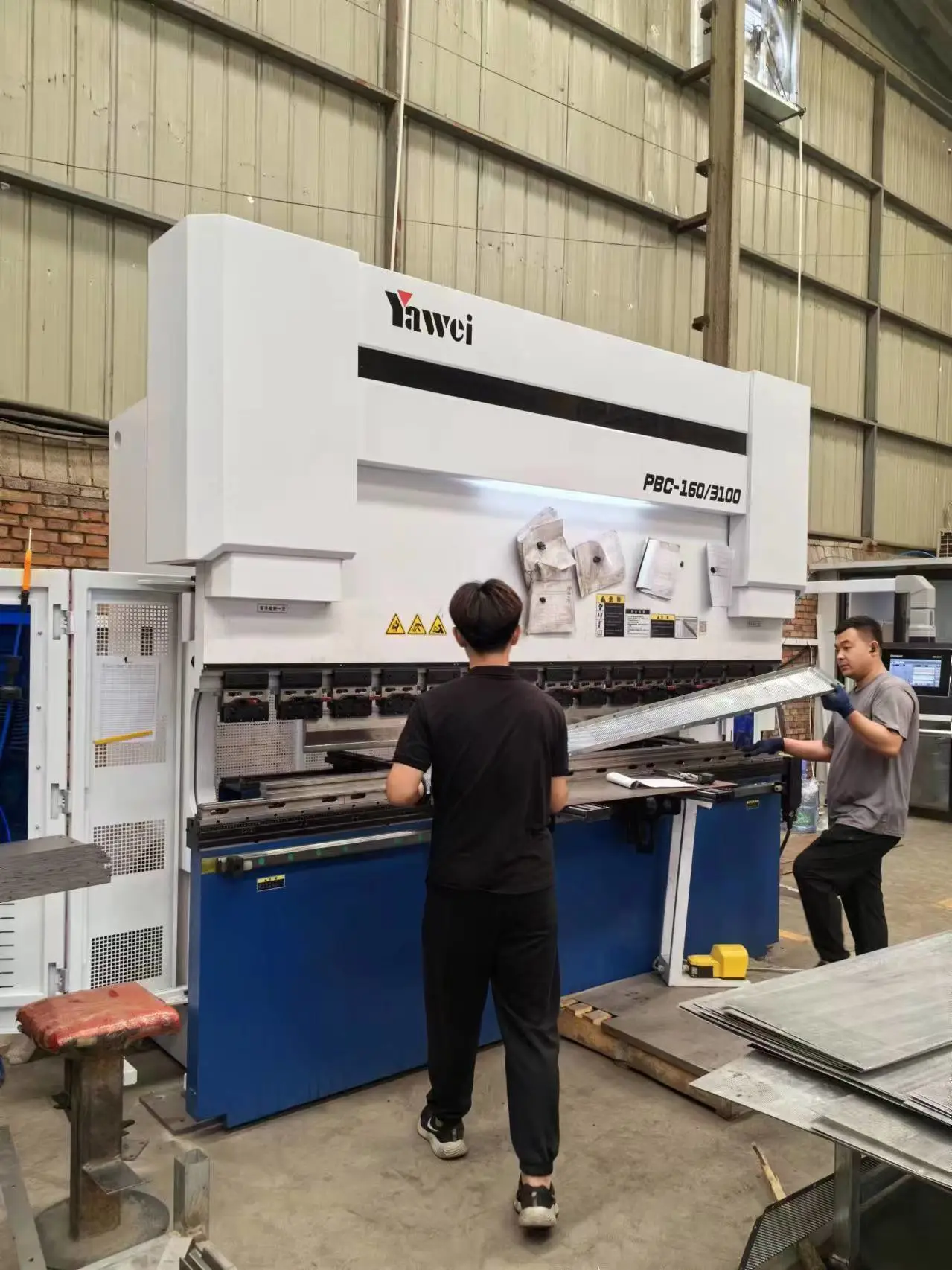
Jul. 02, 2024
Beibu Machinery CNC bending machine installation and commissioning completed

Feb. 07, 2025
Beibu machinery Seed cleaning machine helps you with spring farming!

Sep. 14, 2024
Mid-Automn Festival And harvest
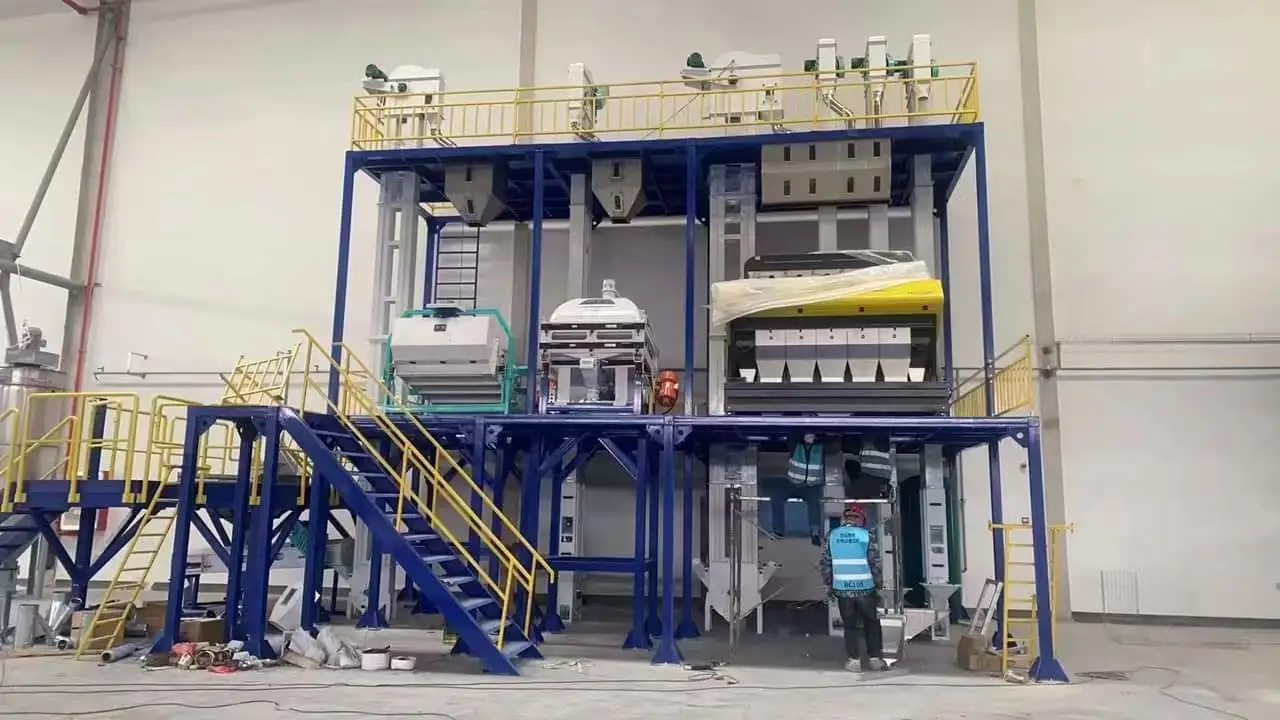
Apr. 22, 2024
Guinea coffee bean production line put into operation
Sep . 08, 2025 16:38
Advancing Grain Quality with Precision Polishing Technology
In the modern agricultural and food processing sectors, the demand for high-quality, aesthetically superior grains, beans, and seeds continues to escalate. This drive for excellence is met by advanced processing machinery, particularly the polisher. A critical component in post-harvest processing, the polishing machine enhances the visual appeal and market value of various agricultural products by removing surface impurities, dust, and minor imperfections, resulting in a cleaner, brighter, and more uniform finish. This section explores the intricate world of grain polishing technology, focusing on its operational principles, market significance, and the superior capabilities of systems like the 5XPG-5 Polishing Machine.
The continuous evolution of grain processing technology demands solutions that offer not only efficiency but also precision and reliability. Modern polishing machines are engineered to address the nuances of different grain types, ensuring optimal results without compromising product integrity. From rice and wheat to various beans and specialty grains, the role of a high-performance grain polishing machine is indispensable in achieving premium product standards.
Industry Trends and Market Dynamics in Grain Polishing
The grain processing industry is experiencing significant shifts driven by global demand for food safety, enhanced product quality, and sustainable practices. Key trends impacting the design and application of a modern polisher include:
- Increased Automation and Smart Integration: Manufacturers are increasingly integrating PLC controls, sensors, and remote monitoring capabilities into polishing machines. This allows for precise control over polishing parameters, reduces manual intervention, and optimizes energy consumption.
- Demand for Higher Efficiency and Throughput: With growing global food consumption, processors require equipment that can handle larger volumes while maintaining superior quality, leading to innovations in chamber design and abrasive material technology for the grain polisher.
- Emphasis on Food Safety and Hygiene: Stainless steel construction, easy-to-clean designs, and adherence to international food safety standards (like HACCP and FDA guidelines for components) are paramount for any beans polishing machine used in food production.
- Customization for Diverse Grains: The market requires polishing solutions that can be easily adapted to different grain types, from delicate rice grains to robust beans, often requiring adjustable speeds, pressure settings, and specialized polishing media.
- Energy Efficiency: Rising operational costs and environmental concerns drive the development of energy-efficient motors and optimized airflow systems for grain polishing machine models, reducing the overall carbon footprint.
According to recent market analysis, the global grain processing equipment market is projected to grow at a CAGR of 4.5% from 2023 to 2030, largely due to increasing population, urbanization, and demand for processed food products. This growth trajectory underscores the vital role of advanced solutions like the 5XPG-5 Polishing Machine in meeting evolving market demands.
Detailed Process Flow: The Journey of Grain Polishing
The manufacturing and operational process of a high-efficiency polisher, such as the 5XPG-5 Polishing Machine, involves a series of meticulously engineered steps designed to ensure optimal product quality and machine longevity.
Manufacturing Process of a Polishing Machine:
- Material Sourcing & Preparation: High-grade stainless steel (SS304/316 for food contact parts), wear-resistant alloys for polishing components, and robust structural steel are precisely selected. Materials undergo quality checks for composition and purity.
- Precision Fabrication: Techniques like CNC laser cutting and plasma cutting ensure accurate component dimensions. Bending and forming are performed using hydraulic presses.
- Welding & Assembly: Food-grade components are joined using TIG/MIG welding, followed by meticulous polishing of weld seams to eliminate crevices and prevent microbial growth. Structural components are robustly assembled.
- Machining of Critical Parts: Components like the polishing shaft, abrasive rollers, and sieving drums undergo high-precision CNC machining to ensure perfect concentricity, balance, and fine tolerances, critical for efficient grain polishing.
- Surface Treatment: External surfaces are typically powder coated for durability and corrosion resistance, while internal food-contact surfaces are polished to a mirror finish to prevent material accumulation and facilitate cleaning.
- Integration of Electrical & Control Systems: High-quality motors, drives, and PLC control systems are installed and wired, ensuring reliable operation and precise parameter adjustment.
- Testing & Quality Assurance: Each polishing machine undergoes rigorous functional testing, including no-load and load tests, vibration analysis, and performance validation against specified polishing rates and breakage levels. Adherence to ISO 9001 quality management standards is strictly enforced.
Operational Process Flow (Grain Polishing):
A typical rice polishing machine or beans polishing machine follows these stages:
[1] Intake & Feeding → [2] Initial Separation → [3] Polishing Chamber → [4] Air Aspiration & Dust Collection → [5] Final Separation & Discharge
- 1. Intake & Feeding: Raw grains are fed into the machine via a hopper, often pre-cleaned to remove large impurities. A vibrating feeder or screw conveyor ensures a uniform flow into the polishing chamber, crucial for consistent results.
- 2. Initial Separation (Optional): Some advanced polishing machines incorporate an initial screening stage to remove any remaining fine dust or small foreign particles before polishing.
- 3. Polishing Chamber: This is the core of the machine. Grains are propelled through a series of abrasive rollers (e.g., carborundum or emery rolls) and screens. As the grains rub against these surfaces and each other, surface impurities, bran, and dust are gently removed. Adjustable pressure plates and rotor speeds allow for precise control over the polishing intensity, minimizing breakage.
- 4. Air Aspiration & Dust Collection: During polishing, friction generates dust. A powerful aspiration system continuously draws air through the polishing chamber, effectively separating and removing these fine particles to a dedicated dust collector, ensuring a cleaner final product and operation environment.
- 5. Final Separation & Discharge: The polished grains exit the chamber, often passing over a final screen to separate any remaining small fragments or dust before being discharged for bagging or further processing.
The service life of a well-maintained 5XPG-5 Polishing Machine, constructed with robust materials and adhering to international standards, typically exceeds 15-20 years under continuous operation. Its design prioritizes energy saving, with optimized motor efficiency and air circulation, leading to significantly lower operational costs. Furthermore, the use of stainless steel in critical areas provides superior corrosion resistance, crucial for longevity and hygiene in diverse processing environments.
Technical Specifications and Parameters of the 5XPG-5 Polishing Machine
The 5XPG-5 Polishing Machine exemplifies precision engineering designed for superior performance in grain processing. Its technical specifications are optimized to deliver high-quality output with efficiency and reliability. Below is a detailed table outlining key parameters for this advanced grain polishing machine.
5XPG-5 Polishing Machine Specifications:
| Parameter | Specification |
|---|---|
| Model | 5XPG-5 Polishing Machine |
| Capacity (Rice) | 5-7 TPH (Tons Per Hour) |
| Capacity (Beans/Grains) | 3-6 TPH (Varies by product density and type) |
| Total Power | 22 kW - 30 kW (Main motor + Aspiration fan) |
| Polishing Roller Type | High-wear resistance Emery Rollers / Carborundum Rollers |
| Air Aspiration System | Integrated high-efficiency centrifugal fan with cyclone dust collector |
| Dimensions (L x W x H) | Approx. 2500 x 1200 x 2400 mm |
| Weight | Approx. 1800 kg |
| Material Construction | Food-grade Stainless Steel (SS304) for contact parts, High-strength Carbon Steel for frame |
| Control System | PLC-controlled, with HMI (Human Machine Interface) for intuitive operation |
| Polishing Degree Adjustment | Stepless adjustment for various grain types and desired finish |
These specifications highlight the robust design and advanced capabilities of the 5XPG-5, ensuring it meets the stringent requirements of modern grain processing operations, whether for high-volume rice polishing or specialized beans polishing. The precise control over the polishing process minimizes grain breakage, a critical factor for maximizing yield and market value.
Application Scenarios and Technical Advantages
The versatility of the 5XPG-5 Polishing Machine makes it an essential asset across a range of agricultural and food processing industries. Its technical advantages translate directly into significant operational benefits for businesses.
Typical Application Scenarios:
- Rice Mills: Essential for producing polished white rice, improving luster, and removing residual bran layers, thereby increasing the rice polisher price and marketability.
- Grain Processing Plants: Used for various grains like wheat, barley, and corn to enhance surface cleanliness, preparing them for milling, malting, or other downstream processes.
- Bean Processing Facilities: Critical for beans polishing machine applications, it removes dirt, dust, and scuff marks from pulses such as lentils, chickpeas, and soybeans, making them more attractive for packaging and sale.
- Seed Treatment Centers: Applied to seeds for planting, improving their appearance and removing surface contaminants that could hinder germination or quality.
- Food Ingredient Manufacturers: Used to polish raw materials for various food products, ensuring high purity and consistent aesthetic quality.
Technical Advantages of the 5XPG-5 Polishing Machine:
- Superior Polishing Efficiency: The multi-stage polishing chamber with optimized abrasive roller configuration ensures a higher degree of surface finish with minimal passes.
- Low Breakage Rate: Engineered with precision-controlled polishing pressure and airflow, the 5XPG-5 minimizes stress on grains, resulting in an industry-leading low breakage rate, often below 0.5% for most grains, which significantly preserves the product's value.
- Energy Optimization: Equipped with high-efficiency motors and a refined aerodynamic design for the aspiration system, the machine achieves substantial energy savings compared to conventional models, reducing operational expenditure.
- Robust and Durable Construction: Manufactured with food-grade stainless steel and wear-resistant components, the machine offers exceptional longevity and resistance to corrosion and abrasion, adhering to international standards like ISO and CE.
- User-Friendly Operation and Maintenance: The PLC-based control system with an intuitive HMI simplifies parameter adjustments and real-time monitoring. Its modular design allows for easy access to internal components for cleaning and maintenance, reducing downtime.
- Enhanced Product Value: By consistently delivering brighter, cleaner, and more uniform products, the 5XPG-5 helps processors command a higher market price and strengthens brand reputation.
Vendor Comparison and Customized Solutions
When selecting a polishing machine, decision-makers in B2B environments must consider not only initial costs but also long-term operational efficiency, reliability, and vendor support. The market offers a variety of grain polishing machine options, but differentiating factors often lie in technological sophistication, material quality, and after-sales service.
Vendor Comparison Considerations:
| Feature/Aspect | 5XPG-5 Polishing Machine (Beibu Cleaner) | Typical Competitor (General) |
|---|---|---|
| Polishing Technology | Advanced multi-stage abrasive polishing with precise pressure & airflow control, minimizing breakage. | Standard single/dual-stage polishing, less refined control, potentially higher breakage. |
| Material Quality | Food-grade SS304/316 for contact parts, robust structural steel. High-durability wear parts. | Often lower-grade stainless steel or painted carbon steel for contact parts, shorter wear part lifespan. |
| Automation & Control | Integrated PLC with HMI, variable speed drives, remote diagnostics options. | Basic push-button controls, limited parameter adjustment, less automation. |
| Energy Efficiency | Optimized motor efficiency, intelligent air circulation, leading to lower power consumption per ton. | Standard motors and fan systems, potentially higher energy usage. |
| Maintenance & Hygiene | Easy access for cleaning, polished internal surfaces, modular design for quick part replacement. Meets HACCP guidelines. | More complex disassembly for cleaning, rougher internal finishes, potentially higher risk of contamination. |
| Customization | High degree of customization for specific grain types, capacities, and integration requirements. | Limited customization, mostly off-the-shelf models. |
Customized Solutions for Optimal Performance:
Understanding that each processing operation has unique requirements, Beibu Cleaner specializes in providing customized solutions for its polisher offerings. This ensures seamless integration into existing processing lines and optimization for specific grain characteristics or desired output qualities. Customization options include:
- Capacity Scaling: Adapting the machine's throughput to match existing production capacities, from smaller pilot plants to large industrial facilities.
- Material Specific Polishing: Adjustments to polishing roller materials, mesh sizes, and chamber configurations to perfectly suit various grain types, whether a delicate rice polishing machine setup or a robust beans polishing machine configuration.
- Automation Level: From basic controls to fully integrated PLC systems with advanced diagnostics and remote access capabilities.
- Footprint and Layout: Designing the machine to fit specific plant layouts, including considerations for infeed and outfeed systems, dust collection, and overall space optimization.
- Integration with Existing Systems: Providing expertise to ensure the polishing machine functions harmoniously with pre-cleaning, grading, sorting, and packaging equipment.
Application Case Studies and Customer Experience
The proven performance of the 5XPG-5 Polishing Machine is best illustrated through real-world applications and direct client feedback. Over two decades of experience in the grain processing industry, Beibu Cleaner has successfully partnered with numerous clients globally, delivering tangible improvements in product quality and operational efficiency.
Case Study 1: Enhanced Rice Mill Productivity in Southeast Asia
A large-scale rice milling facility in Vietnam sought to improve the luster and market grade of their premium white rice varieties, facing issues with residual bran and an inconsistent finish from their existing rice polishing machine. After integrating a customized 5XPG-5 polisher, the client reported:
- A 15% increase in the "Extra Grade" rice classification due to superior polishing.
- A reduction in breakage rate by 0.3%, leading to significant yield improvement.
- 20% lower energy consumption compared to their previous setup, resulting in substantial operational cost savings.
- "The consistency and quality output from the Beibu Cleaner 5XPG-5 has allowed us to command a higher rice polisher price for our exports," commented the Plant Manager.
Case Study 2: Improving Bean Quality for Export Market in South America
A major exporter of kidney beans in Argentina required a more effective beans polishing machine to meet the stringent visual quality standards of European and North American markets. Their primary challenge was the removal of fine dust and dull surface appearance without damaging the delicate bean skins.
- The installed 5XPG-5 grain polishing machine, specifically configured for beans, achieved a 98% dust removal efficiency.
- The beans exhibited a noticeably brighter and more uniform appearance, significantly improving their aesthetic appeal.
- Client feedback highlighted the robust construction and ease of cleaning, which were critical for maintaining hygiene standards for food products.
- "Our export rejections due to appearance issues have plummeted since we started using the Beibu Cleaner polisher. It's a game-changer for our international market presence," stated the CEO of the exporting company.
Trustworthiness and Support: FAQs, Lead Times, and Warranty
Building long-term partnerships in the B2B sector hinges on transparency, reliability, and unwavering support. Beibu Cleaner is committed to providing comprehensive support throughout the lifecycle of every grain polisher, ensuring customer satisfaction and maximizing operational uptime.
Frequently Asked Questions (FAQs):
Q: What types of grains can the 5XPG-5 Polishing Machine process?
A: The 5XPG-5 is highly versatile and can effectively polish a wide range of grains including rice, wheat, corn, barley, lentils, chickpeas, soybeans, and various other beans and seeds. Customization ensures optimal performance for specific products.
Q: How does the 5XPG-5 minimize grain breakage?
A: It employs a multi-stage, gentle polishing mechanism with precisely controlled abrasive rollers and adjustable pressure, coupled with optimized material flow dynamics and aspiration. This design significantly reduces friction and impact, resulting in an exceptionally low breakage rate.
Q: Is the machine easy to clean and maintain?
A: Yes, the 5XPG-5 is designed with hygiene and ease of maintenance in mind. It features easily accessible components, polished internal surfaces (SS304), and a modular design to facilitate quick cleaning and routine maintenance tasks, adhering to food safety principles.
Q: What are the power requirements?
A: The total power requirement typically ranges from 22 kW to 30 kW, depending on configuration and desired capacity. We can provide models compatible with various regional electrical standards (e.g., 3-phase, 380V/50Hz, 440V/60Hz).
Lead Time and Fulfillment:
Standard 5XPG-5 Polishing Machine units typically have a lead time of 6-8 weeks from order confirmation, subject to current production schedules and customization requirements. For highly specialized or integrated solutions, lead times may extend to 10-14 weeks. Our logistics team ensures efficient and secure global shipping, providing tracking and full documentation.
Warranty Commitments:
Every 5XPG-5 Polishing Machine comes with a comprehensive 12-month warranty covering manufacturing defects and mechanical components. Wear parts, such as polishing rollers, screens, and belts, are covered for defects but are subject to normal operational wear and tear. Extended warranty options and service contracts are available for enhanced peace of mind.
Dedicated Customer Support:
Beibu Cleaner prides itself on its responsive and knowledgeable customer support. Our dedicated team provides:
- Technical Assistance: Remote and on-site technical support for installation, commissioning, and troubleshooting.
- Spare Parts Management: A readily available inventory of genuine spare parts to minimize downtime.
- Training: Comprehensive operational and maintenance training for your personnel, ensuring efficient and safe machine usage.
- Consultation: Ongoing consultation services to optimize your processing line and maximize the performance of your polishing machine.
Conclusion
The 5XPG-5 Polishing Machine from Beibu Cleaner represents the pinnacle of grain processing technology, designed to meet the rigorous demands of modern B2B operations. Its advanced engineering, robust construction, and commitment to delivering superior polishing results make it an indispensable asset for enhancing product quality, increasing market value, and ensuring operational efficiency across various agricultural sectors. As the industry continues to evolve, our dedication to innovation and customer-centric solutions ensures that our polishing machine remains at the forefront of quality and reliability.
References
- Food and Agriculture Organization of the United Nations (FAO). "Grain Post-Harvest Technology and Practices." [Online]. Available: www.fao.org/ag/ags/agse/graindocs.htm
- International Organization for Standardization (ISO). "ISO 9001:2015 Quality management systems – Requirements." [Online]. Available: www.iso.org/standard/62085.html
- Journal of Food Engineering. "Advances in Grain Polishing and Processing Technologies." Elsevier.
- ResearchGate. "Optimization of Rice Polishing Parameters for Minimal Breakage and Maximum Whiteness." [Online]. Available: www.researchgate.net/topic/Grain-Processing
Mar. 10, 2025
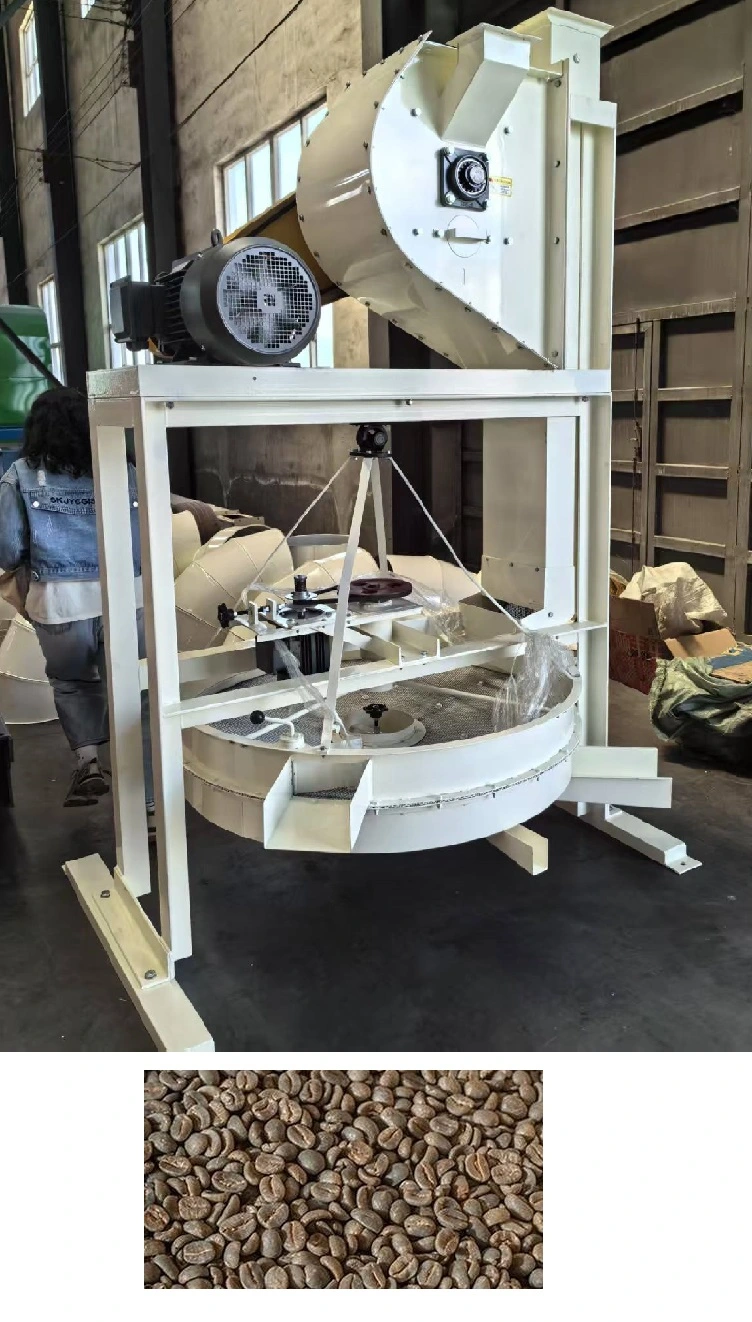
The latest technology coffee bean shelling machine
Jan. 20, 2025
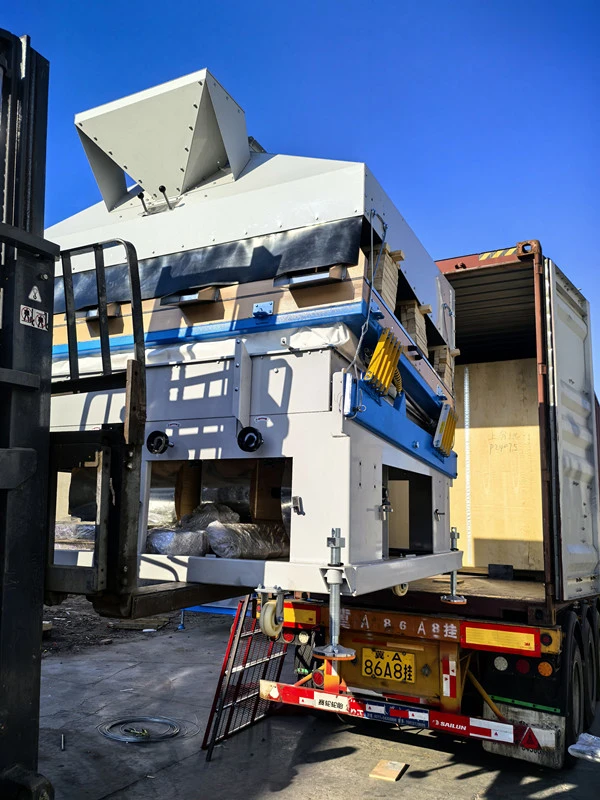
Sesame Cleaning Machine Delivery-Hebei Beibu Machinery Technology Co.,LTD
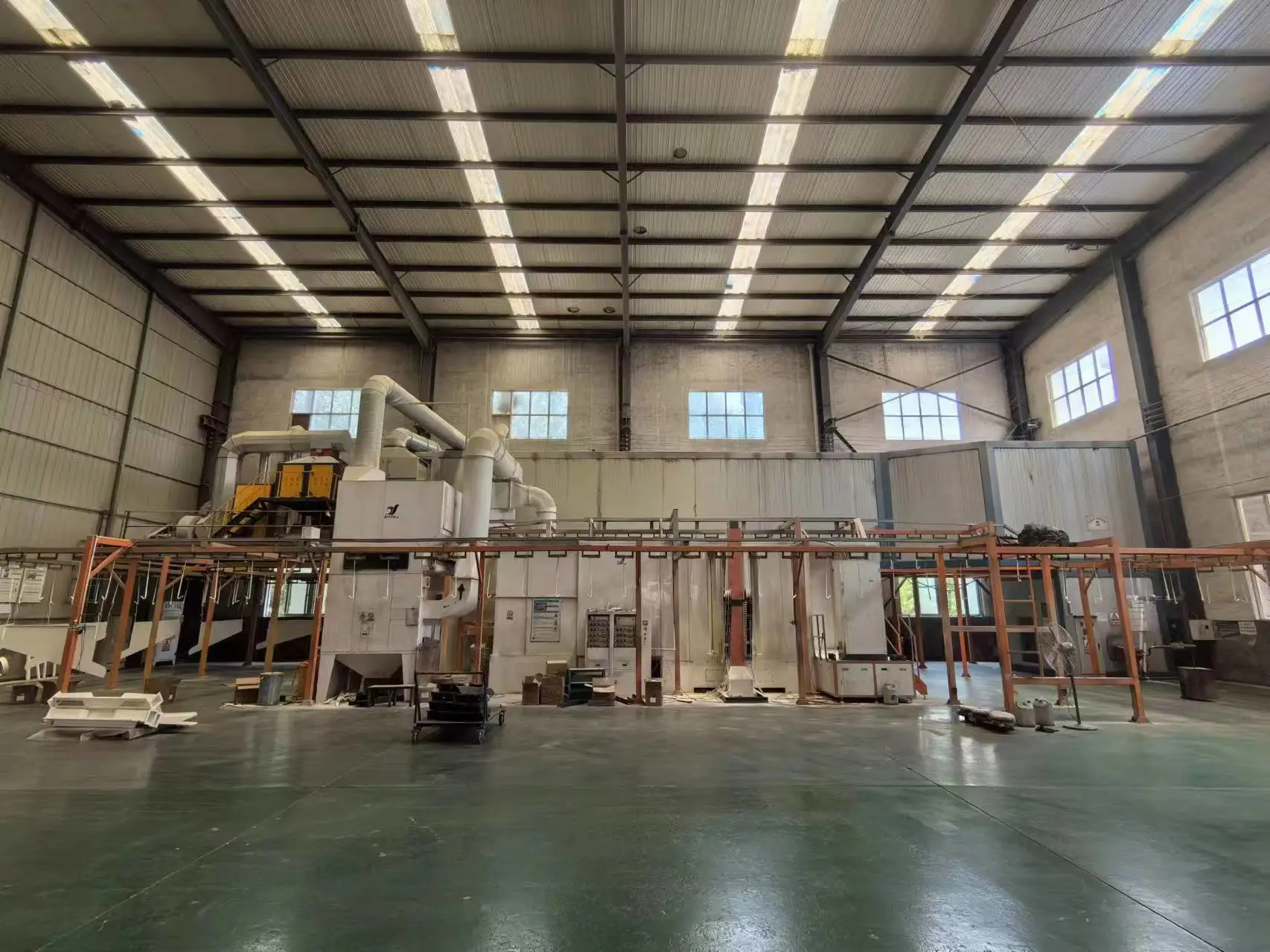
Jun. 18, 2024
African customers inspect Beibu Machinery Production Technology
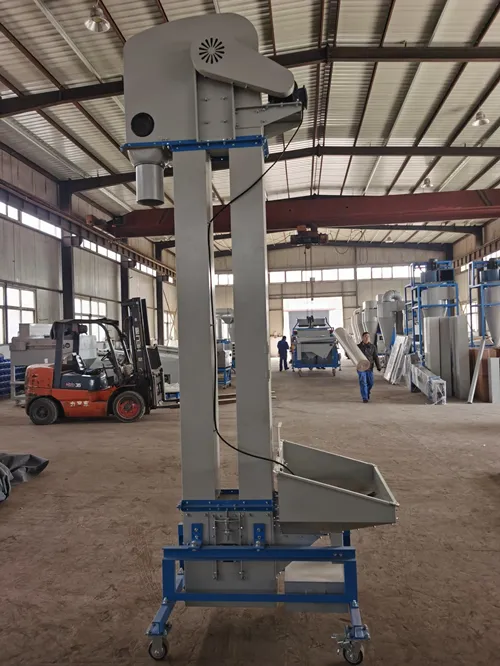
Apr. 10, 2024
Grain Delivery Elevator-Hebei Beibu Machinery Technology CO.,LTD
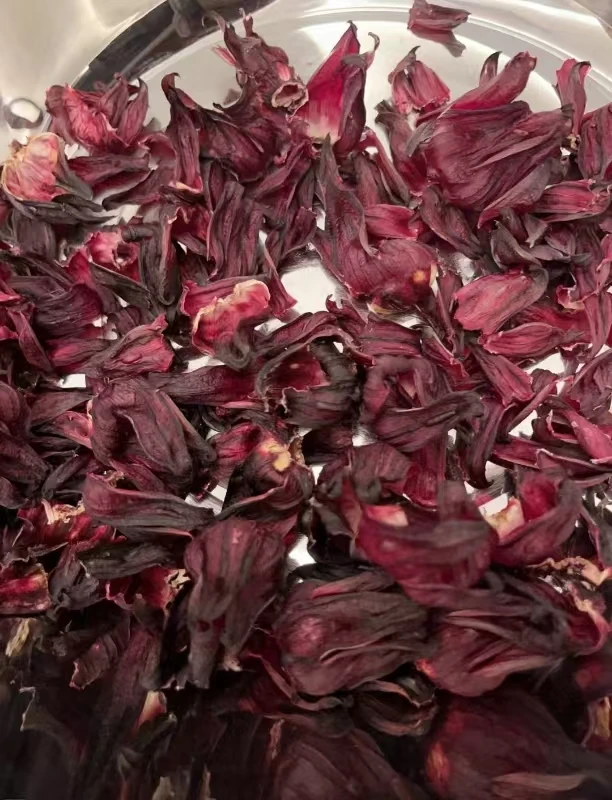
Dec. 05, 2025
Professional Hibiscus Flower Cleaning Machine-Hebei Beibu Machinery Technology Co.,LTD
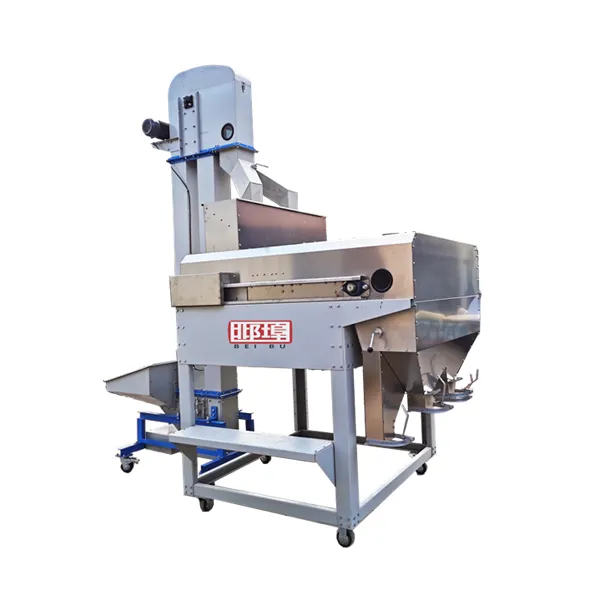
Sep. 30, 2025
Powerful Overbelt Magnetic Separator for Continuous Separation
Beibu Machinery


