



Dec . 12, 2025 04:45
Insights from a Customer Visit: Checking Their Sesame Cleaning Machines
Working in industrial equipment for over a decade, I’ve had my fair share of visits to facilities, tinkering with machines and gathering feedback from operators. Oddly enough, one of the most interesting visits recently was when a customer came by to inspect their sesame cleaning machines. Now, you might think cleaning sesame seeds is straightforward, but it’s actually a bit of an art — and a science.
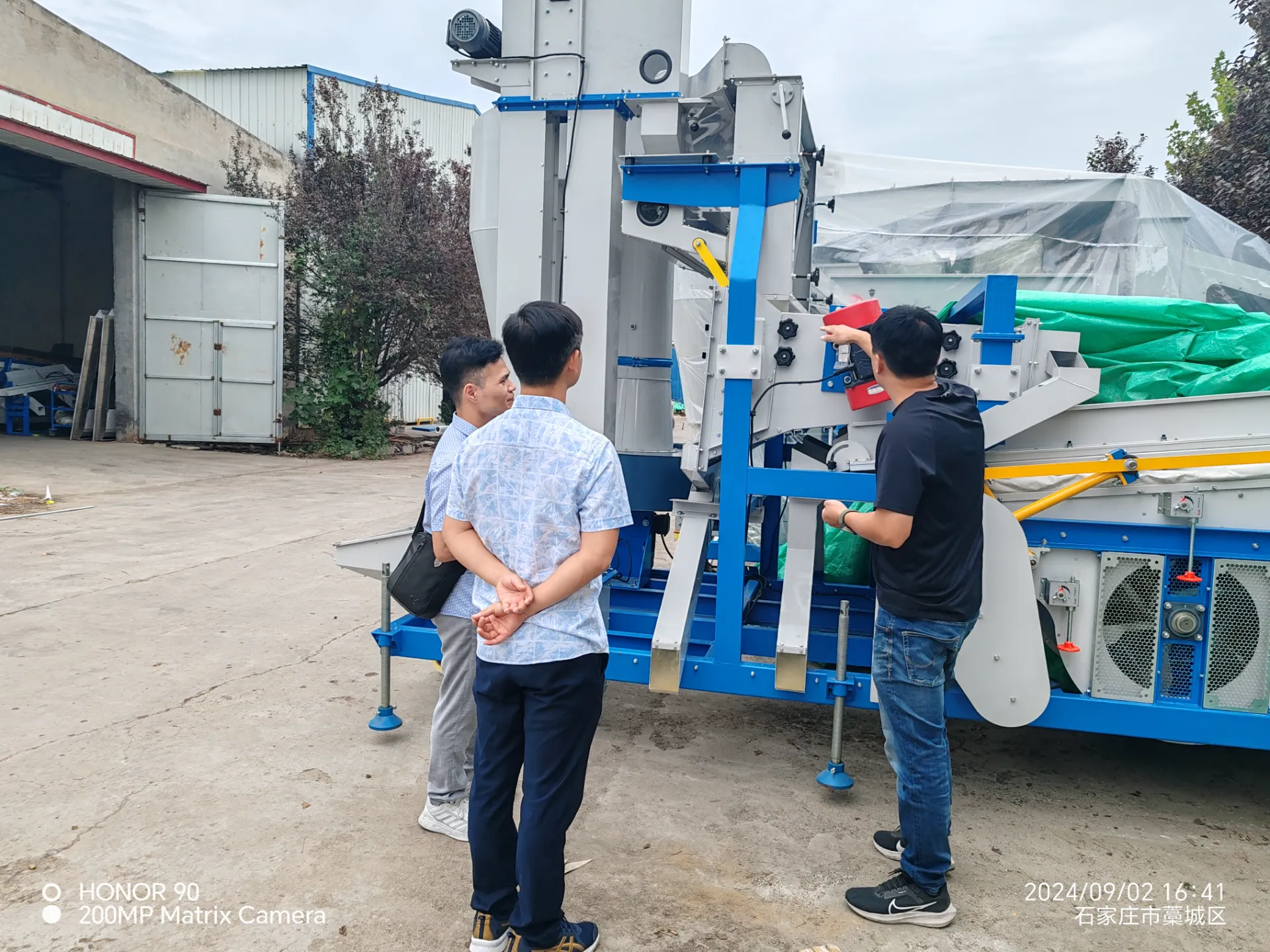
Sesame, being quite small and fragile, requires cleaning machines that balance gentle handling with thorough removal of debris, stones, and other impurities. When this customer arrived, their main concern was ensuring consistent output quality. They wanted to see the machines under real operating conditions, make sure calibration was precise, and that downtime stayed minimal. This visit reminded me of how critical the design choices are in these devices — everything from material contact surfaces to vibration frequency has to be just right.
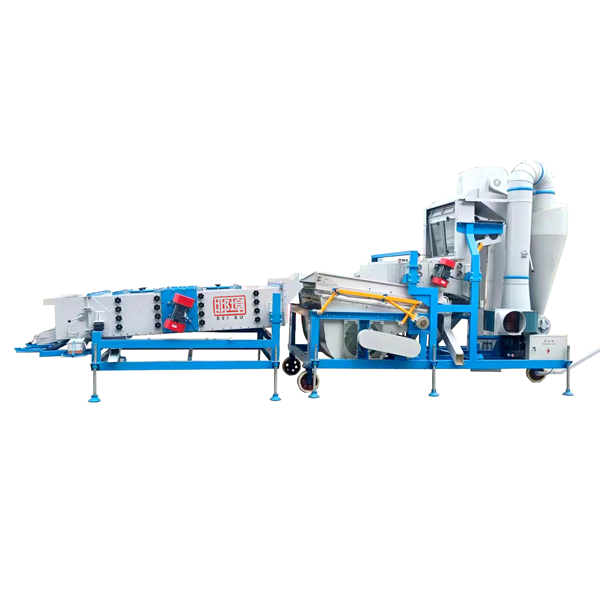
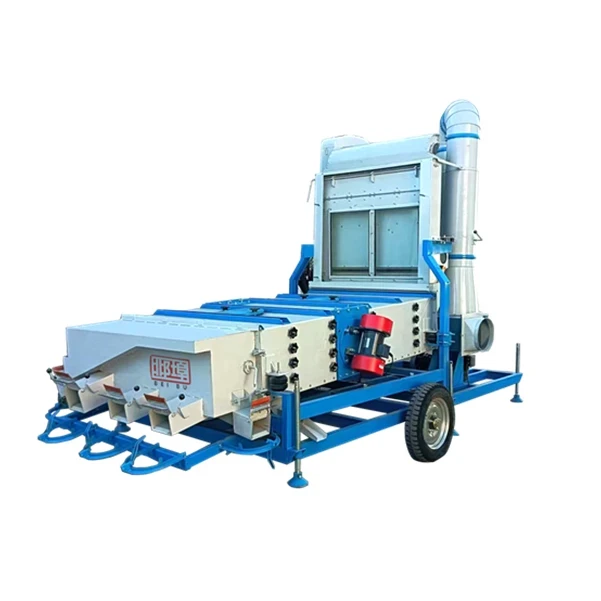
In real terms, these machines typically combine several sorting technologies: vibration screens, gravity tables, and airflow separators. The ones from BeiBu Cleaner have been a reliable choice for many in the sector due to their modularity and ease of cleaning. I noticed the customer was particularly impressed with the ease of changing sieves, a feature that is often underestimated but makes a huge difference when switching between seed qualities or cleaning stages.
Of course, maintenance is king. During the walkthrough, it felt clear that this customer’s team had embraced routine checks and preventive measures, which is basically the lifeblood of maintaining such delicate yet high-throughput equipment. Many engineers I’ve spoken to emphasize this — you might have the best machine on paper, but without proper upkeep, it won’t perform well for long.
Here’s a brief spec overview of the typical sesame cleaning machine model the customer operates:
So why do customers stick with certain vendors? I’ve been around enough to see what features tend to matter most in these fields:
From what I gathered during the customer’s review, what really sealed the deal for them was the durability and simplicity wrapped into BeiBu’s design. They told me, “It feels like the machine is built to last but also thought through for operators who need to quickly fix issues on site.” Frankly, this resonates with my own experience—good equipment shouldn’t require a degree to troubleshoot.
Finally, a little story that stuck with me: the customer showed me how they customized their machine by adding a special airflow adjustment valve. It was a clever tweak aimed at optimizing separation based on the seed batch’s moisture. I like that — flexibility in the field means a lot more than specs on a sheet.
So, if you’re in the market or just curious, inspecting your sesame cleaning machines regularly, and understanding the nuances of their operation, is key for consistent, high-quality output in your processing line.
In the end, great machinery plus attentive maintenance equals dependable performance — and that’s what your customers notice most.
References:
1. Industry feedback from multiple sesame processing plants
2. BeiBu Cleaner's official equipment specs and documentation
3. Conversations with plant engineers during field visits
Jan. 05, 2026
Efficient Sesame Peeling Machine by Hebei Beibu Machinery Technology

Dec. 13, 2025
Comprehensive Guide to Seed Grading Equipment – Boost Yield & Quality
Jul. 23, 2025
Siemens Screen Control Intelligent Combined Cleaner-Hebei Beibu Machinery Technology Co.,LTD
Oct. 14, 2025
Elevator Rice Mill: High-Capacity, Gentle Grain Handling
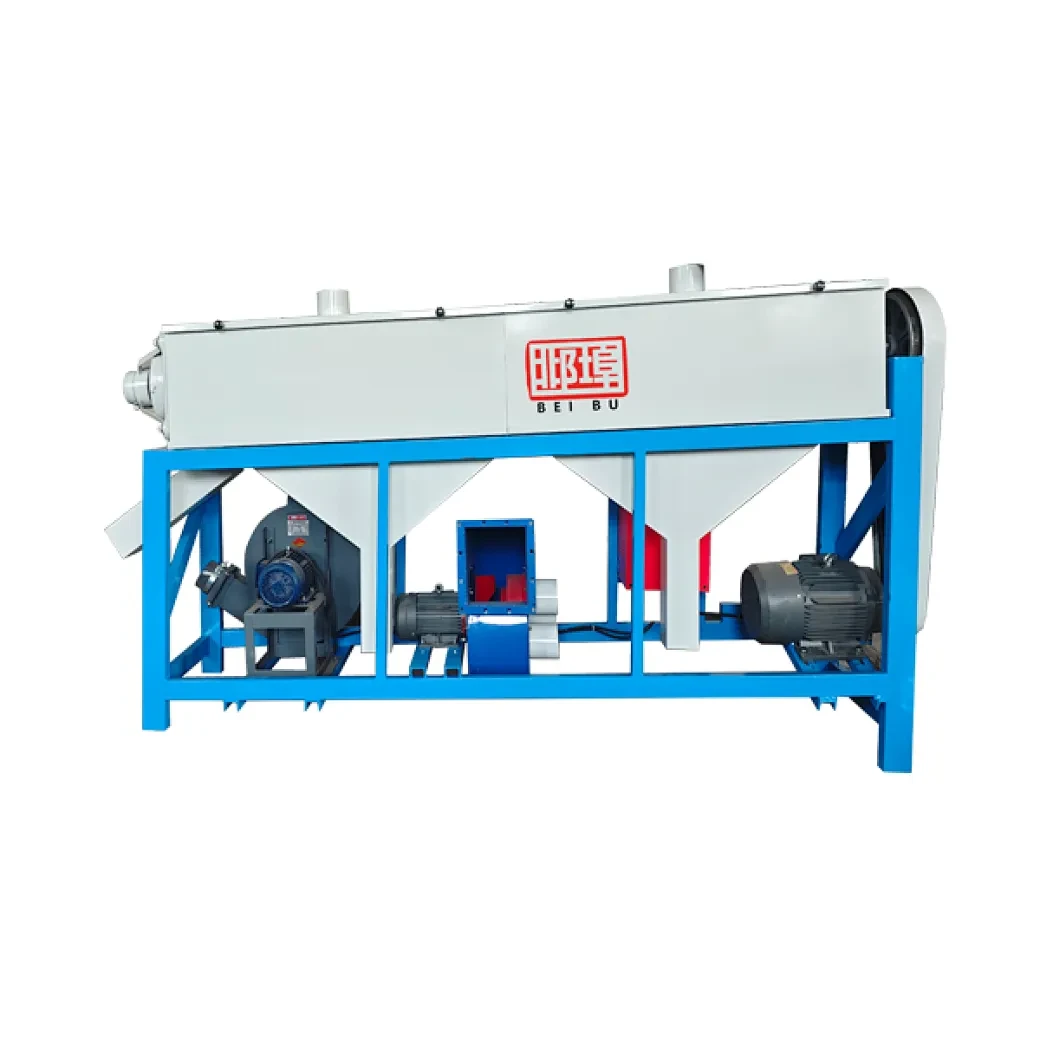
Sep. 16, 2025
High-Efficiency Polisher & Polishing Machine for Grains & Rice
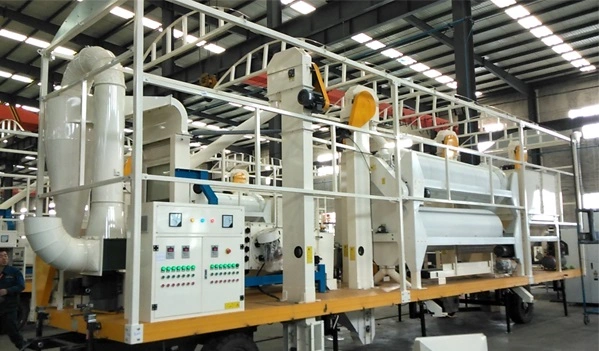
Aug. 19, 2024
seed processing line in trailer
Beibu Machinery


