



Aug . 27, 2025 13:58
In industrial scenarios such as grain processing, seed screening, and powder processing, magnetic separators, as key equipment specialized in removing black metal impurities, have become an important defense line to ensure material purity and production safety due to the precision of magnetic field separation technology. It breaks through the efficiency bottleneck of manual sorting of metal impurities, and through the synergistic effect of magnetic field force and material flow, it can efficiently separate black metal impurities such as iron and steel from bulk materials such as grains, seeds, and powders. Its performance directly affects the equipment safety and product quality in subsequent processing steps.
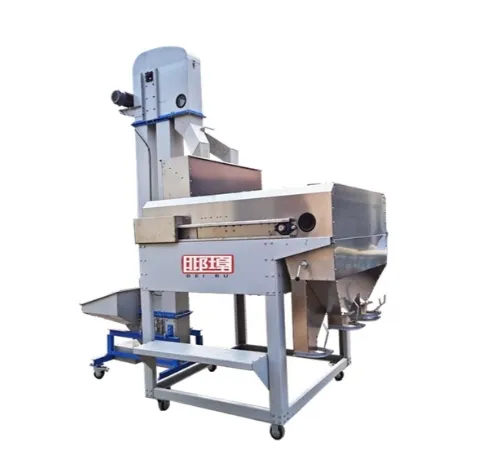
The core advantage of Magnetic Separators lies in the design of magnetic fields and optimization of material flow channels
The equipment mainly consists of a permanent magnet or electromagnet system, a material conveying device, and an impurity collection mechanism. Permanent magnets often use high-performance neodymium iron boron materials to form a strong magnetic field region. The magnetic field strength can be adjusted to 1000-15000 Gauss according to the material characteristics, ensuring that even small iron filings can be effectively adsorbed; The electromagnetic system can control the magnetic field switch through current to facilitate the regular removal of adsorbed metal impurities. The material conveying device adopts the form of belts, rollers or pipelines to evenly flow bulk materials through the magnetic field area. Metal impurities are separated from the material flow under the action of magnetic field force and adsorbed on the surface of the magnet, while pure materials continue to be conveyed along the normal trajectory. The impurity collection institution regularly cleans the adsorbed metal impurities manually or automatically to ensure the continuous and efficient operation of the belt magnetic separator.
The key criteria for measuring the quality of Magnetic Separers focus on separation efficiency and adaptability
The removal rate of metal impurities needs to reach a very high level, even iron powder with a diameter of 0.1 millimeters can be effectively captured, avoiding the mixing of small metal particles into subsequent processing; Strong adaptability to different materials, whether it is granular grains, seeds, powdered flour, or feed, precise separation can be achieved by adjusting the conveying speed and magnetic field strength; The stability of equipment operation is equally important. The magnetic force of the magnet needs to remain stable for a long time and will not decay due to temperature changes or vibrations. The material of the conveying device needs to be wear-resistant and corrosion-resistant to ensure that it does not affect performance when handling dusty or humid materials.
In practical applications, the magnetic separator has a wide range of scene adaptability
In the grain processing stage, the belt type magnetic separator can remove iron nails and iron filings mixed in during harvesting and storage from rice and wheat, avoiding these metal impurities from entering the rice mill and grinding machine, and preventing damage to the equipment blades or grinding discs; During seed screening, Magnetic Separators can remove iron impurities from seeds, ensuring that crop growth is not affected by metal residues after sowing; In the field of powder processing, such as the production of flour, starch, and feed powder, magnetic separators can effectively separate metal powders that may be mixed in during the processing, ensuring product purity and avoiding harm to consumers when consuming; Even in the production of building materials, magnetic separators can remove metal impurities from powder materials such as cement and lime, ensuring the structural uniformity of subsequent molded products.
With the development of industrial purification technology, the innovation of Magnetic Separators continues to deepen
The intelligent upgrade enables devices to monitor material flow and metal impurity content through sensors, automatically adjust magnetic field strength and conveying speed, and achieve adaptive separation; The improvement of permanent magnet materials has enhanced magnetic durability and reduced maintenance frequency; The application of automatic cleaning system enables the equipment to automatically remove adsorbed metal impurities at regular intervals without the need for shutdown operation, improving continuous production efficiency; In addition, the compact design allows the conveyor belt magnetic separator to be flexibly integrated into different production lines, making it easy to install both upstream raw material input and downstream finished product packaging, forming a metal impurity protection net throughout the entire process.
In summary, separator magnetic technology, with magnetic field separation technology as its core, efficiently captures black metal impurities and provides reliable guarantees for the purification treatment of bulk materials such as grains, seeds, and powders. It not only protects the safe operation of subsequent processing equipment, reduces equipment maintenance costs, but also improves the purity and safety of products from the source. In the future, with the continuous improvement of purity requirements in industrial production, Magnetic Separers will develop towards a more intelligent, efficient, and adaptable direction for multiple materials, continuously empowering high-quality production in various industries.
Magnetic Separator FAQs
What is the working principle of a magnetic separator?
Magnetic separators utilize the magnetic field generated by high-strength permanent magnets or electromagnets to attract and separate ferromagnetic impurities in materials. When the material passes through the magnetic separation zone, metal impurities are magnetically adsorbed onto the magnetic pole surface or separation device, while the clean material continues to flow normally, thus achieving the separation of impurities from the material.
What industries are Magnetic Separers suitable for?
Magnetic separators are widely used in industries such as food processing, grain processing, chemical, pharmaceutical, and plastic recycling. Especially in the processing of agricultural products such as grains, flour, and feed, it can effectively remove metal impurities such as iron filings, screws, and nails, ensuring product purity and production safety.
What are the core components of a magnetic separator?
The core components of a magnetic separator include a magnetic source (permanent magnet or electromagnet), a material conveying system (such as pipeline, vibration groove or belt), an impurity collection device, and a control system. The magnetic field strength and distribution of the magnetic source directly affect the separation effect, while the design of the conveying system determines the processing efficiency and material throughput.
How to maintain the magnetic separator to ensure its long-term stable operation?
Regularly cleaning the adsorbed metal impurities is key to maintaining the magnetic separator and avoiding the accumulation of impurities that can affect the magnetic field strength. At the same time, it is necessary to check whether the magnet is demagnetized or damaged, to ensure that the conveying system is not worn or blocked. For electromagnetic magnetic separators, it is also necessary to monitor the coil temperature and power supply stability.
What is the difference between a magnetic separator and a metal detector?
Magnetic separators mainly remove ferromagnetic metals through physical adsorption and are suitable for large-scale continuous processing, but are ineffective for non-ferrous metals such as copper and aluminum. Metal detectors use electromagnetic induction to identify all metal impurities and trigger alarms or sorting. They are usually used in situations where higher accuracy is required, and the two can be used interchangeably.

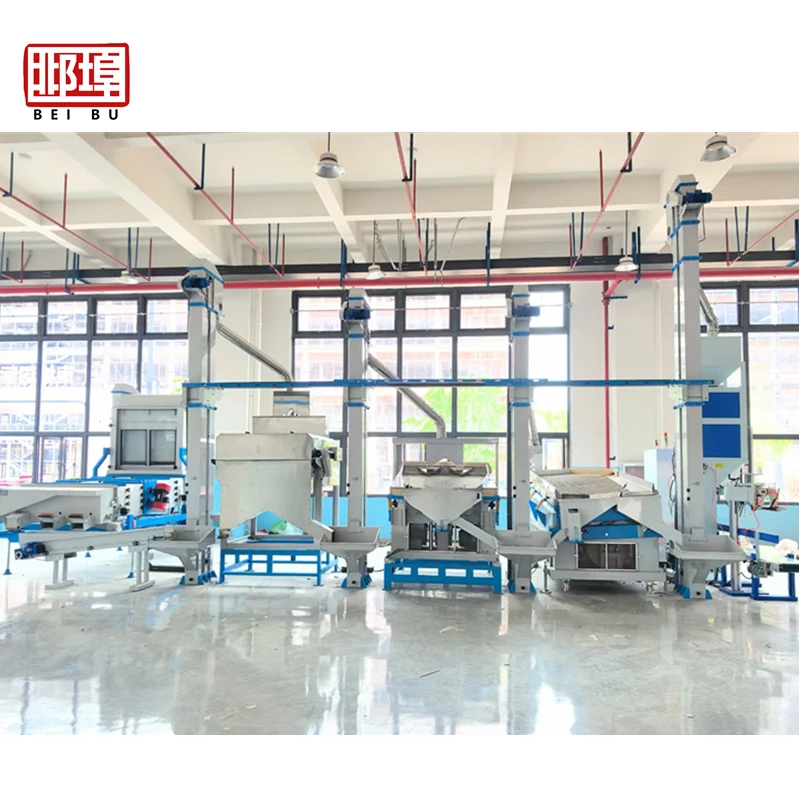
Jan. 02, 2026
Efficient Coffee Beans Cleaning Line Installation | Industry Insights
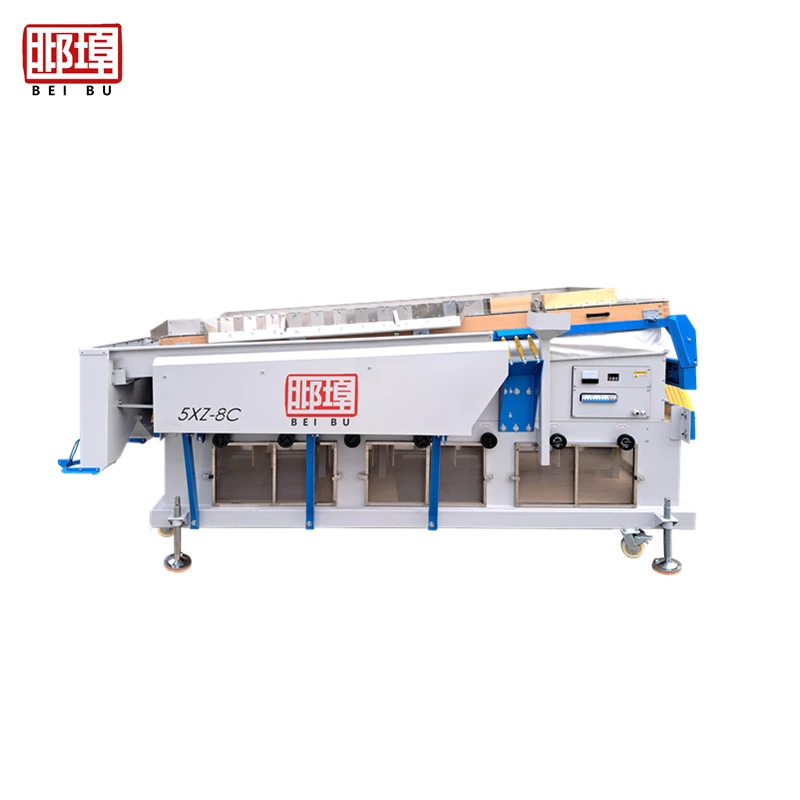
Nov. 20, 2025
Gravity Table Separator for Sale | Precise, High Capacity
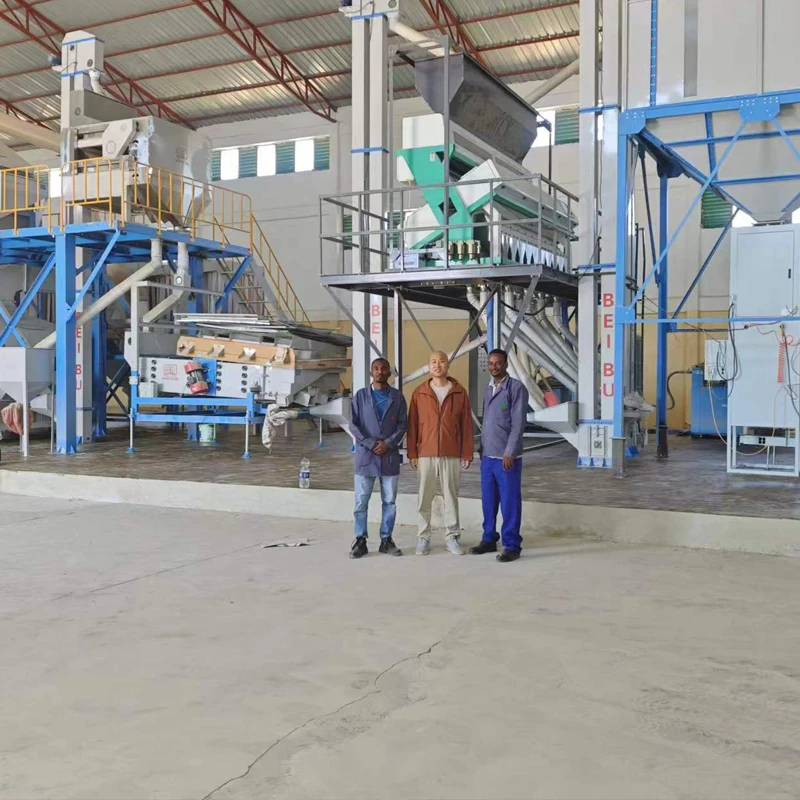
Dec. 04, 2025
BEIBU Conducts Customer Visits in Ethiopia to Deepen Services in the African Market

Jan. 06, 2025
How to choose a suitable Paddy cleaning machine-Beibu Machinery gives you the perfect answer
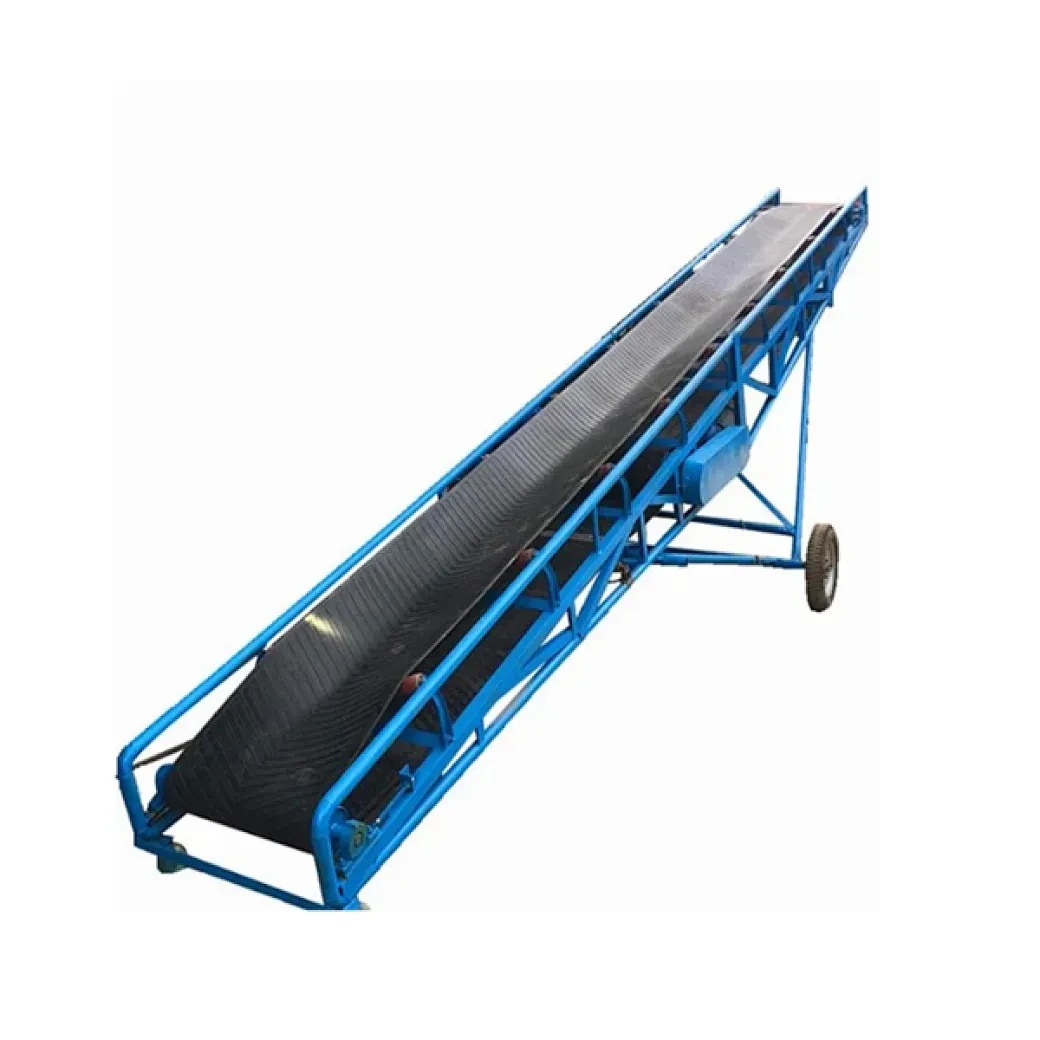
Sep. 30, 2025
Portable Belt Conveyor for Sale - Mobile, Efficient & Durable
Jan. 30, 2026
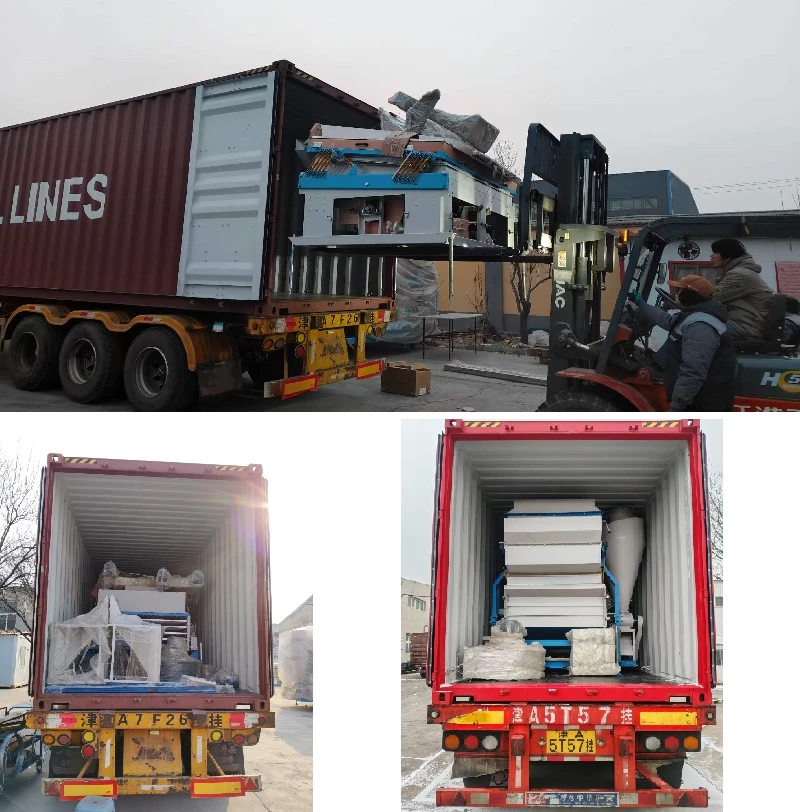
Another Shipment of "Made in China" Grain Cleaning Machines Sets Sail for Africa
Beibu Machinery


