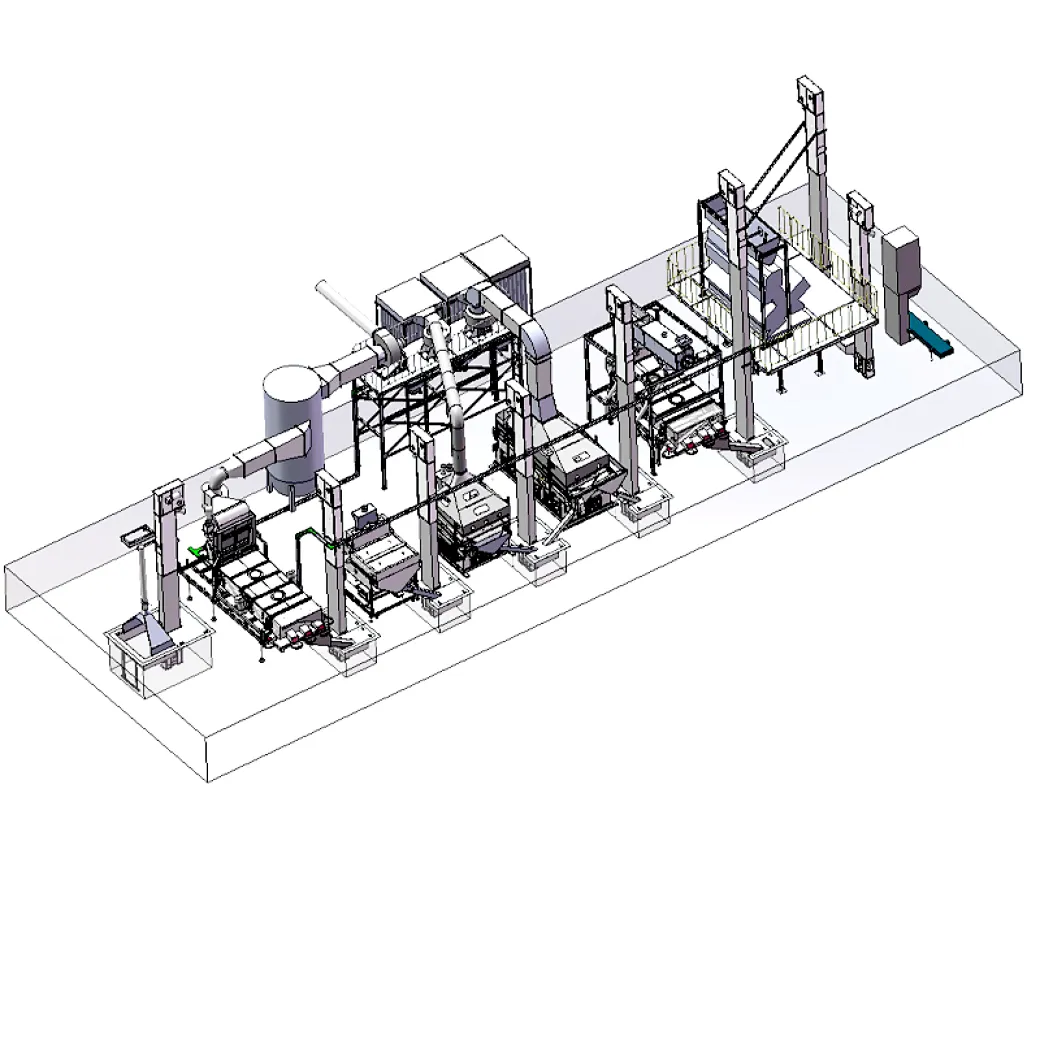
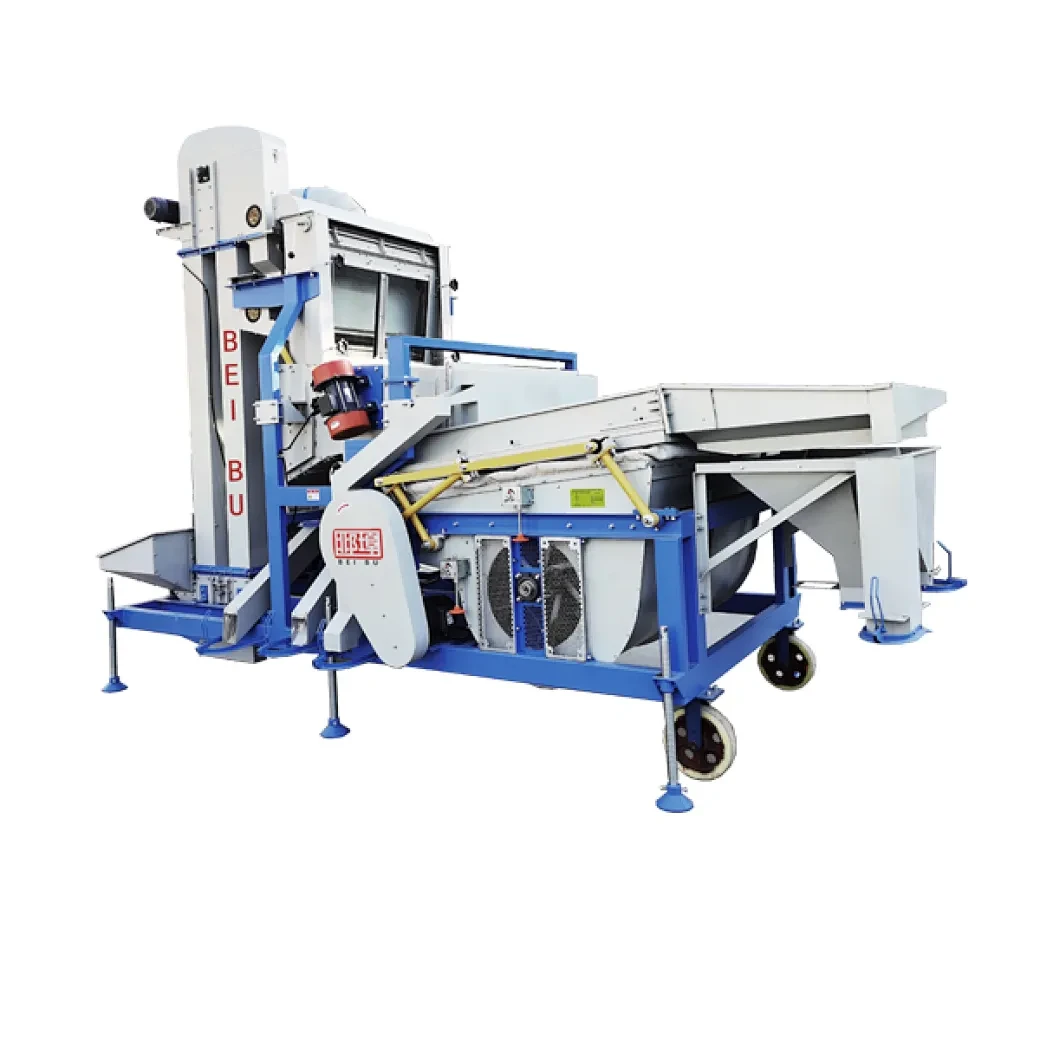
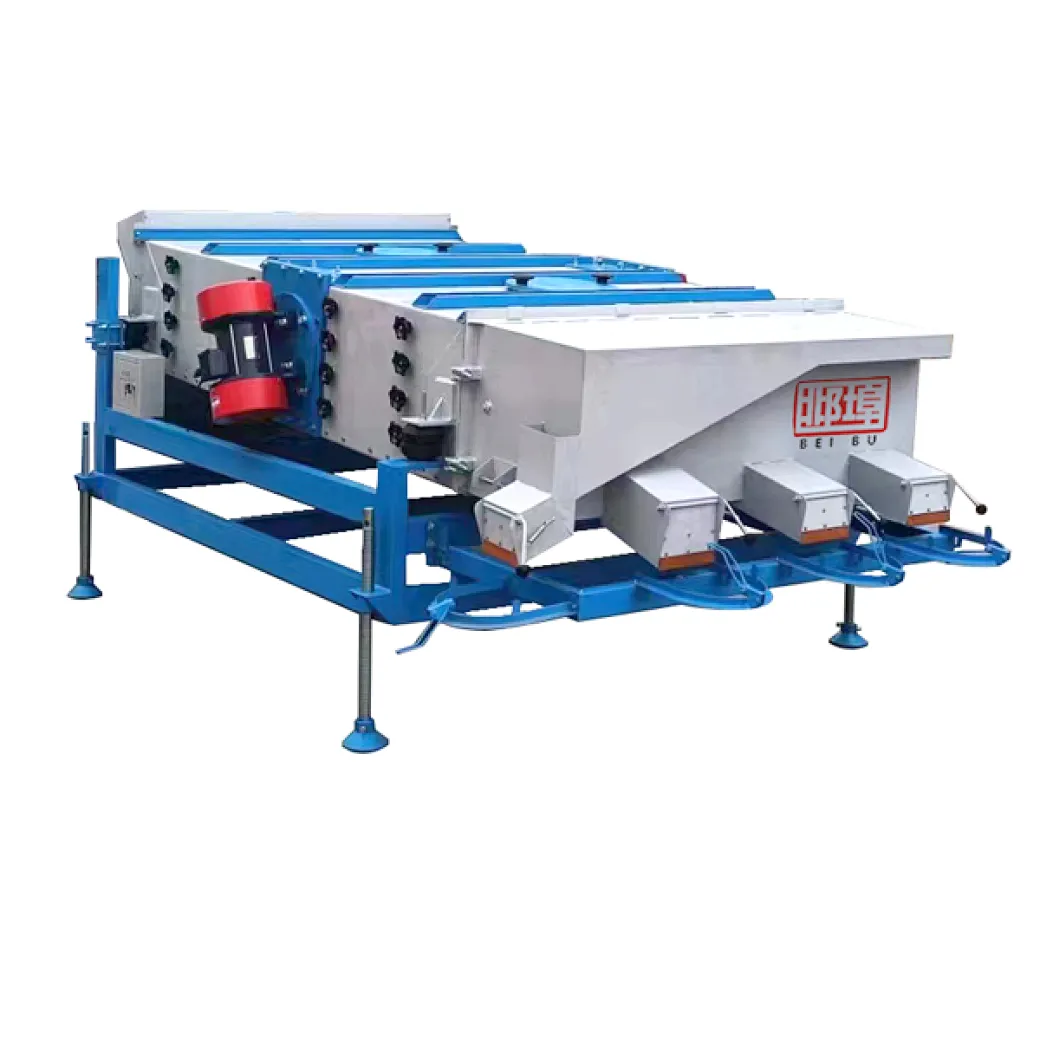
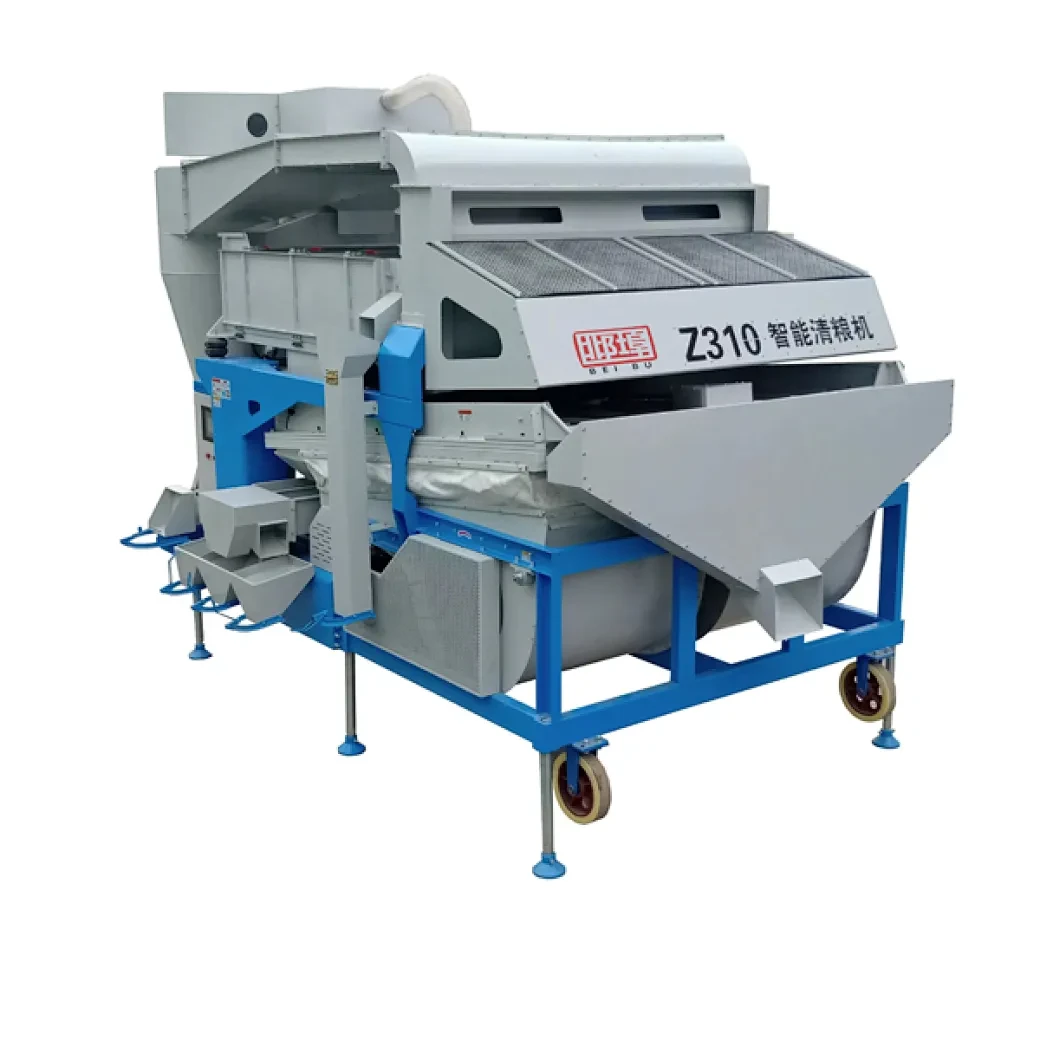
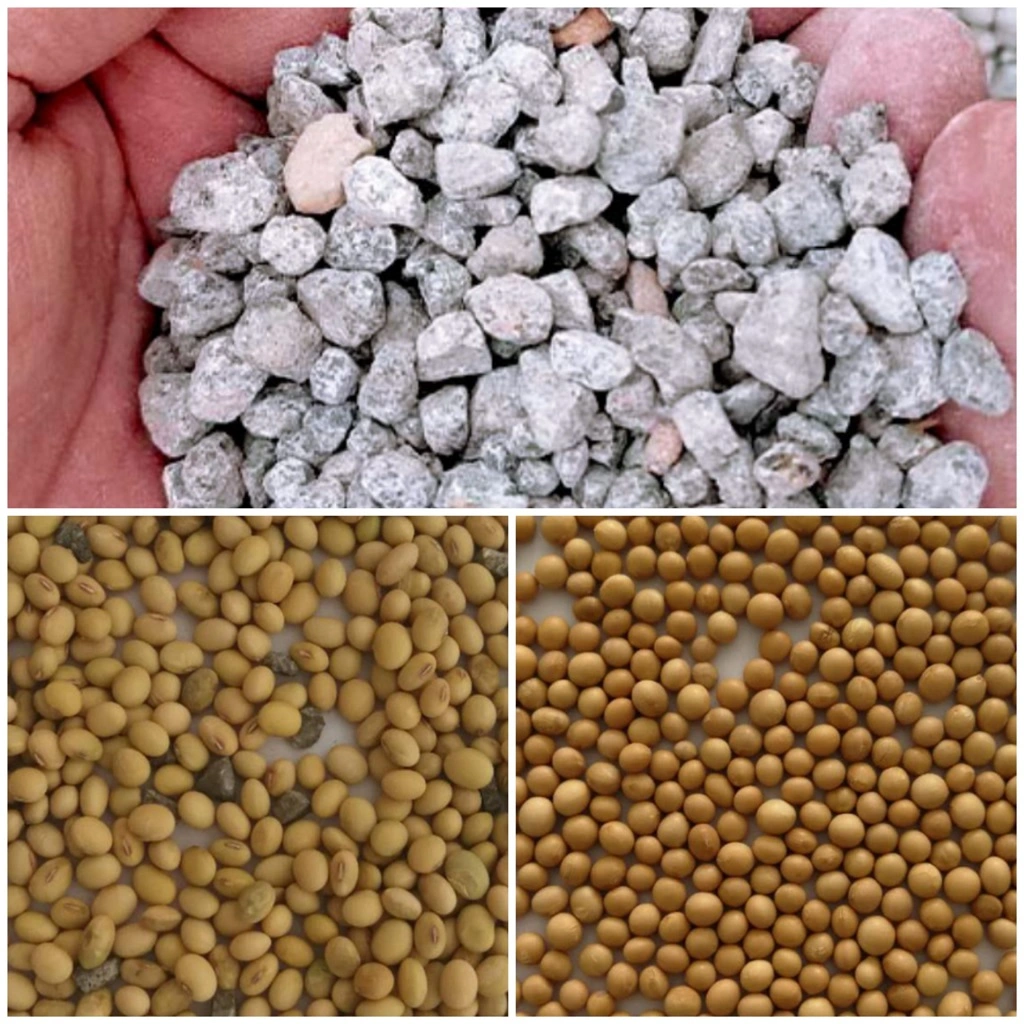
Understanding Grain Gravity Separators: A Global Perspective
Grain gravity separators are perhaps one of those quietly effective tools shaping the way agriculture and food industries operate worldwide. While they may not grab headlines like the latest drone or biotech breakthrough, their impact is huge—especially when it comes to improving grain quality, reducing waste, and ensuring food security. Essentially, they help sort grains based on density differences, a deceptively simple principle with vast practical power — from small family farms to large-scale industrial operations.
The global importance? Well, with the UN estimating that about 10% of all harvested grains get lost to pests or poor sorting before processing, minimizing that waste is vital. If food supply chains can enhance purity and grade of grains using gravity separators, you get better seeds, better food, and frankly, more reliable markets. Plus, with rising populations and climate pressures, every bit of efficiency counts.
Mini Takeaway: Grain gravity separators may sound niche, but they’re critical cogs in global food sustainability.
Why Grain Gravity Separators Matter Worldwide
The World Bank reports that grain production has been steadily increasing, yet post-harvest losses remain stubbornly high—sometimes up to 20% in developing countries. One big part of the problem is inefficient cleaning and sorting, which also compromises seed viability and food safety.
Grain gravity separators address this by leveraging fundamental physical properties: density differences between healthy grains, damaged kernels, foreign matter, and impurities. This not only elevates quality but ensures that end users—millers, processors, exporters—get a consistent, reliable product.
In fact, ISO standards for grain quality often require separation techniques like gravity sorting for compliance, showing its rising formal importance. As the push toward food security and sustainable agriculture grows, tools like these become indispensable.
Mini Takeaway: Global food systems rely on efficient grain sorting to reduce loss and meet quality benchmarks.
What Exactly Is a Grain Gravity Separator?
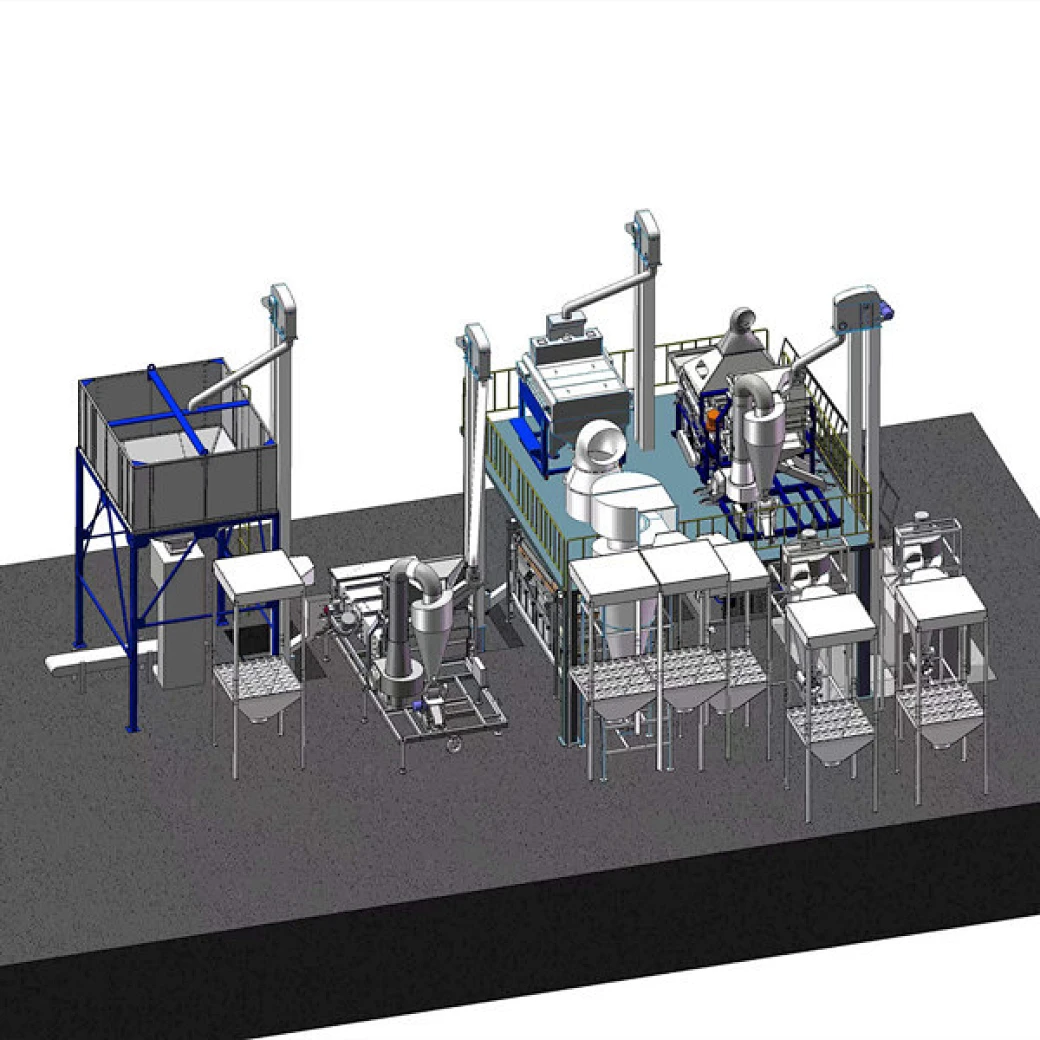
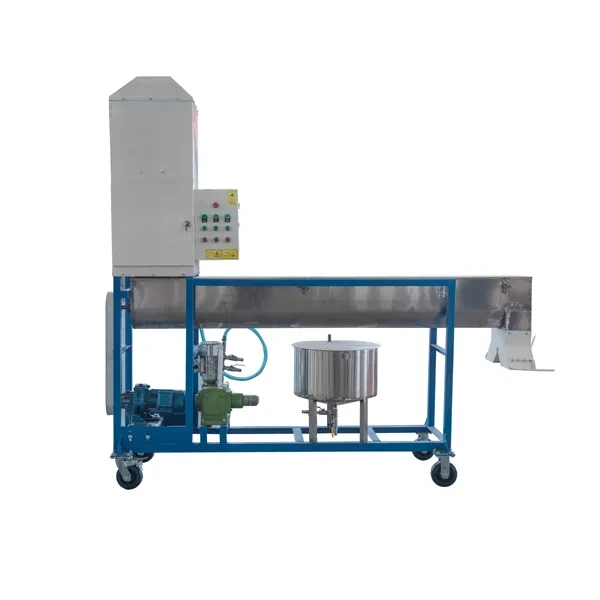
Imagine a machine that gently shakes and blows air over a mixture of grains, exploiting tiny density differences. The heavier, desirable grains settle differently from lighter impurities. That’s basically the grain gravity separator, a device that separates grain batches by specific weight and shape differences, improving purity.
The technology isn’t new—its roots trace back decades—but today’s equipment incorporates modern features like adjustable airflow, precise vibration controls, and customizable grades. It’s used in seed production, milling, grain export, and even humanitarian food aid operations, where every kernel counts.
It aligns perfectly with modern needs: reliable, scalable, and adaptable sorting that supports everything from a small community grain co-op to multinational agri-businesses.
Key Features That Define A Grain Gravity Separator
1. Precision Sorting
The heart of a grain gravity separator is its ability to distinguish even slight density variations, sorting grains not just by size but by weight. This precision is critical to removing broken seeds or chaff that might otherwise compromise the batch.
2. Adjustable Airflow and Vibration
You often read about the “air column” in gravity separators. This is where adjustable air pressure lifts lighter particles, while vibration moves the grains across sorting decks. Engineers sometimes call it a “dance of physics.” It lets users calibrate the machine for different grain types — wheat versus maize, for example.
3. Durability and Material Quality
Since grain processing is often dusty and abrasive, gravity separators are built with wear-resistant materials like stainless steel and heavy-duty polymers. Longevity means less downtime and reliable performance in tough environments.
4. Scalability
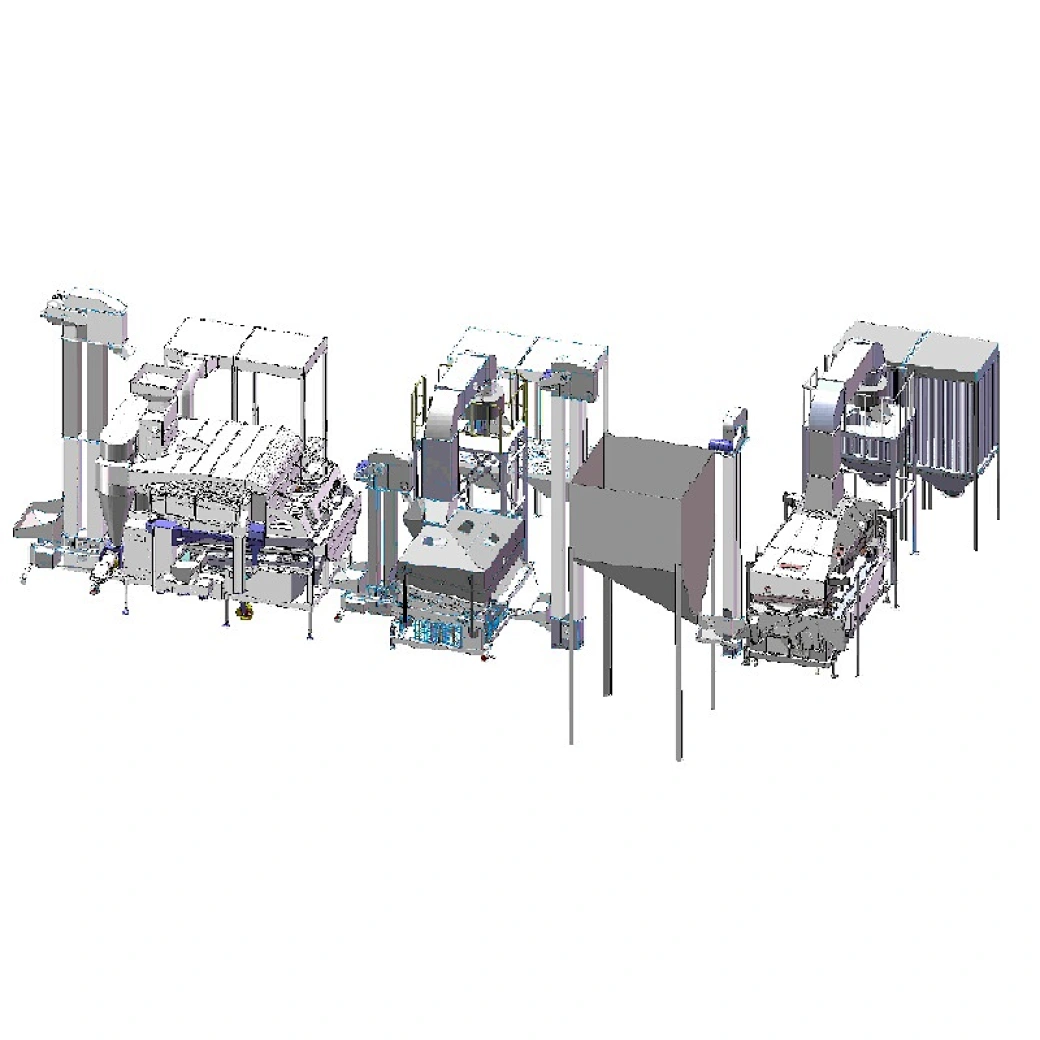
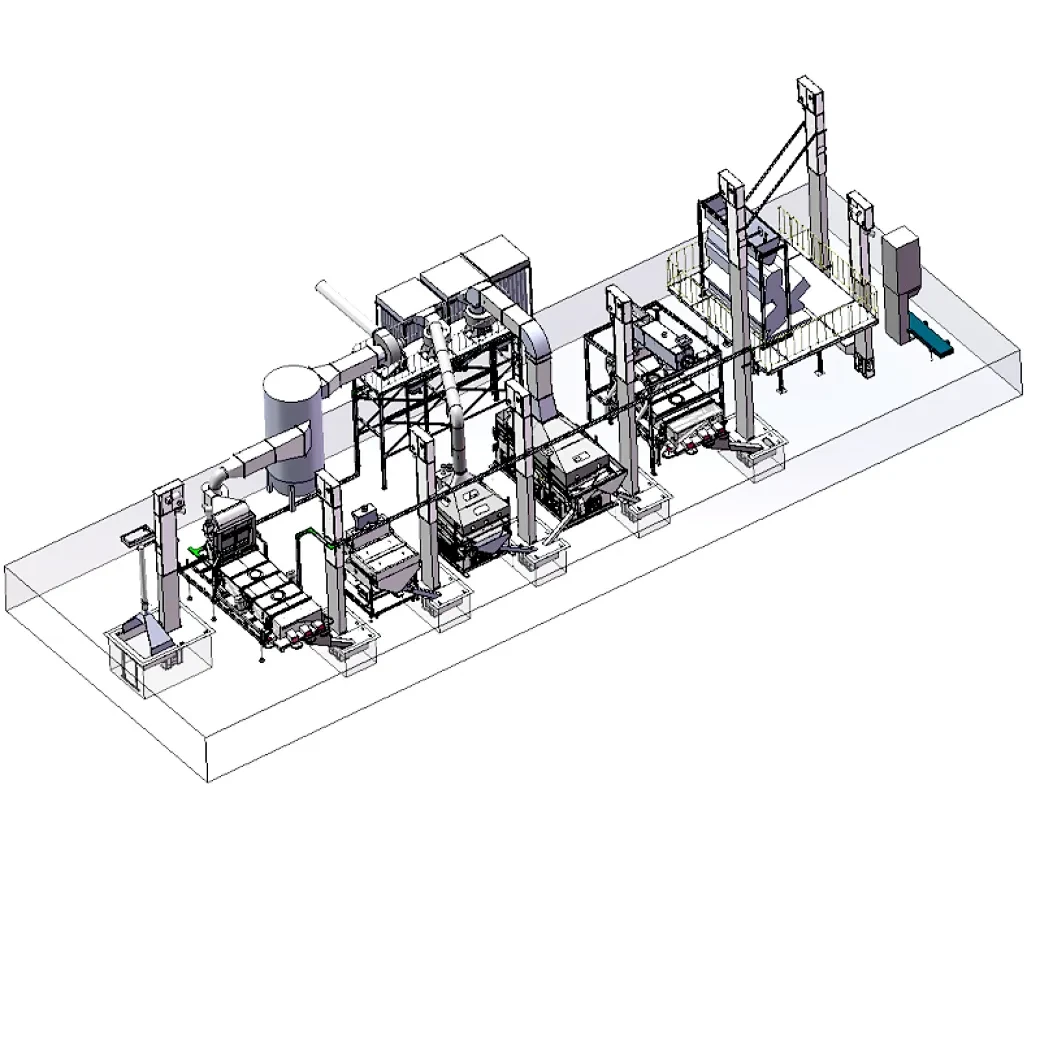
From tabletop models for small farms to large machines handling tons per hour, grain gravity separators come in varied sizes. This scalability lets operators pick solutions matching their needs and budgets.
5. Energy Efficiency
Modern separators emphasize reduced energy use. Many models incorporate variable frequency drives (VFDs) and optimized air systems to cut electrical consumption—something many operators appreciate financially and environmentally.
Mini Takeaway: The best grain gravity separators combine precision, adaptability, durability, and efficiency.
Grain Gravity Separator in Action: Global Use Cases
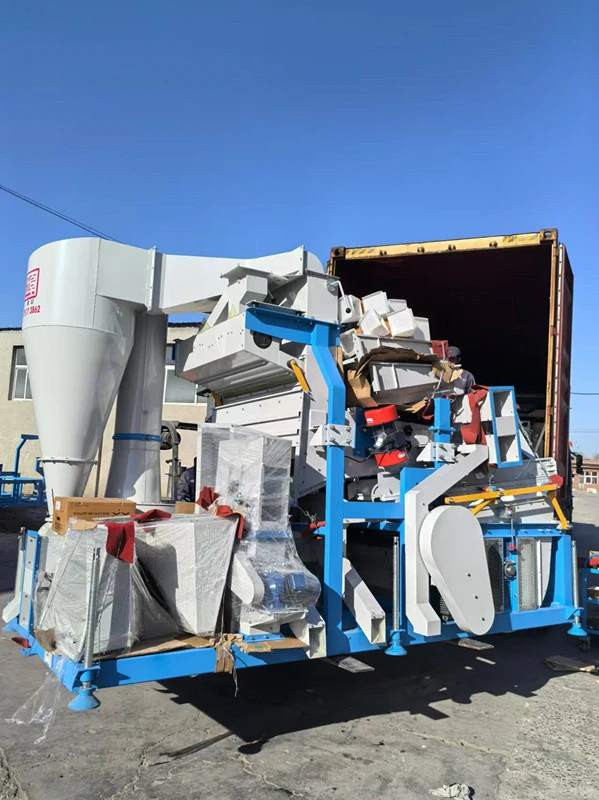
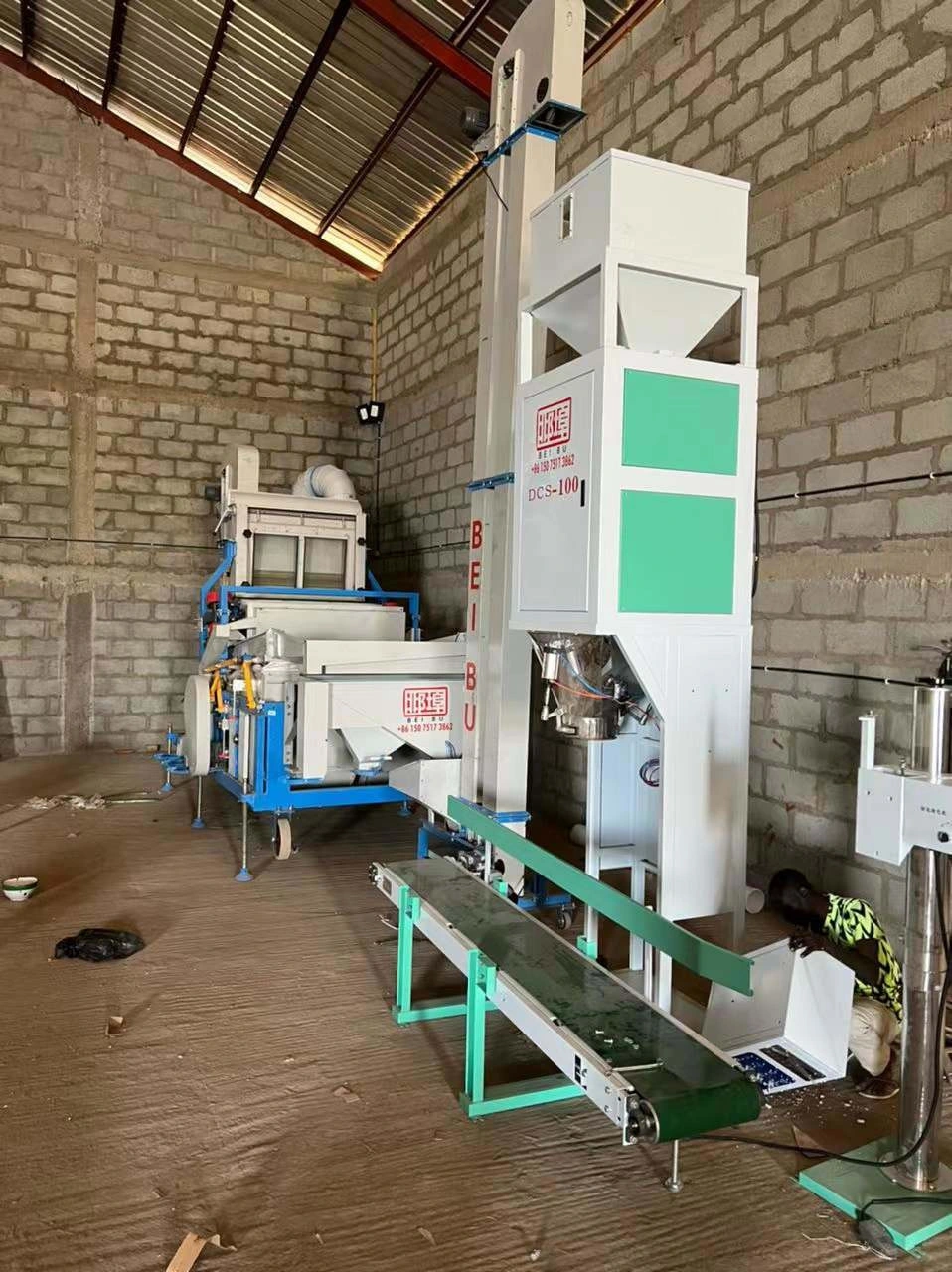
Here’s the neat part: grain gravity separators don’t just live in large factories. In East Africa, smallholder farmers use compact units to improve seed stocks, directly influencing crop yields. In Canada and the US, massive facilities separate wheat and barley for export, sometimes sorting over 10 tons per hour.
In post-disaster scenarios, NGOs have employed grain gravity separators to clean donated grains, ensuring food aid is safe and acceptable. Even remote industrial zones utilize these machines to process local cereals, reducing dependence on imports and bolstering local economies.
If you want a quick peek at suppliers or product options, try visiting grain gravity separator providers who often highlight case studies and technical specs tailored to your region and requirements.
Product Specification Table
| Specification |
Typical Value / Range |
| Sorting Capacity |
0.5 to 15 tons per hour |
| Airflow Adjustable Range |
100–600 m³/hour |
| Vibration Frequency |
580 to 720 cycles/min |
| Material Construction |
Stainless steel / Carbon steel |
| Power Consumption |
1.1 to 4 kW |
| Weight |
200 - 1200 kg |
A Quick Look at Major Grain Gravity Separator Vendors
| Vendor |
Capacity Range (tph) |
Energy Efficiency |
Price Range (USD) |
Key Feature |
| Beibu Cleaner |
0.5 - 15 |
High (VFD driven) |
$2,000 - $12,000 |
Customizable decks & airflow |
| Satake |
1 - 10 |
Moderate |
$4,000 - $15,000 |
Advanced dust reduction |
| Tomra |
2 - 12 |
High |
$10,000 - $25,000 |
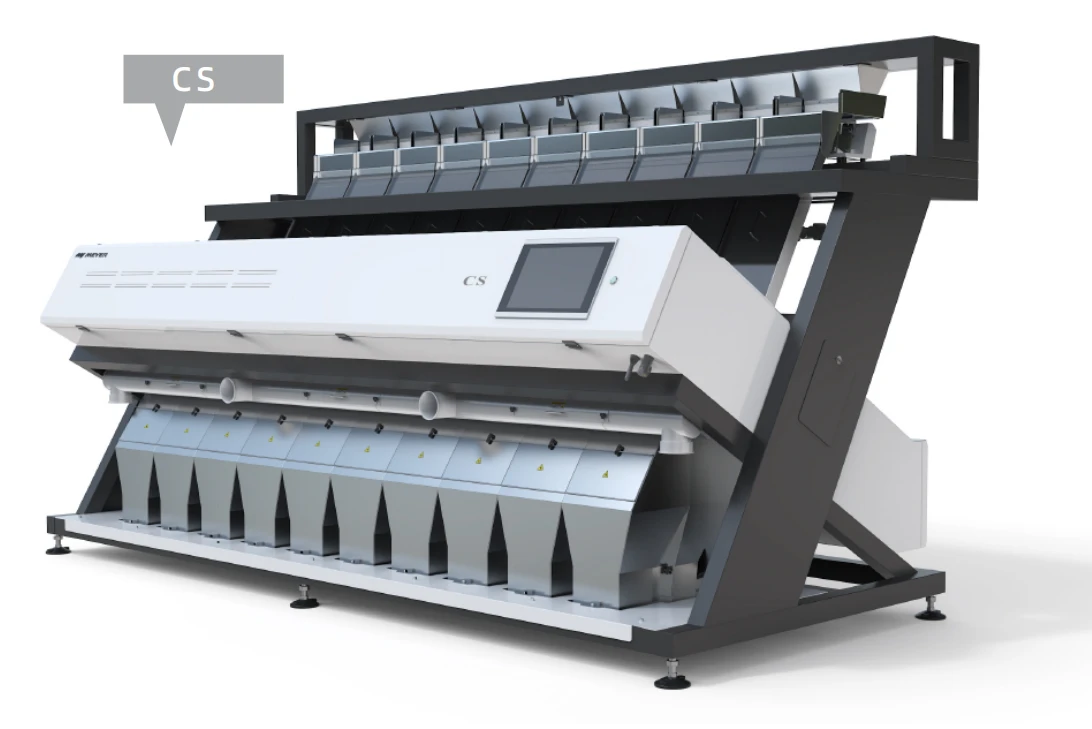
Precision optical sorting combo |
Advantages & Long-Term Value of Grain Gravity Separators
When you think about it, the benefits stack up nicely. Tangibly, operators reduce waste dramatically, improving their bottom line by increasing saleable grain volumes. Better purity also translates to higher market prices and compliance with food safety regulations. This matters a lot when grains head into international supply chains.
Beyond dollars, there’s a sustainability story here — reducing post-harvest losses reduces the need to produce extra crops, which saves water, energy, and land. That hits climate goals gently but meaningfully.
On a more personal note, farmers and workers feel a sense of dignity and trust knowing their grains meet standards. And customers? They rely on safe food that won’t spoil prematurely or cause health issues.
Mini Takeaway: Grain gravity separators blend economic, environmental, and social advantages that build trust along the entire food chain.
Emerging Trends & Innovations in Grain Separation
The future runs toward automation and data integration. Imagine separators linked with IoT sensors that monitor grain moisture or quality in real time, adjusting separation parameters dynamically. Maybe AI-driven algorithms will predict the best sorting patterns depending on the season or crop variety.
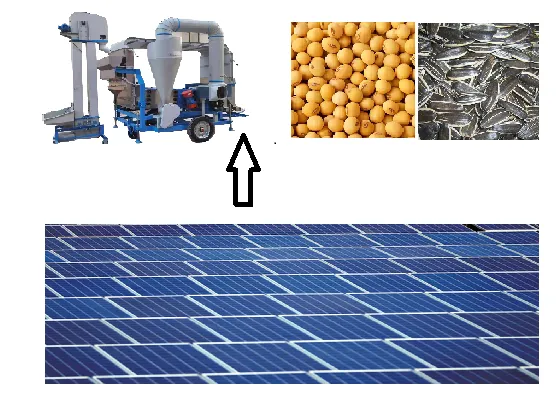
Materials wise, newer polymers and coatings promise longer machine lifespans and easier maintenance. There’s also focus on energy-neutral operations, for example, solar-powered units in off-grid farming communities.
Governments and NGOs push standards toward circular economy principles, incentivizing machines that maximize sorting efficiency while minimizing environmental footprint. Honestly, this combination of old-school physics and new-school tech feels like a sweet spot for innovation.
Challenges & How Industry Experts Are Tackling Them
Sure, no machine is perfect. Grain gravity separators may struggle with mixed grain types or unusual contaminants, sometimes requiring manual re-sorting. Smallholder farmers may find upfront costs a hurdle, though rentals and shared ownership models are increasingly common.
Engineering teams are working on adaptive airflow systems and modular designs that can be retrofitted onto existing equipment. Training and education remain critical; a technically sound separator loses meaning without skilled operators.
Plus, in some regions, inconsistent power supply is a real pain. Innovations in solar and battery backup integration aim to solve this.
FAQ: Frequently Asked Questions About Grain Gravity Separators
Q1: How does a grain gravity separator improve seed quality?
A grain gravity separator removes lighter, damaged, or unwanted grains by using airflow and vibration to separate based on density. This process enriches the seed batch with stronger kernels, improving germination rates and crop yields.
Q2: Is investing in a grain gravity separator cost-effective for small farms?
While upfront costs can be significant, many small farms benefit by reducing seed loss and boosting the value of their harvest. Options like smaller capacity units or cooperative ownership improve affordability.
Q3: Can grain gravity separators handle multiple types of grains?
Most separators are adjustable for different grains by tuning airflow and vibration settings. However, highly mixed batches may require multiple passes or complementary sorting equipment.
Q4: What maintenance does a grain gravity separator require?
Routine cleaning of dust and debris, checking and tightening belts or vibratory components, and periodic inspection of air flow systems are typical maintenance tasks. Using durable materials cuts down on major repairs.
Q5: Are grain gravity separators eco-friendly?
Yes, indirectly. By reducing grain spoilage and waste, they help lower the overall environmental footprint of agriculture. Additionally, newer models focus on lowering electricity consumption and can operate with renewable energy sources.
Wrapping It Up: Why Grain Gravity Separators Are Worth Knowing About
In the big picture, the grain gravity separator is a sort of unsung hero of agriculture—quietly streamlining processes, reducing waste, and enabling better food quality worldwide. It’s a mix of clever physics, smart engineering, and practical design that proves invaluable for farmers, processors, and even relief efforts.
Curious to explore the right options for your needs? Visit our website at grain gravity separator for specs, support, and the latest models designed to match your scale and goals.
At the end of the day, embracing tools like these feels like a smart step toward a more sustainable—and frankly, more optimistic—food future.
References
- United Nations Food Systems Summit
- ISO 10775: Grain quality standards
- World Bank Agriculture Overview